Search results
Search for "stability" in Full Text gives 1337 result(s) in Beilstein Journal of Nanotechnology. Showing first 200.
Tailoring of physical properties of RF-sputtered ZnTe films: role of substrate temperature
Beilstein J. Nanotechnol. 2025, 16, 333–348, doi:10.3762/bjnano.16.25
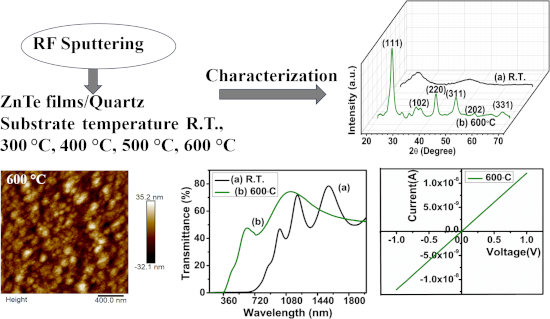
- ) compounds have numerous applications in optoelectronic devices such as light-emitting diodes [1], display devices [2], infrared detectors [3], and terahertz emitters [4]. Owing to their suitable physical properties (deposition at low temperatures and good thermal stability) and unique optical properties due




Fabrication and evaluation of BerNPs regarding the growth and development of Streptococcus mutans
Beilstein J. Nanotechnol. 2025, 16, 308–315, doi:10.3762/bjnano.16.23
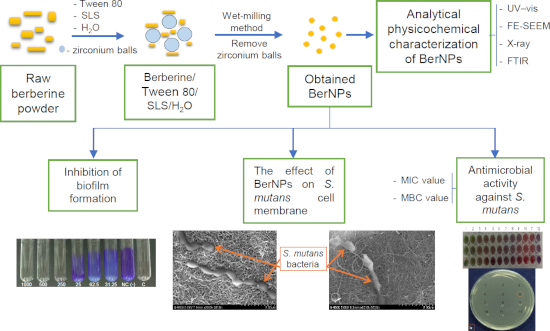
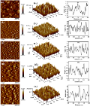
- each other, reducing the likelihood of agglomeration and deposition, and enhancing the stability of the suspension [21][22]. Consequently, a suspension of the BerNPs was produced with uniform particle sizes, predominantly ranging from 40 to 65 nm (Figure 1B,C). In our study, the rotary grinding method
- particle sizes results in a larger total surface area, thus significantly increasing biological activity and stability [20][28]. Compared to other studies, the size of the berberine nanoparticles obtained in this study was smaller, highlighting the significant application potential of the material. UV–vis




Enhancing mechanical properties of chitosan/PVA electrospun nanofibers: a comprehensive review
Beilstein J. Nanotechnol. 2025, 16, 286–307, doi:10.3762/bjnano.16.22

- adsorbing heavy metals and radionuclides [16]. However, chitosan exhibits limited mechanical stability, is sensitive to pH variations, and tends to swell [17]. To improve the spinnability of chitosan during the electrospinning process, it is commonly blended with other polymers, such as PVA [18
- atom backbone ensures chemical stability and compatibility with diverse environments. Figure 3 shows the chemical structure of PVA. PVA is known for its biodegradability, allowing it to disintegrate in both aerobic and anaerobic environments. This feature is crucial for industries concerned about the
- hydrophilicity, and low thermal stability [106][107]. The disadvantages often necessitate the combination of PVA with other materials or the application of post-processing techniques such as cross-linking or coating for performance improvement [108]. As a countermeasure, Rafieian et al. [109] proposed


Emerging strategies in the sustainable removal of antibiotics using semiconductor-based photocatalysts
Beilstein J. Nanotechnol. 2025, 16, 264–285, doi:10.3762/bjnano.16.21
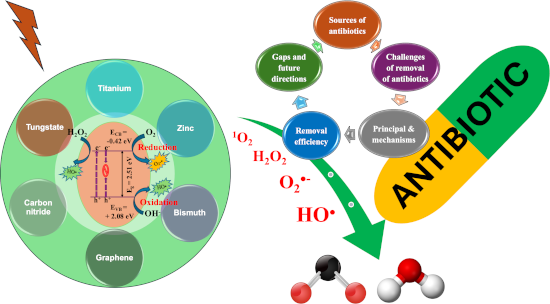
- capacity to absorb light and concerns about catalytic stability, photocatalysis outperforms other advanced oxidation processes in multiple aspects. This study focuses on summarizing recent advances in the sustainable removal of antibiotics using semiconductor-based photocatalysts. By reviewing the latest
- heterojunctions are classified based on their charge transfer mechanism and the presence or absence of mediators. The direct Z-scheme relies on the direct electron transfer between photocatalysts; eliminating the electron mediator simplifies the design and enhances stability but may suffer from higher charge
- more complicated to fabricate and possibly beset by stability problems due to mediator degradation, indirect Z-schemes are nevertheless often used in applications that demand high charge separation performance. In contrast, direct Z-schemes are best suited for systems where robustness and simplicity



Preferential enrichment and extraction of laser-synthesized nanoparticles in organic phases
Beilstein J. Nanotechnol. 2025, 16, 254–263, doi:10.3762/bjnano.16.20
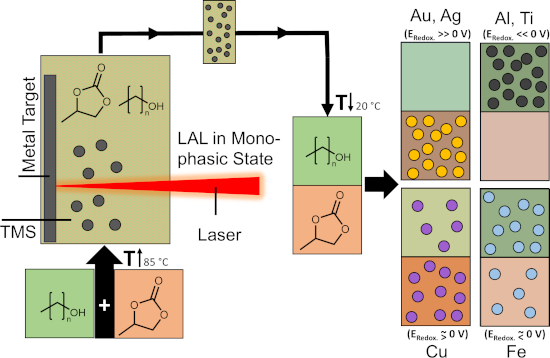
- ) functionalization of the nanoparticles have been observed, which ultimately should affect their lipophilicity and, hence, colloidal stability in apolar or polar solvents. Two-phase liquid systems and the possibility to transfer the surfactant-free nanoparticles from one liquid phase into another remain practically
- parameters. As such, nanoparticle size [32][33], colloidal stability [33], gas formation [11][34], degree of oxidation [35][36][37], and nanoparticle productivity [11][32][33][34] can be influenced and tailored to specific needs. Although it may be expected that the particles’ reactivity with the solvent and
- synthesize heterogeneous catalysts by deposition of nanoparticles, the specific nanoparticle solubility, and eventually also the colloidal stability of the individual nanoparticles, in different solvents is required [47][48]. If the colloid does not possess required properties such as colloidal stability




Radiosensitizing properties of dual-functionalized carbon nanostructures loaded with temozolomide
Beilstein J. Nanotechnol. 2025, 16, 229–251, doi:10.3762/bjnano.16.18
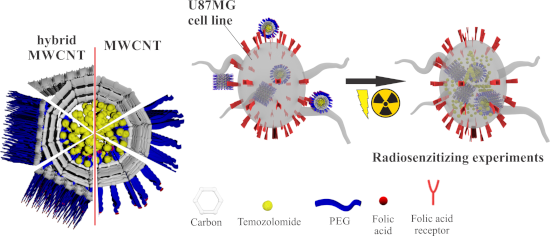
- enable transport and delivery to brain tumors. Inorganic nanostructures as TMZ carriers have shown several advantages compared to organic ones with respect to physicochemical stability and potency/cytotoxic activity, overcoming their main disadvantages, that is, hydrophobicity/fluidity and toxicity by
- characterization of all formulations regarding interactions of the components and their stability during the preparation procedures, different techniques were used including infrared (IR), ultraviolet–visible (UV–vis), and Raman spectroscopy as well as TGA. For analyzing potential structural changes in the CNs
- after exposure to irradiation, X-ray powder diffraction (XRPD) was used. The stability of TMZ under these conditions was determined unsing attenuated total reflectance Fourier-transform infrared (ATR-FTIR) and UV–vis spectroscopy. Most of the procedures and techniques were used in our previous study [43




Synthesis and the impact of hydroxyapatite nanoparticles on the viability and activity of rhizobacteria
Beilstein J. Nanotechnol. 2025, 16, 216–228, doi:10.3762/bjnano.16.17
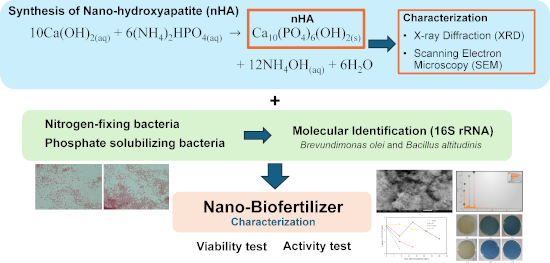
- , making them ideal candidates for serving as carrier materials [6]. Additionally, nanoscale carrier materials offer the advantage of high loading capacity, remarkable stability, and the ability to enhance rhizobacterial resilience against drought conditions. Moreover, they provide convenience in both
- can affect the stability of a substance, ion interactions, and molecular ionization in a solution. However, the effect of pH and EC values on the psychochemical properties highly depends on the material’s application [28][29]. Pd rhizobacterium typically thrives optimally at pH 7.5 and exhibits


Recent advances in photothermal nanomaterials for ophthalmic applications
Beilstein J. Nanotechnol. 2025, 16, 195–215, doi:10.3762/bjnano.16.16
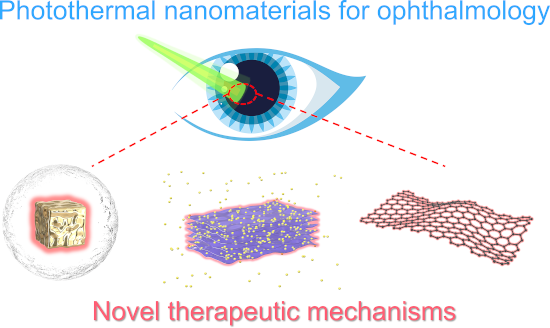
- , and inorganic semiconductor materials that absorb light through bandgap transitions [25]. The specific photothermal properties of these materials, encompassing aspects such as range and rate of light absorption, photothermal conversion efficiency, heat transfer capability, and photothermal stability
- photothermal agents [61]. Organic small molecule dyes are easy to remove from the eye, however, they suffer from low photothermal conversion efficiency, easy photobleaching, low water solubility, and low stability [39]. Common organic small molecule dyes include cyanine dyes (e.g., indocyanine green (ICG
- molecule dyes can be modulated by intramolecular rotation or intermolecular interactions [63]. By using nanocarrier encapsulation and self-assembly strategies, the water solubility and stability of organic small molecule dyes can be improved, and photobleaching can be reduced [64]. Materials that undergo


A review of metal-organic frameworks and polymers in mixed matrix membranes for CO2 capture
Beilstein J. Nanotechnol. 2025, 16, 155–186, doi:10.3762/bjnano.16.14
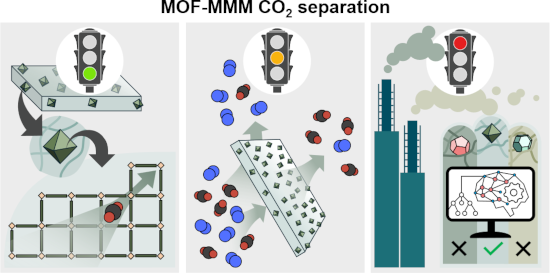
- , including regenerative solvent-based absorption [2][6], fixed-bed adsorption [7], cryogenic separation techniques [8], and membrane separation methods [9][10][11][12]. Of these, membrane technology offers advantages such as exceptional stability, high efficiency, low energy consumption, and ease of
- membranes exhibit superior thermal, chemical, and mechanical stability compared to organic membranes [72][73][74]. However, inorganic membranes tend to be brittle, which can lead to crack formation in the finalized membrane, thereby reducing their selective properties. While organic membranes typically
- balance both membrane permeability and selectivity while achieving better overall stability. This is achieved through the addition of inorganic fillers into organic membrane matrices leading to MMM systems. Nevertheless, incorporating inorganic additives into organic polymer membranes is complex


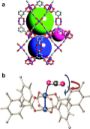
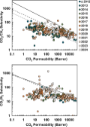


Comparison of organic and inorganic hole transport layers in double perovskite material-based solar cell
Beilstein J. Nanotechnol. 2025, 16, 119–127, doi:10.3762/bjnano.16.11
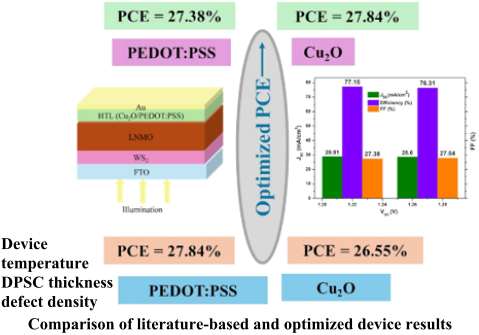
- -based PSCs as a promising photovoltaic material. The double perovskite layer is a remarkable choice as active layer because of intrinsic carrier stability, low exciton binding energy, and low toxicity. Herein, the optimization of a planar DPSC with a multifunctional double perovskite absorber layer
- -circuit current density (JSC) of 13.26 mA/cm2, and a fill factor (FF) of 66%. The PCE is close to that of the Pt-based counter electrode (PCE = 6.86%). Akman [3] used hydrothermal methods to synthesize the photoanodes with different doping sources to further improve the stability of DSSCs. For 1.0 mol
- under ambient conditions with humidity levels of 35–40%. Here, 3,4-dihydroxyphenethylamine hydrochloride (3,4-DpACl) was used as an additive during perovskite fabrication. Despite significant research efforts, there are stability issues when working under critical environmental conditions, which is an


Nanocarriers and macrophage interaction: from a potential hurdle to an alternative therapeutic strategy
Beilstein J. Nanotechnol. 2025, 16, 97–118, doi:10.3762/bjnano.16.10

- such as iron and gold [4][5]. Each material is chosen for its unique properties, such as size, hydrophilicity, and charge, that make it suitable for acting as a drug carrier. NCs can be functionalized on their surface to improve the stability and solubility of high-payload encapsulated cargos, promote
- delivery route despite the potential advantages of local approaches [6]. Once in the bloodstream, NCs are exposed to a wide range of forces, such as fluid shear stress, blood flow, opsonization, excretion, and interaction with the MPS, all of which influence NC stability and delivery. This challenging and
- unique physicochemical properties of these mannose-decorated hybrid NPs, such as controlled particle size (≈265 nm) and stability ensured by negative zeta potential, make them highly effective for receptor-mediated endocytosis and intracellular drug delivery [57]. Similarly, hyaluronic acid-coated NCs


Modeling and simulation of carbon-nanocomposite-based gas sensors
Beilstein J. Nanotechnol. 2025, 16, 90–96, doi:10.3762/bjnano.16.9
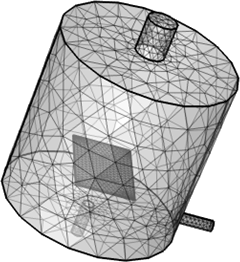
- nanocomposites, like high surface area, excellent electrical conductivity, and chemical stability, make them ideal candidates for the development of high-performance CO gas sensors. Carbon-nanocomposite gas sensors find their application in detecting pollutants such as nitrogen dioxide (NO2), sulfur dioxide (SO2
- ), and volatile organic compounds (VOCs) in the atmosphere and can be used for industrial safety, security, and defense [2]. Gas sensors consisting of metal oxide possess several disadvantages, such as high-power consumption, sensor stability, and low sensitivity. To reduce the cost of sensors




Characterization of ZnO nanoparticles synthesized using probiotic Lactiplantibacillus plantarum GP258
Beilstein J. Nanotechnol. 2025, 16, 78–89, doi:10.3762/bjnano.16.8
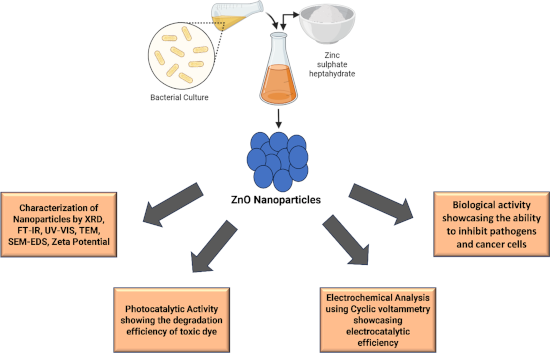
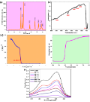
- measurements were employed to analyze the morphology, dimensions, and elemental composition of the generated nanoparticles. The experimental outcomes confirmed the presence of hexagonal wurtzite-structured ZnO NPs with an average size of 10 nm. The colloidal system demonstrated excellent stability with a zeta
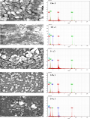
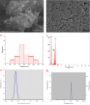
- wrinkled pattern, and it was found that the NPs average size was 72 nm. The presence of ZnO NPs on the surface was confirmed through EDX, which showed characteristic elemental peaks validating the composition (Figure 4a–d). Zeta potential The ZnO NPs synthesized using GP258 showed good stability as
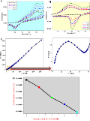
- colloidal system. Our biosynthesized nanoparticles showed a zeta potential of −60 mV. It is considered that a NP colloid with a zeta potential of more than ±30 mV shows good stability against aggregation. The zeta average size was found to be 99 nm (Figure 4e,f). Electrochemical analysis Cyclic voltammetry



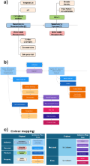
Instance maps as an organising concept for complex experimental workflows as demonstrated for (nano)material safety research
Beilstein J. Nanotechnol. 2025, 16, 57–77, doi:10.3762/bjnano.16.7

- overall study that would be required, such as characterisation of the stock solution and assessment of the nanomaterials’ stability in the test medium. However, the beauty of the instance map approach is that this linking of experiments/experimental steps is easy. A related data capture template has been


Bioinspired nanofilament coatings for scale reduction on steel
Beilstein J. Nanotechnol. 2025, 16, 25–34, doi:10.3762/bjnano.16.3

- stability on steel. Our study demonstrates the successful coating of stainless steel with SNFs, achieving super-hydrophobicity and resilience under high shear stress and explosion/decompression tests. Scaling experiments reveal a 75.5% reduction in calcium carbonate deposition on SNF-coated steel surfaces
- stability and hydrophobicity of these bioinspired nanofilaments on steel, a key material for industrial antiscaling applications that has not been investigated in this context. We test whether SNF coatings can prevent scaling of steel surfaces. In the following session, we describe a reliable procedure to
- coat stainless steel (Type 316) with nanofilaments, discuss stability test of the coatings, and the results of scaling experiments. Results and Discussion Nanofilamant performance and stability on steel Shear stress test of SNF coatings on steel Previous applications of SNF technology have been focused


A nanocarrier containing carboxylic and histamine groups with dual action: acetylcholine hydrolysis and antidote atropine delivery
Beilstein J. Nanotechnol. 2025, 16, 11–24, doi:10.3762/bjnano.16.2

- . Fl is also more likely to be found inside p(Hist-CA) than on the surface. The addition of glucose (5 mM) also shows no significant changes, indicating the stability of Fl@p(Hist-CA) under typical glucose and pH conditions. The addition of ACh to Fl@p(Hist-CA) significantly increases Fl emission


Mechanistic insights into endosomal escape by sodium oleate-modified liposomes
Beilstein J. Nanotechnol. 2024, 15, 1667–1685, doi:10.3762/bjnano.15.131
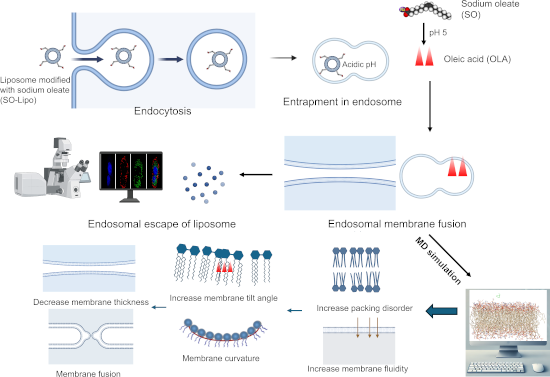
- complexes with liposomal components, enhancing both liposome stability and drug encapsulation. To gain deeper insight into the mechanisms underpinning SO’s potential as an endosomal escape agent, molecular dynamics (MD) simulations have emerged as an indispensable computational tool. These simulations
- uniformity. However, the zeta potential significantly decreased to −24.12 ± 5.75 mV, reflecting a substantial change in surface charge due to the anionic nature of SO, which may enhance colloidal stability through electrostatic repulsion. The Aurein 1.2-modified liposomes (AUR-Lipo) showed a notable increase
- notable stability across the studied pH range. In contrast, SO-Lipo exhibited a significant reduction in the negativity of its zeta potential (−0.86 ± 5.14 mV), consistent with the expected protonation of SO to OLA under acidic conditions. Most strikingly, AUR-Lipo underwent a critical transition, as




Biomimetic nanocarriers: integrating natural functions for advanced therapeutic applications
Beilstein J. Nanotechnol. 2024, 15, 1619–1626, doi:10.3762/bjnano.15.127

- such as: loss of stability, low efficiency in crossing biological barriers, inadequate efficacy in reaching target active molecules, and poor biodistribution [13][14]. Nanocarriers are employed to transport raw materials, which can be vesicles or solid nanoparticles [15]. Despite the significant
- neuronal mitochondria, as evidenced by fluorescence intensities identified in brain homogenates, and reduced Aβ1 deposition, demonstrating the ability of the nanocomposite to cross the BBB [71]. Inorganic nanoparticles exhibit unique optical, magnetic, and chemical properties and stability. Gold


Natural nanofibers embedded in the seed mucilage envelope: composite hydrogels with specific adhesive and frictional properties
Beilstein J. Nanotechnol. 2024, 15, 1603–1618, doi:10.3762/bjnano.15.126
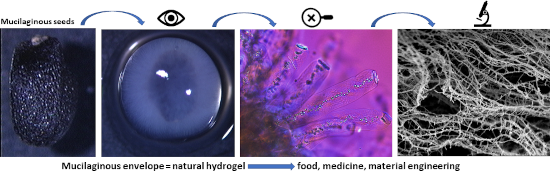
- pectins) (91 mN) than for plantain (32 mN) (pectins and some cellulose). We suppose that cellulose fibrils are involved rather in the mucilage stability than in the adhesion process itself [26][27][29]. However, more detailed studies including mucilages with higher content of cellulose (Ocimum basilicum


Liver-targeting iron oxide nanoparticles and their complexes with plant extracts for biocompatibility
Beilstein J. Nanotechnol. 2024, 15, 1593–1602, doi:10.3762/bjnano.15.125
- , stability, and other important qualities [14][15]. Iron oxide NPs, because of their minimal toxicity, are considered the most preferred agents for studying various biomedical applications [16]. There are many studies proving the biocompatibility of iron oxide NPs, and because of their unique properties
- cell labeling [17][18][19][20][21][22]. Their biocompatibility and stability fill the niche of applications that require properties unattainable by organic materials. Size control, prevention of aggregation through coating, specific interactions and dispersion, and the ability to penetrate cellular and
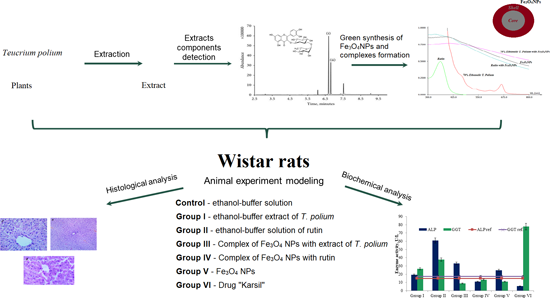
- , it can be concluded that the effects of all investigated samples on liver tissue exhibit a multifaceted character and diverse mechanisms of activity. These mechanisms depend on the size of Fe3O4 NPs, the hydrophilic shell diameter, solubility, aggregation, stability, and various other physicochemical


Facile synthesis of size-tunable L-carnosine-capped silver nanoparticles and their role in metal ion sensing and catalytic degradation of p-nitrophenol
Beilstein J. Nanotechnol. 2024, 15, 1576–1592, doi:10.3762/bjnano.15.124
- conductivity, and potent catalytic activity, make them ideal candidates for environmental monitoring and remediation [3]. Modifying silver nanoparticles with various biological molecules, peptides, proteins, and enzymes has further enhanced their functionality, stability, and selectivity towards specific
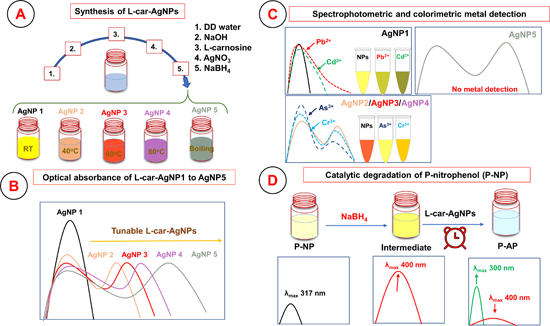
- confirmed via zeta potential measurements. The zeta potential values of ʟ-car-AgNP1, ʟ-car-AgNP2, ʟ-car-AgNP3, ʟ-car-AgNP4, and ʟ-car-AgNP5 were −40.9 ± 3.42, −39.5 ± 3.43, −40.9 ± 3.94, −38.6 ± 4.58, and −40.9 ± 4.80, respectively. Zeta potentials beyond ±30 mV indicate excellent colloidal stability due to
- approach has facilitated the development of nanoparticles that exhibit controlled size and stability, which is crucial for various applications. ʟ-carnosine-capped silver nanoparticles, designated as ʟ-car-AgNPs, were extensively characterized using UV–vis absorbance, DLS, zeta potential, FTIR, Raman




Green synthesis of silver nanoparticles derived from algae and their larvicidal properties to control Aedes aegypti
Beilstein J. Nanotechnol. 2024, 15, 1566–1575, doi:10.3762/bjnano.15.123

- characteristics such as greater absorption capacity, greater bioavailability, controlled release of active ingredients, improved solubility of hydrophobic substances in water, and good kinetic stability [12][13][14]. Metallic nanoparticles have been investigated as a promising approach for vector control. The


The round-robin approach applied to nanoinformatics: consensus prediction of nanomaterials zeta potential
Beilstein J. Nanotechnol. 2024, 15, 1536–1553, doi:10.3762/bjnano.15.121
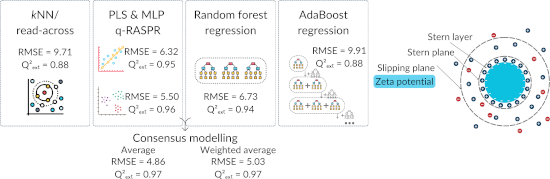
- the ZP values of particles (expressing their electrostatic repulsion) controls the stability of colloidal dispersions according to the Derjaguin–Landau–Verwey–Overbeek (DLVO) theory [39]. For the computational analysis, the TIP3P force field was employed for water, while the DREIDING force field was


Electrochemical nanostructured CuBTC/FeBTC MOF composite sensor for enrofloxacin detection
Beilstein J. Nanotechnol. 2024, 15, 1522–1535, doi:10.3762/bjnano.15.120
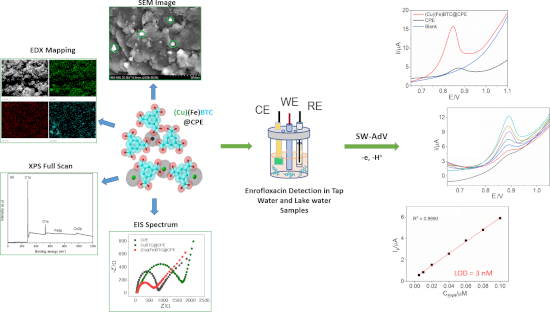
- material for electrochemical sensor applications because of their high loading quantity and surface area, defined structures, and chemical stability [19][20]. Since the first report by Yaghi and his group in 1994 [21], MOFs have attracted great attention. The first publication related to a fluorescent





Polymer lipid hybrid nanoparticles for phytochemical delivery: challenges, progress, and future prospects
Beilstein J. Nanotechnol. 2024, 15, 1473–1497, doi:10.3762/bjnano.15.118
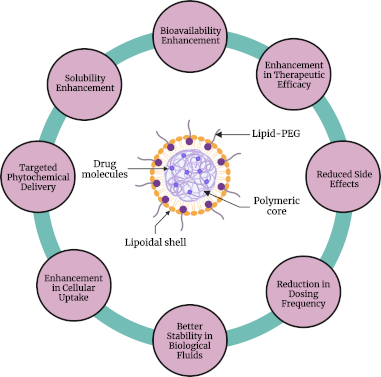
- . We discuss the obstacles in the conventional delivery of phytochemicals, the fundamental architecture of PLHNPs, and the types of PLHNPs, highlighting their ability to improve encapsulation efficiency, stability, and controlled release of the encapsulated phytochemicals. In addition, the surface
- diseases. Keywords: bioavailability; phytochemical; polymer lipid hybrid nanoparticles; solubility; stability; surface modification; Introduction Phytochemicals are naturally occurring compounds found in plants (from the Greek word “phyton” meaning plant) [1]. These bioactive compounds are responsible
- and enhances their solubility, stability, and bioavailability. Additionally, the physicochemical characteristics of PLHNPs can be tailored by varying the concentrations of polymers and lipids [16]. PLHNPs can address various challenges associated with phytochemical delivery. The benefits of PLHNPs