Search results
Search for "toxicity" in Full Text gives 423 result(s) in Beilstein Journal of Nanotechnology. Showing first 200.
Spindle-like MIL101(Fe) decorated with Bi2O3 nanoparticles for enhanced degradation of chlortetracycline under visible-light irradiation
Beilstein J. Nanotechnol. 2022, 13, 1038–1050, doi:10.3762/bjnano.13.91
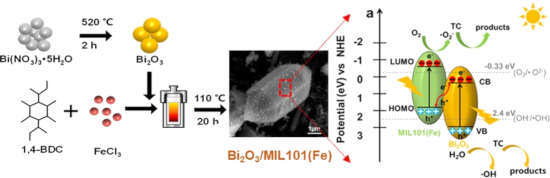
- iron and bridged terephthalic acid molecules. It has high hydrothermal stability, low cost, good hydrophilicity, non-toxicity, and environmental friendliness [20][34]. Most importantly, MIL101(Fe) contains abundant iron-oxo (Fe-O) clusters, which makes it a photocatalyst with visible-light response [19


Bioselectivity of silk protein-based materials and their bio-inspired applications
Beilstein J. Nanotechnol. 2022, 13, 902–921, doi:10.3762/bjnano.13.81
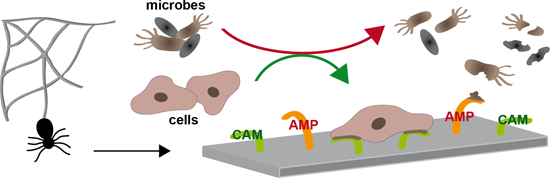
- , slow biodegradation, low immunogenicity, and non-toxicity, making them ideally suited for tissue engineering and biomedical applications. Furthermore, recombinant production technologies allow for application-specific modification to develop adjustable, bioactive materials. The present review focusses
- by extraordinary properties including excellent biocompatibility, slow biodegradation, low immunogenicity, and non-toxicity, making them ideally suited for tissue engineering and biomedical applications [105][106][107]. This review focuses on achievements made with silk-based protein materials and


Temperature and chemical effects on the interfacial energy between a Ga–In–Sn eutectic liquid alloy and nanoscopic asperities
Beilstein J. Nanotechnol. 2022, 13, 817–827, doi:10.3762/bjnano.13.72
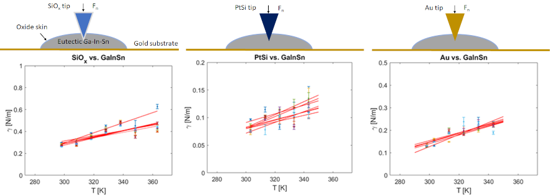
- , on the one hand, and their non-toxicity and low vapor pressure, on the other hand. Room-temperature-liquid Ga-based alloys are considered for direct writing and printing stretchable and flexible electronic devices, such as antennas or wires [5][6][7]. Such applications and the related processing of



Recent advances in nanoarchitectures of monocrystalline coordination polymers through confined assembly
Beilstein J. Nanotechnol. 2022, 13, 763–777, doi:10.3762/bjnano.13.67
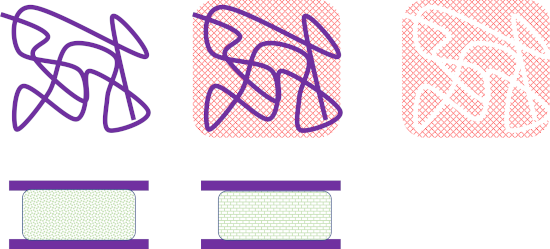
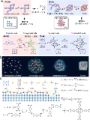
- acidic environment. Enhanced cell toxicity was found by encapsulating the doxorubicin drug into ZIF-8 crystals because intracellular uptake was facilitated. When multiple cargos were required, this strategy showed good feasibility. Multiple molecules could be simultaneously encapsulated during formation




A nonenzymatic reduced graphene oxide-based nanosensor for parathion
Beilstein J. Nanotechnol. 2022, 13, 730–744, doi:10.3762/bjnano.13.65
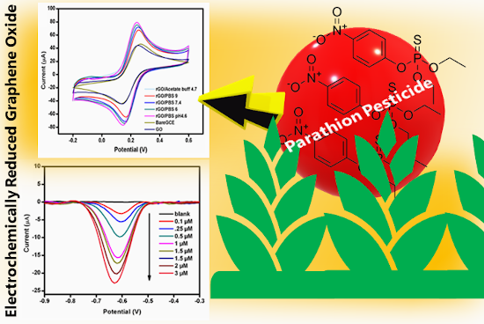
- ) alkylation or acetylcholinesterase (AChE) phosphorylation, involved in the initiation of the carcinogenic process and acute cholinergic toxicity, respectively [2]. Parathion (PT) is a highly toxic OP-based insecticide, potentially harmful to human health, and it may even cause death upon ingestion
- , inhalation, or dermal penetration [3][4]. Due to its extreme toxicity, it is necessary that easy-to-use, cost-effective diagnostic kits for routine screening of pesticides in fruits and vegetables are developed. The high-throughput analytical methods such as chromatographic (gas, liquid) and spectroscopic


Antibacterial activity of a berberine nanoformulation
Beilstein J. Nanotechnol. 2022, 13, 641–652, doi:10.3762/bjnano.13.56
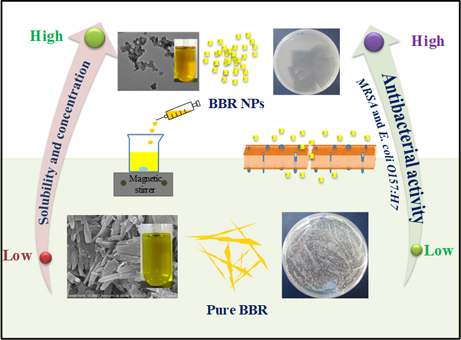
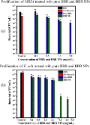
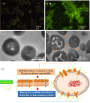
- : (1) Almost all drug-carrying nanomaterials have high cost, (2) the drug concentration of the encapsulated form is usually low, and (3) the toxicity risk of nanomaterials must be strictly controlled [32][33][34]. Most nanoformulations have relatively low drug loading (typically a few weight percent
- batch-to-batch variations [33]. Also, non-biodegradability and long-term toxicity are limitations of inorganic nanocarriers [34]. The purpose of this study was to fabricate BBR nanoparticles (BBR NPs) without using any nanocarriers, thus reducing production cost, increasing the drug concentration, and



Fabrication and testing of polymer microneedles for transdermal drug delivery
Beilstein J. Nanotechnol. 2022, 13, 629–640, doi:10.3762/bjnano.13.55
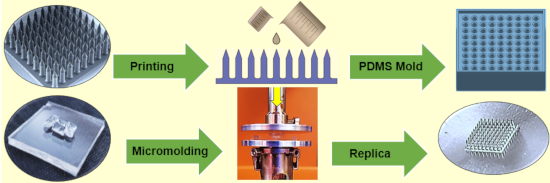
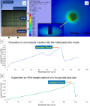
- required depth [18]. There should be no MN-induced skin contamination, for example, due to breakage of the tips, and zero toxicity demands medical-grade materials. Evaluation of MN mechanical strength requires an investigation of MN insertion characteristics and possible failure scenarios. During the



Effects of substrate stiffness on the viscoelasticity and migration of prostate cancer cells examined by atomic force microscopy
Beilstein J. Nanotechnol. 2022, 13, 560–569, doi:10.3762/bjnano.13.47
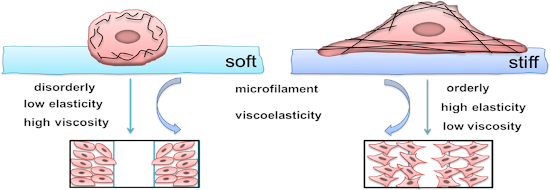
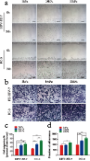
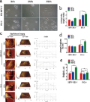
- prostate tissue and tumour tissue, respectively, and 19 kPa, an intermediate transition group. We first tested the toxicity of the hydrogel substrates to the cells and found that all three types of substrates were nontoxic to the cells and the cells were mostly active after 48 h of incubation (Supporting



Detection and imaging of Hg(II) in vivo using glutathione-functionalized gold nanoparticles
Beilstein J. Nanotechnol. 2022, 13, 549–559, doi:10.3762/bjnano.13.46
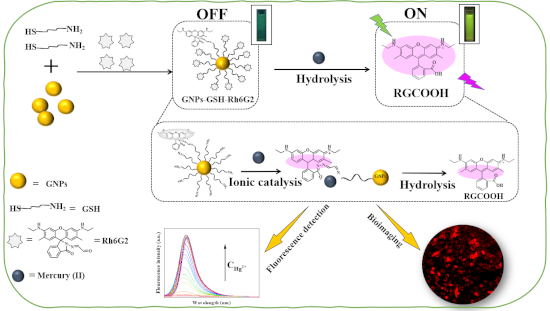
- biocompatibility, and low toxicity [4][5][6][7][8][9]. Another advantage of GNPs is that different shapes and sizes can be obtained during synthesis through changing reducing agents and reaction conditions [10]. The surface chemistry of GNPs is modified via ligands with functional groups such as thiol (–SH), amino
- tuned by specific molecules, has been reported. For example, Coelho et al. reported that pegylated gold nanoparticles were combined with doxorubicin and varlitinib [19]. The modified pegylated gold nanoparticles could not only reduce the toxicity to normal cells but also improve the inhibitory effect on


Design and characterization of polymeric microneedles containing extracts of Brazilian green propolis
Beilstein J. Nanotechnol. 2022, 13, 503–516, doi:10.3762/bjnano.13.42
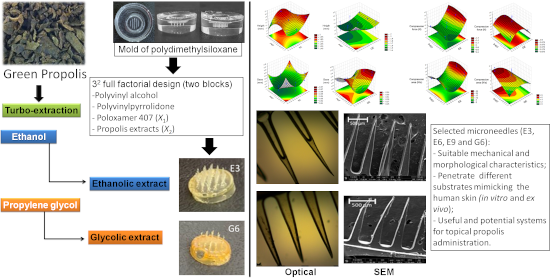
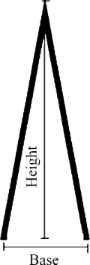
- and lower toxicity [26][27]. In our previous studies, polymeric systems composed of polyvinyl alcohol (PVA), polyvinylpyrrolidone (PVP), and poloxamer 407 (P407) were obtained and characterized. P407 could improve structuring and rapid dispersion of polymeric matrices, which showed promising


Ethosomal (−)-epigallocatechin-3-gallate as a novel approach to enhance antioxidant, anti-collagenase and anti-elastase effects
Beilstein J. Nanotechnol. 2022, 13, 491–502, doi:10.3762/bjnano.13.41
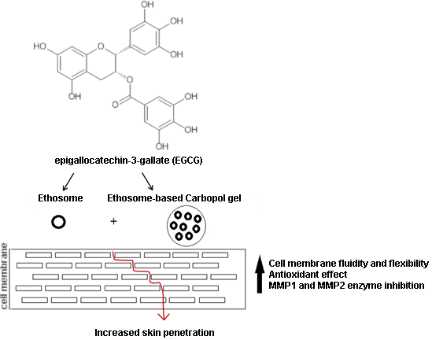
- formulation, and different concentrations of EGCG. These results are given in Figure 1. These obtained high viability rates demonstrate that all EGCG concentrations of 500 µg/mL and below, which is the initial concentration in the preparation of ETHs, did not cause any cellular toxicity. In addition, the
- human cancer cells without causing toxicity problems in normal cells. In general, it has been confirmed that they are relatively nontoxic in healthy L929 cells but toxic in cancer cell lines [29]. Preparation and characterization of formulations Like many phenolic compounds, EGCG is not sufficiently
- effective due to its unstable structure and low solubility. In addition, toxicity may occur with an increasing dose [10]. Therefore, overcoming these problems with nanocarrier systems provides significant advantages to researchers. ETHs protect a given compound against environmental factors and also enhance



Micro- and nanotechnology in biomedical engineering for cartilage tissue regeneration in osteoarthritis
Beilstein J. Nanotechnol. 2022, 13, 363–389, doi:10.3762/bjnano.13.31
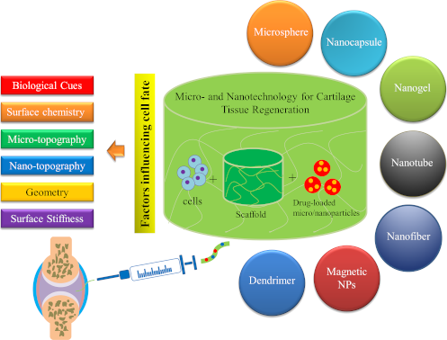
- need to be functionalized through either harsh acid treatment or bioconjugation to increase their biocompatibility. It has been reported that COOH-functionalized single-wall carbon nanotubes (SWCNTs) dispersed in hMSC media have the least toxicity to cells without adverse effects on the adipogenic


Coordination-assembled myricetin nanoarchitectonics for sustainably scavenging free radicals
Beilstein J. Nanotechnol. 2022, 13, 284–291, doi:10.3762/bjnano.13.23
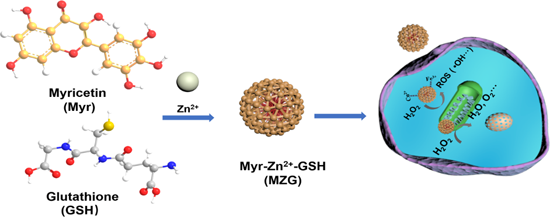
- ]. However, low loading efficiency, systemic toxicity, and tedious preparation processes hinder biomedical applications. Myricetin (Myr), a well-known natural flavonoid, has drawn wide attention because of its high antioxidant, anti-inflammatory, antimicrobial, and anticancer efficacy [16]. Myr is capable of


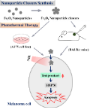
Photothermal ablation of murine melanomas by Fe3O4 nanoparticle clusters
Beilstein J. Nanotechnol. 2022, 13, 255–264, doi:10.3762/bjnano.13.20
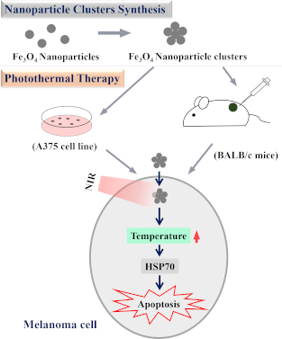
- nanomaterial that has received considerable attention is Fe3O4 core-based nanoparticles, which have been approved by the Food and Drug Administration (FDA) as safe biomaterial with no long-term toxicity [6][7]. The superparamagnetic properties make them ideally suited for many biomedical applications, such as
- needed to elicit sufficient hyperthermia by NIR irradiation, lingering magnetite may impose potential systemic toxicity. Thus, Fe3O4 single nanoparticles must be modified to reduce the dosage while keeping their therapeutic efficacy. In our earlier report, we synthesized Fe3O4 nanoparticle-containing
- during NIR irradiation NPCs caused overt apoptosis and necrosis in a dosage-dependent manner (Figure 3a). The strongest effect was observed for the sample with 0.25 mg/mL NPCs. NPCs alone, on the contrary, did not affect cell viability at low concentrations and only caused signs of mild cellular toxicity


Engineered titania nanomaterials in advanced clinical applications
Beilstein J. Nanotechnol. 2022, 13, 201–218, doi:10.3762/bjnano.13.15
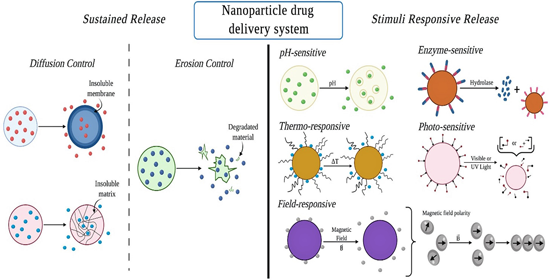
- , corrosion resistance, and low toxicity, titania nanomaterials have revolutionized therapeutic approaches. Additionally, titania provides an exceptional choice for developing innovative medical devices and the integration of functional moieties that can modulate the biological responses. Thus, the current
- , and low toxicity [1]. TiO2 nanomaterials can be applied in a host of applications, including biomedical, optical, electronic, mechanical, and chemical fields, amongst other scenarios [2]. The application of titania nanomaterials in the pharmaceutical field has brought revolutionary changes by
- delivery. Ideal drug delivery systems encompass two elements, that is, the control over drug release and the ability to target specific locations in order to reduce systemic toxicity and undesirable side effects. Porous TiO2 has shown tremendous ability to sustain a concentration of drugs within the


A photonic crystal material for the online detection of nonpolar hydrocarbon vapors
Beilstein J. Nanotechnol. 2022, 13, 127–136, doi:10.3762/bjnano.13.9
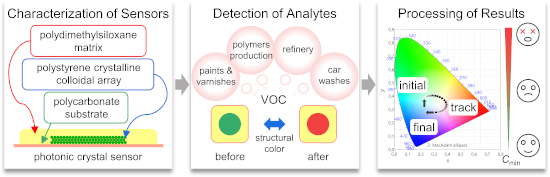
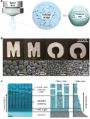
- analytical response rates and the toxicity of the detected compounds. Since the absorption of hydrocarbon vapors is responsible for the delivery of the analyte to the photonic crystal, a change in the sensor sensitivity is possible by varying the thickness of the sensitive PDMS layer. In the experiments


Theranostic potential of self-luminescent branched polyethyleneimine-coated superparamagnetic iron oxide nanoparticles
Beilstein J. Nanotechnol. 2022, 13, 82–95, doi:10.3762/bjnano.13.6
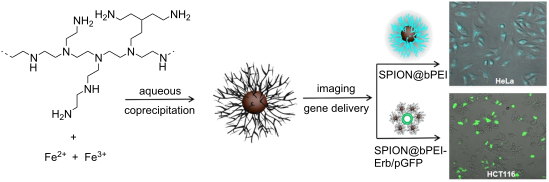
- and 15 μg/mL of bPEI (corresponding to nanoparticle concentration values of 10 and 20 μg/mL, respectively). A significant toxicity was observed at a dose of 22 μg/mL of free bPEI, which is equivalent to a 30 μg/mL SPION@bPEI dose. This is a significant enhancement in cytocompatibility of SPION@bPEI
- no PEG on these nanoparticles to reduce the toxicity of bPEI, which is the commonly accepted method to render such toxic materials more biocompatible. The delivery of PIC to HeLa cells with this highly cytocompatible delivery vehicle resulted in a dose-dependent viability, indicating an effective
- delivery of PIC into the cells at an N/P ratio of 30. The cell viability decreased by 20–40–70% with 0.9, 1.8 and 2.7 µg of PIC, respectively, delivered to the cells with an increasing dose of the SPION@bPEI/PIC. Especially at 10 and 20 µg of nanoparticles/mL dose, all the toxicity is originated from the




Heating ability of elongated magnetic nanoparticles
Beilstein J. Nanotechnol. 2021, 12, 1404–1412, doi:10.3762/bjnano.12.104
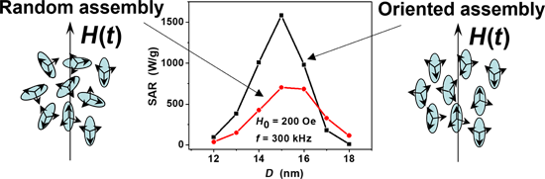
- cases this stops the tumor growth and results in its decay. However, it are magnetic nanoparticles with low toxicity and a high specific absorption rate (SAR) of the energy of the ac magnetic field that are needed in magnetic hyperthermia. The use of optimized assemblies of magnetic nanoparticles can
- magnetic hyperthermia. Basically, iron oxide nanoparticles were studied [5][6][7][8][9][10] because of their low toxicity and high saturation magnetization, although nanoparticles of other chemical compositions, such as metallic iron nanoparticles [11][12][13], and various ferrites [14][15][16][17] were


Biocompatibility and cytotoxicity in vitro of surface-functionalized drug-loaded spinel ferrite nanoparticles
Beilstein J. Nanotechnol. 2021, 12, 1339–1364, doi:10.3762/bjnano.12.99
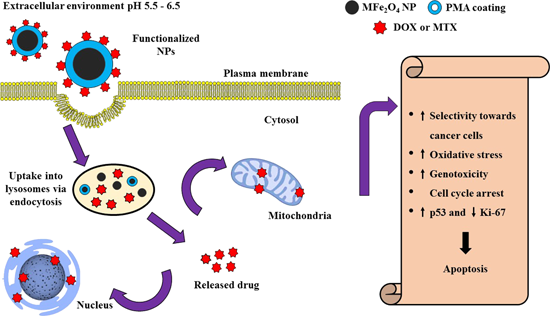
- ]. Conventional treatment strategies for cancer, including surgery, radiotherapy, and chemotherapy, lack the ability to selectively target neoplastic tissue, which results in systemic toxicity [3]. For these reasons, the focus of the field was transferred to nanomedicine which enables targeted therapy and reduces
- programmed cell death [39]. However, the chemical composition of NPs plays an important role in determining cytotoxic behavior. For example, NPs with cores made up with toxic metals (e.g., Cd and Ag) cause cytotoxicity. Conversely, metals such as Fe and Zn are biocompatible and cause toxicity at higher doses





Identifying diverse metal oxide nanomaterials with lethal effects on embryonic zebrafish using machine learning
Beilstein J. Nanotechnol. 2021, 12, 1297–1325, doi:10.3762/bjnano.12.97
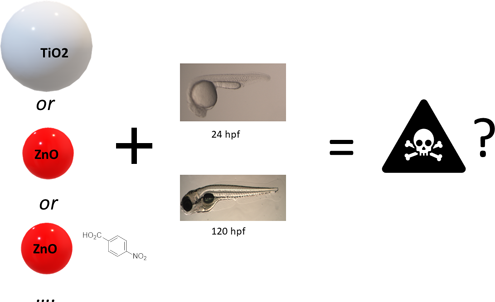
- Knowledgebase by Karcher and co-workers [31]. In contrast to most previously published modelling studies of the NBI Knowledgebase (discussed above), we developed toxicity models using a variety of particle characteristics and variables calculated based upon the chemical composition of the core and organic
- assumption that a small perturbation in structure, corresponding to a small perturbation in descriptors, will lead to a small change in biological activity [36]. In the current context, it is assumed that the toxicity classes would be unchanged for these small perturbations. Descriptors corresponding to
- dispersed in fish water medium and dermal penetration is typically observed as the main route of systemic exposure up to 120 hpf, the appearance of swallowing around 72 hpf allows for toxicity via an oral exposure route to manifest prior to 120 hpf but not at 24 hpf [31]. However, it is also possible that


Self-assembly of amino acids toward functional biomaterials
Beilstein J. Nanotechnol. 2021, 12, 1140–1150, doi:10.3762/bjnano.12.85
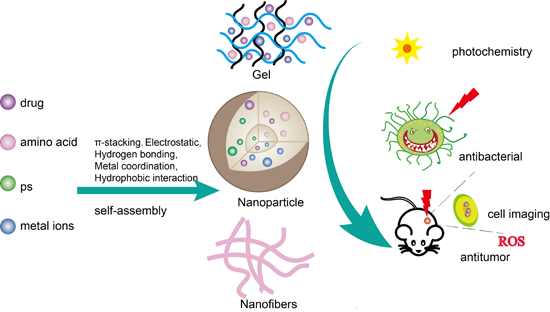
- and composition of nanostructures, the assembling behavior and stability in aqueous solution, the loading/encapsulation ratio of drugs, and the toxicity of nanostructures to living organisms still need to be overcome by researchers. Moreover, little research has been done on the biocompatibility of

pH-driven enhancement of anti-tubercular drug loading on iron oxide nanoparticles for drug delivery in macrophages
Beilstein J. Nanotechnol. 2021, 12, 1127–1139, doi:10.3762/bjnano.12.84
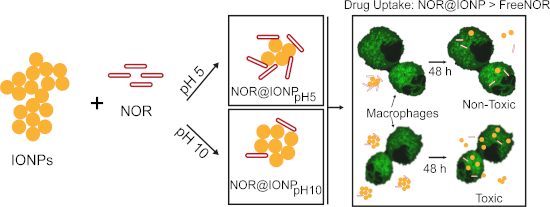
- imparts multiple benefits – improved IONP stability, enhanced drug coating, higher drug uptake in macrophages at reduced toxicity and slower drug release. Keywords: drug-nanoparticle interactions; drug uptake; intra-macrophage; iron oxide nanoparticles; norfloxacin; Introduction Nanoparticles have taken
- permeabilization [10], in turn improving the bactericidal activity of the drug, too. For biological applications, it is essential for IONPs to be stabilized with the help of stabilizing agents [11][12]. This helps to reduce the nanoparticle toxicity and facilitates the synthesis of stable nanoparticle dispersions
- concentrations due to toxicity concerns. Thus, we hypothesized that the overall zwitterionic and chelating properties could enable a pH dependent enhanced loading of NOR on to IONPs, independent of any additional stabilizing agent in the formulation, which would in turn permit their application. In the present



Use of nanosystems to improve the anticancer effects of curcumin
Beilstein J. Nanotechnol. 2021, 12, 1047–1062, doi:10.3762/bjnano.12.78
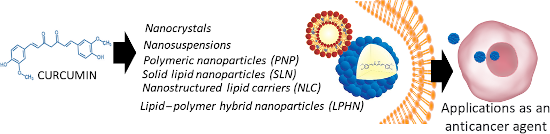
- normal and abnormal cells [4], which leads to systemic toxicity that triggers hair loss, loss of appetite, immunosuppression, and inflammation [3]. These side effects can be severe enough to significantly impact the efficacy of a given treatment, while also causing high patient discomfort [5]. Low drug
- solubility, lack of specificity, high toxicity, poor therapy index, and multidrug resistance are other related drawbacks [6][7]. Orally administered chemotherapy is currently unsuitable due to the low bioavailability of chemotherapeutic agents [8], making intravenous the only viable route of administration
- , since it avoids bioavailability issues. However, this results in increased toxicity and side effects [3]. Therefore, one of the goals of new and/or improved cancer therapies is for the drug to only target malignant cells in sufficient concentrations and with minimal distribution to other tissues to


An overview of microneedle applications, materials, and fabrication methods
Beilstein J. Nanotechnol. 2021, 12, 1034–1046, doi:10.3762/bjnano.12.77
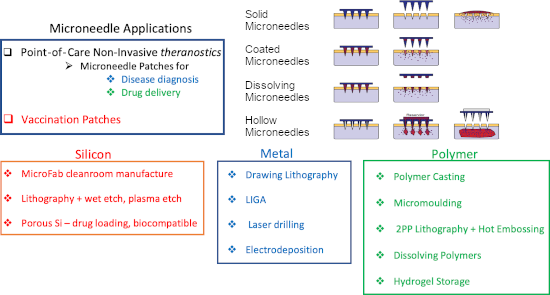
- particles [39][40][41][92]. Administration of a drug by porous silicon near the targeted organ makes it possible to achieve a therapeutic concentration in the affected area with considerably reduced collateral drug toxicity in other tissues and organs [40][93]. A drug can be loaded into the porous silicon
- manufacturing compared to silicon, notwithstanding some issues of toxicity. Photochemical etching, electroplating, and laser cutting are common techniques in the fabrication of solid and hollow metallic microneedles. Studies have demonstrated the fabrication of hollow nickel microneedles by electroplating, with
- concerns with current metal microneedles may result in them having to be made from different metals. For example, the toxicity of electroplated nickel microneedles has not been adequately addressed so far in the literature. Metals are generally stronger and cheaper than polymers and silicon, but immune and


Progress and innovation of nanostructured sulfur cathodes and metal-free anodes for room-temperature Na–S batteries
Beilstein J. Nanotechnol. 2021, 12, 995–1020, doi:10.3762/bjnano.12.75
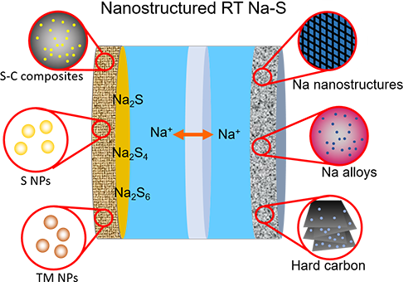
- to the high theoretical capacities of both elements (1166 mAh·g−1 and 1675 mAh·g−1, respectively), which lead to devices with high energy density [4][10]. Additionally, sulfur cathodes exhibit other advantages such as low operating voltages (1.81 V vs Na/Na+) and improved safety and low toxicity