Search results
Search for "washing" in Full Text gives 274 result(s) in Beilstein Journal of Nanotechnology. Showing first 200.
Blister formation during graphite surface oxidation by Hummers’ method
Beilstein J. Nanotechnol. 2018, 9, 407–414, doi:10.3762/bjnano.9.40
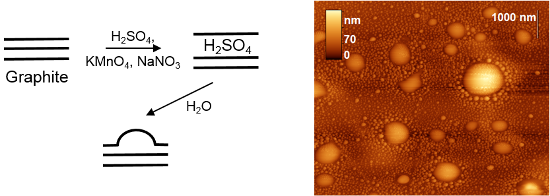
- After applying the oxidation mixture to the HAPG surface, all the liquid spread over the surface and was absorbed by the graphite during the first minute. The surface became iridescent. Then we did not observe any changes in the state of the surface for 30 minutes. After washing the samples with water


Sugarcane juice derived carbon dot–graphitic carbon nitride composites for bisphenol A degradation under sunlight irradiation
Beilstein J. Nanotechnol. 2018, 9, 353–363, doi:10.3762/bjnano.9.35
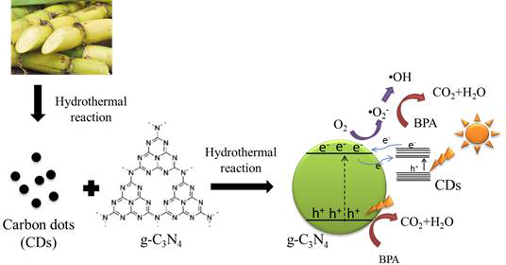
- purchased from R&M Chemicals. Distilled water was used throughout the experiment for dilution and washing purpose. In addition, IPA (83.5%) and DMSO (99%) was purchased from Bendosen and Univar, respectively. The EDTA-2Na+ (99%) was obtained from ChemSoln. Preparation of carbon nitride (g-C3N4) and carbon


Bombyx mori silk/titania/gold hybrid materials for photocatalytic water splitting: combining renewable raw materials with clean fuels
Beilstein J. Nanotechnol. 2018, 9, 187–204, doi:10.3762/bjnano.9.21
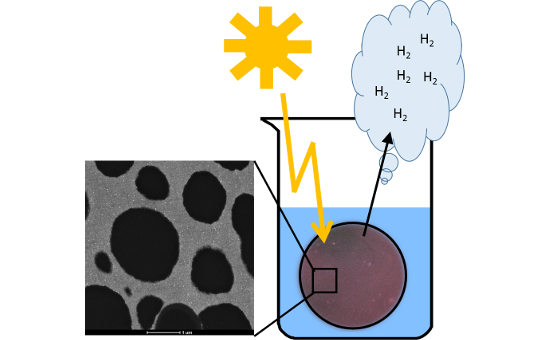
- mechanically and chemically stable to withstand the conditions during photocatalysis. Daoud and Xin [35] coated cotton fibers with 20 nm anatase particles via a sol–gel method. The covalently bonded TiO2 particles have a 50+ UV protection factor and are stable against washing. In an alternative approach, Zheng
- ) for 30 min followed by washing three times in 0.1 M phosphate buffer, once with water, and once with 50% ethanol for 5 min each. Then the hybrid materials were immersed in 2% uranyl acetate solution in 50% ethanol for 30 min followed by treatment with 70% EtOH, 90% EtOH, 100% EtOH, 2× 100% EtOHabs
- additional advantage that they can easily be purified and recycled by simple washing. Conclusion We have successfully synthesized two new TiO2-silk hybrid materials using B. mori silk as a renewable and versatile scaffold. The hybrid materials have a complex architecture and are efficient water splitting


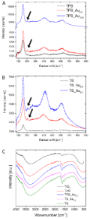


Synthesis of metal-fluoride nanoparticles supported on thermally reduced graphite oxide
Beilstein J. Nanotechnol. 2017, 8, 2474–2483, doi:10.3762/bjnano.8.247
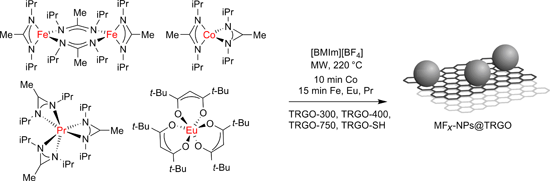
- ][BF4] [63]. Water is used in IL synthesis during the washing process following the anion exchange from typically chloride to tetrafluoroborate. Anion analyses by ion chromatography of the purified ILs yielded fluoride contents of 0.1 to 0.4 wt % for [BMIm][BF4] ILs [64]. Heating the ILs for the
- methyllithium and subsequently reaction with metal halides according to literature procedures [95][96]. The ionic liquid [BMIm][BF4] was synthesized by reacting 1-methylimidazole with 1-chlorobutane to yield [BMIm][Cl]. [BMIm][Cl] reacted with HBF4 to give [BMIm][BF4] [64]. Following the washing procedure with


Strategy to discover full-length amyloid-beta peptide ligands using high-efficiency microarray technology
Beilstein J. Nanotechnol. 2017, 8, 2446–2453, doi:10.3762/bjnano.8.243
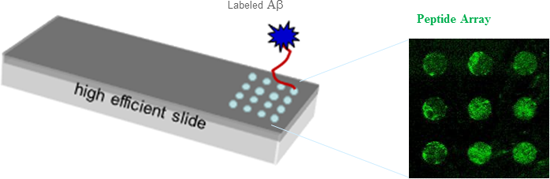
- standard microarray protocol (described in the Experimental section). After BSA blocking, the slides were scanned in order to check the fluorescence of the amyloid spots after the extensive washing involved in the blocking process. As shown in Figure 2A, bright amyloid spots are observed on the
- preserved upon silanization. No fluorescence spots have been observed on the reference slide. In this case, the blocking-washing step was effective to fully remove the full-length amyloid spots. After the O2-plasma treatment, the surface of the un-epoxysilane slides may likely be rich in Si–OH groups that
- Information File 1). These fluorescence measurements suggest that the washing operations were effective to remove the buffer salts from the epoxysilane surface. However, because of the expected behavior similar to amyloid peptides (as shown in Figure 2), the unlabeled peptides were not removed. Figure 3


Fabrication of CeO2–MOx (M = Cu, Co, Ni) composite yolk–shell nanospheres with enhanced catalytic properties for CO oxidation
Beilstein J. Nanotechnol. 2017, 8, 2425–2437, doi:10.3762/bjnano.8.241
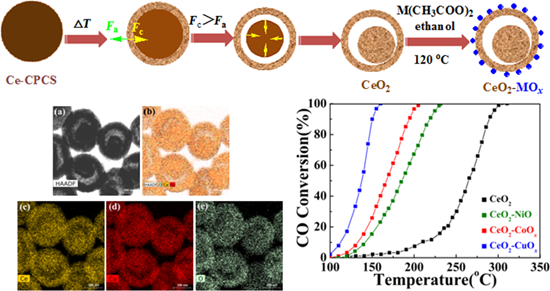
- templates with aqueous KMnO4 solution and subsequent selective washing with HNO3 to remove the residual Ce(OH)CO3 [21]. In another case, well-dispersed MnO2@CeO2–MnO2 and CeO2–CuOx composite hollow spheres were synthesized through a facile reflux method using carbon spheres as sacrificial templates. The





Involvement of two uptake mechanisms of gold and iron oxide nanoparticles in a co-exposure scenario using mouse macrophages
Beilstein J. Nanotechnol. 2017, 8, 2396–2409, doi:10.3762/bjnano.8.239
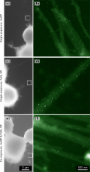
- × phosphate-buffered saline (PBS). After 1 h of staining (in the dark at RT) and three washing cycles with 1× PBS the cells were mounted using Glycergel mounting media (C0563, Dako, Baar, Switzerland). For live-cell imaging, cells were seeded in a Lab-TekTM II chambered cover glass four-well chamber (1.5
- , washing and fixation steps, the samples were kept at 4 °C. Directly before ESEM imaging, samples were washed three times with ice-cold pure water and transferred into the electron microscope (ESEM, Quanta 400 FEG, FEI, USA). The cells were maintained in a water vapour environment at 3 °C and imaged using



Increasing the stability of DNA nanostructure templates by atomic layer deposition of Al2O3 and its application in imprinting lithography
Beilstein J. Nanotechnol. 2017, 8, 2363–2375, doi:10.3762/bjnano.8.236
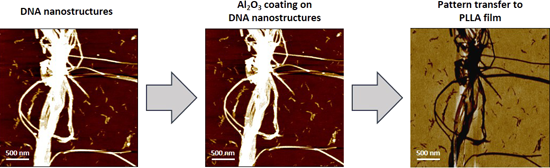
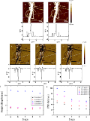
- , and (h) UV/O3 treatment for 1 h and washing with DI water. White lines on the AFM images indicate where the cross-sections were determined. (i) Histograms of the AFM height images from (a) to (h). (j) Height and (k) FWHM of the DNA nanotubes in three different locations of the AFM images from (a) to
- the same location after (a) deposited on a silicon wafer, (b) 50 cycles of ALD of Al2O3, (c) 1st and (d) 5th pattern transfer to PLLA stamps, and (e) UV/O3 treatment for 1 h and washing with DI water. White lines on the AFM images indicate where the cross-sections were determined. (f) Histograms of



A systematic study of the controlled generation of crystalline iron oxide nanoparticles on graphene using a chemical etching process
Beilstein J. Nanotechnol. 2017, 8, 2017–2025, doi:10.3762/bjnano.8.202
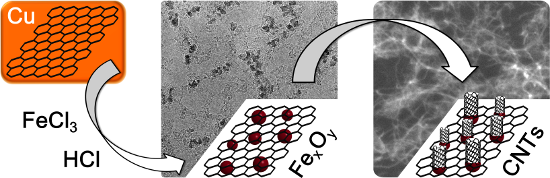
- reduce mechanical stress on the graphene surface. Thus, etching and washing of the graphene occurs in a controlled environment, preventing mechanical agitation of the ultrathin graphene layer. As there is no direct contact between the graphene and the protective frame, any contamination with carbon
- which entails subsequent washing steps to eliminate residue from the etchant) is carried out in an isolated compartment. Carefully draining the etchant from and refilling water into the isolated outer compartment allows the etchant solvent to drain by diffusive processes. This minimizes the horizontal


Imidazolium-based ionic liquids used as additives in the nanolubrication of silicon surfaces
Beilstein J. Nanotechnol. 2017, 8, 1961–1971, doi:10.3762/bjnano.8.197
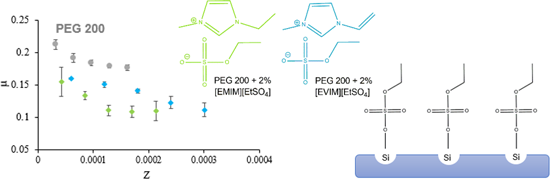
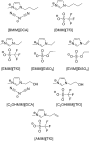
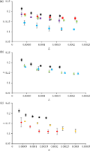
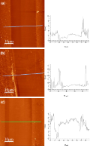
- mixtures in the lubrication of the Si surface, AFM observation of some of the Si surfaces was done. After the nanotribological tests, tracks could be observed on the surfaces; however these tracks disappeared after washing the samples, demonstrating that no wear occurred. Figure 6 shows the AFM images of
- samples submitted to nanotribological tests (3100 cycles), before washing: Figure 6a shows the sample tested with pure PEG; Figure 6b shows the sample submitted to tribological tests performed with the mixture PEG + [EMIM][TfO], which presents a CoF similar to that of pure PEG (Figure 5a); Figure 6c shows



Fabrication of carbon nanospheres by the pyrolysis of polyacrylonitrile–poly(methyl methacrylate) core–shell composite nanoparticles
Beilstein J. Nanotechnol. 2017, 8, 1897–1908, doi:10.3762/bjnano.8.190

- nanoparticles. Furthermore, an extra acid-washing process was needed to remove the inorganic salt layer [33][36]. As the cyclization reactions between nitriles mainly occur during the preoxidization and low-temperature carbonization steps (<450 °C), we tried to coat with a protective poly(methyl methacrylate
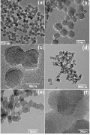
- solution under stirring. After about 20 h of stirring, the mixture was then used for the preparation of samples for TEM observation. The dried copper containing the above NaSCN-treated nanoparticles was further treated with gentle water washing to remove NaSCN salt and negative staining with the PTA
- dissolved PAN core remained inside the nanoparticles. During the drying of the TEM sample, many NaSCN molecules remained in the PAN cores that could not be removed by the follow-up water washing, thus making them appear dark. The presence of NaSCN molecules enlarged the PAN cores, making the particle



A biofunctionalizable ink platform composed of catechol-modified chitosan and reduced graphene oxide/platinum nanocomposite
Beilstein J. Nanotechnol. 2017, 8, 1508–1514, doi:10.3762/bjnano.8.151
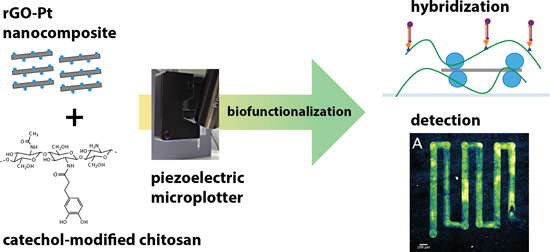
- , importantly, that the printed structures resist washing following biofunctionalization and hybridization, thanks to the adhesive properties of the catechol moiety. Our proof of concept involving DNA oligonucleotide probes demonstrates that the printed structures can be functionalized in a way that preserves
- (150 mL). After sonication for 30 min, the mixture was poured into an autoclave and stirred for 24 h at 110 °C. The obtained material was separated by filtration, followed by washing with water and ethanol and drying in air at 100 °C. See Supporting Information File 1 for rGO–Pt characterization. rGO


Calcium fluoride based multifunctional nanoparticles for multimodal imaging
Beilstein J. Nanotechnol. 2017, 8, 1484–1493, doi:10.3762/bjnano.8.148
- % FCS were used as positive and negative control, respectively. After 24 h of incubation, the CellTiter-Glo reagent was administered per well according to the instructions of the manufacturer. Briefly, the test solutions were removed by washing with PBS buffer, the cells in each well were overlaid with


Low uptake of silica nanoparticles in Caco-2 intestinal epithelial barriers
Beilstein J. Nanotechnol. 2017, 8, 1396–1406, doi:10.3762/bjnano.8.141
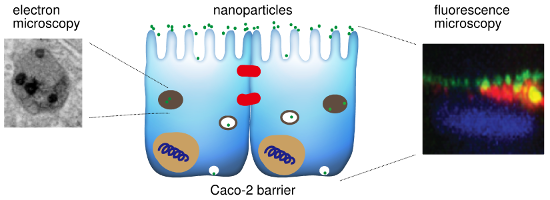
- 1, Figure S10). This observation is clearly in agreement with the high amount of fluorescence at the apical surface of the barriers seen using light microscopy (Figure 2). It should be noted that such particle association might be sensitive to the removal by washing and other steps in the sample
- and that there remain many interesting strands for future research. Thus the substantial nanoparticle absorption to the outside of the cells is a concern from a purely technical standpoint, potentially making quantitative results highly dependent upon the nature of washing and other sample preparation



Deposition of exchange-coupled dinickel complexes on gold substrates utilizing ambidentate mercapto-carboxylato ligands
Beilstein J. Nanotechnol. 2017, 8, 1375–1387, doi:10.3762/bjnano.8.139
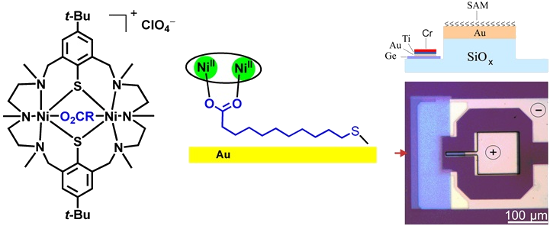
- followed by washing with EtOH and drying under N2 flow. The modified Au(111) surfaces were examined by contact angle measurements, AFM topography analysis, and spectroscopic ellipsometry. Table 2 lists the results. The data for 2 and 3 and other compounds have been included for comparison. Static contact


Oxidative chemical vapor deposition of polyaniline thin films
Beilstein J. Nanotechnol. 2017, 8, 1266–1276, doi:10.3762/bjnano.8.128
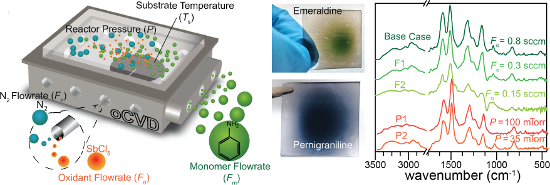
- , conjugation length, and chemistry. In addtion to examining the as-deposited films, deposited samples were also soaked in tetrahydrofuran (THF >99.9%, Sigma-Aldrich) for 3 h and dried in a vacuum oven at 70 °C for 14 h. The washing process has previously been used to improve film properties, such as
- conductivity and stability, and often results in a much smoother film surface [17]. Besides THF, methanol is a common solvent that is used in the washing process, and acid-washing (e.g., HCl, HBr, H2SO4) has also been explored as a way to improve film conductivity by improving chain packing and increased
- removing residual oxidant, short-chain oligomers, and unreacted monomer [17]. For example, Nejati et al. [31] have shown that washing oCVD PTh films removes the oxidant dopant and soluble portions of the film, which from UV–vis analysis was composed of short chain oligomers of five repeat units or shorter




Characterization of ferrite nanoparticles for preparation of biocomposites
Beilstein J. Nanotechnol. 2017, 8, 1257–1265, doi:10.3762/bjnano.8.127
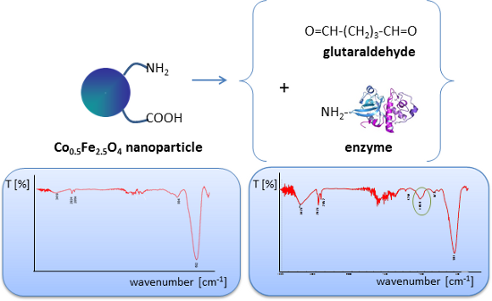
- end, the nanoparticles were washed and dried at RT to powder form. The functionalization of the nanoparticles with glutaraldehyde starts with washing and mixing by sonication of surface-modified nanoparticles in Tris-HCl solution (pH 7.4). Then, a 5% solution of glutaraldehyde was added and the
- whole combination was mixed for 2 h at RT, then washed 3 times with PBS and dried at RT [16][36]. Lipase: Attachment of lipase starts with washing the nanoparticles with PBS solution, then the mixture of lipase (14 g/L) and PBS was added to the nanoparticles. The combination was mixed for 2 h in a warm



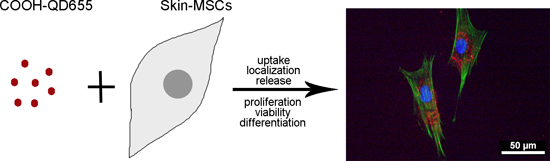
Nano-engineered skin mesenchymal stem cells: potential vehicles for tumour-targeted quantum-dot delivery
Beilstein J. Nanotechnol. 2017, 8, 1218–1230, doi:10.3762/bjnano.8.123
- nonlabelled cells. After incubation, the medium was aspirated and each well was rinsed with 2 mL of PBS. Then, fixation with 4% PFA in PBS (w/v) for 20 min at room temperature was performed. Wells were washed three times with 0.5 mL of washing buffer containing 1% BSA (Sigma-Aldrich, USA) in PBS for 5 min
- each. Permeabilization and blocking was performed with 0.3% Triton X-100 (Sigma-Aldrich, USA) and 1% BSA in PBS for 45 min at room temperature. The cytoskeleton of cells was subsequently stained with methanolic Alexa Fluor488 Phalloidin (Thermo Fisher Scientific, USA) diluted 1:100 in washing buffer
- and incubated for 30 min at room temperature in the dark. The samples were subsequently washed three times and counterstained with a Hoechst 33342 trihydrochloride, trihydrate (10 mg/mL) solution (Thermo Fisher Scientific, USA) diluted 1:1000 in washing buffer for 5 min at room temperature in the dark





Preparation of thick silica coatings on carbon fibers with fine-structured silica nanotubes induced by a self-assembly process
Beilstein J. Nanotechnol. 2017, 8, 1145–1155, doi:10.3762/bjnano.8.116
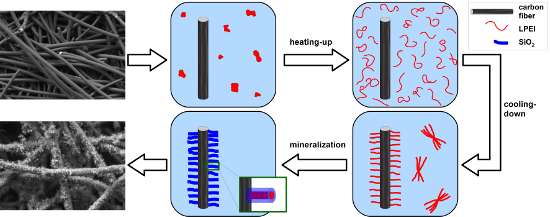
- washing with deionized water several times. To increase the number of surface-exposed carboxylic acid groups, the dried fibers (10 g) were oxidized in 65% nitric acid (200 mL) at 115 °C for 90 min. The fibers were washed repeatedly with deionized water prior to drying at 60 °C. Tetraethylenepentamine was


Structural properties and thermal stability of cobalt- and chromium-doped α-MnO2 nanorods
Beilstein J. Nanotechnol. 2017, 8, 1032–1042, doi:10.3762/bjnano.8.104
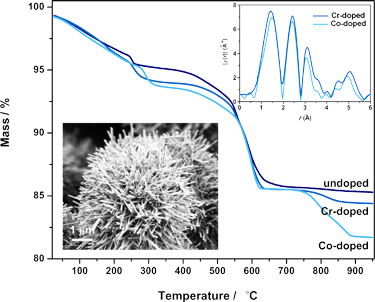
- present in the samples in different proportions. They originate from the sulfuric acid, which was part of the reaction mixture, and their contents may differ due to slightly different washing procedures at the end of the preparation route. Conclusion Regardless of the reaction temperature, all prepared


Phospholipid arrays on porous polymer coatings generated by micro-contact spotting
Beilstein J. Nanotechnol. 2017, 8, 715–722, doi:10.3762/bjnano.8.75
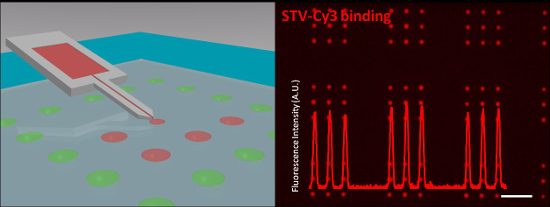
- -EDMA) is used as a 3D mesh for spotting lipid arrays. Its porous structure is an ideal matrix for lipid ink to infiltrate, resulting in higher fluorescent signal intensity as compared to similar arrays on strictly 2D substrates like glass. The embedded lipid arrays show high stability against washing
- an optical reference DOPC doped with rhodamine was patterned in-between DNP-lipid structures (Figure 3a). After blocking with 10% BSA and subsequent washing, samples were incubated with anti-DNP IgE antibody labelled with Alexa 488 dye for direct visualization. Plotting of the mean fluorescence
- the last washing step after blocking with BSA dihydrotestosterone (DHT, 10−4 M) was added to the buffer in order to prepare the array for the binding of ARbiot onto the STV-Cy3–biotin arrays [25]. Next, freshly purified ARbiot was loaded onto the sample surface. After overnight incubation at 4 °C


α-((4-Cyanobenzoyl)oxy)-ω-methyl poly(ethylene glycol): a new stabilizer for silver nanoparticles
Beilstein J. Nanotechnol. 2017, 8, 627–635, doi:10.3762/bjnano.8.67
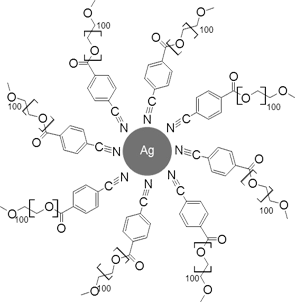
- and nitrate anions that still remain on the SNP surface even after washing. After treatment at high pH values and the corresponding cleavage of some of the stabilizer, the steric contribution is likely less pronounced (as some of the PEG is removed from the surface) and the contribution from


Investigation of the photocatalytic efficiency of tantalum alkoxy carboxylate-derived Ta2O5 nanoparticles in rhodamine B removal
Beilstein J. Nanotechnol. 2017, 8, 604–613, doi:10.3762/bjnano.8.65
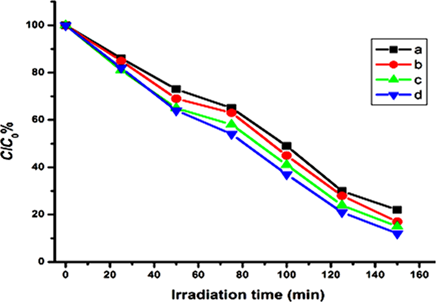
- reasons for the difference of catalytic performances of nanoparticles. The nanoparticles were recycled from the reactions (after centrifugation, washing and drying) and reused, however, the efficiency of the reused catalysts was decreased by more than 50%. The mechanism of photocatalytic degradation of


Gas sensing properties of MWCNT layers electrochemically decorated with Au and Pd nanoparticles
Beilstein J. Nanotechnol. 2017, 8, 592–603, doi:10.3762/bjnano.8.64
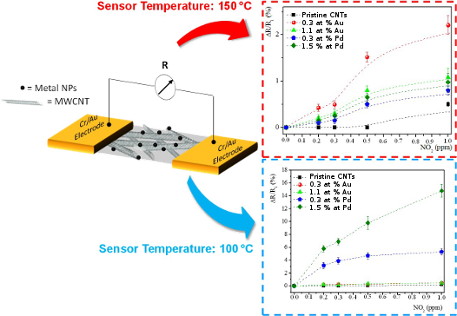
- potential was −500 mV. Finally, the residual surfactant was completely removed from the functionalized device by extensively washing it with acetonitrile three times. The process was performed using two different deposition times, 90 s and 600 s, resulting in different metal loadings. The scheme of the
- surface after extensive device washing in ACN solution. Figure 3A, shows the Au 4f spectrum of Au-decorated MWCNTs, which clearly indicates a single doublet. This is attributed to nanometer-sized elemental gold according to the literature [19][42][43]. On the contrary, the Pd 3d XPS spectrum of Figure 3B


Nanostructured carbon materials decorated with organophosphorus moieties: synthesis and application
Beilstein J. Nanotechnol. 2017, 8, 485–493, doi:10.3762/bjnano.8.52
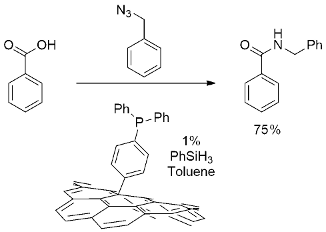
- 8 was more easily isolated by filtration and repeated washing for complete removal of the excess reagents while GPs-Nit-PO derivative 9 was recovered using cycles of centrifugation and re-dispersion of the carbon material in a 1:1 isopropyl ether-isopropanol solution. The decoration of the