Search results
Search for "composition" in Full Text gives 1133 result(s) in Beilstein Journal of Nanotechnology. Showing first 200.
A review on the structural characterization of nanomaterials for nano-QSAR models
Beilstein J. Nanotechnol. 2024, 15, 854–866, doi:10.3762/bjnano.15.71
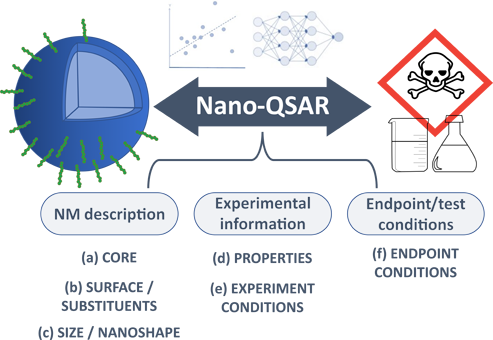
- view, ECHA recognizes the complexity of NMs and the fact that the same chemicals could lead to different nanostructured substances, which, despite sharing the chemical composition, should be considered different materials in terms of their activity and properties. ECHA uses the term “nanoform” to
- specify a particular substance in the NM field for questions such as their registration and risk evaluation. A nanoform is defined by having particles with a specific composition and with structural properties (such as size and shape) in a defined range. In this way, it differs from more general labels
- , namely, composition, impurities, surface treatment functionalization, size, shape, and surface area [10]. One of the challenges in nano-QSAR modelling, and in the modelling of NMs in general, is the definition and the identification of what a single NM is. Discrete organic molecules can be fully


Intermixing of MoS2 and WS2 photocatalysts toward methylene blue photodegradation
Beilstein J. Nanotechnol. 2024, 15, 817–829, doi:10.3762/bjnano.15.68
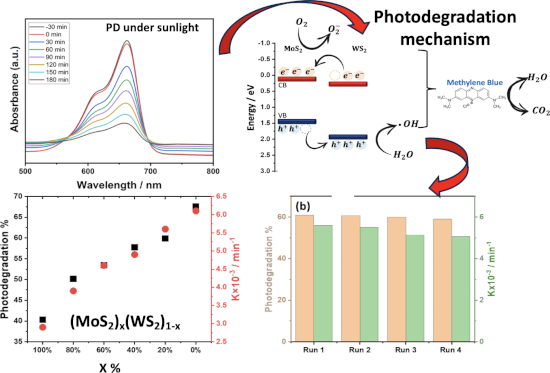
- composite samples (e.g., Supporting Information File 1, Figure S2). The composition might vary from sample to sample to some extent depending on the efficiency of the sulfurization process. The XPS clubbed spectra for Mo 3d, S 2p, and W 4f indicate that there is no noticeable shifting in the peaks (the
- microscope (Cs-corrected Titan, Thermo Fisher Scientific). Thin carbon-coated Cu mesh grids were used to prepare TEM samples by the drop-casting method. The surface chemical bonding states and composition of the samples were determined with a scanning XPS microprobe (PHI VersaProbe III, Physical Electronics


Synthesis of silver–palladium Janus nanoparticles using co-sputtering of independent sources: experimental and theorical study
Beilstein J. Nanotechnol. 2024, 15, 808–816, doi:10.3762/bjnano.15.67
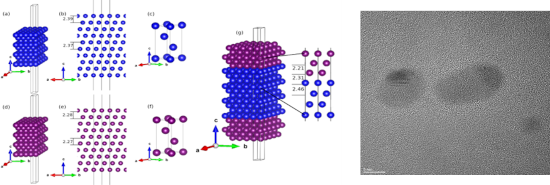
- promote the synthesis of bimetallic Janus nanoparticles. The structural properties of the resulting nanoparticles were investigated by transmission electron microscopy (TEM), and the chemical composition was analyzed by TEM energy dispersive spectroscopy (TEM-EDS), which, together with structural analysis




Electron-induced ligand loss from iron tetracarbonyl methyl acrylate
Beilstein J. Nanotechnol. 2024, 15, 797–807, doi:10.3762/bjnano.15.66
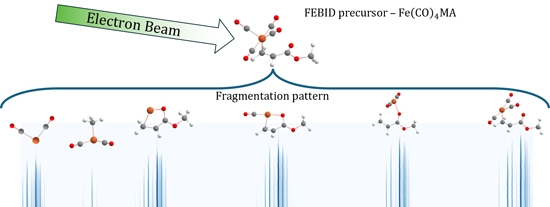
- ultrahigh-vacuum conditions [8]. The deposits had an Fe/C/O composition similar to those obtained from Fe(CO)5, which was surprising since the methyl acrylate ligand has a high carbon content. This opens a fundamental question of how much can a change in one ligand change the outcome of electron-induced



Exploring surface charge dynamics: implications for AFM height measurements in 2D materials
Beilstein J. Nanotechnol. 2024, 15, 767–780, doi:10.3762/bjnano.15.64
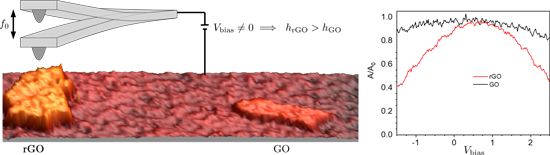
- [23][24], or electrochemical properties [25] is a key topic of research. Factors such as flake size and shape, composition, density of defects, or doping significantly influence the response of 2D materials. Given the nanoscopic scale underlying the functionality of 2D materials, atomic force


Green synthesis of biomass-derived carbon quantum dots for photocatalytic degradation of methylene blue
Beilstein J. Nanotechnol. 2024, 15, 755–766, doi:10.3762/bjnano.15.63
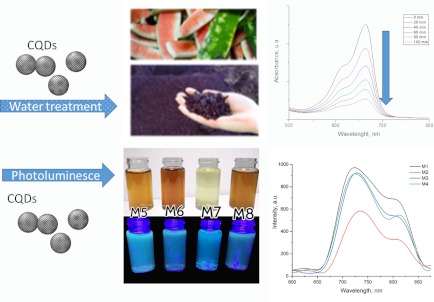
- , samples M4 and M8 synthesized from grape pomace and watermelon, respectively, show considerable catalytic activity under sunlight irradiation. However, when analyzed under incandescent light, these samples exhibit very low activity, likely due to their specific chemical composition and the variations in


Effect of repeating hydrothermal growth processes and rapid thermal annealing on CuO thin film properties
Beilstein J. Nanotechnol. 2024, 15, 743–754, doi:10.3762/bjnano.15.62
- characterized using an analytical scanning electron microscope (SEM) Hitachi SU-70 with the X-ray microanalysis system (EDX) enabling composition analysis (Thermo Fisher Pathfinder system with a silicon drift detector). Additionally, in the study, a scanning probe microscope (Dimension Icon, Bruker) was used
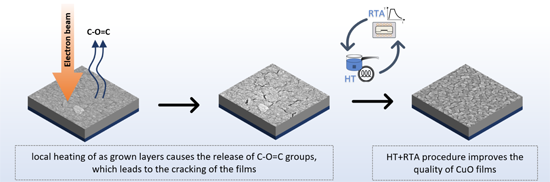
- content in the CuO films. The chemical composition of such thin films determined using EDX is only an approximation. However, the obtained results demonstrate a clear trend of decreasing carbon content in the material with successive HT+RTA cycles. To validate those findings, additional XPS analyses were
- composition can be identified. Each form of copper oxide presents a different Raman spectrum. CuO crystallizes in a monoclinic lattice with the space group giving the following set of the zone-center lattice modes: Γ = Ag + 2Bg + 4Au + 5Bu. Hence, CuO has twelve phonon branches in the phonon dispersion




Level set simulation of focused ion beam sputtering of a multilayer substrate
Beilstein J. Nanotechnol. 2024, 15, 733–742, doi:10.3762/bjnano.15.61
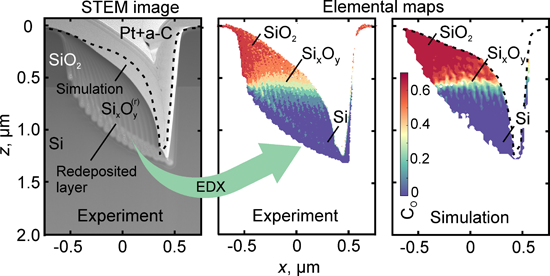
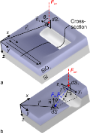
- irradiated by a focused ion beam. The flux of atoms sputtered from the SiO2 layer and the silicon substrate on the milled surface, which form the redeposited layer, caused local composition variations described by the function , the values of which were stored on the primary rectangular grid introduced for
- atoms caused by the ion beam movement during the fabrication of the boxes (see Figure 1a). Each stripe in the image corresponds to one of the line segments oriented along the y axis in the serpentine scanning pattern. The composition of the redeposited layer varies along the z axis direction, and
- composition of the redeposited material along the z axis. Figure 4b,c also demonstrates that the composition of the redeposited layers became more and more homogeneous, as the number of passes increased. Comparison between experiments and simulation Calculated profiles of the simulated structures were

![[Graphic 55]](/bjnano/content/inline/2190-4286-15-61-i68.svg?max-width=637&scale=1.18182)


Simultaneous electrochemical determination of uric acid and hypoxanthine at a TiO2/graphene quantum dot-modified electrode
Beilstein J. Nanotechnol. 2024, 15, 719–732, doi:10.3762/bjnano.15.60
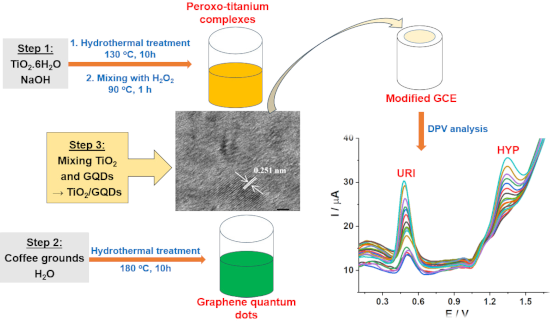
- Figure 3d were identified by HRTEM with an interplanar distance of (101) planes of 0.251 nm, which has also been revealed by XRD of TiO2 in anatase form. To further determine the composition of the prepared TiO2/GQDs composites, EDX mapping was used (Figure 4). The obtained results reveal that TiO2/GQDs
- 0.45 V for URI and at 1.26 V for HYP at the TiO2/GQDs-GCE. It is notable that the electrochemical response is a function of the TiO2/GQDs composition (Figure 5b). The oxidation peak currents of URI and HYP increase with increasing amount of GQDs in TiO2/GQDs. However, the peak current of URI reaches


Gold nanomakura: nanoarchitectonics and their photothermal response in association with carrageenan hydrogels
Beilstein J. Nanotechnol. 2024, 15, 678–693, doi:10.3762/bjnano.15.56

- -centred cubic lattice structure of metallic gold [26]. The peaks are also consistent with the Joint Committee on Powder Diffraction Standard (JCPDS 04-0784) [27]. Among the obtained diffraction peaks, the peak at 38.2° exhibited maximum intensity. The composition of gold was also confirmed through






Laser synthesis of nanoparticles in organic solvents – products, reactions, and perspectives
Beilstein J. Nanotechnol. 2024, 15, 638–663, doi:10.3762/bjnano.15.54
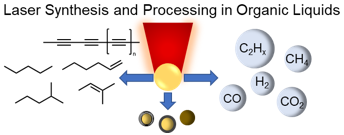
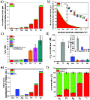
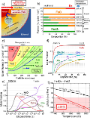
- reactions are needed. Furthermore, properties such as surface structure or crystallinity can be tailored by adjusting experimental conditions while retaining the initial chemical composition of the educt material [13]. LSPC can be classified into the method variants of laser ablation in liquid (LAL), laser
- generation of products that differ from the initial target’s composition [28][29][30][31][32]. Besides LAL, LFL, and LML, where a solid bulk or particulate material is laser-excited, another method to synthesize colloidal nanoparticles is the laser reduction in liquid (LRL), where the liquid contains
- an accumulation of anions in the Helmholtz layer indicated by zeta potential measurements. Scaramuzza et al., in contrast, investigated non-ionic additives and their influence on structure and composition during the ablation of metastable AuFe alloys [20]. They used ethanol and water as solvents and





Exfoliation of titanium nitride using a non-thermal plasma process
Beilstein J. Nanotechnol. 2024, 15, 631–637, doi:10.3762/bjnano.15.53
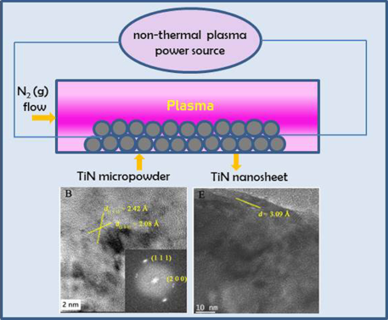
- -thermal plasma exfoliation process did not induce significant alterations in the structure and chemical composition of TiN. However, slight changes are evident for the exfoliated sample, mainly in shift and peak width of the center band. These observations are corroborated by the increment in the full
- results, collectively reinforcing that the non-thermal plasma method was effective in preserving the bulk chemical composition and structure, albeit with slight alterations in the crystallinity and the extent of internal stress. Conclusion We have successfully produced titanium nitride nanosheets by a non
- composition of TiN were preserved, the crystallite size was reduced. These TiN nanosheets have a great potential for a range of cutting-edge applications in fields such as medicine, catalysis, and energy-related technologies. Hence, further exploration and development of these TiN nanosheets are expected to



Comparative analysis of the ultrastructure and adhesive secretion pathways of different smooth attachment pads of the stick insect Medauroidea extradentata (Phasmatodea)
Beilstein J. Nanotechnol. 2024, 15, 612–630, doi:10.3762/bjnano.15.52
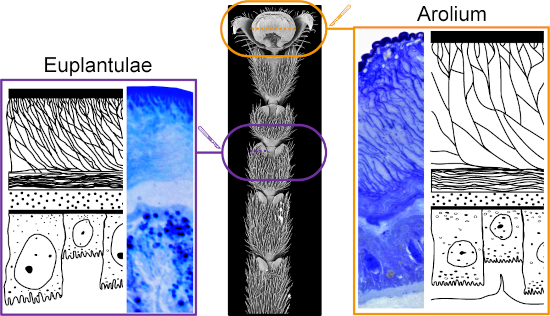
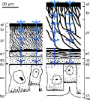
- euplantulae. They are both supported by an adhesive secretion delivered into the interspace between the attachment pads and the substrate. In this study, we analysed and compared internal morphology, material composition and ultrastructure, as well as the transportation pathways in both adhesive organs in the
- the material composition of attachment pads and the distribution process of the adhesive secretion can potentially aid in the development of more effective artificial attachment systems. Keywords: adhesion; arolium; biomechanics; euplantulae; friction; functional morphology; tarsal secretion
- -walled attachment pads [29] and assists in chemical communication [30]. The tarsal secretion can facilitate these functions due to its chemical composition and the resulting physical properties. Chemical analyses of the tarsal fluid revealed that its composition differs between different insect groups





AFM-IR investigation of thin PECVD SiOx films on a polypropylene substrate in the surface-sensitive mode
Beilstein J. Nanotechnol. 2024, 15, 603–611, doi:10.3762/bjnano.15.51
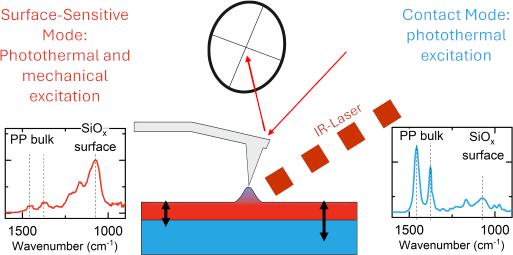
- cantilever (a). In b) the AFM-IR spectra collected in surface-sensitive mode with a drive frequency of 764 kHz, a detection frequency of 195 kHz, and a laser pulse frequency of 566 kHz are shown. Quantification of the surface composition of the silicon oxide films on the polypropylene foil. Funding This


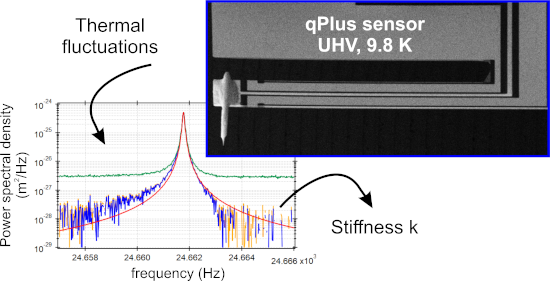
Stiffness calibration of qPlus sensors at low temperature through thermal noise measurements
Beilstein J. Nanotechnol. 2024, 15, 580–602, doi:10.3762/bjnano.15.50
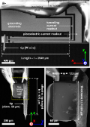
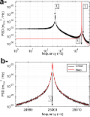
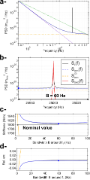
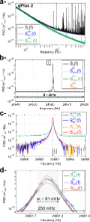
- ring electrode for mechanical excitation. The QTF surface features a set of three metallic electrodes evaporated on it. Their chemical composition has been characterized by EDS as consisting of a ≃200 nm thick layer of Au on a thinner chromium layer to favor the adhesion and wetting of Au. The massive


Cholesterol nanoarchaeosomes for alendronate targeted delivery as an anti-endothelial dysfunction agent
Beilstein J. Nanotechnol. 2024, 15, 517–534, doi:10.3762/bjnano.15.46
- 700 mg TPA was isolated from each culture batch. The reproducibility of each TPA extract composition was routinely screened by phosphate content [75] and electrospray-ionization mass spectrometry [76] and ordered according to decrescent abundance as archaeol analog methyl ester of





Electron-induced deposition using Fe(CO)4MA and Fe(CO)5 – effect of MA ligand and process conditions
Beilstein J. Nanotechnol. 2024, 15, 500–516, doi:10.3762/bjnano.15.45
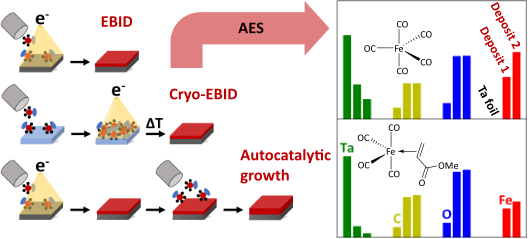
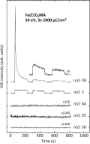
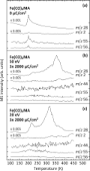
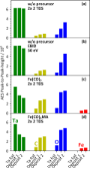
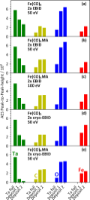
- deposit. The present study uses a surface science approach to investigate the electron-induced decomposition of Fe(CO)4MA and the composition of the deposits resulting from experiments that mimic different FEBID processes. All experiments were repeated under the same conditions using Fe(CO)5 to elucidate
- intensities were converted to a composition of each deposit (Fe/C/O) using the respective sensitivity factors [54]. The attenuation of the TaNNN signal gives an indication of growth of an overlayer on top of the substrate and can be converted to an overlayer thickness based on electron attenuation length (EAL
- elements (referred to herein as scenario A) [54][55]. Therefore, we must first critically reflect upon the validity of composition and thickness data derived from the deposition experiments described herein. According to earlier results [21][24][25], surface mobility of the precursor at room temperature in



Aero-ZnS prepared by physical vapor transport on three-dimensional networks of sacrificial ZnO microtetrapods
Beilstein J. Nanotechnol. 2024, 15, 490–499, doi:10.3762/bjnano.15.44
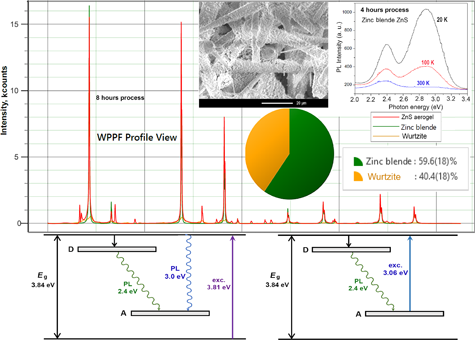
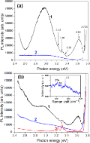
- produced material is investigated by scanning electron microscopy (SEM), while its crystalline and optical qualities are assessed by X-ray diffraction (XRD) analysis and photoluminescence (PL) spectroscopy, respectively. We demonstrate possibilities for controlling the composition and the crystallographic
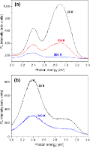
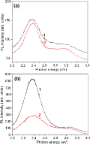
- ]. Nevertheless, both PL characterization and phonon mode analysis are indicative of a mixed-phase zinc blende/wurtzite composition of the prepared aero-ZnS material in concordance with the XRD analysis. Apart from these major emission bands, a series of weaker features are observed in the range from 3.36 to 3.23
- results suggest their suitability for the photocatalytic degradation of tetracycline. Nevertheless, focused investigations are needed concerning the optimization of the phase composition of the prepared materials for specific photocatalytic applications. Additional investigations of the surface states are



Fabrication of nanocrystal forms of ᴅ-cycloserine and their application for transdermal and enteric drug delivery systems
Beilstein J. Nanotechnol. 2024, 15, 465–474, doi:10.3762/bjnano.15.42
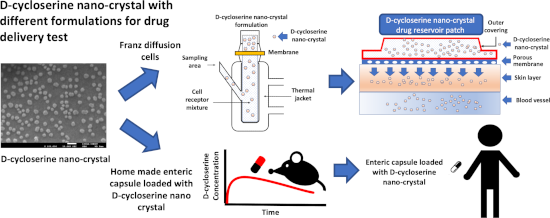
- of drugs. Aqueous solution or mixed emulsion solution of DCS were not appropriate formulations for penetrating the Franz diffusion system due to their high hydrophilicity. We found a suitable hydrophobic composition to overcome this barrier. In addition, it has been reported that nanoparticles with a


Superconducting spin valve effect in Co/Pb/Co heterostructures with insulating interlayers
Beilstein J. Nanotechnol. 2024, 15, 457–464, doi:10.3762/bjnano.15.41
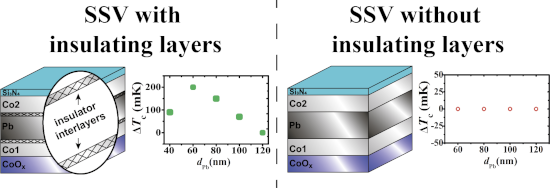
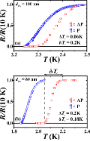
- increased complexity of these interfaces as compared with the ideal metallic contacts between the layers. Though experimentally the formation of an insulating interlayer by oxidation appears to be a doable task, their characteristics, such as thickness, exact composition, and physical properties, cannot be



![[Graphic 6]](/bjnano/content/inline/2190-4286-15-41-i6.svg?max-width=637&scale=1.18182)
Classification and application of metal-based nanoantioxidants in medicine and healthcare
Beilstein J. Nanotechnol. 2024, 15, 396–415, doi:10.3762/bjnano.15.36
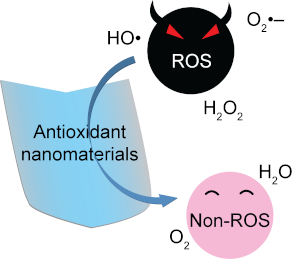
- nanomaterials with more hydroxy groups in the stoichiometric composition generally tend to exhibit higher CAT activity because hydroxy groups enhance ion exchange on the surface of nanomaterials by providing active sites [35][36]. The CAT-like activity was also investigated in copper-based nanomaterials by
- nanoantioxidants, inheriting excellent properties of nanomaterials such as large specific surface area, high catalytic activity, and tunable structure and composition, have great potential for providing effective and safe treatment for oxidative stress-related diseases. However, regarding the translation from


Investigating ripple pattern formation and damage profiles in Si and Ge induced by 100 keV Ar+ ion beam: a comparative study
Beilstein J. Nanotechnol. 2024, 15, 367–375, doi:10.3762/bjnano.15.33
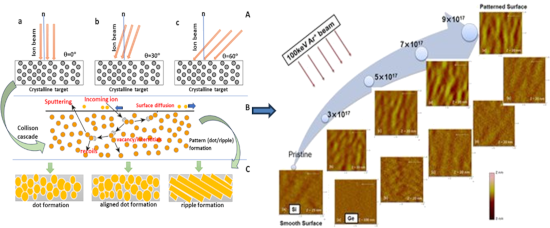
- channelling mode have been used to study defects in crystals for more than a few decades now [33][34]. It imparts the useful information about the structure and composition of materials through the damage fraction studies of ion-bombarded crystalline samples by detecting the backscattered beam of high-energy
- the structure and composition of the materials by measuring the backscattering of a beam of high-energy ions (He+) impinging on a sample. The RBS-channelling spectra of deep ion implants in Si and Ge were analysed to extract the depth profiles of the displaced atoms. Figure 4 shows the aligned spectra


Controllable physicochemical properties of WOx thin films grown under glancing angle
Beilstein J. Nanotechnol. 2024, 15, 350–359, doi:10.3762/bjnano.15.31
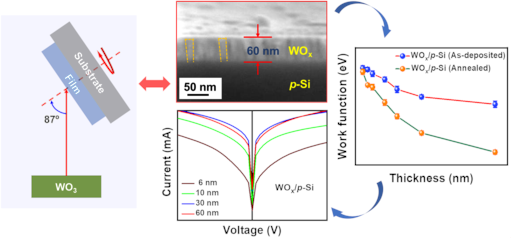
- bias voltage was applied to the p-Si substrates, whereas the WOx films were kept grounded. The crystallinity of the WOx films was examined using X-ray diffraction (XRD) (Bruker) under Bragg–Brentano geometry (θ–2θ) in an angular window of 2θ = 20° to 80°. The chemical composition of the WOx films was
- variability in bandgap energies, we recall that the optical bandgap of this class of materials is a function of defect density and stoichiometric composition, which is mainly governed by the OV concentration within the films [39][40]. To probe any possible variation in OV concentration and stoichiometry


Exploring the relationships between physiochemical properties of nanoparticles and cell damage to combat cancer growth using simple periodic table-based descriptors
Beilstein J. Nanotechnol. 2024, 15, 297–309, doi:10.3762/bjnano.15.27
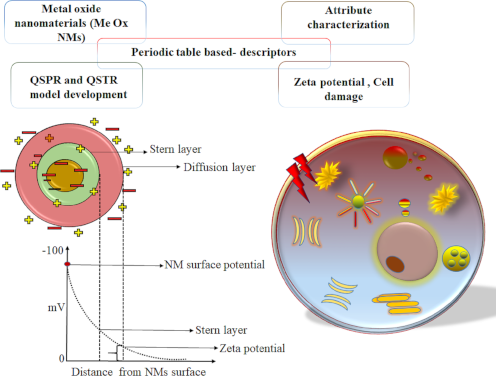
- metals in the cellular membrane can lead to the leakage of cellular content [22]. The “D1metal” descriptor signifies the total number of metal atoms in the MeOx NP composition. An increase in the number of metals can have a detrimental effect on cells by impacting ROS generation. The positive coefficient


Multiscale modelling of biomolecular corona formation on metallic surfaces
Beilstein J. Nanotechnol. 2024, 15, 215–229, doi:10.3762/bjnano.15.21
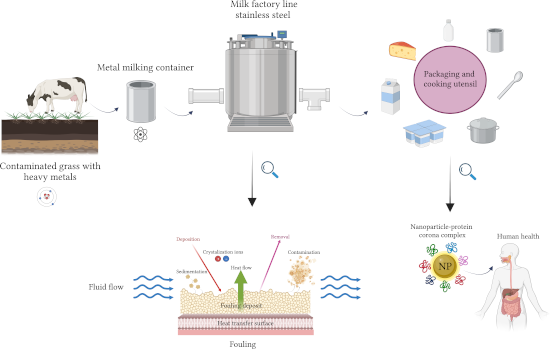
- protein corona composition in the deposited milk layer on aluminum surfaces. We consider a simplified model of milk, which is composed of the six most abundant milk proteins found in natural cow milk and lactose, which is the most abundant sugar found in dairy. Through our study, we ranked selected
- the mechanisms underlying the formation of NP protein corona, a complex layer of biomolecules that surrounds NPs upon their exposure to biological fluids [19][20]. It is widely recognized that composition and configuration of the protein corona play a crucial role in determining the biochemical
- of the NP, which is influenced by its physicochemical composition, (ii) the interface between the solid NP and the surrounding liquid environment, where notable changes occur upon interaction, and (iii) the contact zone between the solid–liquid interface and biological substrates (Figure 2) [22]. In