


Search results
Search for "diffusion" in Full Text gives 773 result(s) in Beilstein Journal of Nanotechnology. Showing first 200.
Efficient liquid exfoliation of KP15 nanowires aided by Hansen's empirical theory
Beilstein J. Nanotechnol. 2022, 13, 788–795, doi:10.3762/bjnano.13.69
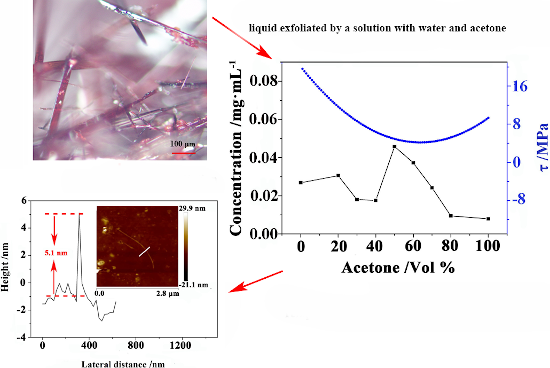
- nanoparticles as anode materials to promote the rapid diffusion and electron transfer of lithium, and Rongjun Zhao prepared n-butanol gas sensors with one-dimensional In2O3 nanorods [1][2]. Different from 2D materials, 1D materials generally have a chain-like crystal structure and are easily exfoliated due to a


Recent advances in nanoarchitectures of monocrystalline coordination polymers through confined assembly
Beilstein J. Nanotechnol. 2022, 13, 763–777, doi:10.3762/bjnano.13.67
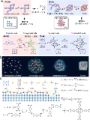
- clusters (PNCs), transition phases, and actual second building units (SBUs) in the prenucleation and growth steps (Figure 1). Transition and attachment of these species are not only controlled by thermodynamics but also strongly depend on kinetics. The decisive factors involve diffusion, local flow, and
- defined structures and flow characteristics. Thus, they are good experimental tools for the observation of crystallization process. The interfaces among the laminar fluids in microfluidic channels can be recognized as soft boundaries of crystallization zones. In the reaction–diffusion zone confined by
- –diffusion zone could be defined, leading to diffusion-limited and kinetically controlled environments. Nonequilibrium crystal morphologies were observed. Needles were found to assemble into frames, which were subsequently woven into plate-like single crystals. The channel walls of microfluidic reactors are




A nonenzymatic reduced graphene oxide-based nanosensor for parathion
Beilstein J. Nanotechnol. 2022, 13, 730–744, doi:10.3762/bjnano.13.65
- is the electrode active area (cm2), Dr is the diffusion coefficient (7.6 × 10⁻⁶ cm2·s−1), and C0 is the concentration of K3Fe(CN)6 (mol·cm−3). From the slope of the plot of Ip vs ν1/2, the effective surface area for bare GCE and ERGO/GCE was calculated to be 0.0707 and 0.121 cm2, respectively, which
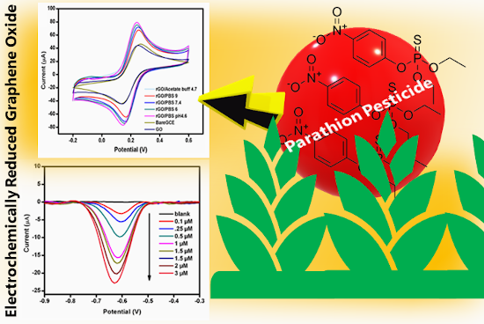
- microstructures of ERGO, which makes the graphene sheets more accessible to the electrolyte. It also facilitates electron transfer and diffusion of ions during the electrochemical process [28][34]. Electrochemical behavior of parathion at modified nanosensors Figure 5A depicts the CVs (first cycle) of bare GCE
- the scan rate suggests a surface-confined diffusion-controlled electrocatalytic process [21]. The slope of log Ipc as a function of log ν is 0.611 (>0.5), which confirms an adsorption-based reduction of PT on the modified electrode surface (Figure 7B). The reduction peak potential was shifted towards


Direct measurement of surface photovoltage by AC bias Kelvin probe force microscopy
Beilstein J. Nanotechnol. 2022, 13, 712–720, doi:10.3762/bjnano.13.63
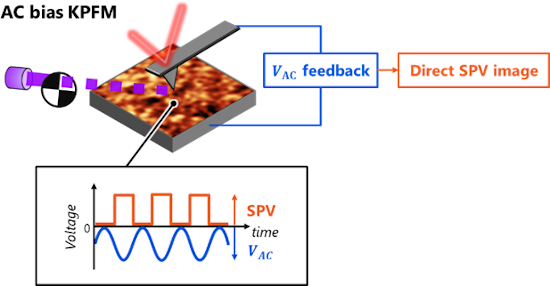
- features as band bending [3][4], the lifetimes of excited carriers [5][6][7], the minority carrier diffusion length [8][9], and the plasmonic effect [10][11][12]. The local SPV is usually measured by Kelvin probe force microscopy (KPFM) [13][14][15][16][17][18][19][20][21], which is based on atomic force


Design and selection of peptides to block the SARS-CoV-2 receptor binding domain by molecular docking
Beilstein J. Nanotechnol. 2022, 13, 699–711, doi:10.3762/bjnano.13.62
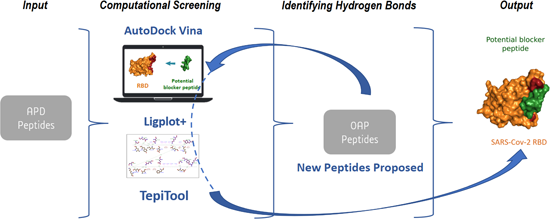
- to be in the range of 43% to 65% of the size of the ACE2 peptide. Therefore, the diffusion of these peptides is faster. These results show the potential of the selected peptides to inhibit SARS-CoV-2, considering that their smaller size and faster diffusion will allow them to find the virus faster
- peptides) and faster design of peptides (41 peptides) based on the peptide binding site on the RBD, the number of hydrogen bonds, and the binding affinity. The peptide candidates have a nearly neutral charge at physiological pH and good solubility, which can benefit the diffusion of the molecules, allowing



Nanoarchitectonics of the cathode to improve the reversibility of Li–O2 batteries
Beilstein J. Nanotechnol. 2022, 13, 689–698, doi:10.3762/bjnano.13.61
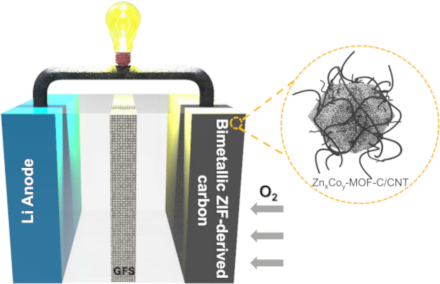
- large surface area to offer abundant active sites for the electrochemical reactions and a large pore volume for effective accommodation of Li2O2 [7][8]. If accumulated Li2O2 is not completely decomposed during the charge, the reaction sites and diffusion pathways of electrolytes and oxygen species are
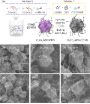
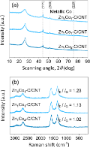
- sufficient diffusion pathways for oxygen and electrolyte in the cathode. The ratio of Zn/Co in the starting materials greatly affects the microstructure and porosity of the resulting bimetallic ZIF–carbon/CNT composites. The correlation between the microstructure and the electrochemical performance of the
- which the highly porous ZnxCoy–C particles are beneficial for facilitating the electrochemical reactions between Li+ and O2. Moreover, CNT networks allow for sufficient electronic conduction as well as diffusion pathways for O2 and electrolyte in the composites. The atomic ratios of Zn and in the Zn1Co4


Experimental and theoretical study of field-dependent spin splitting at ferromagnetic insulator–superconductor interfaces
Beilstein J. Nanotechnol. 2022, 13, 682–688, doi:10.3762/bjnano.13.60
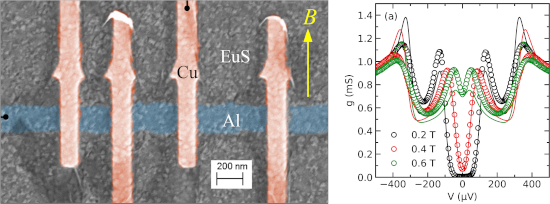
- = e2/h is the conductance quantum, and G = σNA/d is the conductance of the film (in the direction perpendicular to the interface of cross section A). D and σN are the diffusion constant and the normal-state conductivity of the film, respectively. Note, that due to the normalization condition for



Antibacterial activity of a berberine nanoformulation
Beilstein J. Nanotechnol. 2022, 13, 641–652, doi:10.3762/bjnano.13.56
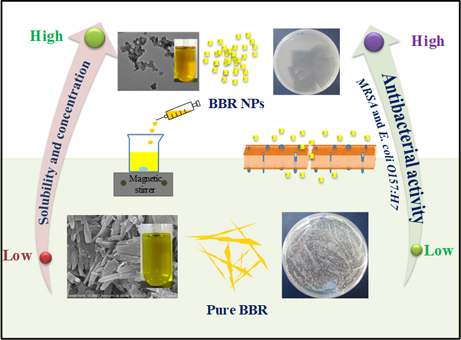
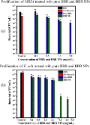
- BBR NPs in water. Antibacterial activity The antibacterial activity of pure BBR and BBR NPs prepared at different concentrations against MRSA and E. coli O157:H7 was compared in vitro using the modified disk diffusion method. Figure 4 and Table 1 show the inhibitory zones of pure BBR (at the
- NPs by colony counting was more reliable than by the modified disk diffusion method. This finding can be explained by the low diffusion of BBR NPs on the agar surface. BBR NPs interacted more with bacteria in the nutrient broth for the colony counting method. BBR NPs with a high surface-to-volume
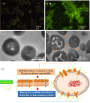
- sectioning for TEM observations. We did not find any difference in ultrastructural changes of E.coli O157:H7 cells treated with and without BBR NPs, whereas significant differences were found in MRSA cells after treatment with BBR NPs. This is consistent with results obtained using the disk diffusion method



Fabrication and testing of polymer microneedles for transdermal drug delivery
Beilstein J. Nanotechnol. 2022, 13, 629–640, doi:10.3762/bjnano.13.55
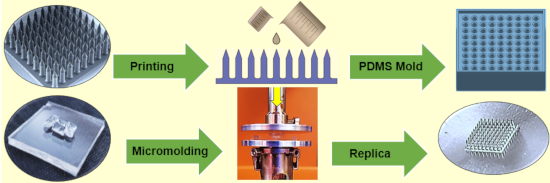
- on the skin showing no penetration using the commercial applicator, c) MN penetration and fluorescein diffusion into the skin, using the custom-made impact applicator at 3 m/s impact velocity, d) as c) for 4.5 m/s impact velocity. Stereomicroscopy images for the estimation of APE using the custom



Comparative molecular dynamics simulations of thermal conductivities of aqueous and hydrocarbon nanofluids
Beilstein J. Nanotechnol. 2022, 13, 620–628, doi:10.3762/bjnano.13.54
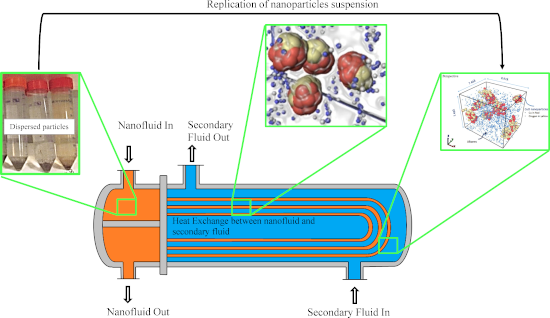
- results [44]. Moreover, in earlier research, authors investigated the rheological and diffusion properties of a CuO nanofluid in water-based systems [45]. The present study is a continuation of that research and is focused on predicting the thermal conductivities of CuO nanoparticles in aqueous and
- nanoparticles shows high diffusion in water-based systems (i.e., around 4.5 × 10⁻⁹ m2/s) [45], in comparison to alkanes/polar (i.e., nonaqueous, around 4.35 × 10⁻¹¹ m2/s) systems [52], as investigated by the two previous studies. This is further confirmed by a study by Abid et al. [53] in which various
- parameters (including dimensionless velocity) for water/CuO and kerosene/CuO were calculated using MATLAB. They found that water/CuO nanofluids have a much higher velocity than kerosene/CuO systems. Therefore, both the previous study by the authors regarding diffusion coefficient and the Abid et al. study


Approaching microwave photon sensitivity with Al Josephson junctions
Beilstein J. Nanotechnol. 2022, 13, 582–589, doi:10.3762/bjnano.13.50
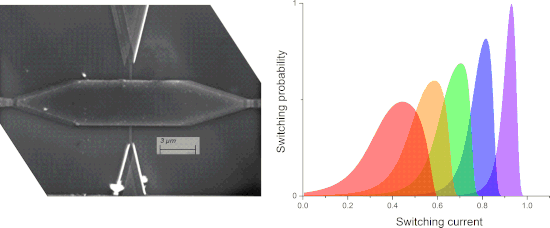
- power, whose presence can be observed only in the switching distributions and in the shorter lifetime of the superconducting state. The used experimental setup is the same as in [7], except for the measured sample. In [7], the critical current of the sample was very low, and the phase diffusion regime
- was noticeably pronounced. The sample considered here has a much higher critical current, and the phase diffusion does not appear. As a result, the theoretical estimates based on the BCS theory for critical currents and Kramers’ theory for escape times are well applicable. Furthermore, the analysis of
- [7], where the phase-diffusion regime is possible [32][33][34][35][36][37], the analyzed junction demonstrates a typical behavior [4][38], that is, a monotonic increase in the switching current distribution width with the rise of the temperature, see Figure 3. For the switching current measurements


Ciprofloxacin-loaded dissolving polymeric microneedles as a potential therapeutic for the treatment of S. aureus skin infections
Beilstein J. Nanotechnol. 2022, 13, 517–527, doi:10.3762/bjnano.13.43
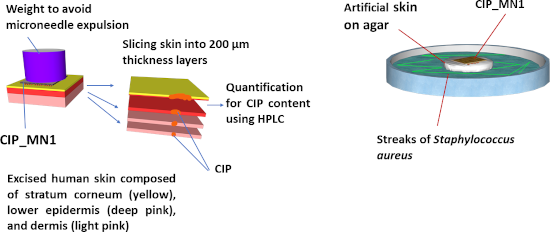
- ]. These properties can facilitate the diffusion into the dermis and underlying layers for local and transdermal effects. In a recent study, PVP-based dissolving microneedles were able to deliver sinomenine hydrochloride to a skin depth of 200 µm in rats [57], which is significantly less than the depth


Design and characterization of polymeric microneedles containing extracts of Brazilian green propolis
Beilstein J. Nanotechnol. 2022, 13, 503–516, doi:10.3762/bjnano.13.42
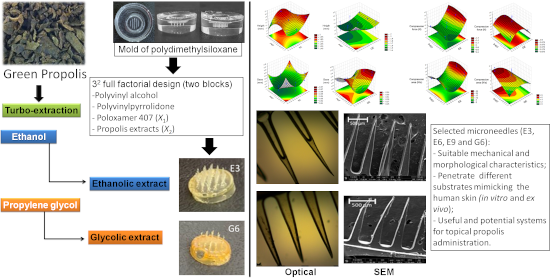
- viable epidermis, without reaching the nerve endings that are in the dermis [4][5]. The perforation of the stratum corneum enables the release of bioactive molecules in the epidermis, which then reach the dermis and blood capillaries by diffusion [6]. This entire process occurs in a non-invasive
- holes created and will be taken, by diffusion, to the innermost layers to have its systemic action [5][12]. Coated microneedles are solid MNs made of inert material and coated with a formulation containing the drug to be administered [5][13]. After skin perforation, this lining is retained in the


Ethosomal (−)-epigallocatechin-3-gallate as a novel approach to enhance antioxidant, anti-collagenase and anti-elastase effects
Beilstein J. Nanotechnol. 2022, 13, 491–502, doi:10.3762/bjnano.13.41
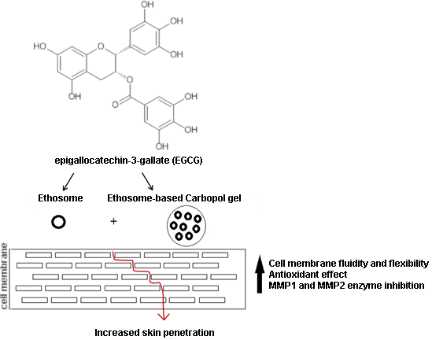
- determined by HPLC from the supernatant phase after ultracentrifugation. The encapsulation efficiency of the ETHs was calculated according to the following equation. Furthermore, an in vitro release study for six ETHs was performed for 24 h at 37 °C using Franz diffusion cells with a 12.000 Dalton pore size



The role of sulfonate groups and hydrogen bonding in the proton conductivity of two coordination networks
Beilstein J. Nanotechnol. 2022, 13, 437–443, doi:10.3762/bjnano.13.36
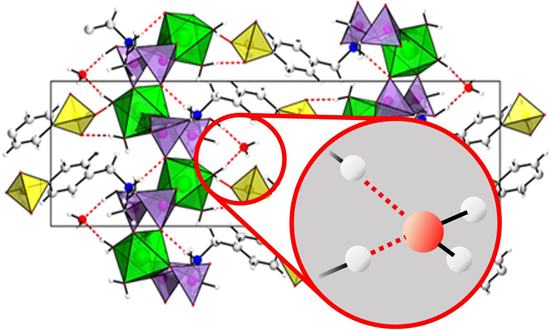
- conduction occurs by mass transport (i.e., by cation diffusion of, e.g., H3O+), activation energies higher than 0.4 eV are expected [28]. This mechanism seems to dominate the additional conduction mode in the non-activated Mg-CP sample, where an activation energy of 0.64 eV is observed. This is consistent
- with our above assumption that this additional conduction occurs within interparticle water adsorbate layers; these liquid-like layers may facilitate molecular diffusion to some extent. To explain the differences in proton conductivity between the (activated) Mg-CP and Pb-MOF materials, the respective


A non-enzymatic electrochemical hydrogen peroxide sensor based on copper oxide nanostructures
Beilstein J. Nanotechnol. 2022, 13, 424–436, doi:10.3762/bjnano.13.35
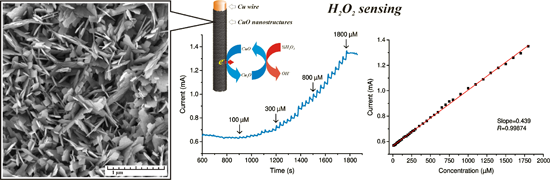
- high-speed paths for analyte molecule transfer due to the high porosity of the surface, as well as more efficient mass diffusion and electron transfer processes compared to the less developed film. The sensitivity of pure CuO wire is significantly inferior to samples containing CuO. Figure 3c,d
- EIS curve and the corresponding equivalent circuit are presented. The absence of characteristic semicircles formed by RCs by the circuit elements indicates a low charge transfer resistance and the predominance of Warburg diffusion over other processes in the electrochemical system. Figure 3f shows an
- electrons transferred in the redox reaction, D is the diffusion coefficient in solution (D = 6.8 × 10⁻⁵ cm2·s−1), C* is the concentration (mol·cm−3); v is the scan rate (100 mV·s−1), and A denotes the effective surface area of the electrode (cm2). The electrochemically active surface area was calculated to




Selected properties of AlxZnyO thin films prepared by reactive pulsed magnetron sputtering using a two-element Zn/Al target
Beilstein J. Nanotechnol. 2022, 13, 344–354, doi:10.3762/bjnano.13.29
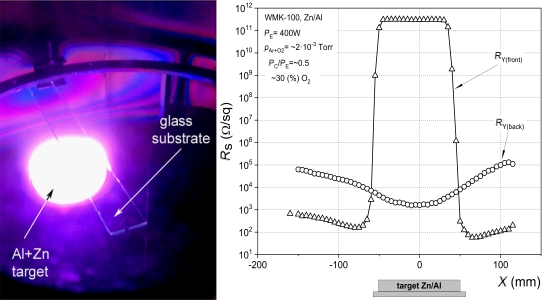
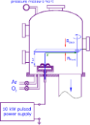
- two-element Zn/Al target and a pulsed (100 kHz) Dora Power Systems power supply, a MSS-10kW type. Films were deposited using a vacuum stand equipped with a diffusion pump (2000 L/s) and a rotary pump (30 m3/h). The ultimate pressure in the working chamber was about 3 × 10⁻⁵ mbar. A circular magnetron



Interfacial nanoarchitectonics for ZIF-8 membranes with enhanced gas separation
Beilstein J. Nanotechnol. 2022, 13, 313–324, doi:10.3762/bjnano.13.26
- rotation of the organic linkers [19][31], besides their remarkable thermal and chemical stability [32]. The linker rotation effect can mediate guest molecule diffusion efficiently since larger molecules encounter a larger hindrance by the rotating linkers. ZIF-8 exhibits this representative linker rotation
- intercrystalline defect formation in MOFs can have either positive or negative effects on the separation performance. Point defects and extended defects may increase the number of adsorption sites in MOFs [35], while missing linkers may provide low-resistance diffusion pathways by increasing the porosity of the
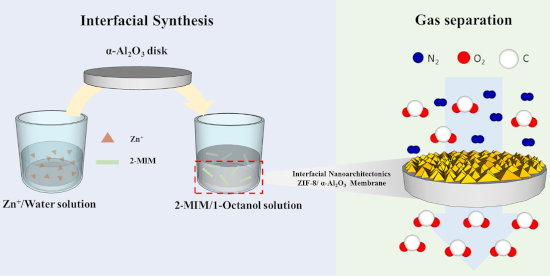
- , the interfacial synthesis method confines the coordination of the MOF to the solvent interface, which ensures good control over MOF nucleation and growth processes [37][38]. Consequently, it is a promising approach to synthesize a defect-free MOF film. In comparison, the counter-diffusion method


Relationship between corrosion and nanoscale friction on a metallic glass
Beilstein J. Nanotechnol. 2022, 13, 236–244, doi:10.3762/bjnano.13.18
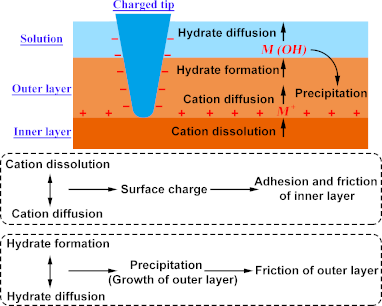
- reveals a stable surface charge with different periods of immersion time. We conclude that there is an equilibrium between the production of metal cations by dissolution and diffusion of the ions into the solution, which entails the constant surface charge. In other words, during immersion in phosphate
- increased surface charge. We conclude that dissolution of metal ions occurs faster than their diffusion into solution in NaCl solution, that is, the ion transfer is limited by diffusion. The lack of passivation is in agreement with reports about a decrease in corrosion resistance in NaCl solution with
- species [28][29]. Such an accumulation of hydrates does not proceed in NaCl solution, and we conclude that the formation of metal hydrates is in equilibrium with their diffusion into the solution, or that the existing outer layer prevents the precipitation of further hydrates. The friction coefficient for


Impact of device design on the electronic and optoelectronic properties of integrated Ru-terpyridine complexes
Beilstein J. Nanotechnol. 2022, 13, 219–229, doi:10.3762/bjnano.13.16
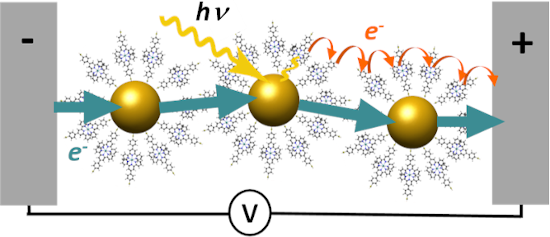
- subsequently counterbalanced by charge carriers in the nanoelectrodes. Since surface plasmon excitations are in the femtosecond range and the diffusion of charge carriers is considerably slower, we find an exponential decay until a steady-state current is reached. The decay constant is field-dependent, as


Engineered titania nanomaterials in advanced clinical applications
Beilstein J. Nanotechnol. 2022, 13, 201–218, doi:10.3762/bjnano.13.15
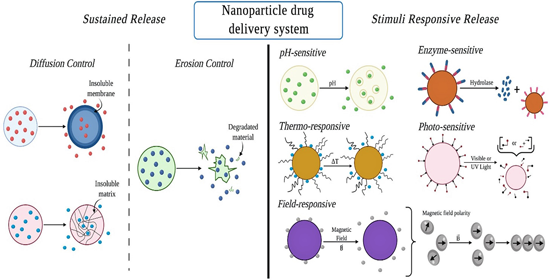
- biofilm inhibition and treatment [88][89][90]. The size of the nps impacts the diffusion into the extracellular polymeric substance matrix, with diameters up to 130 nm demonstrating deep penetration into biofilms. Moreover, positively charged nps exert greater biofilm penetration over anionic or uncharged


Thermal oxidation process on Si(113)-(3 × 2) investigated using high-temperature scanning tunneling microscopy
Beilstein J. Nanotechnol. 2022, 13, 172–181, doi:10.3762/bjnano.13.12
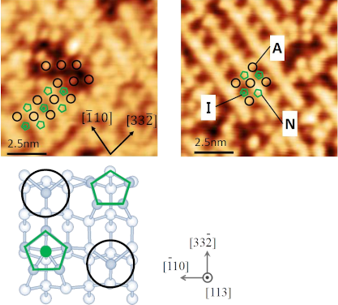
- ) has been used as the ideal tool to investigate reaction dynamics on surfaces. In our previous studies, we applied our VT-STM to investigate hydrogen diffusion [5] and titanium silicide formation [6] on Si(001). In our previous studies of oxidation on Si(113), we investigated the electronic states of


A photonic crystal material for the online detection of nonpolar hydrocarbon vapors
Beilstein J. Nanotechnol. 2022, 13, 127–136, doi:10.3762/bjnano.13.9
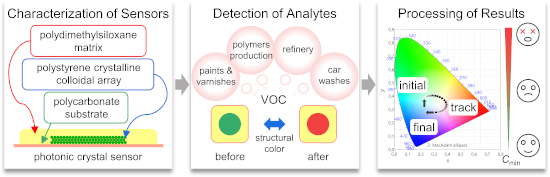
- -pentane, n-heptane, n-octane and n-decane, which have a high vapor pressure under normal conditions. As a result of exposure to aromatic and aliphatic nonpolar solvents, a redshift in the PBG is observed using diffuse reflectance spectroscopy. The diffusion of vapors of organic solvents into the PDMS
- chlorobenzene [41]. Therefore, the main factor can be considered the affinity of solvents to PDMS, namely the polarity and rate of diffusion of the solvent through the matrix. In addition, the polydimethylsiloxane matrix protects the polystyrene CCA from the effects of high concentrations of hydrocarbons, thus
- . Qualitative detection of nonpolar low-molecular-weight organic compounds It was found that the response rate increases exponentially among n-pentane, n-heptane, n-octane and n-decane. This is consistent with an exponential decrease in vapor pressure and a decrease in the rate of diffusion of the compounds


Sputtering onto liquids: a critical review
Beilstein J. Nanotechnol. 2022, 13, 10–53, doi:10.3762/bjnano.13.2
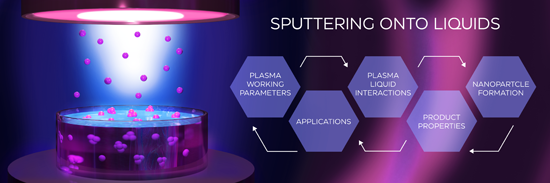
- limited by the diffusion of the monomers to the nuclei surface. The assumption that burst nucleation significantly reduces the concentration of monomers allows for achieving the key separation of the nucleation and growth steps, which is a mandatory condition for the formation of monodisperse particles
- ][111] and many other parameters such as solvent viscosity, species diffusion coefficients, and adsorption of protective ligands onto NP surface [79]. So, variations of the “room temperature” in different laboratories might explain the different sizes and stability of obtained NPs. Light. The level of






Topographic signatures and manipulations of Fe atoms, CO molecules and NaCl islands on superconducting Pb(111)
Beilstein J. Nanotechnol. 2022, 13, 1–9, doi:10.3762/bjnano.13.1
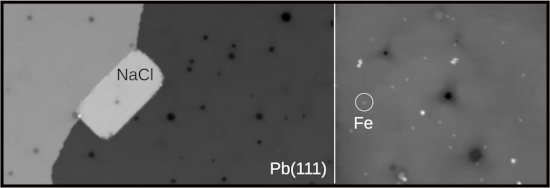
- ]. In this work, we report on the topographic features of adsorbed CO molecules, NaCl layers and Fe adatoms on a superconducting Pb(111) surface, investigated with STM at 4.8 K. We show that CO molecules on Pb(111) are hardly visible in STM images due to their high diffusion induced by the tip even at





