


Search results
Search for "dyes" in Full Text gives 211 result(s) in Beilstein Journal of Nanotechnology. Showing first 200.
PVP-coated, negatively charged silver nanoparticles: A multi-center study of their physicochemical characteristics, cell culture and in vivo experiments
Beilstein J. Nanotechnol. 2014, 5, 1944–1965, doi:10.3762/bjnano.5.205

- intracellular organelles, e.g., the Golgi complex or the endoplasmic reticulum [89]. To analyze the intracellular location of agglomerated silver nanoparticles in more detail, the Golgi apparatus, the cell nucleus and the endo-lysosomes were marked by specific fluorescent dyes. Previously, the hMSC were


Imaging the intracellular degradation of biodegradable polymer nanoparticles
Beilstein J. Nanotechnol. 2014, 5, 1905–1917, doi:10.3762/bjnano.5.201
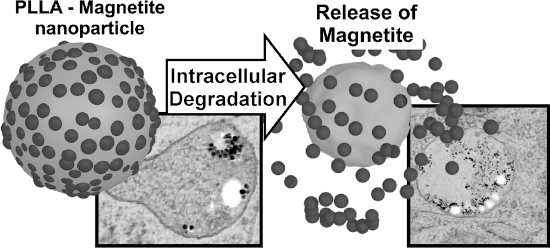
- may give deeper insight into the cell strategies for handling the load of external NPs. Proving the disappearance of something is challenging, especially for image-based techniques. One can do this, however, by using special markers such as self-quenched fluorescent dyes [14] or other non-degradable


Precise quantification of silica and ceria nanoparticle uptake revealed by 3D fluorescence microscopy
Beilstein J. Nanotechnol. 2014, 5, 1616–1624, doi:10.3762/bjnano.5.173
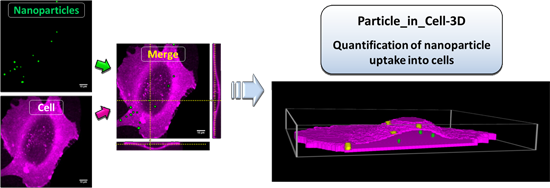
- intensity of a single nanoparticle, obtained through a calibration experiment, is compared to the intensity of each object and determines the number of nanoparticles forming this object. It is therefore assumed that the self-quenching of dyes in particle agglomerates is negligible. This approach was proved


Donor–acceptor graphene-based hybrid materials facilitating photo-induced electron-transfer reactions
Beilstein J. Nanotechnol. 2014, 5, 1580–1589, doi:10.3762/bjnano.5.170
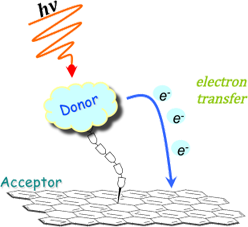
- transient absorption spectroscopy, verified that electron transfer occurs from graphene to ZnPc. Beyond the coupling of porphyrin and phthalocyanine dyes to graphene, other photo- and/or electro-active units have been also introduced. In this context, an extended tetrathiafulvalene (exTTF) was grafted to


Synthesis of hydrophobic photoluminescent carbon nanodots by using L-tyrosine and citric acid through a thermal oxidation route
Beilstein J. Nanotechnol. 2014, 5, 1513–1522, doi:10.3762/bjnano.5.164
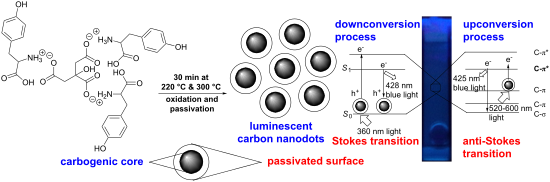
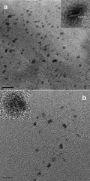
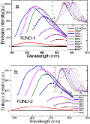
- ], photocatalytic applications [28][29]. Very few reports about hydrophobic CNDs are known [30][31]. Hydrophobic fluorescent probes (e.g., Nile red) were found to be useful for labeling hydrophobic environments in bacteria [32], but the problem associated with organic dyes is photobleaching. CNDs are promising






In vitro interaction of colloidal nanoparticles with mammalian cells: What have we learned thus far?
Beilstein J. Nanotechnol. 2014, 5, 1477–1490, doi:10.3762/bjnano.5.161
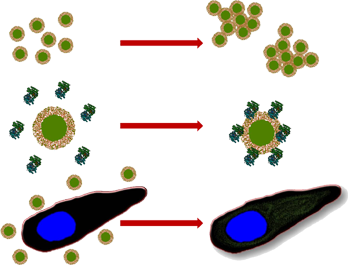
- semiconductor quantum dot NPs (QDs) were unable to elicit a more negative biological effect when used for cellular labeling than a panel of dyes commonly used for the same intrinsic purposes [159]. Along with this, often transformed and immortalized cell lines are used in biological research, meaning that they


The cell-type specific uptake of polymer-coated or micelle-embedded QDs and SPIOs does not provoke an acute pro-inflammatory response in the liver
Beilstein J. Nanotechnol. 2014, 5, 1432–1440, doi:10.3762/bjnano.5.155
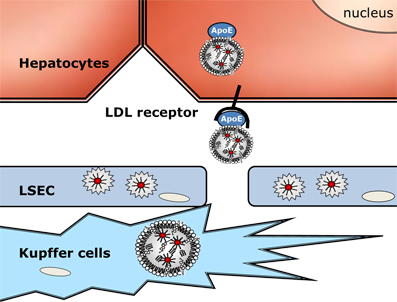
- : hepatocytes; inflammation; Kupffer cells; liver sinusoidal endothelial cells; nanoparticle toxicity; nanoparticle uptake; quantum dots; superparamagnetic iron-oxide nanocrystals; Introduction The superior optical properties of QDs compared to organic dyes render them promising candidates for the demands of


DFT study of binding and electron transfer from colorless aromatic pollutants to a TiO2 nanocluster: Application to photocatalytic degradation under visible light irradiation
Beilstein J. Nanotechnol. 2014, 5, 1016–1030, doi:10.3762/bjnano.5.115
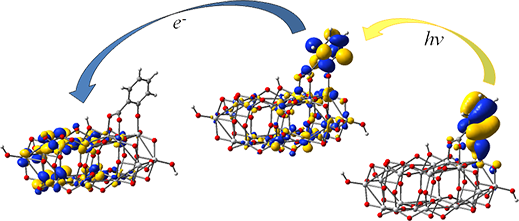
- has to be modified in various ways [6]. Alternative approaches to the modification of the TiO2 photocatalyst are the self-sensitized degradation of dyes which absorb visible light [7][8] and the photocatalytic degradation of colorless organic compounds by formation of a charge-transfer-complex, CTC [9
- efficient photocatalytic degradation of pollutants under visible light irradiation has to meet similar requirements to the ones of the dyes in Grätzel cells. In particular, the anchoring mode of the pollutant to the TiO2 surface influences the electron transfer [17]. The most commonly used anchoring group
- ]. Theoretically, density functional theory (DFT) calculations showed [21][22][23] that the binding of the carboxy group to titania is bidentate bridging, with the monodentate anchoring being less stable [24][25][26][27]. The higher performance of the dyes with both carboxy and hydroxy anchoring groups [28] has




Functionalized nanostructures for enhanced photocatalytic performance under solar light
Beilstein J. Nanotechnol. 2014, 5, 994–1004, doi:10.3762/bjnano.5.113
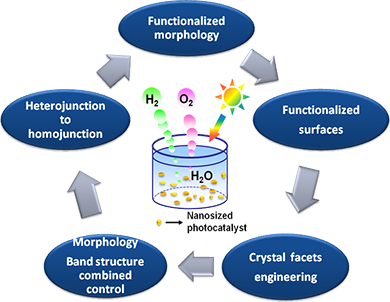
- should be pointed out that TiO2 can only respond to UV light, even metal ion doping can hardly enhance its visible light activity. Sensitization with dyes or nanocrystals is one possible approach to extend the light absorption of TiO2. Sreethawong et al. found that eosin Y-sensitized mesoporous-assembled


Molecular biology approaches in bioadhesion research
Beilstein J. Nanotechnol. 2014, 5, 983–993, doi:10.3762/bjnano.5.112
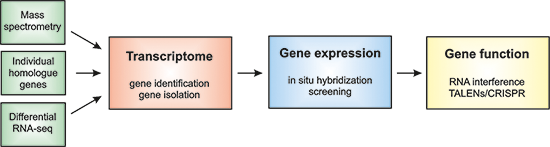
- probes to endogenous mRNA [39] (Figure 4). 3.2 In situ hybridization set-up Several ways to visualize the probes can be utilized – with fluorescent dyes, with alkaline phosphatase, or horseradish peroxidase reactions. We will present a widely used chromogenic visualization method, based on an alkaline


Optimizing the synthesis of CdS/ZnS core/shell semiconductor nanocrystals for bioimaging applications
Beilstein J. Nanotechnol. 2014, 5, 919–926, doi:10.3762/bjnano.5.105
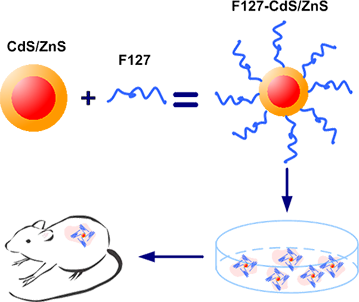
- organic dyes, QDs have narrow emission peaks that can be systematically tuned from visible to near-infrared by manipulating their size, composition, and shape [1][2][3][4][5][6][7]. In addition, QDs exhibit a continuous absorption band behaviour that allows a single laser light source to excite
- multicolored QDs simultaneously. This is a major advantage compared with the simultaneous excitation of multiple organic dyes emitting at different wavelengths, which requires multiple light sources. All of these attractive features of QDs have made them extremely promising candidates for the new generation of


Optical modeling-assisted characterization of dye-sensitized solar cells using TiO2 nanotube arrays as photoanodes
Beilstein J. Nanotechnol. 2014, 5, 895–902, doi:10.3762/bjnano.5.102
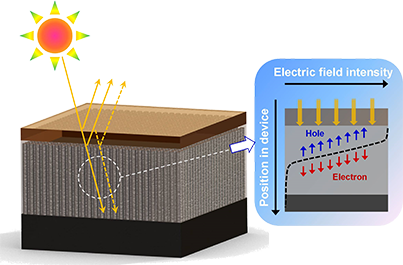
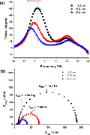
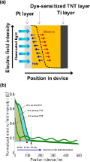
- , 78.6, and 98.7 nm, respectively. The longest TNT array of 20.6 μm in length showed enhanced photovoltaic performances of 3.87% with significantly increased photocurrent density of 8.26 mA·cm−2. This improvement is attributed to the increased amount of the adsorbed dyes and the improved electron
- the electrolyte layer and the Pt deposited FTO glass in the counter electrode through back side illumination [20]. The steady increase in IPCE with longer tube lengths is attributed to the increase in Jsc by the increased amount of dyes adsorbed on the longer TNT arrays, followed by a further increase
- steps using a Keithley 2400 source measure unit. The amount of adsorbed dye concentration was determined by measuring the absorbance of dye solution desorbed from the surface of the TNT array in basic solution. In order to desorb dyes, N719 dye-adsorbed TNT arrays were immersed in a 0.1 M NaOH in water


Pyrite nanoparticles as a Fenton-like reagent for in situ remediation of organic pollutants
Beilstein J. Nanotechnol. 2014, 5, 855–864, doi:10.3762/bjnano.5.97
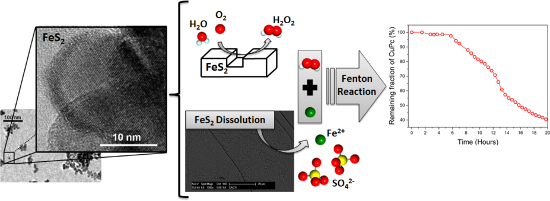
- remains poorly studied and, to the best of our knowledge, has never been used to remove dyes from textile wastewater. In this work, we compared synthetic pyrite nanoparticles to naturally derived pyrite microparticles for their efficiency in the oxidative degradation of copper phthalocyanine (CuPc), a
- a cheap alternative to conventional Fenton approaches for the selective oxidation of pollutant dyes. Experimental Chemicals Copper phthalocyanine-3, 4´, 4´´, 4´´´- tetrasulfonic acid tetrasodium salt (85%), oleylamine (OA, 70%), sulfur (99.99%) and toluene (99.8% anhydrous) were purchased from Sigma


Nanostructure sensitization of transition metal oxides for visible-light photocatalysis
Beilstein J. Nanotechnol. 2014, 5, 696–710, doi:10.3762/bjnano.5.82
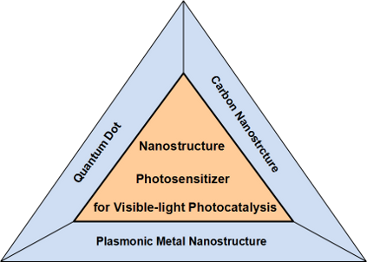
- as photosensitizers for transition metal oxides. Note that various organic dyes such as rhodamine B, porphyrins, and phthalocyanines have been employed as photosensitizers [11][12][13][14] and these dyes also play an important role in the photosensitization of dye-sensitized solar cells (DSSCs) [15
- carriers, quantum dots have a unique photoluminescence (PL). In comparison with organic dyes, quantum dots are characterized by unique optical and electronic properties such as a higher PL quantum efficiency, a wide continuous absorption, a narrower PL band, tunable luminescence depending only on their
- dyes or quantum dots, the plasmonic metal nanostructures can also be used as photosensitizer to effectively improve the visible-light response of transition metal oxides, which yields novel heterostructures of plasmonic metal photosensitized photocatalysts with a variety of applications including DSSC




Effects of the preparation method on the structure and the visible-light photocatalytic activity of Ag2CrO4
Beilstein J. Nanotechnol. 2014, 5, 658–666, doi:10.3762/bjnano.5.77
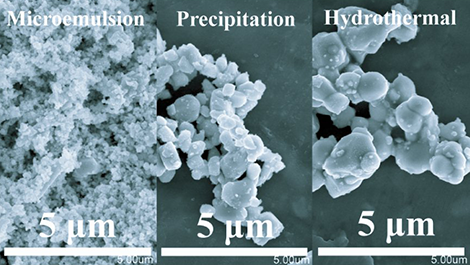
- photocatalytic activity under visible-light irradiation. But it is not surprising that the rate constant for P25 is only 0.007 min−1 because the other phase anatase (75%) is not active in the visible region. Generally, the photocatalytic degradation of dyes in water is mainly attributed to the photogenerated


Enhanced photocatalytic activity of Ag–ZnO hybrid plasmonic nanostructures prepared by a facile wet chemical method
Beilstein J. Nanotechnol. 2014, 5, 639–650, doi:10.3762/bjnano.5.75
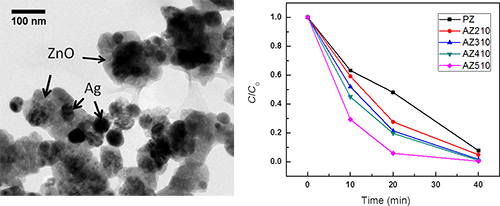
- photocatalytic degradation efficiency, which has been found to increase with the extent of Ag nanoparticle loading. Keywords: Ag–ZnO; hybrid plasmonic nanostructures; photocatalysis; Introduction The removal of hazardous materials such as dyes and organic compounds from waste water has attracted ever
- increasing attention over the years. Semiconductor photocatalysis is one of the most important technologies used for the complete mineralization of a wide range of organic dyes and toxic chemicals. ZnO, a wide band gap semiconductor with large excitonic binding energy is suitable for diverse applications
- nanostructures of various morphology have shown considerable increase in the photocatalytic efficiency for the degradation of organic dyes [19][23][29][30][31][32][33][34]. Xie et al. [23] have shown that Ag loading on ZnO nanostructures improves its photostability and enhances the photocatalytic activity due to


Mesoporous cerium oxide nanospheres for the visible-light driven photocatalytic degradation of dyes
Beilstein J. Nanotechnol. 2014, 5, 517–523, doi:10.3762/bjnano.5.60
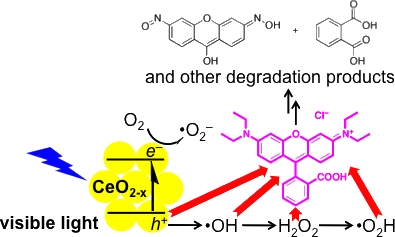
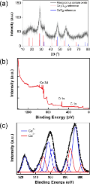
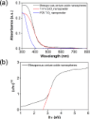
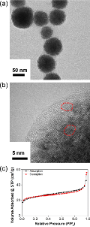
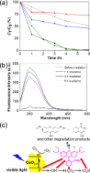
- reported for the purpose of the photocatalytic degradation of organic dyes and future applications in sustainable energy research. The earth-abundant, relatively affordable, mixed valence cerium oxide sample, which consists of predominantly Ce7O12, has been characterized by powder X-ray diffraction, X-ray
- nanospheres, which is a mixed phase of Ce7O12 and CeO2, and can absorb visible light to photocatalytically degrade dyes such as rhodamine B (RhB). The materials characterization of the cerium oxide nanospheres and some mechanistic insights into the photocatalytic process are presented. Findings

Applicability and costs of nanofiltration in combination with photocatalysis for the treatment of dye house effluents
Beilstein J. Nanotechnol. 2014, 5, 476–484, doi:10.3762/bjnano.5.55
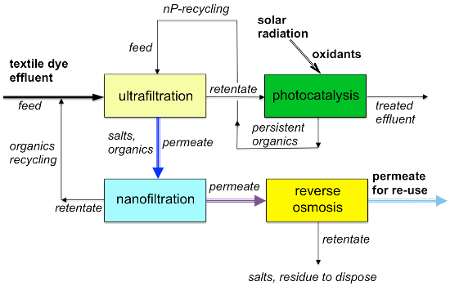
- Nanofiltration (NF) is a capable method for the separation of dyes, which can support and even improve the applicability of photocatalysis in effluent-treatment processes. The membrane process usually will need a special pre-treatment to avoid precipitation and fouling on the membrane surface. Conceptually NF
- high resistance to biological degradation. Dyes are made to be stable to light, oxidizing agents, and aerobic digestion to fulfil the quality demands of textile products. Fundamental principles and applications of photocatalytic degradation of dyes in homogeneous or heterogeneous systems can be found
- Conventional concepts of effluent treatment and NF In the conventional treatment of effluent of the textile industries separation methods like coagulation, flocculation, flotation or sedimentation are used. Process variants concerning the separation of dyes are numerous, but all of them require a final


Dye-sensitized Pt@TiO2 core–shell nanostructures for the efficient photocatalytic generation of hydrogen
Beilstein J. Nanotechnol. 2014, 5, 360–364, doi:10.3762/bjnano.5.41
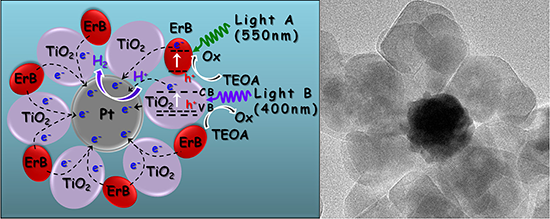
- hydrothermal method. The dye-sensitization of these Pt@TiO2 core–shell structures allows for a high photocatalytic activity for the generation of hydrogen from proton reduction under visible-light irradiation. When the dyes and TiO2 were co-excited through the combination of two irradiation beams with
- Grätzel in 1991 [12], various types of dyes have been explored, and some of them allow for the reduction of protons into hydrogen gas through visible-light-driven photocatalytic processes [13][14][15][16][17]. Herein, we use erythrosin B (ErB) sensitized Pt@TiO2 core–shell nanoparticles for the highly


Near-infrared dye loaded polymeric nanoparticles for cancer imaging and therapy and cellular response after laser-induced heating
Beilstein J. Nanotechnol. 2014, 5, 313–322, doi:10.3762/bjnano.5.35
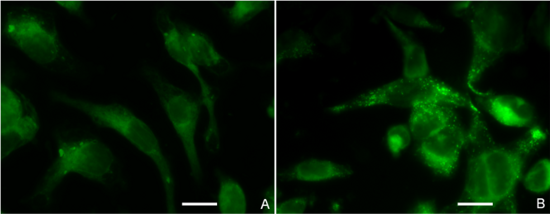
- that combine imaging and therapeutic agents. In our study, we use a new biocompatible and biodegradable polymer, termed poly(glycerol malate co-dodecanedioate) (PGMD), for the synthesis of nanoparticles (NPs) and loading of near-infrared (NIR) dyes. IR820 was chosen for the purpose of imaging and
- synthesis of PGMD polymer, PGMD NPs were also successfully formulated. Optical imaging has several advantages over more traditional imaging techniques (MRI, PET, CT, etc.), such as high spatial resolution, real time imaging, and systems that are usually smaller and less expensive. Near-infrared imaging dyes
- (wavelength 700–900 nm) are promising for in vivo imaging because light at these wavelengths has minimal absorption by tissue [6][7]. Moreover, some NIR dyes such as indocyanine green (ICG) can be used as both imaging agents and heat generators due to their unique photothermal properties. However, ICG has a


Dye-doped spheres with plasmonic semi-shells: Lasing modes and scattering at realistic gain levels
Beilstein J. Nanotechnol. 2013, 4, 974–987, doi:10.3762/bjnano.4.110
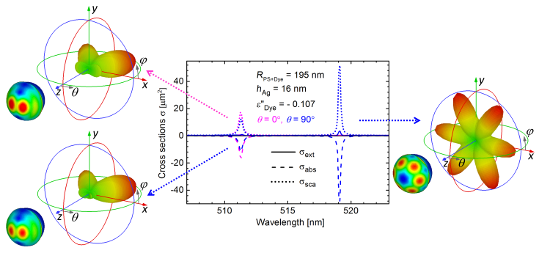
- scatter light preferentially into certain directions [15][16]. Recently, we have shown that localized plasmonic modes of the semi-shells are apt to direct the fluorescence from the dyes contained in their dielectric cores into the forward direction [17]. Plasmonic semi-shells or nanovoids have also been
- the scattering component of the OD. The concentration of the spheres was quantified by measuring the scattering strength at a wavelength far from the absorption of the dyes. From this, we estimated an absorption constant in the range of 2300 cm−1, which translates into a transition strength of ΔεDye





Structural, optical and photocatalytic properties of flower-like ZnO nanostructures prepared by a facile wet chemical method
Beilstein J. Nanotechnol. 2013, 4, 763–770, doi:10.3762/bjnano.4.87
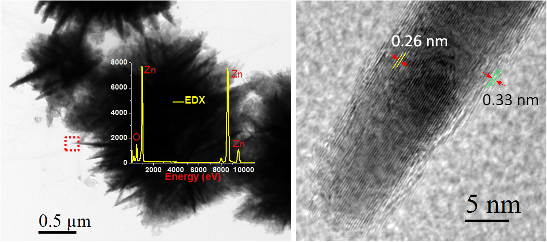
- efficiency to photocatalytically degrade of MB. Keywords: ageing; nanoparticles; nanosheets; photocatalysis; ZnO; Introduction Water contamination due to hazardous water soluble organic dyes and chemicals poses a severe threat to the environment. The excess azo dyes in effluents from textile and dyeing
- treatment, these azo dyes may generate carcinogenic compounds such as aromatic amines. Because of this, purification and detoxification of industrial waste water has been one of the major challenges. Several methods such as adsorption, filtration, sedimentation and photocatalysis are used for the removal of
- dyeing industries. Since the sun is an abundantly available natural energy source, its light can be conveniently utilized for the photodegradation of organic dyes [3][4][5][6][7][8]. ZnO with a band gap of 3.37 eV has received much attention for the complete mineralization and degradation of


Optimization of solution-processed oligothiophene:fullerene based organic solar cells by using solvent additives
Beilstein J. Nanotechnol. 2013, 4, 680–689, doi:10.3762/bjnano.4.77
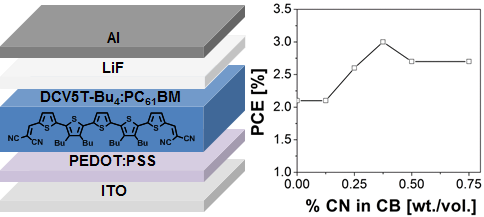
- [6], phthalocyanines [7], and squarine dyes [8][9] have all been investigated as promising donor materials in efficient BHJSCs. Power conversion efficiencies (PCEs) up to 6.9% have been reported for oligomers based on vacuum-processed [10] and 8.2% for solution-processed single junction devices [11


Apertureless scanning near-field optical microscopy of sparsely labeled tobacco mosaic viruses and the intermediate filament desmin
Beilstein J. Nanotechnol. 2013, 4, 510–516, doi:10.3762/bjnano.4.60

- versatile and extensively used in applications ranging from nanotechnology to life sciences. In fluorescence microscopy luminescent dyes serve as position markers. Moreover, they can be used as active reporters of their local vicinity. The dipolar coupling of the tip with the incident light and the
- in such a way that we gain two fluorescence images corresponding to both reversal points of the cantilever oscillation (Figure 2b). The gating window corresponds to a phase width of 20–40°. Modified TMV with sparsely distributed fluorescent dyes, which label selectively addressable groups, were
- , the optical SNR was better than 10 for all analyzed dyes, which corresponds nicely to recently published results [5]. It is noteworthy that the resolution for individual fluorophores can differ significantly (Figures 3, 4 and 5) from the average. This is most probably due to the comparably high


Kelvin probe force microscopy of nanocrystalline TiO2 photoelectrodes
Beilstein J. Nanotechnol. 2013, 4, 418–428, doi:10.3762/bjnano.4.49
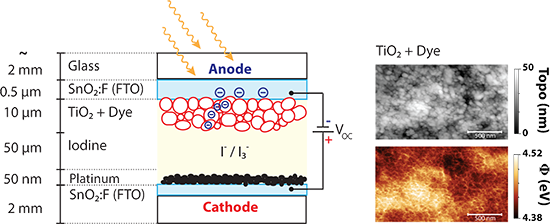
- with a tunable illumination system. A comparison of the surface potentials for TiO2 photoelectrodes sensitized with two different dyes, i.e., the standard dye N719 and a copper(I) bis(imine) complex, reveals an inverse orientation of the surface dipole. A higher surface potential was determined for an
- electrons diffuse toward the SnO2:F substrate and establish the photovoltage. The most frequently used dye complexes contain less-abundant transition metal elements such as ruthenium. Complexes of earth-abundant metals such as zinc and copper are candidates to replace the more expensive ruthenium dyes [9
- higher for an N719 sensitized TiO2 photoelectrode and about 180 mV lower for Cu-dye sensitized TiO2 resulting in a 200 mV higher open-circuit voltage (Voc) for a complete N719 DSC. We conclude that the surface dipole orientation is inverted for the two dyes and the Voc of a complete DSC increases with a





