


Search results
Search for "humidity" in Full Text gives 297 result(s) in Beilstein Journal of Nanotechnology. Showing first 200.
Growth, structure and stability of sputter-deposited MoS2 thin films
Beilstein J. Nanotechnol. 2017, 8, 1115–1126, doi:10.3762/bjnano.8.113
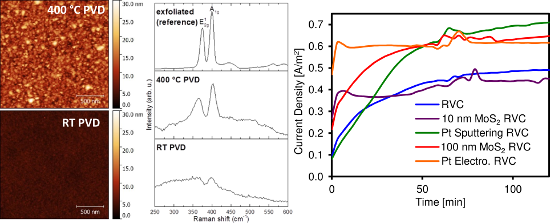
- . The laser power was selected by neutral density filters and calibrated using a power-meter. The laser spot diameter is estimated to ≈2 µm. The in situ annealing Raman experiments were conducted in ambient atmosphere (23 °C, 30% humidity). X-ray reflectivity (XRR) and specular diffraction (XRD) X-ray


The integration of graphene into microelectronic devices
Beilstein J. Nanotechnol. 2017, 8, 1056–1064, doi:10.3762/bjnano.8.107
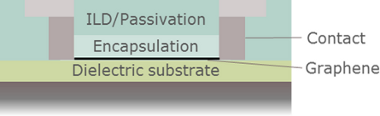
- a diffusion barrier against humidity, chemicals and gases during further processing. In addition, it has to be deposited using a process with minimal influence on graphene, e.g., high-temperature or plasma-CVD processes are to avoided. Encapsulation with exfoliated single-crystalline h-BN layers


Study of the correlation between sensing performance and surface morphology of inkjet-printed aqueous graphene-based chemiresistors for NO2 detection
Beilstein J. Nanotechnol. 2017, 8, 1023–1031, doi:10.3762/bjnano.8.103
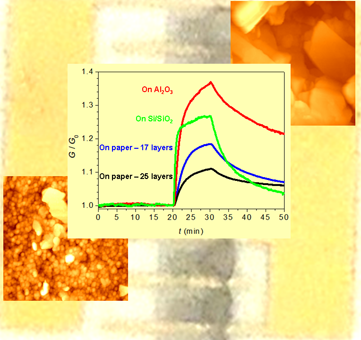
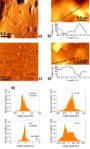
- °C), the relative humidity (RH = 50%) and under controlled nitrogen environment at atmospheric pressure, by keeping the flow constant at 500 sccm. All devices, biased at 1 V, have been analyzed through a measurement protocol consisting of an exposure towards the analyte for 10 min, preceded and


CVD transfer-free graphene for sensing applications
Beilstein J. Nanotechnol. 2017, 8, 1015–1022, doi:10.3762/bjnano.8.102
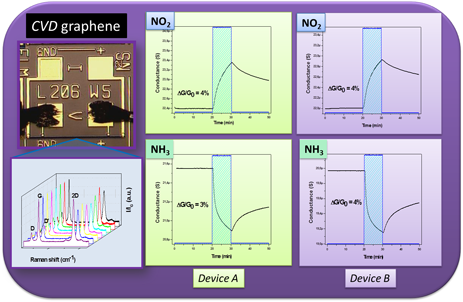
- , setting the flow rate at 500 sccm, the temperature at 25 °C and the relative humidity (RH) at 50%. An increase of the conductance response has been recorded upon exposure towards NO2, whereas a decrease of the signal has been detected towards NH3. The material appears totally insensitive towards CO
- testing chamber (V = 0.4 dm3), placed in a thermostatic box. Precise amounts of analyte were let into the chamber via a system of programmable mass flow controllers (MKS) and electro-pneumatic valves. Relative humidity can be adjusted as required through a water bubbler placed in a thermostatic bath. The
- gas flow (recovery). The measurements have been carried out in inert N2 environment, keeping the total flow at 500 sccm, at atmospheric pressure, relative humidity set at 50%, T = 25 °C. The devices have been kept at 1 V DC bias voltage. The sampling rate for the acquisition of the conductance values


BTEX detection with composites of ethylenevinyl acetate and nanostructured carbon
Beilstein J. Nanotechnol. 2017, 8, 982–988, doi:10.3762/bjnano.8.100
- sensing measurement increases when the layer thickness of EVA–CB is decreased or the vinyl acetate (VA) content in the copolymer is increased. In addition, the environmental conditions can also influence the sensing effect. In particular, it was determined that relative humidity affects the sensing
- measurements [21]. In near 100% relative humidity proton conductivity dominates over the tunnelling current conduction mechanism typical for polymer–carbon nano-filler composites. This proves that sensing measurements do not increase with increased humidity, but the full mechanism is still unknown. The aim of


Functional dependence of resonant harmonics on nanomechanical parameters in dynamic mode atomic force microscopy
Beilstein J. Nanotechnol. 2017, 8, 883–891, doi:10.3762/bjnano.8.90
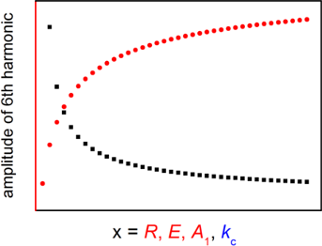
- performed with a Bruker DIMENSION ICON instrument hosted in a homemade controlled humidity environment with Nanoscope V control electronics. Commercial rectangular microfabricated silicon cantilevers with ultrasharp silicon tips (R < 10 nm) have been used with the following nominal values: OTESPA (Bruker
- about 100 nm/V, as determined from force curves. Humidity was kept below 20%. The z motion of the piezoscanner has been calibrated using virtual standards [30]. Due to the value of the fundamental resonance frequency of the employed cantilevers, we have focused in the resonance of the 2nd flexural mode


Synthesis of coaxial nanotubes of polyaniline and poly(hydroxyethyl methacrylate) by oxidative/initiated chemical vapor deposition
Beilstein J. Nanotechnol. 2017, 8, 872–882, doi:10.3762/bjnano.8.89
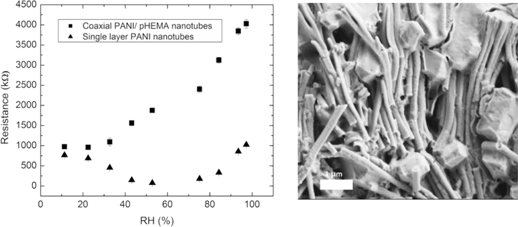
- techniques allowed for fine-tuning of the thickness of the individual layers, keeping the functionalities of the polymers intact. The response of the single components and the coaxial nanotubes to changes in humidity was investigated for potential humidity sensor applications. For single-component conductive
- PANI nanotubes, the resistance changed parabolically with relative humidity because of competing effects of doping and swelling of the PANI polymer under humid conditions. Introducing a hydrogel inner layer increased the overall resistance, and enhanced swelling, which caused the resistance to
- continuously increase with relative humidity. Keywords: coaxial nanotubes; humidity sensors; initiated chemical vapor deposition; oxidative chemical vapor deposition; polyaniline; Introduction In recent years, with the advances in nanotechnology, the use of nanostructured materials has become widespread in


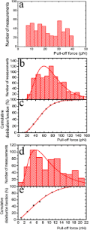
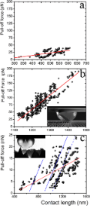
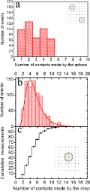
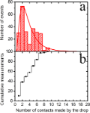
Measuring adhesion on rough surfaces using atomic force microscopy with a liquid probe
Beilstein J. Nanotechnol. 2017, 8, 813–825, doi:10.3762/bjnano.8.84
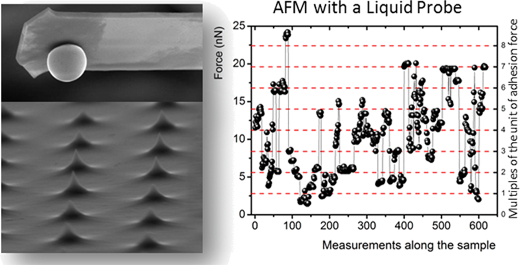
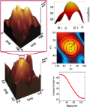
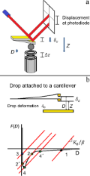
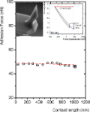
- be able to compare the value with published data. In this case, we obtain Fadh = 48.5 ± 0.1 nN (kc = 0.346 N/m). The measured Fadh in air is close to the value measured in vacuum, revealing the low humidity of our ambient conditions because forces of capillary origin seem to be negligible. Leite et
- al. [33] measured Fadh = 26.6 ± 0.4 nN in air at a relative humidity of (46 ± 3)% (kc = 0.11 ± 0.02 N/m) with a tip curvature radius of 30 ± 5 nm. Eastman et al. [34] measured Fadh = 51 nN with commercial tips and Lomboy et al. [28] measured 50.7 ± 0.7 nN in air with a tip curvature radius of 35 nm
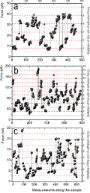
- . Because mica is a natural product the samples of which are not strictly the same, plus considering the contribution of humidity of other studies, we consider our results reasonably and close to those previously measured in air, under ambient conditions. Multi-scaled rough diamond surface–Si3N4 tip: Using

Phospholipid arrays on porous polymer coatings generated by micro-contact spotting
Beilstein J. Nanotechnol. 2017, 8, 715–722, doi:10.3762/bjnano.8.75
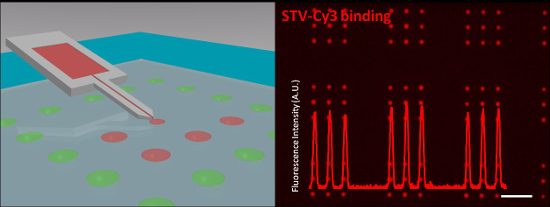
- of ink fluidity under humidity controlled conditions [11][12]. Using quill-like pens (SPTs, short for surface patterning tool [13]) for lipid ink deposition permitted the reduction of the volume of phospholipids needed for array generation, as compared to other spotting techniques like ink jet
- ) support (HEMA). Spotting was performed at 55–65% relative humidity. All patterning procedures were carried out with the sample stage tilted by 8° with respect to the SPT tip to minimize the probability of a contact between the ink reservoir and the sample surface. For all patterns, except the ones used


Synthesis of graphene–transition metal oxide hybrid nanoparticles and their application in various fields
Beilstein J. Nanotechnol. 2017, 8, 688–714, doi:10.3762/bjnano.8.74
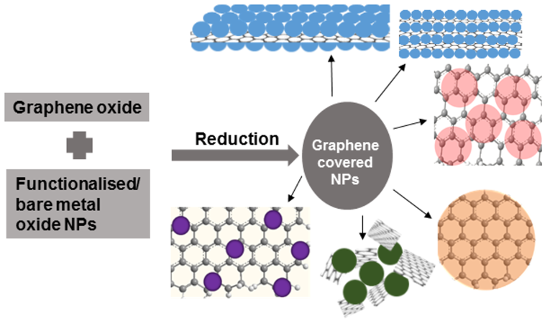
- hybrids by a rapid, facile microwave-assisted hydrothermal method for LIB applications [218]. CuO–graphene nanostructures were used as nonenzymatic glucose sensors [219], humidity sensors [220], for CO2 mineralisation [221], as supercapacitors [222], and as pseudo-capacitor electrode materials [223]. Zinc






Graphene functionalised by laser-ablated V2O5 for a highly sensitive NH3 sensor
Beilstein J. Nanotechnol. 2017, 8, 571–578, doi:10.3762/bjnano.8.61
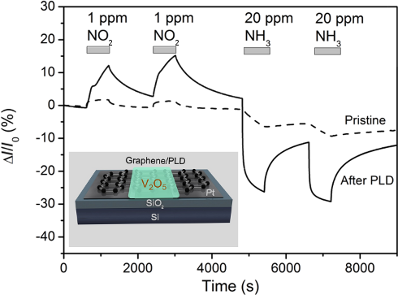
- concentration of N2 and O2 gases was held constant during measurements. The gas flow through the sample chamber was kept constant at 200 sccm while the concentration of the test gas was regulated by the ratio of the flow rates of individual gas components. The nominal relative humidity of the testing gas was 20


Impact of air exposure and annealing on the chemical and electronic properties of the surface of SnO2 nanolayers deposited by rheotaxial growth and vacuum oxidation
Beilstein J. Nanotechnol. 2017, 8, 514–521, doi:10.3762/bjnano.8.55
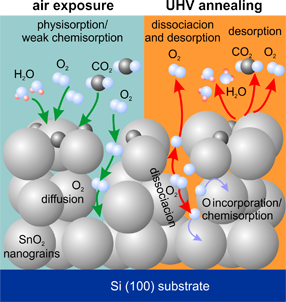
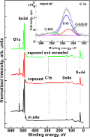
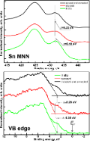
- 2 h. In order to improve their stoichiometry, an additional in situ vacuum oxidation was performed at a chosen optimal partial pressure of 10−2 mbar for the next 2 h (108 L). The samples were then examined by using XPS. At the next step the samples were exposed to dry air with a relative humidity of



Biological and biomimetic materials and surfaces
Beilstein J. Nanotechnol. 2017, 8, 403–407, doi:10.3762/bjnano.8.42

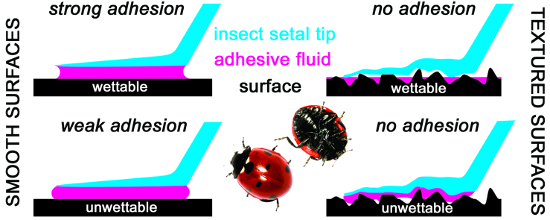
- smooth vertical surfaces and ceilings. The functioning of the pads depends on various environmental factors. Heepe et al. showed that the attachment performance of the beetle Coccinella septempunctata depends on the relative humidity. The authors demonstrated that both low (15%) and high (99
- %) environmental humidity leads to a decrease of attachment forces generated by beetles [18]. The paper by England et al. systematically investigated beetle attachment ability on eight different surfaces having different structural and physico-chemical properties. The results show that chemical surface properties
Nanocrystalline TiO2/SnO2 heterostructures for gas sensing
Beilstein J. Nanotechnol. 2017, 8, 108–122, doi:10.3762/bjnano.8.12
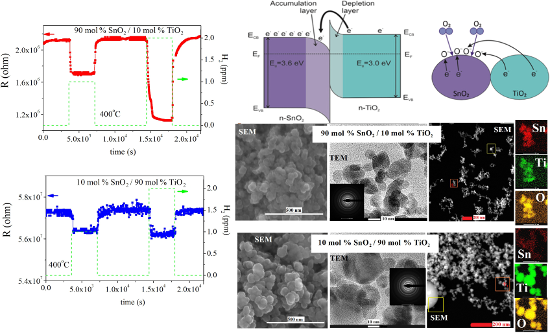
- were carried out in dry atmosphere. The synthetic air contained less than 1 ppm of water vapor while that of hydrogen + argon mixture had less than 10 ppm of contaminants. The relative humidity level was verified to be of about 0–1% RH at room temperature. Dynamic changes in the electrical resistance




Nanostructured SnO2–ZnO composite gas sensors for selective detection of carbon monoxide
Beilstein J. Nanotechnol. 2016, 7, 2045–2056, doi:10.3762/bjnano.7.195
- materials, using XRD). The identification of these phases was not possible in the present case as the thin films were amorphous, but as mentioned before, the presence of the crystallites in an amorphous matrix was not ruled out. Sensor response to humidity In real life applications, environmental humidity
- is an important factor which influences sensor response. In Figure 12 different sensors were tested in an atmosphere containing 62% relative humidity. It can be observed that the sensor having the highest response to CO (S2) is only slightly influenced by humidity at its optimum working temperature
- . The response to water vapor is very low when compared to the S4 composite sensor which has a very high response to humidity even at room temperature. This sensor is being considered for the further development of a humidity sensor. Sensor cross-response measurements To avoid false positives, gas




“Sticky invasion” – the physical properties of Plantago lanceolata L. seed mucilage
Beilstein J. Nanotechnol. 2016, 7, 1918–1927, doi:10.3762/bjnano.7.183
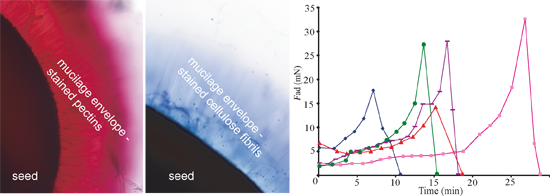
- humidity were continuously recorded using a Tinytag TGP-4500 (Gemini Data Loggers Ltd, United Kingdom). The measured temperature was 22–23 °C, the relative humidity was 30–37%. Pull-off force measurements of the mucilage For the pull-off force measurements five sets of measurements were made on five


Low temperature co-fired ceramic packaging of CMOS capacitive sensor chip towards cell viability monitoring
Beilstein J. Nanotechnol. 2016, 7, 1871–1877, doi:10.3762/bjnano.7.179
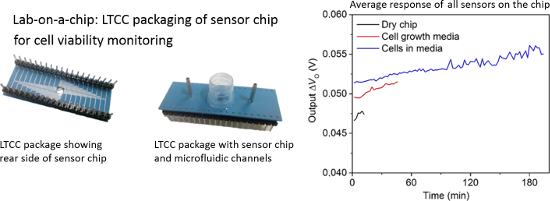
- world of biology meets the dry world of electronics, the technical challenge arises to build a package for the LoCMOS device that is able to withstand the hostile biological environment, which may include high temperature, humidity, and corrosive liquids (mammalian cells typically require 37 °C, >95
- % humidity, and a salt-containing medium for growth). Low temperature co-fired ceramic (LTCC) technology in combination with flip-chip bonding is one method of producing durable, biocompatible packaging for LoCMOS devices. The advantage of the LTCC technology is the possibility of fast and simple 3D


In situ formation of reduced graphene oxide structures in ceria by combined sol–gel and solvothermal processing
Beilstein J. Nanotechnol. 2016, 7, 1815–1821, doi:10.3762/bjnano.7.174
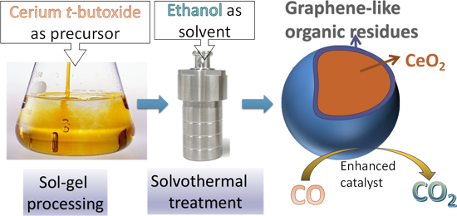
- . The mixture was stirred for 30 min, ultrasonically treated for at least 2 h and then deposited onto glass sheets (20 × 30 cm2), which had been cleaned with 10% KOH, isopropanol and acetone and dried at 100 °C. The deposited films were exposed to ambient humidity at room temperature for 24 h (for




Surface-enhanced infrared absorption studies towards a new optical biosensor
Beilstein J. Nanotechnol. 2016, 7, 1736–1742, doi:10.3762/bjnano.7.166
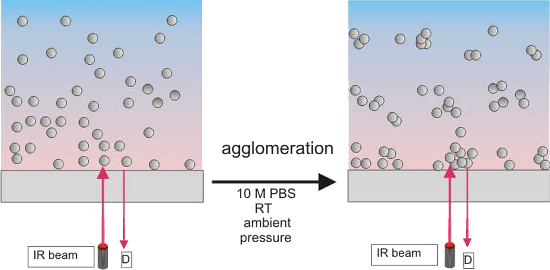
- PBS, there is a further increase of the absorption band. Equilibrium is reached 15 min after PBS is introduced. The experiment was performed under ambient conditions (room temperature, optical path through humid air, relative humidity was not recorded). Air humidity is responsible for the sharp peaks


Nanostructured TiO2-based gas sensors with enhanced sensitivity to reducing gases
Beilstein J. Nanotechnol. 2016, 7, 1718–1726, doi:10.3762/bjnano.7.164
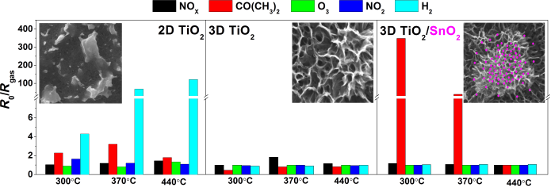
- -made mass flow and humidity controllers. The sensors were exposed to the following gases: acetone (CO(CH3)2, up to 8 ppm), nitric oxides (NOx, up to 400 ppm), hydrogen (H2, up to 2000 ppm), ozone (O3, made by a custom UV generator, up to 500 ppb), and nitrogen dioxide (NO2, up to 100 ppm). Additionally
- sensors were preheated in pure air atmosphere for 3–6 h under the same conditions (humidity, gas flow ratio) as used during the experiment and their response was stabilized. The preheating temperature was the starting temperature of the measurement. An example of preheating conditions for sample T30 were
- an air flow ratio of 500 sccm, temperature of 146 °C, relative humidity of 55%, and a stabilization time of 3 h. The preheating temperature rate was ≈3.5 °C/min. Afterwards, two different types of tests were performed: (1) the measurement of sensor response at constant gas concentration under varying


Sb2S3 grown by ultrasonic spray pyrolysis and its application in a hybrid solar cell
Beilstein J. Nanotechnol. 2016, 7, 1662–1673, doi:10.3762/bjnano.7.158
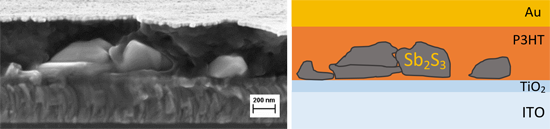
- glove box with controlled humidity (less than 14 ppm). The solution contained SbCl3 (with Sb3+ concentration of 15 mmol/L) and SC(NH2)2 precursors at a molar ratio of 1:x (x = 2, 3, 6, 9) in methanol as the solvent. SbCl3 was purchased from Sigma-Aldrich (≥99.0%, p.a.) and SC(NH2)2 from Merck (≥99.0




Surface roughness rather than surface chemistry essentially affects insect adhesion
Beilstein J. Nanotechnol. 2016, 7, 1471–1479, doi:10.3762/bjnano.7.139
- glass plate (18 × 18 × 0.4 cm3) with a small aluminum-made vessel, or alternately placed in a Teflon container with a glass vessel, containing 0.2 mL of organosilane (ODS or FAS17), in a dry N2 atmosphere at less than 5 % relative humidity. Another heat-resistant glass plate was then placed on top of it
- was then spin-coated (500 rpm for 5 s and 1000 rpm for 10 s) onto UV–ozone-cleaned Si substrates (5 × 5 cm2) at room temperature, under a relative humidity of (40 ± 5)%. All samples were dried in air at room temperature for more than 24 h. Details of our preparation methods for the monolayers and
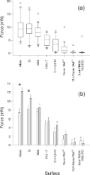
- different surface chemical and physical properties, (see above)) were measured. Obtained force–time curves were used to estimate the maximal traction force. Experiments were performed at 23 °C temperature and 26–29% relative humidity. We tested 10 male and 10 females and carried out 160 traction tests in



Effect of tetramethylammonium hydroxide/isopropyl alcohol wet etching on geometry and surface roughness of silicon nanowires fabricated by AFM lithography
Beilstein J. Nanotechnol. 2016, 7, 1461–1470, doi:10.3762/bjnano.7.138
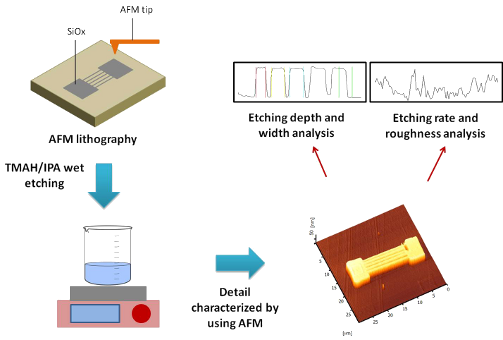
- parameters, such as applied voltage, writing speed and humidity, play important roles in the patterning of the oxide mask [27]. This study adopted parameters reported by Yusoh and Yaacob [27]. They found that use of a contact mode AFM tip coated with Au with 9 V of applied voltage and 0.3 µm/s writing speed
- at 55–65% relative humidity could produce a thin oxide mask layer with stable and continuous structure on SOI that functioned well as a mask in the subsequent wet chemical etching process. Figure 1 shows that a thin layer oxide mask was patterned into five lines with a width of 165–169 nm, height of
- using AFM lithography (SPI3800N/4000) at a temperature of 24–26 °C with relative humidity of 55–65%. The contact mode, Au cantilever tip (Budgetsensors, Au-coated, ContGB-G) was used at 9 V bias voltage with 0.3 µm/s writing speed. After the AFM lithography process, thin oxide nanowires were formed on




A composite structure based on reduced graphene oxide and metal oxide nanomaterials for chemical sensors
Beilstein J. Nanotechnol. 2016, 7, 1421–1427, doi:10.3762/bjnano.7.133
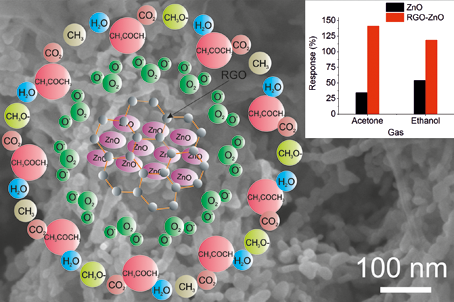
- structures every 30 s. Measurements were carried out by means of a flow-through technique at atmospheric pressure, using a constant synthetic airflow (0.3 L/min) as carrier gas for the analyte dispersion. During the experiments the relative humidity was 50%. Gas response (R) was defined as [R = (Gf − G0)/G0
- ethanol at a working temperature of 250 °C and in humid air (relative humidity RH = 50% @ 20 °C). Calibration curve for acetone at an operating temperature of 250 °C and in a humid air background (RH = 50% @ 20 °C). The results of the compositional analysis of as-prepared and annealed samples (at 100 and


Three-gradient regular solution model for simple liquids wetting complex surface topologies
Beilstein J. Nanotechnol. 2016, 7, 1377–1396, doi:10.3762/bjnano.7.129

- # = 0.2485. Again these values differ dramatically from our experimental system of water in air at 100% relative humidity. Finally, the interfacial tension in this system is given by γ = 0.03326 in units kBT/b2, which translates with b = 0.2 nm to 3.422 mN/m. This value is smaller than the known value for


![[Graphic 10]](/bjnano/content/inline/2190-4286-7-129-i31.png?max-width=637&scale=1.18182) and standard deviation as a function of the cavity diameter d (in...
and standard deviation as a function of the cavity diameter d (in...

![[Graphic 20]](/bjnano/content/inline/2190-4286-7-129-i41.png?max-width=637&scale=1.18182) and the corresponding fluctuations (measured along the x-direction) indica...
and the corresponding fluctuations (measured along the x-direction) indica...

![[Graphic 28]](/bjnano/content/inline/2190-4286-7-129-i49.png?max-width=637&scale=1.18182) and the corresponding standard deviation as measure of variation in the ...
and the corresponding standard deviation as measure of variation in the ...

![[Graphic 39]](/bjnano/content/inline/2190-4286-7-129-i60.png?max-width=637&scale=1.18182) and standard deviation as function of cut-off fraction c for fixed ...
and standard deviation as function of cut-off fraction c for fixed ...



