Search results
Search for "mechanisms" in Full Text gives 880 result(s) in Beilstein Journal of Nanotechnology. Showing first 200.
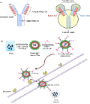
Fabrication of nanocrystal forms of ᴅ-cycloserine and their application for transdermal and enteric drug delivery systems
Beilstein J. Nanotechnol. 2024, 15, 465–474, doi:10.3762/bjnano.15.42
- vascular endothelial cells are at low frequency, and that the trans-endothelial pathways are the dominant mechanisms for nanoparticle extravasation in tumors (also called enhanced permeability and retention (EPR) effect) [37]. Since the skin has a denser structure than that of tumor vessels, we speculated


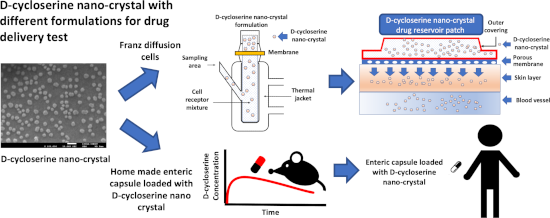
Heat-induced morphological changes in silver nanowires deposited on a patterned silicon substrate
Beilstein J. Nanotechnol. 2024, 15, 435–446, doi:10.3762/bjnano.15.39
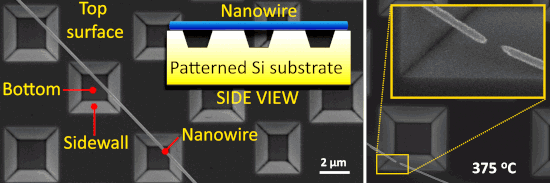
- the real system. Nevertheless, such results may give an additional hint for understanding the mechanisms responsible for splitting in different configurations. In particular, we can speculate that repeated heat-induced bending of the suspended part in scheme 1 can lead to fatigue and formation of


Classification and application of metal-based nanoantioxidants in medicine and healthcare
Beilstein J. Nanotechnol. 2024, 15, 396–415, doi:10.3762/bjnano.15.36
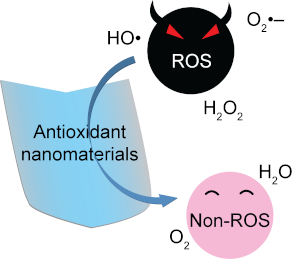
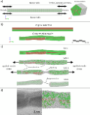
- nanomaterials in medicine and healthcare are also discussed. This review provides a deeper understanding of the mechanisms of metal-based nanoantioxidants and a guideline for using these nanomaterials in medicine and healthcare. Keywords: antioxidant nanomaterial; healthcare; medicine; nanotechnology
- over natural antioxidants as well as other types of nanoantioxidants with lower reactivity and stability. As a result, metal-based nanoantioxidants have gathered significant attention from scientists. Many efforts have been made to develop new metal-based nanoantioxidants, understand the mechanisms of
- single 4f1 electron, which can be easily given up in a reaction with ROS. In contrast, Ce4+ nanoparticles have an octet-filled xenon configuration leading to less chemical activity. Understanding the mechanisms of metal-based nanoantioxidants is vitally important because it helps to rationally design and


Insect attachment on waxy plant surfaces: the effect of pad contamination by different waxes
Beilstein J. Nanotechnol. 2024, 15, 385–395, doi:10.3762/bjnano.15.35
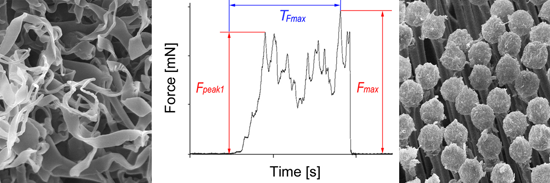
- (number per unit area) influence insect attachment [11][12]. As an explanation for reduced insect adhesion on waxy plant surfaces, several contributing mechanisms have been previously suggested, such as (1) specific micro/nanoroughness created by wax projections (roughness hypothesis), (2) contamination




On the mechanism of piezoresistance in nanocrystalline graphite
Beilstein J. Nanotechnol. 2024, 15, 376–384, doi:10.3762/bjnano.15.34
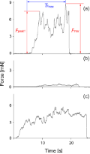
- values. For larger strains, mechanisms such as grain rotation and the formation of nanocracks might contribute to the piezoresistive behavior in nanocrystalline graphene. Keywords: grain boundary; nanocrystalline graphene; strain sensor; Raman; tunneling and destruction; Introduction Flexible strain


Nanomedicines against Chagas disease: a critical review
Beilstein J. Nanotechnol. 2024, 15, 333–349, doi:10.3762/bjnano.15.30
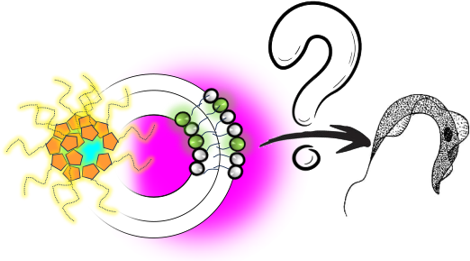
- daunorubicin) launched in 2017. These liposomes act mainly by passive targeting mechanisms upon intravenous administration. Parenteral liposomes employing the DepoFoam technology are used in clinical analgesia, that is, DepoDurTM and Expare®, approved in 2004 and 2018, respectively. The above summary shows

Exploring the relationships between physiochemical properties of nanoparticles and cell damage to combat cancer growth using simple periodic table-based descriptors
Beilstein J. Nanotechnol. 2024, 15, 297–309, doi:10.3762/bjnano.15.27
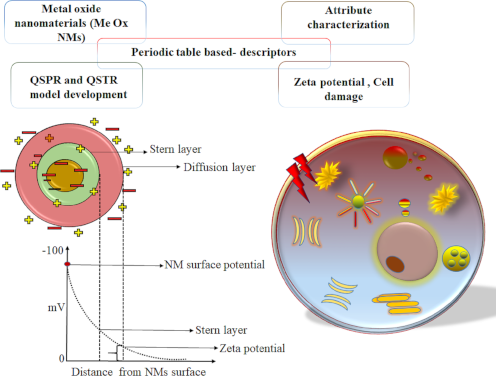
- lack such information. To further clarify the influence of the zeta potential on cell damage, a QSPR model was developed with 132 MeOx NMs to understand the possible mechanisms of cell damage. The results showed that zeta potential, along with seven other descriptors, had the potential to influence


Ultrasensitive and ultrastretchable metal crack strain sensor based on helical polydimethylsiloxane
Beilstein J. Nanotechnol. 2024, 15, 270–278, doi:10.3762/bjnano.15.25
- ], monitoring human health [6][7][8], medical treatment [9][10], soft robotics [11][12], and human–computer interaction [13][14][15]. Numerous flexible strain sensors employing various mechanisms such as piezoresistivity [16][17], capacitance [18][19], and piezoelectricity have been developed to fulfill the
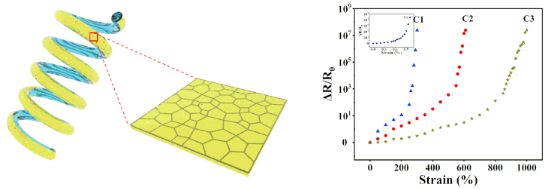
- durability. This versatile sensor not only accurately detects subtle physiological signals, such as human joint movement. It is also effective in determining changes of the environmental temperature and enables mechanical control mechanisms for security alert systems. This article presents an innovative


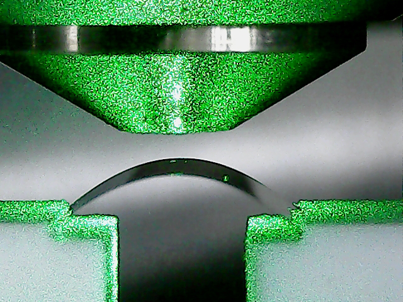
Design, fabrication, and characterization of kinetic-inductive force sensors for scanning probe applications
Beilstein J. Nanotechnol. 2024, 15, 242–255, doi:10.3762/bjnano.15.23
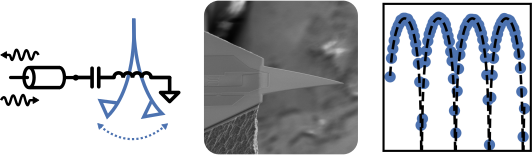
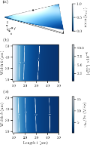
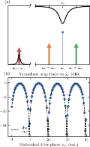
- cantilevers oscillate in vacuum. Force sensitivity will improve with smaller meff only if mechanisms of damping, such as clamping loss and surface effects, do not increase disproportionately. The detection scheme imprints the mechanical motion into the field of the microwave resonator, leading to motional



Multiscale modelling of biomolecular corona formation on metallic surfaces
Beilstein J. Nanotechnol. 2024, 15, 215–229, doi:10.3762/bjnano.15.21
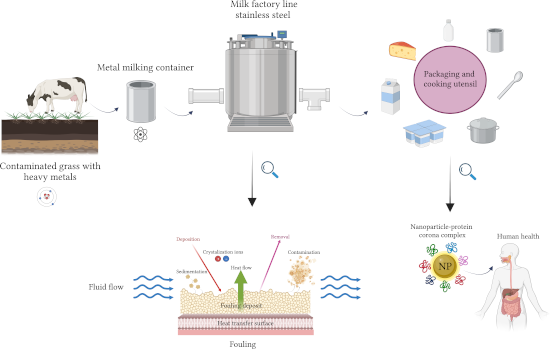
- provide valuable insights into the mechanisms of lactose and protein deposition on aluminum surfaces, which can aid in the general understanding of protein corona formation. Keywords: all atomistic; aluminum; bionano interface; coarse grained model; lactose; milk protein; multiscale modelling; protein
- the mechanisms underlying the formation of NP protein corona, a complex layer of biomolecules that surrounds NPs upon their exposure to biological fluids [19][20]. It is widely recognized that composition and configuration of the protein corona play a crucial role in determining the biochemical
- predictions of the binding strength, preferred orientations, and relative abundance of the specified molecules on the specified material surfaces or NPs and, thus, gives an insight into the mechanisms of bionano interaction. We can compare different materials in terms of the protein binding affinity and





Graphene removal by water-assisted focused electron-beam-induced etching – unveiling the dose and dwell time impact on the etch profile and topographical changes in SiO2 substrates
Beilstein J. Nanotechnol. 2024, 15, 190–198, doi:10.3762/bjnano.15.18
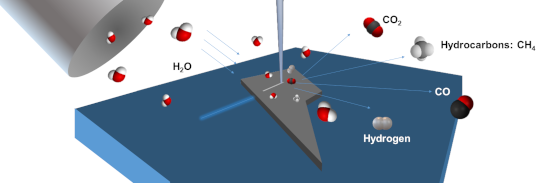
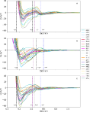
- (and their different adsorption mechanisms on quartz or amorphous silica surfaces), which would be responsible for those topographical changes. This hypothesis could also be supported by the fact that OH− groups can easily interact with the H-terminated surface of amorphous silica. However, they are


CdSe/ZnS quantum dots as a booster in the active layer of distributed ternary organic photovoltaics
Beilstein J. Nanotechnol. 2024, 15, 144–156, doi:10.3762/bjnano.15.14
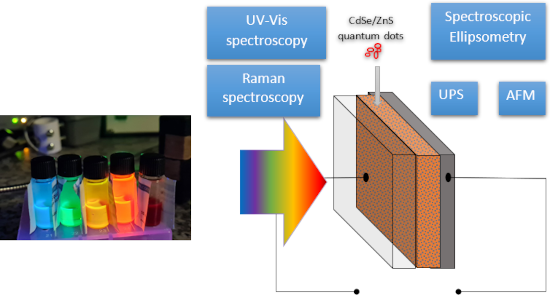
- CPE (CPE-T) is responsible for the polarization of the sample in various areas of the material structure and on the electrodes. The mechanisms of ionic or electronic conductivity are represented by the resistance R [54]. Substitute systems with nanodots QD520:P3HT:PC71BM, QD580:P3HT:PC71BM, and QD600
- the mechanisms and improving the cells still requires extensive research. Summary This study aimed to find out how doping active layers with a third component, specifically quantum dots, affects the properties of the layer applied in photovoltaic cells. Spectroscopic studies have been performed to




Berberine-loaded polylactic acid nanofiber scaffold as a drug delivery system: The relationship between chemical characteristics, drug-release behavior, and antibacterial efficiency
Beilstein J. Nanotechnol. 2024, 15, 71–82, doi:10.3762/bjnano.15.7
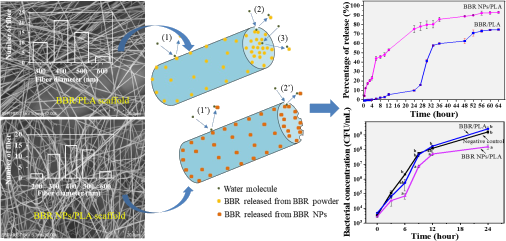
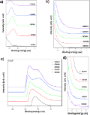
- mechanisms. The mechanism of BBR release from BBR/PLA and BBR NPs/PLA nanofiber scaffolds was proposed in Figure 5. Since the degradation of PLA nanofibers is a long-term process (over a week) in buffer solution [17], the release of BBR from PLA nanofiber scaffold might be mainly dominated by the


Curcumin-loaded nanostructured systems for treatment of leishmaniasis: a review
Beilstein J. Nanotechnol. 2024, 15, 37–50, doi:10.3762/bjnano.15.4
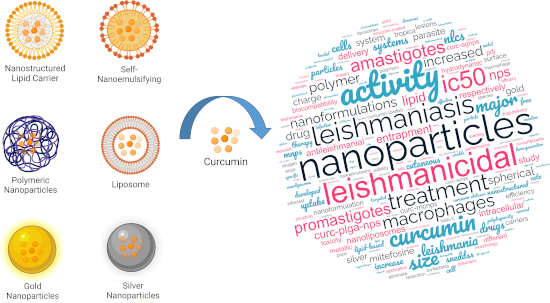
- infantum [46], Leishmania major [46][47], and Leishmania tropica [46][48]. Although proposed mechanisms of action are not fully elucidated, curc has been shown to have antileishmanial effects through its anti-inflammatory and antioxidant properties [42][47][49][50]. Figure 2 reveals the possible mechanisms
- indicators, without evidence of nitric oxide or TNFα production [95]. In this perspective, NLCs have been a nanoscale platform with promising results aimed at encapsulating anti-leishmanial drugs. This encourages further studies to better understand how NLCs might affect the mechanisms of action of curc when
- investigations, there are still gaps regarding a better understanding of the mechanisms of action of curc against leishmaniasis parasites. This review demonstrated that the known aspects related to curc leishmanicidal activity involve the increased production of ROS and intra-amastigote release of Ca2+. In this


Fluorescent bioinspired albumin/polydopamine nanoparticles and their interactions with Escherichia coli cells
Beilstein J. Nanotechnol. 2023, 14, 1208–1224, doi:10.3762/bjnano.14.100
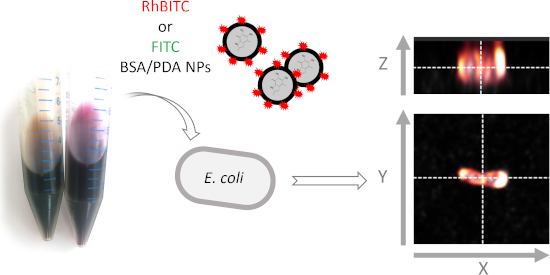
- nanoplastics can penetrate and accumulate in bacterial cells [22], thus suggesting that other ONPs may have a similar fate in bacteria. In general, the mechanisms of action of ONPs used as drug nanocarriers in antibacterial applications are expected to vary with the nanoparticle type (e.g., liposomes or PLGA



Elasticity, an often-overseen parameter in the development of nanoscale drug delivery systems
Beilstein J. Nanotechnol. 2023, 14, 1149–1156, doi:10.3762/bjnano.14.95
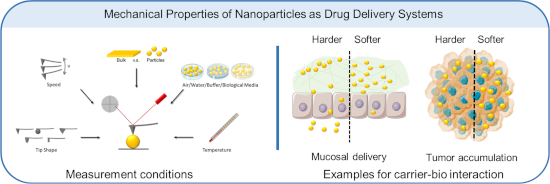
- pharmaceutically applied nanoparticles is accumulated in the liver. The significance of elastic properties of nanoparticles regarding the passive tumor targeting is addressed in the next section. Soft particles for enhanced passive tumor targeting A comprehensive review about the mechanisms involved in tumor
- -mediated uptake mechanisms, whereas hard NLGs are predominantly internalized via the clathrin-mediated pathway [32]. Another example of the enhanced tumor accumulation of softer nanoparticles is presented by Tao et al. Even though the hyaluronic-acid-modified mesoporous organosilica nanoparticles (MMONs


Curcumin-loaded albumin submicron particles with potential as a cancer therapy: an in vitro study
Beilstein J. Nanotechnol. 2023, 14, 1127–1140, doi:10.3762/bjnano.14.93
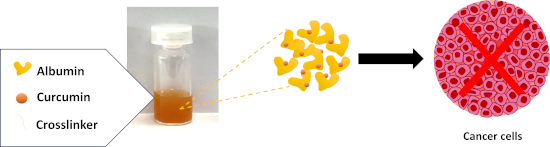
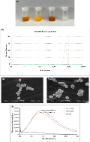
- cellular uptake and internalization [52]. In earlier studies, particles up to 1000 nm were found in various cytoplasmic areas, mainly taken up by cells through endocytic mechanisms [53]. The peanut-shaped microparticles prepared in this study have an aspect ratio (length/width) as high as 1.6. Several




Density functional theory study of Au-fcc/Ge and Au-hcp/Ge interfaces
Beilstein J. Nanotechnol. 2023, 14, 1093–1105, doi:10.3762/bjnano.14.90
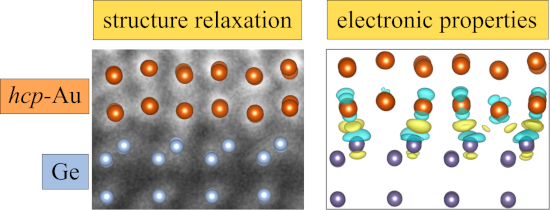
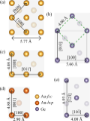
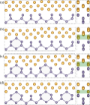
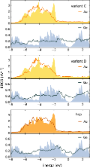
- tunnelling microscopy. However, experimental data provide only partial insight into the formation of interfaces, and the interpretation of microscopic images is often ambiguous. Various simulation techniques can be used to resolve the uncertainties and reveal mechanisms stabilizing the observed interfaces





Dual-heterodyne Kelvin probe force microscopy
Beilstein J. Nanotechnol. 2023, 14, 1068–1084, doi:10.3762/bjnano.14.88
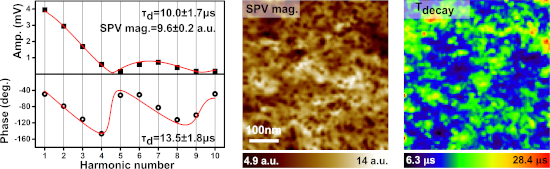
- development of KPFM-based approaches specifically designed to investigate photogeneration mechanisms and charge dynamics at the nanoscale in photovoltaic and optoelectronic materials is an active research area. In photoassisted KPFM, the idea is to probe the surface photovoltage (SPV), which is the
- processes of photogeneration and carrier annihilation (by electron–hole recombination). In addition, from the venture of time-resolved KPFM under pulsed illumination, the SPV dynamics are mainly governed by the effective carrier mobility and trapping mechanisms. The main factor limiting the photocharging




Spatial mapping of photovoltage and light-induced displacement of on-chip coupled piezo/photodiodes by Kelvin probe force microscopy under modulated illumination
Beilstein J. Nanotechnol. 2023, 14, 1059–1067, doi:10.3762/bjnano.14.87
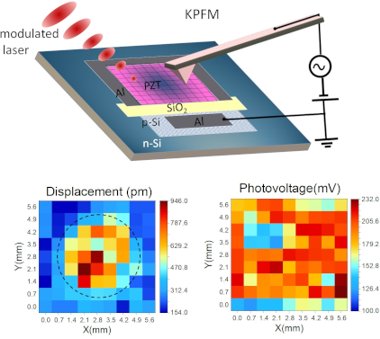
- precise motion with high resolution. This offers promising possibilities for biomedical, environmental, and micro/nanoengineering applications [5][6]. Various types of design and actuation mechanisms have been developed in recent years [7][8]. A primary requirement to unlock the better performance of


Recognition mechanisms of hemoglobin particles by monocytes – CD163 may just be one
Beilstein J. Nanotechnol. 2023, 14, 1028–1040, doi:10.3762/bjnano.14.85
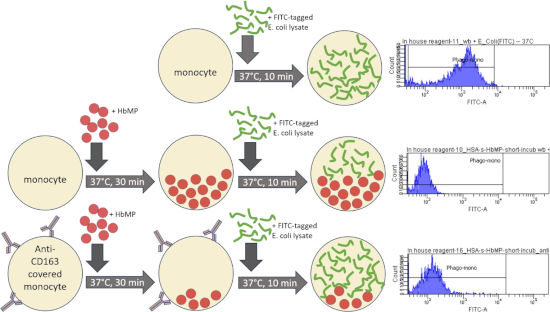
- common that they are affected by degradation and excretion at an early stage in test organisms. Several possible mechanisms that may be responsible for this are discussed in the literature. One of them is CD163, the receptor of the complex of haptoglobin (Hp) and hemoglobin (Hb). The receptor has been
- occur in the liver [24][25][26]. The question of the mechanisms by which HBOCs are sequestered remains partly unclear though. Possible degradation pathways include haptoglobin (Hp), which, depending on the size and surface properties of HBOCs, could bind its physiological target protein hemoglobin [16
- when using HbMPs as oxygen carriers [34]. In addition to transporting oxygen, HbMPs can also be used as drug carriers. However, in a pharmacokinetic study with HbMPs, accumulation of the particles in the sinusoids of the liver, where the Kupffer cells are located, was observed [35]. The mechanisms of




Exploring internal structures and properties of terpolymer fibers via real-space characterizations
Beilstein J. Nanotechnol. 2023, 14, 1004–1017, doi:10.3762/bjnano.14.83
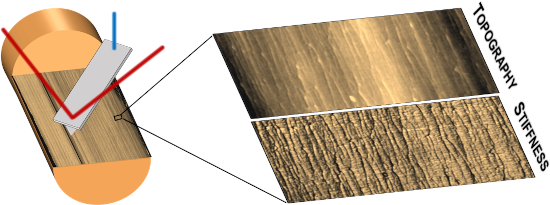
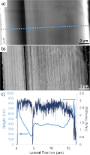
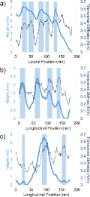
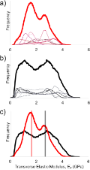
- fatigue than Kevlar® and attributed this difference to two fundamental molecular mechanisms: the more compliant molecular chain and the “less developed” crystal structures in Technora® [1]. These molecular-level features likely explain the nanoscale features in our AFM maps, as discussed earlier. In turn
- ® fibers that underwent mechanical conditioning (e.g., fatigue) and/or chemical treatment to complement prior characterizations and improve our understanding of the mechanisms that determine the multifunctional performance of these fibers. Experimental Materials Individual Technora® T-240 fibers were






Fragmentation of metal(II) bis(acetylacetonate) complexes induced by slow electrons
Beilstein J. Nanotechnol. 2023, 14, 980–987, doi:10.3762/bjnano.14.81
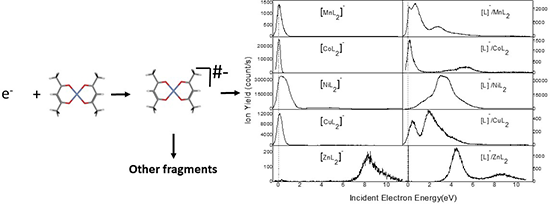
- . The general mechanisms of the different involved processes have been reviewed regarding the energy range of the irradiating particles [8]. The collision of high-energy electrons with molecules leads to ionization and fragmentation. At energies near the molecular ionization energies and below, the
- summarizes all the observed anion products. As the anion yields shown below in Figures 1–6 show structures characteristic of resonant mechanisms, Table 1 also reports the peak positions of the fragment anions and their branching ratios derived by integration of the ion yield over the respective peaks. At the
- electron energy range investigated in the present work, that is, below 10 eV, DEA, as well as neutral dissociation and dissociative ionization, are the mechanisms responsible for the efficient fragmentation of molecules. In the case of dissociative electron attachment, studied in the present work, the


Prediction of cytotoxicity of heavy metals adsorbed on nano-TiO2 with periodic table descriptors using machine learning approaches
Beilstein J. Nanotechnol. 2023, 14, 939–950, doi:10.3762/bjnano.14.77
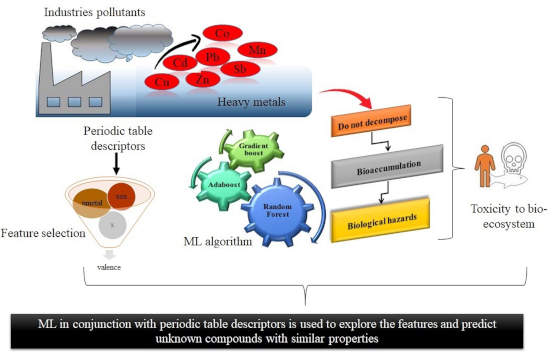
- nanomaterials based on structure similarities with known substances. Materials with similar structures are likely to produce similar toxicity through comparable mechanisms. The development of machine learning (ML) approaches, such as artificial neural networks (ANNs), decision trees, logistic regression (LR


Antibody-conjugated nanoparticles for target-specific drug delivery of chemotherapeutics
Beilstein J. Nanotechnol. 2023, 14, 912–926, doi:10.3762/bjnano.14.75
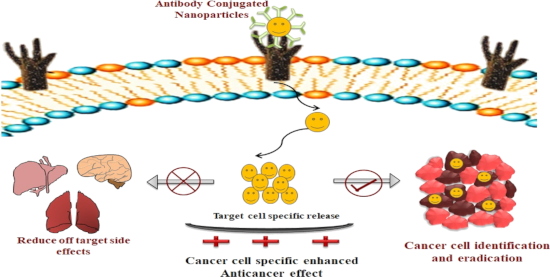
- mechanisms involved in cancer, such as apoptotic proteins (e.g., Bcl-2 survival protein, tumour protein p53, tumour necrosis factor, and nuclear factor kappa-B) [23][24], cancer surface markers (CD44, CD133, and ALDH1) [25] signaling pathways (e.g., PI3K/AKT/mTOR pathway, Hippo pathway, Wnt/β-catenin pathway