


Search results
Search for "nanoscale" in Full Text gives 929 result(s) in Beilstein Journal of Nanotechnology. Showing first 200.
Nanoarchitectonics of photothermal materials to enhance the sensitivity of lateral flow assays
Beilstein J. Nanotechnol. 2023, 14, 988–1003, doi:10.3762/bjnano.14.82
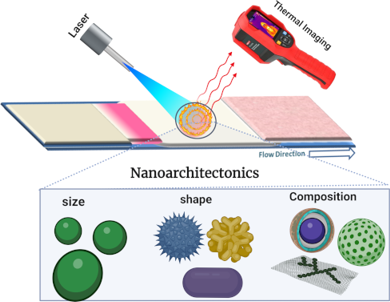
- analytes using LFAs. One of the promising strategies is to enhance the photothermal properties of nanomaterials to generate heat after light irradiation, followed by a temperature measurement to detect and quantify the analyte concentration. Recently, it has been observed that the nanoscale architecture of
- materials, including size, shape, and nanoscale composition, plays a significant role in enhancing the photothermal properties of nanomaterials. In this review, we discuss the nanoarchitectonics of nanomaterials regarding enhanced photothermal properties and their application in LFAs. Initially, we discuss
- various important photothermal materials and their classification along with their working principle. Then, we highlight important aspects of the nanoscale architecture (i.e., size, shape, and composition) to enable maximum light-to-heat conversion efficiency. Finally, we discuss some of the recent


Fragmentation of metal(II) bis(acetylacetonate) complexes induced by slow electrons
Beilstein J. Nanotechnol. 2023, 14, 980–987, doi:10.3762/bjnano.14.81
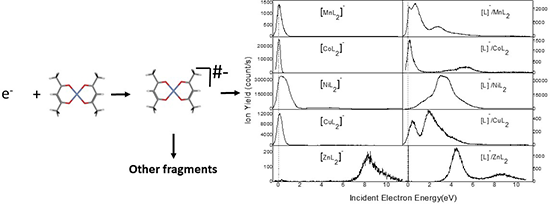
- Nowadays, organometallic complexes receive particular attention because of their use in the design of pure nanoscale metal structures. In the present work, we present results obtained from a series of studies on the degradation of metal(II) bis(acetylacetonate)s induced by low-energy electrons. These slow
- attachment. The reported data may contribute to a better understanding of the physical chemistry underlying the electron–molecule interactions, which is crucial for potential applications of these molecular systems in the deposition of nanoscale structures. Keywords: dissociative electron attachment; gas
- phase; metal(II) bis(acetylacetonate); negative ions; organometallic complexes; Introduction Nowadays, organometallic compounds are used in many applications. They receive great interest in the field of nanoscale technologies [1][2][3]. For example, in nanoscale design processes, the combination of an


Isolation of cubic Si3P4 in the form of nanocrystals
Beilstein J. Nanotechnol. 2023, 14, 971–979, doi:10.3762/bjnano.14.80
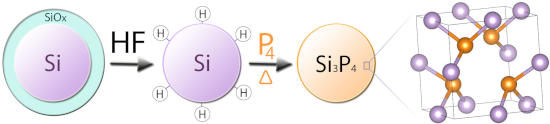
- , and UV–vis spectrophotometry. For the isolated cubic Si3P4 phase, a cell parameter of a = 5.04 Å was determined, and the bandgap was estimated to be equal to 1.25 eV. Because of the nanoscale dimensions of the obtained Si3P4 nanoparticles, the product may exhibit several exceptional properties as a
- engineering communities [1]. Materials based on compounds of Earth-abundant elements are extensively sought for. With regard to the Si–P system, novel compounds are still discovered, and research on nanoscale forms of silicon phosphides is ongoing. For instance, nanocrystalline cubic SiP was formed as
- facile lithium transport and possess a promising capacity of 2700 and 862/737 mA·h·g−1, respectively [16][17]. In the case of the synthesized nanoscale particles, a high level of Li mobility can be reached because of their developed surface and the interconnected ordered network of silicon vacancies with


Prediction of cytotoxicity of heavy metals adsorbed on nano-TiO2 with periodic table descriptors using machine learning approaches
Beilstein J. Nanotechnol. 2023, 14, 939–950, doi:10.3762/bjnano.14.77
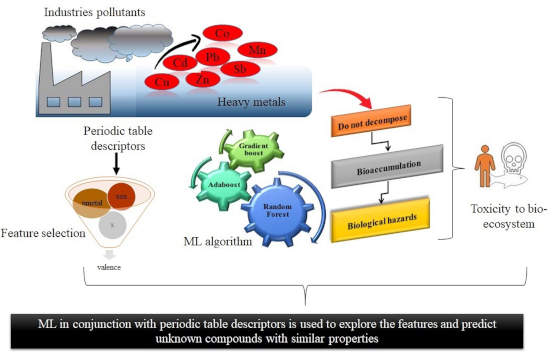
- metals, upon release and emission, may interact with different environmental components, which may lead to co-exposure to living organisms. Nanoscale titanium dioxide (nano-TiO2) can adsorb heavy metals. The current idea is that nanoparticles (NPs) may act as carriers and facilitate the entry of heavy
- metals into organisms. Thus, the present study reports nanoscale quantitative structure–activity relationship (nano-QSAR) models, which are based on an ensemble learning approach, for predicting the cytotoxicity of heavy metals adsorbed on nano-TiO2 to human renal cortex proximal tubule epithelial (HK-2
- have been used in different industries, and the market is developing rapidly [2]. According to a recent analysis, approximately 1300 consumer products containing NPs were marketed in 2012. As a common metal oxide nanoparticle material, nanoscale titanium dioxide (nano-TiO2) has been evaluated for


Antibody-conjugated nanoparticles for target-specific drug delivery of chemotherapeutics
Beilstein J. Nanotechnol. 2023, 14, 912–926, doi:10.3762/bjnano.14.75
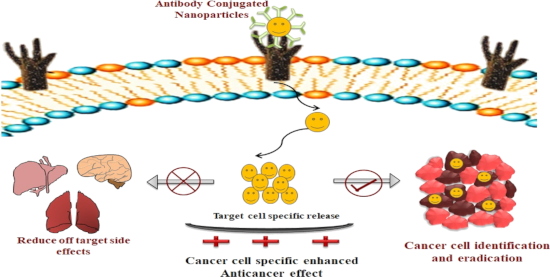
- of nanoscale chemotherapeutics is accomplished by two different approaches, namely the exploitation of leaky tumor vasculature (EPR effect) and the surface modification of nanoparticles (NPs) with various tumor-homing peptides, aptamers, oligonucleotides, and monoclonal antibodies (mAbs). Because of



Ni, Co, Zn, and Cu metal-organic framework-based nanomaterials for electrochemical reduction of CO2: A review
Beilstein J. Nanotechnol. 2023, 14, 904–911, doi:10.3762/bjnano.14.74
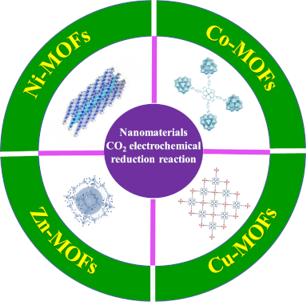
- augmentation of MOF properties can be accomplished by converting pristine MOFs into nanoscale materials. A diverse array of MOF nanomaterials has been reported, encompassing single-atom nanocatalysts (SACs), hetero-atom-doped nanomaterials, and MOF nanofiber-based aerogels, among others, as highlighted by


Two-dimensional molecular networks at the solid/liquid interface and the role of alkyl chains in their building blocks
Beilstein J. Nanotechnol. 2023, 14, 872–892, doi:10.3762/bjnano.14.72
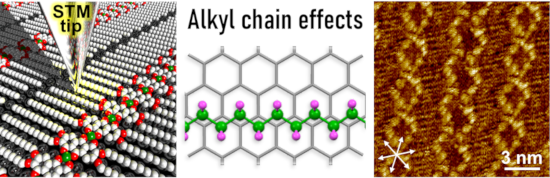
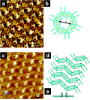
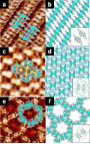
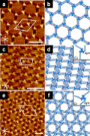
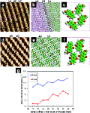
- explained by the nonlinearity of the entropy term in the Gibbs free energy. 3.2 Pore size The fabrication of nanoscale porous networks has attracted attention owing to their ability to accommodate guest molecules in the confined pores. Modification of the alkyl chain length facilitated the tuning of the
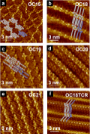
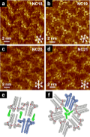
- [72], (“Alkyl chain length effects on double-deck assembly at a liquid/solid interface” by Y. Fang et al., Nanoscale, Vol. 10, Issue 31, © 2018); permission conveyed through Copyright Clearance Center, Inc. This content is not subject to CC BY 4.0. (a–c) Representative STM images of physisorbed









Biomimetics on the micro- and nanoscale – The 25th anniversary of the lotus effect
Beilstein J. Nanotechnol. 2023, 14, 850–856, doi:10.3762/bjnano.14.69



A wearable nanoscale heart sound sensor based on P(VDF-TrFE)/ZnO/GR and its application in cardiac disease detection
Beilstein J. Nanotechnol. 2023, 14, 819–833, doi:10.3762/bjnano.14.67
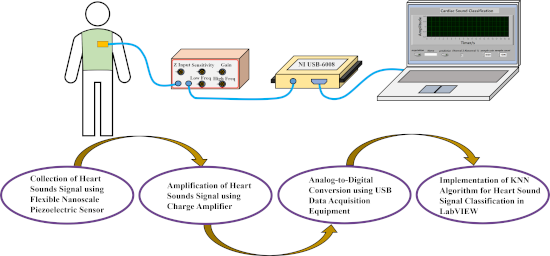
- electrospinning were controlled at 25 °C and 40% RH, respectively. Fabrication of wearable flexible nanoscale heart sound sensors Figure 2 illustrates the process of creating a wearable, flexible nanoscale heart sound sensor with a sandwich structure. First, a rectangular composite nanofilm measuring 4.5 cm in
- completely immersed. After letting it stand for two days, the flexible nanoscale heart sound sensor is ready for use. Figure 3 displays the actual sensor produced. Figure 3a and Figure 3b show, respectively, photos of the front and the back side of the sensor, and Figure 3c and Figure 3d show photos of the
- signal, which is then amplified by the power amplifier and delivered to the speaker to convert the electrical signal into an acoustic signal. A flexible nanoscale heart sound sensor is placed 1 cm above the speaker, and its electrodes are connected to the charge amplifier and then to the oscilloscope


Nanostructured lipid carriers containing benznidazole: physicochemical, biopharmaceutical and cellular in vitro studies
Beilstein J. Nanotechnol. 2023, 14, 804–818, doi:10.3762/bjnano.14.66
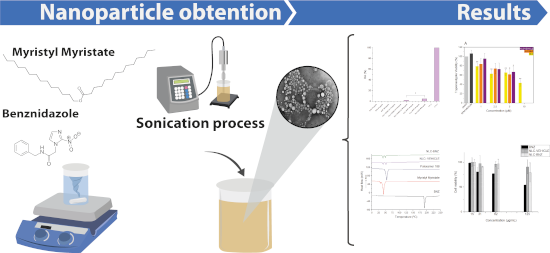
- volume of distribution (Vd) of 0.56 L/kg, and reactive products of its metabolism [13]. Such Vd and low permeability values across biological barriers could result in difficulties for BNZ to reach intracellular amastigotes. The encapsulation of BNZ within nanoscale pharmaceutical carriers has been
- proposed as a strategy to reduce toxicity and improve efficacy [13]. Incorporation of drugs into nanoscale vehicles could result in changes in its absorption, distribution, metabolism, and excretion, which in turn could translate into improved efficacy and diminished BNZ toxicity. For example, BNZ-loaded
- intrinsic toxicity of our nanoscale vehicle on T. cruzi may be linked to a modification of glycosylphosphatidylinositols (GPIs). Glycosylphosphatidylinositols are the main anchor complexes used by protozoans to bind to cell surface proteins. It covalently attaches to the C terminus of a protein connecting


Silver-based SERS substrates fabricated using a 3D printed microfluidic device
Beilstein J. Nanotechnol. 2023, 14, 793–803, doi:10.3762/bjnano.14.65
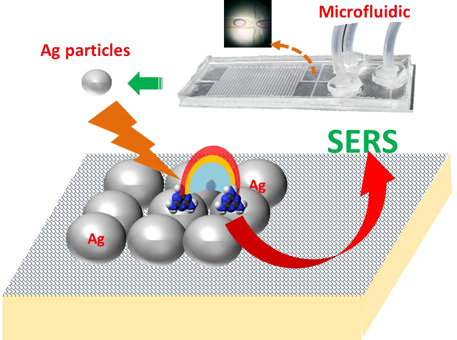
- NPs. The SEM image of PS@Ag reveals the presence of nanoscale gaps between the Ag NPs, which act as hot spots with a high electric field intensity when exposed to laser irradiation (Figure S10c). To confirm the distribution of chemical elements on the SERS substrate, energy-dispersive X-ray



Silver nanoparticles loaded on lactose/alginate: in situ synthesis, catalytic degradation, and pH-dependent antibacterial activity
Beilstein J. Nanotechnol. 2023, 14, 781–792, doi:10.3762/bjnano.14.64
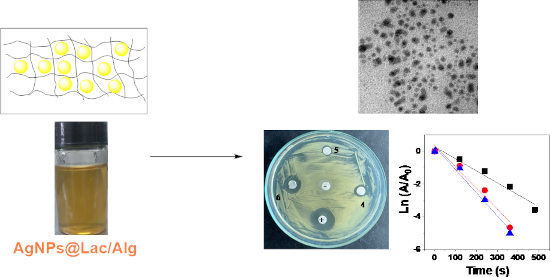
- methods for their treatment [44][45]. In recent years, catalytic degradation using oxidizing and reducing agents such as H2O2 and NaBH4 has been frequently reported [46][47][48]. Plasmonic nanoscale metal particles have demonstrated enhanced catalytic performance in conjunction with NaBH4. The surface of
- the nanoscale metal particles served as an absorbent of dyes and BH4− ions. Subsequently, an electron transfer process occurs from BH4− (electron donor) to the dyes (electron acceptor) (Figure 6). As a result, the catalytic efficacy of metal NPs is significantly influenced by factors such as the


In situ magnesiothermic reduction synthesis of a Ge@C composite for high-performance lithium-ion batterie anodes
Beilstein J. Nanotechnol. 2023, 14, 751–761, doi:10.3762/bjnano.14.62
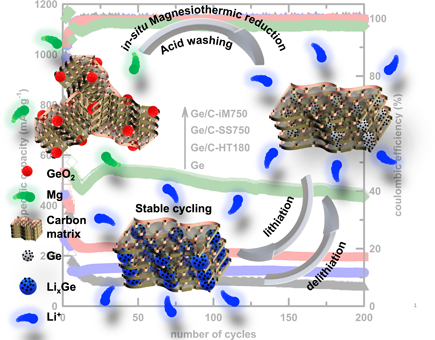
- robustness, for example, a higher resistance to pulverization than Si, the durability of Ge-based anode is not sufficient for practical applications [14]. To overcome this limitation, nanoscale control and composite design are two effective strategies [15][16][17][18][19]. In addition to various Ge


Nanoarchitectonics for advanced applications in energy, environment and biology: Method for everything in materials science
Beilstein J. Nanotechnol. 2023, 14, 738–740, doi:10.3762/bjnano.14.60
- . Nanotechnology has enabled the observation and analysis of the properties of objects at the nanoscale level, down to molecules and atoms. Then, by understanding and creating new nanostructures it became possible to create materials with unprecedented high functionality. Society has brought about amazing progress
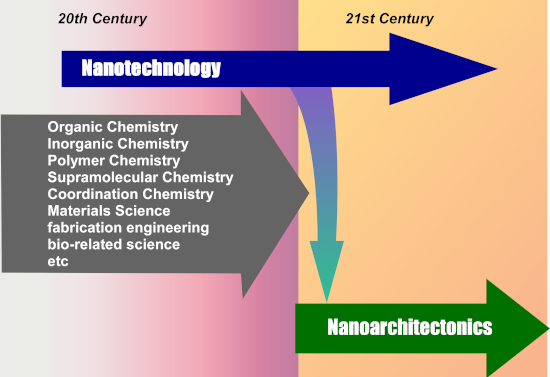
- at the nanoscale level while including various materials chemistry fields, as initiated by nanotechnology. This concept is defined as nanoarchitectonics (Figure 1) [1][2]. Nanoarchitectonics can also be considered a post-nanotechnology concept [3]. Nanotechnology was proposed by Richard Feynman in
- the 20th century [4][5] whereas nanoarchitectonics was proposed by Masakazu Aono in the early 21st century [6]. Nanoarchitectonics is a methodology for architecting functional material systems from components at the nanoscale (i.e., atoms, molecules, and nanomaterials) following the footsteps of

Cross-sectional Kelvin probe force microscopy on III–V epitaxial multilayer stacks: challenges and perspectives
Beilstein J. Nanotechnol. 2023, 14, 725–737, doi:10.3762/bjnano.14.59
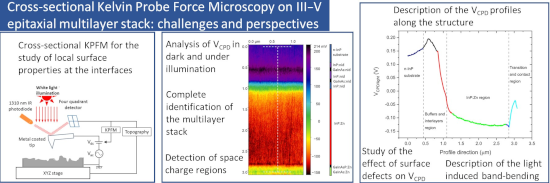
- containing numerous layers and interfaces [1]. The capability to conduct local investigations at the nanoscale level that provide information on the electrical properties of materials and along physical interfaces is becoming crucial for solar photovoltaic device efficiency improvement [2]. Electrical
- measurements based on scanning probe microscopy (SPM) allow for the analysis of two-dimensional (2D) features at the surface and along a physical cross section of nanoscale semiconductor structures. Among the wide variety of SPM techniques available [3], Kelvin probe force microscopy (KPFM) is an application


Current-induced mechanical torque in chiral molecular rotors
Beilstein J. Nanotechnol. 2023, 14, 711–721, doi:10.3762/bjnano.14.57
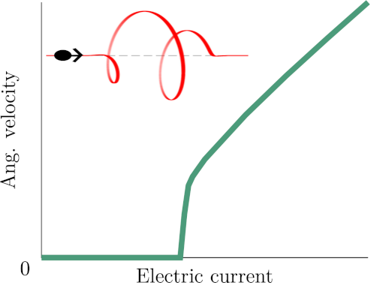
- , specifically the velocity–current characteristics and threshold currents. Our results can support the design of nanoscale mechanical devices. Model Model geometry (kinematics) Our classical model contains a particle (mass m) moving on a rigid path, which can rotate around an axis, see left part of Figure 1
- of the rotor, but not its frequency. Hence, there is no net torque. Such devices can rotate under a particle current, but they cannot do work. Although they cannot operate as motors, these rotors can serve in nanoscale information storage and processing. The information readout can be performed in




![[Graphic 29]](/bjnano/content/inline/2190-4286-14-57-i54.svg?max-width=637&scale=1.18182)


A graphene quantum dots–glassy carbon electrode-based electrochemical sensor for monitoring malathion
Beilstein J. Nanotechnol. 2023, 14, 701–710, doi:10.3762/bjnano.14.56
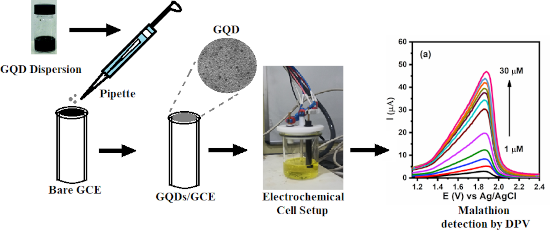
- containing functional groups are still present in GQDs even after hydrothermal treatment. Due to the nanoscale size of GQDs and a small number of graphene layers, the diffraction peak appears broad [35]. Using the FWHM of the diffraction peak, an average crystallite size of 2.69 nm was calculated for the


Investigations on the optical forces from three mainstream optical resonances in all-dielectric nanostructure arrays
Beilstein J. Nanotechnol. 2023, 14, 674–682, doi:10.3762/bjnano.14.53
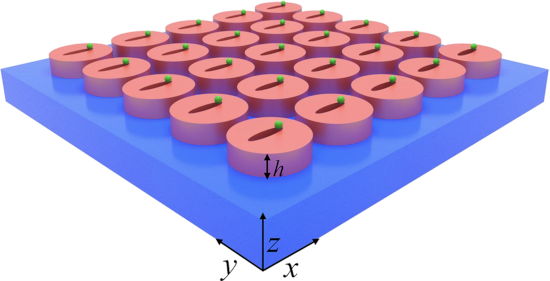
- object it encounters, and the resulting optical force can be used to manipulate particles at the micro- or nanoscale. In this work, we present a detailed comparison through numerical simulations of the optical forces that can be exerted on polystyrene spheres of the same diameter. The spheres are placed
- move to a region of high field strength to reduce its energy [3]. Unfortunately, due to the diffraction limit, light cannot be focused onto the subwavelength volume; so it is very difficult for optical tweezers to capture nanoscale objects. Recently, plasmonic nanotweezers have proved their capability
- nanoscale polystyrene (PS) spheres in the slot of the all-dielectric nanostructures. All these spheres have their own response to the incident radiations (e.g., Mie resonances). However, we noted that due to the small size of the spheres and the relatively lower refractive index of the polymeric material


Metal-organic framework-based nanomaterials as opto-electrochemical sensors for the detection of antibiotics and hormones: A review
Beilstein J. Nanotechnol. 2023, 14, 631–673, doi:10.3762/bjnano.14.52
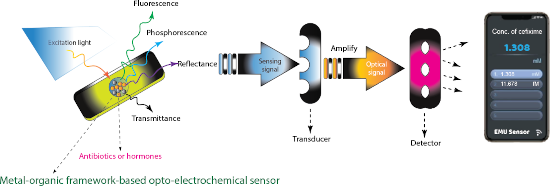
- luminescence, and a desirable adsorption capacity that can enhance MOF–target analyte interactions and transduce these interactions into measurable optical responses. A nanoscale MOF (In-sbdc) with a significant quantum yield of 13% and stable emission in water, for instance, was synthesised by Liu et al. [42


Thermal transport in kinked nanowires through simulation
Beilstein J. Nanotechnol. 2023, 14, 586–602, doi:10.3762/bjnano.14.49
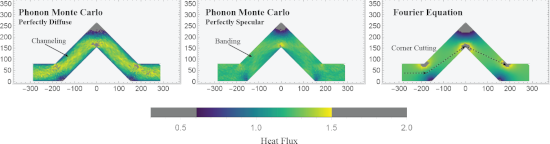
- , communications, and many others [1][2][3][4][5]. In many nanoscale systems, thermal transport cannot be simply described as it would be at larger scales [6]. At such scales, the carriers of energy (such as phonons) have finite transit lengths that are no longer negligible compared to the system dimensions
- of system design on nanoscale transport is particularly intriguing and has lead to the investigation of unique structures [10][11] in an attempt to better understand and develop manufactured devices. The introduction of additional surfaces and the reduction of direct paths through a system can force
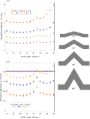
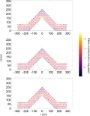
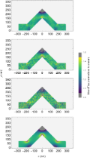
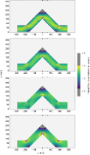
- dependencies for this are myriad and somewhat complicated to understand. In this work we explore the effect of kinks where the angle is different from the 90° bend commonly used in other studies. We construct nanoscale systems with kinks of varying angles (ranging from 0° to about 70°) in order to examine the





SERS performance of GaN/Ag substrates fabricated by Ag coating of GaN platforms
Beilstein J. Nanotechnol. 2023, 14, 552–564, doi:10.3762/bjnano.14.46
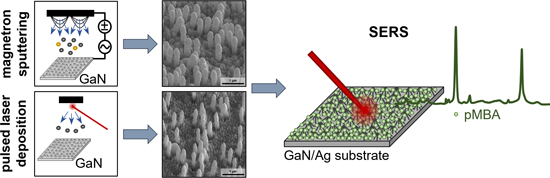
- substrates show a strong absorption of light in the visible range, which is related to the phenomenon of surface plasmon resonance (SPR). The strongly nanoscale-rough surface causes a significant extension of the spectral range of SPR in comparison to thin silver layers. Based on the comparison of the light


On the use of Raman spectroscopy to characterize mass-produced graphene nanoplatelets
Beilstein J. Nanotechnol. 2023, 14, 509–521, doi:10.3762/bjnano.14.42
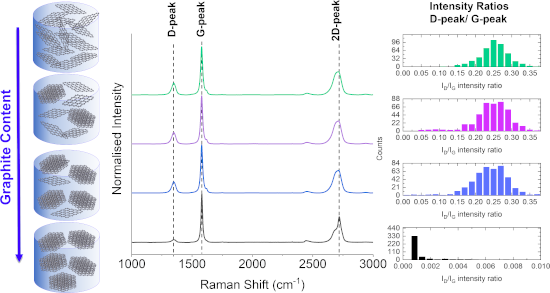
- particular the absence of graphite or nanoscale graphite. It is important to recall that graphene has been defined as a “single layer of carbon atoms with each atom bound to three neighbours in a honeycomb structure” with materials with more than one layer defined as “few-layer graphene” or “graphene
- , Enabling innovation to meet UK Net Zero targets through physicochemical metrology of nanoscale advanced materials) for funding.


Molecular nanoarchitectonics: unification of nanotechnology and molecular/materials science
Beilstein J. Nanotechnol. 2023, 14, 434–453, doi:10.3762/bjnano.14.35
- , Chiba 277-8561, Japan 10.3762/bjnano.14.35 Abstract The development of nanotechnology has provided an opportunity to integrate a wide range of phenomena and disciplines from the atomic scale, the molecular scale, and the nanoscale into materials. Nanoarchitectonics as a post-nanotechnology concept is a
- -surface synthesis; Review Introduction Nanotechnology is a game changer that has innovated the course of scientific research. Nanotechnology innovations have unlocked mysteries at the nanoscale [1][2][3]. These research innovations have bridged the gap between nanoscale basic science and materials
- ][35], efficient molecular identification [36][37][38], and device switching mechanisms based on nanoscale phenomena [39][40][41] have been revealed. The contribution of nanotechnology is not limited to the elucidation of such physical properties of materials. Nanotechnology has also contributed





Plasmonic nanotechnology for photothermal applications – an evaluation
Beilstein J. Nanotechnol. 2023, 14, 380–419, doi:10.3762/bjnano.14.33
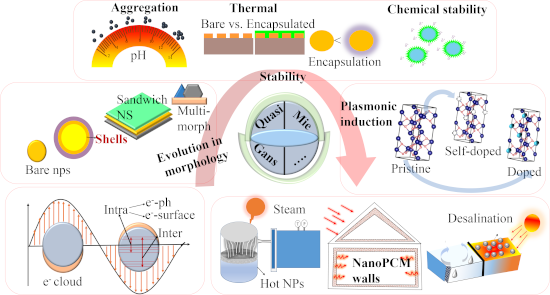
- cause little damage to adjacent healthy tissues due to extremely localized heating [3]. Generally, the reduction of material dimensions to the nanoscale, such as in graphene, carbon nanotubes (CNT) and polymers, leads to an enhancement of the PT effect due to factors such as improved thermal
- characteristics such as the wavelength in plasmon resonance can be tuned and controlled by the properties of the nanoparticle such as size, shape, proximity to other particles, as well as the surrounding medium [6]. Indeed, advancements in such manipulation at the nanoscale has aided the use of plasmonic
- regard, plasmonic nanomaterials with tunable energy absorption can help, and the tunability of such materials only manifests at the nanoscale as changes in the absorption of incident radiation. This tunability is of utmost benefit for PT applications as the region of the electromagnetic spectrum that is




New trends in nanobiotechnology
Beilstein J. Nanotechnol. 2023, 14, 377–379, doi:10.3762/bjnano.14.32
- nanobiotechnological processes to encourage the development of these converging technologies for a sustainable economic growth. The synthesis and the characterization of nanoscale biomaterials, the innovative applications of “smart nanoparticles”, and the technological/biological impact of nanoscale systems are just
- ; nanotechnology applied in biology, medicine, food, environmental and agriculture sectors; environmental engineering and chemical engineering; nanoscale electrochemisty in biotechnology; computational nanochemistry in biotechnology; and life cycle assessment of nanobiotechnology. The works presented in this



