


Search results
Search for "nitrate" in Full Text gives 225 result(s) in Beilstein Journal of Nanotechnology. Showing first 200.
Ultrastructural changes in methicillin-resistant Staphylococcus aureus induced by positively charged silver nanoparticles
Beilstein J. Nanotechnol. 2015, 6, 2396–2405, doi:10.3762/bjnano.6.246
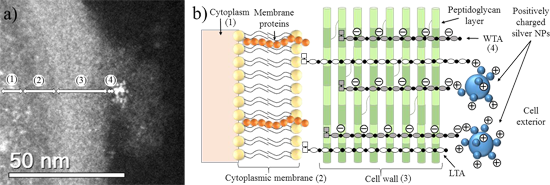
- widely known. Around the 1800s silver nitrate was commonly applied topically to treat burns and ulcerations or infected wounds, although its use declined following the introduction of antibiotics. Fox revived its use in the form of silver sulfadiazine, which is applied topically in burn therapy [23]. An
- + ion leaching. Therefore, the combination of all three species is more efficient in binding and lysing bacteria. Experimental Chemicals and Materials: Silver nitrate, AgNO3 (99.99%), was purchased from Sigma-Aldrich and used as received. Distilled water was purified using Whatman® 0.2 µm filters. A
- film for further analysis. The use of microwaves to synthesize silver nanoparticles has been shown to work in the presence of an eco-friendly reducing agent [54]. Silver nitrate can decompose into metallic silver, NO2 gas and O2 by the addition of heat as represented in Equation 1 [55]: In our study


Surfactant-controlled composition and crystal structure of manganese(II) sulfide nanocrystals prepared by solvothermal synthesis
Beilstein J. Nanotechnol. 2015, 6, 2319–2329, doi:10.3762/bjnano.6.238
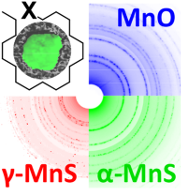
- –100 nm, l = 250–700 nm) were obtained [16]. The reaction of manganese(II) nitrate with elemental S in octadecylamine at 200 °C gave 50 nm α-MnS hexagons at high S concentration, whereas γ-MnS rods (d ≈ 50 nm) resulted at low S concentration [22]. The hydrothermal reaction of manganese(II) chloride


Optimized design of a nanostructured SPCE-based multipurpose biosensing platform formed by ferrocene-tethered electrochemically-deposited cauliflower-shaped gold nanoparticles
Beilstein J. Nanotechnol. 2015, 6, 1840–1852, doi:10.3762/bjnano.6.187
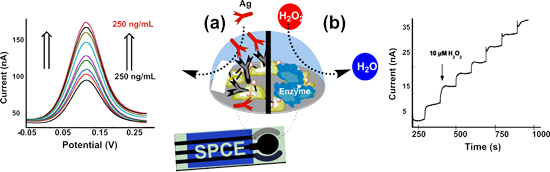
- Materials and apparatuses α-Lipoic acid (≥98%), 1-ferrocenylmethanol (97%), dimethylaminopyridine (DMAP) (99%), HAuCl4.3H2O (99.9%), dicyclohexylcarbodiimide (DCC) (99%), sodium nitrate (≥98%), human IgG (hIgG, ≥95%), polyclonal anti-human IgG antibody (α-hIgG), polyclonal anti-human IgG antibody (gIgG


Template-controlled mineralization: Determining film granularity and structure by surface functionality patterns
Beilstein J. Nanotechnol. 2015, 6, 1763–1768, doi:10.3762/bjnano.6.180
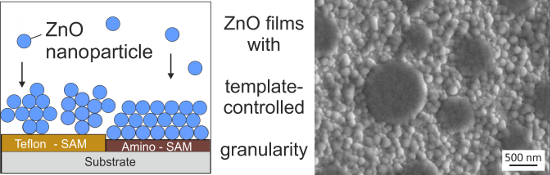
- concentration of 45 mM, and were prepared according to Gerstel et al. [26]. For the preparation of the mineralization solution, equal amounts of HMTA and histidine stock solutions were mixed. Afterwards, the zinc nitrate solution was added dropwise to obtain a ratio of [Zn2+]/[HMTA]/[His] of 1:1:1. The

In situ SU-8 silver nanocomposites
Beilstein J. Nanotechnol. 2015, 6, 1661–1665, doi:10.3762/bjnano.6.168
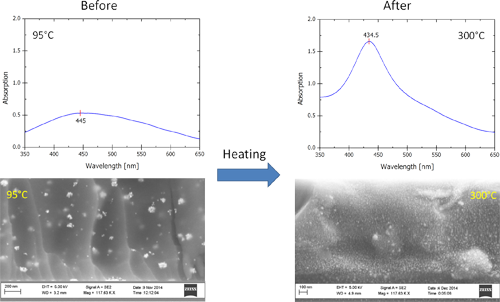
- the composite matrix. At higher precursor concentrations, larger agglomerated NPs are dominant and large islands of phase separated Ag are formed in the composite. Experimental Preparation of Ag NPs in cyclopentanone Materials Silver nitrate (AgNO3, ≥99.0%) and sodium borohydride (NaBH4, ≥98.0%) was
- bought from Sigma-Aldrich. Luviskol® VA 64, a poly(vinylpyrrolidone-co-vinyl acetate) (PVP/VA) mixture was kindly gifted by BASF. Method 1 g of PVP/VA and 0.1 g of silver nitrate is dissolved in 50 mL of absolute ethanol. 0.02 g of sodium borohydride and 0.2 g of PVP/VA dissolved in 10 mL of absolute


Materials for sustainable energy production, storage, and conversion
Beilstein J. Nanotechnol. 2015, 6, 1601–1602, doi:10.3762/bjnano.6.163

- with examples in the contribution by Arnulf Latz and Jochen Zausch [7]. Last but not least, Nicole Pfleger, Antje Wörner and colleagues [8] discuss the current state-of-the art and future options for thermal storage using nitrate salts. I would like to thank all authors and the referees for their
Thermal energy storage – overview and specific insight into nitrate salts for sensible and latent heat storage
Beilstein J. Nanotechnol. 2015, 6, 1487–1497, doi:10.3762/bjnano.6.154
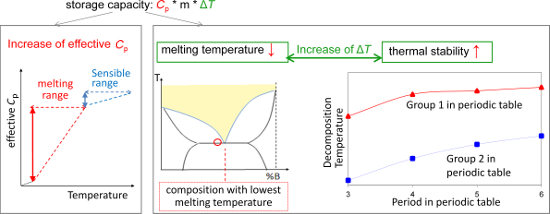
- consumption. This review focuses mainly on material aspects of alkali nitrate salts. They include thermal properties, thermal decomposition processes as well as a new method to develop optimized salt systems. Keywords: eutectic mixture; molten salt; nitrate; phase change material; thermal decomposition
- , nitrate/nitrite mixtures, carbonates, chlorides, fluorides and carbonates. The cationic part of state of the art fluids usually consists of alkali/alkaline earth elements. The remainder of this chapter considers the respective materials more into detail. Sensible energy storage in anhydrous molten salts
- salt handling. For sensible heat storage in solar power plants, a non-eutectic molten salt mixture consisting of 60 wt % sodium nitrate (NaNO3) and 40 wt % potassium nitrate (KNO3) is used. This mixture is usually known as “Solar Salt”. Due to the increased amount of NaNO3 as compared to the eutectic


Formation of substrate-based gold nanocage chains through dealloying with nitric acid
Beilstein J. Nanotechnol. 2015, 6, 1362–1368, doi:10.3762/bjnano.6.140
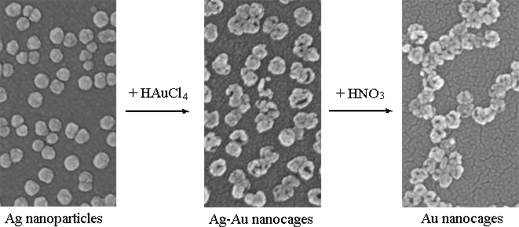
- Suzhou NSG Electronics Co. Ltd. (Suzhou, China). Prior to use, it was divided into the strips (50 × 6 mm). All chemicals were of analytical grade and used as received without any further purification. Silver nitrate (AgNO3), hydrogen tetrachloroaurate (HAuCl4), nitric acid (HNO3), hydrogen peroxide (H2O2
- ), and potassium nitrate (KNO3) were obtained from Sinopharm Chemical Reagent Co. Ltd. (Shanghai, China). The solutions were prepared using deionized water (>18 MΩ·cm). Silver template preparation The Ag NP templates on ITO glass strips were prepared by electrodeposition in a similar manner as described

Synthesis, characterization and in vitro effects of 7 nm alloyed silver–gold nanoparticles
Beilstein J. Nanotechnol. 2015, 6, 1212–1220, doi:10.3762/bjnano.6.124
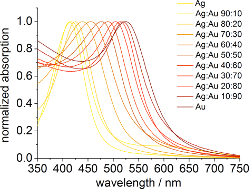
- ablation was reported [25][26][27]. Alloying of presynthesized silver core/gold shell nanoparticles by refluxing with oleylamine [28] or ultrasonication of separate gold and silver nanoparticles [29] was also described. Here, an aqueous co-reduction of silver nitrate and tetrachloroauric acid with a
- is possible that a passivating effect from the alloyed gold is responsible for these observations. Future studies on the time-dependent dissolution of such alloyed nanoparticles in biological media may help to better understand this effect. Experimental Chemicals We used silver nitrate (Roth, p.a


From lithium to sodium: cell chemistry of room temperature sodium–air and sodium–sulfur batteries
Beilstein J. Nanotechnol. 2015, 6, 1016–1055, doi:10.3762/bjnano.6.105
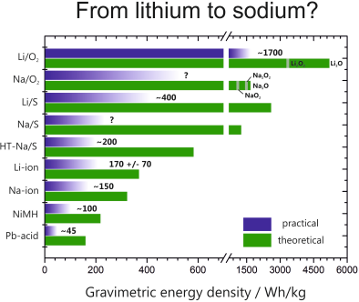
- discharge and charge [70]. Analogous to the lithium–sulfur batteries, the use of lithium nitrate (LiNO3) seems to improve the cyclability of Li/O2 cells as well. In publications by Liox Power Inc., it was shown that LiNO3 leads to an improved stability of the lithium electrode solid electrolyte interphase


A simple approach to the synthesis of Cu1.8S dendrites with thiamine hydrochloride as a sulfur source and structure-directing agent
Beilstein J. Nanotechnol. 2015, 6, 881–885, doi:10.3762/bjnano.6.90
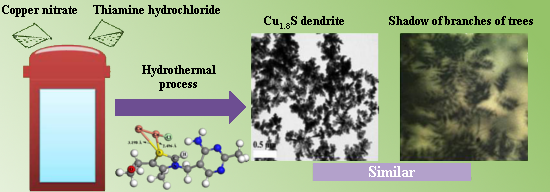
- nitrate and thiamine hydrochloride were selected as the starting materials in the water phase under hydrothermal conditions. No addition of a surfactant or a complex reagent was required for the synthesis of the Cu1.8S dendrite structures. Thiamine hydrochloride was employed as a sulfur source and
- sulfur source. In addition, the functional groups in thiamine may play an important role in the oriented growth of copper sulfide. To the best of our knowledge the application of thiamine hydrochloride, an abundant and cheap biomolecule, and copper nitrate in water for the growth of Cu1.8S with a unique
- metal ions could interact with biomolecules to form stable complexes. In this experiment, copper nitrate and thiamine hydrochloride is dissolved in water to form a mixture in which Cu2+ ions coordinate with thiamine hydrochloride to form a complex. When the mixture was sealed and kept at 180 °C under


Morphological and structural characterization of single-crystal ZnO nanorod arrays on flexible and non-flexible substrates
Beilstein J. Nanotechnol. 2015, 6, 720–725, doi:10.3762/bjnano.6.73
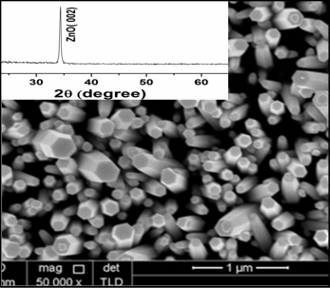
- procedure, 0.05 M zinc nitrate (Zn(NO3)2·6H2O) was mixed with hexamethylenetetramine (HMT) in a glass beaker and slowly stirred until complete dissolution was achieved. The growth temperature and time was 95 °C and 3 h, respectively. The beaker was then left inside the oven for 30 min to cool down to 40 °C


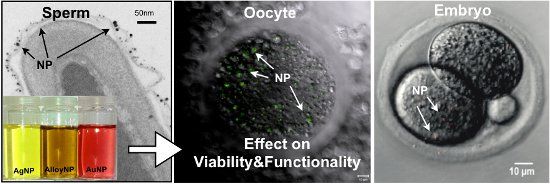
Influence of gold, silver and gold–silver alloy nanoparticles on germ cell function and embryo development
Beilstein J. Nanotechnol. 2015, 6, 651–664, doi:10.3762/bjnano.6.66
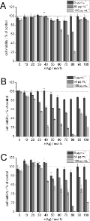
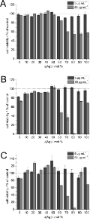
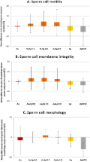
- nitrate control. Nanoparticle concentration was 10 µg/mL. (A) Motility assessed with Computer Assissted Sperm Analysis, (B) Membrane integrity assessed with propidium iodide stain and flow cytometer, (C) morphology assessed with phase contrast microscope and evaluation of 200 sperm cells per group per day
- . Shown are percentage of spermatozoa, which differ compared to the control [values are mean ± SD]. Reproduced with permission from [50]. Copyright 2014 Royal Society of Chemistry. Oocyte maturation rates after 46 h of in vitro maturation in the presence of various nanoparticle types or silver nitrate in




Novel ZnO:Ag nanocomposites induce significant oxidative stress in human fibroblast malignant melanoma (Ht144) cells
Beilstein J. Nanotechnol. 2015, 6, 570–582, doi:10.3762/bjnano.6.59
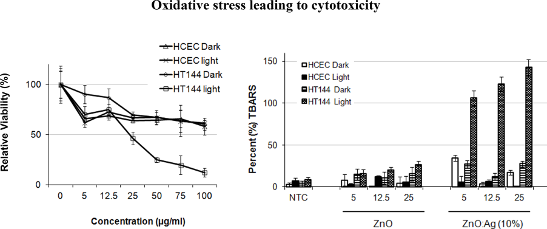
- ), pyruvic acid, silver nitrate, NaN3, sodium chloride, sodium dodecyl sulfate (SDS), sodium hydroxide (NaOH), sodium sarcosinate, streptomycin sulfate, sulforhodamine B (SRB), 1,1,3,3-tetramethoxypropane, MTT, thiobarbituric acid (TBA), trichloroacetic acid (TCA), Triton X-100, trizma-Base, trypsin/EDTA (5
- %), and zinc nitrate, were purchased from Sigma-Aldrich (USA). Dulbecco's Modified Eagle Medium (DMEM) and fetal bovine serum (FBS) were purchased from GibcoBRL, Gaithersburg, MD. Nanocomposite synthesis The nanocomposites ZnO:Ag (1, 3, 5, 10, 20 and 30% Ag) were synthesized following a previously
- reported procedure with some modifications [29]. Briefly, zinc nitrate hexahydrate and the required amount of silver nitrate (1, 3, 5, 10, 20 and 30 mol %) were dissolved in 5% v/v Tween 80 to achieve 50 mM concentration. The resulting substrate solution was titrated against 100 mM NaOH through a drop-wise




Tunable white light emission by variation of composition and defects of electrospun Al2O3–SiO2 nanofibers
Beilstein J. Nanotechnol. 2015, 6, 313–320, doi:10.3762/bjnano.6.29
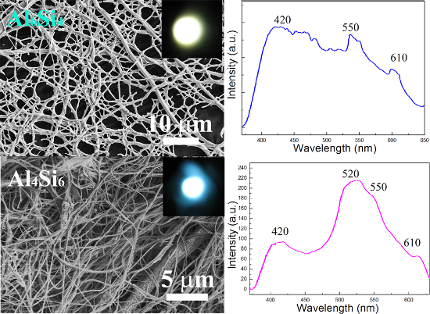
- -Aldrich, aluminum nitrate nanohydrate (Al(NO3)3·9H2O) and tetraethoxysilane (TEOS) were used for the Al and Si sources, respectively, both purchased from Shantou Chemical Corp., China. All other chemicals were purchased from Tianjin Chemical Company (Tianjin, China). All chemicals were analytically pure


Green preparation and spectroscopic characterization of plasmonic silver nanoparticles using fruits as reducing agents
Beilstein J. Nanotechnol. 2015, 6, 293–299, doi:10.3762/bjnano.6.27
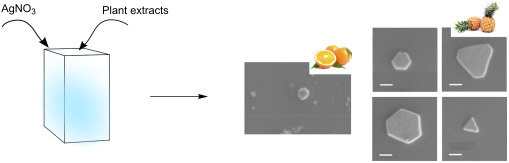
- capability to reduce silver and gold salts and to create silver and gold nanoparticles. We report the preparation of silver nanoparticles with sizes between 10 and 300 nm from silver nitrate using fruit extract collected from pineapples and oranges as reducing agents. The evolvement of a characteristic
- surface plasmon extinction spectrum in the range of 420 nm to 480 nm indicates the formation of silver nanoparticles after mixing silver nitrate solution and fruit extract. Shifts in plasmon peaks over time indicate the growth of nanoparticles. Electron microscopy shows that the shapes of the
- enhanced Raman scattering (SERS). Extracts from these two fruits have been used for preparing silver and gold nanoparticles [12][15][16][17][18][19]. Here we explore the formation of nanoparticles by varying conditions in the preparation process such as ratios of the mixtures of silver nitrate and fruit


Mechanical properties of MDCK II cells exposed to gold nanorods
Beilstein J. Nanotechnol. 2015, 6, 223–231, doi:10.3762/bjnano.6.21
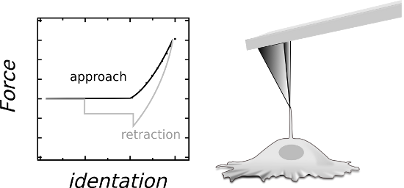
- mL of 0.1 M CTAB, 7 μL of 0.04 M silver nitrate (AgNO3), and 105 μL of 0.08 M ascorbic acid. Nanoparticle size was controlled by transmission electron microscopy (TEM). We determined a length of 38 ± 6.5 nm and a width of 17 ± 3 nm for nanorod and a diameter of 43 nm for spheres [25]. Concentrations


Mammalian cell growth on gold nanoparticle-decorated substrates is influenced by the nanoparticle coating
Beilstein J. Nanotechnol. 2014, 5, 2479–2488, doi:10.3762/bjnano.5.257
- solution consisting of HAuCl4 (75 µL, 0.1 M), CTAB (10 mL, 0.1 M), silver nitrate (AgNO3, 7 µL, 0.04 M), and ascorbic acid (AA, 105 µL, 0.0788 M). Shortly before the experiment, the nanoparticles were washed in two centrifugation steps with water to remove unbound CTAB. Particle characterization Particles


Synthesis and characterization of fluorescence-labelled silica core-shell and noble metal-decorated ceria nanoparticles
Beilstein J. Nanotechnol. 2014, 5, 2413–2423, doi:10.3762/bjnano.5.251
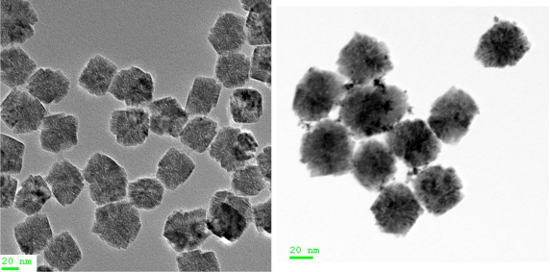
- synthesis of ceria NP [38][39][40][41] and found the procedure with air oxidation of cerium(III) nitrate in ethanol/water mixtures in the presence of ammonia very convenient [42][43]. At 60–70 °C (open flask) one obtains small crystalline NP in ethanol/water 4:1 as solvent of almost spherical shape (average
- stabilize the NP with surfactants like IGEPAL CO-520 but with no appreciable success. The only efficient approach up to now to controlled agglomeration of ceria NP is their synthesis from cerium(III) nitrate in ethanol/water mixtures in the presence of polyvinylpyrrolidone (PVP), at temperatures exceeding
- 120 °C [48]. Under these conditions, nitrate acts as oxidizing agent, and the reaction can be done in closed vessels. The overall reaction is 3Ce3+ + NO3− + 4H2O → 3CeO2 + NO + 8H+. The authors suggest that PVP interacts with the crystal seeds and prevents an increase in size over the limit of 8–10 nm


Effect of silver nanoparticles on human mesenchymal stem cell differentiation
Beilstein J. Nanotechnol. 2014, 5, 2058–2069, doi:10.3762/bjnano.5.214
- dihydrate (Fluka, p.a.), silver nitrate (Fluka, p.a.), and D-(+)-glucose (Baker) were used. Ultrapure water was prepared with an ELGA Purelab ultra instrument. Ag-NP were stored under argon to prevent partial oxidative dissolution (which drastically influences nanoparticle toxicity) prior to cell culture


Rapid degradation of zinc oxide nanoparticles by phosphate ions
Beilstein J. Nanotechnol. 2014, 5, 2007–2015, doi:10.3762/bjnano.5.209
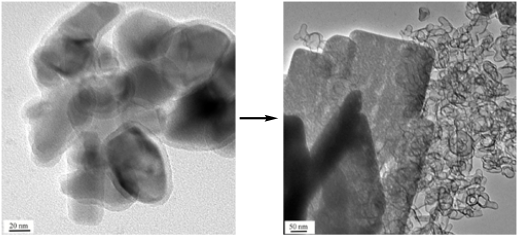
- (orthorhombic Zn3(PO4)2·4H2O) was detected. In addition to amorphous zinc phosphate, hopeite and parahopeite were identified as reaction products from non-coated ZnO-NP and phosphate in sodium nitrate solution [24] (but no dihydrate), and hopeite and dihydrate during the precipitation of zinc phosphate in cell


Carbon nano-onions (multi-layer fullerenes): chemistry and applications
Beilstein J. Nanotechnol. 2014, 5, 1980–1998, doi:10.3762/bjnano.5.207
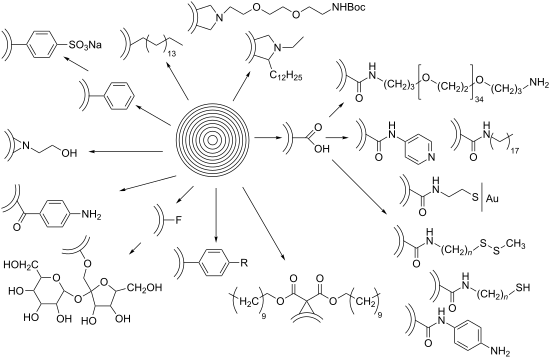
- synthesized in situ from nickel nitrate hexahydrate and ammoniumhydroxide in ethanol in the presence of (4-dimethylamino)pyridine (4-DMAP) as modifier in a one-pot multi-step reaction. Calcination of the CNO/4-DMAP/Ni(OH)2 composite led to the CNO/4-DMAP/NiO composite material. The electrochemical properties


PVP-coated, negatively charged silver nanoparticles: A multi-center study of their physicochemical characteristics, cell culture and in vivo experiments
Beilstein J. Nanotechnol. 2014, 5, 1944–1965, doi:10.3762/bjnano.5.205

- silver nanoparticles with defined shapes and sizes is extensively described in the literature, with more than 50 publications alone by the group of Xia et al. [21]. The most common and best examined method is the polyol process during which an ionic silver salt (typically silver nitrate or silver
- quantities over a large number of experiments. Because of this, we decided to synthesize our particles by the reduction of silver nitrate with glucose in the presence of PVP according to Wang et al. [28]. This leads to high yields of spherical silver nanoparticles with diameters of around 70–120 nm and a few
- nanoparticles neither caused toxicity nor oxidative stress, while an incubation for 4 h with 100 µM (10.8 µg mL−1) silver in the form of silver nitrate strongly damaged cultured astrocytes and deprived these cells almost completely of the important antioxidant glutathione [108]. The high resistance of cultured


Carbon-based smart nanomaterials in biomedicine and neuroengineering
Beilstein J. Nanotechnol. 2014, 5, 1849–1863, doi:10.3762/bjnano.5.196
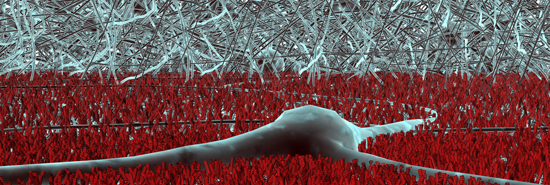
- , or titanium nitrate) and embedded in a planar substrate, arranged in an array and connected to an external electrical circuitry. By using individual microelectrodes it is possible to stimulate or record neural electrical activity non-invasively, both in vivo and in vitro. For these applications


Nanocrystalline ceria coatings on solid oxide fuel cell anodes: the role of organic surfactant pretreatments on coating microstructures and sulfur tolerance
Beilstein J. Nanotechnol. 2014, 5, 1712–1724, doi:10.3762/bjnano.5.181

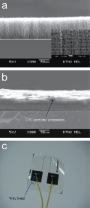
- porous anode structure, can lead to the reduction or elimination of sulfur poisoning. The procedures used by other groups to infiltrate ceria into SOFC anodes usually involve immersing the anodes into a precursor solution, e.g., of cerium nitrate [16][18][22][23][24] or through a sol–gel route [25





