Search results
Search for "polystyrene" in Full Text gives 234 result(s) in Beilstein Journal of Nanotechnology. Showing first 200.
Coating with luminal gut-constituents alters adherence of nanoparticles to intestinal epithelial cells
Beilstein J. Nanotechnol. 2014, 5, 2308–2315, doi:10.3762/bjnano.5.239
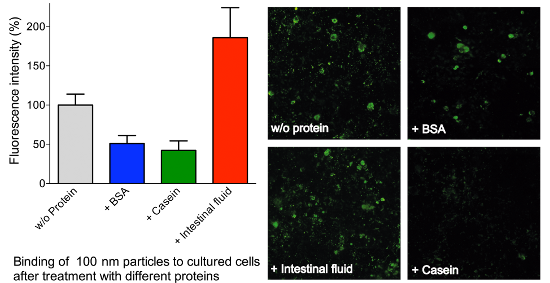
- gut-constituents on the adherence of nanoparticles to intestinal epithelial cells. Carboxylated polystyrene particles 20, 100 and 200 nm in size represented our anthropogenic NPs, and differentiated Caco-2 cells served as model for mature enterocytes of the small intestine. Pretreatment with the
- : columnar cells with brush border microvilli and a glycocalyx on the apical side. Therefore, we used the differentiated cells at this point in time for our interaction studies of NPs with intestinal epithelial cells. As model anthropogenic nanoparticles, surface-carboxylated fluorescent polystyrene
- 37 °C in a humidified atmosphere containing 10% CO2 and the medium was changed every 2–3 days. Nanoparticles Carboxylate-modified polystyrene NPs 24 ± 4.0, 100 ± 6.0 and 210 ± 10 nm in size (in this study referred to as 20, 100 and 200 nm) were purchased from Life Technologies (Invitrogen Molecular



Localized surface plasmon resonances in nanostructures to enhance nonlinear vibrational spectroscopies: towards an astonishing molecular sensitivity
Beilstein J. Nanotechnol. 2014, 5, 2275–2292, doi:10.3762/bjnano.5.237
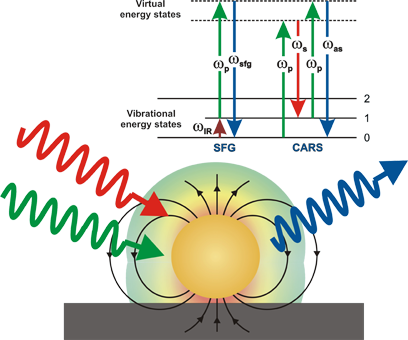
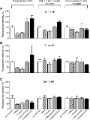
- to an important SFG enhancement [73]. To do that, a 200 nm thick silver or gold film was evaporated over polystyrene beads with various diameters (from 300 to 620 nm). The visible laser source being fixed at 532 nm, the best excitation of the LSPR mode was obtained with the 360 nm beads, no matter




Biopolymer colloids for controlling and templating inorganic synthesis
Beilstein J. Nanotechnol. 2014, 5, 2129–2138, doi:10.3762/bjnano.5.222
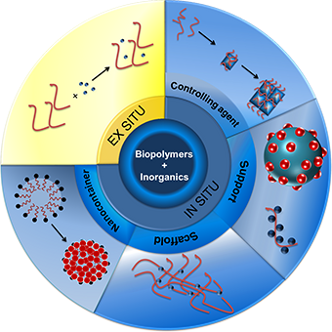
- to the surface of colloidal particles. In this sense, Krattiger et al. [44] reported the morphogenesis of CaCO3 and DL-alanine crystals in the presence of polystyrene beads functionalized with synthetic peptides with different amino acids and oligopeptides. B. Biopolymers as “supports” B1. Molecular


The gut wall provides an effective barrier against nanoparticle uptake
Beilstein J. Nanotechnol. 2014, 5, 2092–2101, doi:10.3762/bjnano.5.218
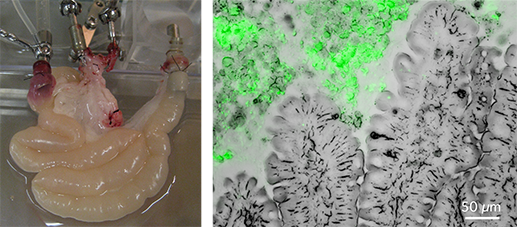
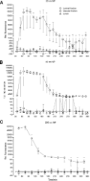
- -functionalized polystyrene particles of three different sizes (20, 40 and 200 nm) (Table 1). For uptake studies, the particles were administered into the isolated intestine, samples from the luminal, vascular and lymphatic compartments were collected over the time course of the experiment and particle
- determined. Nanoparticle quantitation Fluorescent, carboxylate-modified polystyrene NPs (FluoSpheres®, Table 1) were purchased from Invitrogen (via Life Technologies; Darmstadt, Germany). The fluorescence of the 20 nm and 200 nm NPs was directly measured in suspensions (standards and samples) by using a


Effect of silver nanoparticles on human mesenchymal stem cell differentiation
Beilstein J. Nanotechnol. 2014, 5, 2058–2069, doi:10.3762/bjnano.5.214
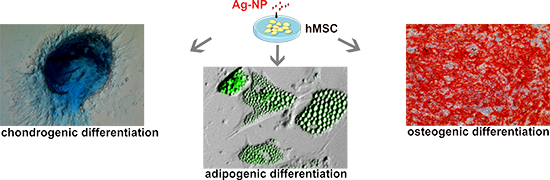
- aggrecan release demonstrated no differences compared with cells cultured without silver. Similar results were obtained by Tautzenberger et al., who demonstrated that the chondrogenic differentiation of hMSCs was not influenced in the presence of polystyrene nanoparticles [31]. A major difficulty when


Carbon nano-onions (multi-layer fullerenes): chemistry and applications
Beilstein J. Nanotechnol. 2014, 5, 1980–1998, doi:10.3762/bjnano.5.207
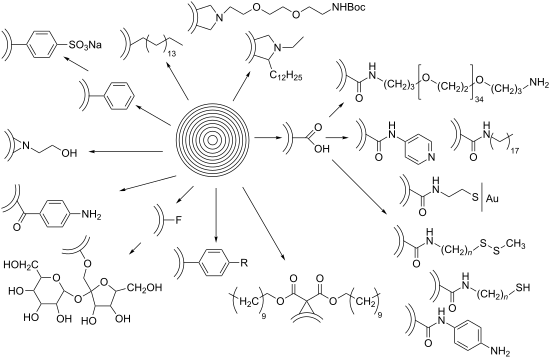
- used for a ring opening polymerization with ε-caprolactone in the presence of stannous octoate. In a second approach, CNO-Brs were decorated with polystyrene in an atom transfer radical polymerization reaction. Both polymer-functionalized CNO materials showed a good solubility in common organic


Carbon-based smart nanomaterials in biomedicine and neuroengineering
Beilstein J. Nanotechnol. 2014, 5, 1849–1863, doi:10.3762/bjnano.5.196
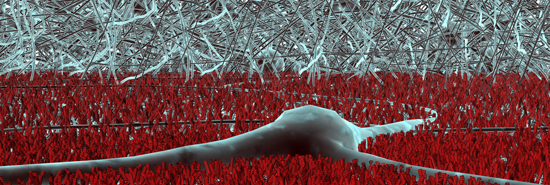
- of neurites. Their results showed high biocompatibility, and highlighted a longer average length of neurites, as well as better viability for cells grown on graphene, when compared to polystyrene control substrates. The authors also found an overexpression of the GAP43 protein, possibly the result of


In vitro and in vivo interactions of selected nanoparticles with rodent serum proteins and their consequences in biokinetics
Beilstein J. Nanotechnol. 2014, 5, 1699–1711, doi:10.3762/bjnano.5.180
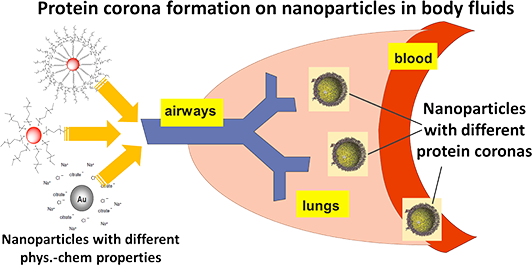
- tests that the binding capacity of different engineered NP (polystyrene, elemental carbon) for selected serum proteins depends strongly on the NP size and the properties of engineered surface modifications. In the following attempt, we studied systematically the effect of the size (5, 15, 80 nm) of gold
- ; details are given in [5]. We chose nano-sized and submicrometer-sized carbon black versus 50 nm monodisperse polystyrene NP with surface modifications of either carboxyl groups (negative charge), or amino groups (positive charge) or plain surface (neutral charge) as measured by their zeta potential and
- supernatant after BSA separation from the 50 nm Polystyrene (PS) NP–protein complexes (PS-Plain: neutral charge, PS-COOH: negative charge by carboxyl groups, PS-NH2: positive charge by amino groups) depending on the NP dose; the error bars show the standard deviation). Each line represents the linear


Non-covalent and reversible functionalization of carbon nanotubes
Beilstein J. Nanotechnol. 2014, 5, 1675–1690, doi:10.3762/bjnano.5.178
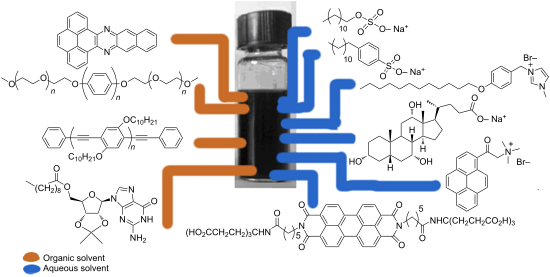
- interactions with the B block of another monomer or with the SWCNT surface, respectively. On the other hand, the capability of polystyrene-b-polyisoprene (PS-b-PI) diblock copolymers to disperse MWCNTs seems to be dominated by the solvent selectivity of the block copolymers, being the direct interaction
- between the nanotubes and the polymers of secondary importance [53]. Indeed PS-b-PI demonstrated to disperse MWCNTs both in dimethylformamide (DMF), a polar solvent selective for polystyrene, and heptane, a non-polar solvent that is selective for the polyisoprene block. Conjugated polymers like



Different endocytotic uptake mechanisms for nanoparticles in epithelial cells and macrophages
Beilstein J. Nanotechnol. 2014, 5, 1625–1636, doi:10.3762/bjnano.5.174
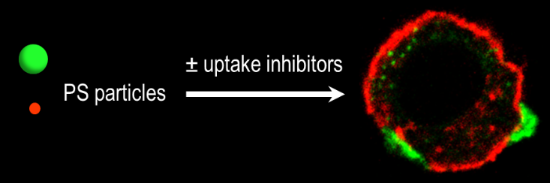
- caveolin-1. A549 cells expressed clathrin heavy chain and caveolin-1, but no flotillin-1 uptake-related proteins. Our data revealed an impeded uptake of 40 nm polystyrene nanoparticles by J774A.1 macrophages when actin polymerization and clathrin-coated pit formation was blocked. From this result, it is
- of clathrin-coated vesicles (preventing clathrin-mediated endocytosis). Our data showed that a combination of several distinguishable endocytotic uptake mechanisms are involved in the uptake of 40 nm polystyrene nanoparticles in both the macrophage and epithelial cell line. Keywords: cell lines
- commonly used drugs to study NP uptake. Cytochalasin D can depolymerize actin filaments [34][35] and can therefore be used to study actin-dependent uptake mechanisms, that is, phagocytosis and macropinocytosis. Larger particles, such as polystyrene particles of 1 µm in diameter, can be used to run the



Hydrophobic interaction governs unspecific adhesion of staphylococci: a single cell force spectroscopy study
Beilstein J. Nanotechnol. 2014, 5, 1501–1512, doi:10.3762/bjnano.5.163
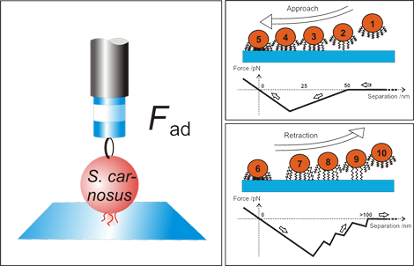
- cantilever thereby is in the horizontal position with the functionalized side facing down. By using the micromanipulator, holder and cantilever were lowered and the cantilever dipped into a droplet of diluted bacterial solution (see above), which was previously placed on a polystyrene petri dish. Under the


Near-field photochemical and radiation-induced chemical fabrication of nanopatterns of a self-assembled silane monolayer
Beilstein J. Nanotechnol. 2014, 5, 1441–1449, doi:10.3762/bjnano.5.156
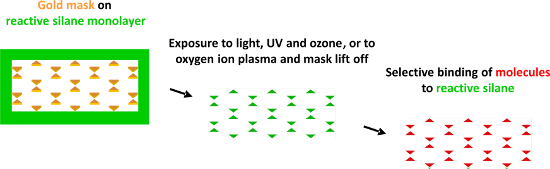
- such masks are outlined in Figure 1. To form mask 1, a thin gold film backed by a thin film of polystyrene is transferred onto a gold projection pattern as obtained by CL. The projection pattern backed by the gold film is then transferred to a water surface. Mask 1 is then ready to be transferred to a
- attachment of molecules at a resolution of 30 nm. Experimental Mask fabrication and mask transfer The fabrication of mask 1 involves the following steps: A gold film is prepared through thermal evaporation of gold onto a cover glass. Then, a thin film of polystyrene is deposited onto the gold film by spin
- coating of a 2% solution of polystyrene (MW 100000) in toluene at 1500 rpm. The sandwich layer of the gold film and the polystyrene film is cut with a diamond marker into squares of about 2–3 mm. By dipping the coated cover glass slowly at an oblique angle into a water trough, the films are separated from



Topology assisted self-organization of colloidal nanoparticles: application to 2D large-scale nanomastering
Beilstein J. Nanotechnol. 2014, 5, 1203–1209, doi:10.3762/bjnano.5.132
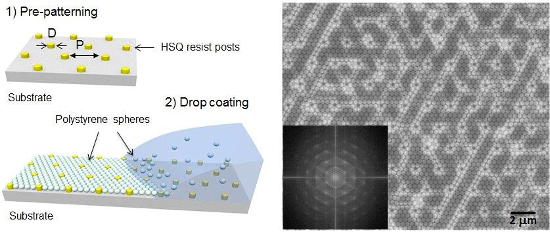
- silsesquioxane (HSQ) posts, on the self-organization of polystyrene beads (PS) dispersed over a large surface. Depending on the post size and spacing, long-range ordering of self-organized polystyrene beads is observed wherein guide posts were used leading to single crystal structure. Topology assisted self
- analysis were used to characterize the morphology of the ordered surfaces. Finally, the production of silicon molds is demonstrated by using the beads as a template for dry etching. Keywords: assisted self-organization; dislocations; patterning; polystyrene beads; single crystal; Introduction The
- other methods (e.g., the auto-organization technique) have been demonstrated for the 2D and 3D auto-organization of micro-particles on solid substrates [4][5][6][7][8][9][10]. The formation of self-assembled monolayers of polystyrene beads on a silicon surface has been achieved by this technique [11][12


Model systems for studying cell adhesion and biomimetic actin networks
Beilstein J. Nanotechnol. 2014, 5, 1193–1202, doi:10.3762/bjnano.5.131
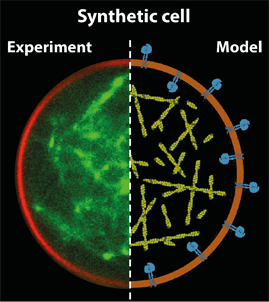
- way of removing Triton X-100 is to use non-polar Bio-Beads, which are macroporous divinylbenzene cross-linked polystyrene beads. Detergents adsorb to these porous beads by hydrophobic bonds and can be removed from the protein solution in this way [37][38]. Müller and co-workers were the first to use


Template-directed synthesis and characterization of microstructured ceramic Ce/ZrO2@SiO2 composite tubes
Beilstein J. Nanotechnol. 2014, 5, 1152–1159, doi:10.3762/bjnano.5.126
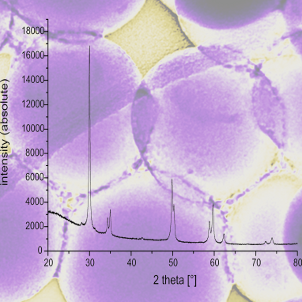
- deposited onto structured one-dimensional objects is presented. In particular, CeO2/ZrO2@SiO2 composite tubes were synthesized in a two-step procedure by using electrospun polystyrene fibers as fiber template. First, a sol–gel approach based on an exo-templating technique was employed to obtain polystyrene
- combination of electrospinning and exotemplating leading to hollow CeO2/ZrO2@SiO2 composite tubes. Firstly, after electrospinning of polystyrene fibers, the fibers were covered by an exotemplating step with a sol solution containing monodisperse silica particles obtained from a Stoeber process. This is
- hollow SiO2 microtubes by exo-templating Tubular structures of ternary oxide CeO2/ZrO2@SiO2 were synthesized by using a multistep synthesis route. In the first step, dense fibrous mats of polystyrene (PS) fibers were obtained by an electrospinning process [15]. An inorganic/polymer composite, PS/silica



Trade-offs in sensitivity and sampling depth in bimodal atomic force microscopy and comparison to the trimodal case
Beilstein J. Nanotechnol. 2014, 5, 1144–1151, doi:10.3762/bjnano.5.125
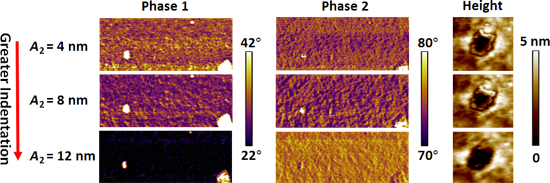
- of tip position and velocity, one of these two effects will dominate. In this particular case, the loss in sensitivity dominates and the phase values increase (see also reference [24] for a similar type of experiment on a polystyrene–polybutadiene diblock copolymer). This result may or may not be


The study of surface wetting, nanobubbles and boundary slip with an applied voltage: A review
Beilstein J. Nanotechnol. 2014, 5, 1042–1065, doi:10.3762/bjnano.5.117
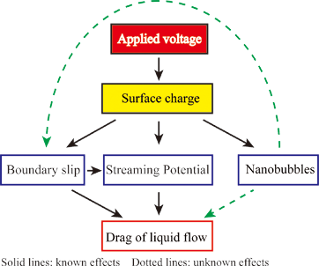
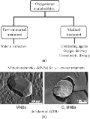
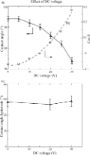
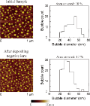
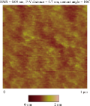
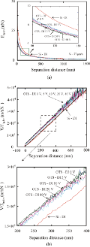
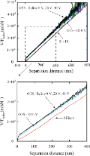
- this review, the influence of an applied voltage on the surface wettability, nanobubbles, surface charge density and slip length are discussed. The contact angle (CA) and contact angle hysteresis (CAH) of a droplet of deionized (DI) water on a hydrophobic polystyrene (PS) surface were measured with
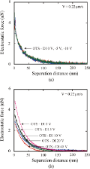
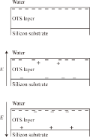
- polystyrene (PS) surface is discussed, followed by the study of the nanobubbles on a PS surface with applied voltage. The influence of applied voltage on the surface charge density and boundary slip on an octadecyltrichlorosilane (OTS) surface is discussed as well. The relationship between nanobubbles at the










Growth and characterization of CNT–TiO2 heterostructures
Beilstein J. Nanotechnol. 2014, 5, 946–955, doi:10.3762/bjnano.5.108
- trimethylaluminium and water ALD half-cycles [29] and tetrakis(ethylmethylamido)hafnium with water [30]. In contrast, thin conformal metal oxide ALD films can be easily obtained on organic polymers like polystyrene. Conformal 20 nm thin ZnO coatings were deposited using diethylzinc half-cycles alternated with water
- on large area polystyrene bead arrays [31]. After removing the polystyrene, a transparent, electrically conductive, hollow sphere array was obtained on top of which an urchin-inspired nanobuilding block design of a solar cell with n-type ZnO nanowires could be realized by using electrochemical


Antimicrobial properties of CuO nanorods and multi-armed nanoparticles against B. anthracis vegetative cells and endospores
Beilstein J. Nanotechnol. 2014, 5, 789–800, doi:10.3762/bjnano.5.91
- [21]. Recently it has been found that conversion of three-dimensional polystyrene nanospheres to a two-dimensional nanodisc shape offers a larger contact surface with cell membranes and generates less impact during their interaction, which leads to a binding that is limited to the cell membrane with


Injection of ligand-free gold and silver nanoparticles into murine embryos does not impact pre-implantation development
Beilstein J. Nanotechnol. 2014, 5, 677–688, doi:10.3762/bjnano.5.80
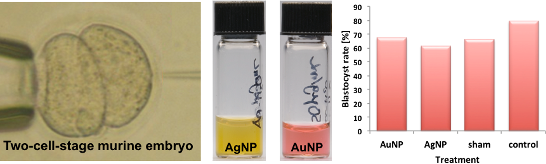
- , nanoparticles were found to be stopped by the placental barrier [4][5][6]. The majority of authors, however, observed placental crossing. This encompasses studies of nanoparticles composed of gold [7][8], titanium dioxide [9][10], CdTe/CdS quantum dots [11], and polystyrene [12]. Thus, transplacental crossing




Hole-mask colloidal nanolithography combined with tilted-angle-rotation evaporation: A versatile method for fabrication of low-cost and large-area complex plasmonic nanostructures and metamaterials
Beilstein J. Nanotechnol. 2014, 5, 577–586, doi:10.3762/bjnano.5.68
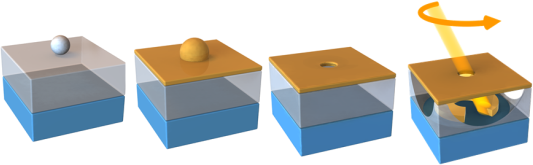
- hydrophobicity of the PMMA layer. Before drop coating of the polystyrene (PS) spheres, which have negative electric surface charges, we should bring at first a net positive charge to the polymer layer for a better adherence and arrangement. Here we use a poly(diallyldimethylammonium chloride) (PDDA) solution
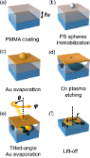
- to manufacture with any other method, in particular at such large areas and low costs. Fabrication scheme. (a) Deposition of sacrificial PMMA layer. (b) Deposition of polystyrene spheres in an arbitrarily distributed arrangement. (c) Evaporation of oxygen plasma resistant Au-mask. (d) Removing
- polystyrene spheres with ultrasonic bath and subsequent isotropic dry etching leads to extended holes in PMMA layer. (e) Evaporation of the structures by tilted angle evaporation (polar rotation angle φ, azimuthal tilt angle θ). (f) Lift-off of the sacrificial PMMA layer. Reproduced with permission from [23


Encapsulation of nanoparticles into single-crystal ZnO nanorods and microrods
Beilstein J. Nanotechnol. 2014, 5, 485–493, doi:10.3762/bjnano.5.56
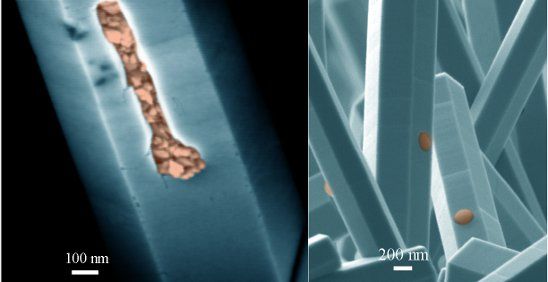
- . Encapsulation of polymer nanobeads We used polystyrene nanobeads (diameter 200 nm) to study the encapsulation of large nanoparticles into ZnO nanorods. After dropping nanobeads aqueous suspension onto ZnO nanorods arrays and blow-drying, nanobeads were found sparsely scattered over the nanorods surfaces as seen
- aqueous suspension of 40 nm diameter NDs (0.1 mg/mL) with NV luminescent centres was purchased from Adamas Nanotech. Polystyrene nanobeads (200 nm size) dispersed in water (0.5 mg/mL) were purchased from Polyscience Inc. Field-emission scanning electron microscopy (FE-SEM, Zeiss Sigma) was employed to


Unlocking higher harmonics in atomic force microscopy with gentle interactions
Beilstein J. Nanotechnol. 2014, 5, 268–277, doi:10.3762/bjnano.5.29
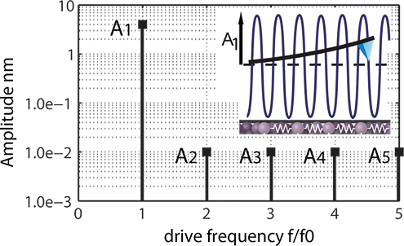
- . The common parameters in this work are k = 2 N/m, Q = 100, ω = 2π·70 kHz and R = 7 nm, i.e., they correspond to commercially available standard probes for AM AFM. Furthermore, in Figure 1, H = 6.2 × 10⁻¹⁹ J, i.e., it is close to that calculated for materials such as polystyrene or fused quartz [40

![[Graphic 7]](/bjnano/content/inline/2190-4286-5-29-i27.png?max-width=637&scale=1.18182) of higher harmonics, including the fundamental shift
of higher harmonics, including the fundamental shift ![[Graphic 8]](/bjnano/content/inline/2190-4286-5-29-i28.png?max-width=637&scale=1.18182) , when N = 10 external harmonic ...
, when N = 10 external harmonic ...


Dye-doped spheres with plasmonic semi-shells: Lasing modes and scattering at realistic gain levels
Beilstein J. Nanotechnol. 2013, 4, 974–987, doi:10.3762/bjnano.4.110
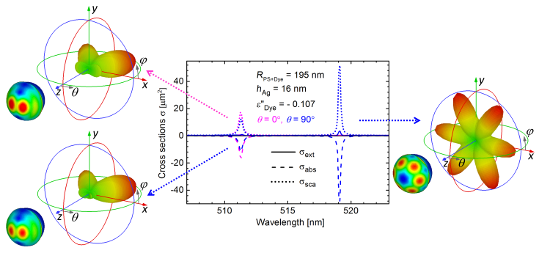
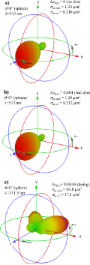
- cross section for dye-doped polystyrene spheres (radius 195 nm), which are half-covered by a silver layer of 10–40 nm thickness. Such silver capped spheres are interesting candidates for nanoplasmonic lasers, so-called spasers. We find that spasing requires gain levels less than 3.7 times higher than
- commercially available polystyrene spheres “Firefli* Fluorescent Green” from Thermo-Scientific, Waltham, MA, USA, which we have used in an experimental study on the spectral and directional Purcell effect [17]. With this self-restriction to the parameters of commercially available dye-doped spheres, we make a
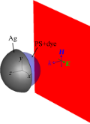
- narrowing of the Mie scattering spectrum and small signal gain could become detectable. Numerical modeling Figure 1 depicts the geometry of the silver capped spheres and the orientation of the incoming electromagnetic wave. A dye-doped polystyrene (PS) sphere of 390 nm diameter is capped with a semi-shell