Search results
Search for "washing" in Full Text gives 274 result(s) in Beilstein Journal of Nanotechnology. Showing first 200.
The longstanding challenge of the nanocrystallization of 1,3,5-trinitroperhydro-1,3,5-triazine (RDX)
Beilstein J. Nanotechnol. 2017, 8, 452–466, doi:10.3762/bjnano.8.49
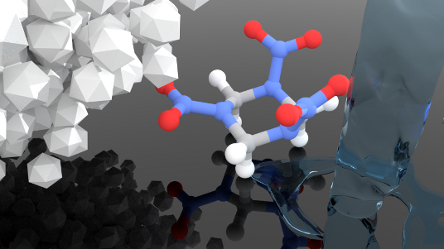
- due to the freeze drying and washing of the microemulsion. Gao et al. [19] recrystallized 1,1-diamino-2,2-dinitroethene (FOX7) in ethyl alcohol down to the sub-micrometer range. SEM pictures show an irregular plate-like morphology and therefore highlight the inconsistency of the unique mean particle


Methods for preparing polymer-decorated single exchange-biased magnetic nanoparticles for application in flexible polymer-based films
Beilstein J. Nanotechnol. 2017, 8, 408–417, doi:10.3762/bjnano.8.43
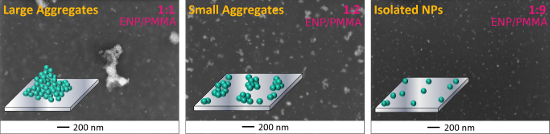
- and PO(OH)2O(CH2)2OCOC(CH3)2Br phases, respectively. The absence of Cu signals in the ENP-PS spectra suggests that all metallic Cu complexes were eliminated during the washing and purification steps. Chemical compositions (provided by XPS data) of as-produced NPs and ENP-PS are listed in Table 1. The
- time was tuned from 1 to 3 h to influence the length of the polymer chains. The reaction was quenched by opening the system and diluting the solution with THF and hexane. Hairy, hybrid ENPs were recovered by centrifugation and washing with THF. They were referred to as ENP-PMMA-h, where h corresponds


Uptake of the proteins HTRA1 and HTRA2 by cells mediated by calcium phosphate nanoparticles
Beilstein J. Nanotechnol. 2017, 8, 381–393, doi:10.3762/bjnano.8.40
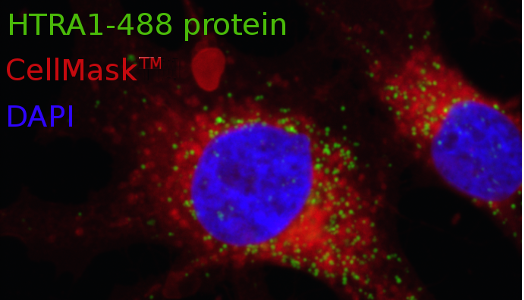
- ) per 1 L of expression culture that had been equilibrated with 40 column volumes of lysis buffer. The columns were then washed as described for the Ni-TED columns. Additionally, a third washing step with 40 column volumes of wash buffer III was included (50 mM NaH2PO4, pH 8.0, 300 mM NaCl, 70 mM
- at room temperature in the dark. Then 0.6 mL of PBS were added to each sample and the cells were again washed three times by centrifugation (1,700g, 5 min, 4 °C) and subsequently redispersed in 3 mL PBS. After the last washing step, each sample was redispersed in 1 mL PBS and stored in the dark at 4


Template-controlled piezoactivity of ZnO thin films grown via a bioinspired approach
Beilstein J. Nanotechnol. 2017, 8, 296–303, doi:10.3762/bjnano.8.32
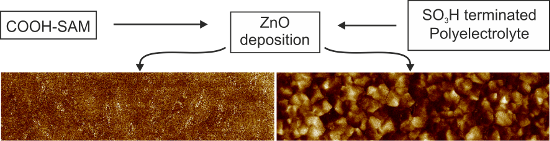
- several washing steps in Milli-Q water. ZnO mineralization For all solutions, methanol (BASF, VLSI selectipur) was used as solvent. Stock solutions with 34.02 mm Zn(CH3COO)2∙2H2O (Sigma-Aldrich, ≥99.0%), 25.71 mm poly(vinylpyrrolidone) (PVP, Sigma-Aldrich, Mw ≈ 10,000 g mol−1, batch BCBJ4889V) and 75 mm


Comparison of four functionalization methods of gold nanoparticles for enhancing the enzyme-linked immunosorbent assay (ELISA)
Beilstein J. Nanotechnol. 2017, 8, 244–253, doi:10.3762/bjnano.8.27
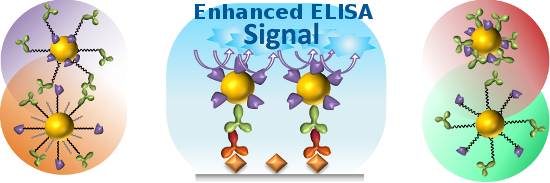
- serum albumin (BSA) were added and shaken for 10 min. Thereafter the sample was centrifuged (7,500g 30 min) to remove unbound protein and AuNPs were re-suspended in 1 mL of 2 mM borate buffer pH 8.7 containing 5% sucrose, 2% glycerol, 0.5% BSA, and 0.01% Tween. The washing step was repeated once and the
- allowed to react for 10 min and purified by centrifugation at 7,500g for 30 min. The AuNP probe was re-suspended in 1 mL of borate buffer pH 8.7 containing 5% sucrose, 2% glycerol, and 0.01% Tween. The washing step was repeated once and the complex was re-suspended in 100 μL of mentioned buffer. The
- H2SO4 4 N and the absorbance was measured at 450 nm in a microplate reader. For each step a volume of 100 µL was used, except for the washing step where 300 µL were used. A curve log(agonist)–response was adjusted to obtained data y = min + (max − min)/(1 + 10log(EC50 − X)). ELISA gliadin probed by goat


Colorimetric gas detection by the varying thickness of a thin film of ultrasmall PTSA-coated TiO2 nanoparticles on a Si substrate
Beilstein J. Nanotechnol. 2017, 8, 229–236, doi:10.3762/bjnano.8.25
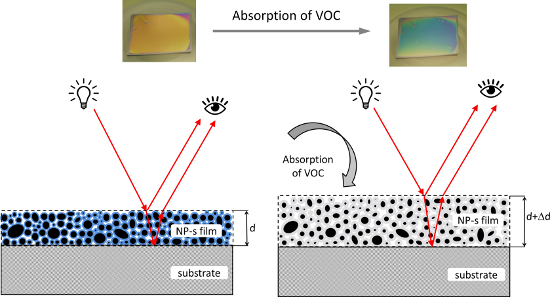
- % after washing. Thin films based on TiO2 nanoparticles were prepared from the NP colloidal solution (5.9% by mass in ethanol) by spin coating on Si(100) substrates in ambient atmosphere. The substrates were cleaned prior to coating with ethanol to remove small dust particles. The rotation frequency


Performance of colloidal CdS sensitized solar cells with ZnO nanorods/nanoparticles
Beilstein J. Nanotechnol. 2017, 8, 210–221, doi:10.3762/bjnano.8.23
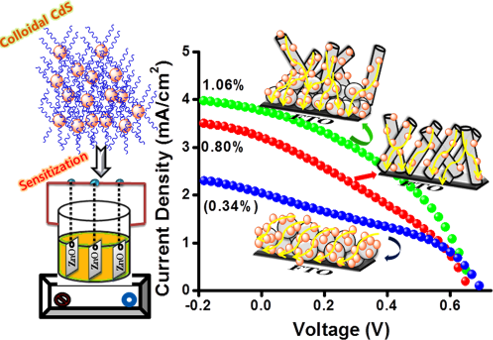
- sonication was continued for 1.5 h. The yellowish-orange precipitate was centrifuged at 10,000 rpm followed by thoroughly washing with ethanol and distilled water. The precipitate was further dried at 70 °C and calcined at 300 °C for 2 h. The resultant yellowish-orange powder was used for further studies


Sensitive detection of hydrocarbon gases using electrochemically Pd-modified ZnO chemiresistors
Beilstein J. Nanotechnol. 2017, 8, 82–90, doi:10.3762/bjnano.8.9
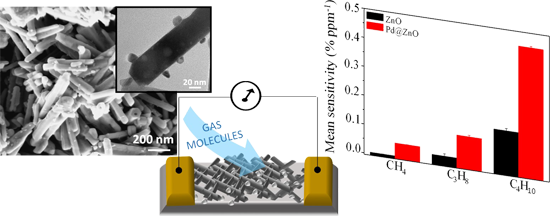
- contrary, high selectivity towards NO2 gas detection was obtained by using pristine ZnO chemiresistors. Experimental Sol–gel synthesis of ZnO ZnO nanostructures were prepared via a sol–gel process following the procedure reported in [45]. The subsequent washing of the obtained gel led to the complete


From iron coordination compounds to metal oxide nanoparticles
Beilstein J. Nanotechnol. 2016, 7, 2074–2087, doi:10.3762/bjnano.7.198
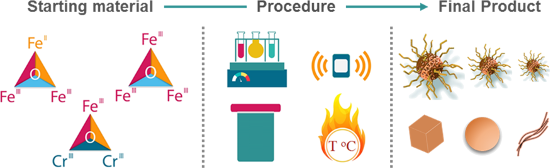
- precipitated with ethanol and were then centrifuged. To remove excess surfactant, the washing procedure with ethanol and centrifugation were repeated three times. Dry thermal decomposition (calcination) (NPC series). Samples NPC1, NPC2 and NPC3 were prepared by heating of FeAc2, FeCrF and FePAZ, respectively


Solvent-mediated conductance increase of dodecanethiol-stabilized gold nanoparticle monolayers
Beilstein J. Nanotechnol. 2016, 7, 2057–2064, doi:10.3762/bjnano.7.196
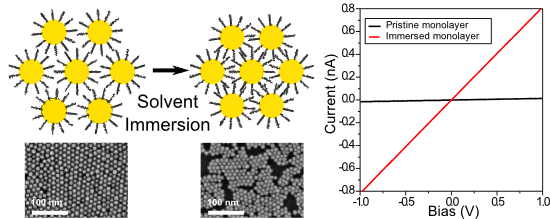
- dispersion. The nanoparticles fully precipitated after 48 h and the supernatant ethanol was removed with a pipette. A subsequent washing step with ethanol was performed to dispose unbound alkanethiols. The precipitated nanoparticles were dispersed in 4 mL of chloroform and sonicated for 10 min [15]. 400 µL



A novel electrochemical nanobiosensor for the ultrasensitive and specific detection of femtomolar-level gastric cancer biomarker miRNA-106a
Beilstein J. Nanotechnol. 2016, 7, 2023–2036, doi:10.3762/bjnano.7.193
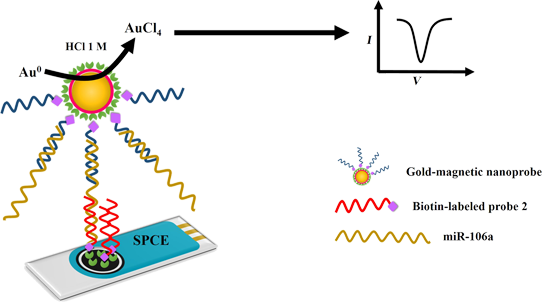
- blocked using BSA (2%, 40 µL) for 15 min. After washing the SPCEs by Tris buffer, the electrodes were subjected to immobilizing P2 on their surfaces. For this purpose, 40 µL of biotin-labeled P2 (0.30 ng/µL) was added to the working space of SPCEs and the electrodes were incubated for 60 min at room


Intercalation and structural aspects of macroRAFT agents into MgAl layered double hydroxides
Beilstein J. Nanotechnol. 2016, 7, 2000–2012, doi:10.3762/bjnano.7.191
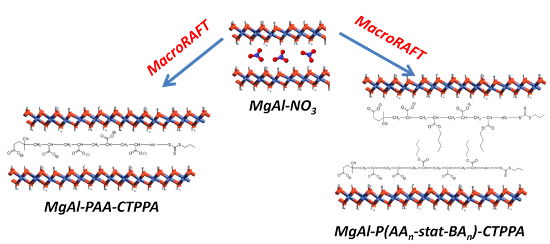
- rpm for 10 min followed by three washing cycles with deionized water and further dried at room temperature. Characterisations. Powder X-ray diffraction patterns were recorded on a X’Pert Pro Philips diffractometer with a diffracted beam graphite monochromator and a Cu Kα radiation source in the 2θ


Zigzag phosphorene nanoribbons: one-dimensional resonant channels in two-dimensional atomic crystals
Beilstein J. Nanotechnol. 2016, 7, 1983–1990, doi:10.3762/bjnano.7.189

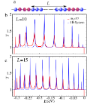
- segmented-edge device, showing how the defects on the edge may actually enrich the scenario instead of solely washing out the announced effects. This provides further evidence that the phenomenon is restricted to the atoms at the very edge. Finally, the conclusion suggest a bridge between the present 1D
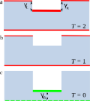
- functions of electrons in the shallow/deep constriction and the wave function of electrons in the upper/lower edge greatly overlap washing out the Coulomb blockade. Tunnelling cannot be sequential and transmission is dominated by eigenstates of the constriction [39]. On the other hand, when the constriction
- experimental efforts, recalling that defects may lead to more complex spectra without washing out the main features. Other resonant tunnelling mechanisms have been observed in phosphorene nanoribbons with vacancies [42], defects [43] and transverse electric fields [44]. It is important to reinforce that these



Role of RGO support and irradiation source on the photocatalytic activity of CdS–ZnO semiconductor nanostructures
Beilstein J. Nanotechnol. 2016, 7, 1684–1697, doi:10.3762/bjnano.7.161
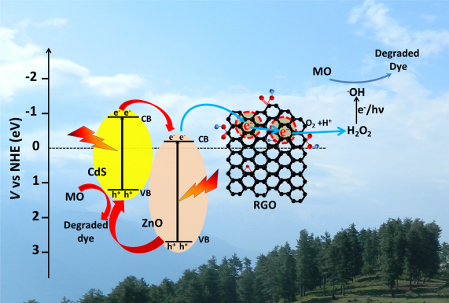
- achieved, the suspension is transferred to teflon-lined stainless steel autoclave and kept at 120 °C for 24 h. The desired product was obtained after washing with water and dried at 60 °C. Based on the molar ratio of the precursors used in the synthesis, the ratio of CdS to ZnO is expected to be 1:1 while




Influence of hydrothermal synthesis parameters on the properties of hydroxyapatite nanoparticles
Beilstein J. Nanotechnol. 2016, 7, 1586–1601, doi:10.3762/bjnano.7.153
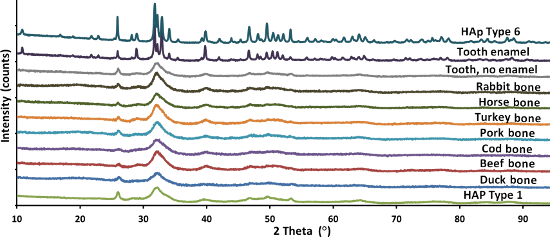
- type of the synthesized powder (Type 2–Type 6) at varied pressures (Table 2). The only by-product of hydroxyapatite synthesis is water, which enables the washing of synthesis products to be skipped. The as-obtained precipitate was dried in a lyophilizing cabinet (Lyovac GT-2, SRK Systemtechnik GmbH


Graphene-enhanced plasmonic nanohole arrays for environmental sensing in aqueous samples
Beilstein J. Nanotechnol. 2016, 7, 1564–1573, doi:10.3762/bjnano.7.150
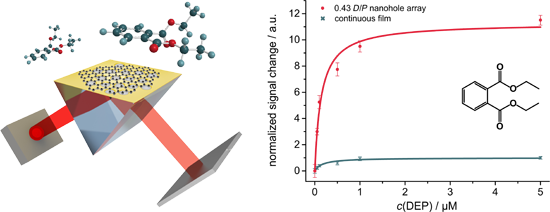
- is demonstrated by the investigation of real water samples. For all real water samples higher signal changes were achieved when the nanohole arrays were functionalized with graphene shown exemplary with water from the river Danube (Figure 7A). By switching back to washing conditions, the original
- signal enhancement. Secondly, when the water samples were spiked with the model analyte DEP, which will bind to graphene via π-stacking, the binding was stable even upon washing with the water sample without spiked DEP (Figure 7B). Extensive washing with double distilled water for several hours is needed
- the sensor surface, a 10 min washing step was performed after each DEP solution analysis. Raman microscopy measurements Raman microscopy measurements (DXR Raman microscope, Thermo Fisher Scientific GmbH, Dreieich, Germany) were performed at 532 nm laser excitation (10 mW) and with a 50 μm slit. The




Development of adsorptive membranes by confinement of activated biochar into electrospun nanofibers
Beilstein J. Nanotechnol. 2016, 7, 1556–1563, doi:10.3762/bjnano.7.149
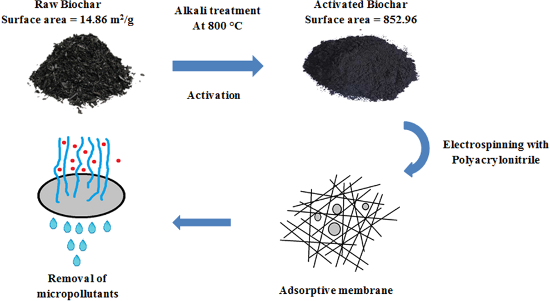
- . Also the entrapment of biochar particles among fibers was perfect since after washing several times with methanol, no leaching was observed visually. The distribution of the fiber diameter was analyzed using Image-J software with Diameter-J module and the average diameters are listed in Table 1
- peaks at 1072 cm−1, 1453 cm−1 and 2940 cm−1 are representative for methylene groups [26][29]. Other researchers reported peaks at around 1700 cm−1 which corresponded to the carbonyl groups of residual DMF solvent [26]. In this study, due to the methanol washing step, no additional peaks were observed




An efficient recyclable magnetic material for the selective removal of organic pollutants
Beilstein J. Nanotechnol. 2016, 7, 1447–1453, doi:10.3762/bjnano.7.136
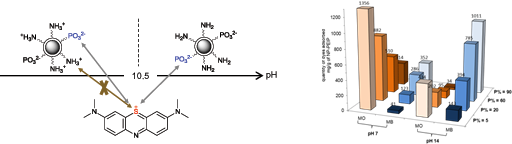
- introduced on the polymer. After recovering the nanoparticles with a magnet, pollutants are quantitatively released by repeated washing with low amounts of pH-adjusted water. The material can be reused many times without noticeable loss of efficiency and is designed to resist high temperatures, oxidation and
- the sample between measurements. Washing step Acidic and basic wash waters were obtained by adjusting distilled water to pH 2 or 14 with diluted nitric acid (1 mol·L−1) and a solution of sodium hydroxide respectively (0.1 mol·L−1). 10 mL of NP-PEIP stock solution were mixed with contaminant solutions
- stirred for 4 h. Then, the particles were collected with a magnet and the absorbance of the supernatant was monitored by spectrophotometry. Four washing steps were carried out between each cycle, and the particles were directly reused in the new dye solution batch. Results and Discussion Magnetic material


Microwave synthesis of high-quality and uniform 4 nm ZnFe2O4 nanocrystals for application in energy storage and nanomagnetics
Beilstein J. Nanotechnol. 2016, 7, 1350–1360, doi:10.3762/bjnano.7.126
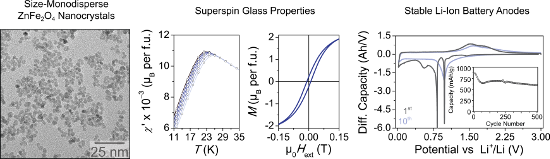
- addition of n-pentane and collected by centrifugation, followed by washing twice with a solution of acetone and ethanol. Finally, the obtained brown powder was allowed to dry at room temperature. Microwave syntheses were performed using both Monowave 300 and Masterwave BTR reactors (f = 2.45 GHz, Anton


High performance Ce-doped ZnO nanorods for sunlight-driven photocatalysis
Beilstein J. Nanotechnol. 2016, 7, 1338–1349, doi:10.3762/bjnano.7.125
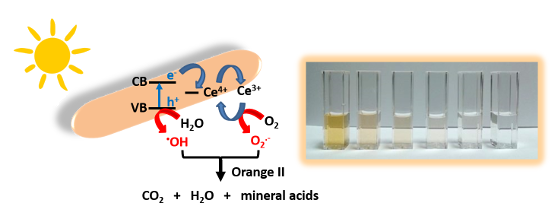
- irradiation, the reaction mixture was centrifuged and the UV–visible absorbance of Orange II at 485 nm measured. The catalyst recovered by centrifugation was reused after a simple washing with water. As can be seen in Figure 13, the photocatalytic activity is retained over 85% of its original value after five







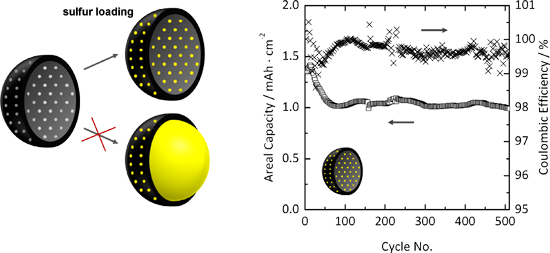
Mesoporous hollow carbon spheres for lithium–sulfur batteries: distribution of sulfur and electrochemical performance
Beilstein J. Nanotechnol. 2016, 7, 1229–1240, doi:10.3762/bjnano.7.114
- with water and dried at 60 °C. Carbonization was carried out in a tubular furnace under argon atmosphere in two steps: The sample was heated to 350 °C for 5 h (heating rate: 1 °C/min) and 900 °C for 2 h (heating rate: 5 °C/min). The silica template was removed by washing with hydrofluoric acid (10


Reasons and remedies for the agglomeration of multilayered graphene and carbon nanotubes in polymers
Beilstein J. Nanotechnol. 2016, 7, 1174–1196, doi:10.3762/bjnano.7.109
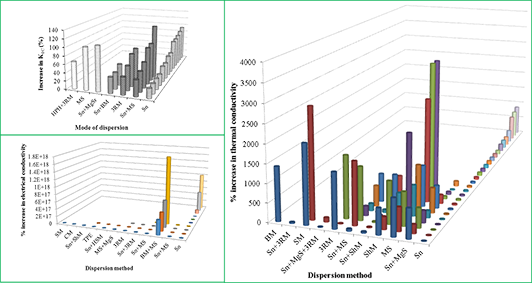
- temperature for about 3 h for moderate oxidation and to maintain a high aspect ratio. After washing with deionized water, HCl is added to produce carboxylic acid groups. Again, the mixture is washed with deionized water, while the pH value is maintained at 5–6. Then the aqueous suspension is centrifuged and


Voltammetric determination of polyphenolic content in pomegranate juice using a poly(gallic acid)/multiwalled carbon nanotube modified electrode
Beilstein J. Nanotechnol. 2016, 7, 1104–1112, doi:10.3762/bjnano.7.103
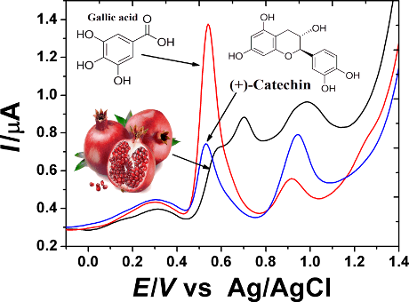
- mixture of sulfuric acid and nitric acid (3:1 vol.) for 6 h to remove impurities, reduce bundle sizes and to generate functional groups on their surface. This was then washed several times with double-distilled water until the washing was neutral and then dried at about 70 °C as described by Abdel-Hamid


Improved biocompatibility and efficient labeling of neural stem cells with poly(L-lysine)-coated maghemite nanoparticles
Beilstein J. Nanotechnol. 2016, 7, 926–936, doi:10.3762/bjnano.7.84
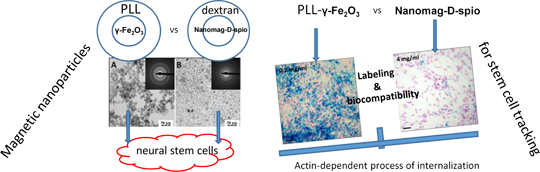
- ), polyclonal chicken anti-MAP2 (1:10000, Abcam), polyclonal chicken anti-GFAP (1:250; Abcam) and monoclonal mouse anti-O4 (1:50; Millipore). After washing three times with PBS, glass slides with NSCs were incubated for 2 h at room temperature with the following secondary antibodies: goat anti-mouse Alexa Flour




Efficient electron-induced removal of oxalate ions and formation of copper nanoparticles from copper(II) oxalate precursor layers
Beilstein J. Nanotechnol. 2016, 7, 852–861, doi:10.3762/bjnano.7.77
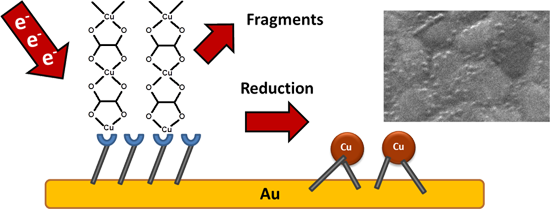
- the layer thickness [15]. Washing and pyrolysis of the molecular residues was then necessary to obtain pure metal NPs, the latter unfortunately inducing post-irradiation particle growth ascribed to Ostwald ripening and therefore deteriorating the monodispersity [15]. As an alternative, a homogeneous
- rather homogeneous distribution of monodisperse NPs has been achieved by electron irradiation and subsequent washing of well-organized silver(I) dodecanethiolate layers [19]. Also, self-assembled layers can be prepared by simple wet-chemical dipping processes [21][22] or high-throughput spray