Search results
Search for "FTIR spectroscopy" in Full Text gives 113 result(s) in Beilstein Journal of Nanotechnology.
Environmental applications of silver nanoparticles: state-of-the-art review and emerging trends
Beilstein J. Nanotechnol. 2026, 17, 697–736, doi:10.3762/bjnano.17.49
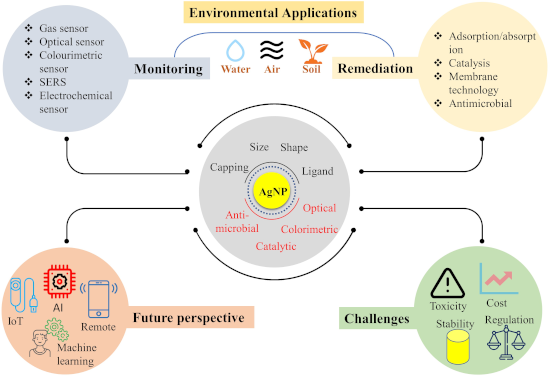
- °, respectively [54]. Using the Scherrer equation, these 2θ values yield the nanoparticle’s crystallite size [54]. Furthermore, Fourier-transform infrared (FTIR) spectroscopy provides evidence of successful surface capping or functionalization of the desired molecules on nanoparticles [49]. Surface-enhanced Raman


Upcycling agroindustrial waste into graphene oxide supports for gold nanoparticles: toward sustainable nanomaterials
Beilstein J. Nanotechnol. 2026, 17, 489–504, doi:10.3762/bjnano.17.32
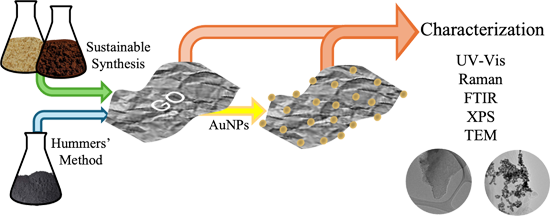
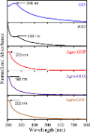
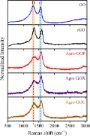
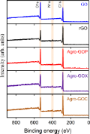
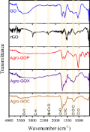
- , with an acquisition time of 30 s and two accumulations, yielding a spectral resolution of 0.8 cm−1 per pixel. Attenuated total reflectance Fourier transform infrared (ATR-FTIR) spectroscopy was performed using a Nicolet Nexus 470 FTIR spectrometer (Nicolet, Madison, WI, USA). Spectra were collected at



Eco-efficient materials for agricultural crops based on a mineral rich in MOR- and HEU-type zeolites
Beilstein J. Nanotechnol. 2026, 17, 381–395, doi:10.3762/bjnano.17.26
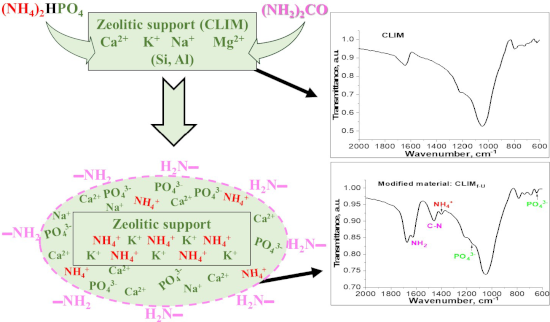
- exchanged in both zeolite phases, and urea arranged as a layer that covers the material and interacts with the zeolitic frameworks were confirmed by using FTIR spectroscopy, XRD, nitrogen adsorption measurements, SEM, STEM and other research methods, as well as culture tests. The complexity of the zeolitic
- studies and FTIR spectroscopy measurements, respectively. Funding This work was partially supported through grants of the Graduate Mobility Program of the Macro-University Network of Latin America and the Caribbean-2017 and ERASMUS+ KA107-2020, as well as by the LUCES laboratory of the Institute of




Development and in vitro evaluation of liposomes and immunoliposomes containing 5-fluorouracil and R-phycoerythrin as a potential phototheranostic system for colorectal cancer
Beilstein J. Nanotechnol. 2026, 17, 97–121, doi:10.3762/bjnano.17.7
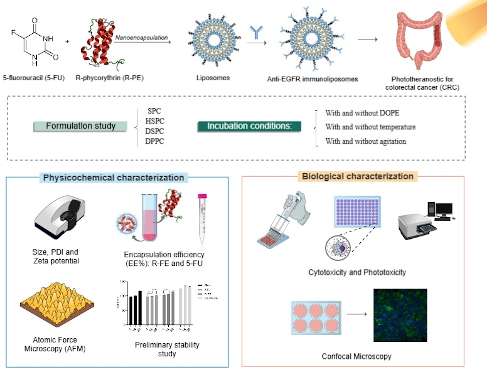
- lyophilized samples to Fourier-transform infrared (FTIR) spectroscopy in an FTIR spectrophotometer (IRTracer-100, Shimazdzu, Japan), with a horizontal attenuated total reflectance accessory. The scan was performed in the range of 500 to 4000 cm−1 [27]. 2.5 Stability study After physicochemical



Reduced graphene oxide paper electrode for lithium-ion cells – towards optimized thermal reduction
Beilstein J. Nanotechnol. 2026, 17, 24–37, doi:10.3762/bjnano.17.3
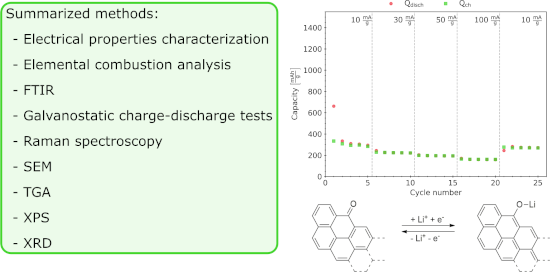
- functionalities within the rGO paper, Fourier-transform infrared (FTIR) spectroscopy was applied in attenuated total reflectance mode. The equipment involved a Perkin Elmer Frontier FTIR spectrometer. The spectra were obtained in the 520–4000 cm−1 wavenumber range with baseline calibration and normalized (0 to



Microplastic pollution in Himalayan lakes: assessment, risks, and sustainable remediation strategies
Beilstein J. Nanotechnol. 2025, 16, 2144–2167, doi:10.3762/bjnano.16.148
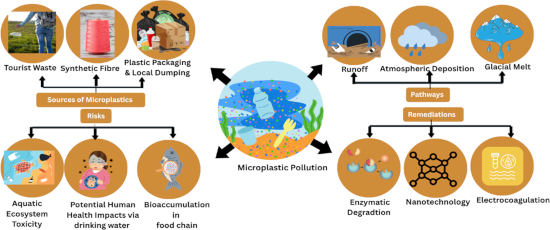
- intervention and possibility of error [39]. Microscopy and spectroscopy tend to be combined to increase reliability. For instance, Raman or FTIR spectroscopy is applied to identify polymers following SEM to examine the shape of particles. This ensures both chemical and physical characteristics are captured [40
- understanding the full contamination profile in remote ecosystems [33]. An overview of MP sampling and analysis methods is given in Figure 3. 4.2 Analytical techniques for microplastic characterization 4.2.1 Spectroscopy. One of the key methods of analyzing MPs is spectroscopy. Fourier-transform infrared (FTIR
- ) spectroscopy is used regularly to identify the chemical structure of MPs [34]. One of the most important developments for nanoplastic detection in complex environmental matrices is micro-FTIR to analyze particles smaller than 10 µm [35]. Raman spectroscopy improves on FTIR by using higher resolution and the


Beyond the shell: exploring polymer–lipid interfaces in core–shell nanofibers to carry hyaluronic acid and β-caryophyllene
Beilstein J. Nanotechnol. 2025, 16, 2015–2033, doi:10.3762/bjnano.16.139
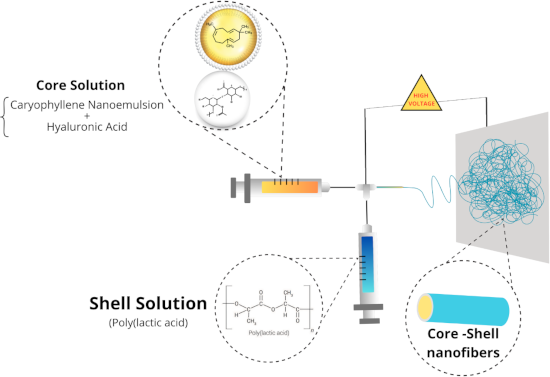
- -sectional imaging, and attenuated total reflectance with Fourier transform infrared (ATR-FTIR) spectroscopy provided compelling evidence for the successful formation of the intended core–shell structure. The resulting nanofibers exhibited surface hydrophobicity, suggesting potential for anti-adhesive
- to increased water ingress through the pores, facilitating access to the core [58]. This possibility is also described by Wang and Xu (2018), who successfully prepared tea polyphenol-loaded porous core–shell fibers by controlling coaxial electrospinning parameters [56]. ATR-FTIR spectroscopy has been
- acid and β-caryophyllene. The application of coaxial electrospinning allowed the formation of well-defined core–shell structures, as confirmed by morphological, spectroscopic, and thermal analyses. Efficient core encapsulation was evidenced by confocal microscopy, FTIR spectroscopy, and selective core




Self-assembly and adhesive properties of Pollicipes pollicipes barnacle cement protein cp19k: influence of pH and ionic strength
Beilstein J. Nanotechnol. 2025, 16, 1863–1872, doi:10.3762/bjnano.16.129
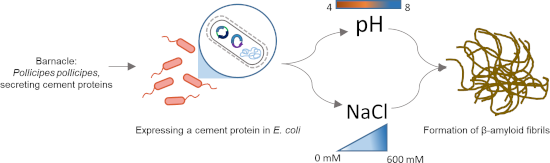
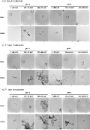
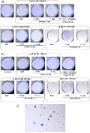
- concentration environment exhibited the highest fluorescence, though more detailed investigation using methods such as attenuated total reflectance-Fourier transform infrared (ATR-FTIR) spectroscopy or circular dichroism (CD) will be necessary to confirm an elevated β-sheet content in these fibrils. A similar


Prospects of nanotechnology and natural products for cancer and immunotherapy
Beilstein J. Nanotechnol. 2025, 16, 1644–1667, doi:10.3762/bjnano.16.116
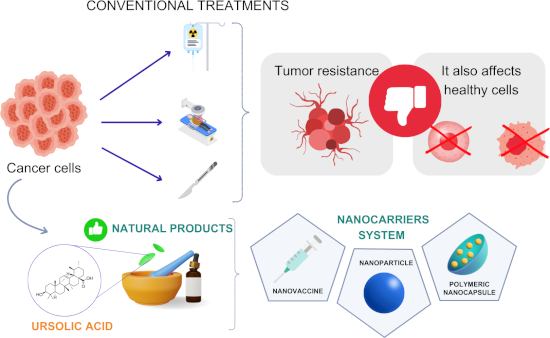
- spectroscopy, TEM, DLS, X-ray diffraction (XRD), and Fourier-transform infrared (FTIR) spectroscopy, revealing a polygonal or oval morphology. To evaluate the antitumor effects, cytotoxicity assays, cellular uptake assays, apoptosis detection, ROS production, qRT-PCR, and Western blotting for gene and protein


Dendrimer-modified carbon nanotubes for the removal and recovery of heavy metal ions from water
Beilstein J. Nanotechnol. 2025, 16, 1522–1532, doi:10.3762/bjnano.16.107

- functionalization process did not alter the intrinsic structure of the materials as the peak profile of all the samples is similar to that of bare CNTs. Moreover, the absence of any extra peaks further confirms that the washing process has effectively removed the residual substrates and DES. FTIR spectroscopy has
- spectrometer with a 532 nm diode laser to detect structural changes and defects in the CNTs after Diels–Alder reaction. FTIR spectroscopy was employed using a Bruker Tensor 27 spectrometer in the 4000–500 cm−1 region, which confirmed the change in functional groups during dendrimer functionalization. XRD


Synthesis and antibacterial properties of nanosilver-modified cellulose triacetate membranes for seawater desalination
Beilstein J. Nanotechnol. 2025, 16, 1380–1391, doi:10.3762/bjnano.16.100
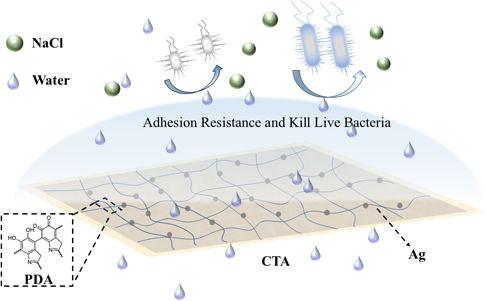
- and Ag) are present in extremely low quantities relative to the CTA matrix. (For specific details on the content of the modifying layers, please refer to Supporting Information File 1.) The sensitivity of FTIR spectroscopy depends on the concentration of the absorbed species and the path length of the


Functional bio-packaging enhanced with nanocellulose from rice straw and cinnamon essential oil Pickering emulsion for fruit preservation
Beilstein J. Nanotechnol. 2025, 16, 1234–1245, doi:10.3762/bjnano.16.91
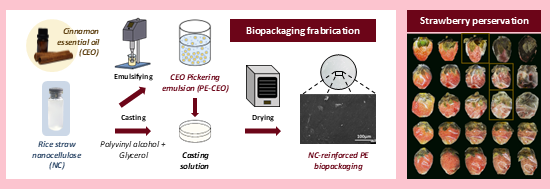
- and enhanced food safety [30]. Results and Discussion Physicochemical properties FTIR spectroscopy (Figure 1a) was used to study the PVA/glycerol biopackaging (BP), NC-reinforced BP (rBP), and PE-CEO-containing rBP (rCBP) composite films. BP exhibited characteristic peaks at 3330 cm−1 (O–H stretching



Chitosan nanocomposite containing rotenoids: an alternative bioinsecticidal approach for the management of Aedes aegypti
Beilstein J. Nanotechnol. 2025, 16, 1197–1208, doi:10.3762/bjnano.16.88
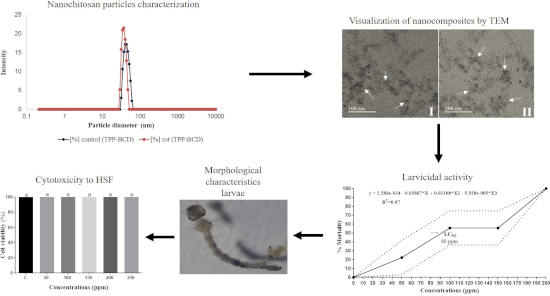
- between the rotenoids and the nanocomposite matrix was obtained through Fourier-transform infrared (FTIR) spectroscopy. Figure 3A shows the FTIR spectra of CS/TPP-β-CD, CS/TPP-β-CD loaded with rotenoids (CS/TPP-β-CD-rot), and pure rotenoids. All three spectra display a broad absorption band in the 3600



Synthesis of a multicomponent cellulose-based adsorbent for tetracycline removal from aquaculture water
Beilstein J. Nanotechnol. 2025, 16, 728–739, doi:10.3762/bjnano.16.56
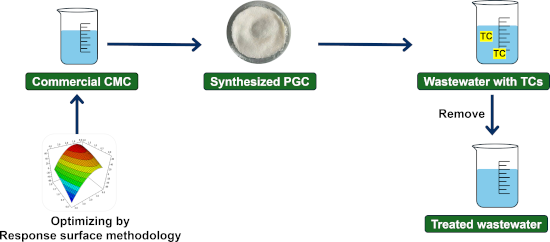
- , ‒C=O, and ‒COOH), which confer a negative charge, enabling electrostatic interactions (Figure 6b). FTIR spectroscopy (Figure 2g) confirms the presence of these oxygen-containing functional groups on PGC, supporting this explanation. Thus, electrostatic attraction between the positively charged TC–N


Aprepitant-loaded solid lipid nanoparticles: a novel approach to enhance oral bioavailability
Beilstein J. Nanotechnol. 2025, 16, 652–663, doi:10.3762/bjnano.16.50
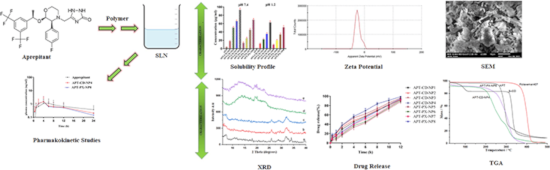
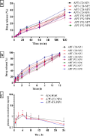
- , and zeta potential measurements. Also Fourier-transform infrared (FTIR) spectroscopy, X-ray diffraction (XRD), solubility, in vitro dissolution, and in vivo and stability studies were carried out. Result and Discussion Physicochemical evaluation The solubility of APT in the SLNs was 24-fold higher
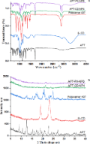
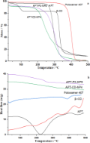
- solvents were stronger and minimized the formation of cracks. However, APT-loaded SLNs formulations in the aqueous phase appeared as nonspherical granules. FTIR studies FTIR spectroscopy was applied to estimate any interaction between APT and β-CD or poloxamer 407 in APT-CD-NP4 and APT-PX-NP8. Figure 4a



Quantification of lead through rod-shaped silver-doped zinc oxide nanoparticles using an electrochemical approach
Beilstein J. Nanotechnol. 2025, 16, 422–434, doi:10.3762/bjnano.16.33
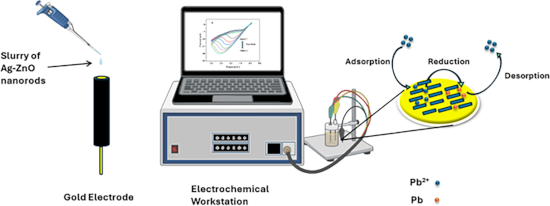
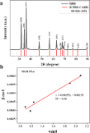
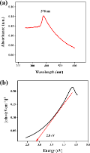
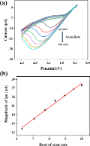
- 90°. The elemental compositions were analyzed using EDS and XPS (Model PHI 5000 Versaprobe III). The chemical states were assessed using FTIR spectroscopy with a Perkin Elmer spectrometer model. The spectrum data was acquired between the frequency range of 450 to 4000 cm−1 (resolution of 0.5 cm−1




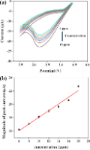

Engineered PEG–PCL nanoparticles enable sensitive and selective detection of sodium dodecyl sulfate: a qualitative and quantitative analysis
Beilstein J. Nanotechnol. 2025, 16, 385–396, doi:10.3762/bjnano.16.29
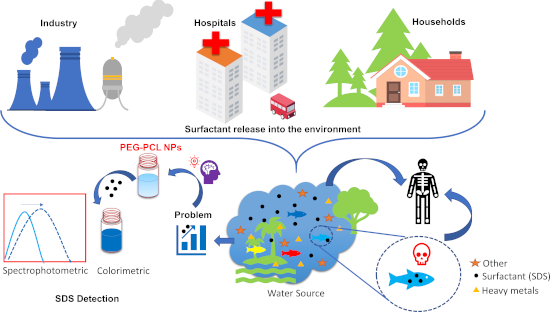
- with passing energy at 80 eV, and the binding energy spectrum was recorded from 0 to 1,400 eV. The functional group interaction of PEG–PCL nanoparticles was assessed using Fourier-transform infrared (FTIR) spectroscopy (Thermo Scientific, Nicolet 6700). An amout of 5 mg of PEG, PCL, and PEG–PCL
- undergoing undesirable chemical changes. The functional group interactions between PEG and PCL to form PEG–PCL nanoparticles were investigated using FTIR spectroscopy (Figure 3). The FTIR spectrum of PEG–PCL nanoparticles reveals several characteristic peaks indicating their chemical structure and successful


Graphene oxide–chloroquine conjugate induces DNA damage in A549 lung cancer cells through autophagy modulation
Beilstein J. Nanotechnol. 2025, 16, 316–332, doi:10.3762/bjnano.16.24
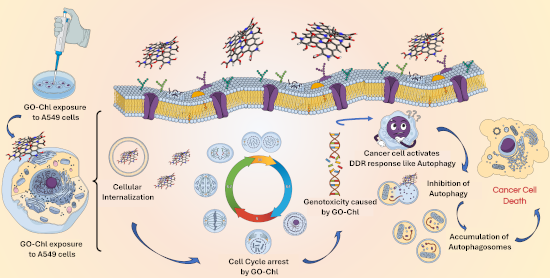
- characteristic band at around 343 nm, in GO–Chl, could be related to the binding of Chl to GO [42]. The functional groups in GO and GO–Chl nanoconjugates were analyzed by FTIR spectroscopy. Supporting Information File 1, Figure S1b shows the FTIR spectrum of GO, Chl, and GO–Chl in the range of 500–3800 cm−1



Fabrication and evaluation of BerNPs regarding the growth and development of Streptococcus mutans
Beilstein J. Nanotechnol. 2025, 16, 308–315, doi:10.3762/bjnano.16.23
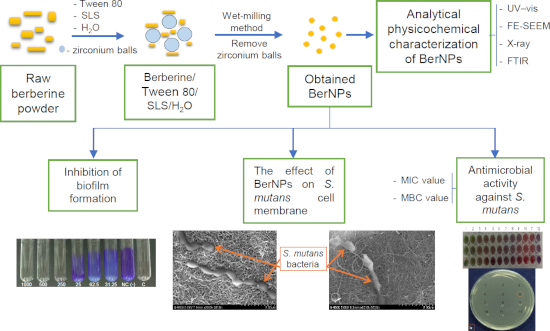
- [24][28], which shows that ball grinding does not alter the crystal structure of berberine. FTIR spectroscopy results show that the characteristic peaks of BerNPs coincide with that of the raw berberine at 1597, 1507, 1363, 1276, 1103, and 1035 cm−1 [24]. These results demonstrate that ball grinding




Characterization of ZnO nanoparticles synthesized using probiotic Lactiplantibacillus plantarum GP258
Beilstein J. Nanotechnol. 2025, 16, 78–89, doi:10.3762/bjnano.16.8
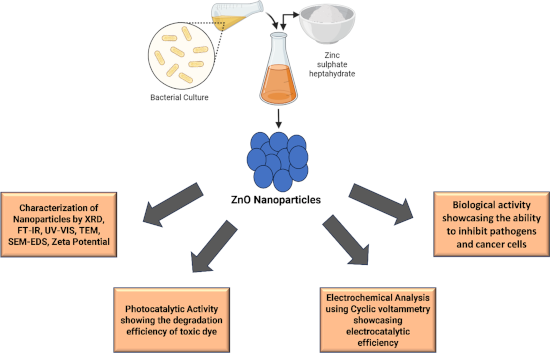
- wurtzite structure. Similarly, in another study, Suba et al. [22] also described the biosynthesis of hexagonal ZnO NPs using Lactiplantibacillus spp. Valuable insights into the synthesis process were obtained through FTIR spectroscopy. The peak at 484 cm−1 confirms the occurrence of Zn–O linkages
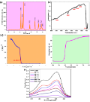
- analysis, (b) Fourier-transform infrared (FTIR) spectroscopy, (c) UV–vis spectroscopy, and (d) photocatalytic efficiency of ZnO NPs. (a, b) Transmission electron microscopy (TEM) micrographs showing the morphology and size of the nanoparticles. (c) Selected area electron diffraction (SAED) pattern of ZnO



Interaction of graphene oxide with tannic acid: computational modeling and toxicity mitigation in C. elegans
Beilstein J. Nanotechnol. 2024, 15, 1297–1311, doi:10.3762/bjnano.15.105
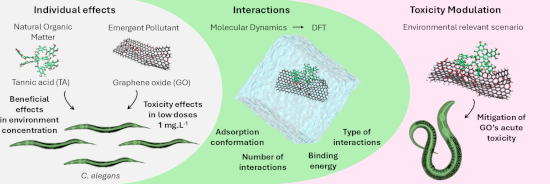
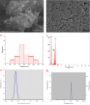
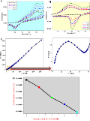
- spectroscopy (XploRA PLUS, Horiba), FTIR spectroscopy (IRSpirit Shimadzu), and XPS (K-Alpha XPS Thermo Fisher Scientific) were used to assess changes in the morphology and surface chemistry of GO while interacting with TA. For AFM analysis, 10 mg·L−1 GO was incubated in EPA medium for 24 h with and without 10


Enhanced catalytic reduction through in situ synthesized gold nanoparticles embedded in glucosamine/alginate nanocomposites
Beilstein J. Nanotechnol. 2024, 15, 1227–1237, doi:10.3762/bjnano.15.99
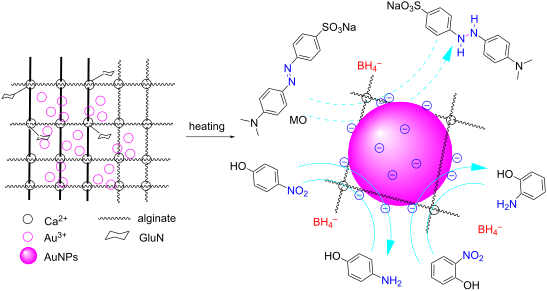
- within the composite. The highly negative zeta potentials of both nanocomposites indicated their high stability in the aqueous solution. The functional groups present in the nanocomposite were identified through FTIR spectroscopy, with the blank nanocomposite serving as a reference for the analysis of

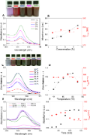


Synthesis, characterization and anticancer effect of doxorubicin-loaded dual stimuli-responsive smart nanopolymers
Beilstein J. Nanotechnol. 2024, 15, 1189–1196, doi:10.3762/bjnano.15.96
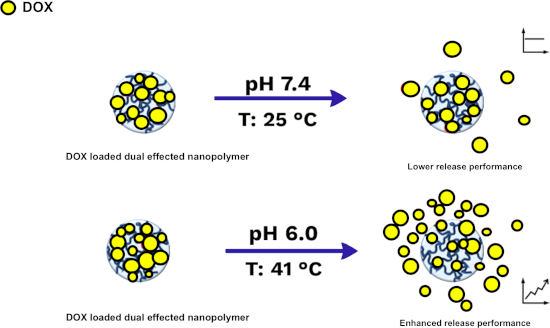
- Centrifugen, USA). The precipitated nanostructures were redispersed in distilled water utilizing a sonicator and dried with a lyophilizer. Then, the nanostructures were stored at 4 °C. Characterization studies Functional group analysis was carried out by Fourier-transform infrared (FTIR) spectroscopy


Direct electron beam writing of silver using a β-diketonate precursor: first insights
Beilstein J. Nanotechnol. 2024, 15, 1117–1124, doi:10.3762/bjnano.15.90

- Raman or FTIR spectroscopy [5][8][37], to study the nature of the desorbed and incorporated molecular fragments ideally during the irradiation process. Up to now, only silver pentafluoropriopionate allowed for three-dimensional growth [30]. However, the use of this compound required relatively high


Facile synthesis of Fe-based metal–organic frameworks from Fe2O3 nanoparticles and their application for CO2/N2 separation
Beilstein J. Nanotechnol. 2024, 15, 897–908, doi:10.3762/bjnano.15.74
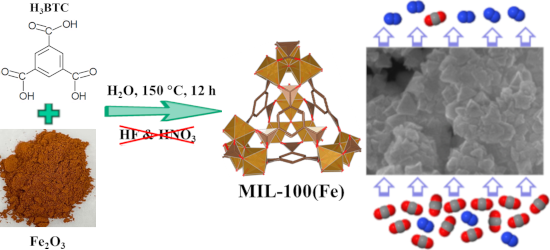
- and yield of the as-prepared MIL-100(Fe) materials, including thermogravimetric analysis (TGA), Fourier-transform infrared (FTIR) spectroscopy, powder X-ray diffraction (PXRD) measurements, determination of textural properties, scanning electron microscopy (SEM), and X-ray photoelectron spectroscopy