Search results
Search for "MTT assay" in Full Text gives 67 result(s) in Beilstein Journal of Nanotechnology.
Polycatecholamine nanocoatings on stainless steel: the effect on attachment of human fibroblasts and platelets
Beilstein J. Nanotechnol. 2026, 17, 365–380, doi:10.3762/bjnano.17.25
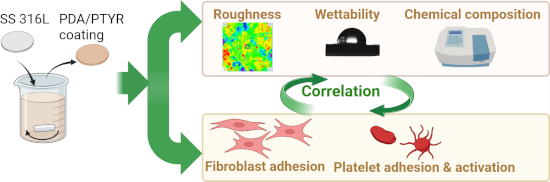
- further evaluate the chemical structure of the coatings, FTIR-ATR spectra were obtained and analyzed. Methodology and results are described in Supporting Information File 1. Coating cytotoxicity towards L929 cells The MTT assay was applied to evaluate the cytotoxicity of obtained coatings. MTT salt is




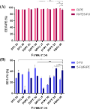
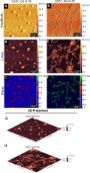
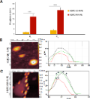
Development and in vitro evaluation of liposomes and immunoliposomes containing 5-fluorouracil and R-phycoerythrin as a potential phototheranostic system for colorectal cancer
Beilstein J. Nanotechnol. 2026, 17, 97–121, doi:10.3762/bjnano.17.7
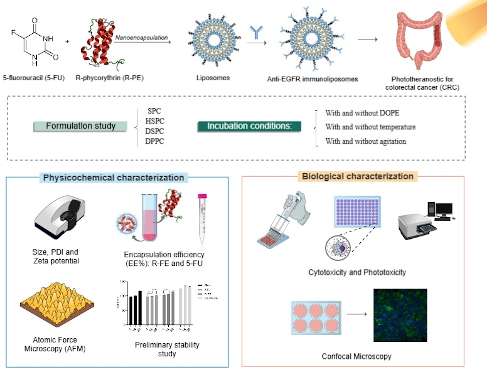
- recommendations. The photocytotoxicity and cytotoxicity were evaluated by 3-[4,5-dimethyl-thiazol-2-yl]-2,5-diphenyltetrazolium bromide (MTT) assay, which assesses cellular metabolic activity by quantifying mitochondrial dehydrogenase activity in viable cells, serving as an indicator of cell viability and



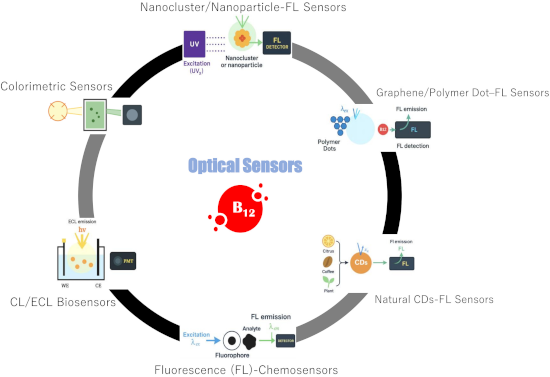
Optical bio/chemical sensors for vitamin B12 analysis in food and pharmaceuticals: state of the art, challenges, and future outlooks
Beilstein J. Nanotechnol. 2025, 16, 2207–2244, doi:10.3762/bjnano.16.153


Quality by design optimization of microemulsions for topical delivery of Passiflora setacea seed oil
Beilstein J. Nanotechnol. 2025, 16, 2116–2131, doi:10.3762/bjnano.16.146
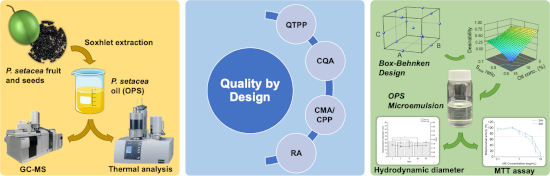
- , thereby improving patient compliance. In vitro cytocompatibility To assess the safety of the ME formulation for potential topical use, a proof-of-concept cytocompatibility evaluation was conducted using the MTT assay, which measures mitochondrial metabolic activity. The assay was performed on two cell
- assessments to include additional cell types, particularly keratinocytes and dermal fibroblasts, which are key players in skin regeneration and re-epithelialization [17]. Although the MTT assay is a widely accepted and convenient method for preliminary cytotoxicity screening, it offers limited insight into
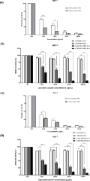
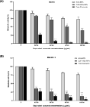
- . Shear stress and viscosity profiles of (A) the base microemulsion, and (B) the gelled microemulsion at 25 and 32.5 °C. Mitochondrial activity of (A) RAW 264.7 murine macrophages and (B) HUVECs after 24 h and 48 h of exposure to different concentrations of the microemulsion, assessed by the MTT assay


Multifunctional anionic nanoemulsion with linseed oil and lecithin: a preliminary approach for dry eye disease
Beilstein J. Nanotechnol. 2025, 16, 1711–1733, doi:10.3762/bjnano.16.120
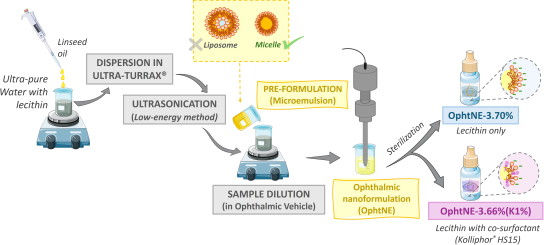
- ], using the MTT assay to assess cell viability based on metabolic activity. L929 fibroblasts were seeded in 96-well plates at 2 × 10⁴ cells per well. After 24 h, the medium was replaced with 100 µL of fresh medium containing sterile ophthalmic nanoformulations, providing final linseed oil concentrations



Prospects of nanotechnology and natural products for cancer and immunotherapy
Beilstein J. Nanotechnol. 2025, 16, 1644–1667, doi:10.3762/bjnano.16.116
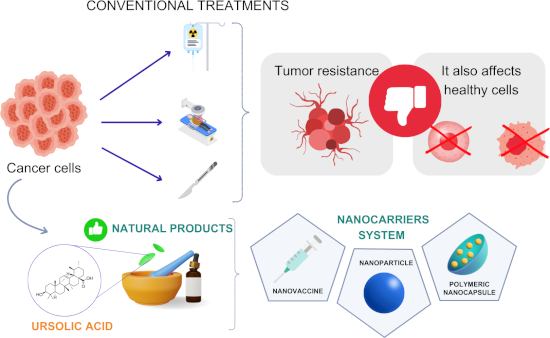
- editing efficiency, MTT assay, and flow cytometry tests were carried out to observe the therapeutic activity of the technology. The results demonstrated that the nanoparticles increased targeting and internalization, had a knockout rate of 80%, and exhibited better inhibition of HepG2 cell proliferation


Hydrogels and nanogels: effectiveness in dermal applications
Beilstein J. Nanotechnol. 2025, 16, 1216–1233, doi:10.3762/bjnano.16.90
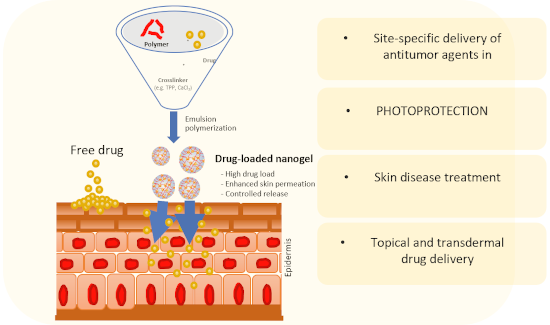
- skin penetration enhancer. The cationic charge of the particles, combined with drug release in a slightly acidic environment, promoted an increase in drug permeation (ex vivo), as well as an augment in capecitabine toxicity against cancer cells in a HaCaT cell line MTT assay. This pH-sensitive behavior


Chitosan nanocomposite containing rotenoids: an alternative bioinsecticidal approach for the management of Aedes aegypti
Beilstein J. Nanotechnol. 2025, 16, 1197–1208, doi:10.3762/bjnano.16.88
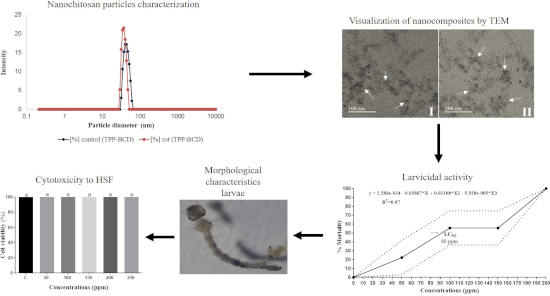
- Probit regression performed in RStudio with the glm() function (binomial family, probit link). The lethal concentrations (LC50 and LC90) were calculated based on the estimated model parameters [40]. Cellular viability assessment by MTT assay The cellular viability of human skin fibroblasts (HSF) exposed
- to rotenoids and to the CS/TPP–β-CD–rot nanocomposite was evaluated using the 3-(4,5-dimethylthiazol-2-yl)-2,5-diphenyltetrazolium bromide (MTT) assay. The cells were cultured in 96-well plates at a density of 3 × 10⁵ cells/mL. After adherence, the cells were treated with either in natura rotenoids
- rotenoids (250 ppm) to HSF cells through the MTT assay (3-(4,5-dimethylthiazol-2-yl)-2,5-diphenyltetrazolium bromide) for 24 hours at 37 °C with 5% CO2. Statistical analysis was calculated according to ANOVA (Tukey's multiple comparison) (P < 0.05). DLS analysis of chitosan nanocomposites. Average particle



Efficiency of single-pulse laser fragmentation of organic nutraceutical dispersions in a circular jet flow-through reactor
Beilstein J. Nanotechnol. 2025, 16, 711–727, doi:10.3762/bjnano.16.55
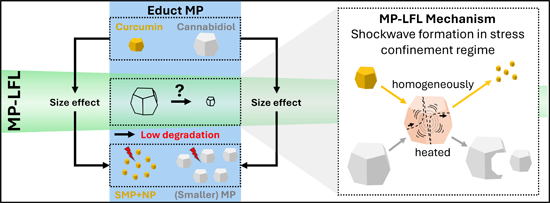
- -irradiated curcumin compared to the unirradiated LP0 control. Non-cytotoxic concentrations for both curcumin samples were determined using the MTT assay first. The cell viability was compromised for the untreated curcumin even at high sample dilution, whereas the laser-fragmented curcumin showed high


Radiosensitizing properties of dual-functionalized carbon nanostructures loaded with temozolomide
Beilstein J. Nanotechnol. 2025, 16, 229–251, doi:10.3762/bjnano.16.18




Characterization of ZnO nanoparticles synthesized using probiotic Lactiplantibacillus plantarum GP258
Beilstein J. Nanotechnol. 2025, 16, 78–89, doi:10.3762/bjnano.16.8
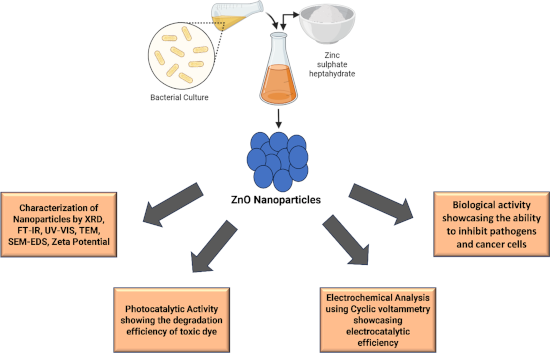
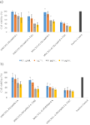
- typhi (3 ± 1 mm). MTT assay revealed the promising antiproliferative potential of ZnO NPs, with an average IC50 value of 98.53 µg/mL. Additionally, the NPs were photocatalytically and electrochemically analyzed, indicating their potential use in cancer research as well as in coating and drug delivery
- zone diameters of 6 ± 1 mm and 3 ± 1 mm, respectively. We summarized all these findings visually in Figure 6a,b. MTT assay The anticancer activity of biosynthesized ZnO NPs was assessed, where upon analysis the IC50 values of biosynthesized ZnO NPs were evaluated over a period of 24 h at varying
- the given bacteria. Regarding antiproliferative effects, our study exhibited an average IC50 value of 98.53 µg/mL against HT-29 cell lines. In contrast, Mohd Yusof et al. [9][23] evaluated cell viability using the MTT assay on Vero cells, revealing viability at concentrations from 100 µg/mL at 24 h



Polymer lipid hybrid nanoparticles for phytochemical delivery: challenges, progress, and future prospects
Beilstein J. Nanotechnol. 2024, 15, 1473–1497, doi:10.3762/bjnano.15.118
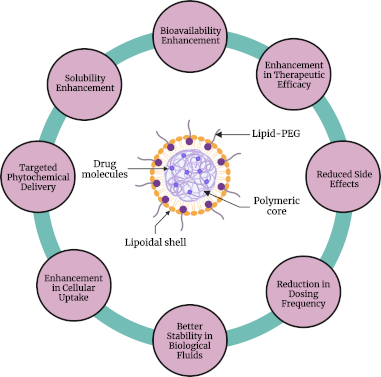
- assay and MTT assay suggested that the CUR-RGD-PLHNPs exhibited significantly higher anticancer therapeutic potential against B16 cells than the free drug. Further, CUR-RGD-PLHNPs showed much higher in vivo antitumor efficacy against B16 tumor-bearing female BALB/c mice on intraperitoneal injection for


Therapeutic effect of F127-folate@PLGA/CHL/IR780 nanoparticles on folate receptor-expressing cancer cells
Beilstein J. Nanotechnol. 2024, 15, 954–964, doi:10.3762/bjnano.15.78
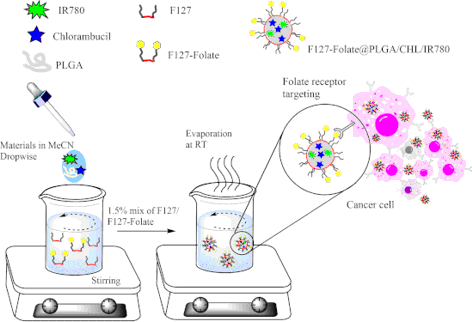
- were significantly different (p < 0.05, t-test). After 168 h (7 days), the CHL content in the nanoparticle was about 3% to 6%. The therapeutic efficacy of F127-folate@PLGA/CHL/IR780 and F127@PLGA/CHL/IR780 was evaluated regarding MCF7 and HepG2 cancer cells by MTT assay. The nanoparticles were

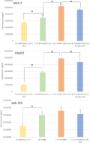


Cholesterol nanoarchaeosomes for alendronate targeted delivery as an anti-endothelial dysfunction agent
Beilstein J. Nanotechnol. 2024, 15, 517–534, doi:10.3762/bjnano.15.46
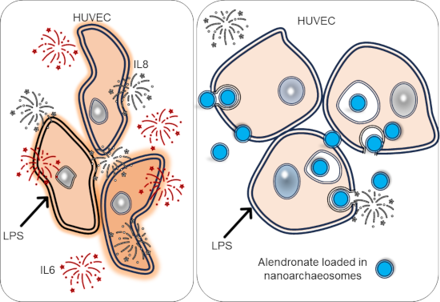
- staining [81]. Cytotoxicity In a manner analogous to [29], the viability of THP-1 macrophages and HUVECs upon 24 h of incubation with free ALN, or void or ALN-loaded nanovesicles was determined by the MTT assay. To that aim, 2 × 10⁴ THP-1 macrophages or 5 × 10³ HUVECs per well were seeded into 96-well
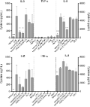
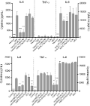
- the medium. The viability of THP-1 monocytes upon 30 and 180 min of co-incubation with void and ALN-loaded nanovesicles and LPS was measured by the MTT assay modified for suspension cell lines [82]. Briefly, 4 × 10⁴ THP-1 cells in 50 μL of RPMI medium were seeded into 96-well plates and grown for 4 h





Nanocarrier systems loaded with IR780, iron oxide nanoparticles and chlorambucil for cancer theragnostics
Beilstein J. Nanotechnol. 2024, 15, 180–189, doi:10.3762/bjnano.15.17
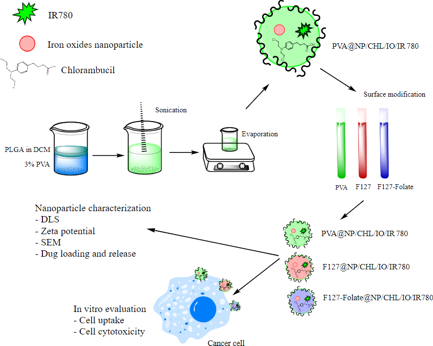
- cells/well one day prior to the tests. Then, the cells were treated with various particle concentrations (0.5 mg/ mL, 1 mg/mL, and 1.5 mg/mL). Cells treated with CHL and untreated cells were used as controls. Cells were incubated with NPs for 48 and 72 h. The cell viability was evaluated by the MTT
- assay, and the absorbance was read at 562 nm (Biotek ELX800, Agilent, USA). Results The morphology, size, and zeta potential of the particles The hydrodynamic size of the three types of NPs (Figure 1A) ranged from 245 ± 11 nm to 246 ± 2 nm with the polydispersity index (PDI) smaller than 0.12, which


Development and characterization of potential larvicidal nanoemulsions against Aedes aegypti
Beilstein J. Nanotechnol. 2024, 15, 104–114, doi:10.3762/bjnano.15.10
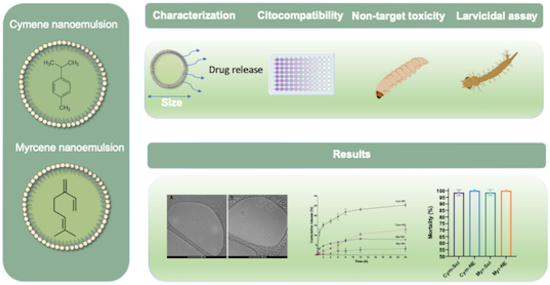
- to 250 mg/mL to the cells for 24 h at 37 °C with 5% CO2. Cell viability was assessed using a colorimetric MTT assay. Cells were exposed to a 10 μL MTT stock solution (5 mg/mL in PBS) and incubated at 37 °C for 2 h. After incubation, the culture medium was replaced with 100 μL of DMSO. The optical


Curcumin-loaded albumin submicron particles with potential as a cancer therapy: an in vitro study
Beilstein J. Nanotechnol. 2023, 14, 1127–1140, doi:10.3762/bjnano.14.93
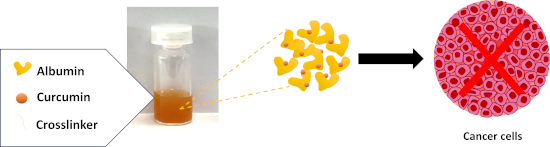
- network, which decreases and prolongs drug release [30]. In vitro interaction of HSA-MPs and CUR-HSA-MPs with cells Cytotoxicity toward tumor cells Cytotoxicity of CUR-HSA-MPs in Huh-7 and MCF-7 cancer cell lines was measured using MTT assay. Notably, HSA-MPs revealed no significant cell death among Huh-7
- hepatocellular carcinoma (Huh-7) and human breast adenocarcinoma (MCF-7) cell lines using the colorimetric MTT assay. Human dermal fibroblasts (HDFB) and human cholangiocyte (MMNK-1) cell lines were evaluated as controls for cytotoxicity. Briefly, the cell lines were cultured in cell culture medium containing
- well plates. Cell cytotoxicity was estimated after 24 and 48 h treatment using the MTT assay. In essence, 10 μL of MTT solution in PBS, pH 7.4 (5 mg/mL), was transferred to each well and incubated for 2 h in a humidified incubator with 5% CO2. Mitochondrial enzymes, namely NADPH oxidoreductases, reduce




Structural, optical, and bioimaging characterization of carbon quantum dots solvothermally synthesized from o-phenylenediamine
Beilstein J. Nanotechnol. 2023, 14, 165–174, doi:10.3762/bjnano.14.17
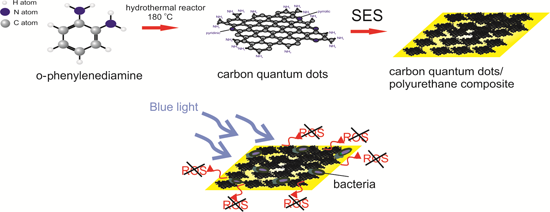
- o-phenylenediamine did not disrupt the cytoplasmic membrane. Cytotoxicity testing Low cytotoxicity is one of the mandatory requirements for biomedical applications. In this paper, we performed cell viability tests by applying the MTT assay toward MRC5 human lung fibroblast cells. Lung fibroblasts
- . After that time bacterial colonies were counted. Cytotoxicity In order to assess the cytotoxicity of CQDs/PU (antiproliferative activity), standard MTT assay and methods suitable for materials testing were used [55][56]. All tests were carried out in triplicate. Human lung fibroblasts (MRC5) cells


In search of cytotoxic selectivity on cancer cells with biogenically synthesized Ag/AgCl nanoparticles
Beilstein J. Nanotechnol. 2022, 13, 1505–1519, doi:10.3762/bjnano.13.124
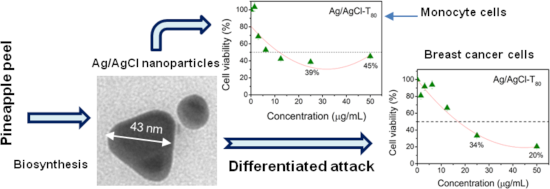
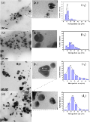
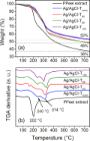
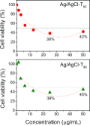
- followed the ethical standards of the institutional and/or national research committee and the 1964 Declaration of Helsinki. According to the Ethics Committee on Human Beings of the Universidad del Papaloapan (signed informed consent was not needed). Cell viability by MTT assay The MTT assay is based on





Hydroxyapatite–bioglass nanocomposites: Structural, mechanical, and biological aspects
Beilstein J. Nanotechnol. 2022, 13, 1490–1504, doi:10.3762/bjnano.13.123
- , voltage (mV), and temperature (°C). The precision of the pH measurement was 10−2. MTT assay The MTT assay was performed on mesenchymal stem cells (MSCs) previously isolated from six-months-old Wistar rat bone marrow, cultured in HiMesoXL™ mesenchymal stem cell expansion medium (HiMedia, India) and stored
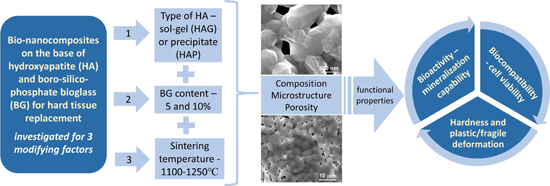
- favorable for bone cell proliferation, although a high pH value may be detrimental to optimal osteoblast metabolism [14]. It was shown, for example, that values of pH 7.0–7.5 were optimal for osteoclast differentiation and proliferation [57]. MTT assay and biocompatibility of composites Figure 9 shows the
- results of a preliminary biological study performed by MTT assay regarding the relative viability of the bone marrow STEM cells exposed to HAP- and HAG-based composites. As a control, HAP and HAG ceramics sintered at 1200 °C without glass addition (labeled as HAP-1200 and HAG-1200, respectively) were
Facile preparation of Au- and BODIPY-grafted lipid nanoparticles for synergized photothermal therapy
Beilstein J. Nanotechnol. 2022, 13, 1432–1444, doi:10.3762/bjnano.13.118
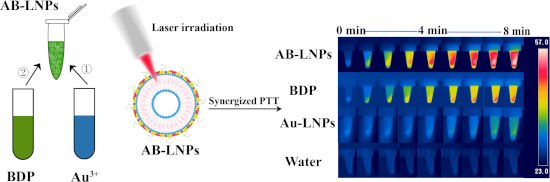
- plates were further incubated at 37 °C for 24 h. The cell viability was then measured by MTT assay according to our previous report [23]. Statistical analysis All data shown in this article are expressed as mean ± SD for at least three separate experiments. Statistical analysis was performed using the
- activity of AB-LNPs. Anti-proliferative activity of AB-LNPs MTT assay was employed to investigate the viability of 4T1 cells treated with BDP, Au-LNPs, and AB-LNPs for 24 h with or without laser irradiation (680 nm, 0.5 W/cm2, 60 s). A laser wavelength of 680 nm was used for PTT in this study. BDP showed




Biomimetic chitosan with biocomposite nanomaterials for bone tissue repair and regeneration
Beilstein J. Nanotechnol. 2022, 13, 1051–1067, doi:10.3762/bjnano.13.92
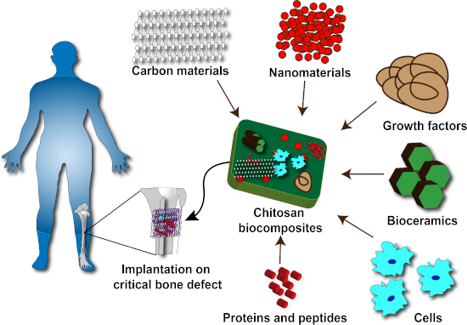
- osteoblasts and inhibition of the development of osteosarcoma cancer cells in the work by Sumathra et al. (2018). The in vitro experiment was carried out by using the osteosarcoma MG-63 cell line. The MTT assay for the composites showed cell expansion and growth. The anticancer activity of cisplatin-loaded
- graphene oxide/hydroxyapatite/chitosan composites was verified by an MTT assay using A549 cells. The results revealed that the cell viability of A549 cells exceeded 23%, showing that the composites slowed osteosarcoma progression [71]. Graphene oxide-modified chitosan/polyvinylpyrrolidone developed
- evaluated by an MTT assay. The results show that chitosan with 2% of graphene oxide has the highest cell viability. The acridine orange–propidium iodide staining was carried out after 24 h of incubation with developed nanofibers: live cells were stained in green and dead cells were stained in red, which
Gelatin nanoparticles with tunable mechanical properties: effect of crosslinking time and loading
Beilstein J. Nanotechnol. 2022, 13, 778–787, doi:10.3762/bjnano.13.68
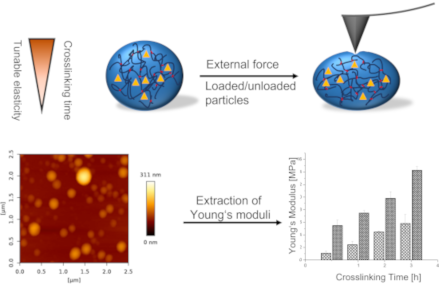
- line A549 and the human primary cell-derived cell line hAELVi. The cell viability was measured after incubation of blank and FITC-loaded particle formulations in concentrations ranging from 0.001 to 1 mg/mL for 4 h or 24 h with a MTT assay. No time or concentration-dependent reduction of the A549 or
- after substance exposure was calculated based on the absorbance measurements obtained from MTT assay by a percentual ratio to the positive control of 1% Triton X-100 (PanReac AppliChem ITW Reagents, Darmstadt, Germany) and the negative control treated with HBSS according to Equation 1. Statistical
- nanoparticles measured by MTT assay. (A) A549 cells incubated with blank GNPs, (B) hAELVi incubated with blank GNPs, (C) A549 cells incubated with FITC-dextran-loaded GNPs, and (D) hAELVi incubated with FITC-dextran-loaded GNPs. No concentration- or time-dependent cell viability reduction below 80% was


Ethosomal (−)-epigallocatechin-3-gallate as a novel approach to enhance antioxidant, anti-collagenase and anti-elastase effects
Beilstein J. Nanotechnol. 2022, 13, 491–502, doi:10.3762/bjnano.13.41
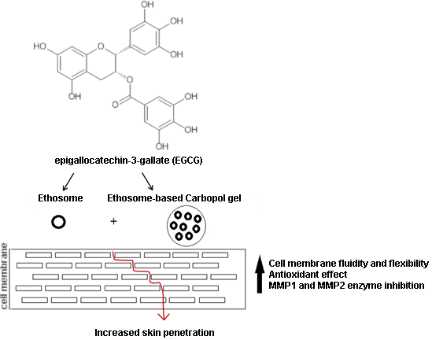
- week) were determined for three months. The 3-(4,5-dimethyldiazol-2-yl)-2,5-diphenyltetrazolium bromide (MTT) assay was used to test the cytotoxicity of the formulations and different EGCG solutions on the L929 cell line. The cell permeation properties and inhibitory effects of ETHs and ETHGs on



Coordination-assembled myricetin nanoarchitectonics for sustainably scavenging free radicals
Beilstein J. Nanotechnol. 2022, 13, 284–291, doi:10.3762/bjnano.13.23
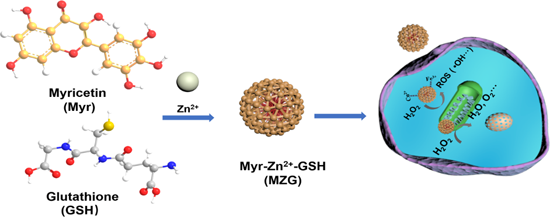
- experiments The cytotoxicity of antioxidants is of importance for biomedical applications. Therefore, the cytotoxicity of MZG nanoparticles was assessed by incubating 3T3 cells and determining the cell viability via MTT assay [40]. 3T3 cells were treated with different concentrations of MZG nanoparticles
- nanoparticles was also examined using 3T3 cells and the MTT assay. H2O2 can produce ROS, and a high level of ROS can cause damage to cellular functions and components [41][42]. To explore the antioxidative effect of MZG nanoparticles the LD50 value of H2O2 against 3T3 cells was measured by the MTT assay. The
- cell viability of 3T3 cells decreased with increasing H2O2 concentration (Figure 4b). The LD50 concentration of H2O2 against 3T3 cells was 100 µΜ. Next, cell recovery due to the antioxidant activity of MZG nanoparticles was demonstrated by the MTT assay. After incubating with different concentrations