Search results
Search for "NMR spectroscopy" in Full Text gives 60 result(s) in Beilstein Journal of Nanotechnology.
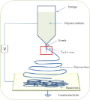
Decontamination from water pollutants and pathogens by electrospun nanofibers doped with heavy-atom-free borafluorene-BODIPY photosensitizers
Beilstein J. Nanotechnol. 2026, 17, 668–682, doi:10.3762/bjnano.17.46
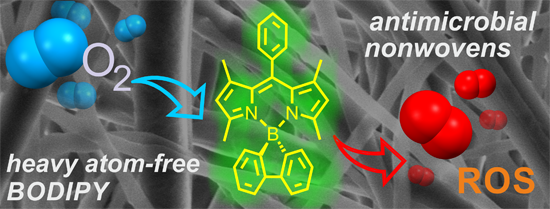
- of 1 photocatalyst per one equivalent of cimetidine. The reaction mixtures were vigorously stirred and irradiated with neutral-white LED light (26 W) at T = 25 °C in a photoreactor (irradiance of 40 mW·cm−2). The progress of the photocatalytic reaction was monitored using 1H NMR spectroscopy. The 1H



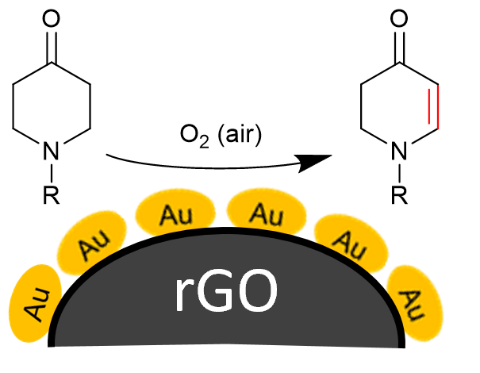
Gold nanoparticle-decorated reduced graphene oxide as a highly effective catalyst for the selective α,β-dehydrogenation of N-alkyl-4-piperidones
Beilstein J. Nanotechnol. 2026, 17, 218–238, doi:10.3762/bjnano.17.15


PEGylated lipids in lipid nanoparticle delivery dynamics and therapeutic innovation
Beilstein J. Nanotechnol. 2025, 16, 1914–1930, doi:10.3762/bjnano.16.133
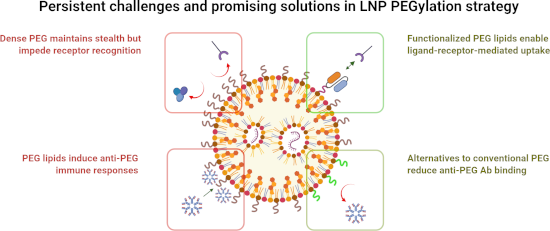
- analyzed by high-field 1H NMR spectroscopy and diffusion-filter techniques. The ALC-0159 PEG lipid consists of a PEG2k chain conjugated to a C14–C14 dialkyl glycerol anchor. The surface PEG chain density was estimated at 27.3 PEG chains per 100 nm2 according to the average LNP diameter of 77 nm; this


Synthesis and antibacterial properties of nanosilver-modified cellulose triacetate membranes for seawater desalination
Beilstein J. Nanotechnol. 2025, 16, 1380–1391, doi:10.3762/bjnano.16.100
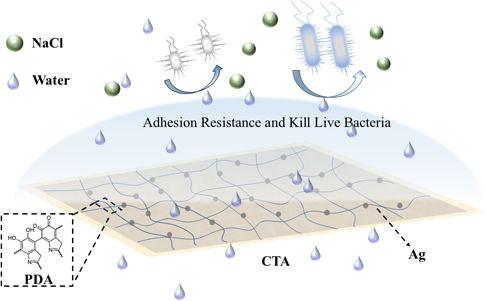
- structures of the three membranes remain unchanged, as confirmed by 13C solid-state NMR spectroscopy (Figure 2a). The chemical shift at 172 ppm is attributed to the sp2-hybridized carbon of the carbonyl group in the acetyl group (–COOCH3), while the chemical shifts at 20.3, 62.9, and 72.4 ppm correspond to


Ferroptosis induction by engineered liposomes for enhanced tumor therapy
Beilstein J. Nanotechnol. 2025, 16, 1325–1349, doi:10.3762/bjnano.16.97
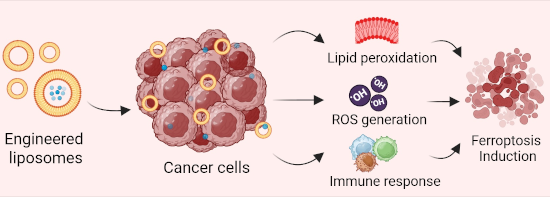
- . Other characterization techniques include nuclear magnetic resonance (NMR) spectroscopy to study membrane fluidity and phase transitions, fluorescence spectroscopy for investigating drug–liposome interactions, and capillary electrophoresis to analyze liposome–drug interactions and drug release [110][121


A review of metal-organic frameworks and polymers in mixed matrix membranes for CO2 capture
Beilstein J. Nanotechnol. 2025, 16, 155–186, doi:10.3762/bjnano.16.14
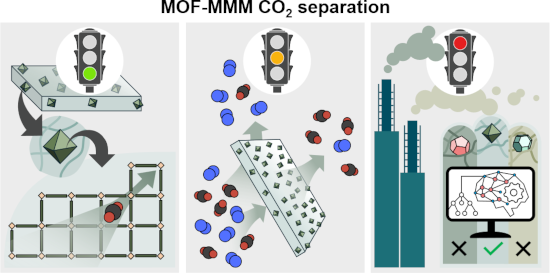
- formed may not fully represent the structure of the fabricated MOF-based MMMs. While electron microscopy offers a highly detailed qualitative analysis of specific regions within the membrane, methods such as Fourier-transform infrared spectroscopy (FTIR), nuclear magnetic resonance (NMR) spectroscopy




A nanocarrier containing carboxylic and histamine groups with dual action: acetylcholine hydrolysis and antidote atropine delivery
Beilstein J. Nanotechnol. 2025, 16, 11–24, doi:10.3762/bjnano.16.2

- . The quantity of unencapsulated Atr was measured by NMR spectroscopy, applying 0.04% DMF in D2O as a reference (Figure 7a). The amount of non-encapsulated Atr was determined by the ratio of the integral of the Atr methyl group signal at 5.05 ppm to the integral of the aldehyde group of DMF at 7.90 ppm
- evaluated using NMR spectroscopy with 0.04% DMF in D2O (Figure 7). The Atr release was 37.5%. In addition to the signals of released Atr, the 1H NMR spectrum includes signals of ACh and its hydrolyzed products, Ch and AcOH. It confirms that ACh indeed undergoes hydrolysis by p(Hist-CA) (Figure 7b). In the
- cell line (Chang liver). The nanocarrier catalyzes the hydrolysis of acetylcholine into choline and acetic acid, which causes the dissociation of boronate bonds and the subsequent destruction of the nanocarrier, which was shown by fluorescence and NMR spectroscopy. Experimental Equipment Transmission


Modification of graphene oxide and its effect on properties of natural rubber/graphene oxide nanocomposites
Beilstein J. Nanotechnol. 2024, 15, 168–179, doi:10.3762/bjnano.15.16
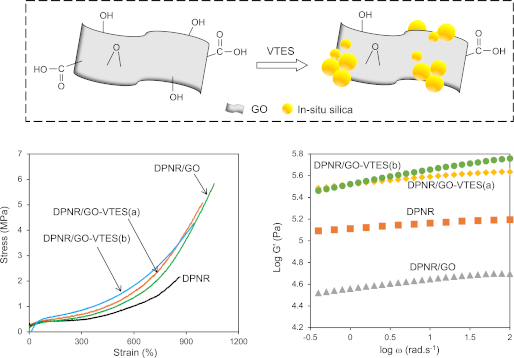
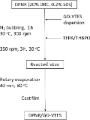
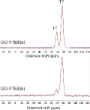
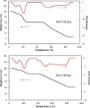
- a clear evidence for the formation of a silica layer on the surface of GO as a result of the reaction between GO and VTES. 29Si NMR spectroscopy To understand the degree of hydrolysis and condensation of VTES to form silica during GO modification, 29Si NMR spectra of GO-VTES(a) and GO-VTES(b) were






Exploring internal structures and properties of terpolymer fibers via real-space characterizations
Beilstein J. Nanotechnol. 2023, 14, 1004–1017, doi:10.3762/bjnano.14.83
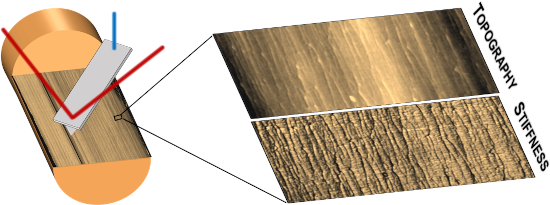
- , this distinction in fundamental chemistry has significant implications for the structures and properties of the resulting fibers. To date, structure–property characterizations of Technora® in the literature have primarily focused on (i) X-ray diffraction (XRD), (ii) nuclear magnetic resonance (NMR
- ) spectroscopy, and (iii) fiber tensile properties. Interestingly, although Technora® is noncrystalline, it can be effectively modeled through XRD as a paracrystalline material such as Kevlar®. Within this framework, the Technora® paracrystalline distortion parameter, a measure of crystalline “sinuosity”, was






Supramolecular assembly of pentamidine and polymeric cyclodextrin bimetallic core–shell nanoarchitectures
Beilstein J. Nanotechnol. 2022, 13, 1361–1369, doi:10.3762/bjnano.13.112
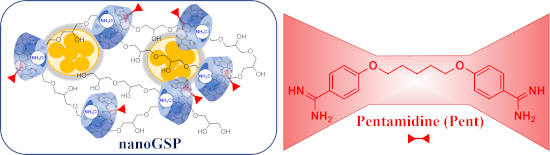
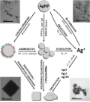
- during the reduction/stabilization of metal NPs was investigated for the first time by NMR spectroscopy. Keywords: antimicrobial agents; bimetallic nanoparticles; gold/silver core–shell; Leishmania; pentamidine; polycyclodextrin; Introduction Noble metal nanoparticles (NPs), in particular those
- antileishmanial drug pentamidine with Au@Ag NPs produced the nanosystem nanoGSP endowed with excellent stability as evidenced by UV–vis, DLS, and ζ-potential analyses. The role of PolyCD in the reduction/stabilization of NPs processes was investigated by NMR spectroscopy. The analyses of DEPT-edited HSQC NMR


Design of surface nanostructures for chirality sensing based on quartz crystal microbalance
Beilstein J. Nanotechnol. 2022, 13, 1201–1219, doi:10.3762/bjnano.13.100
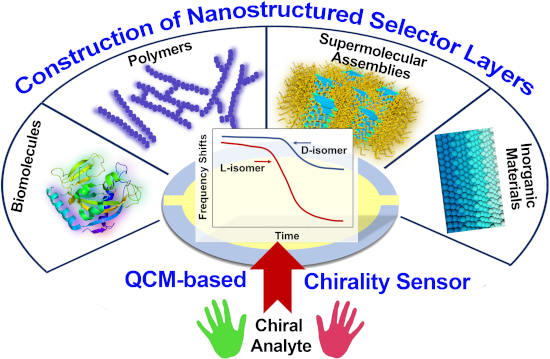
- promoted the combination of S-1-phenethylamine, while the ortho-position may combine with R-1-phenethylamine. The QCM results were consistent with the data from 1H NMR spectroscopy. Moreover, the QCM method may also allow for the detection of weak interactions of amides and esters with amines and a slight


Fate and transformation of silver nanoparticles in different biological conditions
Beilstein J. Nanotechnol. 2021, 12, 665–679, doi:10.3762/bjnano.12.53
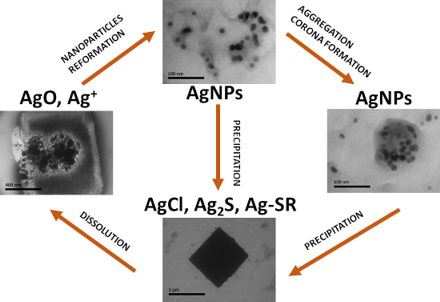
- absorption spectroscopy (GF-AAS), nuclear magnetic resonance (NMR) spectroscopy, and transmission electron microscopy (TEM) experiments. Physicochemical characteristics of freshly prepared AgNPs Freshly prepared AgNPs coated with PVP, sodium bis(2-ethylhexyl)sulfosuccinate (AOT), and poly(ʟ-lysine) (PLL
- , while the Ag signal evidenced that the captured particles were generated from AgNPs by the reductive power of CYS (Figure 7a) or GSH (Figure 7b). Finally, the fate of GSH during the formation of AgNPs was monitored by 1H NMR spectroscopy (Figure 8). The reaction was conducted in 25 mM of PB to maintain
- ) detector and enabled to work in scanning transmission (STEM) mode to perform EDX analysis. NMR experiments As the incubation of ionic Ag in mGSH media showed the appearance of AgNPs (observed both visually and by TEM), the interaction between AgNO3 and GSH was evaluated by NMR spectroscopy. The spectra of




Gold(I) N-heterocyclic carbene precursors for focused electron beam-induced deposition
Beilstein J. Nanotechnol. 2021, 12, 257–269, doi:10.3762/bjnano.12.21
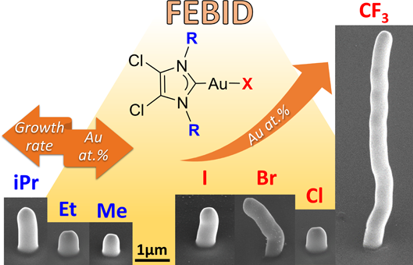
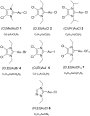
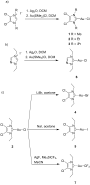
- initially transparent cold finger. The material was left subliming at this temperature in order to accumulate a small quantity of sublimate, sufficient for further analysis. The sublimed material was then collected and analyzed by 1H NMR spectroscopy. The identity of the sublimed material was assessed by





Role of redox-active axial ligands of metal porphyrins adsorbed at solid–liquid interfaces in a liquid-STM setup
Beilstein J. Nanotechnol. 2020, 11, 1264–1271, doi:10.3762/bjnano.11.110
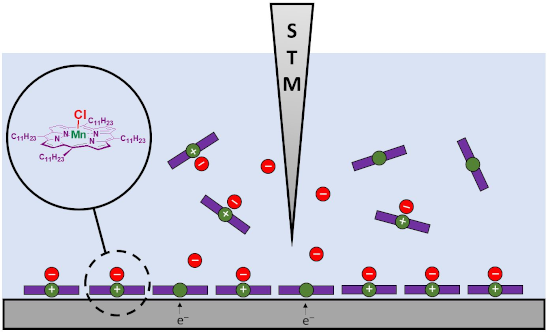
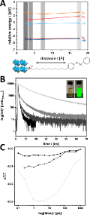
- obtained chemicals were used without further purification unless stated otherwise. The purity of 1-phenyloctane, the solvent in which the additional currents were observed, was confirmed by 1H NMR spectroscopy; moreover, the currents were observed in multiple batches of this solvent, of two different


Interfacial charge transfer processes in 2D and 3D semiconducting hybrid perovskites: azobenzene as photoswitchable ligand
Beilstein J. Nanotechnol. 2020, 11, 466–479, doi:10.3762/bjnano.11.38
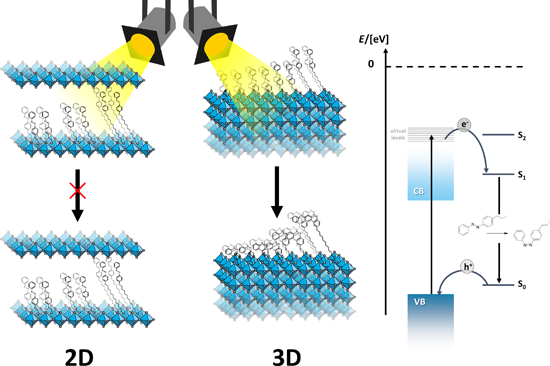
- azobenzene molecules in our materials were determined using a combination of methods. A quantitative assertion can be made using 1H NMR spectroscopy of the dissolved particles, which gives a DOI. The conformational change is accompanied by a reduction of the molecule length, which is why a change in layer
- temperature. The solvent was removed, and the residue was dissolved in ethyl acetate (EA) and methanol (MeOH) (5:1) and filtered over silica gel. The solvent was removed and a yellowish powder was obtained [61]. The product was characterized by using 1H NMR spectroscopy. 1H NMR (400 MHz, DMSO-d6) n = 1: δ
- purification with EA and pentane (PE) (1:2) gave an orange solid. The product was characterized by using 1H NMR spectroscopy. 1H NMR (400 MHz, DMSO-d6) n = 1: δ 7.90–7.84 (m, 6H), 7.71 (d, 2H), 7.60 (d, 2H), 7.42 (t, 4H), 7.34 (m, 3H), 4.39 (d, 2H, CH2, Fmoc), 4.28 (t, 1H, CH, Fmoc), 4.03 (d, 2H, CH2); n = 2




Nanoparticles based on the zwitterionic pillar[5]arene and Ag+: synthesis, self-assembly and cytotoxicity in the human lung cancer cell line A549
Beilstein J. Nanotechnol. 2020, 11, 421–431, doi:10.3762/bjnano.11.33
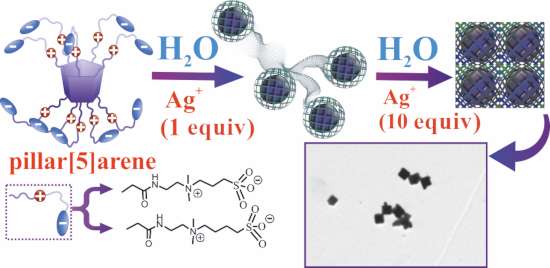
- NMR spectroscopy, two-dimensional 1H,1H-NOESY NMR spectroscopy, IR spectroscopy, MALDI–TOF mass-spectrometry and elemental analysis. Association of decasubstituted pillar[5]arenes with Ag+ In addition, the self-association of the obtained macrocycles 2–4 and their aggregation with AgNO3 in water was
- step was the study of the interaction of pillar[5]arenes 3 and 4 with AgNO3 by DLS, UV–vis and 1H, 13C, 2D NMR spectroscopy. It was shown by UV–vis spectroscopy that addition of an excess of AgNO3 to macrocycles 3 and 4 does not lead to an absorption maximum shift. It is worth noting that, in the case
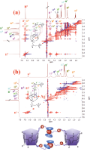
- spectra [10]. Thus, studies of the 3/Ag+ association show the formation of time-stable nanoparticles of macrocycle 3/Ag+ not containing Ag–Ag bonds. To confirm this hypothesis, we studied the interaction of macrocycles 3 and 4 with AgNO3 by 1Н NMR spectroscopy. The analysis of the experimental data




Air oxidation of sulfur mustard gas simulants using a pyrene-based metal–organic framework photocatalyst
Beilstein J. Nanotechnol. 2019, 10, 2422–2427, doi:10.3762/bjnano.10.232
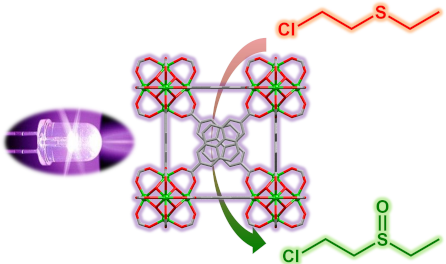
- points, filtered using syringe filters and, after dilution with dichloromethane, analyzed by GC-FID to monitor the reaction kinetics. Oxidation products were analyzed by NMR spectroscopy using deuterated methanol as a solvent. Under these conditions, reaction monitoring revealed that complete and
- overoxidation of CEES to 2-chloroethyl ethyl sulfone (CEESO2) was observed, as demonstrated by 1H NMR spectroscopy (Figure S6, Supporting Information File 1). Conclusion In summary, we demonstrated NU-400, a microporous MOF based on a pyrene-2,7-dicarboxylate linker as a highly effective platform for singlet




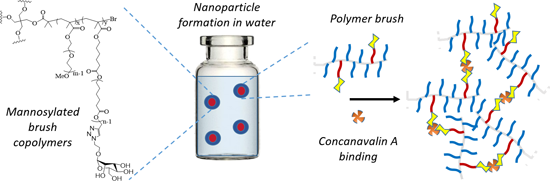
Mannosylated brush copolymers based on poly(ethylene glycol) and poly(ε-caprolactone) as multivalent lectin-binding nanomaterials
Beilstein J. Nanotechnol. 2019, 10, 2192–2206, doi:10.3762/bjnano.10.212
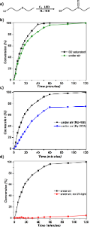
- number of pendant mannose, as well as the self-assembly behavior in water. Remarkably, when the ratios PEG/PCL were 9:1 or 8:2, the polymerizations achieved high conversions (≥87% after 6 h), as calculated from 1H NMR spectroscopy results (see Figure S2, Supporting Information File 1). The



Nitrogen-vacancy centers in diamond for nanoscale magnetic resonance imaging applications
Beilstein J. Nanotechnol. 2019, 10, 2128–2151, doi:10.3762/bjnano.10.207
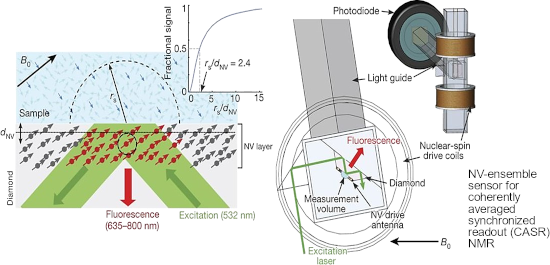
- with high-spectral-resolution NMR spectroscopy is presented in [13]. In terms of future commercial products that permit nano-MRI to be undertaken at hospitals and for medical research, it will inevitably be required that they be produced in a way that secures the best trade-off between cost and


Synthesis of highly active ETS-10-based titanosilicate for heterogeneously catalyzed transesterification of triglycerides
Beilstein J. Nanotechnol. 2019, 10, 2039–2061, doi:10.3762/bjnano.10.200
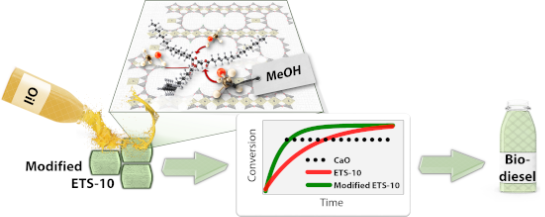
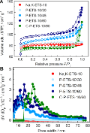
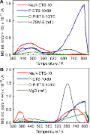
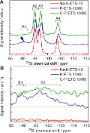
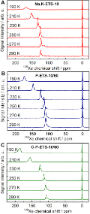
- or CO2-/NH3-TPD do not guarantee that the mesopores will become accessible for these molecules in a reaction. In our recent study [67], we demonstrated the applicability of pulsed-field gradient (PFG) NMR spectroscopy for measuring self-diffusion coefficients of the long-chain hydrocarbons (up to C19








Magnetic properties of biofunctionalized iron oxide nanoparticles as magnetic resonance imaging contrast agents
Beilstein J. Nanotechnol. 2019, 10, 1964–1972, doi:10.3762/bjnano.10.193
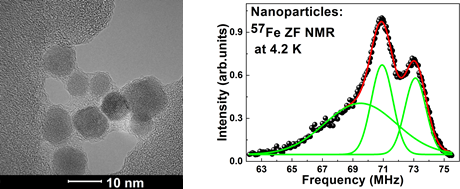
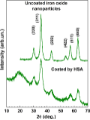
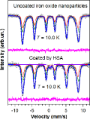
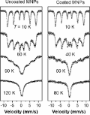
- nanoparticles designed for use as MRI contrast media are precisely examined by a variety of methods: powder X-ray diffraction (XRD), transmission electron microscopy (TEM), Raman spectroscopy, Mössbauer spectroscopy and zero-field nuclear magnetic resonance (ZF-NMR) spectroscopy. TEM and XRD measurements reveal
- a spherical shape of the nanoparticles with an average diameter of 5–8 nm and a cubic spinel-type crystal structure of space group Fd−3m. Raman, Mössbauer and NMR spectroscopy clearly indicate the presence of the maghemite γ-Fe2O3 phase. Moreover, a difference in the magnetic behavior of uncoated
- spectroscopy; MRI contrast agents; nanocrystalline materials; NMR spectroscopy; Raman spectroscopy; Introduction Nowadays, magnetic nanoparticles (MNPs) are widely used in biology and medicine. A large number of studies [1][2][3][4] have shown different prospects of their use for sample preparation, in




Long-term entrapment and temperature-controlled-release of SF6 gas in metal–organic frameworks (MOFs)
Beilstein J. Nanotechnol. 2019, 10, 1851–1859, doi:10.3762/bjnano.10.180
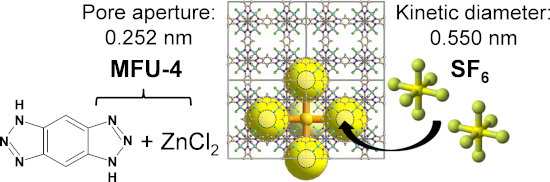
- infrared (FTIR) and 19F nuclear magnetic resonance (NMR) spectroscopy. SF6 is an inert, nonflammable and nontoxic gas, which is known to be an excellent dielectric gas for high-voltage applications [15][16]. At the same time, it is also known as one of the most severe greenhouse gases [17][18]. Therefore


Toxicity and safety study of silver and gold nanoparticles functionalized with cysteine and glutathione
Beilstein J. Nanotechnol. 2019, 10, 1802–1817, doi:10.3762/bjnano.10.175
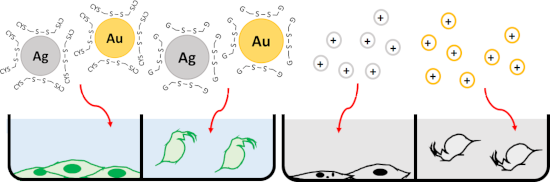
- , the mixture of a metallic salt (HAuCl4 or AgNO3), NaBH4, and CYS (as described above) was stirred under argon in ultrapure water at room temperature for 90 minutes. The progress of the reaction was monitored by 1H NMR spectroscopy. Aliquots were taken from the reaction mixture at selected time points
- as average values of five independent measurements. NMR experiments The progress of the reaction in the mixture of biothiols, metallic salts, and/or NaBH4, was followed by 1H and 13C NMR spectroscopy using a Varian INOVA 400 spectrometer (Varian, Palo Alto, CA, USA) operating at 399.6 and 99.9 MHz


Biocatalytic oligomerization-induced self-assembly of crystalline cellulose oligomers into nanoribbon networks assisted by organic solvents
Beilstein J. Nanotechnol. 2019, 10, 1778–1788, doi:10.3762/bjnano.10.173
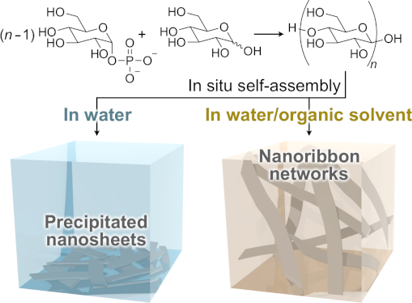
- structure of the products was analyzed by 1H NMR spectroscopy and MALDI–TOF mass spectrometry. The NMR spectra of the representative products showed proton signals for cellulose oligomers (Figure 5). In addition, the mass spectra further revealed the successful synthesis of cellulose oligomers (Figure 6
- dispersions was dried at 105 °C for 24 h, followed by weighing. For 1H NMR spectroscopy, ATR-FTIR absorption spectroscopy, and XRD measurements, as much as possible of the supernatant after the final centrifugation was removed by pipette, followed by adding water to the products. The resultant product aqueous
- dispersions with residual organic solvents were lyophilized and then stored at 4 °C until use. Characterization of the products For NMR spectroscopy, the lyophilized products were dissolved in 4% NaOD/D2O to obtain product solutions (≥2% (w/v)). 1H NMR spectra were recorded on an AVANCE III HD500 spectrometer





Synthesis of nickel/gallium nanoalloys using a dual-source approach in 1-alkyl-3-methylimidazole ionic liquids
Beilstein J. Nanotechnol. 2019, 10, 1754–1767, doi:10.3762/bjnano.10.171
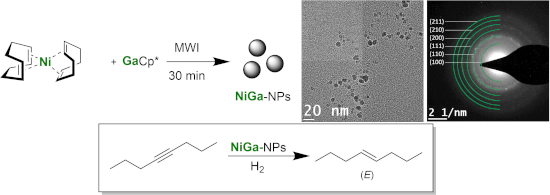
- )3], respectively [76][77]. Propylene carbonate was dried over 4 Å molecular sieves for several days. Characterization was carried out by 1H and 13C NMR spectroscopy. Quantitative anion exchange and IL purity of 99.9% was assessed by ion chromatography (Dionex ICS-1100, with IonPac® AS22, 4 × 250 mm