Search results
Search for "absorbance" in Full Text gives 409 result(s) in Beilstein Journal of Nanotechnology. Showing first 200.
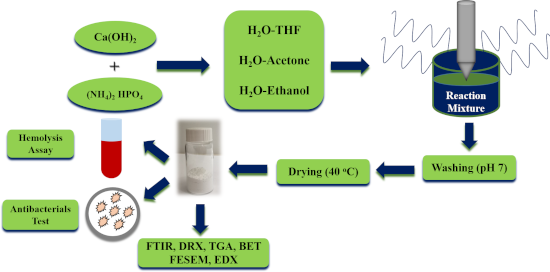
Ultrasonic irradiation in the synthesis of nanohydroxyapatite: a chemically friendly technique for improving hemocompatibility and antibiofilm applications
Beilstein J. Nanotechnol. 2026, 17, 991–1015, doi:10.3762/bjnano.17.68


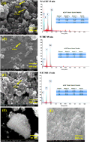


Development of Protium heptaphyllum essential oil-loaded nanocapsules: experimental design and biological activity
Beilstein J. Nanotechnol. 2026, 17, 974–990, doi:10.3762/bjnano.17.67
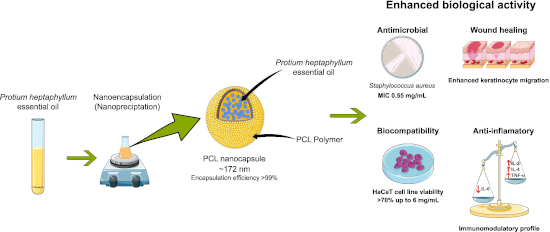
- spectrophotometry (Cary 5000, Agilent, Waterloo, Canada). A calibration curve of the EO was constructed using serial dilutions prepared in acetonitrile within the analytical concentration range. Absorbance values were measured at 259 nm, previously determined as the wavelength of maximum absorption (λmax) following
- absorbance was measured at 490 nm using a microplate reader (Varioskan LUX, Thermo Fisher Scientific, Kitchener, Canada), following the manufacturer’s instructions (Promega). All experiments were conducted in triplicate. Cell viability percentage was calculated according to Equation 2: Minimum inhibitory




Cross-scale design of chemosensor arrays: from molecular self-assembly in water to paper-based devices for metal ion detection
Beilstein J. Nanotechnol. 2026, 17, 828–838, doi:10.3762/bjnano.17.59
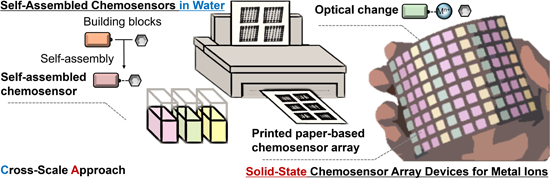
- based on pattern recognition. In pattern recognition-driven chemical sensors, various response patterns including absorbance, fluorescence intensities, and wavelength changes are used as input data for pattern recognition [36]. To perform accurate analysis, appropriate designs of chemosensors are


Restorative potential of laser-synthesized silver nanoparticles with Salvia officinalis for periodontal disease treatment: an in vitro study
Beilstein J. Nanotechnol. 2026, 17, 781–795, doi:10.3762/bjnano.17.55
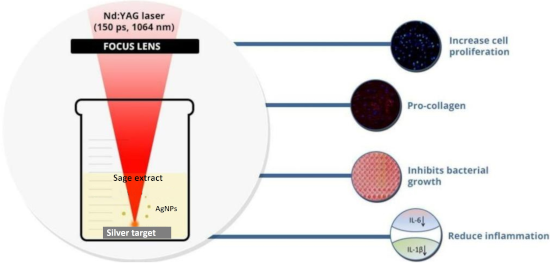
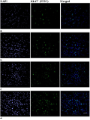
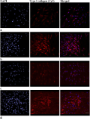
- × MIC for 24 and 48 h. Absorbance was measured at 470 nm on a microplate reader (Sunrise, Tecan Group Ltd., Switzerland). The results are presented as the percentage of viable cells compared to the untreated control (100% of viable cells). Cell proliferation assay Ki-67 immunofluorescent staining was



Environmental applications of silver nanoparticles: state-of-the-art review and emerging trends
Beilstein J. Nanotechnol. 2026, 17, 697–736, doi:10.3762/bjnano.17.49
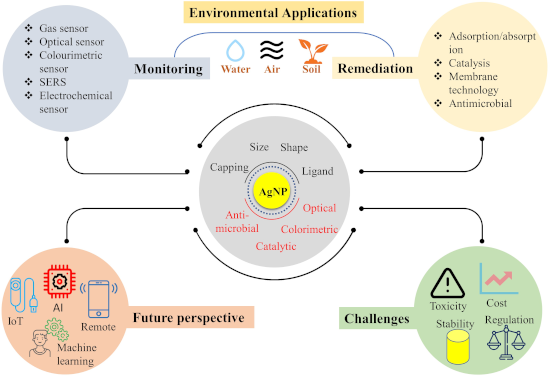
- needed before engineering AgNPs for particular applications. AgNPs are characterised using optical spectroscopy, electron microscopy, X-ray diffraction, and dynamic light scattering (DLS) to measure plasmonic absorbance, size, shape, structure, and stability [49]. Optical spectroscopy is a rapid and


Decontamination from water pollutants and pathogens by electrospun nanofibers doped with heavy-atom-free borafluorene-BODIPY photosensitizers
Beilstein J. Nanotechnol. 2026, 17, 668–682, doi:10.3762/bjnano.17.46
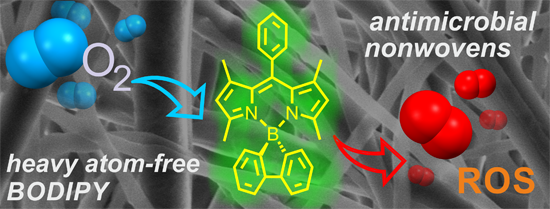
- , respectively. The surface polarity (Xp) was determined using Wu’s method (Equation 5), with γs being the total surface free energy: Optical properties The absorbance of the polymeric nonwovens doped with 1 was measured with an Evolution One Plus UV–vis spectrophotometer (Thermo Fisher Scientific) equipped with
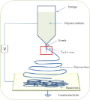
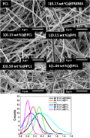
- , the absorbance spectra of all materials are relatively similar and closely align with the absorption maximum observed for the dilute solution in dichloromethane (DCM), but they display the band broadening characteristic of solid-state samples (Figure 4a). The emission spectra of the mats are slightly
- 1 in the mats. The absorbance spectra of the 1(0.15 wt %)@PCL and 1(0.50 wt %)@PCL are generally similar; however, for 1(1.00 wt %)@PCL, the absorption band is significantly broadened, accompanied by a pronounced intensity increase in the right-band shoulder (Figure 4c). This spectral change is also



Two-step laser synthesis of Ag@TiO2 nanomaterials for the photocatalytic degradation of rhodamine B
Beilstein J. Nanotechnol. 2026, 17, 622–634, doi:10.3762/bjnano.17.43
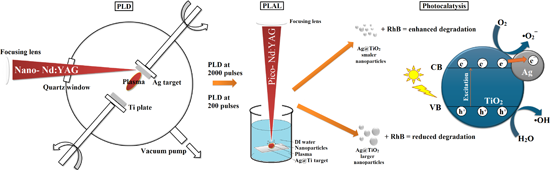
- . The light intensity at the sample surface was measured to be 700 W·m−2. Aliquots were taken every 15 min and analyzed using a UV–vis spectrophotometer (LLG Labware, Detroit, MI, USA) over the wavelength range of 300–700 nm, with absorbance monitored at 550 nm. Photodegradation of rhodamine B with TiO2
- , Detroit, MI, USA) over the wavelength range of 300–700 nm, with absorbance monitored at 550 nm. SEM analysis A field-emission scanning electron microscope (FESEM), Scios 2 DualBeam (Thermo Fisher Scientific, Waltham, MA, USA), was used to determine the morphology and chemical composition, including
- distribution of Ag@TiO2 nanoparticles determined by dynamic light scattering (DLS). (a) Ag@TiO2 200p and (b) Ag@TiO2 2000p NPs. (a) UV–vis absorbance spectra and (b) bandgap energy of TiO2 and Ag@TiO2 NPs samples. Photocatalytic degradation of RhB with (a) Ag@TiO2 200p NPs and (b) Ag@TiO2 2000p NPs, (c


Impacts of annealing on structural and photophysical properties of zinc phthalocyanine adsorbed on graphene
Beilstein J. Nanotechnol. 2026, 17, 576–585, doi:10.3762/bjnano.17.39
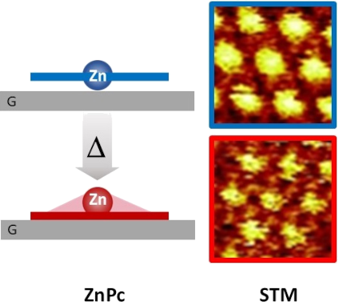
- treatments, as often shown for example with α and β phases of zinc phthalocyanines (ZnPc), with consequences on molecule orientations relative to the substrate and absorbance efficiency [21] or dynamics of charge migration and charge transfer to substrate [22]. Even inside a given phase, minute structural


Synthesis of Cu–Mo/TiO2 and Co–Mo/TiO2 photocatalysts for the efficient degradation of organic pollutants in water
Beilstein J. Nanotechnol. 2026, 17, 559–570, doi:10.3762/bjnano.17.37
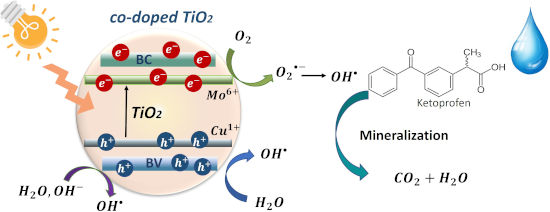
- metal ions with low valence that have shown improvements when used as dopants in photocatalytic processes [17][18][19][20]. Cu2+ introduces shallow trapping sites that prolong charge-carrier lifetime [21]; it also creates defects in the TiO2 lattice, which increase the optical absorbance [22]. Cobalt

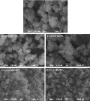
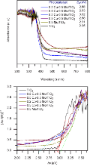
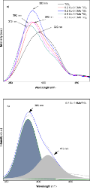


Upcycling agroindustrial waste into graphene oxide supports for gold nanoparticles: toward sustainable nanomaterials
Beilstein J. Nanotechnol. 2026, 17, 489–504, doi:10.3762/bjnano.17.32
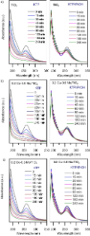
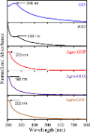
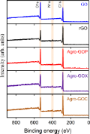
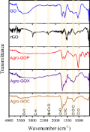
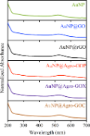
- oxygen functionalities responsible for the n→π* transition typically observed in GO. In contrast, rGO presents a redshifted π→π* band at ~270 nm and markedly reduced absorbance in the 300–350 nm region, reflecting partial restoration of conjugated sp2 domains and the expected depletion of carbonyl groups
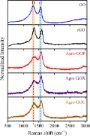
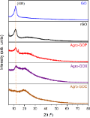
- exhibits the highest ID/IG value (0.91), matching its slightly higher absorbance in the 300–350 nm region observed in its UV–vis spectrum. This suggests that Agro-GOC contains a larger fraction of oxygen groups and slightly larger or more defect-rich sp2 clusters than Agro-GOP and Agro-GOX. Furthermore
- , the combination of a moderate sp2 fraction (42.4%), the highest ID/IG ratio (0.91), and the presence of the C7 component (7.7%), assigned to highly defective carbon such as vacancy-related sites, supports a picture of more defect-rich sp2 clusters, consistent with its enhanced absorbance in the 300



Polycatecholamine nanocoatings on stainless steel: the effect on attachment of human fibroblasts and platelets
Beilstein J. Nanotechnol. 2026, 17, 365–380, doi:10.3762/bjnano.17.25
- 300 µL of 0.1 M K2CO3 (Chempur, Poland) for 10 min, at RT. The absorbance of the resorbed methyl orange solutions was directly proportional to the primary amine group content. Each solution was measured twice at 464 nm. The test was repeated five times. Each material variant was used in triplicate. To
- DMSO. The absorbance of the final purple solutions was read at 570 nm, with reference at 650 nm. As a blank, wells containing L929 cells with added 50 µL of 1 mg/mL MTT and incubated without extracts were used. Each extract was prepared in triplicate and six samples from each extract were measured
- . Results were expressed as mean % of NC absorbance. Human fibroblast adhesion Commercially available normal human dermal fibroblasts (PromoCell, Heidelberg, Germany) were cultured in Dulbecco’s modified Eagle’s medium (DMEM, PromoCell, Heidelberg, Germany) supplemented with 10% (v/v) foetal calf serum (FCS




Multilayered hyperbolic Au/TiO2 nanostructures for enhancing the nonlinear response around the epsilon-near-zero point
Beilstein J. Nanotechnol. 2026, 17, 251–261, doi:10.3762/bjnano.17.17
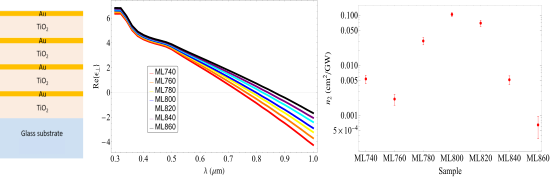
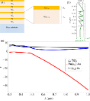
- glass substrate, then a dip in the visible region, and finally an increase towards the IR region. We can observe a relatively high absorbance around 800 nm with transmittances down to 40%, which could lead to losses and undesired thermal effects. The complex permittivity of single layers of the
- material. (a) Transmittance of the stacks with fixed gold layer dm = 10 nm measured using spectrophotometry. We can observe a relatively high absorbance around 800 nm with transmittances down to 40%. (b) Comparison of the measured spectrum against the simulated spectrum for the samples ML740 (purple


Gold nanoparticle-decorated reduced graphene oxide as a highly effective catalyst for the selective α,β-dehydrogenation of N-alkyl-4-piperidones
Beilstein J. Nanotechnol. 2026, 17, 218–238, doi:10.3762/bjnano.17.15
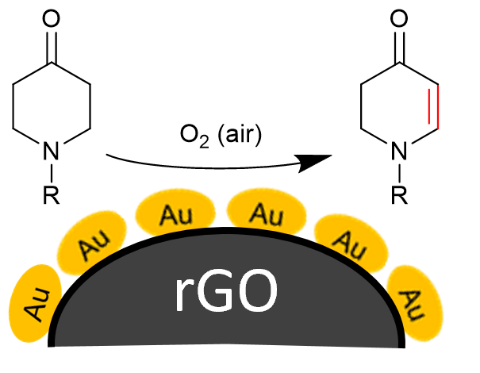
- gold nanoparticle suspension. The presence of AuNPs was confirmed by the appearance of a localized surface plasmon resonance (LSPR) band in the visible wavelength range, with a maximum absorbance at λmax = 519 nm (Figure 4a). The hydrodynamic radius (HD) by number-weighted distribution of dynamic light


Structure-dependent thermochromism of PAZO thin films: theory and experiment
Beilstein J. Nanotechnol. 2026, 17, 186–199, doi:10.3762/bjnano.17.12
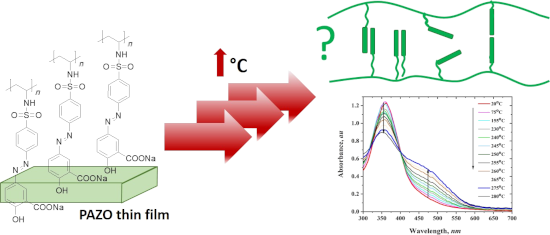
- spectra for PAZO thin films at different temperatures were recorded upon heating as the temperature of the sample heater was gradually increased from room temperature (r.t.) to 300 °C (Figure 2A) at a rate of 5 °C/min and (Figure 2B) at a rate of 1 °C/min. The absorbance in the 450–550 nm region gradually
- spun at 1000 rpm to achieve thin film thicknesses ranging from 200 to 4000 nm. For spectral measurements, quartz substrates were used due to their lack of absorbance in the PAZO absorption region; thin film thickness was about 200 nm. A glass substrate was used for the measurement of birefringence (∆n
- THMS600 (Linkam Scientific). A Dentamatic furnace (model 600) was used to heat the glass-deposited layers for 1 h at 200 °C. To avoid changes in the absorbance over time that influence the measurements, the optical experiments were performed immediately after the samples were cooled down to r.t. after the


Influence of surface characteristics on the in vitro stability and cell uptake of nanoliposomes for brain delivery
Beilstein J. Nanotechnol. 2026, 17, 139–158, doi:10.3762/bjnano.17.9
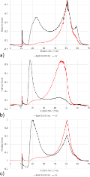
- ]. Figure 1 represents the fractograms obtained from the AF4 analysis of the native formulations. The black line originates from the UV signal (230 nm) and the red line from the light scattering signal at 90°. Both signals were normalized to the highest signal. The UV-absorbance peaks (black signal
- acid residues of the phospholipid molecules which show maximum absorbance at around 230 nm [25]. In Supporting Information File 1, Figure S1, the light scattering signal at 90° and the related geometrical radii are overlaid for native formulations NLb0, NLb1, and NLb2. The formulation NLb1 (red lines




Development and in vitro evaluation of liposomes and immunoliposomes containing 5-fluorouracil and R-phycoerythrin as a potential phototheranostic system for colorectal cancer
Beilstein J. Nanotechnol. 2026, 17, 97–121, doi:10.3762/bjnano.17.7
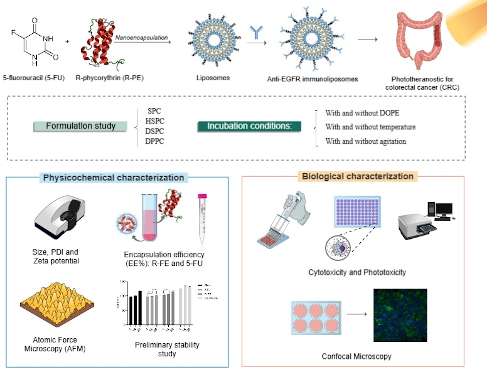
- mg/mL) was added, followed by incubation for 3 h (for a total 72 h of incubation) at 37 °C. After this period, the medium containing MTT was discarded from the wells and DMSO was added to dissolve the formazan crystals. Finally, the colored solution was quantified by measuring the absorbance at 562



Visualizing nanostructures in supramolecular hydrogels: a correlative study using confocal and cryogenic scanning electron microscopy
Beilstein J. Nanotechnol. 2025, 16, 2274–2284, doi:10.3762/bjnano.16.156
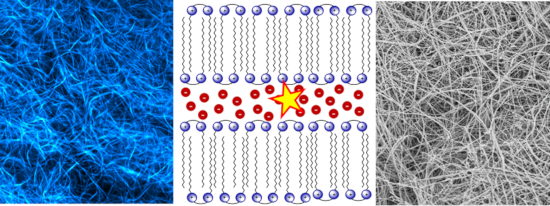
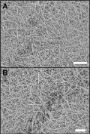
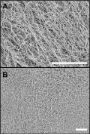
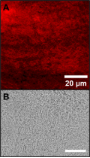
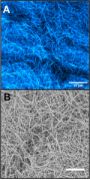
- relatively low absorbance and fluorescence quantum yield of the phthalocyanine dye, necessitating high fluorophore concentrations and mechanical compression for imaging. These constraints led to artefacts and obscured the true morphology of the gel. However, cryo-SEM imaging of ZnPc@Gel revealed well-formed



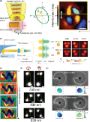
Chiral plasmonic nanostructures fabricated with circularly polarized light
Beilstein J. Nanotechnol. 2025, 16, 2245–2264, doi:10.3762/bjnano.16.154
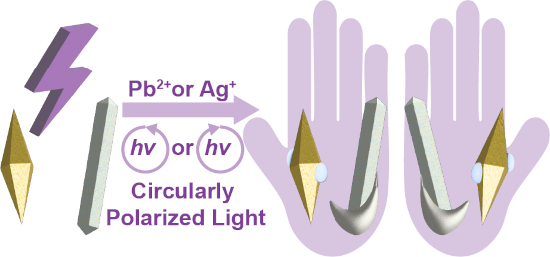
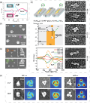
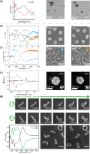
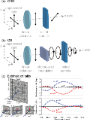
- of LCPL and RCPL as expressed in Equation 4: For a better comparison of different optically active materials, Kuhn’s dissymmetry factor, or g-factor, is often used to normalize CD relative to the material’s total absorbance: For large cPNSs, however, scattering cannot be neglected, and a CD





Optical bio/chemical sensors for vitamin B12 analysis in food and pharmaceuticals: state of the art, challenges, and future outlooks
Beilstein J. Nanotechnol. 2025, 16, 2207–2244, doi:10.3762/bjnano.16.153
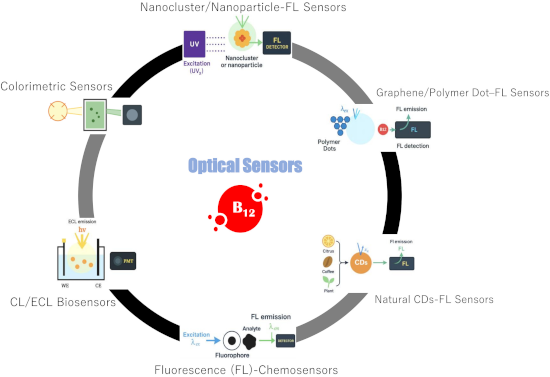
- output, utilizing the optical properties of the signal such as fluorescence, absorbance, refractive index, and Raman scattering for quantification and evaluation. The most prevalent types of optical sensing include colorimetric, plasmonic, fluorescence, and spectrophotometric methods due to their ease of


Quality by design optimization of microemulsions for topical delivery of Passiflora setacea seed oil
Beilstein J. Nanotechnol. 2025, 16, 2116–2131, doi:10.3762/bjnano.16.146
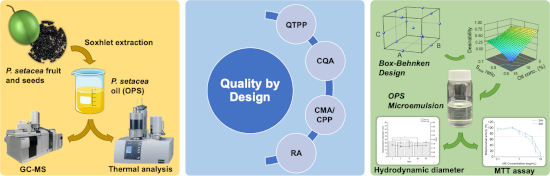
- ). Compatibility was assessed by mitochondrial metabolic activity, based on the conversion of MTT salt into insoluble formazan crystals. After incubation, formazan crystals were solubilized in DMSO, and absorbance was measured at 570 nm with a reference at 630 nm using a microplate reader (EL 800, Bio-TEK


Rapid synthesis of highly monodisperse AgSbS2 nanocrystals: unveiling multifaceted activities in cancer therapy, antibacterial strategies, and antioxidant defense
Beilstein J. Nanotechnol. 2025, 16, 2105–2115, doi:10.3762/bjnano.16.145
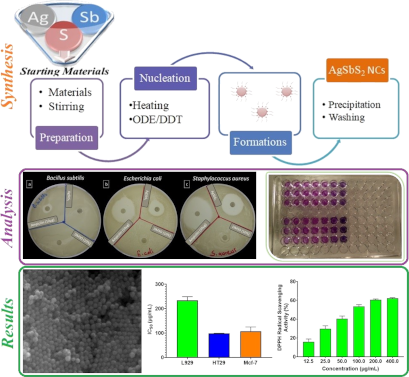
- and incubated at 37 °C for 4 h. Absorbance was measured at 570 and 630 nm wavelengths using a spectrophotometric microplate reader (Multiscan Go, Thermo Fisher Scientific, USA). All data were expressed as a percentage of the control group (untreated cells; Equation 1). IC50 values were determined
- reader configured to a wavelength at 517 nm [28][29][30]. The radical scavenging activity was calculated using Equation 2: In this formula, Abcontrol refers to the absorbance of the DPPH solution, while Absample represents the absorbance of the DPPH solution when combined with the sample. FRAP assay The
- a 1:1:10 (v/v/v) ratio. Methanolic sample solutions (12.5–400 μg/mL) were combined with the reagent (2.3 mL) in a total reaction volume of 3.0 mL and incubated at 37 °C for 30 min in the dark. Absorbance was recorded at 593 nm, with ascorbic acid as the standard and acetate buffer as the blank


PEGylated lipids in lipid nanoparticle delivery dynamics and therapeutic innovation
Beilstein J. Nanotechnol. 2025, 16, 1914–1930, doi:10.3762/bjnano.16.133
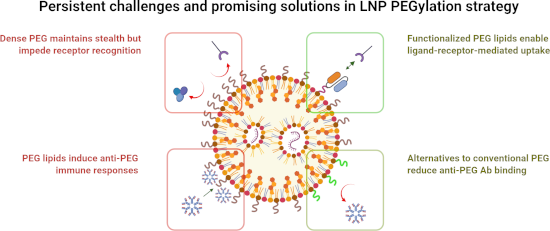
- levels after mRNA-OVA-LNP vaccination. Specifically, the total IgG absorbance increased in anti-PEG antibody positive mice indicated a ≈29% enhancement compared to control mice [64]. This suggests that the induced anti-PEG antibody production may act as adjuvant to boost the humoral immune response
- hydrophobic segment to act as a hydrophilic shield [80]. The rationale was that the highly water-soluble and flexible pSar chains could sterically block antibody access to the PEG domain, thereby reducing immune recognition. ELISA showed that the absorbance signal from anti-PEG IgG dropped from over 1.5 to


Phytol-loaded soybean oil nanoemulsion as a promising alternative against Leishmania amazonensis
Beilstein J. Nanotechnol. 2025, 16, 1826–1836, doi:10.3762/bjnano.16.126

- . After this time, the MTT solution was removed, and 100 μL of ethanol was added to each well. The plates were protected from light and agitated for 20 min. The absorbance was measured at 570 nm using an ELISA microplate reader (Biotek® Epoch), and the obtained values were applied following Equation 1
- . Cells grown under the same conditions and that did not receive treatment with the systems were used as negative control. where Abssample is the absorbance of cells treated with the sample and Abscontrol is the absorbance of untreated control cells. The statistical analysis performed in the in vitro
- exposure at 26 °C, the parasite viability was determined by the resazurin reduction assay. For that, 20 µL of 3 mM resazurin solution (Sigma-Aldrich, Brazil) was added to each well and plates were incubated for 24 h. The absorbance was read at 570 and 600 nm (Epoch, BioTek). The results of antiparasitic


Electrical, photocatalytic, and sensory properties of graphene oxide and polyimide implanted with low- and medium-energy silver ions
Beilstein J. Nanotechnol. 2025, 16, 1794–1811, doi:10.3762/bjnano.16.123
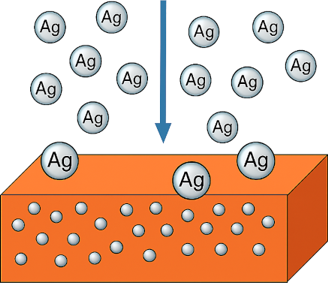
- -order kinetic equation: where C represents the final concentration at time t, C0 is the initial concentration of rhodamine B, and k is the apparent rate constant of degradation [11]. The relation ln(A/A0) was used to represent the degradation rate kinetics, where A is the measured optical absorbance


Multifunctional anionic nanoemulsion with linseed oil and lecithin: a preliminary approach for dry eye disease
Beilstein J. Nanotechnol. 2025, 16, 1711–1733, doi:10.3762/bjnano.16.120
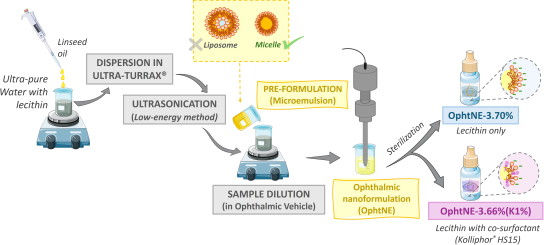
- from light. Absorbance was then measured at 518 nm using a Multiskan Go UV spectrophotometer (Thermo Fisher Scientific, FI). Ascorbic acid (3% w/v, prepared in the ophthalmic vehicle) was used as the positive control. The experiment was performed in quadruplicate, and antioxidant activity (DPPH radical
- inhibition percentage) was calculated using Equation 2 [57]. The IC50 (the concentration required to achieve 50% inhibition) of the radical scavenging activity was determined via linear regression analysis [58]. where Abscontrol, represents the absorbance of the DPPH radicals, Abssample, represents the
- absorbance of the nanoformulation, and Absblank represents the absorbance of the sample without DPPH (sample + ethanol). Cytotoxicity assay L929 fibroblast cells were cultured in RPMI 1640 medium supplemented with 10% (v/v) fetal bovine serum (FBS), 1% (v/v) penicillin–streptomycin, and 1% (v/v) GlutaMAX