Search results
Search for "accumulation" in Full Text gives 397 result(s) in Beilstein Journal of Nanotechnology. Showing first 200.
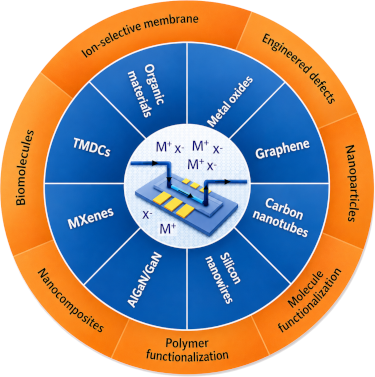
Materials challenges in solid-state sensors for continuous monitoring of ions in water
Beilstein J. Nanotechnol. 2026, 17, 935–973, doi:10.3762/bjnano.17.66



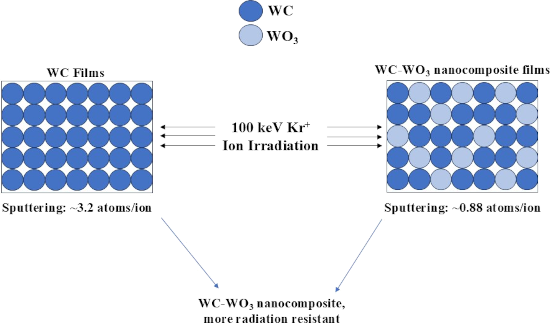
Enhanced erosion resistance and radiation stability of WC–WO3 nanocomposite films under 100 keV Kr+ ion irradiation
Beilstein J. Nanotechnol. 2026, 17, 922–934, doi:10.3762/bjnano.17.65
- and oxide phases, as determined from the GIXRD patterns, is summarized in Table 5. Low-energy ion irradiation-induced grain growth has been observed in other nanocrystalline systems [61][68], and a defect-driven mechanism typically explains it. This mechanism posits that the accumulation of
- data is consistent with the clustering behaviour observed in SEM micrographs, implying that atomic displacements and defect accumulation during ion bombardment promote local atomic mobility, enabling the reorganization of nanocrystalline domains. Furthermore, the absence of amorphization and the



Nanocarrier strategies to overcome P-glycoprotein-mediated drug resistance in cancer therapy
Beilstein J. Nanotechnol. 2026, 17, 882–921, doi:10.3762/bjnano.17.64
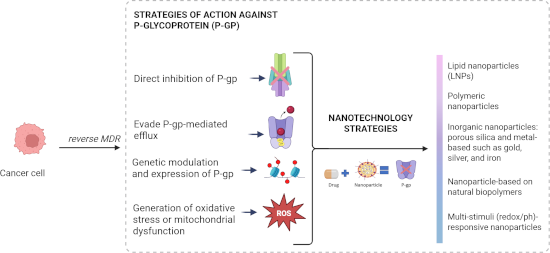
- enhance tumor selectivity and intracellular retention. Preclinical evidence consistently demonstrates improved drug accumulation, restored chemosensitivity, and reduced systemic toxicity. Nevertheless, clinical translation remains constrained by tumor heterogeneity, variable biological barriers, large
- March 2025. 2.3 Criteria for inclusion and exclusion Inclusion criteria were (i) studies focused on nanoparticle-based strategies targeting P-glycoprotein-mediated multidrug resistance in cancer, (ii) experimental evidence demonstrating MDR reversal (e.g., increased drug accumulation, reduced IC50
- premature degradation, and release them in a controlled and targeted manner. Furthermore, numerous nanocarriers are specifically engineered to inhibit or bypass efflux mechanisms facilitated by P-gp and other transporters, thereby enhancing intracellular drug accumulation and cytotoxic efficacy in tumor


Nanoparticle delivery systems for HIV pre-exposure prophylaxis (PrEP): advances and challenges
Beilstein J. Nanotechnol. 2026, 17, 839–853, doi:10.3762/bjnano.17.60
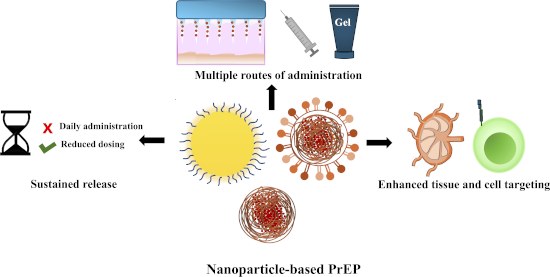
- macrophages (MDMs) in vitro, LBNP-RPV-CCR5 showed enhanced cellular uptake compared to LBNPs without the ligand, resulting in higher intracellular RPV retention that enabled prolonged suppression of HIV replication. Biodistribution studies demonstrated enhanced accumulation of LBNP-RPV-CCR5 in spleen after
- tail vein injection, which may be attributed to the presence of a high number of CCR5-presenting immune cells in spleen [61]. Moreover, the authors also demonstrated increased accumulation of LBNP-RPV-CCR5 in human microglia and higher retention of RPV in brain tissue when humanized mice were
- multiple organs. These studies highlight that ligand functionalization of nanoformulations not only improves the drug accumulation in relevant tissues but also helps maintaining the therapeutic levels over extended time duration. Targeted long-acting combination ART (TLC-ART) is another promising strategy


Glycerol photoelectrochemical oxidation reaction at carbon nitrides/BiVO4 materials
Beilstein J. Nanotechnol. 2026, 17, 806–817, doi:10.3762/bjnano.17.57
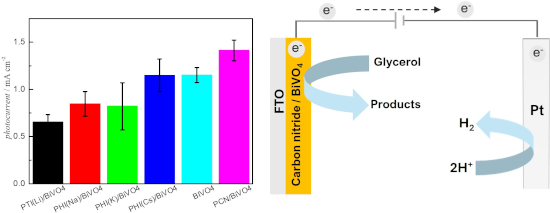
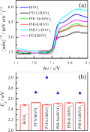
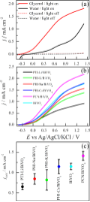
- illumination. In contrast, under water oxidation conditions (i.e., in the absence of glycerol), a sharp current peak appears within fractions of a second upon illumination. These transient current peaks are related to the accumulation of holes (h+) at the surface of the semiconductor, caused by the sluggish




Environmental applications of silver nanoparticles: state-of-the-art review and emerging trends
Beilstein J. Nanotechnol. 2026, 17, 697–736, doi:10.3762/bjnano.17.49


Two-step laser synthesis of Ag@TiO2 nanomaterials for the photocatalytic degradation of rhodamine B
Beilstein J. Nanotechnol. 2026, 17, 622–634, doi:10.3762/bjnano.17.43
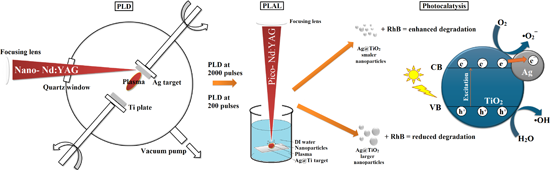
- , chemical stability and photostability, and high solubility in water. However, its widespread application and persistent nature raise serious environmental and health concerns. Once released into aquatic environments, RhB resists natural degradation processes, leading to long-term accumulation. It disrupts


Recent progress in enhancing built-in electric fields of perovskite solar cells via junction engineering
Beilstein J. Nanotechnol. 2026, 17, 602–621, doi:10.3762/bjnano.17.42
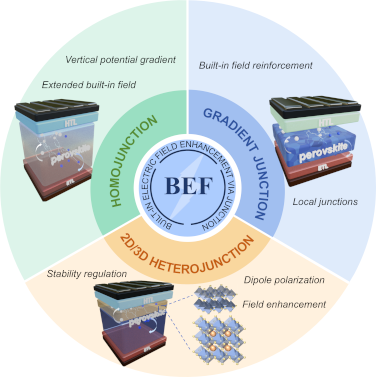
- continuous barrier-reducing channel across the film [15], a strategy that emphasizes longitudinal potential continuity and a “capacitive accumulation” effect, which maintains an effective driving force over a larger thickness and is often accompanied by improved crystallinity and stress release
- to the transport layer. Shifting energy-level modulation to the buried interface of the perovskite/HTL, a critical region for carrier accumulation and recombination [32], induces band bending and the formation of a localized homojunction, which extends the BEF into the absorber layer and, to some
- iodine vacancy (PbI2) accumulation at grain boundary cracks, slowing efficiency degradation from 55% to 19%. Thus, BEF-induced directional charge transport is the critical mechanism behind the improved performance and stability. Although HTL-based strategies for enhancing the BEF can, to varying degrees



Towards targeted drugs and next generation of nanomedicines
Beilstein J. Nanotechnol. 2026, 17, 598–601, doi:10.3762/bjnano.17.41

- first lipid nanoparticle approved in the clinics for RNA delivery (in this case short interfering RNA). It was reported that this nanomedicine reaches the hepatocytes because of the adsorption of apolipoprotein E on its surface once administered, driving accumulation in the liver and promoting
Electrochemical determination of ciprofloxacin using a MIL-101/reduced graphene oxide-modified electrode
Beilstein J. Nanotechnol. 2026, 17, 541–554, doi:10.3762/bjnano.17.35
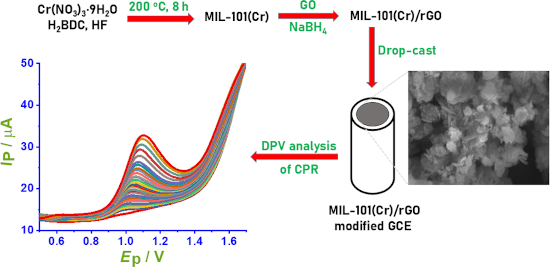
- buffer solution at room temperature under optimized pH conditions. DPV parameters, including accumulation potential (Eacc), accumulation time (tacc), pulse amplitude (ΔE), and voltage step (Ustep), were optimized before conducting the analytical measurements. Real sample preparation Pharmaceutical
- To achieve maximum sensitivity, the parameters for differential pulse voltammetry (DPV) were systematically optimized. The accumulation potential, accumulation time, pulse amplitude, and potential step were investigated individually (Supporting Information File 1, Figure S4–S7). The optimal
- conditions were determined to be an accumulation potential of 0 V, an accumulation time of 4 s, a pulse amplitude of 0.11 V, and a voltage step of 0.010 V. Under these conditions, the oxidation peak current of CPR reached its maximum while maintaining a good peak shape and stable signal. Analytical


Nanoinformatics: spanning scales, systems and solutions
Beilstein J. Nanotechnol. 2026, 17, 423–427, doi:10.3762/bjnano.17.28
- with periodic-table-based descriptors such as an increase in oxygen count, electronegativity, and formation of a cationic charge, all influence cell membrane damage, and had the potential to influence oxidative damage through free radical accumulation, which could lead to changes in the survival rate

Biomimetic nanoparticles in cancer photodynamic therapy: a review of targeted delivery systems and therapeutic outcomes
Beilstein J. Nanotechnol. 2026, 17, 396–422, doi:10.3762/bjnano.17.27
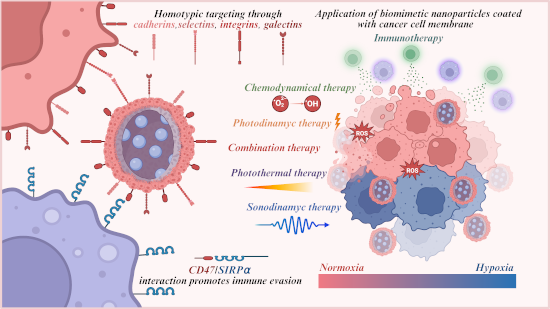
- PDT offers advantages like precision targeting and minimal invasiveness, its clinical translation faces significant hurdles, namely, poor tumor accumulation of hydrophobic PSs [4], hypoxia-induced treatment resistance [5], and limited immune activation [6]. To overcome these limitations
- hydrophilicity/lipophilicity ensures selective accumulation in target tissues, such as tumors via the EPR effect, and efficient cellular internalization. Low photobleaching sustains activity during treatment, while biocompatibility and biodegradability reduce adverse effects and enhance the therapeutic index
- , achieved by conjugating second-generation PSs with carriers like antibodies, peptides, or nanoparticles to enhance specificity and reduce off-target effects [31][32]. The third generation of PSs should demonstrate minimal accumulation in healthy tissues and high selectivity toward pathological sites


Beam shaping techniques for pulsed laser ablation in liquids: Unlocking tunable control of nanoparticle synthesis in liquids
Beilstein J. Nanotechnol. 2026, 17, 309–342, doi:10.3762/bjnano.17.22
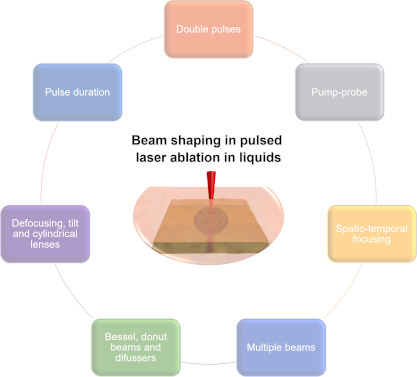
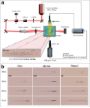
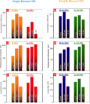
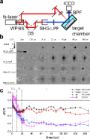
- they enable. Similarly, temporal pulse shaping modifies the interaction time and heat generation and dissipation, allowing for better control of overheat accumulation and nonlinear effects during ablation. These approaches provide a path toward more consistent and tunable NP synthesis, further







Advancing nanolithography: a comprehensive review of materials for local anodic oxidation with AFM
Beilstein J. Nanotechnol. 2026, 17, 275–291, doi:10.3762/bjnano.17.19
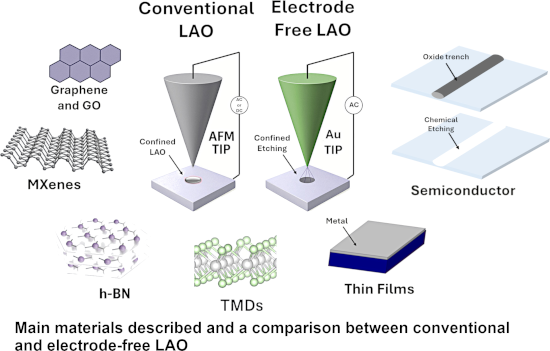
- coworkers further demonstrated that charge accumulation within the growing oxide leads to space-charge-limited behavior, reinforcing the self-limiting character of LAO [47]. As the oxide thickens, the local electric field weakens, the supply of reactive species at the water–oxide interface decreases, and


Multilayered hyperbolic Au/TiO2 nanostructures for enhancing the nonlinear response around the epsilon-near-zero point
Beilstein J. Nanotechnol. 2026, 17, 251–261, doi:10.3762/bjnano.17.17
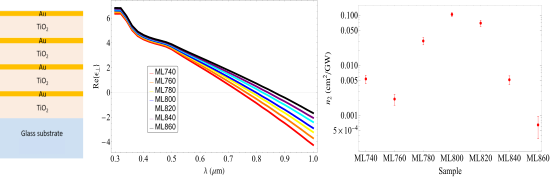
- sample due to absorption, the high repetition rate intrinsic to the Ti:sapphire oscillators leads to the possible accumulation of pulse-to-pulse thermal load. This thermal effect needs to be quantified. In order to do so, we modified the z-scan technique, adding a variable frequency chopper to limit the
- accumulation, we used a modified version of the z-scan technique, previously reported in [30]. This modification consists in the addition of a chopper with a duty cycle of 1:8, which will limit the incident pulses to the sample as a function of its frequency. The addition of this chopper will allow us to
- repetition rate intrinsic to the Ti:sapphire oscillators (around 100 MHz) may produce pulse-to-pulse temperature accumulation. This new effect will produce a contribution to the nonlinear refractive index of thermal origin. Given its thermal origin, this contribution will have a relatively long


Time of flight secondary ion mass spectrometry imaging of contaminant species in chemical vapour deposited graphene on copper
Beilstein J. Nanotechnol. 2026, 17, 200–213, doi:10.3762/bjnano.17.13
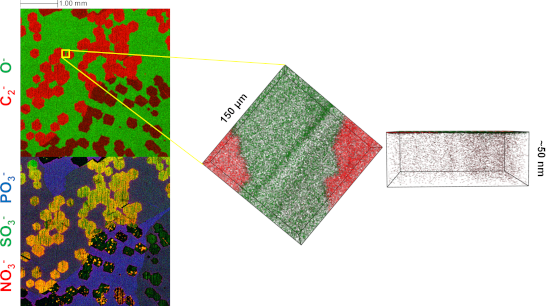
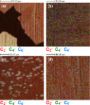
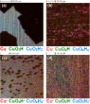
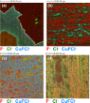
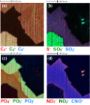
- growth of the graphene; in particular, the accumulation of contaminations present in the copper foil, which has implications for the potential electrical properties of the graphene. We also observe variations in the permeation of oxygen underneath the graphene layers, resulting in oxidation of the copper





From shield to spear: Charge-reversible nanocarriers in overcoming cancer therapy barriers
Beilstein J. Nanotechnol. 2026, 17, 159–175, doi:10.3762/bjnano.17.10
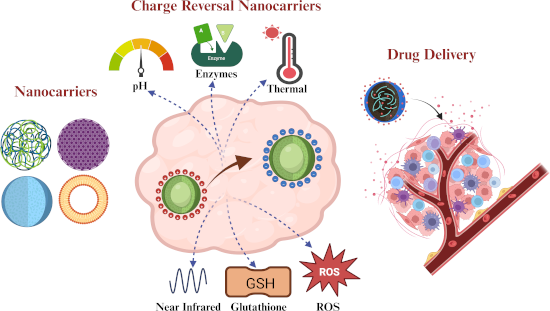
- pH, the surface was negatively charged, but in acidic tumour tissues or endosomes, protonation caused a charge reversal to positive, facilitating cell binding and internalisation, which improved drug accumulation within tumour cells [21]. These scientific findings exemplify the use of pH-sensitive
- efficiency [63]. Superparamagnetic iron-oxide nanoparticles (SPIONs), which react to external magnetic fields and enable selective accumulation in tumour areas, are commonly used to create these nanocarriers [64]. These systems follow thermo-sensitive binding strategies that permit targeted drug release (e.g
- controlled within a small pH range [87]. Chen et al. developed pH-activatable charge-reversal supramolecular nanocarriers, named MI7-β-CD/SA NPs, which show targeted delivery and controlled release of celastrol in tumour cells, enhancing drug accumulation and therapeutic effects while minimising toxicity to


Influence of surface characteristics on the in vitro stability and cell uptake of nanoliposomes for brain delivery
Beilstein J. Nanotechnol. 2026, 17, 139–158, doi:10.3762/bjnano.17.9
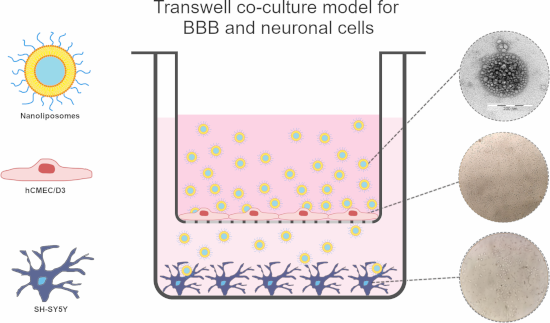
- internalization efficacy. The study also aimed to explore how these characteristics influence brain accumulation by examining interactions with different cell cultures under varying experimental conditions. In this context, time- and concentration-dependent uptake experiments were conducted on hCMEC/D3 and SH


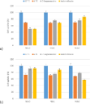


Development and in vitro evaluation of liposomes and immunoliposomes containing 5-fluorouracil and R-phycoerythrin as a potential phototheranostic system for colorectal cancer
Beilstein J. Nanotechnol. 2026, 17, 97–121, doi:10.3762/bjnano.17.7
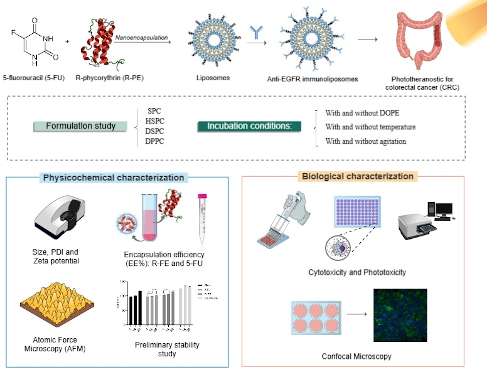
- drug accumulation in tumor tissue through the enhanced permeability and retention (EPR) effect, thereby reducing cytotoxic exposure to healthy tissues and minimizing side effects [6]. Liposomes have promising characteristics due to their biocompatibility and their ability to carry both hydrophilic and
- intratumor accumulation with higher cellular internalization. In addition, the use of immunoliposomes contributes to reducing systemic toxicity, since their delivery is concentrated in the tumor microenvironment, avoiding exposure of healthy tissues [8]. In colorectal cancer, the epidermal growth factor



Functional surface engineering for cultural heritage protection: the role of superhydrophobic and superoleophobic coatings – a comprehensive review
Beilstein J. Nanotechnol. 2026, 17, 63–96, doi:10.3762/bjnano.17.6





Internal 3D temperature mapping in biological systems using ratiometric light-sheet imaging and lipid-coated upconversion nanothermometers
Beilstein J. Nanotechnol. 2025, 16, 2306–2316, doi:10.3762/bjnano.16.159
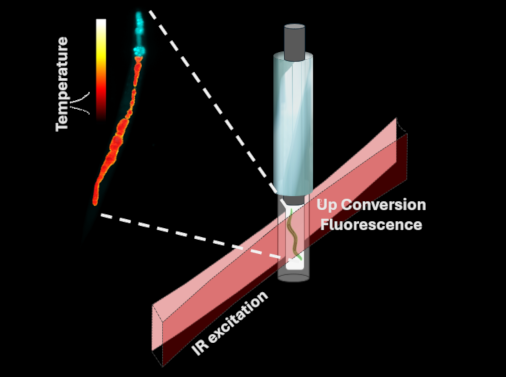
- and particle retention [57]. Figure 5b–d shows the fluorescence emission throughout the intestinal structure post-ingestion, indicating UCNP accumulation within the lumen. This localization is strongly influenced by surface chemistry. The anionic character of our DOPS-rich lipid coating likely leads


Optical bio/chemical sensors for vitamin B12 analysis in food and pharmaceuticals: state of the art, challenges, and future outlooks
Beilstein J. Nanotechnol. 2025, 16, 2207–2244, doi:10.3762/bjnano.16.153


Microplastic pollution in Himalayan lakes: assessment, risks, and sustainable remediation strategies
Beilstein J. Nanotechnol. 2025, 16, 2144–2167, doi:10.3762/bjnano.16.148
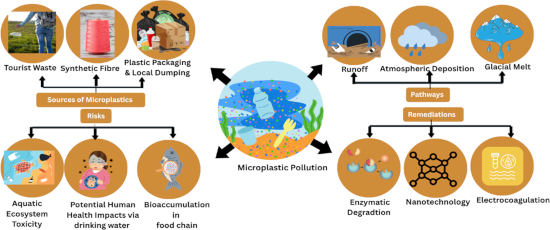
- water systems [12]. According to Kumar et al., the distribution and accumulation of MP are considerably influenced by anthropogenic activities within catchment areas, which is further worsened by inadequate waste management systems. This is evident in studies conducted on lakes such as Nainital and
- been compared with rivers in temperate zones, where improved waste management systems cause a reduction in MP accumulation. According to Bhaduri et al., this disparity reflects how essential cooperating waste management policies and plans are in the Himalayas to prevent MP pollution [25]. Matta et al


Rapid synthesis of highly monodisperse AgSbS2 nanocrystals: unveiling multifaceted activities in cancer therapy, antibacterial strategies, and antioxidant defense
Beilstein J. Nanotechnol. 2025, 16, 2105–2115, doi:10.3762/bjnano.16.145
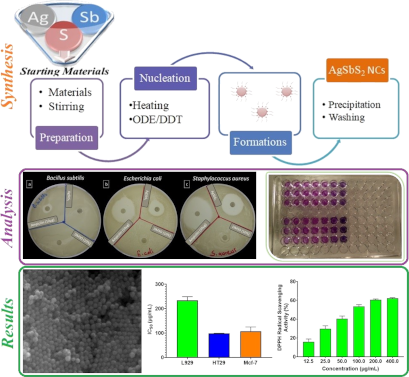
- nanoparticles [44][45]. Cell inhibition in cell lines can be attributed to intracellular accumulation of nanoparticles leading to oxidative stress-induced apoptosis and necrosis [46]. The findings of this investigation demonstrate that NCs exhibit a substantially lower inhibitory effect on healthy cell lines
- potential pathways behind the observed cytotoxicity. Several studies have reported that AgNPs cause intracellular accumulation, which triggers the overproduction of ROS. This oxidative stress can result in mitochondrial dysfunction, lipid peroxidation, DNA fragmentation, and the activation of apoptotic


Toward clinical translation of carbon nanomaterials in anticancer drug delivery: the need for standardisation
Beilstein J. Nanotechnol. 2025, 16, 2092–2104, doi:10.3762/bjnano.16.144
- . This is followed by in vivo testing, which offers a more complete understanding of pharmacokinetics, biodistribution, therapeutic efficacy, and systemic toxicity. Animal studies help identify accumulation patterns, potential off-target effects, and immune responses that are not evident in simpler
- . Persistent materials raise concerns regarding long-term accumulation and potential toxicity, whereas those susceptible to enzymatic or oxidative degradation offer safer clearance pathways. Recent studies have shown that CNOs can undergo biodegradation upon exposure to human myeloperoxidase, horseradish
- DDS should follow the same criteria applied to small bioactive agents, specifically assessing CNM toxicity in the selected model, accumulation rates within cancer tissue, and therapeutic efficacy. To achieve this, techniques such as immunohistochemical analysis of model organs or the use of