Search results
Search for "antibacterial activity" in Full Text gives 81 result(s) in Beilstein Journal of Nanotechnology.
Ultrasonic irradiation in the synthesis of nanohydroxyapatite: a chemically friendly technique for improving hemocompatibility and antibiofilm applications
Beilstein J. Nanotechnol. 2026, 17, 991–1015, doi:10.3762/bjnano.17.68
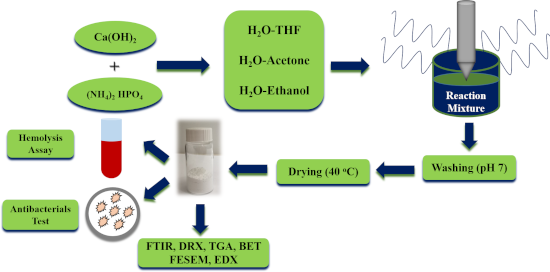
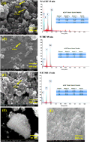
- the material’s performance in biological assays, such as hemocompatibility and antibacterial activity. The particle size, as discussed in the preceding paragraphs, can be determined statistically through electron microscopy imaging, as well as by calculating the specific surface area of the




Development of Protium heptaphyllum essential oil-loaded nanocapsules: experimental design and biological activity
Beilstein J. Nanotechnol. 2026, 17, 974–990, doi:10.3762/bjnano.17.67
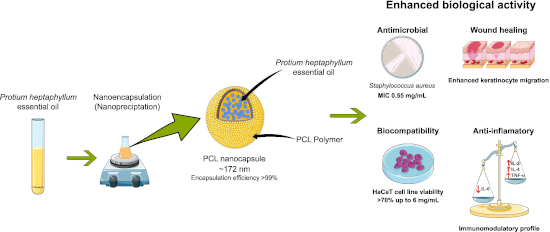
- assays, the free oil had no inhibitory effect against Staphylococcus aureus, while the nanocapsules exhibited a minimum inhibitory concentration of 0.55 mg/mL, indicating enhanced antibacterial activity. Wound-healing assays further demonstrated improved keratinocyte migration compared to serum-free
- 5). In contrast, the free EO exhibited no significant antibacterial activity against the same strain, even at higher concentrations. This result is consistent with findings from de Lima et al. [48], who reported low activity of non-encapsulated P. heptaphyllum oil against S. aureus. The increased
- nanoprecipitation, achieving high encapsulation efficiency (>99%), structural stability, and uniform spherical morphology. These formulations maintained cell viability in keratinocytes (>70%), with reduced viability only at excessively high concentrations. Nanoencapsulation improved antibacterial activity and




Restorative potential of laser-synthesized silver nanoparticles with Salvia officinalis for periodontal disease treatment: an in vitro study
Beilstein J. Nanotechnol. 2026, 17, 781–795, doi:10.3762/bjnano.17.55
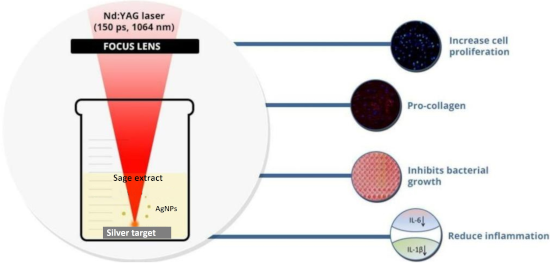
- well-dispersed, spherical nanoparticles (7.98 ± 2.9 nm) at a concentration of 21.6 ± 1.75 mg·L−1. SageAgNPs6mJ exhibited potent antibacterial activity against Aggregatibacter actinomycetemcomitans, Fusobacterium nucleatum, and Porphyromonas gingivalis (MIC = 5.4 mg·L−1), and showed equal or superior
- antibacterial activity compared to 0.2% chlorhexidine. Importantly, at MIC concentration, SageAgNPs6mJ were non-cytotoxic to primary human gingival fibroblasts and enhanced their proliferation by approximately 50% after 24 h. This was shown by increased Ki-67 proliferation index, increased type-I and total
- . In contrast, Mostafavi and colleagues [10], investigated the wound-healing potential of combined AgNP and sage extract treatment in an in vivo mouse skin model, indicating possible synergistic effects between silver and sage. Nevertheless, the antibacterial activity was not evaluated, and sage was



Environmental applications of silver nanoparticles: state-of-the-art review and emerging trends
Beilstein J. Nanotechnol. 2026, 17, 697–736, doi:10.3762/bjnano.17.49
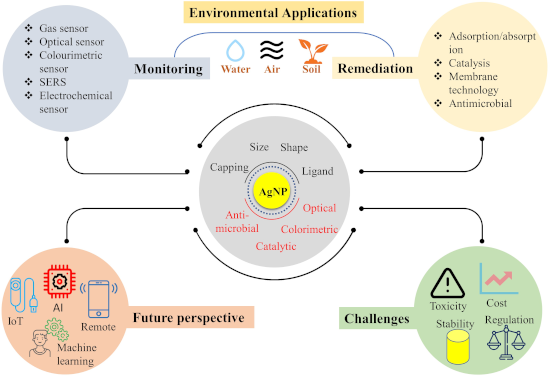
- , colourimetry, and fluorometry [18][19][20][21]. In addition, the enhanced antimicrobial activity of AgNPs can be used for water decontamination and is widely employed in membrane filtration technology [22]. AgNPs exhibited broad-spectrum antibacterial activity, encompassing both Gram-positive and Gram-negative
- highlighted capping agent-mediated size-controlled synthesis of nanoparticles for peroxide detection and antimicrobial activity [38]. PVA-AgNPs were the smallest and showed enhanced antibacterial activity and H2O2 sensing [38]. In addition, incorporating linker molecules enables selective and sensitive
- the smallest NP size, yielding enhanced antibacterial activity and H2O2 sensing abilities [38]. In another study, Acacia lignin-AgNPs showed catalytic, sensing, and antimicrobial activity [65]. The results confirmed that MB and p-nitrophenol were catalytically removed at rates of 0.00098 and 0.01525


Upcycling agroindustrial waste into graphene oxide supports for gold nanoparticles: toward sustainable nanomaterials
Beilstein J. Nanotechnol. 2026, 17, 489–504, doi:10.3762/bjnano.17.32
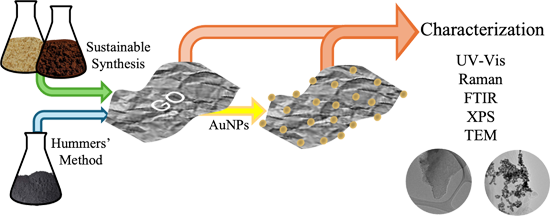
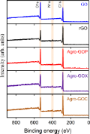
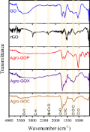
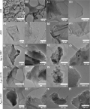
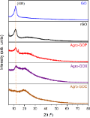
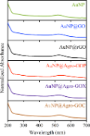
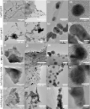
- platforms have shown promise in electrochemical and colorimetric sensing of environmental contaminants, allowing for sensitive and rapid detection of toxic species in water [60][61][62]. Beyond catalysis and sensing, the well-documented antibacterial activity of AuNPs, combined with the large surface area



Durable antimicrobial activity of fabrics functionalized with zeolite ion-exchanged nanomaterials against Staphylococcus aureus and Escherichia coli
Beilstein J. Nanotechnol. 2026, 17, 262–274, doi:10.3762/bjnano.17.18
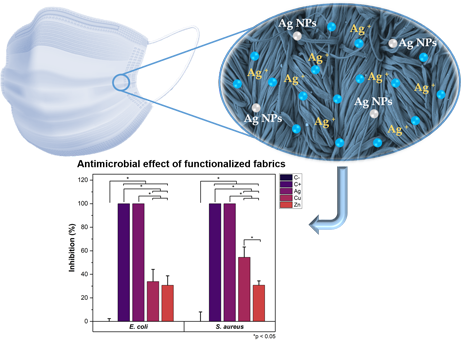
- antibacterial activity against various bacterial strains, including methicillin-resistant Staphylococcus aureus (S. aureus), Bacillus subtilis, Pseudomonas aeruginosa, and Salmonella choleraesuis [15]. Some studies have shown that the size of Cu NPs plays a crucial role in their antimicrobial activity. For
- example, CuO NPs with a size of 4.8 nm demonstrated better antibacterial activity than larger particles (7.8 nm) [16]. The small Cu NPs have a greater capacity to penetrate the cell membrane [17][18]. Zinc oxide NPs are well known for their photocatalytic properties. Also, recent studies have demonstrated
- method [32]. As shown in [33], ZnO NPs prepared through the sol–gel method were subsequently applied to the cotton fabric using the pad–dry–cure technique with dimethyloldihydroxyethyleneurea as a cross-linking agent. The results demonstrate good antibacterial activity against S. aureus and E. coli




Rapid synthesis of highly monodisperse AgSbS2 nanocrystals: unveiling multifaceted activities in cancer therapy, antibacterial strategies, and antioxidant defense
Beilstein J. Nanotechnol. 2025, 16, 2105–2115, doi:10.3762/bjnano.16.145
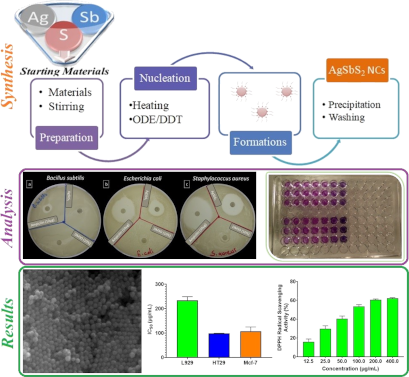
- ; antibacterial activity; antioxidant activity; cytotoxic activity; Introduction Nanoscience serves as a unique platform to reveal new properties of substances through collaborative efforts with other fields (e.g., molecular chemistry, pharmaceutical science, applied health sciences, and engineering). In recent
- from antibacterial activity to tumor therapy activity [5][6][7]. The escalating global concern regarding antimicrobial resistance presents a considerable threat to public health. Researchers are persistently exploring alternative strategies to address this pressing issue and the critical demand for
- inset in Figure 2c. The particle size distribution graphs in this image unequivocally affirmed the successful attainment of the desired homogeneity. Biological applications Antibacterial activity of AgSbS2 NCs Disc diffusion. The antimicrobial activity of AgSbS2 NCs at a concentration of 10 mg/mL


On the road to sustainability – application of metallic nanoparticles obtained by green synthesis in dentistry: a scoping review
Beilstein J. Nanotechnol. 2025, 16, 1851–1862, doi:10.3762/bjnano.16.128
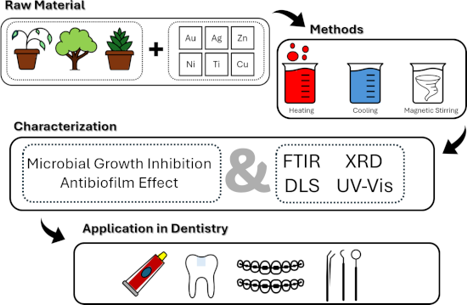
- -mediated AgNPs and ZnO-NPs demonstrated significant antibacterial activity against Streptococcus mutans biofilms [8][9][43], whereas in endodontics, their integration into irrigants and sealers improved disinfection efficiency against Enterococcus faecalis [44]. These findings underscore the translational


Nanotechnology-based approaches for the removal of microplastics from wastewater: a comprehensive review
Beilstein J. Nanotechnol. 2025, 16, 1607–1632, doi:10.3762/bjnano.16.114
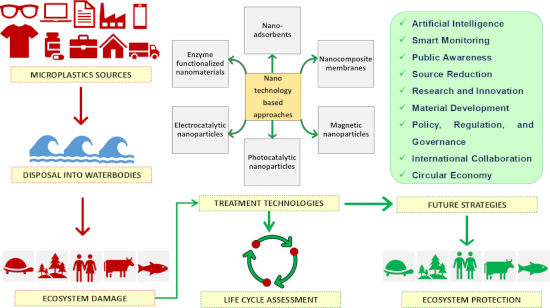
- emerged as a promising approach. Materials such as silver, ZnO, TiO2, and iron oxide are frequently used in membrane construction due to their high reactivity and effective catalytic behaviour. These membranes are not only simple to engineer but also exhibit strong antibacterial activity. Additionally
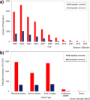


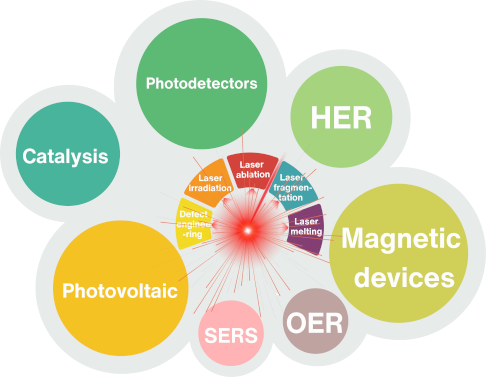
Laser processing in liquids: insights into nanocolloid generation and thin film integration for energy, photonic, and sensing applications
Beilstein J. Nanotechnol. 2025, 16, 1428–1498, doi:10.3762/bjnano.16.104


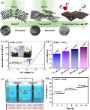


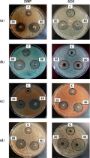


Synthesis and antibacterial properties of nanosilver-modified cellulose triacetate membranes for seawater desalination
Beilstein J. Nanotechnol. 2025, 16, 1380–1391, doi:10.3762/bjnano.16.100
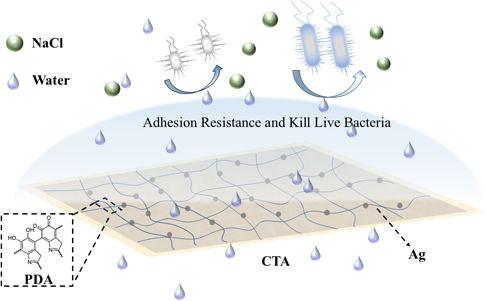
- into polyacrylonitrile (PAN) nanofibers, the fabricated Ag/PAN-TFN FO membrane demonstrated excellent antibacterial activity against Escherichia coli and Staphylococcus aureus with improved water flux and salt rejection. The in situ synthesis method ensures a uniform distribution of AgNPs within the
- membrane exhibited significant antibacterial activity, reducing the number of attached live bacteria by 80−95% for three different model bacterial strains (Escherichia coli, Pseudomonas aeruginosa, and Staphylococcus aureus). The Cu NPs could be reloaded onto the membrane surface after depletion
- ) membrane for water desalination. The TiO2-modified membrane demonstrated significant antibacterial activity against Escherichia coli. Under UV light, the survival ratio of bacterial cells reduced to 5% within 4 h; the membrane was completely sterilized within 5 h. This effect is attributed to the


Enhancing the therapeutical potential of metalloantibiotics using nano-based delivery systems
Beilstein J. Nanotechnol. 2025, 16, 1350–1366, doi:10.3762/bjnano.16.98
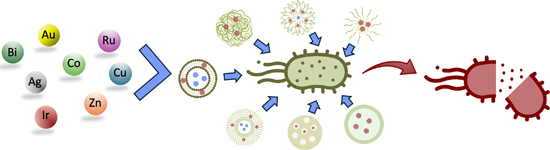
- as a strategy to discover new antibiotic drugs [13]. In this context, the gold(I) antirheumatic drug Auranofin (RidauraTM) [14] was evaluated for its antibacterial activity, exerting potent antimicrobial effect against multiresistant strains [15]. The promising antibacterial profile of auranofin
- prevented the aggregation of silver ions, which is crucial for maintaining the antibacterial activity of the silver complexes. The Ag-NHC complex 5 (Figure 3) was also encapsulated in ʟ-tyrosine nanoparticles, which offer enhanced therapeutic potential through controlled and targeted release [103]. This
- coatings also exhibited excellent biocompatibility, elasticity, hydration, and bioadhesion properties [106]. Encapsulation into SLNs was also used to enhance antibacterial activity and achieve sustained release of the silver–furosemide (FSE) complex 8 (Figure 3) [107]. Although the free complex showed


Functional bio-packaging enhanced with nanocellulose from rice straw and cinnamon essential oil Pickering emulsion for fruit preservation
Beilstein J. Nanotechnol. 2025, 16, 1234–1245, doi:10.3762/bjnano.16.91
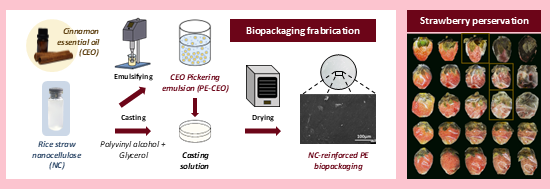
- exhibits good heat-resistance, mechanical, and water-barrier properties. At an emulsion concentration as low as 10% (v/w) in the casting solution, high UV absorbance capacity (up to 100% UVC), high antibacterial activity (92.4% Escherichia coli inhibition), and good antioxidative properties (up to 43% DPPH



Hydrogels and nanogels: effectiveness in dermal applications
Beilstein J. Nanotechnol. 2025, 16, 1216–1233, doi:10.3762/bjnano.16.90
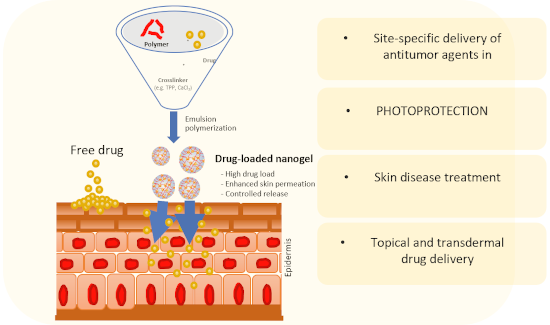
- . (2017), the authors developed an innovative hydrogel that can be directly injected into the injured skin. The benefits associated with wound healing stand out: self-regeneration potential, antibacterial activity, neutralization of free radicals, high adhesion to the skin, and biocompatibility. These


Soft materials nanoarchitectonics: liquid crystals, polymers, gels, biomaterials, and others
Beilstein J. Nanotechnol. 2025, 16, 1025–1067, doi:10.3762/bjnano.16.77
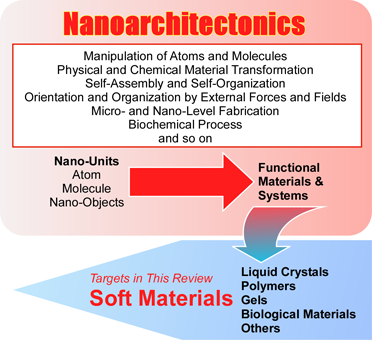
- gentamicin sulfate through electrostatic interaction and hydrogen bonding in a mixture of gentamicin sulfate and Pluronic F127. The prepared material demonstrated sustained antibacterial activity and facilitated osteoblast (MC3T3-E1) differentiation, which is essential for bone formation. Moreover, the






Supramolecular hydration structure of graphene-based hydrogels: density functional theory, green chemistry and interface application
Beilstein J. Nanotechnol. 2025, 16, 806–822, doi:10.3762/bjnano.16.61
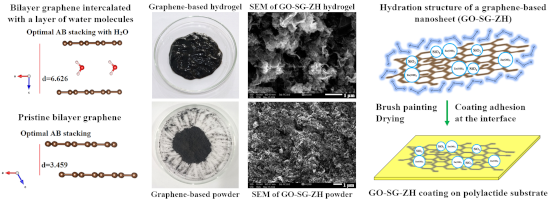
- antibacterial activity against E. coli and S. aureus (the positive control was the antibiotic penicillin). Inhibition zone assays were used to evaluate antibiofilm properties of uncoated and coated plastic films [14][25]. Coating stability of plastic films in an environment simulating aqueous food was tested
- GO sharp edges with bacterial membranes [57][58]. The crucial antibacterial activity of ZH nanostructures is the delivery of Zn2+ ions to disrupt bacterial membranes and intracellular processes [59][60]. Antibacterial activity of the GO-SG-ZH hydrogel was tested in agar well diffusion assays (Figure
- sustainability. The GO-SG-ZH hydrogel is a supramolecular hydration structure with the advantages of aqueous dispersibility, antibacterial activity, and hydration lubrication. Water evaporation analysis suggested that the last 4% of water in the GO-SG-ZH hydrogel are interfacial hydration shells on graphene


Efficiency of single-pulse laser fragmentation of organic nutraceutical dispersions in a circular jet flow-through reactor
Beilstein J. Nanotechnol. 2025, 16, 711–727, doi:10.3762/bjnano.16.55
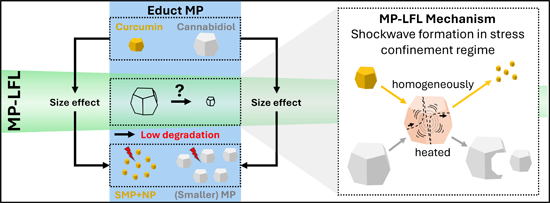
- greater intracellular uptake and increased cytotoxicity on rat C6 glioma cells [36]. Laser-generated nanoscale cinnamon was also synthesized and showed enhanced antibacterial activity against Gram-negative and Gram-positive bacteria after particle size reduction compared to the unirradiated educt [37


Polyurethane/silk fibroin-based electrospun membranes for wound healing and skin substitute applications
Beilstein J. Nanotechnol. 2025, 16, 591–612, doi:10.3762/bjnano.16.46
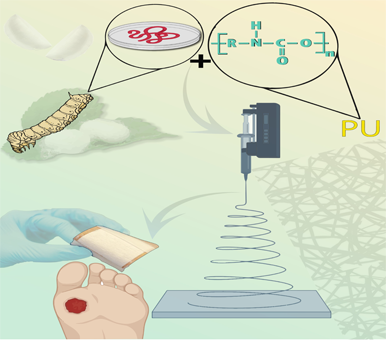
- applications without affecting the structure or bioactivity. The effective encapsulation of STZ was confirmed by FTIR, and the nanofibers showed high cytocompatibility in cell viability tests. STZ was released from nanofibers over 6 h, and its antibacterial activity was demonstrated through the formation of a



Fabrication and evaluation of BerNPs regarding the growth and development of Streptococcus mutans
Beilstein J. Nanotechnol. 2025, 16, 308–315, doi:10.3762/bjnano.16.23
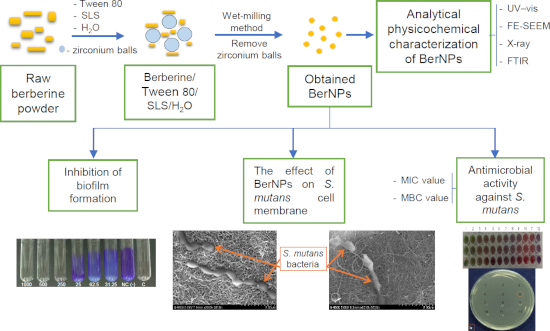
- -inflammatory properties [9]. With its antibacterial activity, berberine can accumulate in bacterial cells and bind to single- and double-stranded DNA, causing DNA damage. According to evaluations, berberine has a stronger antibacterial effect against gram-positive bacteria than against gram-negative bacteria
- inhibitory activity against pathogenic bacteria have been reported. In 2022, Nguyen et al. fabricated berberine nanoparticles (BerNPs) by antisolvent precipitation (ASP) using glycerol as a safe organic solvent and evaluated their antibacterial activity on S. aureus and E. coli O157:H7 [12]. Additionally
- , several methods of berberine encapsulation, berberine carrier materials, and berberine microemulsions have also been studied to improve the bioavailability and clinical applicability of berberine [9][13][14][15][16][17]. Although many studies have evaluated the antibacterial activity of berberine, there




Enhancing mechanical properties of chitosan/PVA electrospun nanofibers: a comprehensive review
Beilstein J. Nanotechnol. 2025, 16, 286–307, doi:10.3762/bjnano.16.22

- unique properties such as biodegradability, biocompatibility, and antibacterial activity, which are considered effective in promoting wound healing. The presence of chemical structures like glycosaminoglycans in chitosan mimics the ECM and provides a hemostatic effect, thereby accelerating the healing


Clays enhanced with niobium: potential in wastewater treatment and reuse as pigment with antibacterial activity
Beilstein J. Nanotechnol. 2025, 16, 141–154, doi:10.3762/bjnano.16.13
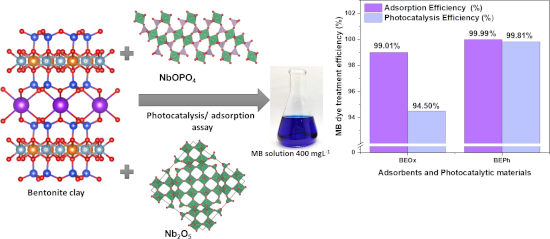
- cereus (ATCC 10876) and Proteus mirabilis (ATCC 35649). The analysis revealed remarkable antibacterial activity against Proteus mirabilis, suggesting a preferential selectivity for Gram-negative bacteria. Keywords: adsorption; bentonite; hybrid pigment; niobium; photocatalysis; water remediation
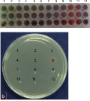
- of the TTC dye (0.125% w/v - 2,3,5-triphenyltetrazolium chloride 0.125%) (NEON®) was added to all wells, and the plate was kept in an oven for an additional two hours. The antibacterial activity was determined by MIC, observing the presence/absence of viable bacteria due to the reaction of the TTC
- Proteus mirabilis and Bacillus cereus. The results obtained are presented in Table 4. The samples A-BEPh, A-BEPhP, A-BEOx, and A-BEOxP demonstrated antibacterial activity against the Proteus mirabilis bacterial strains, with MIC values recorded at 0.31, 0.15, 0.31, and 0.62 mg/mL, respectively. In


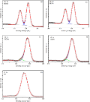
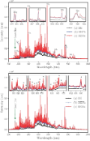
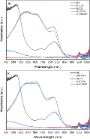

Characterization of ZnO nanoparticles synthesized using probiotic Lactiplantibacillus plantarum GP258
Beilstein J. Nanotechnol. 2025, 16, 78–89, doi:10.3762/bjnano.16.8
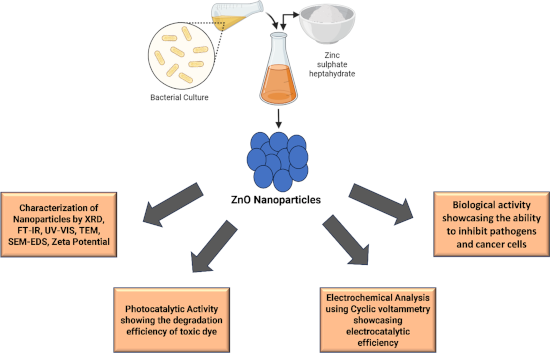
- potential of −60 mV. Furthermore, the synthesized nanoparticles displayed significant antibacterial activity against selected human pathogens, with the biggest inhibition zone observed against Staphylococcus aureus (22 ± 0.57 mm) and the smallest inhibition zone observed against Salmonella enterica serovar
- frequency (ω), Y, and n. The obtained results suggest robust electron transfer and enhanced electrocatalytic efficiency in dextrose oxidation [19][20][21] (Figure 5). Antibacterial activity of ZnO NPs The biogenic ZnO NPs presented a good dispersion and exhibited antibacterial activity against both Gram
- producing ZnO NPs using indigenous LAB isolated from native breed cow curd from very remote regions of North Karnataka (India), which displayed notable antibacterial activity. Here, people consume curd regularly in their diet. The curd is prepared by traditional methods, and, for several decades, the same



Unveiling the potential of alginate-based nanomaterials in sensing technology and smart delivery applications
Beilstein J. Nanotechnol. 2024, 15, 1077–1104, doi:10.3762/bjnano.15.88
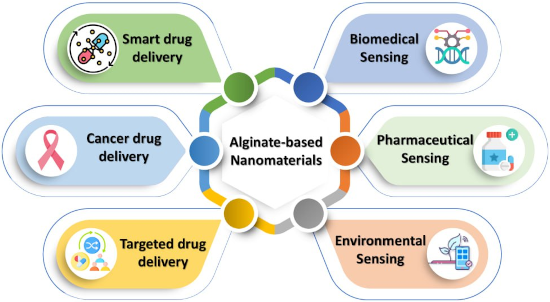
- several excellent properties that can be crucial in drug delivery, such as low cost, antioxidant and antibacterial activity, non-toxicity, biodegradability, and biocompatibility. Biopolymeric nanoparticles (NPs) can be used in DDSs, and they can protect the drugs from the adverse conditions of the
- gel structure. As a result, the viscosity and other mechanical qualities of alginate can be enhanced, allowing for the formation of a hydrogel. The attractive properties of alginate include low cost, abundance, biocompatibility, biodegradability, antibacterial activity, non-toxicity, and the ease to


Interface properties of nanostructured carbon-coated biological implants: an overview
Beilstein J. Nanotechnol. 2024, 15, 1041–1053, doi:10.3762/bjnano.15.85
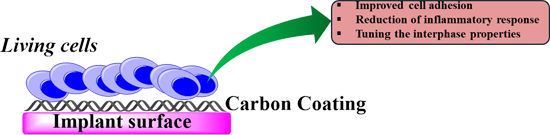
- [110][111]. Romo-Rico et al. [112] used PVD to coat a medical-grade cobalt–chromium alloy with high-grade graphene. The authors reported an appreciable antibacterial activity against S. aureus and P. aeruginosa; also, adhesion was prevented. This study proved that the balance between surface polarity
- adhesion of sulfate-reducing bacteria. Furthermore, graphene coatings can also exhibit antibacterial activity through electron transfer phenomena as reported by Yang et al. [114] for graphene coatings on titania. The authors reported that the increased electrical conductivity was due to the unpaired
- bactericidal effects. The authors also proved the cytocompatibility of the bactericidal coatings. GO showed similar results on titanium surfaces as reported by Yang et al. [115], reporting antibacterial activity of over 99% against both E. coli or S. aureus when a small doping with copper was applied. The



Electrospun polysuccinimide scaffolds containing different salts as potential wound dressing material
Beilstein J. Nanotechnol. 2024, 15, 781–796, doi:10.3762/bjnano.15.65
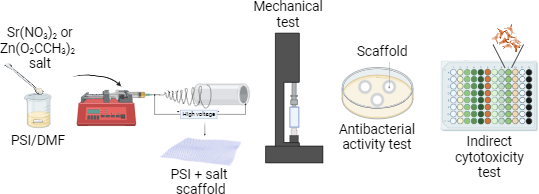
- 8 h; however, only 50% of the zinc acetate was dissolved. In addition, antibacterial activity tests were performed with four different bacterial strains relevant to skin surface injuries, leading to the appearance of inhibition zones around the scaffold discs in most cases. We also investigated the
- potential cytotoxicity of the scaffolds on human tumorous and healthy cells. Except for the ones containing zinc acetate salt, the scaffolds are not cytotoxic to either tumor or healthy cells. Keywords: antibacterial activity; electrospinning; polysuccinimide; scaffold; wound dressing; Introduction
- scanning electron microscopy (SEM), Fourier-transform infrared spectroscopy (FTIR), mechanical tests, investigation of salt dissolution from the scaffolds, examination of their antibacterial activity against four different bacterial strains (Escherichia coli, Pseudomonas aeruginosa, Bacillus subtilis, and