Search results
Search for "bioavailability" in Full Text gives 104 result(s) in Beilstein Journal of Nanotechnology.
Development of Protium heptaphyllum essential oil-loaded nanocapsules: experimental design and biological activity
Beilstein J. Nanotechnol. 2026, 17, 974–990, doi:10.3762/bjnano.17.67
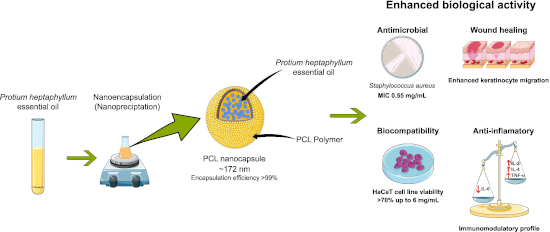
- tea tree have been widely studied, demonstrating improved physicochemical stability, enhanced antimicrobial activity, and controlled release profiles [2][9][10]. This approach protects the active constituents from degradation and enhances bioavailability [11][12]. Polymeric nanocapsules are especially
- migratory activity compared to serum-deprived conditions. This effect likely results from intrinsic nanocarrier features, including greater dispersion and colloidal stability of encapsulated molecules, which together enhance local bioavailability. Notably, P. heptaphyllum essential oil is rich in p-cymene
- -inflammatory capacity of fibroblasts. Similarly, the absence of IFN-γ changes suggest no excessive type-1 immune activation under the tested conditions. Nanoencapsulation may enhance the bioavailability and potential sustained release of EO compounds, which in turn could lead to higher concentrations in target




Nanocarrier strategies to overcome P-glycoprotein-mediated drug resistance in cancer therapy
Beilstein J. Nanotechnol. 2026, 17, 882–921, doi:10.3762/bjnano.17.64
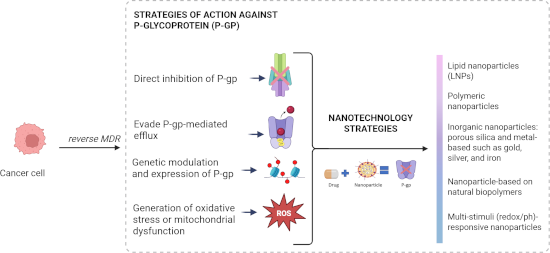
- enhance therapeutic efficacy by improving solubility, stability, bioavailability, and controlled drug release. Additionally, their low toxicity, scalability, and manufacturing feasibility make them attractive for both clinical and industrial applications [44]. There are several types of LNPs, including
- polymers. These structures enable the encapsulation or conjugation of active compounds, allowing for controlled and targeted drug release [67]. One of their major advantages is the improvement of the bioavailability of poorly water-soluble or unstable drugs. They also protect sensitive molecules such as


Nanoparticle delivery systems for HIV pre-exposure prophylaxis (PrEP): advances and challenges
Beilstein J. Nanotechnol. 2026, 17, 839–853, doi:10.3762/bjnano.17.60
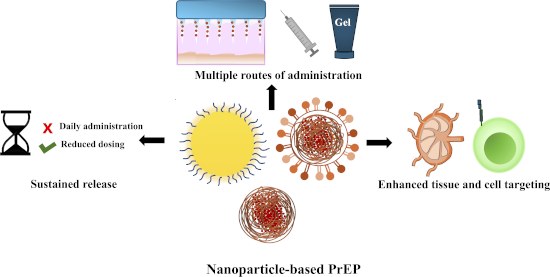
- throughout the polymer matrix. This property is particularly beneficial for drugs with poor bioavailability or short plasma half-lives, as it allows a reduction in dosing frequency and improves adherence. In some designs, drug cargo is confined within nanocapsule-like structures formed by a polymer shell [49
- surface-conjugated with a peptide with affinity for CD4 receptors [58]. The clinical use of DRV has been limited by its low bioavailability largely due to its lipophilic nature. First pass metabolism and efflux transport further reduce bioavailability [59]. To address these limitations, DRV-loaded SLNs
- (MOLT-4) compared to cell models without CD4 receptor. A comparison of the relative bioavailability of DRV achieved by DRV-loaded SLNs versus free drug suspension after oral administration to male Wister rats demonstrated enhanced (569%) bioavailability of DRV for DRV-SLNs in vivo. Moreover, DRV-SLNs


Environmental applications of silver nanoparticles: state-of-the-art review and emerging trends
Beilstein J. Nanotechnol. 2026, 17, 697–736, doi:10.3762/bjnano.17.49
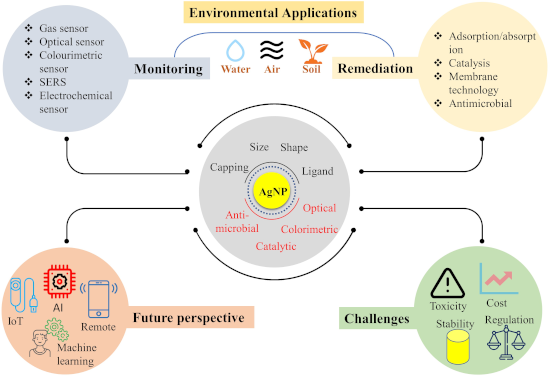
- particle size, surface composition, state stability, and organic matter, which ultimately generate bioavailability and toxicity concerns [34]. The regulatory framework governing AgNP environmental applications remains fragmented across jurisdictions; while OECD, ISO, EU, and US EPA guidelines address


Towards targeted drugs and next generation of nanomedicines
Beilstein J. Nanotechnol. 2026, 17, 598–601, doi:10.3762/bjnano.17.41

- future development. Bioavailability is an important factor for pharmaceutical agents. Here nanoparticles have the great advantage that their physicochemical properties can be largely tailored. A hydrophobic drug can be made more water soluble by linking it to a hydrophilic nanoparticle. However, as with
Advances in nanotechnology applied to natural products
Beilstein J. Nanotechnol. 2026, 17, 555–558, doi:10.3762/bjnano.17.36
- emerges as a promising strategy to overcome limitations of bioactive compounds, and improve their efficacy in various biomedical scenarios. Nanoformulations can protect unstable compounds, improve sensory acceptability, modulate the release of cargos, increase bioavailability, improve tissue penetration
- physicochemical stability, increase apparent bioavailability, and modulate biological responses. In systemic delivery, microemulsions have been reported to enhance the absorption and therapeutic performance of natural compounds, with associated reductions in metabolic alterations and oxidative stress in
- of strategies currently used to improve the stability, bioavailability, targeting, and functional biological performance of natural products. The contributions presented highlight the inherently interdisciplinary character of the field, bridging fundamental physicochemical approaches with biomedical
Biomimetic nanoparticles in cancer photodynamic therapy: a review of targeted delivery systems and therapeutic outcomes
Beilstein J. Nanotechnol. 2026, 17, 396–422, doi:10.3762/bjnano.17.27
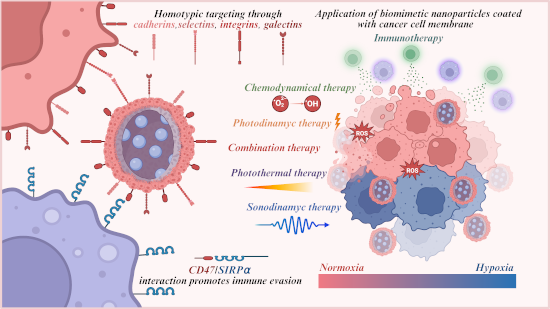
- pivotal step that directly influences the overall therapeutic outcome of PDT. The success of PDT hinges not only on the intrinsic photochemical properties of the PS but also on its effective delivery to the tumor site, stability during circulation, bioavailability within the TME, and ability to be
- capacities ensure adequate PS payloads for sufficient ROS generation at tumor sites, release kinetics govern bioavailability within the tumor microenvironment, spatiotemporal control of photoactivation, and minimization of off-target phototoxicity during systemic circulation. Addressing tumor hypoxia: BNP


Optical bio/chemical sensors for vitamin B12 analysis in food and pharmaceuticals: state of the art, challenges, and future outlooks
Beilstein J. Nanotechnol. 2025, 16, 2207–2244, doi:10.3762/bjnano.16.153
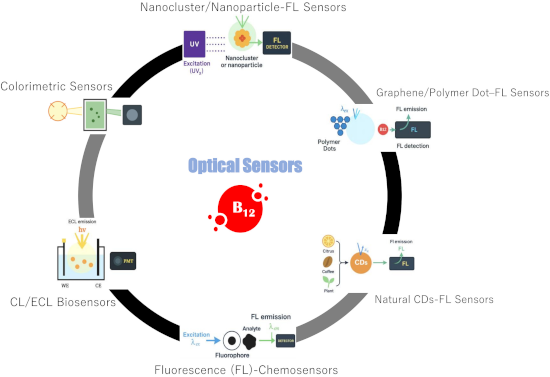
- for adults in the European Union is 4.0 µg [32][33]. The bioavailability of VB12 in food sources for healthy adults with typical absorption efficiency is roughly estimated to be 50%. In contrast, crystalline VB12 incorporated into supplements and fortified foods shows an absorption rate ranging from


Toward clinical translation of carbon nanomaterials in anticancer drug delivery: the need for standardisation
Beilstein J. Nanotechnol. 2025, 16, 2092–2104, doi:10.3762/bjnano.16.144
- breast cancers. Its small molecular weight and good aqueous solubility facilitate encapsulation in diverse DDSs, while its instability and short half-life, due to rapid deamination and phosphorylation, highlight the need for protective nanocarriers to improve bioavailability. These features make



Beyond the shell: exploring polymer–lipid interfaces in core–shell nanofibers to carry hyaluronic acid and β-caryophyllene
Beilstein J. Nanotechnol. 2025, 16, 2015–2033, doi:10.3762/bjnano.16.139
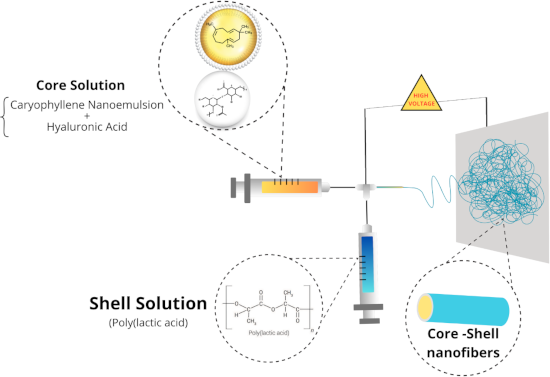
- stability and bioavailability [35] of the compound and enable its incorporation into nanofibers. In this study, a Box–Behnken design was applied to develop an optimized βCp nanoemulsion (NE-βCp). This experimental design employed ultrasonication as the manufacturing method with the oil: βCp ratio (0–80




Targeting the vector of arboviruses Aedes aegypti with nanoemulsions based on essential oils: a review with focus on larvicidal and repellent properties
Beilstein J. Nanotechnol. 2025, 16, 1894–1913, doi:10.3762/bjnano.16.132
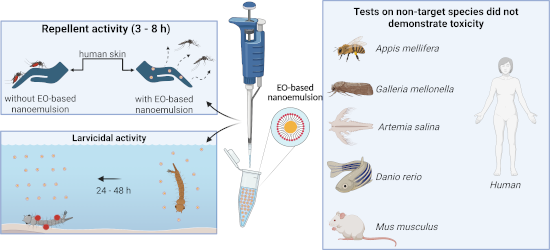
- biomedical applications. These include: (a) superior stability during storage compared to that of macroemulsions, attributed to their small droplet size, which prevents flocculation, creaming, and sedimentation; (b) enhanced bioavailability and improved aqueous solubility of lipophilic molecules; (c
- after 24 hours. Morphological analysis revealed significant damage to the larvae, such as cuticular deformations, especially in the anal segment. The rapid release of the essential oil (91.68% in 48 hours) indicated high bioavailability, contributing to the efficacy of the nanoemulsion. Bosly et al


On the road to sustainability – application of metallic nanoparticles obtained by green synthesis in dentistry: a scoping review
Beilstein J. Nanotechnol. 2025, 16, 1851–1862, doi:10.3762/bjnano.16.128
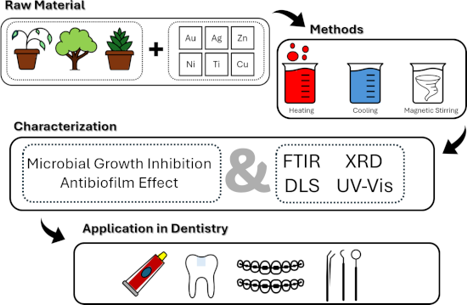
- significantly reduces the generation of toxic waste, occupational risks, and environmental impacts [13][14][15]. Furthermore, green-synthesized nanoparticles demonstrate enhanced biocompatibility, improved bioavailability, and reduced cytotoxicity, which broadens their applicability in fields such as dental


Phytol-loaded soybean oil nanoemulsion as a promising alternative against Leishmania amazonensis
Beilstein J. Nanotechnol. 2025, 16, 1826–1836, doi:10.3762/bjnano.16.126

- pharmaceutical application by reducing bioavailability [18]. To overcome these limitations, the incorporation of phytol into nanostructured delivery systems, has been proposed to improve its solubility, stability, and intracellular delivery efficiency [19]. Nanotechnology-based drug delivery systems that
- agents such as surfactants and co-surfactants, forming a kinetically stable system. With droplet sizes ranging from 20 to 500 nm, NEs can significantly enhance drug permeability and bioavailability [24][25][26][27]. Therefore, the present study aimed to develop a nanoemulsion containing phytol, produced


Exploring the potential of polymers: advancements in oral nanocarrier technology
Beilstein J. Nanotechnol. 2025, 16, 1751–1793, doi:10.3762/bjnano.16.122
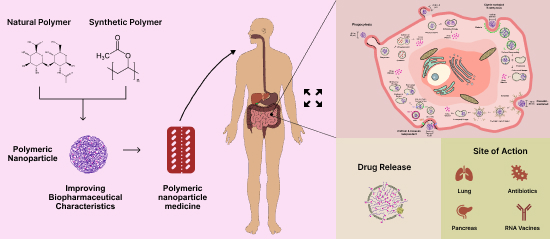
- in the application of polymers as oral nanocarriers, emphasizing key natural and synthetic polymers that enhance stability, bioavailability, and release. The physicochemical properties, biodegradability, and chemical modifications of these polymers, which promote mucoadhesion and epithelial
- products intended for human use [1]. Despite their advantages, drug candidates for oral administration face several limitations, as shown in Figure 1, including chemical instability caused by the gastric environment, low bioavailability, and poor permeability across barriers in the gastrointestinal tract
- bioavailability enhancement are discussed. The objective of this study is to provide a comprehensive theoretical foundation for employing polymers as nanocarriers in oral drug delivery. 2 Polymeric nanoparticles: a viable option for oral administration The biocompatibility and biodegradability of polymers have


Advances of aptamers in esophageal cancer diagnosis, treatment and drug delivery
Beilstein J. Nanotechnol. 2025, 16, 1734–1750, doi:10.3762/bjnano.16.121
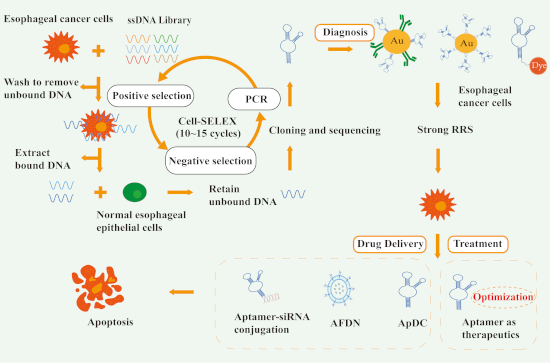
- . Pegaptanib and Avacincaptad pegol can be administered topically by intravitreal injection, easily achieving ideal bioavailability. However, the clinical utility of aptamer-based therapeutics remains limited. Developing new aptamers for esophageal cancer therapy presents multiple challenges, such as lack of
- threshold (30–50 kDa), thereby prolonging circulation half-life and enhancing stability. These strategies collectively improve drug bioavailability while reducing off-target toxicity, offering versatile solutions for aptamer applications in precision medicine. The following sections give a summary of the


Multifunctional anionic nanoemulsion with linseed oil and lecithin: a preliminary approach for dry eye disease
Beilstein J. Nanotechnol. 2025, 16, 1711–1733, doi:10.3762/bjnano.16.120
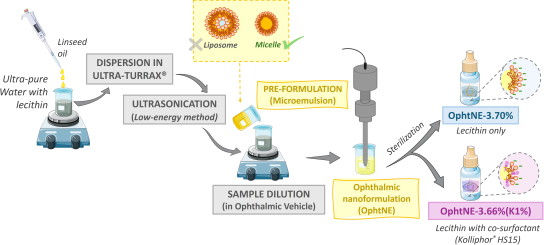
- Freire 01, Cidade Universitária, 50740-540, Recife, Pernambuco, Brazil 10.3762/bjnano.16.120 Abstract The treatment of dry eye disease (DED) often requires frequent use of artificial tear products. Because of their low permeability and limited ocular bioavailability, repeated applications are required
- as rapid elimination by the precorneal layer and low retention of the ocular surface [7]. As a result, topical administration remains the primary treatment method despite its drawbacks, such as low bioavailability and the need for frequent applications [8][9]. Studies show that only a tiny fraction
- bioavailability after topical ocular instillation, offering several benefits such as reducing the administration frequency, optimizing pharmacokinetic parameters, protecting against enzymatic degradation, and enhancing the stability of bioactive molecules [14][17][18][19]. Currently, three ophthalmic products



Prospects of nanotechnology and natural products for cancer and immunotherapy
Beilstein J. Nanotechnol. 2025, 16, 1644–1667, doi:10.3762/bjnano.16.116
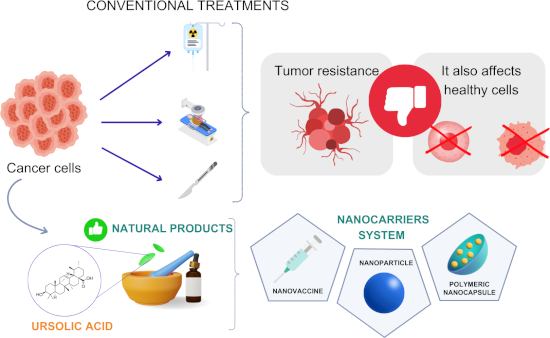
- system activation and tumor growth inhibition [14]. Nevertheless, challenges like low bioavailability, chemical instability, and difficulty in targeting specific tissues hinder their effective clinical application [15]. Nanotechnology has emerged as an innovative solution to overcome the limitations of
- pharmacokinetic properties, increasing bioavailability, protecting them from degradation, and allowing for site-specific delivery [24]. Consequently, this combination addresses both the limitations of natural products and the complex challenges of cancer therapy [25]. Unlike conventional literature reviews, this
- factors such as bioavailability and stability, while also reducing toxicity [27]. China (CN) leads the ranking of published inventions with 14 documents, followed by the World Intellectual Property Organization (WO), the Republic of Korea (KR), and the United States of America (USA), each with one patent


Enhancing the therapeutical potential of metalloantibiotics using nano-based delivery systems
Beilstein J. Nanotechnol. 2025, 16, 1350–1366, doi:10.3762/bjnano.16.98
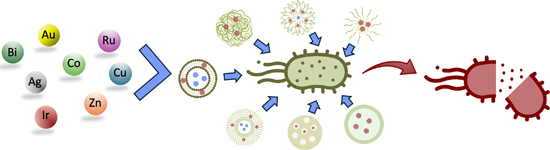
- metalloantibiotics to reach clinical application [21]. One of the main characteristics of metallodrugs is their low aqueous solubility; this, combined with their typically short in vivo half-lives, results in inadequate bioavailability and low accumulation at the therapeutic site [22]. Another limiting factor is the
- and bioavailability [71]. They are formulated from lipids that are generally recognized as safe, making them highly biocompatible and low in toxicity [72]. Moreover, the solid lipid matrix slows down drug diffusion and lipid degradation, enabling a controlled, long-lasting release of the encapsulated
- during storage [83][84]. Their surfaces can be modified for targeted delivery, improving the bioavailability of therapeutic agents and allowing for their use in a variety of medical applications. Despite these advantages, challenges such as particle aggregation and potential toxicity continue to persist


Ferroptosis induction by engineered liposomes for enhanced tumor therapy
Beilstein J. Nanotechnol. 2025, 16, 1325–1349, doi:10.3762/bjnano.16.97
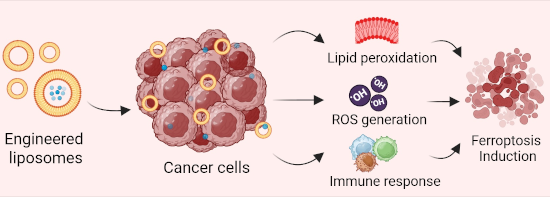
- liposomes were prepared by Gai et al. to co-load metallothionein 1D pseudogene (MT1DP) and erastin (E/M@FA-LPs) to improve the bioavailability and efficacy of the drug/gene mixture. The characterization tests revealed that E/M@FA-LP had a spherical shape, a diameter of about 154 nm and a zeta potential of


Acrocomia aculeata oil-loaded nanoemulsion: development, anti-inflammatory properties, and cytotoxicity evaluation
Beilstein J. Nanotechnol. 2025, 16, 1277–1288, doi:10.3762/bjnano.16.93
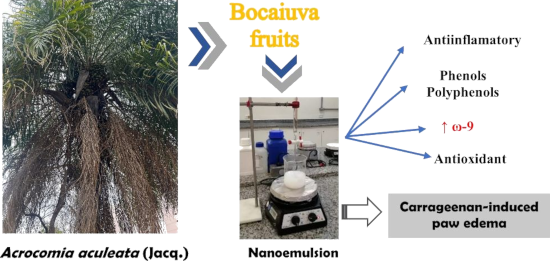
- emulsified systems loaded with plant extracts have better pharmacological activity than extracts when used naturally [22]. For example, plant oil-loaded nanoemulsions exhibit high water solubility, improved permeability, and enhanced bioavailability [23]. This contrasts with the limited solubility and poor
- bioavailability of natural oil through different routes of administration [24][25][26][27]. The possibility of developing nanotechnological products with potent pharmacological activity was considered to add more value to the oil obtained from bocaiúva pulp, which contains phenols and carotenoids. Therefore, the


Better together: biomimetic nanomedicines for high performance tumor therapy
Beilstein J. Nanotechnol. 2025, 16, 1246–1276, doi:10.3762/bjnano.16.92
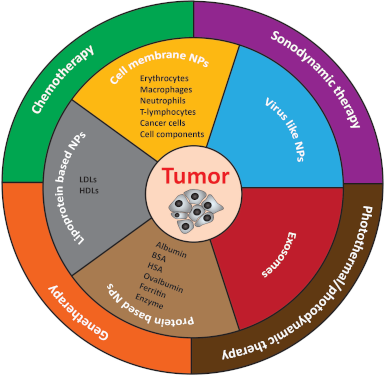
- systems [1][2]. Cancer treatment has been revolutionized, yet cancer is treated with traditional methods, that is, chemotherapy, radiotherapy, and surgical intervention, accompanied by several lethal implications along with low solubility, poor bioavailability, and fatal off-target effects [3][4]. In
- chemotherapeutics and their delivery vehicles has received great attention. The delivery strategies can significantly improve chemotherapeutics efficacy and significantly overcome poor bioavailability, adverse effects, and resistance. Nevertheless, drug delivery is still facing many challenges, including non
- -DOX to target the glioma cells by homologous targeting and enhanced glioma cells apoptosis [141]. To improve the antitumor efficacy and bioavailability of chemotherapeutics, Gao et al. exploited albumin-mediated transportation and developed a biomimetic prodrug by modifying camptothecin with different






Investigation of the solubility of protoporphyrin IX in aqueous and hydroalcoholic solvent systems
Beilstein J. Nanotechnol. 2025, 16, 1209–1215, doi:10.3762/bjnano.16.89
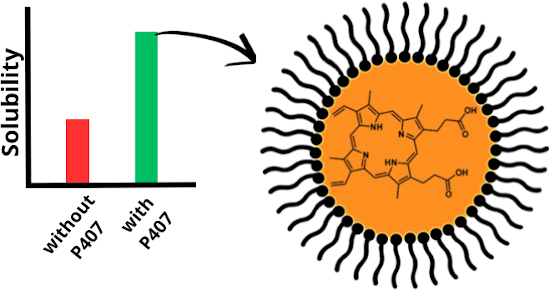
- PSs have their hydrophobicity as drawback, which can lead to the formation of aggregates in aqueous solutions, compromising bioavailability and photodynamic activity [5]. The aggregation of the PS decreases its photoactive properties since, for its action, it must be in the monomeric form, in which
- its bioavailability and light absorption capacity will be increased [5]. To overcome this problem, the development of drug delivery systems, such as poloxamer-based ones, has played an important role on the delivery of dyes for PDT [8][9][10]. Poloxamers are triblock copolymers with thermosensitive
- aggregation, and improve bioavailability in aqueous media [5][16]. Additionally, at high concentrations, P407 can transition into more complex nanostructured systems, such as hydrogels and lyotropic liquid crystals, providing additional control over drug release and stability. The thermosensitive and self


Efficiency of single-pulse laser fragmentation of organic nutraceutical dispersions in a circular jet flow-through reactor
Beilstein J. Nanotechnol. 2025, 16, 711–727, doi:10.3762/bjnano.16.55
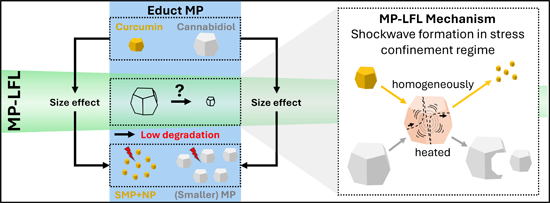
- goes along with an elevated specific surface area that improves solubility and bioavailability of these nutraceuticals. Consequently, the amount of degradation products per generated surface area within one laser passage is a particularly interesting assessment criterion for process efficiency


Aprepitant-loaded solid lipid nanoparticles: a novel approach to enhance oral bioavailability
Beilstein J. Nanotechnol. 2025, 16, 652–663, doi:10.3762/bjnano.16.50
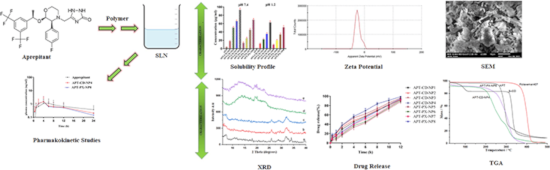
- release (98.89% ± 4.11%) in PBS (pH 7.4) and followed the Higuchi release model (with exponent n = 0.542), indicating non-Fickian diffusion (anomalous transport). The maximum concentration of drug in plasma and the bioavailability of optimal formulation APT-CD-NP4 were higher than those of pure APT
- . Therefore, the optimal SLN formulation APT-CD-NP4 is a promising tool for oral administration with sustained release to improve the bioavailability of the BCS class-IV drug APT. Keywords: aprepitant; β-cyclodextrin; pharmacokinetic study; poloxamer; solid lipid nanoparticles; Introduction Cancer is a
- solitary tract in the brain. APT is equally effective in the prevention of pre/postoperative nausea and as rescue antiemetic, offering better control of vomiting after 24 and 48 h compared with conventional therapies [6]. APT has an oral bioavailability of 60–65%. The maximum concentration of drug in



A formulation containing Cymbopogon flexuosus essential oil: improvement of biochemical parameters and oxidative stress in diabetic rats
Beilstein J. Nanotechnol. 2025, 16, 617–636, doi:10.3762/bjnano.16.48
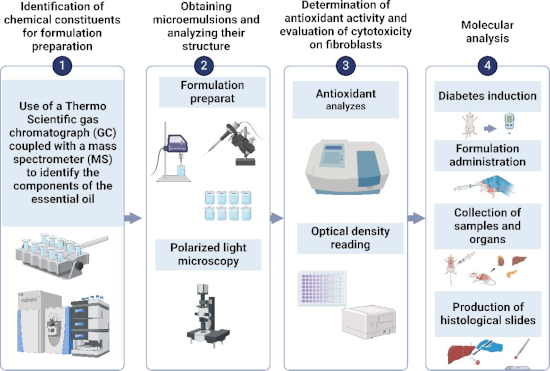
- after in vivo administration [8]. Among these systems, microemulsions (MEs) stand out for their ability to increase the solubility, absorption, and bioavailability of lipophilic compounds such as EOs. MEs are transparent, thermodynamically stable, low-viscosity systems containing oil and water
- of MEs is advantageous when taken orally as it facilitates oral application and dose adjustment; it also improves absorption and bioavailability. Additionally, MEs can be administered to humans as self-microemulsifying drug delivery systems (SMEDDSs) delivered in soft gelatin capsules as they are low
- such as superoxide dismutase and catalase. The microemulsion likely enhances the bioavailability of key phytoconstituents such as citral, thereby potentiating their biological activity. To strengthen this interpretation, we included comparisons with prior studies involving lemongrass essential oil and