Search results
Search for "biomaterials" in Full Text gives 125 result(s) in Beilstein Journal of Nanotechnology.
Ultrasonic irradiation in the synthesis of nanohydroxyapatite: a chemically friendly technique for improving hemocompatibility and antibiofilm applications
Beilstein J. Nanotechnol. 2026, 17, 991–1015, doi:10.3762/bjnano.17.68
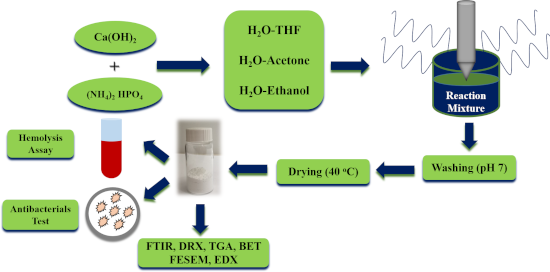
- ]. Nanohydroxyapatite is distinguished by its remarkable osteoinduction and osteoconduction capabilities, making it a bioceramic with great potential in biomedical engineering. Its low hemotoxicity [27][28] and antibacterial properties [29][30] further expand its applicability in the field of biomaterials. It is also
- study of hydroxyapatite continue to provide significant advantages in the development of new biomaterials. Furthermore, obtaining nHA through a green chemistry approach adds to its many existing advantages. Based on these premises, this study investigated the influence of ultrasonic irradiation on
- hydroxyapatite properties by varying the irradiation time and solvents used in the synthesis process. Additionally, we evaluated their hemocompatibility and ability to inhibit colonization or biofilm formation against pathogens, contributing to the exploration of new nHA-based biomaterials for use in tissue




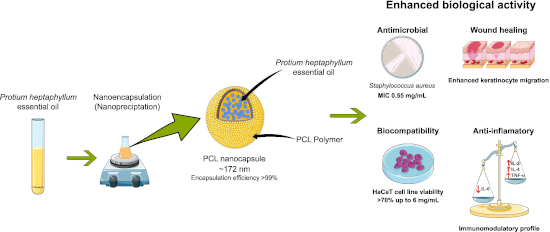
Development of Protium heptaphyllum essential oil-loaded nanocapsules: experimental design and biological activity
Beilstein J. Nanotechnol. 2026, 17, 974–990, doi:10.3762/bjnano.17.67
- Junior Emmanuel Abraham Ho Marcele Fonseca Passos Institute of Biological Sciences, Federal University of Pará, PA, Brazil Technological Development Group on Biomaterials and Bioproducts of the Amazon, PA, Brazil Laboratory for Drug Delivery and Biomaterials, School of Pharmacy, University of Waterloo




Materials challenges in solid-state sensors for continuous monitoring of ions in water
Beilstein J. Nanotechnol. 2026, 17, 935–973, doi:10.3762/bjnano.17.66
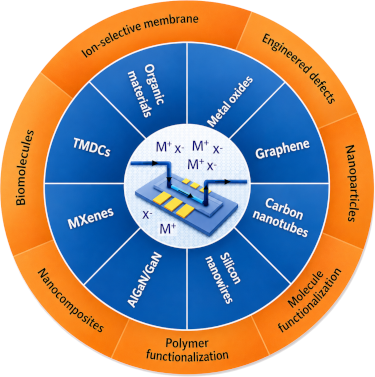
- through strategies such as defect engineering, nanoparticle doping, surface functionalization with organic molecules, or incorporation of advanced recognition elements like metal–organic frameworks, covalent organic frameworks, ion-imprinted polymers, and biomaterials. Hybrid nanocomposites and ion



Protein-based custom-designed molecular nanotraps for biomedical applications
Beilstein J. Nanotechnol. 2026, 17, 683–687, doi:10.3762/bjnano.17.47

- recognition towards molecular targets of clinical relevance. Envisaged applications span from targeting relevant biomarkers for therapeutics, diagnostics, and in situ sensing to building high-complexity order meta-biomaterials. Keywords: bioMIPs; gelatin methacryloyl (GelMA); meta-biomaterials; molecularly
- property of the biomaterials. For this, bioMIPs fit with the definition of meta-biomaterials. The bioMIPs do not require preserving the protein’s original fold to exert the recognition function; this simplifies manufacturing and hugely reduces costs while still providing effective and high-quality
- molecularly selective meta-biomaterials. This innovative approach opens the way for developing next-generation biocompatible and biointegrable recognition materials, expanding towards nanodevices and nanostructures for targeted molecular recognition in nanomedicine and personalized therapy. The specific

Polycatecholamine nanocoatings on stainless steel: the effect on attachment of human fibroblasts and platelets
Beilstein J. Nanotechnol. 2026, 17, 365–380, doi:10.3762/bjnano.17.25
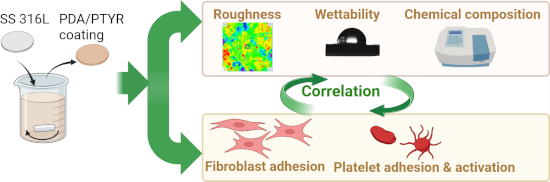
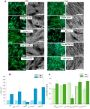
- . Such measurements are rarely reported. PDA coatings produced via oxidation on metallic biomaterials measured between 2 nm and nearly 1 µm. Reports include Cu2+ oxidation, yielding coatings greater than 70 nm and simple O2 oxidation giving 45 ± 5 nm [17], KMnO4 treatment resulting in approximately 33 nm




Functional surface engineering for cultural heritage protection: the role of superhydrophobic and superoleophobic coatings – a comprehensive review
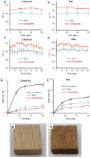
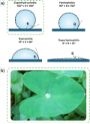
Beilstein J. Nanotechnol. 2026, 17, 63–96, doi:10.3762/bjnano.17.6

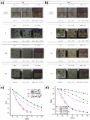
- Giuseppe Cesare Lama Marino Lavorgna Letizia Verdolotti Federica Recupido Giovanna Giuliana Buonocore Bharat Bhushan Institute for Polymers, Composite and Biomaterials, National Council of Research (IPCB-CNR), P.le E. Fermi 1, 80055 Portici, Italy Dept of Mechanical and Aerospace Engineering, The




Beyond the shell: exploring polymer–lipid interfaces in core–shell nanofibers to carry hyaluronic acid and β-caryophyllene
Beilstein J. Nanotechnol. 2025, 16, 2015–2033, doi:10.3762/bjnano.16.139
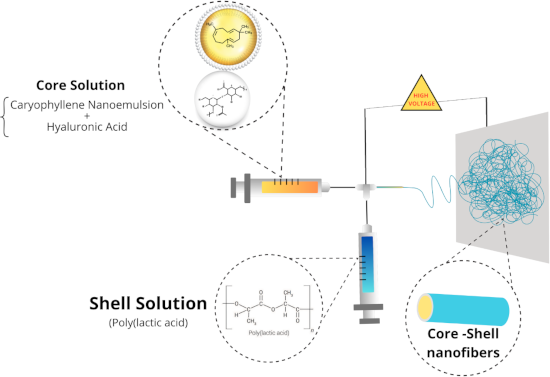
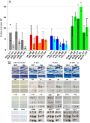
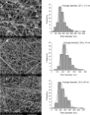
- biomaterials, recent decades have seen intensive research into novel therapeutic strategies for regenerative medicine [1][2][3][4]. Within this scenario, a pivotal current strategy in formulation development focuses on integrating nanocarriers with nanoscale three-dimensional biomaterials, enabling major
- conventional fibrous materials. Their flexibility in fabrication allows for integration into a broad range of applications, from drug delivery scaffolds to composite biomaterials, contributing to their increasing relevance in both scientific research and industrial development [11][12][13][14]. To leverage the




Self-assembly and adhesive properties of Pollicipes pollicipes barnacle cement protein cp19k: influence of pH and ionic strength
Beilstein J. Nanotechnol. 2025, 16, 1863–1872, doi:10.3762/bjnano.16.129
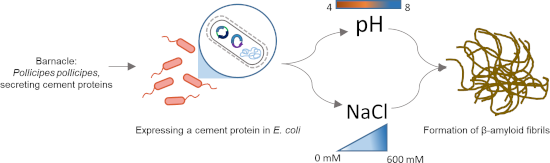
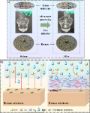
- bioinspired adhesives and biomaterials. Keywords: adhesive; amyloid fibre; barnacle cement protein; surface coating; transmission electron microscopy; Introduction Marine adhesives are naturally occurring substances secreted by a variety of organisms to attach themselves to submerged surfaces such as rocks


On the road to sustainability – application of metallic nanoparticles obtained by green synthesis in dentistry: a scoping review
Beilstein J. Nanotechnol. 2025, 16, 1851–1862, doi:10.3762/bjnano.16.128
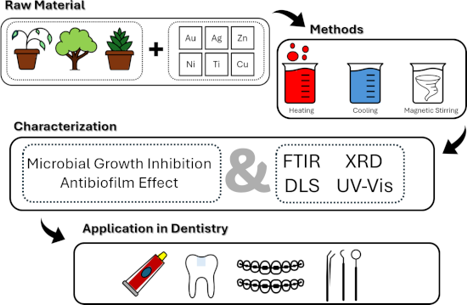
- biomaterials [16][17]. Owing to their high adaptability to various metals, including silver, zinc, iron, and platinum, their operational simplicity, and the ability to control nanoparticle size and morphology by selecting plant extracts and reaction conditions, green synthesis is gaining increasing prominence
- regenerative potential of biomaterials applied in clinical settings. Implantology is another emerging area of application, where nanoparticle-based coatings are used to reduce peri-implant biofilm formation and enhance osseointegration [9][19]. Titanium implants functionalized with green-synthesized AgNPs or
- also hold promise in regenerative dentistry. Incorporated into scaffolds, membranes, and hydrogels, they have demonstrated the ability to enhance osteogenesis and angiogenesis while simultaneously reducing microbial contamination [19]. These multifunctional biomaterials not only support bone and


Nanomaterials for biomedical applications
Beilstein J. Nanotechnol. 2025, 16, 1499–1503, doi:10.3762/bjnano.16.105
- Iqra Zainab Zohra Naseem Syeda Rubab Batool Filippo Pierini Seda Kizilel Muhammad Anwaar Nazeer Biomaterials and Tissue Engineering Research Laboratory, National Textile University, Faisalabad 37610, Pakistan School of Engineering and Technology, National Textile University, 37610, Faisalabad
- recent years, the scientific community has started focusing on what nanocomposites potentially offer. Binding nanoparticles along with biomaterials enhances their strength, flexibility, and durability. For example, adding hydroxyapatite nanoparticles to a polymer can improve bone compatibility, making it
Ferroptosis induction by engineered liposomes for enhanced tumor therapy
Beilstein J. Nanotechnol. 2025, 16, 1325–1349, doi:10.3762/bjnano.16.97
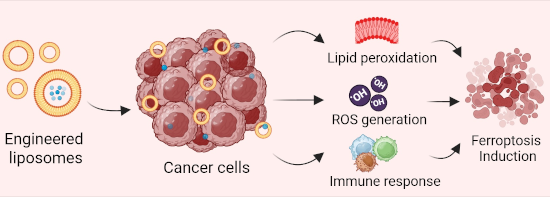
- Sciences, Mashhad, Iran Department of Medical Biotechnology and Nanotechnology, Faculty of Medicine, Mashhad University of Medical Sciences, Mashhad, Iran Department of Pharmaceutics and Nanotechnology, School of Pharmacy, Birjand University of Medical Sciences, Birjand, Iran Department of Biomaterials and


Better together: biomimetic nanomedicines for high performance tumor therapy
Beilstein J. Nanotechnol. 2025, 16, 1246–1276, doi:10.3762/bjnano.16.92
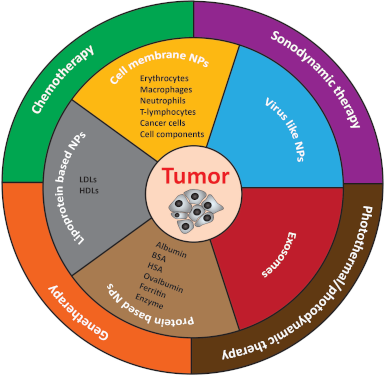
- as brain, liver, spleen, lungs, arterial walls for both immediate and sustained release. Their degradation and release kinetics can be controlled or manipulated by different methods and incorporation or conjugation of specific materials. Importantly, they mainly focus on different biomaterials, drug
- are specialized NPs, where the surface is designed with natural biocompatible biomaterials that can mimic the structure and functions of the natural cells to improve targetability, enhance biocompatibility, and increase retention time with minimum undesired immune reaction [22]. Importantly, efficient
- with a specific focus on their types and recent advancements only for cancer treatment. This review focuses on the recent advancements in biomimetic nanomedicines engineered with various biomaterials, emphasizing their interactions with different types of tumors and tumor microenvironment (TME). It






Hydrogels and nanogels: effectiveness in dermal applications
Beilstein J. Nanotechnol. 2025, 16, 1216–1233, doi:10.3762/bjnano.16.90
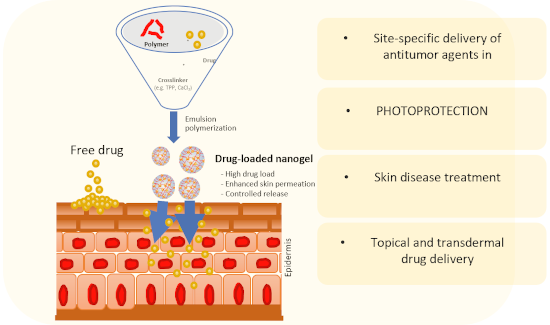
- prevention of the spontaneous combustion of coal [29]. The development of chemically functional materials on the nanoscale appears to be of fundamental importance when it comes to health applications. Nanogels are an excellent alternative for the manufacture of biomaterials due to their physical and chemical


Piezoelectricity of hexagonal boron nitrides improves bone tissue generation as tested on osteoblasts
Beilstein J. Nanotechnol. 2025, 16, 1068–1081, doi:10.3762/bjnano.16.78
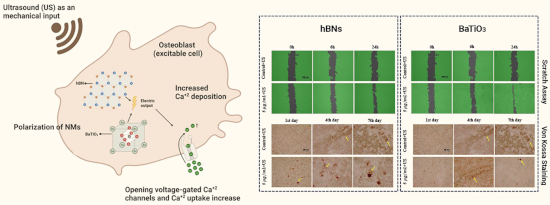
- bioactive molecules, biomimetic fibrous substitutes, biomaterials-based 3D cell-printing substitutes, and nanoscaffolds incorporating stem cells [15]. Piezoelectric materials are also under active investigation for their potential application in bone regeneration therapies [2][8][16]. These materials can


Soft materials nanoarchitectonics: liquid crystals, polymers, gels, biomaterials, and others
Beilstein J. Nanotechnol. 2025, 16, 1025–1067, doi:10.3762/bjnano.16.77
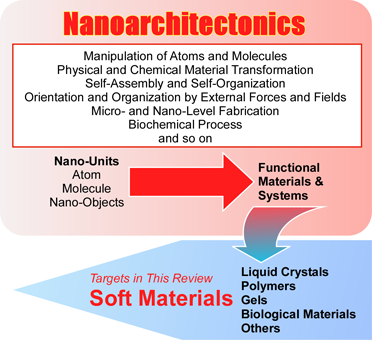
- nanoarchitectonics. As an overall conclusion, it is highly anticipated that soft materials nanoarchitectonics will continue to develop significantly in the future. Keywords: biomaterials; gel; liquid crystal; nanoarchitectonics; polymer; soft materials; Introduction The growing interest in soft and responsive






Colloidal few layered graphene–tannic acid preserves the biocompatibility of periodontal ligament cells
Beilstein J. Nanotechnol. 2025, 16, 664–677, doi:10.3762/bjnano.16.51
- Teissir Ben Ammar Naji Kharouf Dominique Vautier Housseinou Ba Nivedita Sudheer Philippe Lavalle Vincent Ball INSERM UMR_S 1121, CNRS EMR 7003, Université de Strasbourg, Biomaterials and Bioengineering, Centre de Recherche en Biomédecine de Strasbourg, 1 rue Eugène Boeckel, Strasbourg F-67000
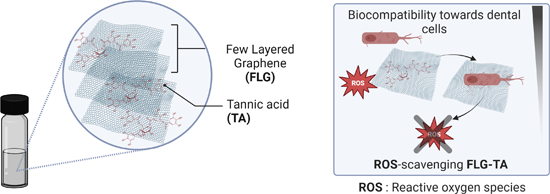
- . In this context, the incorporation of graphene-based materials into dental biomaterials could offer advantages such as increased mechanical strength. Nevertheless, biocompatibility issues still hinder their adoption. In this study, a biocomposite of few-layered graphene and tannic acid (FLG–TA) was
- ; biocompatibility; dental applications; few layered graphene–tannic acid biocomposite (FLG–TA); periodontal ligament cells (PDL); Introduction Dental diseases remain a global health challenge [1]. Dental biomaterials are crucial in both therapeutic and preventive strategies, with nanotechnology emerging as a




Polyurethane/silk fibroin-based electrospun membranes for wound healing and skin substitute applications
Beilstein J. Nanotechnol. 2025, 16, 591–612, doi:10.3762/bjnano.16.46
- Iqra Zainab Zohra Naseem Syeda Rubab Batool Muhammad Waqas Ahsan Nazir Muhammad Anwaar Nazeer Biomaterials and Tissue Engineering Research (BIOMATTER) Laboratory, National Textile University, Faisalabad 37610, Pakistan School of Engineering and Technology, National Textile University, Faisalabad
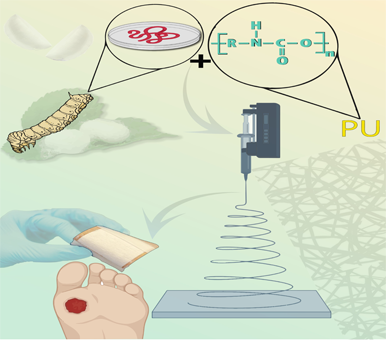
- -based electrospun fibers for biomedical applications Silk from Bombyx mori has been used as biomedical suture for centuries [94]. Generally, silks are protein polymers that are spun into fibers, which provides a wide range of material options for controlled release systems, biomaterials, and tissue
- PU make it a key compound in scientific research, excelling many other materials in this field [126]. Biostable polyurethane compounds Biostability is the key requirement for the prolonged functionality of implantable biomaterials. PU is prone to degradation by oxidative species released by



Enhancing mechanical properties of chitosan/PVA electrospun nanofibers: a comprehensive review
Beilstein J. Nanotechnol. 2025, 16, 286–307, doi:10.3762/bjnano.16.22

- directions are proposed to overcome these obstacles and further enhance the mechanical properties of chitosan/PVA electrospun nanofibers, guiding their development for practical applications. Keywords: biomaterials; chitosan; electrospun nanofiber; mechanical properties; polyvinyl alcohol; Introduction In
- nanocomposites have been produced through the substantial utilization of nanoparticles. The development of fibrous nanocomposites or bio-nanocomposites, where the matrix and/or fillers are biomaterials, has been advanced in recent years by introducing nanoscale materials into electrospun fibers in the form of


Biomimetic nanocarriers: integrating natural functions for advanced therapeutic applications
Beilstein J. Nanotechnol. 2024, 15, 1619–1626, doi:10.3762/bjnano.15.127

- relevant and challenging human diseases. This study demonstrates that mimicking cell membranes, particularly those of immune system cells, offers significant benefits by reducing the degradation of biomaterials by the host. The use of biocompatible coatings not only enhances treatment efficacy but also


Natural nanofibers embedded in the seed mucilage envelope: composite hydrogels with specific adhesive and frictional properties
Beilstein J. Nanotechnol. 2024, 15, 1603–1618, doi:10.3762/bjnano.15.126
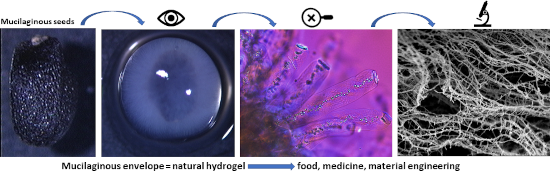
- production of biofilms, encapsulation, or lubricants with medical application [106][110][111][116][117]. Our findings may also help to design pathogen-resistant lubricating biomaterials with low friction, which can be achieved in rather simply way by adding phenolic substances to the medical hydrogels [98


Green synthesis of silver nanoparticles derived from algae and their larvicidal properties to control Aedes aegypti
Beilstein J. Nanotechnol. 2024, 15, 1566–1575, doi:10.3762/bjnano.15.123
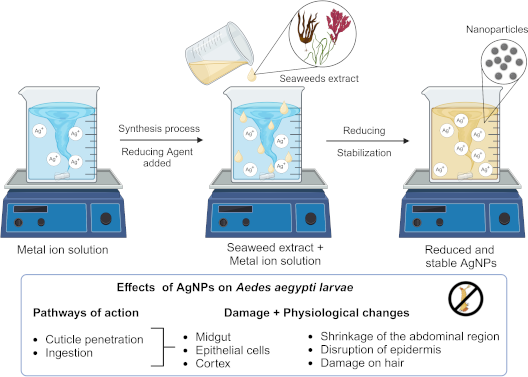
- on naturally occurring biomaterials have been used as an alternative to obtain metallic nanoparticles [32][33]. These do not involve any toxic chemicals and require less energy and synthesis time. Simple protocols have been used involving the reduction of metal ions using biological extracts as


A biomimetic approach towards a universal slippery liquid infused surface coating
Beilstein J. Nanotechnol. 2024, 15, 1376–1389, doi:10.3762/bjnano.15.111
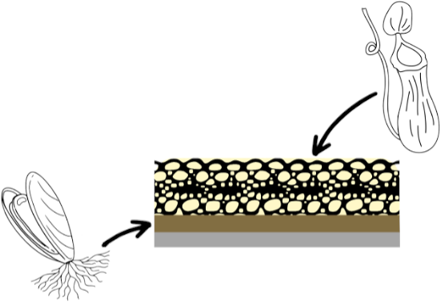
- aggregates form and are joined together through π stacking [45]. As mentioned earlier, quantification of the activation of intrinsic coagulation on SLIPS surfaces have not been fully investigated. For biomaterials, the intrinsic pathway has been shown to activate upon exposure, whereas in vivo the extrinsic




Realizing active targeting in cancer nanomedicine with ultrasmall nanoparticles
Beilstein J. Nanotechnol. 2024, 15, 1208–1226, doi:10.3762/bjnano.15.98
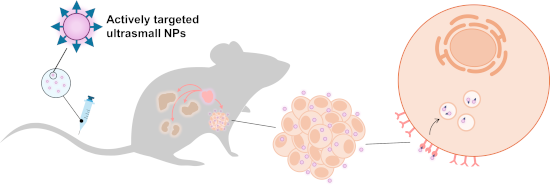
- ) Tumor volume growth curves and (E) ex vivo weight of tumors at 14 days after treatment. Treatments included saline (control), targeted AuNCs, non-targeted AuNCs, with or without radiotherapy (RT). The figure was adapted from [122], Biomaterials, vol. 144, by G. Liang; X. Jin; S. Zhang; D. Xing, “RGD


Unveiling the potential of alginate-based nanomaterials in sensing technology and smart delivery applications
Beilstein J. Nanotechnol. 2024, 15, 1077–1104, doi:10.3762/bjnano.15.88
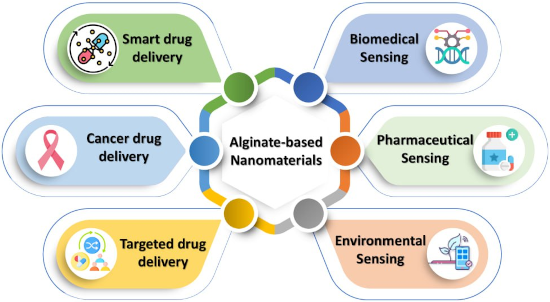
- . Also, alginate-based nanoparticles possess excellent mechanical and electrical properties, overcoming the limitations typically associated with biomaterials in sensing applications [73]. Drug delivery applications Alginate-based nanoparticles for smart DDSs Drug delivery systems are one of the areas in


Effect of wavelength and liquid on formation of Ag, Au, Ag/Au nanoparticles via picosecond laser ablation and SERS-based detection of DMMP
Beilstein J. Nanotechnol. 2024, 15, 1054–1069, doi:10.3762/bjnano.15.86

- , and biomaterials for constructing flexible SERS substrates, owing to their numerous advantages over traditional options such as glass and silicon [31][32][33][34][35][36][37][38][39]. Detecting hazardous molecules, such as pesticides, explosives, and chemical threats (nerve agents) using flexible SERS