Search results
Search for "chemical stability" in Full Text gives 189 result(s) in Beilstein Journal of Nanotechnology.
Nanoglasses: a trail towards uncharted regions of vitreous materials and their properties?
Beilstein J. Nanotechnol. 2026, 17, 1047–1062, doi:10.3762/bjnano.17.72



Materials challenges in solid-state sensors for continuous monitoring of ions in water
Beilstein J. Nanotechnol. 2026, 17, 935–973, doi:10.3762/bjnano.17.66
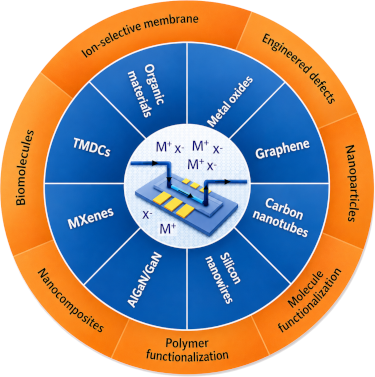
- , thereby enabling high transduction gain from small adsorption events [106]. The active layer of an electrochemical electrode should provide high electrochemical activity with efficient ion and electron transport, ensuring fast charge/discharge kinetics. It must also maintain chemical stability and
- . Collectively, these effects, bandgap narrowing, increased surface area, and synergistic catalytic activity, make the graphene–ZnO nanocomposite a sensitive and selective film for detecting trace lead ions in aqueous environments [111]. Although metal oxides have good chemical stability and exhibit robust



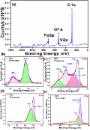
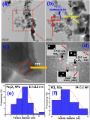
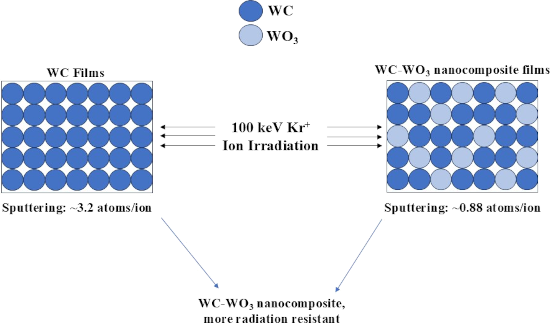
Enhanced erosion resistance and radiation stability of WC–WO3 nanocomposite films under 100 keV Kr+ ion irradiation
Beilstein J. Nanotechnol. 2026, 17, 922–934, doi:10.3762/bjnano.17.65
- drawn attention owing to their improved mechanical properties, enhanced activities and chemical stability [21][22][23][24]. In the recent past, many studies have been carried out which establish synthesis–structure–property relationships of polymer matrix composites in various areas of applications like
- -facing materials; sputtering erosion; WC–WO3 nanocomposites; Introduction Tungsten carbide (WC) and tungsten trioxide (WO3) are two hard and high-temperature-stable compounds that have individually demonstrated exceptional properties, including high melting points, mechanical strength, and chemical
- stability [1][2][3][4][5]. WC is a refractory ceramic compound known for its exceptional hardness, high melting point, and chemical inertness [6]. As a ceramic, WC exhibits strong covalent and ionic bonding, contributing to its mechanical strength and thermal stability under extreme conditions. Its unique



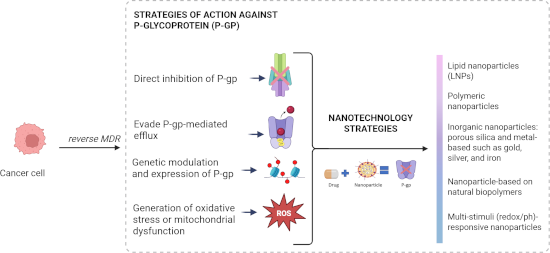
Nanocarrier strategies to overcome P-glycoprotein-mediated drug resistance in cancer therapy
Beilstein J. Nanotechnol. 2026, 17, 882–921, doi:10.3762/bjnano.17.64


Glycerol photoelectrochemical oxidation reaction at carbon nitrides/BiVO4 materials
Beilstein J. Nanotechnol. 2026, 17, 806–817, doi:10.3762/bjnano.17.57
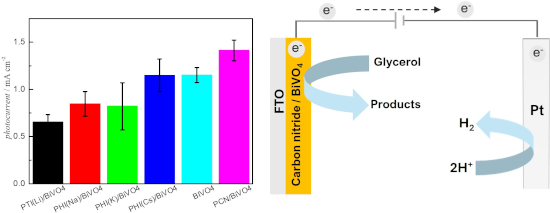
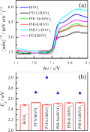
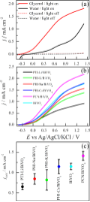
- been pointed out as a promising material, as it presents high chemical stability and a wide absorption range of solar radiation [8][9][10]. To overcome the limitations associated with the low electrical conductivity of BiVO4, sluggish surface kinetics and the recombination of electron–hole pairs [11




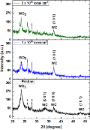
Two-step laser synthesis of Ag@TiO2 nanomaterials for the photocatalytic degradation of rhodamine B
Beilstein J. Nanotechnol. 2026, 17, 622–634, doi:10.3762/bjnano.17.43
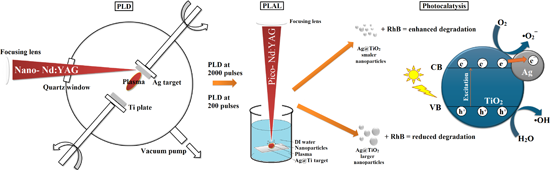
- the most extensively studied photocatalyst owing to its exceptional chemical stability, earth‐abundance, low cost, and benign (non‐toxic) nature [1][2][3]. These attributes, along with its strong oxidative power and high refractive index, make TiO2 an attractive and versatile material for UV–vis
- , chemical stability and photostability, and high solubility in water. However, its widespread application and persistent nature raise serious environmental and health concerns. Once released into aquatic environments, RhB resists natural degradation processes, leading to long-term accumulation. It disrupts


Recent progress in enhancing built-in electric fields of perovskite solar cells via junction engineering
Beilstein J. Nanotechnol. 2026, 17, 602–621, doi:10.3762/bjnano.17.42
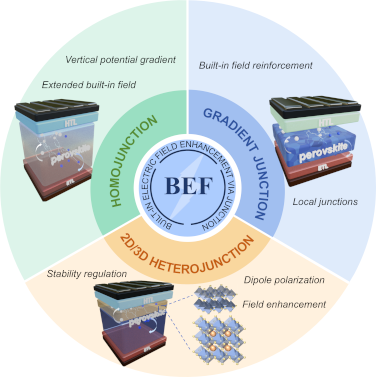
- ] and NiOx [28][29] have attracted increasing attention due to their superior chemical stability, processability, and cost-effectiveness. Among these materials, optimization of HTL performance via single-metal or dual-metal doping has become a common strategy. For example, Wang et al. [30] constructed a
- engineering focuses on the rapid reconstruction of electrostatic and energy levels at the interface, thereby in situ enhancing and extending the BEF into the near-interface bulk region [58]. Although isolated 2D (or quasi-2D) phases exhibit excellent chemical stability and defect passivation capabilities




Impacts of annealing on structural and photophysical properties of zinc phthalocyanine adsorbed on graphene
Beilstein J. Nanotechnol. 2026, 17, 576–585, doi:10.3762/bjnano.17.39
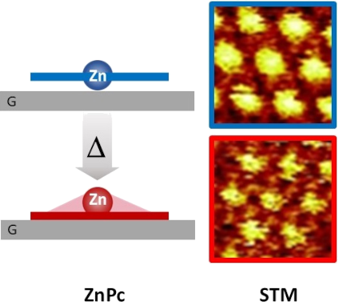
- ), a well-known family of organic semiconductors, have been the subject of intensive research [15]. This family of molecules offers many advantages for industrial applications such as nontoxicity, thermal and chemical stability, and strong optical absorption [16][17]. It has also become a paradigm in


Electrochemical determination of ciprofloxacin using a MIL-101/reduced graphene oxide-modified electrode
Beilstein J. Nanotechnol. 2026, 17, 541–554, doi:10.3762/bjnano.17.35
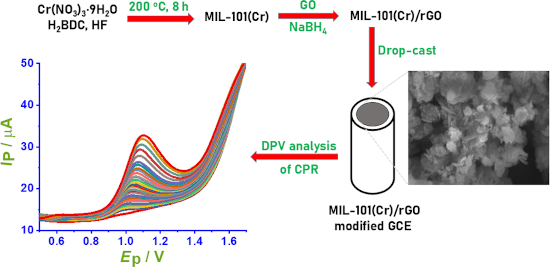
- surface areas, tunable pore sizes, and numerous active sites. Among these, MIL-101, a chromium-based MOF, is notable for its large pore volume, excellent chemical stability, and strong ability to adsorb organic molecules [9][10][11]. However, the poor electrical conductivity inherent to MIL-101 limits its


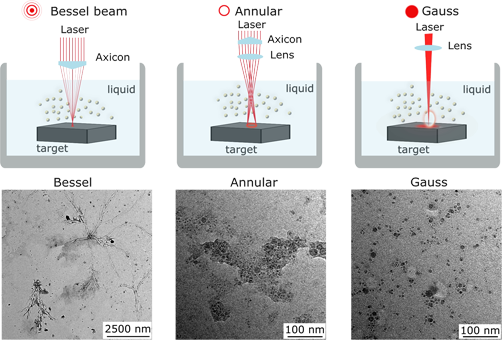
Beam shaping techniques for pulsed laser ablation in liquids: Unlocking tunable control of nanoparticle synthesis in liquids
Beilstein J. Nanotechnol. 2026, 17, 309–342, doi:10.3762/bjnano.17.22
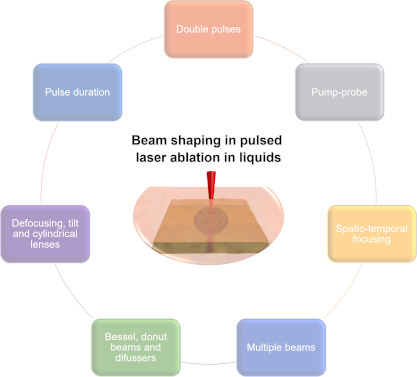
- . have demonstrated that the optical properties of Si/Au NPs, their structure, as well as their chemical composition can be modified by defocusing [143]. Defocusing 0.5 mm inside the target led to enhanced chemical stability of the colloids and increased concentration. Moreover, NP size control could be







Functional surface engineering for cultural heritage protection: the role of superhydrophobic and superoleophobic coatings – a comprehensive review
Beilstein J. Nanotechnol. 2026, 17, 63–96, doi:10.3762/bjnano.17.6

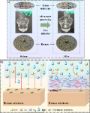
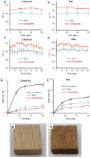
- fabrication. Thus, using the ICOM nomenclature, and accordingly to the reported results, the hydroxyapatite–polyelectrolyte multilayer system fulfils several key conservation criteria. It provides optical transparency with minimal alteration of the substrate’s appearance, demonstrates high chemical stability




Optical bio/chemical sensors for vitamin B12 analysis in food and pharmaceuticals: state of the art, challenges, and future outlooks
Beilstein J. Nanotechnol. 2025, 16, 2207–2244, doi:10.3762/bjnano.16.153


Ultrathin water layers on mannosylated gold nanoparticles
Beilstein J. Nanotechnol. 2025, 16, 2183–2198, doi:10.3762/bjnano.16.151
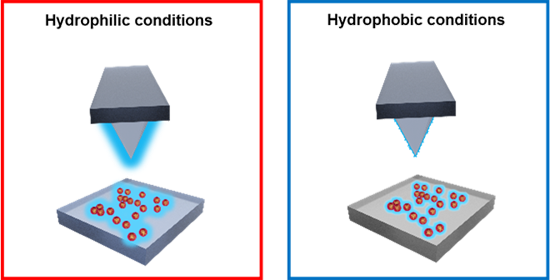
- century [3]. They are investigated, for example, regarding drug delivery [4], but they are also parts of actual products, for example, of sensors [5]. All this is based on the ease of synthesis, chemical stability, size tuneability, and unique optical properties [6]. The extreme dependence of the



On the road to sustainability – application of metallic nanoparticles obtained by green synthesis in dentistry: a scoping review
Beilstein J. Nanotechnol. 2025, 16, 1851–1862, doi:10.3762/bjnano.16.128
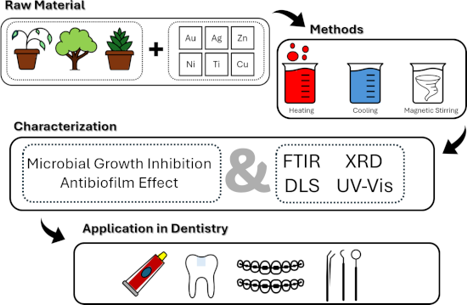
- widely studied nanomaterials are metallic nanoparticles, particularly silver (AgNPs), gold (AuNPs), and copper (CuNPs), and various metal oxide nanoparticles such as zinc oxide (ZnO-NPs), due to their high surface-to-volume ratio, chemical stability, and distinctive optical and antimicrobial properties


Current status of using adsorbent nanomaterials for removing microplastics from water supply systems: a mini review
Beilstein J. Nanotechnol. 2025, 16, 1837–1850, doi:10.3762/bjnano.16.127
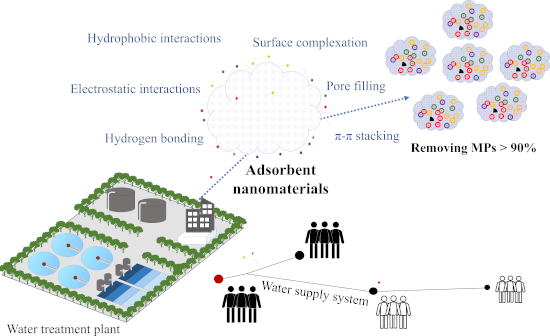
- between 338 and 628 particles·L−1 [36]. Due to their small size and chemical stability, MPs can pass through conventional water treatment processes and infiltrate water supply systems. As reported in the study by Dalmau-Soler et al., 38% of drinking water samples from the supply network contained MPs


Phytol-loaded soybean oil nanoemulsion as a promising alternative against Leishmania amazonensis
Beilstein J. Nanotechnol. 2025, 16, 1826–1836, doi:10.3762/bjnano.16.126

- kinetic stabilization achieved through the optimized composition of the surfactant pair, which likely contributed to a robust interfacial film that prevented coalescence and Ostwald ripening [38][39][40]. Although colloidal stability has been demonstrated, chemical stability studies are still needed to


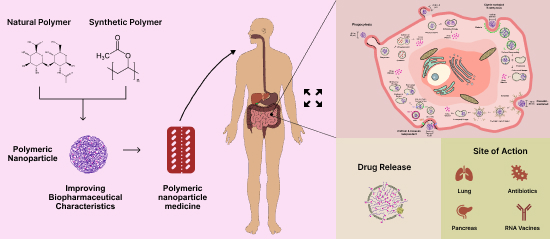
Exploring the potential of polymers: advancements in oral nanocarrier technology
Beilstein J. Nanotechnol. 2025, 16, 1751–1793, doi:10.3762/bjnano.16.122


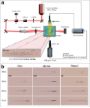
Influence of laser beam profile on morphology and optical properties of silicon nanoparticles formed by laser ablation in liquid
Beilstein J. Nanotechnol. 2025, 16, 1533–1544, doi:10.3762/bjnano.16.108
- number of benefits from the mechanical and chemical stability of the carbon cloth material, which, together with its low cost and large surface area, make it especially promising for the flexible devices. The results of these experiments are the subject of upcoming works. Conclusion In summary, laser


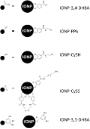
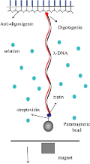
Cross-reactivities in conjugation reactions involving iron oxide nanoparticles
Beilstein J. Nanotechnol. 2025, 16, 1504–1521, doi:10.3762/bjnano.16.106
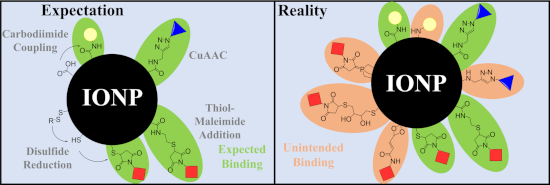
- commonly used click reactions and shows high specificity [15][16]. The Cu(I) catalyst increases the coupling rate of azides and alkynes by up to seven orders of magnitude, forming triazole rings, which possess exceptional chemical stability [16]. For these reasons, the CuAAC has been utilized extensively



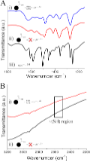


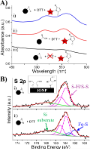


Laser processing in liquids: insights into nanocolloid generation and thin film integration for energy, photonic, and sensing applications
Beilstein J. Nanotechnol. 2025, 16, 1428–1498, doi:10.3762/bjnano.16.104
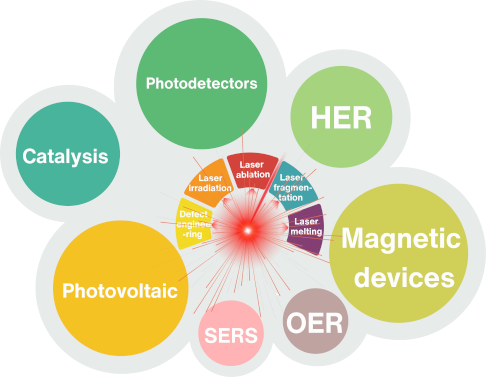


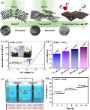




Enhancing the photoelectrochemical performance of BiOI-derived BiVO4 films by controlled-intensity current electrodeposition
Beilstein J. Nanotechnol. 2025, 16, 1289–1301, doi:10.3762/bjnano.16.94
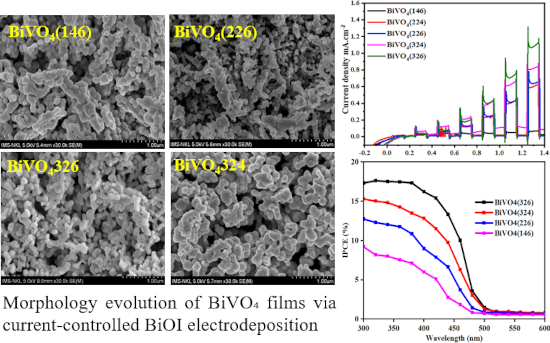
- absorption, moderate bandgap (≈2.4 eV), high theoretical photocurrent density (≈7.5 mA·cm−2), and chemical stability in aqueous environments [7][8][9]. Nevertheless, BiVO4 suffers from intrinsic drawbacks such as low charge carrier mobility, limited conductivity, and rapid recombination of photogenerated



Influence of ion beam current on the structural, optical, and mechanical properties of TiO2 coatings: ion beam-assisted vs conventional electron beam evaporation
Beilstein J. Nanotechnol. 2025, 16, 1097–1112, doi:10.3762/bjnano.16.81
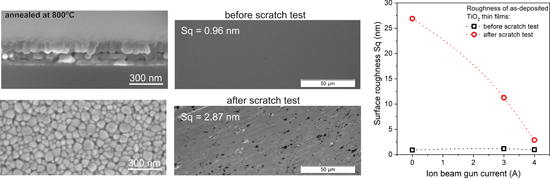
- ][10][11][12]. Electron beam evaporation is very effective for preparing transparent titanium dioxide thin films, such as optical coatings for a large variety of applications. Due to its desirable structural, optical, and electrical properties, high thermal and chemical stability, relatively low price


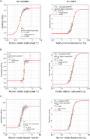


Single-layer graphene oxide film grown on α-Al2O3(0001) for use as an adsorbent
Beilstein J. Nanotechnol. 2025, 16, 1082–1087, doi:10.3762/bjnano.16.79
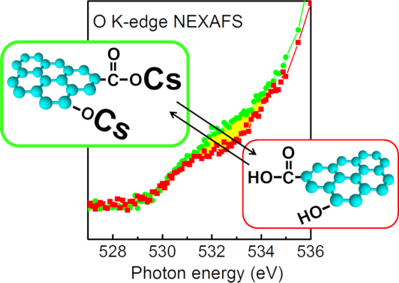
- methods have been reported, including the Broadie and Hummers methods, contingent upon the oxidizing agent employed [8][14][15]. GO possesses the ultimate large surface area, low-cost production, and high chemical stability. Therefore, GO has a potential prospect to be an efficient adsorbent for metal


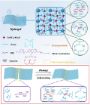
Soft materials nanoarchitectonics: liquid crystals, polymers, gels, biomaterials, and others
Beilstein J. Nanotechnol. 2025, 16, 1025–1067, doi:10.3762/bjnano.16.77
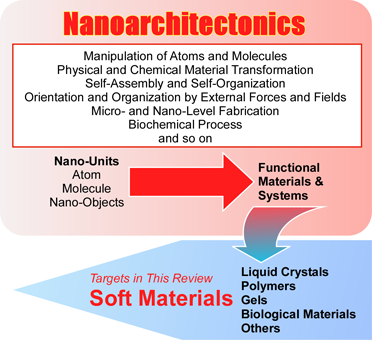
- control the chemical stability of normally unstable radical species allows these mechanical functions to be manipulated as needed. The introduction of computational science has the potential to facilitate the creation of new radical mechanochromophores, which is expected to further advance radical dynamic






Structural and magnetic properties of microwave-synthesized reduced graphene oxide/VO2/Fe2O3 nanocomposite
Beilstein J. Nanotechnol. 2025, 16, 921–932, doi:10.3762/bjnano.16.70
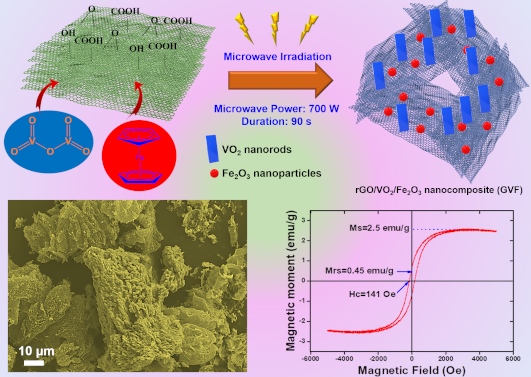
- in a honeycomb fashion enabled this special class of materials to exhibit desirable characteristics, such as enhanced electrical conductivity, higher mechanical strength, elevated surface area, and high thermal and chemical stability. Owing to such improved characteristics, graphene materials