


Search results
Search for "ciprofloxacin" in Full Text gives 18 result(s) in Beilstein Journal of Nanotechnology.
Environmental applications of silver nanoparticles: state-of-the-art review and emerging trends
Beilstein J. Nanotechnol. 2026, 17, 697–736, doi:10.3762/bjnano.17.49
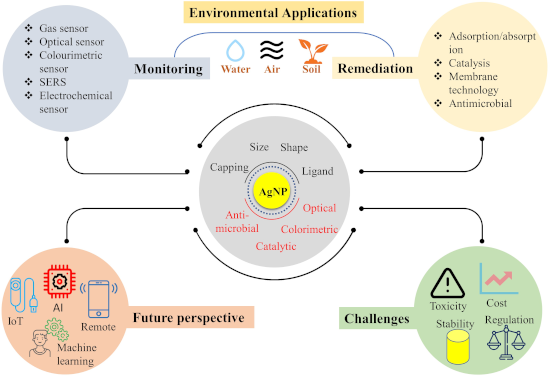
- with other products [119]. A study showed ciprofloxacin removal via photocatalysis using a nanocomposite (Ag/silica), achieving 98% degradation at pH 6.7, 180 min, and a 0.12 g of catalyst [120]. Anthracene and benzene photocatalytic degradation were achieved using Ag-, Cu-, and Ni-based nanocomposites


Electrochemical determination of ciprofloxacin using a MIL-101/reduced graphene oxide-modified electrode
Beilstein J. Nanotechnol. 2026, 17, 541–554, doi:10.3762/bjnano.17.35
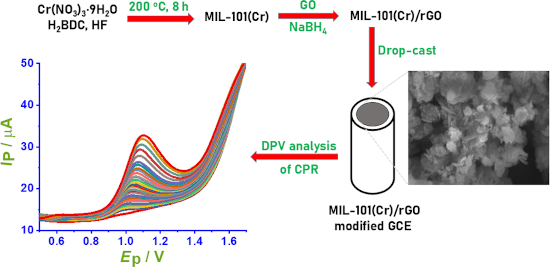
- ciprofloxacin (CPR) was developed using a glassy carbon electrode modified with MIL-101/reduced graphene oxide (MIL-101/rGO). MIL-101/rGO was synthesized via a facile ultrasonic-assisted method and characterized by various physicochemical techniques. The synergistic combination of MIL-101 with rGO significantly
- , yielding acceptable recoveries. These results indicate that the MIL-101/rGO-modified electrode provides a promising and efficient platform for the electrochemical sensing of CPR in pharmaceutical and environmental analysis. Keywords: ciprofloxacin; electrochemical analysis; MIL-101; reduced graphene oxide
- ; Introduction Ciprofloxacin (C17H18FN3O3, CPR) is a fluoroquinolone antibiotic widely used in human and veterinary medicine to treat various bacterial infections [1]. Due to its high usage, incomplete metabolism, and environmental persistence, CPR residues are often found in pharmaceutical products, biological


Hydrogels and nanogels: effectiveness in dermal applications
Beilstein J. Nanotechnol. 2025, 16, 1216–1233, doi:10.3762/bjnano.16.90
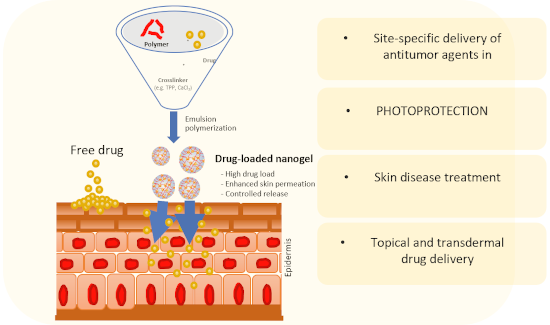
- by electronic beam irradiation. Polyvinyl alcohol hydrogels can be used for wound healing. Suhaeri et al. (2018) manufactured an adhesive hydrogel with PVA and a derivative of human pulmonary fibroblasts, in addition to ciprofloxacin, for treating infected wounds [95]. For the preparation of the


Synthesis of a multicomponent cellulose-based adsorbent for tetracycline removal from aquaculture water
Beilstein J. Nanotechnol. 2025, 16, 728–739, doi:10.3762/bjnano.16.56
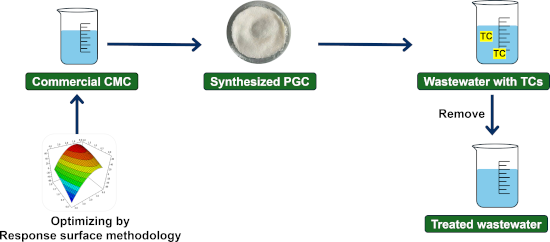
- ), were used as reference antibiotics in this study. Additional reagents included ciprofloxacin and enrofloxacin (both from Pharmaceutical Joint Stock Company of February 3rd, Vietnam), methanol (Merck, Germany), sodium carboxymethyl cellulose (Zhanyun, China), PVA (95.5–96.5% hydrolyzed, MW ≈ 85,000


Emerging strategies in the sustainable removal of antibiotics using semiconductor-based photocatalysts
Beilstein J. Nanotechnol. 2025, 16, 264–285, doi:10.3762/bjnano.16.21
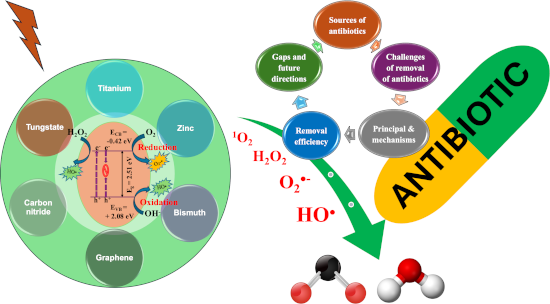
- ]. Hunge and coworkers [76] synthesized MoS2/ZnO (MZ) composites with a smaller bandgap (2.81 eV), which showed higher ciprofloxacin (CIP) removal efficiency than their single constituents (ZnO = 43% and MoS2 = 50%). A similar approach was also observed for the removal of erythromycin (ERY), spiramycin (SP



Bismuth-based nanostructured photocatalysts for the remediation of antibiotics and organic dyes
Beilstein J. Nanotechnol. 2023, 14, 291–321, doi:10.3762/bjnano.14.26
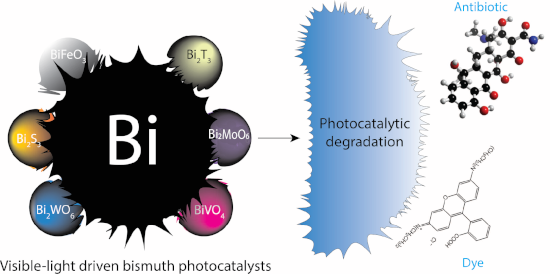
- sulfamethazine has been reported with a concentration of 19 ng/L in Vietnam [54]. Sulfamethoxazole was lastly detected in Africa, where it was found at 53.8 ng/L in Mozambique [55] and 38.9 ng/L in Kenya [56]. Nalidixic acid and ciprofloxacin quantities of 23 μg/L and 14 μg/L, respectively, were found in South
- ][66]. Fluoroquinolones have a detrimental impact on the morphology and photosynthesis of plants, as well as on the ability of eukaryotic cells to synthesise DNA and replicate plastids. Streptomycin prevents Hordeum vulgare from producing chlorophyll, while ciprofloxacin, enrofloxacin, and
- nanostructures with oriented carrier transport, high optical performance, and a short carrier diffusion length, for instance, were prepared by Li and co-workers [42]. The photodegradation rates of ciprofloxacin and tetracycline were, respectively, 94.8% and 81.1% after 1 h. Additionally, Lin et al. [122


Recent trends in Bi-based nanomaterials: challenges, fabrication, enhancement techniques, and environmental applications
Beilstein J. Nanotechnol. 2022, 13, 1316–1336, doi:10.3762/bjnano.13.109
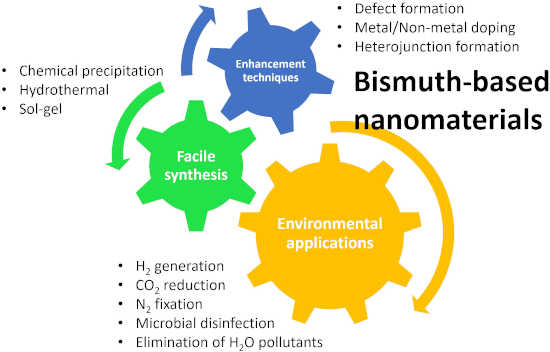
- better degradation efficiency for, respectively, BPA and ciprofloxacin than pristine Bi3O4Cl. This study offers fresh perspectives on photocatalyst design and underlines the importance of electronic structure modification in catalytic activity adjustment. Self-doping is a novel approach for introducing




Recent advances in green carbon dots (2015–2022): synthesis, metal ion sensing, and biological applications
Beilstein J. Nanotechnol. 2022, 13, 1068–1107, doi:10.3762/bjnano.13.93




Biomimetic chitosan with biocomposite nanomaterials for bone tissue repair and regeneration
Beilstein J. Nanotechnol. 2022, 13, 1051–1067, doi:10.3762/bjnano.13.92
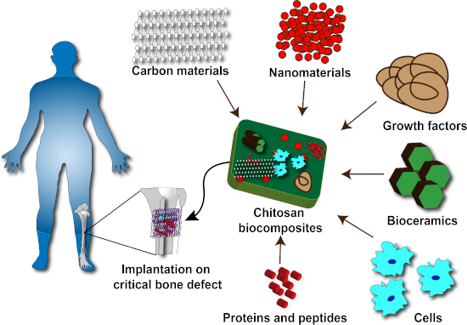
- polyethylene glycol is extremely stable and might be used in bone tissue engineering applications. The drug distribution ability of the scaffolds was investigated using ciprofloxacin, which is a general antibiotic drug. According to the findings, approx. 98% of the medicines had a sustained released within 90
- . Figure 3 was reproduced from [107], (© 2017 J. C. Forero et al., published by MDPI, distributed under the terms of the Creative Commons Attribution 4.0 International License, https://creativecommons.org/licenses/by/4.0). The ciprofloxacin release rate (%) from several composite films at pH 7.4. Figure 4
Ciprofloxacin-loaded dissolving polymeric microneedles as a potential therapeutic for the treatment of S. aureus skin infections
Beilstein J. Nanotechnol. 2022, 13, 517–527, doi:10.3762/bjnano.13.43
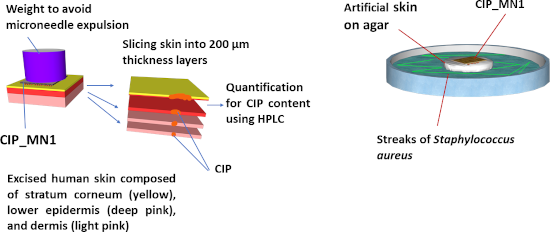
- , 19392, Jordan 10.3762/bjnano.13.43 Abstract Microneedles have been widely studied for many topical and transdermal therapeutics due to their ability to painlessly puncture the skin, thereby bypassing the stratum corneum, the main skin barrier. In this study, ciprofloxacin (CIP) was loaded into
- dissolving polymeric microneedles prepared by a two-layer centrifugation method as a potential treatment of skin infections such as cellulitis. The polymers used were polyvinyl alcohol (PVA) and polyvinylpyrrolidone (PVP). Two formulations were investigated, namely CIP_MN1, composed of 10 mg ciprofloxacin
- incorporated into a polymer matrix of PVA and PVP with a weight ratio of (9:1), and CIP_MN2, composed of 10 mg ciprofloxacin incorporated into PVA polymer. CIP_MN1 and CIP_MN2 showed a mean microneedle height of 188 and 179 µm, respectively. Since Parafilm has been proven as a model to examine the perforation


A photonic crystal material for the online detection of nonpolar hydrocarbon vapors
Beilstein J. Nanotechnol. 2022, 13, 127–136, doi:10.3762/bjnano.13.9
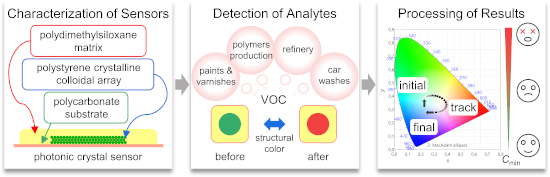
- ][16]. The impregnation and immobilization methods are rather close; they are used for the determination of inorganic ions (Cu2+, Pb2+, Hg2+, Ni2+ and Cd2+) [2][11][17][18][19] and organic molecules of simple and complex structure (glucose, organophosphates, urea, creatinine, ciprofloxacin and sarin


pH-driven enhancement of anti-tubercular drug loading on iron oxide nanoparticles for drug delivery in macrophages
Beilstein J. Nanotechnol. 2021, 12, 1127–1139, doi:10.3762/bjnano.12.84
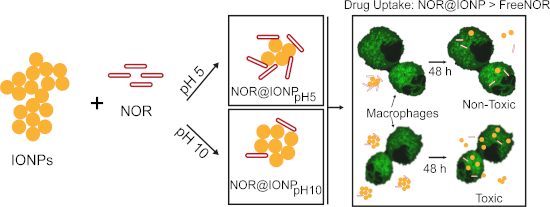
- antibiotics of this class, like ciprofloxacin and moxifloxacin. The quantification of the intra-macrophage accumulation of NOR shows that, cellular uptake is greatly facilitated by drug coated systems too, compared to free drug. Although both drug-coated nanoparticle systems enhance the drug uptake, due to



Multilayer capsules made of weak polyelectrolytes: a review on the preparation, functionalization and applications in drug delivery
Beilstein J. Nanotechnol. 2020, 11, 508–532, doi:10.3762/bjnano.11.41
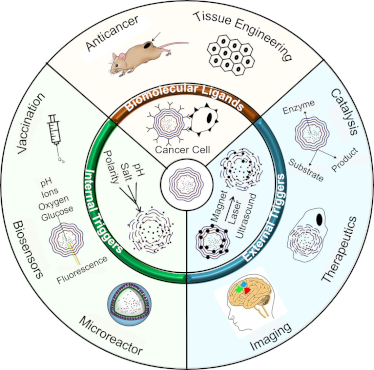
- excessive charges. The loading of ciprofloxacin hydrochloride with an EE of 32% [29], doxorubicin (Dox) with an EE of 89% [67], enzyme-like catalase [68], horseradish peroxidase with 2.2 × 10⁸ molecules/capsule [69], and proteins like BSA with an EE of up to 65% [70] have been successfully reported in weak



Bi-layer sandwich film for antibacterial catheters
Beilstein J. Nanotechnol. 2017, 8, 1982–2001, doi:10.3762/bjnano.8.199
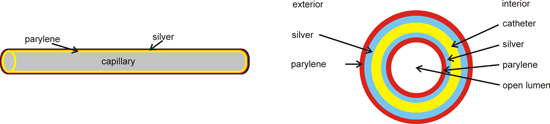
- ]. Drug-release catheters All other trials can be subsumed under drug-release catheters being at least bacteriostatic or even bactericidal. The first trials consisted of dipping catheters into a solution of an antibiotic drug (e.g., ciprofloxacin [14]) and subsequent drying of the solvent. Although, by


Luminescent supramolecular hydrogels from a tripeptide and nitrogen-doped carbon nanodots
Beilstein J. Nanotechnol. 2017, 8, 1553–1562, doi:10.3762/bjnano.8.157
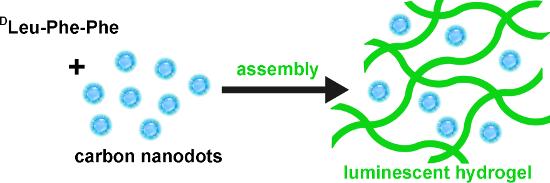
- the sustained release of the poorly soluble antibiotic ciprofloxacin [26]. Fluorescent hydrogels were formed from co-assembly with a dye into nanostructures of different morphology, depending on whether the dye was added initially to the peptide in the alkaline buffer solution, or later to the second


On the pathway of cellular uptake: new insight into the interaction between the cell membrane and very small nanoparticles
Beilstein J. Nanotechnol. 2016, 7, 1296–1311, doi:10.3762/bjnano.7.121
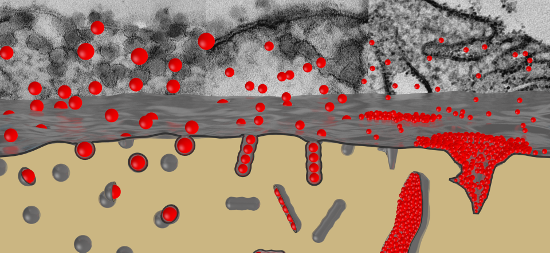
- % FCS, 1% Glutamax (Life Technologies) and 1% penicillin/streptomycin. Primary hMSCs were cultivated using MEM Alpha (Lonza) with an addition of 20% FCS, 1% penicillin/streptomycin, 1% pyruvate and 0.6% ciprofloxacin. On the second day of cultivation of each cell type, a calculated amount of SiNP




Hematopoietic and mesenchymal stem cells: polymeric nanoparticle uptake and lineage differentiation
Beilstein J. Nanotechnol. 2015, 6, 383–395, doi:10.3762/bjnano.6.38
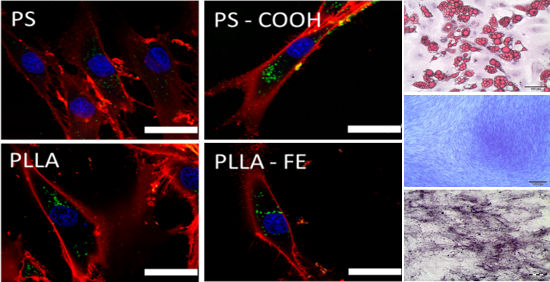
- hMSCs were generated as previously described [36]. MSC were cultivated in α–MEM (Lonza, Cologne, Germany) supplemented with 20% fetal calf serum (FCS, Invitrogen, Karlsruhe, Germany), 100 units penicillin and 100 µg/mL medium streptavidin (Invitrogen), 1 mM pyruvate (Invitrogen) and 0.6% ciprofloxacin


Imaging the intracellular degradation of biodegradable polymer nanoparticles
Beilstein J. Nanotechnol. 2014, 5, 1905–1917, doi:10.3762/bjnano.5.201
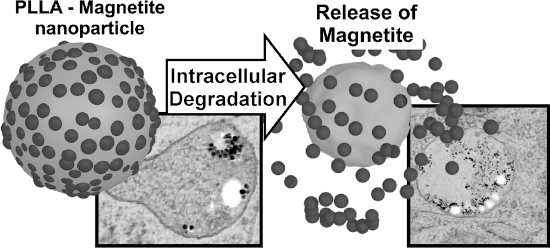
- of ciprofloxacin (Fluka, Switzerland; 2 mg·mL−1, 0.6%). Cells were grown in 500 cm2 triple flasks (Nunc, Germany) in a humidified incubator at 37 °C and 5% CO2. The culture medium was changed twice a week. At confluence, cells were detached by 0.5% trypsin (Invitrogen, Germany) and seeded in the





