


Search results
Search for "confocal microscopy" in Full Text gives 96 result(s) in Beilstein Journal of Nanotechnology.
Influence of surface characteristics on the in vitro stability and cell uptake of nanoliposomes for brain delivery
Beilstein J. Nanotechnol. 2026, 17, 139–158, doi:10.3762/bjnano.17.9
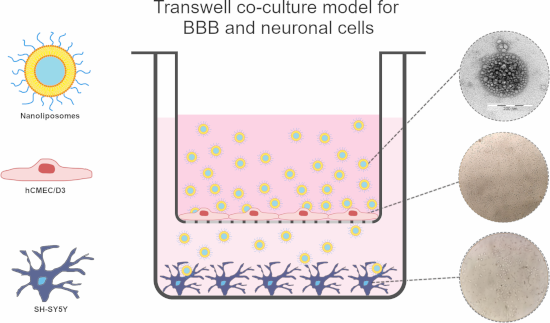
- neurons (ranging from 25.17% to 27.54%). Fluorescence and confocal microscopy micrographs revealed that, once internalized, NLs were concentrated in the perinuclear cell regions. Keywords: blood–brain barrier; cell co-culture; cell uptake; internalization; nanoliposomes; stability; surface
- acidic environment (for visualization of endocytic pathways). Further, the cells were stained and visualized as described above. Internalization studies of nanoliposomes in hCMEC/D3 cells by confocal microscopy Confocal laser scanning microscopy (Carl Zeiss, Axiovert 200M Inverted Microscope) was




Development and in vitro evaluation of liposomes and immunoliposomes containing 5-fluorouracil and R-phycoerythrin as a potential phototheranostic system for colorectal cancer
Beilstein J. Nanotechnol. 2026, 17, 97–121, doi:10.3762/bjnano.17.7
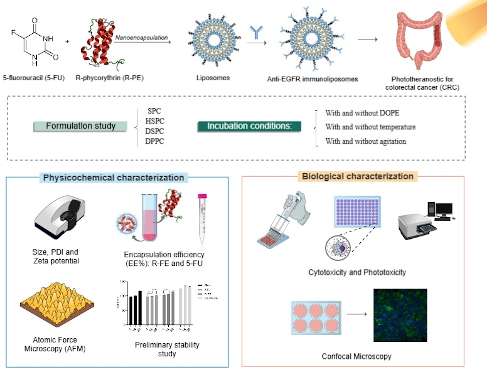
- ™ 488. 2.7 Cellular uptake Cellular internalization was assessed by confocal microscopy. For confocal microscopy, 1 × 10⁶ cells were seeded onto 6-well plates containing sterile cover slides and 1 mL of culture medium per well. After allowing cell adhesion overnight, the culture medium was removed and 1



Visualizing nanostructures in supramolecular hydrogels: a correlative study using confocal and cryogenic scanning electron microscopy
Beilstein J. Nanotechnol. 2025, 16, 2274–2284, doi:10.3762/bjnano.16.156
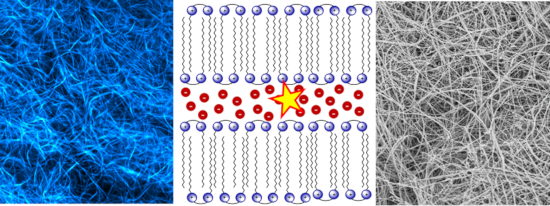
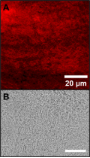
- selective incorporation of fluorophores, it is possible to highlight different components of the hydrogel or embedded cells, facilitating 3D reconstruction of the microarchitecture [10]. However, the achievable resolution in conventional confocal microscopy is still restricted to over one hundred nanometres
- material. The application of confocal microscopy, stimulated emission depletion (STED) microscopy, and conventional transmission electron microscopy (TEM) to a supramolecular peptide material has been shown to allow for sub-diffraction resolution imaging of fibre morphology in situ without covalent



Beyond the shell: exploring polymer–lipid interfaces in core–shell nanofibers to carry hyaluronic acid and β-caryophyllene
Beilstein J. Nanotechnol. 2025, 16, 2015–2033, doi:10.3762/bjnano.16.139
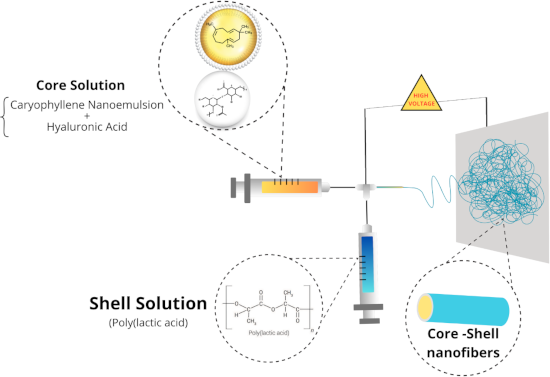
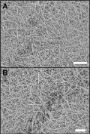
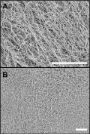
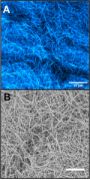
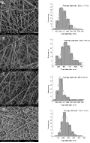
- fibers without the lipid core. Furthermore, maintaining ambient relative humidity below 45% proved essential for processing stability. Comprehensive morphological characterization via scanning electron microscopy confirmed the uniformity of the fibers. At the same time, confocal microscopy, cross
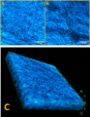
- scaffolds remains challenging, as modifications that improve release kinetics or protect the core can sometimes compromise biocompatibility or cellular interactions [55]. To evaluate the structure of the nanofibers produced, confocal microscopy was used under a fluorescent filter to study the morphologies
- acid and β-caryophyllene. The application of coaxial electrospinning allowed the formation of well-defined core–shell structures, as confirmed by morphological, spectroscopic, and thermal analyses. Efficient core encapsulation was evidenced by confocal microscopy, FTIR spectroscopy, and selective core




PEGylated lipids in lipid nanoparticle delivery dynamics and therapeutic innovation
Beilstein J. Nanotechnol. 2025, 16, 1914–1930, doi:10.3762/bjnano.16.133
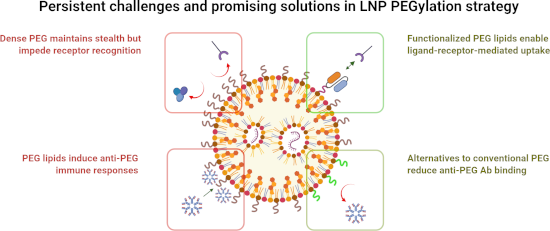
- injection at 10 ng DNA per dose [42]. Although early tumor accumulation of the dual-targeted LNPs was modest in MCF7 xenografts, confocal microscopy at 45 h post-injection showed enhanced EGFP transgene expression compared to single-ligand LNPs. These findings demonstrated how integrating multiple targeting


Prospects of nanotechnology and natural products for cancer and immunotherapy
Beilstein J. Nanotechnol. 2025, 16, 1644–1667, doi:10.3762/bjnano.16.116
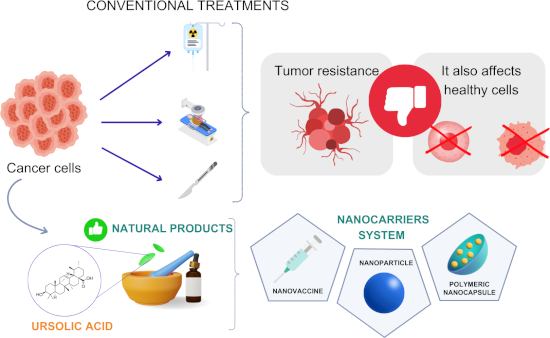
- CXCL9/10 expression in Schwann cells [114]. Particle size and stability of the formulation in the patent were characterized using scanning electron microscopy (SEM). The nanoparticles demonstrated enhanced uptake in HepG2 cells, as confirmed by flow cytometry and confocal microscopy, and achieved a
- ) complex that targets the PD-L1 gene, a cell-penetrating peptide, and a tumor cell membrane derived from HepG2 cells. Characterization of the nanoparticles showed that the nanocomplex was stabilized by hydrogen bonds, van der Waals forces, and hydrophobic forces. In addition, confocal microscopy, gene


Shape, membrane morphology, and morphodynamic response of metabolically active human mitochondria revealed by scanning ion conductance microscopy
Beilstein J. Nanotechnol. 2025, 16, 951–967, doi:10.3762/bjnano.16.73
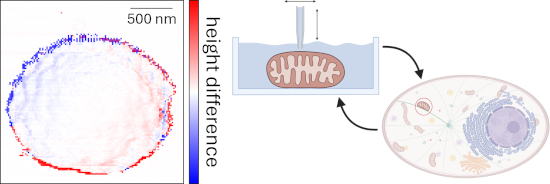
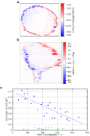
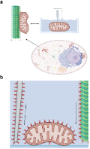
- cardiomyocytes. These studies include analyses of mitochondrial compliance and the role of mitochondria in heart failure, achieved through a combination of SICM and confocal microscopy. An overpressure was applied to the pipette, enabling observations of mitochondria through the cell membrane [31][32]. Another



Colloidal few layered graphene–tannic acid preserves the biocompatibility of periodontal ligament cells
Beilstein J. Nanotechnol. 2025, 16, 664–677, doi:10.3762/bjnano.16.51
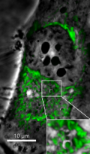
- surfaces as observed through SEM, we undertook additional confocal microscopy analyses concentrating on the actin cytoskeleton, which is a pivotal determinant of cellular structural integrity and adhesion capability, as well as overall cell viability [39][40]. The arrangement of actin filaments is




Synthetic-polymer-assisted antisense oligonucleotide delivery: targeted approaches for precision disease treatment
Beilstein J. Nanotechnol. 2025, 16, 435–463, doi:10.3762/bjnano.16.34

- effective complexation with ASOs and enhanced cellular uptake. Additionally, while these high-generation DPLs exhibited moderate cytotoxicity, complexation with ASOs was shown to reduce toxicity, making them a promising vehicle for gene therapy applications. Confocal microscopy further confirmed the ability


Graphene oxide–chloroquine conjugate induces DNA damage in A549 lung cancer cells through autophagy modulation
Beilstein J. Nanotechnol. 2025, 16, 316–332, doi:10.3762/bjnano.16.24
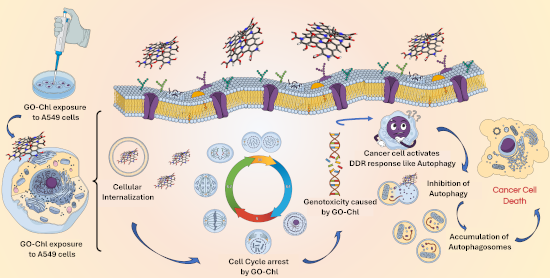
- with 1× PBS. The cells were then fixed in 4% paraformaldehyde at 4 °C for 30 min, counterstained with DAPI for nuclear staining, mounted using antifade, and analyzed using confocal microscopy. Immunoblot analysis The expression level of various autophagy-related proteins was analyzed using
- presence of autophagosomes via TEM. Figure 8b reveals the appearance of autophagosomes in GO–Chl-exposed A549 cells. The MDC staining assay and TEM analysis together show the appearance of autophagosomes, which could be due to inhibition of autophagy. Furthermore, we performed confocal microscopy with GFP
- expression of the ATG-7 protein observed points towards the formation of autophagosomes in GO–Chl-exposed A549 cells, and corroborates the results obtained through MDC staining and confocal microscopy analysis. Furthermore, a significant dose-dependent increase in the expression level of LC-3 II proteins was



Mechanistic insights into endosomal escape by sodium oleate-modified liposomes
Beilstein J. Nanotechnol. 2024, 15, 1667–1685, doi:10.3762/bjnano.15.131
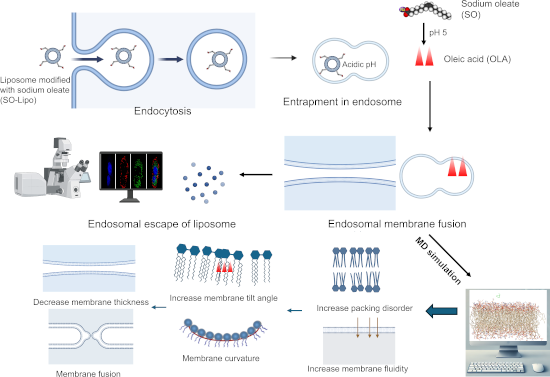
- , and AUR-Lipo formulations. The particle sizes were 102.2 ± 3.30 nm for Unmodified-Lipo, 109.6 ± 7.65 nm for SO-Lipo, and 151.9 ± 5.88 nm for AUR-Lipo, with polydispersity indices below 0.25, indicating uniform size distribution. Endosomal escape efficiency was evaluated through confocal microscopy by
- nuclei. Confocal microscopy (Olympus FV-1200 Tokyo, Japan) was used to capture images of cellular uptake, and the mean fluorescence intensity was quantified using Fiji-ImageJ software for semi-quantitative analysis. Evaluation of endosomal escape efficiency through subcellular colocalization analysis In




Realizing active targeting in cancer nanomedicine with ultrasmall nanoparticles
Beilstein J. Nanotechnol. 2024, 15, 1208–1226, doi:10.3762/bjnano.15.98
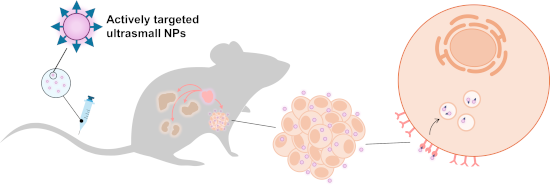
- multifunctional C’ dots. (B) Competitive cell-binding assay of targeted usNPs (EC112002) revealed a 40-fold improvement in affinity for folate receptor binding compared to free folic acid. (C) Z-stacks of confocal microscopy images of a tumor spheroid treated with targeted usNPs (first and second rows) and


Unveiling the potential of alginate-based nanomaterials in sensing technology and smart delivery applications
Beilstein J. Nanotechnol. 2024, 15, 1077–1104, doi:10.3762/bjnano.15.88


Entry of nanoparticles into cells and tissues: status and challenges
Beilstein J. Nanotechnol. 2024, 15, 1017–1029, doi:10.3762/bjnano.15.83
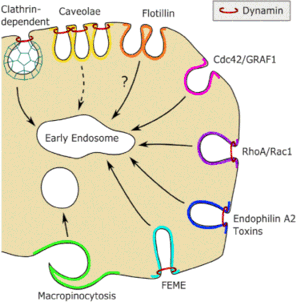
- [29]. Other microscopy techniques that are useful for such studies are correlative light and electron microscopy (CLEM) [30], confocal microscopy with Z-stacks [4], and structured illumination microscopy (SIM) which can also demonstrate in which organelles the NPs are localized. The SIM image shown in


Atomistic insights into the morphological dynamics of gold and platinum nanoparticles: MD simulations in vacuum and aqueous media
Beilstein J. Nanotechnol. 2024, 15, 995–1009, doi:10.3762/bjnano.15.81
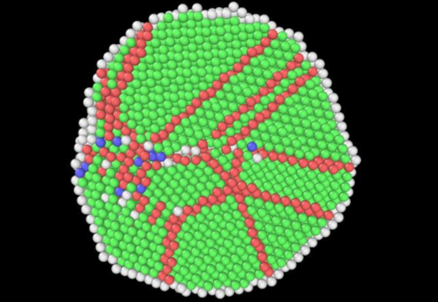
- cooling, is still hindered by several factors. For instance, observing NPs under real working conditions remains a challenge for experimentalists, as the capability to conduct in situ experiments has not yet been fully realized [21]. Experimental methods, such as confocal microscopy [22], laser light


Cholesterol nanoarchaeosomes for alendronate targeted delivery as an anti-endothelial dysfunction agent
Beilstein J. Nanotechnol. 2024, 15, 517–534, doi:10.3762/bjnano.15.46
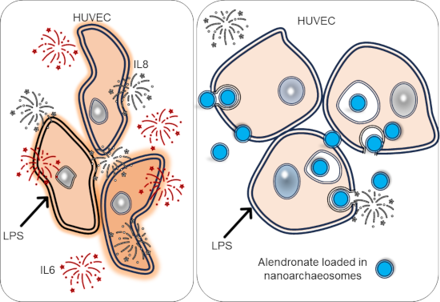
- 30 min at 37 °C. Then, cells were washed with PBS, and the fluorescence intensity of whole cells was measured using a Cytation™ 5 instrument at λex = 490 nm and λem = 520 nm. Confocal microscopy was performed to study the morphology of HUVECs. Briefly, after incubation, cell monolayers were washed
- . Morphological changes induced by LPS on HUVECs. (A) Representative fluorescence confocal microscopy images of HUVECs from the mild inflammation model. Cells were labelled with CytoPainter Phalloidin-iFluor 488 (actin) and Hoechst 33342 (nucleus). Scale bar: 100 µm. (B) Elliptical form factor (EFF). The EFF was





Curcumin-loaded nanostructured systems for treatment of leishmaniasis: a review
Beilstein J. Nanotechnol. 2024, 15, 37–50, doi:10.3762/bjnano.15.4
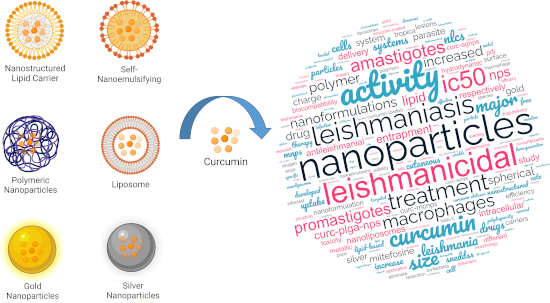
- in the spleen of mice was around 60% for free-UA and close to 90% for NLC-UA. Confocal microscopy images proved the cell uptake of NLC into macrophages. Metal nanoparticles are also excellent alternatives for carrying antileishmanial drugs [71]. Almayouf et al. produced silver nanoparticles (Ag-NP


Fluorescent bioinspired albumin/polydopamine nanoparticles and their interactions with Escherichia coli cells
Beilstein J. Nanotechnol. 2023, 14, 1208–1224, doi:10.3762/bjnano.14.100
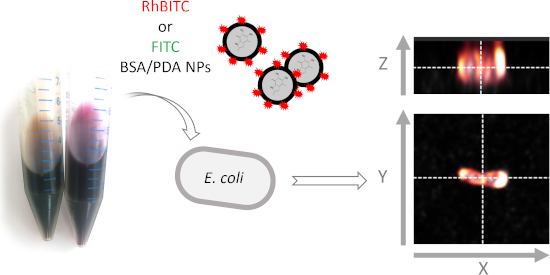
- high-resolution fluorescence imaging (high-resolution confocal microscopy). Also, the capacity of the pristine and fluorescent NPs to inhibit the growth of bacterial cells was evaluated through minimal inhibitory concentration (MIC) tests. The MIC value was also determined for Staphylococcus aureus (S
- inversely related to NP size [36]. The accumulation of pristine and fluorescent BSA/PDA NPs was evaluated by standard and high-resolution fluorescence confocal microscopy after 24 h of contact of NPs with E. coli cells. Obviously, bacteria without NPs and bacteria with pristine BSA/PDA NPs were not detected



Hierarchically patterned polyurethane microgrooves featuring nanopillars or nanoholes for neurite elongation and alignment
Beilstein J. Nanotechnol. 2023, 14, 1157–1168, doi:10.3762/bjnano.14.96
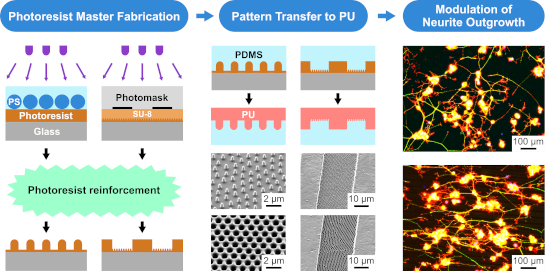
- -Center for Advanced Science and Technology for their assistance in AFM, Dr. Ying-Ping Huang of the NCHU Graduate Institute of Biotechnology for her help in confocal microscopy, and Hung-Ming Chen for his assistance in the PC12 proliferation experiments. Lester U. Vinzons was a recipient of the National


Curcumin-loaded albumin submicron particles with potential as a cancer therapy: an in vitro study
Beilstein J. Nanotechnol. 2023, 14, 1127–1140, doi:10.3762/bjnano.14.93
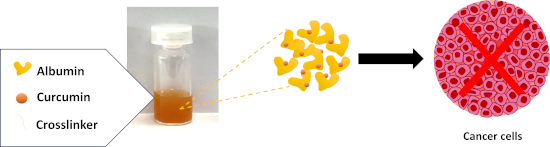
- cytotoxicity of CUR-HSA-MPs showed promising anticancer potential against human hepatocellular carcinoma (Huh-7) and human breast adenocarcinoma (MCF-7) cell lines, although this effect was less pronounced in human dermal fibroblasts (HDFB) and human cholangiocyte (MMN) cell lines. Confocal microscopy was used
- fluorescent microscope (Nikon ECLIPSE, Ni-U; Nikon, Tokyo, Japan) and confirmed by confocal microscopy (CLSM) (Nikon AX/AX R Confocal Microscope, Tokyo, Japan). For FACS analysis, cells were trypsinized and washed with PBS three times. Then the samples were examined using a flow cytometer (CytoFLEX, Beckman




The steep road to nonviral nanomedicines: Frequent challenges and culprits in designing nanoparticles for gene therapy
Beilstein J. Nanotechnol. 2023, 14, 351–361, doi:10.3762/bjnano.14.30
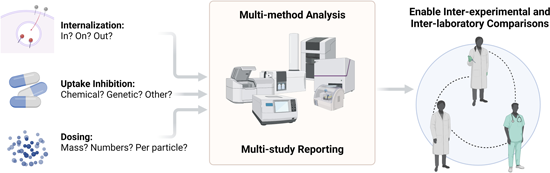
- are assessed with the use of fluorescent-labeling carriers and the expression of fluorescent proteins (e.g., enhanced green fluorescent protein). Both of which are typically assessed by widefield fluorescent microscopy/confocal microscopy (referred to as “imaging”) and/or flow cytometry (Table 1
- ). Laser scanning or spinning disc confocal microscopy, typically used for qualitative determination of NP uptake, can provide valuable insights into relative distribution and aggregation of NPs, which has been widely used in the field of nonviral gene delivery (reported in 82% of the papers, Figure 1a
- sensing methods. Future Directions and Outlook Common techniques used to determine uptake and transfection possess limitations. Image-based techniques, such as widefield fluorescence microscopy and confocal microscopy, are limited by relatively low throughput and can be ambiguous for properly quantifying

Fabrication and testing of polymer microneedles for transdermal drug delivery
Beilstein J. Nanotechnol. 2022, 13, 629–640, doi:10.3762/bjnano.13.55
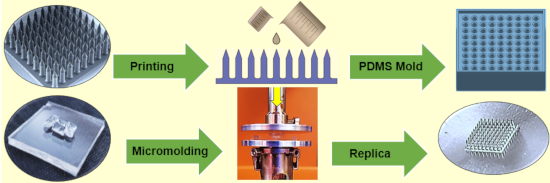
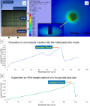
- subjects. Penetration and delivery of fluorescein into skin For MN array insertion tests on porcine skin, confocal and stereo microscopes were used to estimate the FPL and APE penetration metrics. Figure 7a–d shows confocal microscopy results of skin insertion tests for various insertion methods: (a



Effects of substrate stiffness on the viscoelasticity and migration of prostate cancer cells examined by atomic force microscopy
Beilstein J. Nanotechnol. 2022, 13, 560–569, doi:10.3762/bjnano.13.47
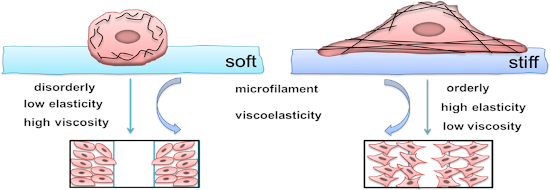
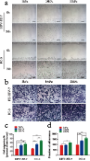
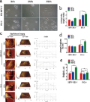
- . The profiles of cells were extracted from topographic images using the Image J software. Tridimensional reconstitution of topographic images was performed using the JPK software. Likewise, the same parameters were maintained for all cells measured. Confocal microscopy Cells (5 × 10⁴ cells/mL) were



Detection and imaging of Hg(II) in vivo using glutathione-functionalized gold nanoparticles
Beilstein J. Nanotechnol. 2022, 13, 549–559, doi:10.3762/bjnano.13.46
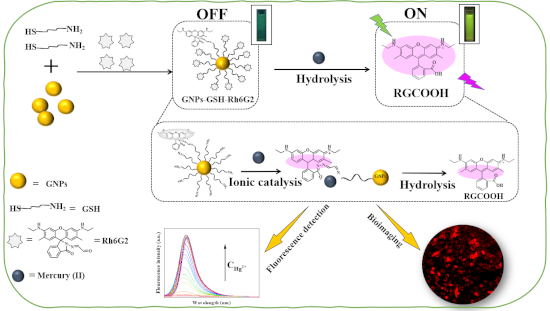
- spectral response to the presence of metal ions, which illustrates the sensitivity and selectivity for Hg2+. Further, GSH-Rh6G2 and GNPs-GSH-Rh6G2 were employed in confocal microscopy experiments using Hela cells. The experiments showed that GNPs-GSH-Rh6G2 is more easily internalized into the cells and


Alteration of nanomechanical properties of pancreatic cancer cells through anticancer drug treatment revealed by atomic force microscopy
Beilstein J. Nanotechnol. 2021, 12, 1372–1379, doi:10.3762/bjnano.12.101
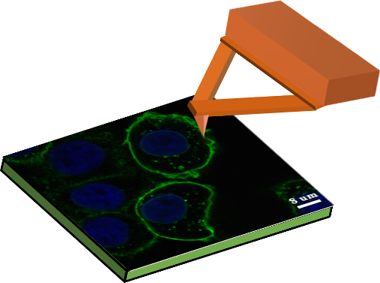
- into MIA PaCa-2, which was pre-grown for two days. The DOX solution was removed after 4 h and the cells were then washed with PBS for three times. Afterwards, the cells were cultured in normal medium for another 12 h. Laser confocal microscopy The cells (3 × 10⁴ cells/well) were grown in 500 µL culture
- membranes were stained with Hoechst 33342 (1 µg/mL) or AF488-WGA (1 µg/mL) for 10 min. Then, the cells were rinsed three times with PBS before imaging with laser confocal microscopy. To investigate the effect of DOX on the nanostructure of MIA-PaCa-2, cell nuclei and the cytoskeleton were stained with DAPI
- (10 µg/mL) and FITC-Phalloidin (100 nM), respectively, for 30 min and 5 min. The cytoskeleton and cell nuclei were investigated by laser confocal microscopy. AFM measurement The slides with grown cells were transferred to the sample table. Then, culture medium was added both to the cell slide surface





