Search results
Search for "cross-linking" in Full Text gives 134 result(s) in Beilstein Journal of Nanotechnology.
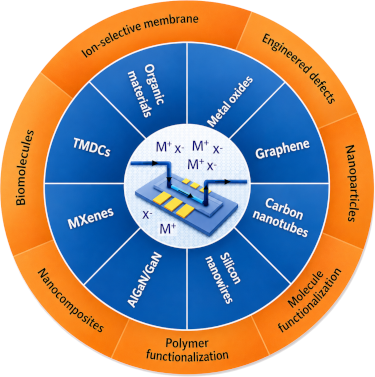
Materials challenges in solid-state sensors for continuous monitoring of ions in water
Beilstein J. Nanotechnol. 2026, 17, 935–973, doi:10.3762/bjnano.17.66


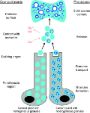
Protein-based custom-designed molecular nanotraps for biomedical applications
Beilstein J. Nanotechnol. 2026, 17, 683–687, doi:10.3762/bjnano.17.47

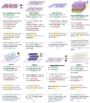
- . Furthermore, introducing controlled covalent cross-linking (e.g., via methacrylation) [5] is a key factor to “freeze” structural disorder while preserving local functional zones. The concept of non-folded proteins assembled to form functional structures lays at the basis of the bioMIPs. Among the proteins so
- occurring between 30 and 40 °C, depending on the source. Gelatin is often functionalized with pendant double bonds, yielding gelatin methacryloyl (GelMA), and suitable for cross-linking, which enables various degrees of structural stiffening as required by specific tissue engineering applications [14
- mechanical strength, stability, and controlled biodegradability [16]. Also, SF is often functionalized with pendant double bonds to enable cross-linking and is often referred to as SilMA [17]. SF and SilMA find a wide use as cell scaffolds for tissue engineering and biofabrication. To date, GelMA and SilMA

Advancing nanolithography: a comprehensive review of materials for local anodic oxidation with AFM
Beilstein J. Nanotechnol. 2026, 17, 275–291, doi:10.3762/bjnano.17.19
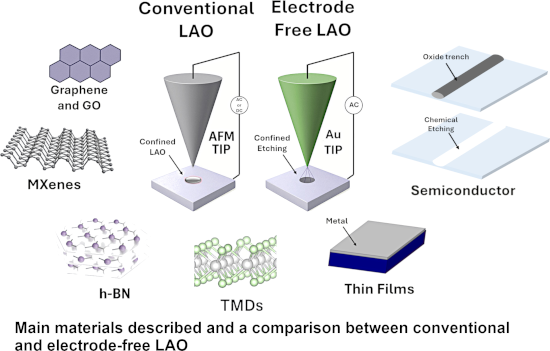
- pose serious challenges to current-driven local oxidation by the scanning probe. Nevertheless, it is indeed possible to cross-link a thin molecular resist layer by LAO to induce local cross-linking [113]. Expanding LAO to organic and biocompatible materials holds significant potential for creating


Durable antimicrobial activity of fabrics functionalized with zeolite ion-exchanged nanomaterials against Staphylococcus aureus and Escherichia coli
Beilstein J. Nanotechnol. 2026, 17, 262–274, doi:10.3762/bjnano.17.18
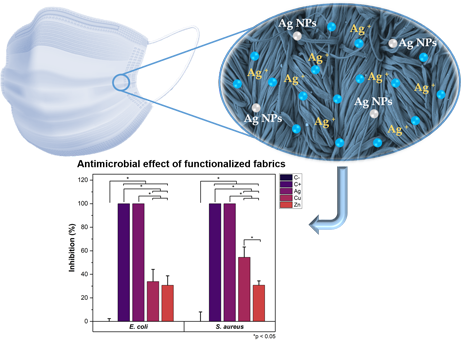
- a self-cross-linking binder. The functionalized textiles were tested against S. aureus, Escherichia coli (E. coli), Klebsiella pneumoniae, Klebsiella oxytoca, Proteus mirabilis, and Aspergillus niger. It has been shown that at concentrations of 100 and 150 μg·mL−1, Ag NP-functionalized cotton and
- method [32]. As shown in [33], ZnO NPs prepared through the sol–gel method were subsequently applied to the cotton fabric using the pad–dry–cure technique with dimethyloldihydroxyethyleneurea as a cross-linking agent. The results demonstrate good antibacterial activity against S. aureus and E. coli




The cement of the tube-dwelling polychaete Sabellaria alveolata: a complex composite adhesive material
Beilstein J. Nanotechnol. 2025, 16, 1998–2014, doi:10.3762/bjnano.16.138
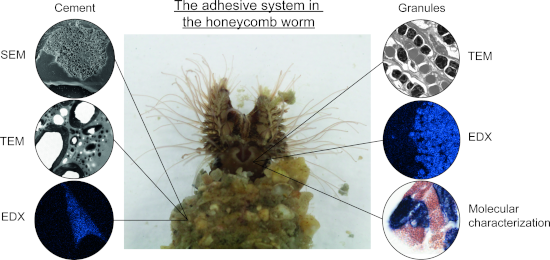
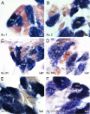
- ) residues, which may facilitate bonding to mineral surfaces and play a role in quinone-mediated cross-linking during cement hardening [14][15]. Pc-3 exists in at least two major isoforms, Pc-3A and Pc-3B. Both isoforms are exceptionally rich in serine (72.9 mol %), with up to 90% of these residues
- negatively charged phosphoserine residues of the adhesive proteins. Additionally, a pH shift could trigger changes in bonding, leading to spheroid hardening. Finally, the cement spot is cured through quinonic cross-linking. List of adhesive protein and kinase candidates identified in the tubeworm Sabellaria



Exploring the potential of polymers: advancements in oral nanocarrier technology
Beilstein J. Nanotechnol. 2025, 16, 1751–1793, doi:10.3762/bjnano.16.122
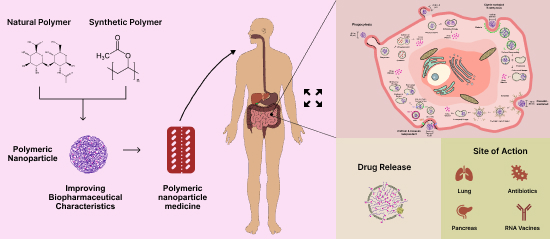
- , secreted or cell-bound, which form a viscoelastic gel through entanglement and cross-linking. These properties contribute to the protective and lubricating functions of mucus. These functions are performed through steric, electrostatic, and hydrophobic interactions with various substances [6]. Mucin is an
- polycationic character. These groups are reactive and can be chemically modified through activation or cross-linking. The reactivity of the hydroxy and primary amine groups imparts complexing and chelating properties, enabling the production of chitosan derivatives with enhanced characteristics compared to the
- chitosan as a carrier does not interfere with the biological activity of the protein, as evidenced by oral absorption in mice. The versatility of chitosan was utilized by Yang et al. [111] encapsulate exenatide, using TPP as a cross-linking agent. Chemical modifications were performed to generate the


Hydrogels and nanogels: effectiveness in dermal applications
Beilstein J. Nanotechnol. 2025, 16, 1216–1233, doi:10.3762/bjnano.16.90
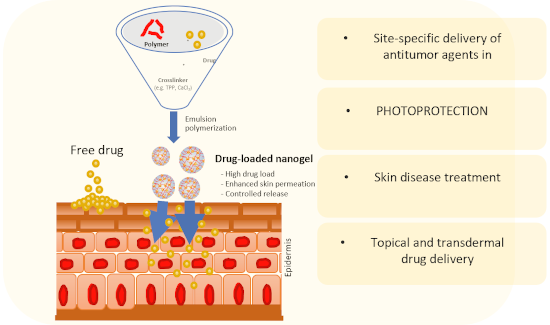
- pathophysiological processes through the incorporation of drugs for enhancing skin permeation brings out promising prospects for innovation which may arise in the drug delivery field. Keywords: cross-linking; drug delivery; formulation; nanogel; polymer; Introduction The systematic study of gels began in the mid
- to improve treatment effectiveness [40][41][42]. This paper reviews the preparation methods of hydrogels and nanogels from hydrophilic polymers of synthetic and natural origin with an emphasis on cross-linking reactions by physical and chemical methods. Additionally, recent advancements in the dermal
- application of hydrogels and nanogels as DDSs are particularly addressed. Review Preparation of hydrogels Cross-linking, one of the main techniques for hydrogel formation, is the process of linking polymer chains by covalent or noncovalent bonds, forming tridimensional networks [43][44]. Polymers can be intra


Chitosan nanocomposite containing rotenoids: an alternative bioinsecticidal approach for the management of Aedes aegypti
Beilstein J. Nanotechnol. 2025, 16, 1197–1208, doi:10.3762/bjnano.16.88
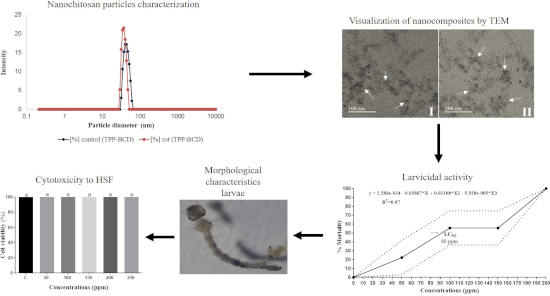
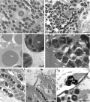
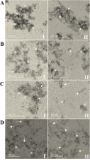
- excessive cross-linking by TPP, thereby reducing both nanoparticle size and polydispersity [19]. Furthermore, the inclusion of rotenoids in the nanocomposite seemingly improved its dispersibility (Figure 2B and 2D) compared to respective controls of empty nanoparticles (Figure 2A and 2C). The presence of



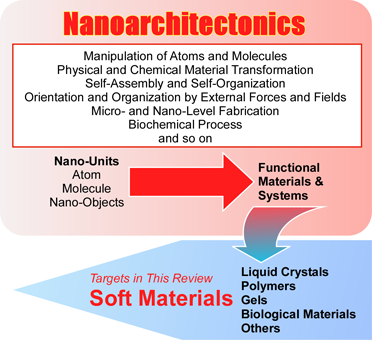
Soft materials nanoarchitectonics: liquid crystals, polymers, gels, biomaterials, and others
Beilstein J. Nanotechnol. 2025, 16, 1025–1067, doi:10.3762/bjnano.16.77






Supramolecular hydration structure of graphene-based hydrogels: density functional theory, green chemistry and interface application
Beilstein J. Nanotechnol. 2025, 16, 806–822, doi:10.3762/bjnano.16.61
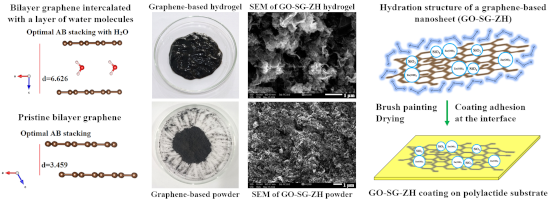
- nanosheets. Large GO nanosheets are important to provide effective surface area for coating adhesion to the flat substrate and cross-linking in the coating network. Interactions at the interface between the coating and substrate include electrostatic interaction, hydrogen bonding, and van der Waals


Changes of structural, magnetic and spectroscopic properties of microencapsulated iron sucrose nanoparticles in saline
Beilstein J. Nanotechnol. 2025, 16, 762–784, doi:10.3762/bjnano.16.59
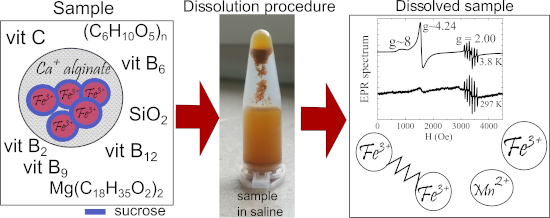
- spectrum of the FS0 sample, while they vanished in the FST spectrum. Raman spectroscopy confirmed the formation of an iron-stabilized biopolymer ionic cross-linking complex. This confirmation was based on an analysis of intensity, full width at half maximum, and band shifts. In general, both FS0 and FST
- than most other trivalent and divalent cations [67][68]. Similar effects have been reported for free ionic species of alginate in the presence of Ag nanostructures [64]. Furthermore, additional confirmation of the formation of the biopolymer ionic cross-linking complex can be inferred from the
- the alginate implies a slight disordering of the crystal structure of iron oxides. This disorder may result from more structural and local point defects and unsaturated bonds, making it more prone to forming an ionic cross-linking complex. In this context, the coexistence of oxyhydroxide with Fe3





Synthesis of a multicomponent cellulose-based adsorbent for tetracycline removal from aquaculture water
Beilstein J. Nanotechnol. 2025, 16, 728–739, doi:10.3762/bjnano.16.56
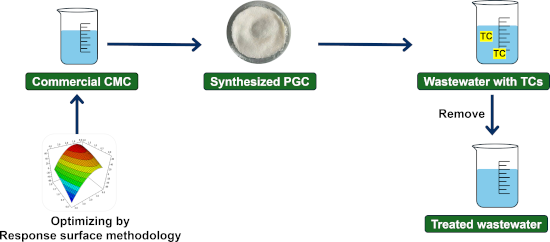
- shift to 883 and 1105 cm−1. Meanwhile, the hydroxy group vibration peak becomes broader and less intense, shifting to the 3240‒3386 cm−1 region, suggesting the involvement of ‒OH groups in cross-linking. The intensity of the peak at 1325 cm−1 decreases significantly, while the peak at 1620 cm−1
- presence of Zn–O and Zn–OH bonds. Furthermore, the Ca content increased from 0.03% to 2.82%, accompanied by a rise in oxygen content. This increase suggests the involvement of GA and PVA in the cross-linking process, where the –OH groups in PVA and –CHO groups in GA contribute to the rise in oxygen content
- assess the cross-linking performance of GA and PVA and to elucidate the role of Zn2+ in cellulose dissolution. The adsorption of TC onto PGC was explained by the formation of Ca2+–TC chelate complexes, as well as electrostatic interactions, CH–π interactions, and hydrogen bonding interactions between the


Polyurethane/silk fibroin-based electrospun membranes for wound healing and skin substitute applications
Beilstein J. Nanotechnol. 2025, 16, 591–612, doi:10.3762/bjnano.16.46
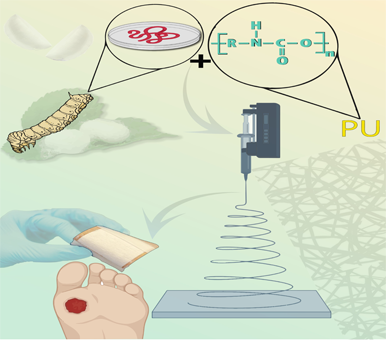
- cross-linking were used to develop a silk fibroin/chitosan/nanohydroxyapatite (SF/CS/nHA) scaffold in three different concentrations (3%, 4%, and 5%). The 4% SF/CS/nHA scaffold was shown to be the most effective for bone repair. In vitro studies involved seeding bone marrow mesenchymal stem cells (BMSCs



Synthetic-polymer-assisted antisense oligonucleotide delivery: targeted approaches for precision disease treatment
Beilstein J. Nanotechnol. 2025, 16, 435–463, doi:10.3762/bjnano.16.34


Enhancing mechanical properties of chitosan/PVA electrospun nanofibers: a comprehensive review
Beilstein J. Nanotechnol. 2025, 16, 286–307, doi:10.3762/bjnano.16.22

- hydrophilicity, and low thermal stability [106][107]. The disadvantages often necessitate the combination of PVA with other materials or the application of post-processing techniques such as cross-linking or coating for performance improvement [108]. As a countermeasure, Rafieian et al. [109] proposed
- of cross-linked and not cross-linked chitosan/PVA nanofibers to investigate the variation in loss factor with temperature, which is obtained from the ratio of loss modulus to storage modulus. The increase in loss factor observed after cross-linking for 48 h indicates high cross-linking density and
- modifications and structural modifications. Material modifications include mixing with other polymers, plasticizers, and additives [155], as well as surface modification [156] and post-treatment processes such as cross-linking and heat treatment [157]. Structural modifications encompass fiber alignment


Radiosensitizing properties of dual-functionalized carbon nanostructures loaded with temozolomide
Beilstein J. Nanotechnol. 2025, 16, 229–251, doi:10.3762/bjnano.16.18
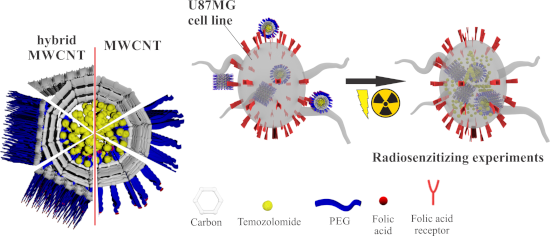
- , and photodynamic therapy. Cytotoxic drugs acting by preventing DNA replication and apoptosis via methylation of guanine-rich areas in DNA and by cross-linking guanine and cytosine in DNA strains are a standard in chemotherapy. Among them, the prodrug temozolomide (TMZ) with its active metabolite 5-(3




A review of metal-organic frameworks and polymers in mixed matrix membranes for CO2 capture
Beilstein J. Nanotechnol. 2025, 16, 155–186, doi:10.3762/bjnano.16.14
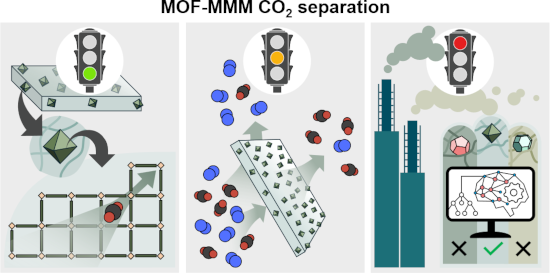
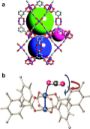
- cross-linking [126] or MOF geometry tuning [127] are needed to address this issue properly. Furthermore, the study by Maleh and Raisi found that in situ MOF-based MMM synthesis resulted in negligible plasticization compared to ex situ MMM fabrication [91], suggesting that MOF distribution and MOF




A nanocarrier containing carboxylic and histamine groups with dual action: acetylcholine hydrolysis and antidote atropine delivery
Beilstein J. Nanotechnol. 2025, 16, 11–24, doi:10.3762/bjnano.16.2

- react with BA to form boronate esters through cross-linking (Scheme 1). To synthesize p(Hist-CA), 4 mL of BA solution (1.25 mM) in PB, pH 8.5, and 7.3 μL of triolein (TO) were added to a mixture of Hist-RA (2 mM) and CA-RA (4.4 mM) in 1 mL of water. The mixture was vortexed for 1.5 min until an emulsion


Natural nanofibers embedded in the seed mucilage envelope: composite hydrogels with specific adhesive and frictional properties
Beilstein J. Nanotechnol. 2024, 15, 1603–1618, doi:10.3762/bjnano.15.126
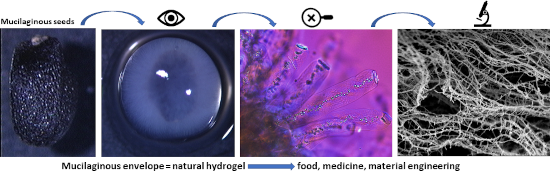
- ], on monomer and cross-linking concentrations, and on the type of substrate surface [88]. Hydrogels with their low friction are crucial in biomedical applications or for drug delivery [38][83][86][88]. The diaspore mucilage is regarded as a natural hydrogel [38] because of its capacity to absorb water
- microstructure forming cross-linking sheets, and the presence of water [94]. The authors observed that a thin layer of basil mucilage was adsorbed at the glass surface because of the abundant OH groups. This layer prevented the mucilage from the direct contact with the glass, which finally resulted in ultralow
- complete expansion of the envelope, the mucilaginous polysaccharides (pectins, hemicelluloses, and cellulose fibrils) form a netlike 3D structure. (h) High-magnification image showing cellulose fibril bundles (cfb), which form the main (unbranched) skeleton, while pectins and hemicelluloses (csp – cross


Facile synthesis of size-tunable L-carnosine-capped silver nanoparticles and their role in metal ion sensing and catalytic degradation of p-nitrophenol
Beilstein J. Nanotechnol. 2024, 15, 1576–1592, doi:10.3762/bjnano.15.124
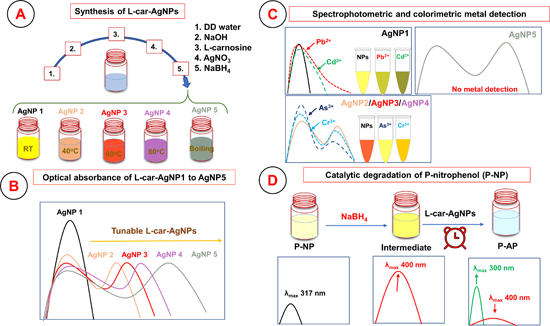
- peaks in FTIR suggested that carboxyl is the exposed functional group. Based on the earlier reports, free –NH2 and carboxyl groups are believed to participate in cross-linking and forming complexes between ʟ-car-AgNP1 and Cd2+/Pb2+ ions. The Cd2+ and Pb2+ ions interact with lone electron pairs of these




Enhanced catalytic reduction through in situ synthesized gold nanoparticles embedded in glucosamine/alginate nanocomposites
Beilstein J. Nanotechnol. 2024, 15, 1227–1237, doi:10.3762/bjnano.15.99
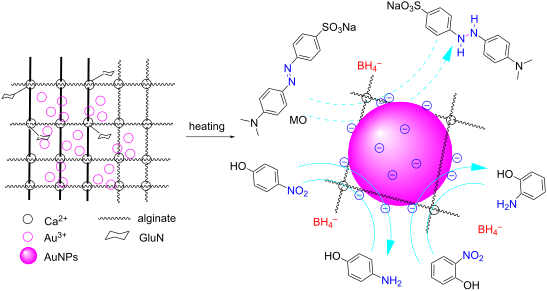
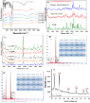
- electrostatic bonds with multivalent metal cations (such as Ca2+, Ba2+, and Cu2+) to create an extensive gel network in water [15][16]. The cross-linking of saccharide chains within alginate generates macromolecules ranging in size from micrometers to millimeters, resulting in gelispheres insoluble in water
- Au3+ into Au(0) during the synthesis of the nanocomposite AuNPs@GluN/Alg without additional chemicals. Alginate serves as a stabilizing agent. In the ionotropic gelation mechanism, the cross-linking matrix of Ca–alginate, formed by Ca2+ ions and carboxyl groups in sodium alginate, becomes insoluble



Unveiling the potential of alginate-based nanomaterials in sensing technology and smart delivery applications
Beilstein J. Nanotechnol. 2024, 15, 1077–1104, doi:10.3762/bjnano.15.88
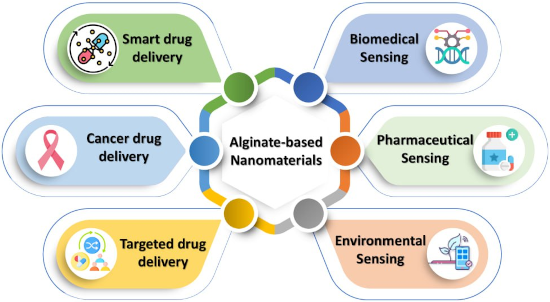
- reaction time. When it comes to the alginate–polymer combination, there are various methods available for the preparation of alginate-based biopolymeric nanoparticles, each with its advantages and limitations. One common method is the ionotropic gelation method, which involves the cross-linking of alginate
- preparing an alginate polymer solution to which a compound with amino groups is subsequently added. In the presence of a cross-linking agent or under appropriate conditions, the carboxylate groups of alginate and the amino groups of the other compound undergo dehydration condensation processes. These cross
- meet the specific needs of glucose detection, such as incorporating glucose oxidase for enzymatic sensing, allowing for efficient and accurate glucose detection [140]. The fabrication of alginate-based nanoparticles for glucose detection involves several steps. First, alginate is mixed with a cross


Entry of nanoparticles into cells and tissues: status and challenges
Beilstein J. Nanotechnol. 2024, 15, 1017–1029, doi:10.3762/bjnano.15.83
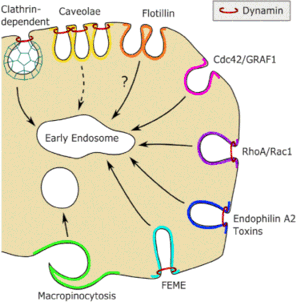
- detail, although it, in some cells, can have a high uptake capacity [16]. The understanding and complexity of these mechanisms have been further increased by the finding that some galectins, such as galectin-3 and galectin-8, can drive cellular uptake by cross-linking glycolipids [17][18]. Interestingly
- clearly pinch off, a process that can be stimulated by a cross-linking ligand such as the simian virus 40 (SV40) [33]. It is known that after being released from the plasma membrane, they may fuse with normal early endocytic vesicles [34]. In 2001, it was published that a separate organelle, the caveosome
- . However, if binding to the cell surface and cross-linking plasma membrane lipids or proteins, they may even induce their own uptake [61][62]. For instance, cross-linking of receptors by quantum dots (QDs) with Tat proteins can induce Rac activation and macropinocytosis [61]. Similarly, cross-linking


Therapeutic effect of F127-folate@PLGA/CHL/IR780 nanoparticles on folate receptor-expressing cancer cells
Beilstein J. Nanotechnol. 2024, 15, 954–964, doi:10.3762/bjnano.15.78
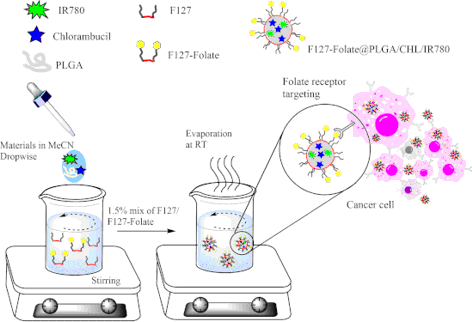
- and non-lymphoma Hodgkin’s [16][17], advanced ovarian and breast cancer [17][18], and some autoimmune illnesses [19]. Like other alkylating drugs, CHL inhibits tumor growth by cross-linking guanine or adenine bases in DNA double helix strands, preventing them from uncoiling and separating, and



The effect of age on the attachment ability of stick insects (Phasmatodea)
Beilstein J. Nanotechnol. 2024, 15, 867–883, doi:10.3762/bjnano.15.72

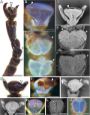
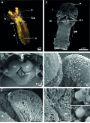
- 5K) or reddish using CLSM (Figure 6B), are indicative for changes of the material properties of the cuticle. The autofluorescence correlates with the degree of sclerotization [50][70], and stronger cross-linking usually results in stiffer cuticle. As stiffer cuticle is less compliant, and the lower