


Search results
Search for "differentiation" in Full Text gives 141 result(s) in Beilstein Journal of Nanotechnology.
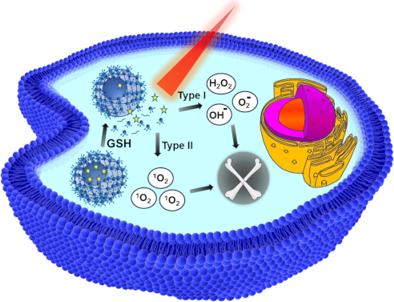
A redox-responsive viologen–cavitand nanocarrier for dual-function photodynamic therapy
Beilstein J. Nanotechnol. 2026, 17, 1142–1158, doi:10.3762/bjnano.17.78
- specifically binds to phosphatidylserine exposed on the outer side of the plasma membrane during the early stages of apoptosis, whereas PI penetrates only cells with impaired membrane integrity, allowing differentiation between late apoptotic cells and necrotic cells. Microscopy assay Microscopic analysis PC-3


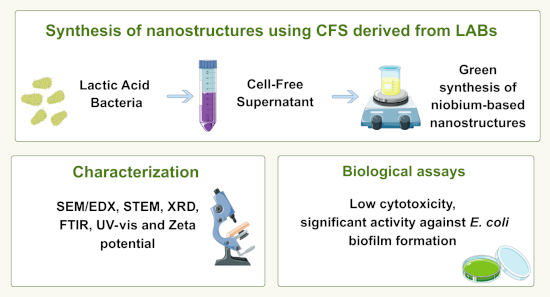
Biosynthesis, characterization, and biofunctional assessment of niobium oxide nanostructures obtained using lactic acid bacteria-derived supernatants
Beilstein J. Nanotechnol. 2026, 17, 1128–1141, doi:10.3762/bjnano.17.77
- on the incorporation of the vital dye into lysosomes of viable cells through hydrophobic and electrostatic interactions. Structural damage to the plasma membrane proportionally reduces dye uptake, enabling differentiation between viable, damaged, and dead cells [59]. After exposure, the dye retained
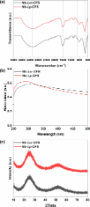


Tailoring Ag–Pt nanoalloys through solid-state dewetting: structural and optical insights
Beilstein J. Nanotechnol. 2026, 17, 748–759, doi:10.3762/bjnano.17.52

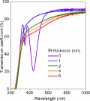
- boundary between these two classes is not always clearly defined. Examination properties, such as optical properties, can provide a valuable criterion for differentiation. In plasmonic materials, in most cases, nanocomposites exhibit two distinct resonance peaks, each corresponding to one of the




Biomimetic nanoparticles in cancer photodynamic therapy: a review of targeted delivery systems and therapeutic outcomes
Beilstein J. Nanotechnol. 2026, 17, 396–422, doi:10.3762/bjnano.17.27


Influence of surface characteristics on the in vitro stability and cell uptake of nanoliposomes for brain delivery
Beilstein J. Nanotechnol. 2026, 17, 139–158, doi:10.3762/bjnano.17.9
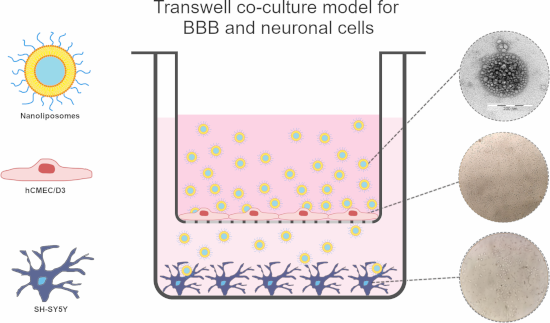
- nonexisting, and addition of cholesterol is needed in order to achieve conditions resembling normal neuronal environment with surrounding glial cells, as well as to promote the process of the SH-SY5Y neuroblastoma cell differentiation into a neuronal cell type [50]. Up to date, several findings reported the




Subdigital integumentary microstructure in Cyrtodactylus (Squamata: Gekkota): do those lineages with incipiently expressed toepads exclusively exhibit adhesive setae?
Beilstein J. Nanotechnol. 2026, 17, 38–56, doi:10.3762/bjnano.17.4
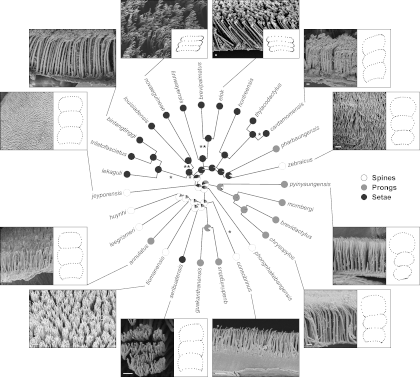
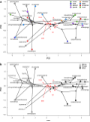
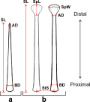
- changes will retain spines, prongs, and/or spinules. With reference to structural microhabitat preferences, we hypothesise either (2) that the differentiation of subdigital microstructures towards setae is correlated with arboreal and, to a lesser degree, saxicoline ecotypes, or alternatively, (3) that


Quality by design optimization of microemulsions for topical delivery of Passiflora setacea seed oil
Beilstein J. Nanotechnol. 2025, 16, 2116–2131, doi:10.3762/bjnano.16.146
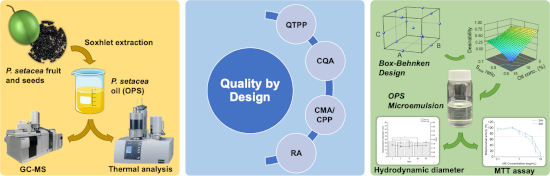
- ± 0.3 and 6.8 ± 0.1, respectively. The slightly acidic pH of healthy skin (typically ranging from 4 to 6) plays a key role in supporting physiological functions such as keratinocyte differentiation, lipid mantle formation of the stratum corneum, and preservation of the skin microbiome. In contrast


Multifrequency AFM integrating PeakForce tapping and higher eigenmodes for heterogeneous surface characterization
Beilstein J. Nanotechnol. 2025, 16, 2077–2085, doi:10.3762/bjnano.16.142
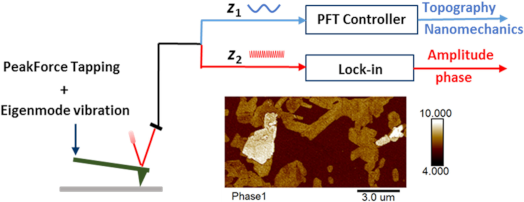
- mappings obtained via the PeakForce tapping method. Furthermore, the technique’s dual capability, that is, quantitative mechanics via quasi-static force curves and qualitative material-sensitive information via eigenmode vibration signals, facilitates effective compositional differentiation in
- heterogeneous nanomaterials while significantly simplifying the requirements for probe selection, which are typically necessary for material differentiation via the standard PeakForce tapping method. This innovation enhances the technique’s practicality and extends compatibility to a wider array of probe types
- interacting intermittently with the sample surface. By monitoring and controlling the cantilever’s amplitude and phase, topographical and phase images can be generated, providing insights into material properties and enabling the differentiation of regions or components within heterogeneous samples [7][8][9


Stereodiscrimination of guests in chiral organosilica aerogels studied by ESR spectroscopy
Beilstein J. Nanotechnol. 2025, 16, 2034–2054, doi:10.3762/bjnano.16.140
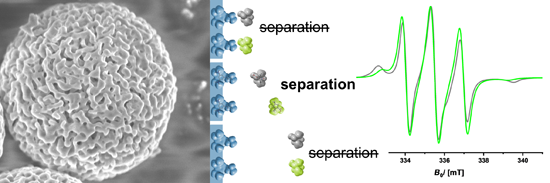
- that the ESR spectra of both enantiomers look almost the same at all temperatures. Despite there being a significant amount of surface-adsorbed species (≈70%), there is no differentiation between (+)- and (−)-3CP, meaning that also αs ≈ 1. The latter result is astonishing because both SerNH10Sil and
- fraction of the spin probes interacting with the surfaces, there cannot be a sufficient differentiation between (+)-3CP and (−)-3CP, even if chiral functionalities are present at the pore walls. There are two limiting cases: The guest molecule confined to a porous host only interacts with the solvent. Then




Programmable soliton dynamics in all-Josephson-junction logic cells and networks
Beilstein J. Nanotechnol. 2025, 16, 1883–1893, doi:10.3762/bjnano.16.131

- convenient to express this equation in a dimensionless form. We normalize the time to the inverse of a reference plasma frequency, , where , and normalize the current to a reference critical current . This yields: In this normalized equation, the dots above the phases indicate differentiation over time with


On the road to sustainability – application of metallic nanoparticles obtained by green synthesis in dentistry: a scoping review
Beilstein J. Nanotechnol. 2025, 16, 1851–1862, doi:10.3762/bjnano.16.128
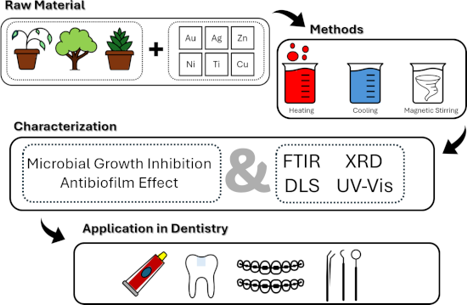
- into scaffolds and regenerative membranes designed to stimulate osteogenesis and promote periodontal tissue regeneration [16][17]. These nanoparticles not only provide antimicrobial protection but also actively modulate cellular behavior, such as proliferation and differentiation, thereby enhancing the


Beyond the bilayer: multilayered hygroscopic actuation in pine cone scales
Beilstein J. Nanotechnol. 2025, 16, 1695–1710, doi:10.3762/bjnano.16.119
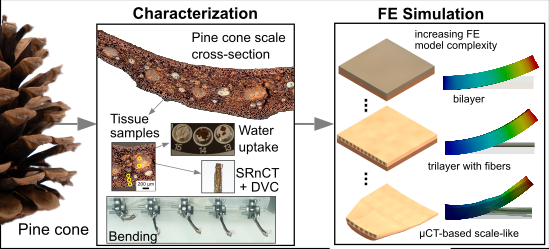
- observed using DVC to analyze the axial shrinkage from moist to dry state (Table 1). In the following, radial shrinkage (εxx and εyy) corresponds to shrinkage along both the abaxial–adaxial and the lateral–medial axis of a pine cone scale, since differentiation is not possible based on our tissue samples


Prospects of nanotechnology and natural products for cancer and immunotherapy
Beilstein J. Nanotechnol. 2025, 16, 1644–1667, doi:10.3762/bjnano.16.116
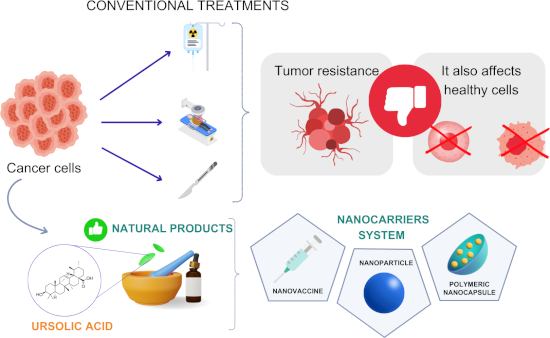
- mechanisms involve inhibiting cell proliferation by disrupting the lysosomal system, increasing pH, and altering the lipid profile of cancer cells [113]. Additionally, ursolic acid can inhibit the differentiation of Th17 cells from the STAT3/RORβt pathway and the migration of these cells by down-regulating


Piezoelectricity of hexagonal boron nitrides improves bone tissue generation as tested on osteoblasts
Beilstein J. Nanotechnol. 2025, 16, 1068–1081, doi:10.3762/bjnano.16.78
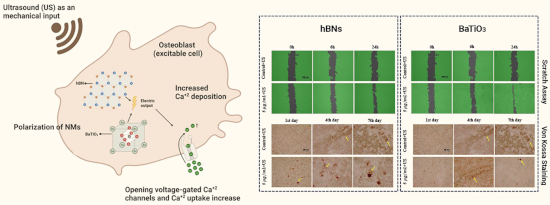
- , osteoclasts, osteoblasts, and osteocytes, which coordinate bone resorption and deposition. Bone lining cells cover bone surfaces and play a key role in osteoclast differentiation [4][5]. Osteoclasts are large, multinucleated cells responsible for bone resorption through lysosomal enzymes and acid secretion [6
- ]. Osteocytes, the longest-lived bone cells, arise from osteoblast differentiation and regulate bone maintenance [7]. Osteoblasts, found on bone surfaces, drive bone formation through two key steps: matrix deposition and mineralization. During matrix deposition, collagen and noncollagenous proteins are secreted
- capability arises from the noncentrosymmetric structure of collagen, which allows both direct and inverse piezoelectric effects [9]. Mechanically induced electrical stimulation activates cellular signaling pathways that enhance osteogenesis and promote osteogenic differentiation [10]. Specifically


Soft materials nanoarchitectonics: liquid crystals, polymers, gels, biomaterials, and others
Beilstein J. Nanotechnol. 2025, 16, 1025–1067, doi:10.3762/bjnano.16.77
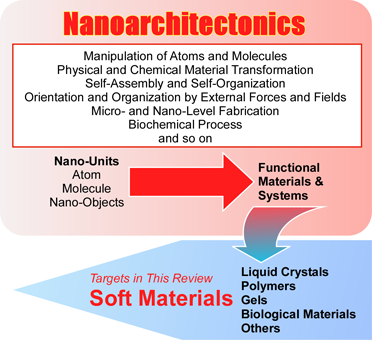
- gentamicin sulfate through electrostatic interaction and hydrogen bonding in a mixture of gentamicin sulfate and Pluronic F127. The prepared material demonstrated sustained antibacterial activity and facilitated osteoblast (MC3T3-E1) differentiation, which is essential for bone formation. Moreover, the




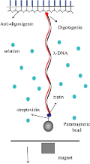


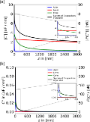
Nanoscale capacitance spectroscopy based on multifrequency electrostatic force microscopy
Beilstein J. Nanotechnol. 2025, 16, 637–651, doi:10.3762/bjnano.16.49

- parts of the cantilever, we used the onward and backward differentiation given in Equation 22 and the central differential quotient of the second order given in Equation 23, respectively. The step size was chosen to be 1·10−10 m with a total number of 1,000,000 steps. Models of the first and the second




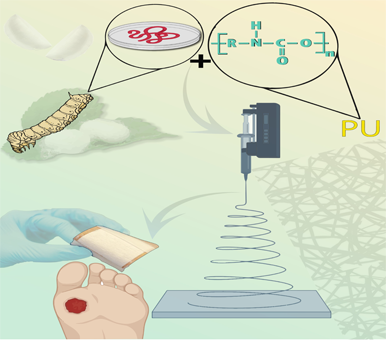
Polyurethane/silk fibroin-based electrospun membranes for wound healing and skin substitute applications
Beilstein J. Nanotechnol. 2025, 16, 591–612, doi:10.3762/bjnano.16.46
- cells [29]. Multiple cell types including immune cells, fibroblasts, and keratinocytes work together to repair wounds [30]. Skin regeneration occurs mainly through the proliferation and differentiation of keratinocytes, the major cell type of the epidermis, that move to cover the wound and generate new
- scaffold was cytocompatible and osteoconductive. In vitro studies showed that the scaffold successfully supported the osteogenic differentiation of human mesenchymal stem cells, migration and proliferation of endothelial cells, and growth of neural stem cells. The combination of BMP2, VEGF, and NGF
- improved osteoblastic differentiation as evidenced by the upregulation of specific osteogenic genes [88]. Zhou et al. improved bone tissue engineering by creating a composite biomimetic scaffold incorporating autologous concentrated growth factor (CGF) to repair bone defects. Freeze drying and chemical



Graphene oxide–chloroquine conjugate induces DNA damage in A549 lung cancer cells through autophagy modulation
Beilstein J. Nanotechnol. 2025, 16, 316–332, doi:10.3762/bjnano.16.24
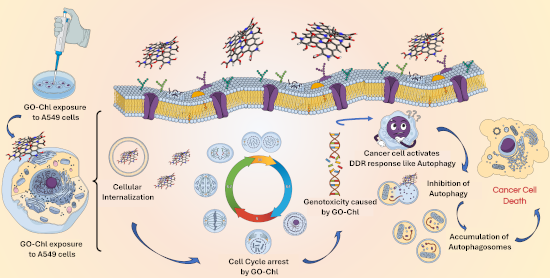
- .16.24 Abstract Autophagy is a highly regulated catabolic process by which unnecessary, dysfunctional, or damaged proteins and other cellular components are degraded and recycled to promote cellular differentiation, survival, and development. In response to endogenous or exogenous stresses, cancer cells



Enhancing mechanical properties of chitosan/PVA electrospun nanofibers: a comprehensive review
Beilstein J. Nanotechnol. 2025, 16, 286–307, doi:10.3762/bjnano.16.22

- ]. Aligned fibers also guide human mesenchymal stem cells toward cardiomyogenesis and enhance myoblast differentiation [192][193]. Research has demonstrated that aligned nanofibers can accelerate the recovery of highly organized structures, such as nerve cells, tendons, and ligaments. Additionally, aligned


Radiosensitizing properties of dual-functionalized carbon nanostructures loaded with temozolomide
Beilstein J. Nanotechnol. 2025, 16, 229–251, doi:10.3762/bjnano.16.18
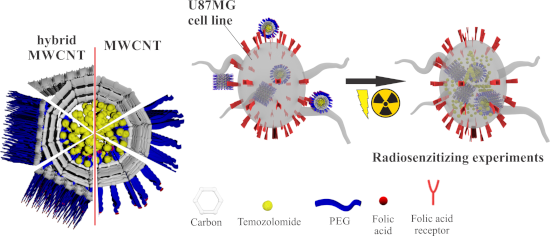
- processes, including neuroregeneration, neuronal differentiation, and stimulation of neuronal electrical signalization and brain activity. Thus, they are promising materials for new products regarding tissue engineering and prosthetic neuronal devices [6][7][8]. There is also an evidence that CNs manifest




Natural nanofibers embedded in the seed mucilage envelope: composite hydrogels with specific adhesive and frictional properties
Beilstein J. Nanotechnol. 2024, 15, 1603–1618, doi:10.3762/bjnano.15.126
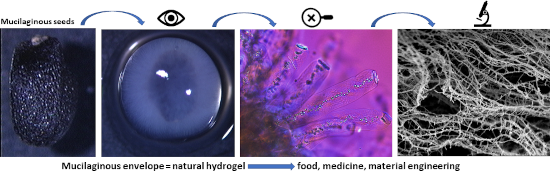
- rather thin (2–3 nm), which makes their differentiation from other polysaccharides (pectins and hemicelluloses) rather difficult. The size of the microfibrils of the secondary cell wall (20–30 nm) [53] makes their observation easier, particularly using high-resolution microscopy techniques, such as


Recent updates in applications of nanomedicine for the treatment of hepatic fibrosis
Beilstein J. Nanotechnol. 2024, 15, 1105–1116, doi:10.3762/bjnano.15.89
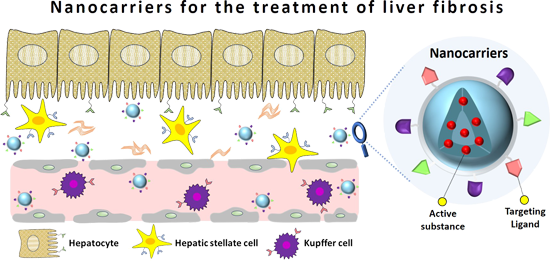
- to the trans-differentiation of hepatic stellate cells (HSCs) into collagen-producing myofibroblasts, resulting in the progressive accumulation of extracellular matrix (ECM) protein [12]. The condition may be caused by various etiologies, including viral hepatitis infection, alcohol abuse, and


Entry of nanoparticles into cells and tissues: status and challenges
Beilstein J. Nanotechnol. 2024, 15, 1017–1029, doi:10.3762/bjnano.15.83
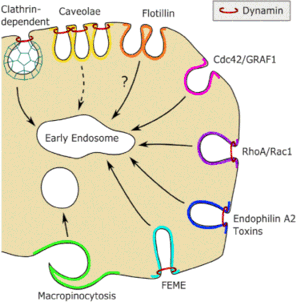
- another breast cancer xenograft model and found a strong reduction in immunosuppressive function of macrophages [94]. An influence of NPs on macrophage recruitment, differentiation, and polarization has also been reported by others [95][96]. Thus, a combined effect on the tumor cells and the tumor


Electrospun nanofibers: building blocks for the repair of bone tissue
Beilstein J. Nanotechnol. 2024, 15, 941–953, doi:10.3762/bjnano.15.77
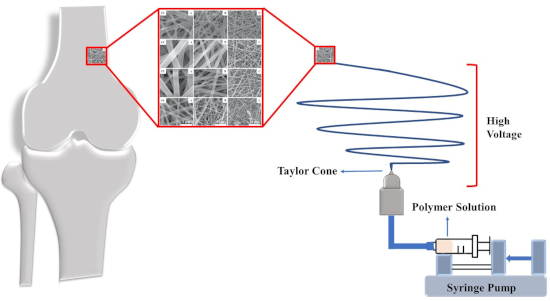
- natural bone structure with appropriate porosity and fulfill the functions of transport as well as the exchange of substances. Biomaterials should also help cells to adhere and maintain their normal proliferative and differentiation capacity. Nanofiber scaffolds are at the forefront of these types of
- superiorities. Their unique characteristics that distinguish them from other scaffolds and pharmaceutical forms also constitute their main advantages: (i) Their network nature mimics the natural extracellular matrix. In this way, nanofibrous scaffolds provide a higher level of cell adhesion, differentiation


Identification of structural features of surface modifiers in engineered nanostructured metal oxides regarding cell uptake through ML-based classification
Beilstein J. Nanotechnol. 2024, 15, 909–924, doi:10.3762/bjnano.15.75
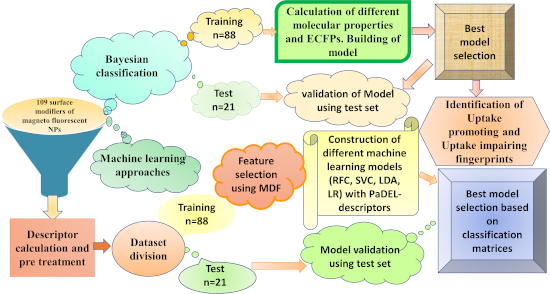
- the umbilical cord to study vascular biology and endothelial function. U937 is a human cell line used as a model for monocyte/macrophage differentiation. The cellular uptake was represented by log10[NP]/cell, in which the concentration was represented in picomoles per cell. In order to classify the





