


Search results
Search for "dose" in Full Text gives 324 result(s) in Beilstein Journal of Nanotechnology. Showing first 200.
Development of Protium heptaphyllum essential oil-loaded nanocapsules: experimental design and biological activity
Beilstein J. Nanotechnol. 2026, 17, 974–990, doi:10.3762/bjnano.17.67
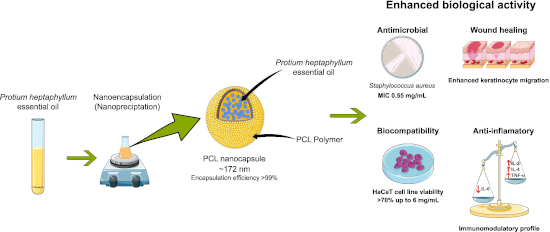
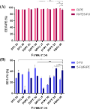
- storage [45]. Cell viability The cell viability following treatment with NPNC (Figure 4) showed a clear dose-dependent effect, with higher concentrations of encapsulated oil reducing viability in immortalized human keratinocyte epithelial cells (HaCat). At 12 mg/mL, a marked decrease was observed
- proliferation and extracellular matrix remodeling, whereas excessive or sustained production leads to chronic inflammation, cytotoxicity, and impaired wound healing [53][54]. The observed TNF-α increase may indicate either early reparative activation or dose-dependent cellular stress from increased bioactive
- compound delivery via nanocapsules. Future dose-optimization studies should determine the threshold at which TNF-α shifts from reparative to detrimental. Simultaneously, IL-4 increased only at the highest NPNC concentration (6 mg/mL). IL-4 is a known promoter of M2 macrophage polarization and tissue repair




Nanocarrier strategies to overcome P-glycoprotein-mediated drug resistance in cancer therapy
Beilstein J. Nanotechnol. 2026, 17, 882–921, doi:10.3762/bjnano.17.64


He+ FIBID-fabricated 3D AFM tip architectures: an exploratory study of hollow pillars, helices, and spirals
Beilstein J. Nanotechnol. 2026, 17, 863–871, doi:10.3762/bjnano.17.62
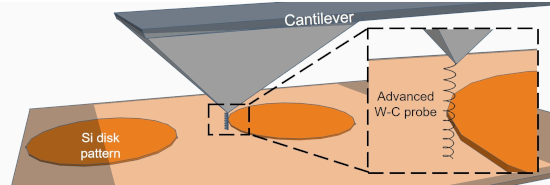
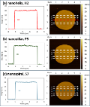
- tubular structures can be tuned through ion beam current and dose, and a progressive tapering towards the tip end reduces the effective tip radius. For the purposes of the present work, this prior knowledge supports the designation of the printed structures as hollow nanopillars. Commercial AFM tips with


Nanoparticle delivery systems for HIV pre-exposure prophylaxis (PrEP): advances and challenges
Beilstein J. Nanotechnol. 2026, 17, 839–853, doi:10.3762/bjnano.17.60
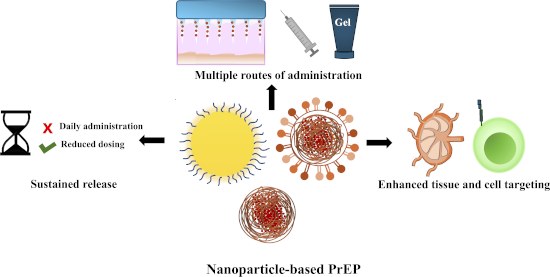
- complications, including the need for high IM injection volumes (≥3 mL), the inability to remove the dose after injection in case of adverse reactions or change in preference, and a long-term pharmacokinetic tail after discontinuation that lasts up to 43.7 weeks in men and 67.3 weeks in women (HPTN 077) [7][19
- adjuvanted soluble Env, and in some conditions even without adjuvant. This suggests that the multivalent silica nanoparticles provide a dose sparing effect and may reduce dependence on external adjuvants highlighting the potential of silica nanoparticles to improve vaccine efficacy. The study was, however
- parameter in the design of nanoparticle delivery platforms for reduced dose frequency in HIV PrEP. Schematic representation of nanoparticles used in PrEP based on type of material. Created in BioRender. Zahara, S. (2026) https://BioRender.com/g6ld9a6. This content is not subject to CC BY 4.0. Overview of


Environmental applications of silver nanoparticles: state-of-the-art review and emerging trends
Beilstein J. Nanotechnol. 2026, 17, 697–736, doi:10.3762/bjnano.17.49
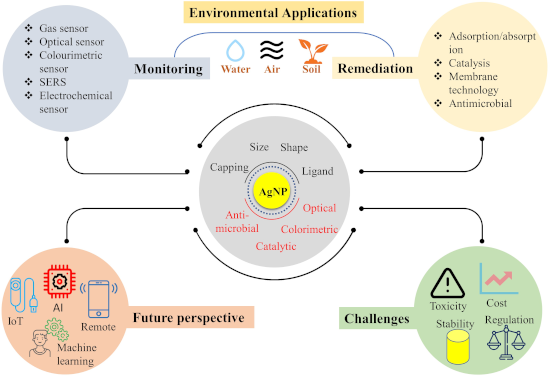
- safety evaluation. Nanosilver coated with tannic acid significantly inhibits adenovirus type 3 (Ad3) in HeLa cells, serving as a model system [78]. The inhibition mechanism involves structural and DNA damage to Ad3 [78]. Another study assessed the dose- and size-dependent antiviral effects of AgNPs
- still inconclusive. Despite that, nanosilver possesses functional properties against various environmental contaminants. A nanocomposite combined with magnetic nanoparticles removed amoxicillin (a common antibiotic) from water sources with 100% efficiency [28]. Dose-dependent removal of the antibiotic
- magnetic nanoparticles and AgNPs showed the removal of the drug ibuprofen from water. 93% removal was achieved at neutral pH, room temperature, and a low adsorbent dose (7 mg in 500 μL), along with reusability of up to three generations (89.3%) [100]. From the above discussion it was confirmed that


Defects and defect-mediated engineering of two-dimensional materials: challenges and open questions
Beilstein J. Nanotechnol. 2026, 17, 454–488, doi:10.3762/bjnano.17.31





Nanocarrier-integrated multilayer films produced by 3D printing for improved skin adhesion and curcumin photostability
Beilstein J. Nanotechnol. 2026, 17, 440–453, doi:10.3762/bjnano.17.30
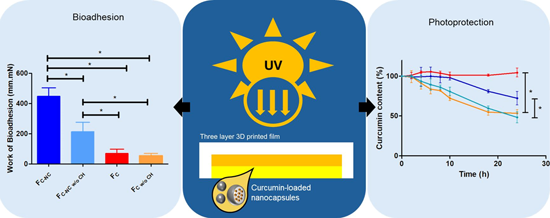
- nanosystems to enhance the bioactivity of curcumin was reported by Krausz et al., who demonstrated that a curcumin-loaded nanosystem inhibited the growth of methicillin-resistant Staphylococcus aureus (MRSA) and Pseudomonas aeruginosa in vitro in a dose-dependent manner, while also improving wound healing and
- compared with previously developed hydrogels for skin delivery include improved control over the applied curcumin dose, as well as the personalisation of the size and shape of the printed films for the treatment of specific skin areas, such as wounds. In this proof-of-concept study, we hypothesised that


Nanoinformatics: spanning scales, systems and solutions
Beilstein J. Nanotechnol. 2026, 17, 423–427, doi:10.3762/bjnano.17.28

- classical molecular dynamics and ab initio calculations revealed that TA preferentially binds to the most reactive sites on GO surfaces via oxygen-containing groups or the carbon matrix. The binding energy was dominated by van der Waals interaction forces. A dose-dependent mitigating effect of TA on the

Biomimetic nanoparticles in cancer photodynamic therapy: a review of targeted delivery systems and therapeutic outcomes
Beilstein J. Nanotechnol. 2026, 17, 396–422, doi:10.3762/bjnano.17.27
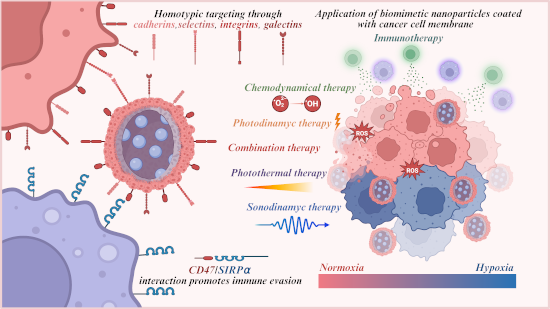
- nanoparticles within solid tumors typically does not exceed 1% of the administered dose [46]. The limited progress in achieving higher carrier targeted accumulation can be attributed to two main factors: (i) rapid clearance of the nanoparticles from the body, that is, nanoparticles are cleared from the systemic


Advancing nanolithography: a comprehensive review of materials for local anodic oxidation with AFM
Beilstein J. Nanotechnol. 2026, 17, 275–291, doi:10.3762/bjnano.17.19
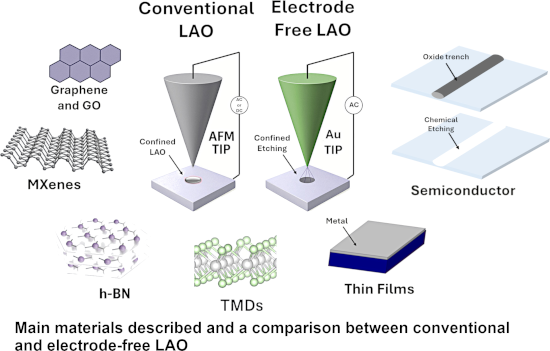
- exploring fundamental behaviors of MoTe2 at the nanoscale. Interestingly, increasing either the relative humidity or the line dose promotes greater oxide formation, resulting in deeper structuring of MoTe2 after oxide removal (i.e., etching depths of up to 6 nm have been observed following water etching


Durable antimicrobial activity of fabrics functionalized with zeolite ion-exchanged nanomaterials against Staphylococcus aureus and Escherichia coli
Beilstein J. Nanotechnol. 2026, 17, 262–274, doi:10.3762/bjnano.17.18
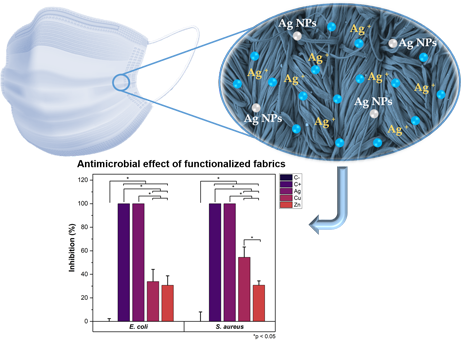
- ]. The susceptibility of bacteria to antimicrobial materials may depend on several factors, such as dose, humidity, and strain specificity [42][43]. Silver has been shown to exert a biocidal effect similar to that of copper against several E. coli and S. aureus strains using lower doses [43]. Likewise




Comparative study on 3D morphologies of delignified, single tracheids and fibers of five wood species
Beilstein J. Nanotechnol. 2026, 17, 239–250, doi:10.3762/bjnano.17.16
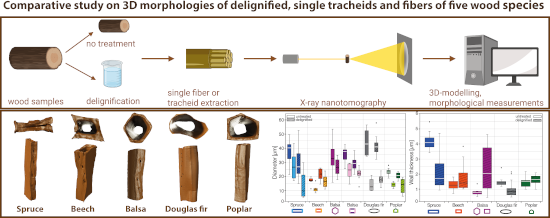
- , Pdet = 6.5 µm pixel size, 2048 × 2048 pixel, 16 bit image depth) with a 10 µm Gadox scintillator was used as the detector. For high-contrast and low-dose imaging, holotomography was applied as the phase contrast technique. Here, a gold Fresnel zone plate with a diameter of 300 µm was used [30]. By


Safe and sustainable by design with ML/AI: A transformative approach to advancing nanotechnology
Beilstein J. Nanotechnol. 2026, 17, 176–185, doi:10.3762/bjnano.17.11
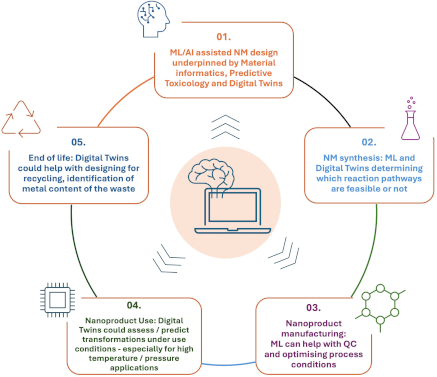
- new-approach methodologies or NAMs), and which include in silico (computational) assessment, can fully “open the box”, revealing mechanistic drivers and enabling establishment of dose-response relationships, read-across, and other insights that allows regulators to gain a deeper understanding in


From shield to spear: Charge-reversible nanocarriers in overcoming cancer therapy barriers
Beilstein J. Nanotechnol. 2026, 17, 159–175, doi:10.3762/bjnano.17.10
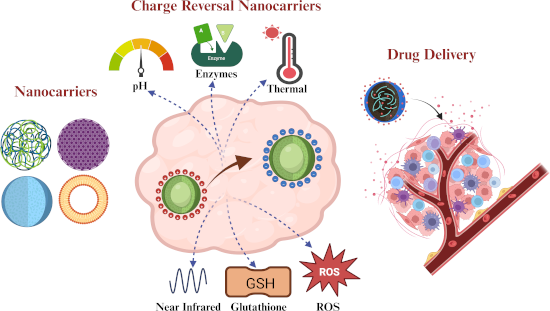
- -nitroimidazole and a PEG-modified lipid shell, enabling multifunctional X-ray-responsive therapy. Upon low-dose of X-ray irradiation, Hf4+ deposits radiation energy to induce DNA damage while 2-nitroimidazole releases NO to block DNA repair, relieve hypoxia, and produce reactive nitrogen species (RNS) that
- challenges such as long-term biocompatibility, accumulation, and dose-dependent toxicity will be critical for advancing these promising systems towards safe and effective patient use [96]. Their intricate structural design, composed of multiple functional elements, complicates standardization and


Development and in vitro evaluation of liposomes and immunoliposomes containing 5-fluorouracil and R-phycoerythrin as a potential phototheranostic system for colorectal cancer
Beilstein J. Nanotechnol. 2026, 17, 97–121, doi:10.3762/bjnano.17.7
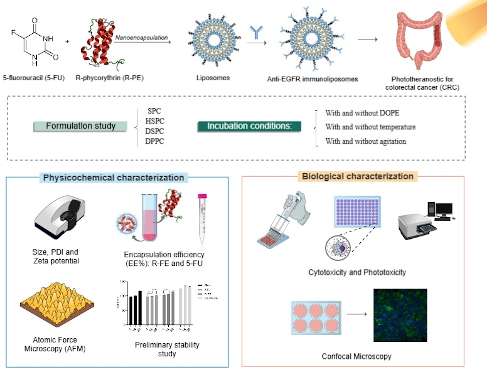
- is a semi-empirical model that encompasses release profiles of drugs through polymeric chains when the governing mechanism is a combination of Fickian and non-Fickian mechanisms: where Q is the amount of dose released at time t, k is the release rate constant, and n is the exponent. 2.3.5 Atomic
- presence of 5% CO2, for 69 h for cytotoxicity assays, while for phototoxicity assays they remained incubated for 48 h, followed by 2 h of green light irradiation, γ = 525 nm, dose of 14.4 J/cm2 and incubated again until completing the 69 h period. After incubation for 69 h, 20 µL of the MTT solution (0.5



Optical bio/chemical sensors for vitamin B12 analysis in food and pharmaceuticals: state of the art, challenges, and future outlooks
Beilstein J. Nanotechnol. 2025, 16, 2207–2244, doi:10.3762/bjnano.16.153
- 55% to 74%. Hence, it is important to note that the absorption rates vary greatly depending on the specific food items; for instance, egg products, fish, and lean meat have an absorption rate of 24% to 36% (VB12 dose 0.30–0.94 µg), 42% (dose 1.95–2.18 µg), and 65% (dose 0.95 µg), respectively [34][35
- absorption of VB12 (Figure 2), namely, passive diffusion and active transport [34][44]. In passive diffusion, a minor fraction (1–2%) of oral VB12 dose can be directly absorbed via the intestinal mucosa and the gastrointestinal tract surface without the need for the intrinsic factor (IF). If the active
- transport of VB12 is impossible, a high dose of oral VB12 (like 1.0 mg daily) is essential for ensuring an “adequate” intake of this vitamin in the body [34][49]. Accordingly, this IF-independent pathway is less efficient and becomes more significant in individuals with a deficiency or absence of IF, or


Rapid synthesis of highly monodisperse AgSbS2 nanocrystals: unveiling multifaceted activities in cancer therapy, antibacterial strategies, and antioxidant defense
Beilstein J. Nanotechnol. 2025, 16, 2105–2115, doi:10.3762/bjnano.16.145
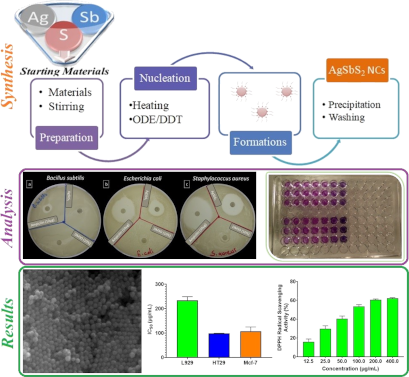
- , particularly on cancer cell lines (MCF-7 and HT-29), in a dose-dependent manner over a 24 h period. These findings highlight the potential of the NCs as anticancer agents. Furthermore, the synthesized NCs demonstrated potent antibacterial properties against the tested microorganisms and notable antioxidant
- Figure 4. The NCs induced a 3–26% inhibition of cell growth even at the lowest applied concentration (12.5 µg/mL), and a proportional increase in the percentage of cell inhibition was observed with escalating concentrations. Hence, the findings reveal the dose-dependent interaction of the nanoparticles


Toward clinical translation of carbon nanomaterials in anticancer drug delivery: the need for standardisation
Beilstein J. Nanotechnol. 2025, 16, 2092–2104, doi:10.3762/bjnano.16.144
- cases, allergic reactions, which may include hives, difficulty breathing, and swelling of the face, lips, tongue, or throat. The severity of the side effects may vary depending on the dose, duration of treatment, and individual patient factors; and so, can be managed with supportive care and medications
- , and the dose and duration of treatment can be tailored to minimise toxicity. The use of nanocarriers for the delivery of anticancer therapeutics is a promising strategy for improving the efficacy of the drug while minimising its toxicity to healthy tissues. This approach has the potential to reduce



Evaluating metal-organic precursors for focused ion beam-induced deposition through solid-layer decomposition analysis
Beilstein J. Nanotechnol. 2025, 16, 1942–1951, doi:10.3762/bjnano.16.135
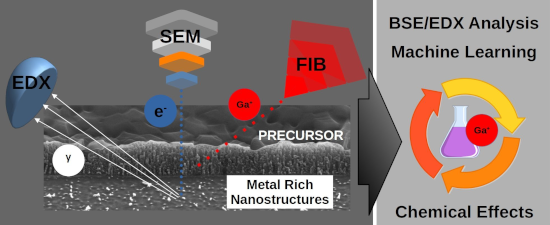
- sputtering point, that is, the maximal ion dose to decompose the given precursor layer without dominant sputtering, after which we stop the experiments. In Figure 2c, BSE morphologies of the four studied precursors 1–4 are shown. The BSE morphology of the initial (reference) material is presented together
- -dose rate for each studied complex based on the dimensions of the final structures and the applied ion dose. This enables us to compare the ability of studied precursors to form metal-rich structures under gallium ion FIB irradiation with that of the commonly used Pt precursor trimethyl
- decomposition method. Fluence and Fh = Fluence/(layer height) of the final Ga FIB experiments performed (at optimal sputtering point) on layers of precursors 1–4, together with SEM EDX chemical composition of the formed structures after precursor decomposition. The volume/dose is also estimated for each


PEGylated lipids in lipid nanoparticle delivery dynamics and therapeutic innovation
Beilstein J. Nanotechnol. 2025, 16, 1914–1930, doi:10.3762/bjnano.16.133
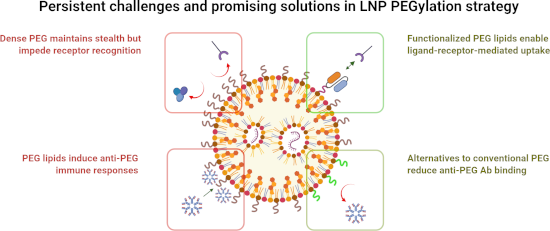
- injection at 10 ng DNA per dose [42]. Although early tumor accumulation of the dual-targeted LNPs was modest in MCF7 xenografts, confocal microscopy at 45 h post-injection showed enhanced EGFP transgene expression compared to single-ligand LNPs. These findings demonstrated how integrating multiple targeting
- leading to diminished therapeutic efficacy and altered biodistribution. Evidence from further animal studies suggests that the ABC effect follows a biphasic timeline, with initial immune priming occurring shortly after the first dose and peak clearance effects observed during subsequent administrations
- , which further enhances immune recognition [69]. An earlier study found that a single dose of PEGylated LNPs can induce anti-PEG IgM responses, with a dosage of 2.35 mg phospholipids kg−1 reaching a peak log10 IgM concentration of ≈4.26. After a second dose in 21 days, the immunogenic response was


Targeting the vector of arboviruses Aedes aegypti with nanoemulsions based on essential oils: a review with focus on larvicidal and repellent properties
Beilstein J. Nanotechnol. 2025, 16, 1894–1913, doi:10.3762/bjnano.16.132
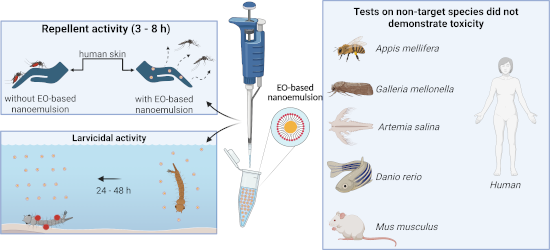
- ± 0.06. In larvicidal bioassays with Ae. aegypti (exposure: 24 hours), the nanoemulsion presented a LC50 of 13.9 µg/mL, higher than that of isolated EO (29.2 µg/mL) and pure terpenes (carvacrol: 31.9 µg/mL; thymol: 45.3 µg/mL; γ-terpinene: 50.4 µg/mL; p-cymene: 75.7 µg/mL). The 40 µg/mL dose of the
- different concentrations of the nanoemulsion. The dose of 70 µg/mL was the most effective, promoting 100% mortality within 24 hours. The LC50 and LC90 values were 60.33 and 92.29 µg/mL, respectively. Mishra et al. (2018) developed a nanoemulsion using Azadirachta indica (neem) oil, urea, and Tween® 20 as


Electrical, photocatalytic, and sensory properties of graphene oxide and polyimide implanted with low- and medium-energy silver ions
Beilstein J. Nanotechnol. 2025, 16, 1794–1811, doi:10.3762/bjnano.16.123
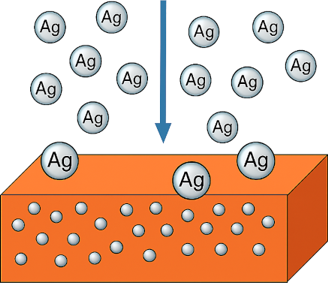
- and amide groups. The C–O–C (≈1100 cm−1) and C=O (≈800 cm−1) regions show lower intensity compared to irradiation with the lower fluences, indicating partial loss of ether and carbonyl bonds. These changes are due to the high dose of energy transferred by the ions, leading to a significant


Multifunctional anionic nanoemulsion with linseed oil and lecithin: a preliminary approach for dry eye disease
Beilstein J. Nanotechnol. 2025, 16, 1711–1733, doi:10.3762/bjnano.16.120
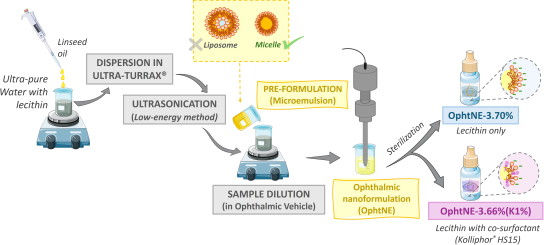
- (approximately 5% or 1.5 µL) of the administered dose reaches the ocular chamber after topical application to the inferior conjunctival sac [10][11]. The topical use of artificial tears is the standard treatment for symptomatic relief from DED [12], while topical anti-inflammatory therapy is used in chronic


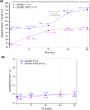

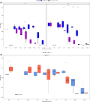
Prospects of nanotechnology and natural products for cancer and immunotherapy
Beilstein J. Nanotechnol. 2025, 16, 1644–1667, doi:10.3762/bjnano.16.116
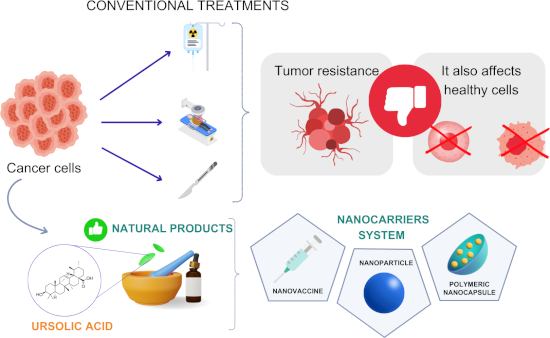
- dose of its active ingredients [96]. These characteristics have made nanoparticles widely used in medicines, medical applications, and the food industry, as they provide increased shelf life, improved drug delivery, and enhanced therapeutic efficacy [97]. Various methods, such as chemical reduction


Enhancing the therapeutical potential of metalloantibiotics using nano-based delivery systems
Beilstein J. Nanotechnol. 2025, 16, 1350–1366, doi:10.3762/bjnano.16.98
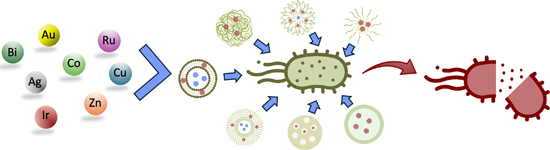
- selectivity, poor biodistribution and pharmacokinetics, poor water solubility, dose-limiting toxicity, and fast degradation in vivo. We will discuss next the major discoveries in the field of the application of nano-based systems for the targeted delivery of metal complex-based antibiotic compounds, focusing





