


Search results
Search for "drug" in Full Text gives 469 result(s) in Beilstein Journal of Nanotechnology. Showing first 200.
Interface-engineered Caco-2 cell culture on a collagen-coated liquid–liquid interface in a microfluidic device
Beilstein J. Nanotechnol. 2026, 17, 760–768, doi:10.3762/bjnano.17.53
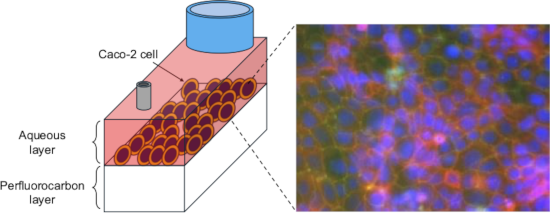
- , offering a novel platform with potential for advanced drug transport studies and co-culture experiments with other cell types. This approach is expected to open new avenues for functional assays, such as transepithelial electrical resistance or drug permeability studies and co-culture experiments with


Environmental applications of silver nanoparticles: state-of-the-art review and emerging trends
Beilstein J. Nanotechnol. 2026, 17, 697–736, doi:10.3762/bjnano.17.49
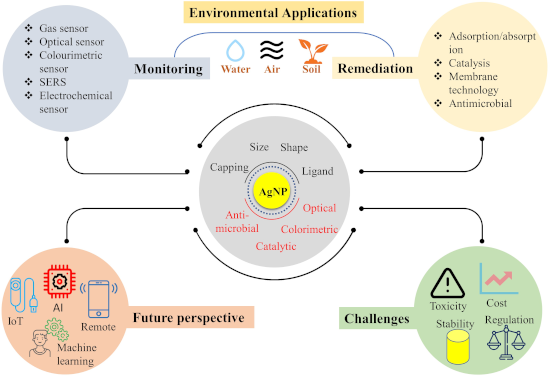
- magnetic nanoparticles and AgNPs showed the removal of the drug ibuprofen from water. 93% removal was achieved at neutral pH, room temperature, and a low adsorbent dose (7 mg in 500 μL), along with reusability of up to three generations (89.3%) [100]. From the above discussion it was confirmed that


Molecular engineering of individual dye-based nanoparticle photostability for ultrabright two-photon fluorescence
Beilstein J. Nanotechnol. 2026, 17, 688–696, doi:10.3762/bjnano.17.48
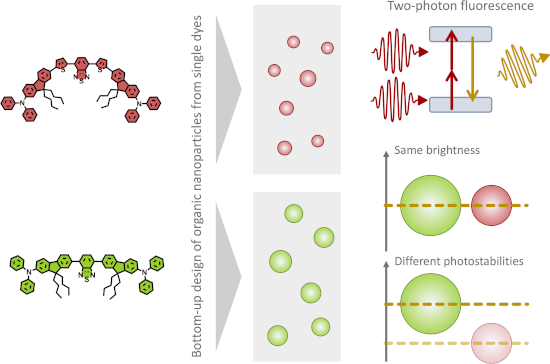
- bioactuators for drug delivery [6][7][8][9], and most recently as actuators for optogenetics in mice [10]. However, dFONs are most widely used as biomarkers for fluorescence imaging. Their stealth properties can be engineered as needed [11][12][13][14], making them versatile for use in cells, tissues [15] and


Protein-based custom-designed molecular nanotraps for biomedical applications
Beilstein J. Nanotechnol. 2026, 17, 683–687, doi:10.3762/bjnano.17.47

- imprinted polymers; natural polymers silk fibroin; SilMA; Introduction Molecular recognition is a cornerstone in biomedical nanotechnology; it is pivotal to applications ranging from drug delivery to sequestering and to sensing. Where traditional affinity systems, such as antibodies, fall short for
- structural precision and enable functionalities such as molecular recognition and cargo delivery, which have the potential for overcoming some challenges of drug delivery. In contrast, the concept of exploiting unfolded proteins for binding and targeting applications remains largely counterintuitive and
- ]. Besides, gelatin and GelMA hydrogels exhibit enhanced biocompatibility, making them suitable for biomedical applications, cell scaffolds, wound dressings, and drug delivery [13]. Silk is another promising protein-based material used in tissue engineering [15]. The structure of silk consists of two

Decontamination from water pollutants and pathogens by electrospun nanofibers doped with heavy-atom-free borafluorene-BODIPY photosensitizers
Beilstein J. Nanotechnol. 2026, 17, 668–682, doi:10.3762/bjnano.17.46
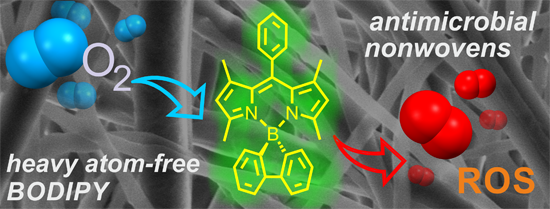
- singlet state rather than to undergo intersystem crossing to the triplet state. Based on the initial assessment, PCL was selected as the optimal matrix for subsequent studies. Beneficially, PCL is easily accessible, non-toxic, and biodegradable, approved by the Food and Drug Administration (FDA) and



Cellulose as a photocatalyst support material: extraction, structural features, and environmental applications
Beilstein J. Nanotechnol. 2026, 17, 635–652, doi:10.3762/bjnano.17.44
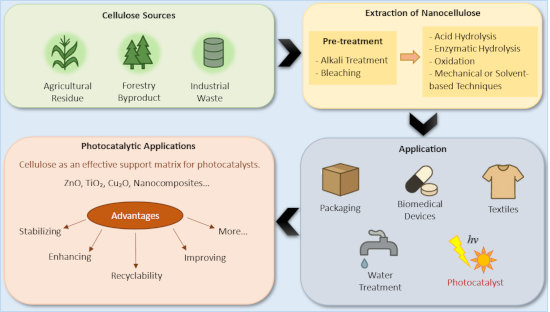
- chemical and mechanical strength, and relatively high heat resistance. These features make CA an essential material for diverse biomedical applications, including drug delivery systems, wound care products, and scaffolds for tissue engineering [70][71][72], reinforcing its position as a reliable and
- sustainable choice for next-generation healthcare solutions. In recent years, cellulose-based fibers, films, and aerogels have found widespread application in drug delivery, where cellulose typically serves as the foundational material that can be further modified to enhance its performance. These
- modifications not only increase the drug loading capacity and extend the release time of therapeutic agents but also contribute to improved antimicrobial activity, biocompatibility, and mechanical strength, making cellulose a versatile platform for advanced delivery systems [69]. Depending on the processing


Towards targeted drugs and next generation of nanomedicines
Beilstein J. Nanotechnol. 2026, 17, 598–601, doi:10.3762/bjnano.17.41
- , Germany 10.3762/bjnano.17.41 Keywords: cellular uptake; drug delivery; intracellular trafficking; nanomedicine; nanoparticles; tumor microenvironment; Nanomedicine is dedicated to the application of nanotechnology in the medical field. Nanosized materials are intended for delivering drugs to their
- target, hence improving drug efficacy while minimizing unwanted side effects. At the same time, some nanomaterials can provide new therapeutic modalities themselves and could also be used for diagnosis and imaging. Multiple drugs and therapies can be combined within the same carrier particle to
- potentially create synergistic effects for the treatment of complex pathologies [1][2][3]. Since the approval of the first liposomal drug for cancer therapy, Doxil [4], multiple nanomedicines have reached the market, including lipid nanoparticles for RNA delivery used worldwide for the vaccines against SARS
Synthesis of Cu–Mo/TiO2 and Co–Mo/TiO2 photocatalysts for the efficient degradation of organic pollutants in water
Beilstein J. Nanotechnol. 2026, 17, 559–570, doi:10.3762/bjnano.17.37
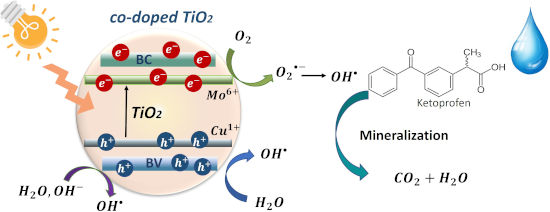
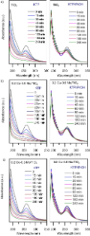
- previously studied and reported [23][24]. We chose this medicine as a model molecule since this non-steroidal anti-inflammatory drug is of great environmental relevance as it has been detected in several aquatic bodies. Results and Discussion Structural characterization Figure 1a shows the diffraction
- photocatalysts are positively charged at pH < PZC, the electrostatic forces between the negatively charged organic molecules, such as the carboxylate groups of nonsteroidal anti-inflammatory drug molecules, and the positive charge of the catalyst surface, favor the interaction between both chemical species
- reported in Table 2. These results indicate that the 0.2 Cu–0.5 Mo/TiO2 phototocatalyst with an kapp = 0.06974 min−1 is the most active, whereas 0.5 Cu–0.5 Mo/TiO2 with an kapp = 0.01574 min−1 is the least active. Figure 6 also shows that the Co–Mo/TiO2 materials degrade the drug more quickly than the pure



Advances in nanotechnology applied to natural products
Beilstein J. Nanotechnol. 2026, 17, 555–558, doi:10.3762/bjnano.17.36
- , Brazil Laboratory of Micro and Nanostructured Systems (LASMINano), Federal University of Mato Grosso do Sul (UFMS), 79070-900, Campo Grande, MS, Brazil Université de Lorraine, CITHEFOR EA3452 - Nancy, France 10.3762/bjnano.17.36 Keywords: drug delivery; nanomaterials; nanomedicine; natural compounds
Nanocarrier-integrated multilayer films produced by 3D printing for improved skin adhesion and curcumin photostability
Beilstein J. Nanotechnol. 2026, 17, 440–453, doi:10.3762/bjnano.17.30
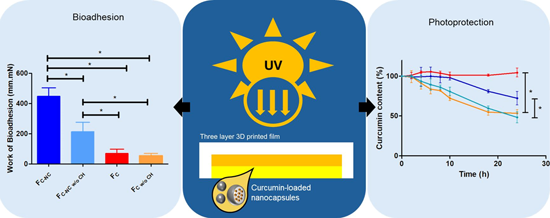
- patient’s physiological characteristics and genetic background, as well as their individual response to drugs and active substances. This level of personalisation significantly minimises the likelihood of adverse drug reactions and enhances therapeutic efficacy. Furthermore, a wide range of pharmaceutical
- formulations, drug combinations, and release profiles can be developed in the form of either immediate-release or extended-release options [1][2]. Several 3D printing techniques can be applied to pharmaceutical development, including material jetting, fused deposition modelling, stereolithography, selective
- enable the development of formulations with reduced particle sizes (typically between 100 and 500 nm) and tailored physicochemical properties [19][20]. In the pharmaceutical context, nanoparticles, including polymeric nanoparticles, have been extensively investigated as drug carriers. The use of


Nanoinformatics: spanning scales, systems and solutions
Beilstein J. Nanotechnol. 2026, 17, 423–427, doi:10.3762/bjnano.17.28
- (CNPEM), Campinas, Sao Paulo, Brazil Drug Theoretics and Cheminformatics (DTC) Laboratory, Department of Pharmaceutical Technology, Jadavpur University, Kolkata 700032, India Division of Physical Sciences and Applications, Hellenic Military Academy, Vari 16672, Greece 10.3762/bjnano.17.28 Keywords
- overcomes two major challenges: the scarcity of data on nanomaterial-based neural drug delivery and the enormous number of possible nanomaterial–drug combinations. The approach combines information fusion, perturbation theory, and machine learning to create a unified dataset comprising 4403 neuronal drug
- delivery assays from ChEMBL and 260 nanoparticle cytotoxicity assays from journal articles on which linear discriminant analysis and artificial neural network algorithms were applied. The resulting models were effective as an initial rapid pre-screening of putative nanoparticle-based drug delivery systems

Biomimetic nanoparticles in cancer photodynamic therapy: a review of targeted delivery systems and therapeutic outcomes
Beilstein J. Nanotechnol. 2026, 17, 396–422, doi:10.3762/bjnano.17.27
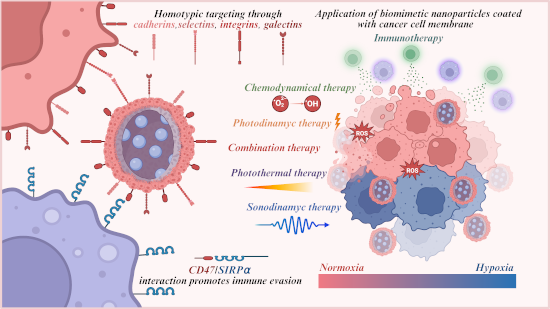
- treatments. Keywords: biomimetic nanoparticles; immunogenic cell death; nanocarriers; photodynamic therapy; targeted drug delivery; tumor hypoxia modulation; Review Introduction Cancer remains a formidable global health challenge, demanding innovative therapeutic strategies that balance efficacy with
- maintaining sterility, especially for BNPs derived from bacterial membranes [60]. Heterogeneous coverage can affect nanoparticle stability and drug delivery efficiency, while purification processes must effectively separate fully coated particles from impurities. For bacterial membrane-based BNPs, thorough
- detoxification is essential to eliminate toxic components without compromising immunogenic properties [61]. Finally, the biomimetic coating can influence drug release profiles, potentially hindering the controlled release of therapeutic agents [62]. Optimizing these systems requires careful consideration of


Durable antimicrobial activity of fabrics functionalized with zeolite ion-exchanged nanomaterials against Staphylococcus aureus and Escherichia coli
Beilstein J. Nanotechnol. 2026, 17, 262–274, doi:10.3762/bjnano.17.18
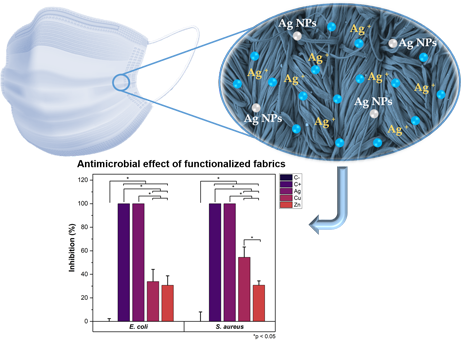
- are currently explored for various biomedical applications, including disease prevention, diagnosis, and the improvement of antiviral drug delivery systems [5][6]. In some cases, the antimicrobial properties of NPs lead to creation of new “nano-antimicrobial” materials [7]. The mechanism by which




Micro- and nanoscale effects in biological and bioinspired materials and surfaces
Beilstein J. Nanotechnol. 2026, 17, 214–217, doi:10.3762/bjnano.17.14
- medicine, Perini et al. [25] reviewed the importance of biomimetic nanocarriers for drug delivery systems with improved biocompatibility and target specificity, whereas Mohammed et al. [26] focused on biomimetic potential for nanomedicines in tumor therapy. Besides nanotechnological solutions inspired by
Structure-dependent thermochromism of PAZO thin films: theory and experiment
Beilstein J. Nanotechnol. 2026, 17, 186–199, doi:10.3762/bjnano.17.12
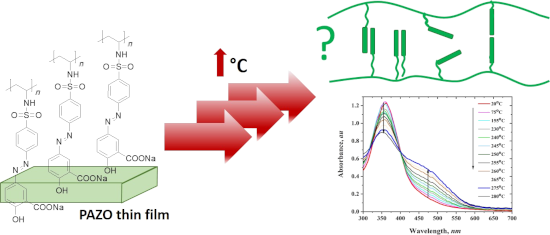
- a wide range of applications. This knowledge is particularly important in fields such as organic electronics and drug delivery, where thin films play a pivotal role. Our study focuses on these aspects to deepen the understanding of how to optimize PAZO thin films for photonic and optoelectronic


Safe and sustainable by design with ML/AI: A transformative approach to advancing nanotechnology
Beilstein J. Nanotechnol. 2026, 17, 176–185, doi:10.3762/bjnano.17.11
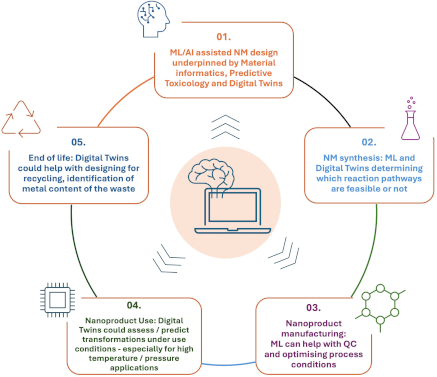
- efficiency. From advanced drug delivery systems to clean energy solutions, the applications of nanotechnology are diverse and transformative. However, these innovations are accompanied by complex challenges regarding safety and sustainability for both the nanoscale materials themselves and for the products
- , offering unprecedented opportunities to design and develop nanomaterials with unique, tailored properties. These advances have significantly impacted diverse industrial sectors, including healthcare, energy, environmental remediation, and defence. For instance, nanoparticle-based drug delivery systems have
- formulations that offer both optimal performance and a reduced risk profile [47][48]. By combining high-throughput computational screening with experimental data, this approach enables rapid candidate selection for diverse applications, from catalysis to targeted drug delivery [49][50]. One of the most


From shield to spear: Charge-reversible nanocarriers in overcoming cancer therapy barriers
Beilstein J. Nanotechnol. 2026, 17, 159–175, doi:10.3762/bjnano.17.10
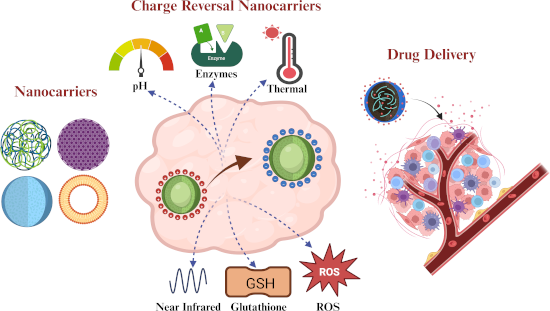
- , drug resistance, and poor tumour selectivity. In response to these limitations, nanotechnology-based drug delivery systems have gained prominence for enhancing solubility, improving molecular stability, enabling controlled drug release, and prolonging systemic circulation, offering superior therapeutic
- , which enhances drug targeting while reducing off-target effects. These carriers leverage triggers such as changes in pH, enzymatic activity, redox conditions, temperature, light, ultrasound, X-rays, and magnetic fields to enable intelligent and controlled release of therapeutics. This review examines
- pressing need for innovative solutions. An example would be smart nanocarrier drug delivery systems that enhance targeting precision and mitigate adverse effects [9][10]. Nanotechnology-based drug delivery systems have revolutionised cancer treatment by improving drug solubility, stability, and


Influence of surface characteristics on the in vitro stability and cell uptake of nanoliposomes for brain delivery
Beilstein J. Nanotechnol. 2026, 17, 139–158, doi:10.3762/bjnano.17.9
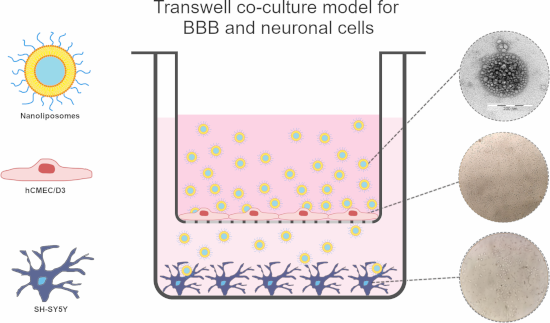
- interactions in complex organs like the brain, in vitro cell culture models, such as hCMEC/D3 and SH-SY5Y, are often used [9]. Therefore, the hCMEC/D3 model is useful for examining nanosystems, drug uptake, and transport across the BBB, with advantages like easy growth and mimicking basic BBB properties
- . However, optimizing tight junctions to mirror human BBB characteristics remains a challenge [10][11]. On the other hand, the SH-SY5Y neuroblastoma cell line, which can further differentiate into neuronal-like morphologies, is often used to evaluate nanodelivery systems uptake kinetics and drug efficacy
- true dynamics of NLs and drug absorption or trafficking within brain cells. Finally, optimized experimental conditions help reduce variability between cell uptake experiments and ensure that results are consistent across different cell passages, laboratories, or research conditions which is




Development and in vitro evaluation of liposomes and immunoliposomes containing 5-fluorouracil and R-phycoerythrin as a potential phototheranostic system for colorectal cancer
Beilstein J. Nanotechnol. 2026, 17, 97–121, doi:10.3762/bjnano.17.7
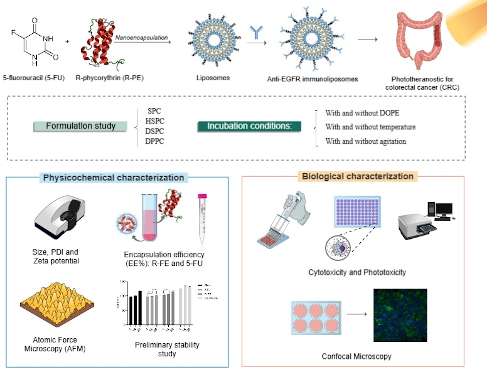
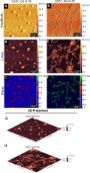
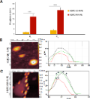
- São Paulo, Ribeirão Preto, São Paulo, Brazil Federal University of Ceará, Center of Technology, Department of Chemical Engineering, Fortaleza, Ceará, Brazil 10.3762/bjnano.17.7 Abstract 5-Fluorouracil (5-FU) is the first-line drug for the treatment of colorectal cancer (CRC), which is considered the
- CRC and are well known for improving patient survival, they have numerous side effects, such as immunosuppression, nausea, vomiting, diarrhea, neurological, renal, and cardiac damage [4]. In addition, classic chemotherapy faces another challenge, which is multiple drug resistance (MDR), considering
- that approximately half of metastatic CRC cases are resistant to 5-FU treatments, contributing to decrease the survival rate of patients [5]. In this context, nanotechnology has emerged as a promising therapeutic strategy for cancer treatment. Nanostructured drug delivery systems enable preferential



Improving magnetic properties of Mn- and Zn-doped core–shell iron oxide nanoparticles by tuning their size
Beilstein J. Nanotechnol. 2025, 16, 2285–2295, doi:10.3762/bjnano.16.157
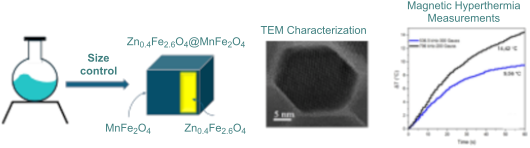
- unique magnetic properties, small size, and biocompatibility, which enable them to be used in a wide range of biomedical applications. These applications include magnetic resonance imaging, magnetic separation, targeted drug delivery, and hyperthermia [1][2]. Magnetic hyperthermia has been extensively
- as a promising alternative due to its biocompatibility, high magnetic moment, and potential for use in hyperthermia and drug delivery applications [10]. Manganese is naturally present in the human body and exists primarily as Mn2+ and Mn3+ ions, making it more biocompatible than cobalt. The



Visualizing nanostructures in supramolecular hydrogels: a correlative study using confocal and cryogenic scanning electron microscopy
Beilstein J. Nanotechnol. 2025, 16, 2274–2284, doi:10.3762/bjnano.16.156
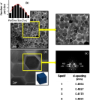
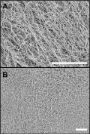
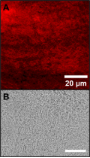
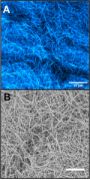
- ; microscopies; nanostructure; supramolecular hydrogel; Introduction Hydrogels, whether based on self-assembling molecules or cross-linked polymers, are useful in fields ranging from tissue engineering to drug delivery and biosensing [1][2][3][4][5]. Their high water content and soft, porous structure make them
- up at the microscale of an entangled fibrous network. The reliable imaging of these networks containing the bis(imidazolium)-based gel systems is of interest because of the dependence of properties such as drug release [22][23][24], photodynamic therapy [25], photoreactivity [26], additive



Chiral plasmonic nanostructures fabricated with circularly polarized light
Beilstein J. Nanotechnol. 2025, 16, 2245–2264, doi:10.3762/bjnano.16.154
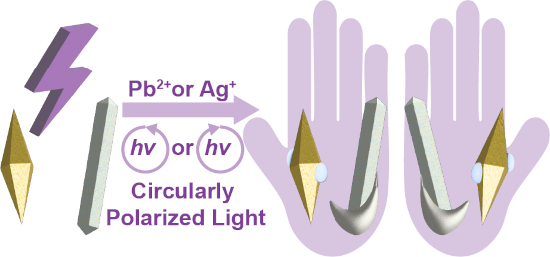
- organisms are almost exclusively left-handed, while sugars are predominantly right-handed [1][2]. This creates a chiral environment in the human body, where chiral drug molecules can exhibit enantioselective chemical and pharmacological behavior [3]. One example is the drug thalidomide, which was prescribed





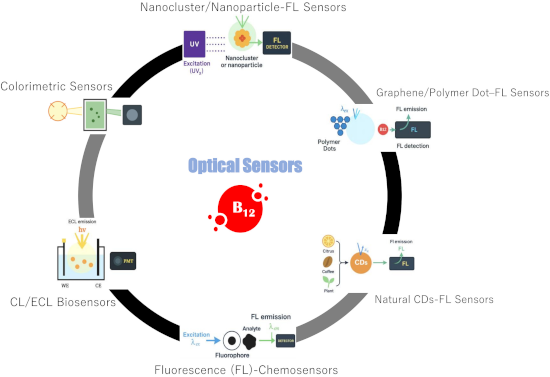
Optical bio/chemical sensors for vitamin B12 analysis in food and pharmaceuticals: state of the art, challenges, and future outlooks
Beilstein J. Nanotechnol. 2025, 16, 2207–2244, doi:10.3762/bjnano.16.153


Ultrathin water layers on mannosylated gold nanoparticles
Beilstein J. Nanotechnol. 2025, 16, 2183–2198, doi:10.3762/bjnano.16.151
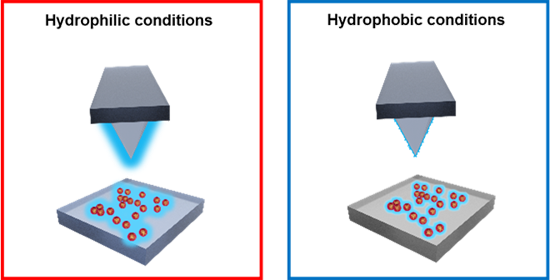
- century [3]. They are investigated, for example, regarding drug delivery [4], but they are also parts of actual products, for example, of sensors [5]. All this is based on the ease of synthesis, chemical stability, size tuneability, and unique optical properties [6]. The extreme dependence of the
- sensing, imaging, or drug delivery systems. The success of these platforms stems from their dispersion in water, stability, and biocompatibility in fully hydrated states, as well as in biological fluids. Our investigation shows a novel approach to these particles by testing the hydration properties under



Rapid synthesis of highly monodisperse AgSbS2 nanocrystals: unveiling multifaceted activities in cancer therapy, antibacterial strategies, and antioxidant defense
Beilstein J. Nanotechnol. 2025, 16, 2105–2115, doi:10.3762/bjnano.16.145
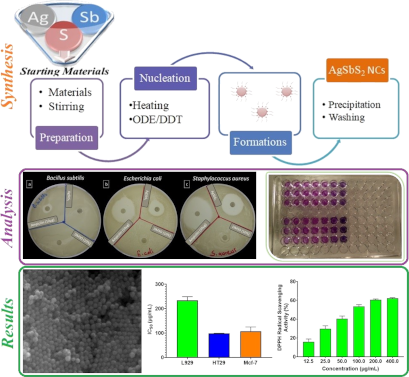
- specificity. Integration with emerging nanomedicine approaches such as theranostics, controlled drug delivery, and precision oncology could further advance the translational potential of AgSbS2 NCs. Synthesis procedure (a), XRD pattern (b), crystal geometry (c), and FTIR spectrum (d) of the synthesized NCs





