Search results
Search for "graphene oxide" in Full Text gives 177 result(s) in Beilstein Journal of Nanotechnology.
Electrochemical sensing of sildenafil in pharmaceutical formulations using an (S,N)-doped reduced graphene oxide-modified electrode
Beilstein J. Nanotechnol. 2026, 17, 1087–1102, doi:10.3762/bjnano.17.74
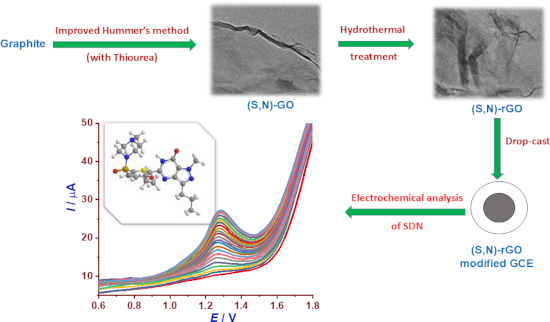
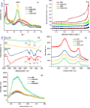
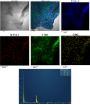
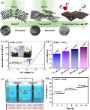
- Quoc Viet, Cau Giay, Hanoi City, 100000, Vietnam 10.3762/bjnano.17.74 Abstract In this work, (S,N)-co-doped reduced graphene oxide ((S,N)-rGO) was successfully synthesized via thermal treatment and thoroughly characterized by X-ray diffraction, high-resolution transmission electron microscopy
- -based materials, especially reduced graphene oxide (rGO), have attracted considerable attention as electrode modifiers due to their excellent electrical conductivity, large specific surface area, and favorable electrocatalytic properties [16][17]. However, pristine rGO still suffers from a limited
- demonstrated to significantly improve electrochemical performance by introducing defects, redistributing charge density, and facilitating electron transfer processes [20][21]. In our previous study [22], nitrogen- and sulfur-doped reduced graphene oxide ((S,N)-rGO) was explored as a potential electrode



Breaking barriers: nanosystems to overcome solubility and permeability challenges of second-generation tyrosine kinase inhibitors
Beilstein J. Nanotechnol. 2026, 17, 1063–1086, doi:10.3762/bjnano.17.73
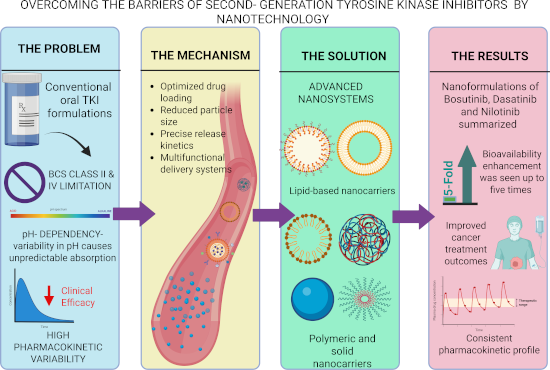
- nanoparticles have been developed in which graphene oxide–magnetic nanoparticle sediments were sequentially coated three times with a poly(lactic-co-glycolic acid) (PLGA)-based polymeric gel containing NTB, polyvinylpyrrolidone, and polyethene glycol (PEG). The resulting core–triple-shell nanoparticles


Materials challenges in solid-state sensors for continuous monitoring of ions in water
Beilstein J. Nanotechnol. 2026, 17, 935–973, doi:10.3762/bjnano.17.66
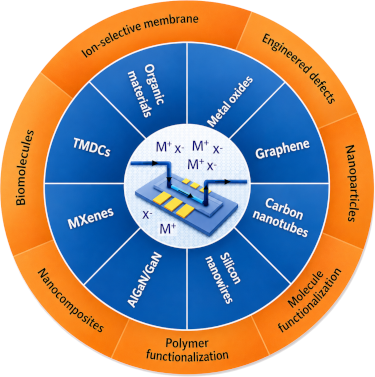
- film composed of materials such as graphene, reduced graphene oxide, CNTs or conducting polymers (Figure 1j) [11][98][99][100][101][102]. Adsorption or complexation of ions alters the film’s resistance, producing a measurable signal. Selectivity arises from the chemical modification of the sensing
- delocalized π-electrons, with extremely high mobility. Charge transfer from adsorbates or ions occurs by electron donation or withdrawal, shifting the Fermi level and modulating carrier density. Hopping transport only occurs if graphene is heavily defected (e.g., reduced graphene oxide, rGO) [117]. Graphene


Environmental applications of silver nanoparticles: state-of-the-art review and emerging trends
Beilstein J. Nanotechnol. 2026, 17, 697–736, doi:10.3762/bjnano.17.49
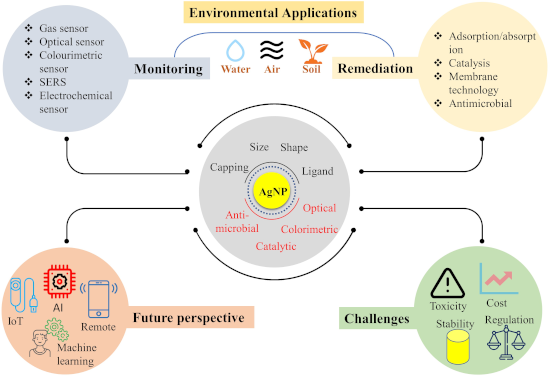
- pseudo-first-order reaction kinetics [25]. The addition of AgNPs to a matrix may improve their efficiency in removing various contaminants via adsorption mechanisms, which can be ionic or covalent, depending on the nanocomposite surface chemistry [26]. In a study, Ag-decorated reduced graphene oxide was
- achieve antifouling. Dye degradation of 99% and 90% was achieved after the first and fifth cycles, respectively, indicating the efficiency of the engineered membrane [114]. Another study developed a photocatalytic membrane using AgNPs, graphene oxide, carbon nitride, and mixed cellulose ester as substrate
- purification and indoor air quality. Incorporating AgNPs into air filters enhances their ability to remove airborne pollutants, such as particulate matter, aerosols and microorganisms, improving air quality and protecting public health [147]. Graphene oxide AgNPs impregnated on polyacrylonitrile nanofibers


Electrochemical determination of ciprofloxacin using a MIL-101/reduced graphene oxide-modified electrode
Beilstein J. Nanotechnol. 2026, 17, 541–554, doi:10.3762/bjnano.17.35
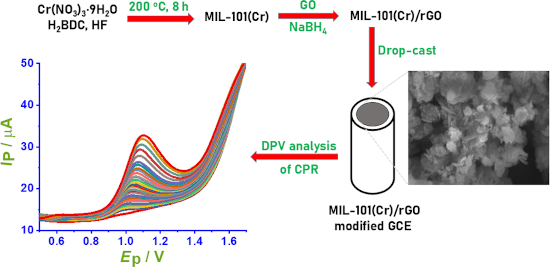
- ciprofloxacin (CPR) was developed using a glassy carbon electrode modified with MIL-101/reduced graphene oxide (MIL-101/rGO). MIL-101/rGO was synthesized via a facile ultrasonic-assisted method and characterized by various physicochemical techniques. The synergistic combination of MIL-101 with rGO significantly
- , yielding acceptable recoveries. These results indicate that the MIL-101/rGO-modified electrode provides a promising and efficient platform for the electrochemical sensing of CPR in pharmaceutical and environmental analysis. Keywords: ciprofloxacin; electrochemical analysis; MIL-101; reduced graphene oxide
- direct use in electrochemical sensing. To address this limitation, hybridizing MOFs with conductive carbon materials has been extensively studied. Reduced graphene oxide (rGO) is especially appealing due to its high electrical conductivity [12], large specific surface area, mechanical stability [13], and


Upcycling agroindustrial waste into graphene oxide supports for gold nanoparticles: toward sustainable nanomaterials
Beilstein J. Nanotechnol. 2026, 17, 489–504, doi:10.3762/bjnano.17.32
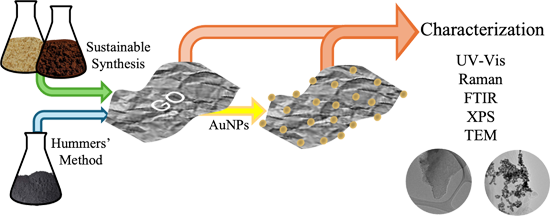
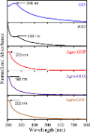
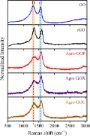
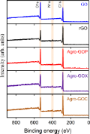
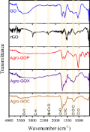
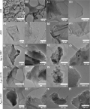
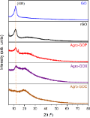
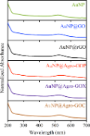
- develop a sustainable route for producing graphene oxide-based materials from agroindustrial waste and to evaluate their structural and chemical properties in comparison with conventional graphene oxide (GO) and reduced graphene oxide (rGO). Agroindustrial waste-derived graphene oxide (Agro-GO) was
- of transforming agroindustrial waste into high-value graphene-based nanomaterials and highlight the potential of sustainable synthesis routes for advancing environmentally responsible carbon-based technologies. Keywords: agroindustrial waste; gold nanoparticles; graphene oxide; green synthesis
- ; hybrid nanocomposites; plasmonic nanomaterials; surface functionalization; Introduction Graphene oxide (GO), due to its unique physicochemical properties, is widely explored regarding a range of applications, including sensors, water purification, and energy storage and conversion [1][2][3][4][5]. GO is



Nanoinformatics: spanning scales, systems and solutions
Beilstein J. Nanotechnol. 2026, 17, 423–427, doi:10.3762/bjnano.17.28

- to treat neurodegenerative disease [10]. Moving into the realm of mixture toxicity and environmental impacts of nanomaterials, Petry et al. investigated the interaction of graphene oxide (GO) with tannic acid (TA) and its consequences for GO toxicity to the earthworm Caenorhabditis elegans. Reactive

Polycatecholamine nanocoatings on stainless steel: the effect on attachment of human fibroblasts and platelets
Beilstein J. Nanotechnol. 2026, 17, 365–380, doi:10.3762/bjnano.17.25
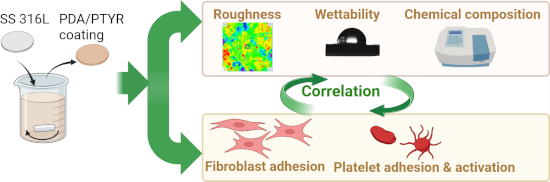
- stability. Consequently, a variety of surface modifications have been developed to improve cell–material interactions, including anodized nanopit arrays, hydroxyapatite–collagen layers on polydopamine-modified steel, nanoporous coatings influencing integrin/ERK signaling, and bilayers comprising graphene
- oxide and forsterite nanoparticles, all of which were shown to enhance fibroblast adhesion, migration, or proliferation [2][3][4][5]. Beyond orthopedic and dental uses, SS 316L is a standard material for cardiovascular implants, particularly stents, due to its strength, ductility and ability to form




Advancing nanolithography: a comprehensive review of materials for local anodic oxidation with AFM
Beilstein J. Nanotechnol. 2026, 17, 275–291, doi:10.3762/bjnano.17.19
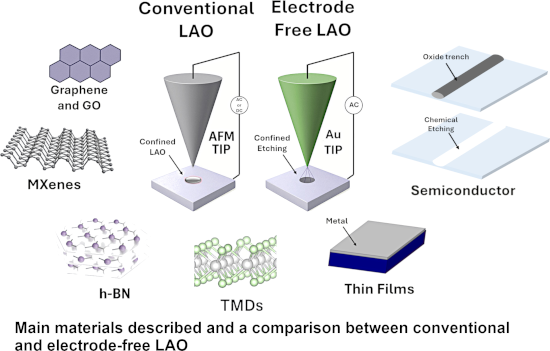
- heterostructures. Semiconductors such as silicon and silicon carbide remain foundational due to their controllable oxidation kinetics, while metals like titanium and aluminum offer opportunities for plasmonic and optical applications. 2D materials, including graphene, graphene oxide, and transition metal
- for the fabrication of graphene nanoribbons, quantum point contacts, and TMD nanotransistors by locally modulating conductivity or selectively removing material. 2.5.4 Graphene and graphene oxide. Interest in graphene peaked in the last decades, with several attempts to couple LAO with single/few
- -layer graphene flakes [22][98][99], epitaxial graphene [20][100], graphene grown by thermal decomposition of SiC [77], and graphite [101]. By applying local oxidation in a humid environment, the resulting reactive oxygen species, such as OH− and O2•−, oxidize the graphene surface, forming graphene oxide


Gold nanoparticle-decorated reduced graphene oxide as a highly effective catalyst for the selective α,β-dehydrogenation of N-alkyl-4-piperidones
Beilstein J. Nanotechnol. 2026, 17, 218–238, doi:10.3762/bjnano.17.15
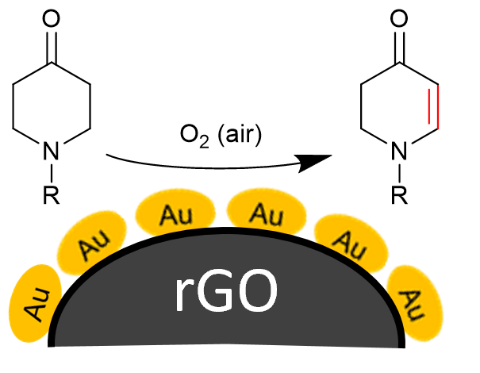
- reduced graphene oxide (AuNPs/rGO) were demonstrated to be a highly reactive catalyst for the selective α,β-oxidative dehydrogenation (ODH) of N-alkyl-4-piperidones, using N-methyl-, N-ethyl- and N-benzyl-4-piperidone. The substrate N-methyl-4-piperidone represents a pharmaceutically relevant system as
- its reaction product N-methyl-2,3-dihydropyridin-4(1H)-one is highly valuable (>1000 €·g−1) in contrast to the inexpensive starting material (0.15 €·g−1). Various synthesis methods were employed to prepare AuNPs supported on different carbon materials, including reduced graphene oxide (rGO), activated
- the dehydrogenation of β-N-substituted saturated ketones and other fine chemical applications. Keywords: oxidative dehydrogenation; reduced graphene oxide; supported gold nanoparticles; β-N-substituted ketones; Introduction The properties related to the high surface area of matter at the nanometric


From shield to spear: Charge-reversible nanocarriers in overcoming cancer therapy barriers
Beilstein J. Nanotechnol. 2026, 17, 159–175, doi:10.3762/bjnano.17.10
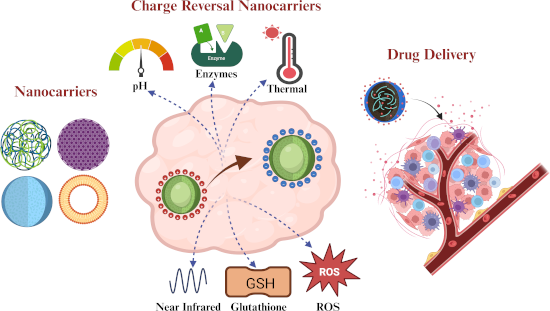
- exposure, azobenzene undergoes reversible trans–cis isomerisation, inducing structural changes that regulate cargo release [55]. Additionally, Choi et al. demonstrated that nanocarriers incorporating graphene oxide (GO) loaded with photosensitizers generate ROS upon NIR irradiation, enabling effective


Reduced graphene oxide paper electrode for lithium-ion cells – towards optimized thermal reduction
Beilstein J. Nanotechnol. 2026, 17, 24–37, doi:10.3762/bjnano.17.3
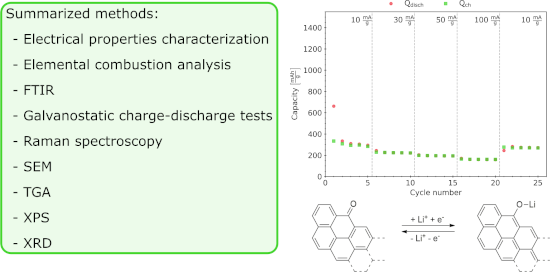
- Technologies Research Group, Łukasiewicz Research Network – Institute of Microelectronics and Photonics, al. Lotników 32/46, 02-668, Warsaw, Poland 10.3762/bjnano.17.3 Abstract This work introduces the results of characterizing free-standing reduced graphene oxide paper, given its potential use as an
- electrode material in lithium-ion cells. Mildly reduced graphene oxide paper underwent further thermal reduction steps. The structural and chemical properties of the obtained materials were determined using Raman and Fourier-transform infrared spectroscopies and elemental combustion analysis. The morphology
- . Keywords: electrode material; graphene paper; lithium-ion batteries; reduced graphene oxide; thermal reduction; Introduction Electrode materials comprising reduced graphene oxide (rGO) for energy storage in lithium-ion-based or sodium-ion-based technologies have been the subject of over 3800 publications



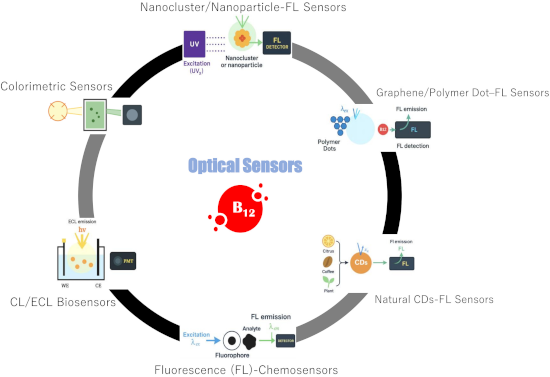
Optical bio/chemical sensors for vitamin B12 analysis in food and pharmaceuticals: state of the art, challenges, and future outlooks
Beilstein J. Nanotechnol. 2025, 16, 2207–2244, doi:10.3762/bjnano.16.153


Microplastic pollution in Himalayan lakes: assessment, risks, and sustainable remediation strategies
Beilstein J. Nanotechnol. 2025, 16, 2144–2167, doi:10.3762/bjnano.16.148
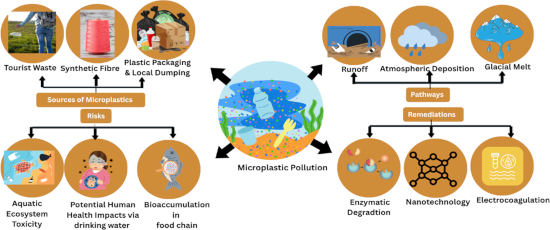
- , attack the polymer chains of MPs. They either break the chains into smaller pieces or mineralize them into CO2 and water. A lot of research is being done on the photocatalytic properties of nanomaterials like TiO2, graphene oxide (GO), and ZnO. An excellent material for breaking down MPs in water systems


Electron transport through nanoscale multilayer graphene and hexagonal boron nitride junctions
Beilstein J. Nanotechnol. 2025, 16, 2132–2143, doi:10.3762/bjnano.16.147
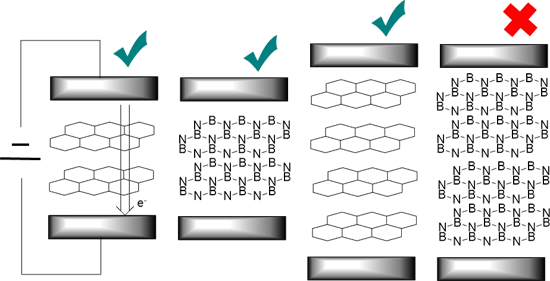
- defects are results of C–C bond rotation in the graphene plane, which isomerizes a 6–6 ring structure to a 7–5 ring structure. Stone–Wales defects are commonly observed in multilayer graphene, graphite, graphene oxide, and their occurrence is temperature-dependent [15][16]. Hexagonal boron nitride (h-BN


Toward clinical translation of carbon nanomaterials in anticancer drug delivery: the need for standardisation
Beilstein J. Nanotechnol. 2025, 16, 2092–2104, doi:10.3762/bjnano.16.144
- responses [37]. In contrast, a recent first-in-human investigation of thin, highly purified graphene oxide nanosheets reported that acute inhalation was well tolerated, showing no adverse effects on lung function, cardiovascular health, or systemic inflammatory markers [28]. Even within the same material



Current status of using adsorbent nanomaterials for removing microplastics from water supply systems: a mini review
Beilstein J. Nanotechnol. 2025, 16, 1837–1850, doi:10.3762/bjnano.16.127
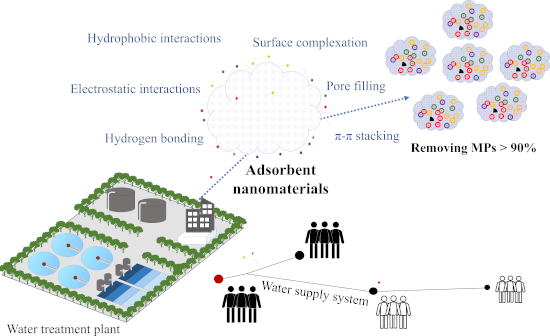
- reaction pathways of these materials. Classification and potential of adsorbent nanomaterials Carbon-based adsorbents. Carbon-based adsorbents, such as graphene oxide (GO), activated carbon, biochar, and carbon nanotubes (CNTs), have been extensively investigated regarding the treatment of pollutants in
- bonding through oxygen-containing groups (oxidized biochar), pore filling, and electrostatic interactions [53]. GO materials, such as a nickel/reduced graphene oxide (Ni/rGO) nanocomposite, also exhibited high adsorption efficiency, achieving 80.3% removal of PS from water containing 100 mg·L−1 PS. The
- ]. Recently, Yan et al. developed a reduced graphene oxide (S-rGO) membrane with small lateral size and a rejection rate of up to 99.9% while maintaining high water permeability (236.2 L·m−2·h−1·bar−1) [56]. As another type of material belonging to carbon-based adsorbents, CNTs have also gained attention


Electrical, photocatalytic, and sensory properties of graphene oxide and polyimide implanted with low- and medium-energy silver ions
Beilstein J. Nanotechnol. 2025, 16, 1794–1811, doi:10.3762/bjnano.16.123
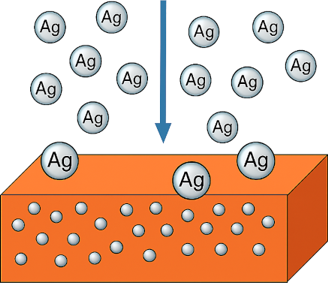
- , sensory, and photocatalytic properties of graphene oxide (GO) and polyimide (PI). Implantations were carried out with fluences ranging from 3.75 × 1012 cm−2 to 1 × 1016 cm−2. Silver ions offer excellent electrical, catalytic, and plasmonic characteristics, making them ideal for multifunctional enhancement
- multifunctional behavior of polymer systems. Keywords: ERDA; graphene oxide; ion implantation; photocatalysis; polyimide; RBS; Introduction Silver ion implantation is an effective strategy for controlling modification of the physicochemical properties of polymers and graphene-based materials. This method allows
- controlled modification of the electrical properties of dielectric and semiconducting materials [7]. When Ag ions are implanted into polymer substrates, such as polyimide (PI) or graphene oxide (GO), fundamental changes occur at the molecular and electronic levels, leading to a significant decrease in the


Nanotechnology-based approaches for the removal of microplastics from wastewater: a comprehensive review
Beilstein J. Nanotechnol. 2025, 16, 1607–1632, doi:10.3762/bjnano.16.114
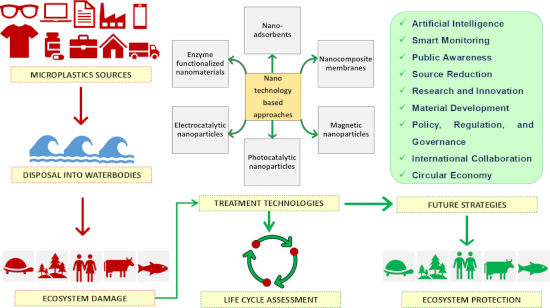
- environmental conditions and across a wide pH range, making them reliable materials for pollutant removal [83]. Sun et al. [84] studied the removal of MPs from water using a sustainable adsorbent composed of graphene oxide and chitin. The elastic nature of the sponge retains its high porosity, enabling
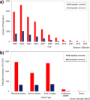


Photocatalytic degradation of ofloxacin in water assisted by TiO2 nanowires on carbon cloth: contributions of H2O2 addition and substrate absorbability
Beilstein J. Nanotechnol. 2025, 16, 1567–1579, doi:10.3762/bjnano.16.111
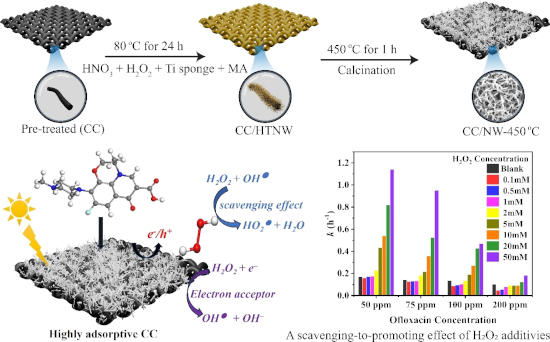
- on porous materials, such as carbon-based adsorbents. These innovations help to slow down electron–hole recombination, broaden light absorption, and enhance surface adsorption sites [11]. Cao et al. synthesized TiO2 nanowires on reduced graphene oxide (rGO) through a solvothermal method, which


Dendrimer-modified carbon nanotubes for the removal and recovery of heavy metal ions from water
Beilstein J. Nanotechnol. 2025, 16, 1522–1532, doi:10.3762/bjnano.16.107

- dendrimers on a solid support can also improve the dispersibility, accessibility of binding sites, chemical recyclability, and mechanical stability [16][17]. In fact, dendrimers have been supported by various nanomaterials such as silica, graphene oxide, and carbon nanotubes (CNTs), broadening their


Laser processing in liquids: insights into nanocolloid generation and thin film integration for energy, photonic, and sensing applications
Beilstein J. Nanotechnol. 2025, 16, 1428–1498, doi:10.3762/bjnano.16.104
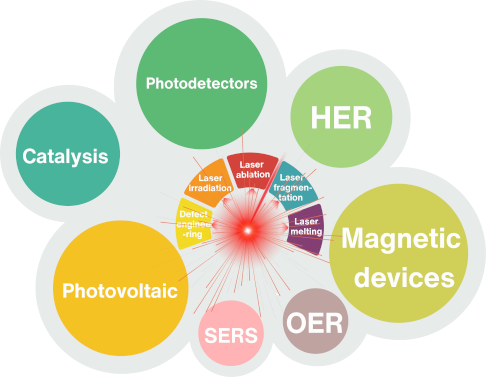
- . A modification in this work was made by incorporating graphene oxide (GO) and reduced graphene oxide (rGO) into SnS to form nanocomposites. The only difference was the laser ablation wavelength (1064 nm) [128]. The deposition of SnS:GO nanocomposite thin film was achieved by adding different
- approximately 15 to 40 nanoparticles per μm2. The hybrid materials exhibited plasmon resonance absorption of the Au NPs. Shorter EPD times maintained the properties of graphene, while longer deposition times resulted in the conversion of graphene to graphene oxide due to its electrochemical oxidation [132






The role of biochar in combating microplastic pollution: a bibliometric analysis in environmental contexts
Beilstein J. Nanotechnol. 2025, 16, 1401–1416, doi:10.3762/bjnano.16.102
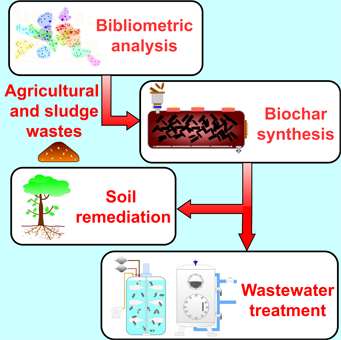
- . Additionally, three-dimensional graphene oxide has shown adsorption capacities of up to 617.28 mg·g−1 for polystyrene MPs of 5 µm in size [13][14]. The integration of adsorbents with appropriate treatment models has further enhanced removal efficiency. For instance, coal gasification slag-based adsorbents



Synthesis and antibacterial properties of nanosilver-modified cellulose triacetate membranes for seawater desalination
Beilstein J. Nanotechnol. 2025, 16, 1380–1391, doi:10.3762/bjnano.16.100
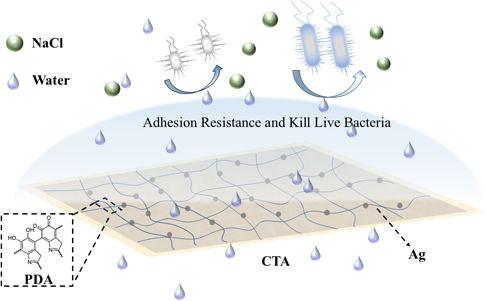
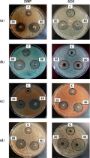
- , indicating the potential for repeated use and long-term application [21]. Zhao and Park’s group incorporated in situ synthesized silver-loaded graphene oxide (GO-Ag) nanoparticles into polyvinyl alcohol/chitosan (PVA/CS) electrospun nanofiber membranes to boost desalination performance. The PVA/CS/GO-Ag


Better together: biomimetic nanomedicines for high performance tumor therapy
Beilstein J. Nanotechnol. 2025, 16, 1246–1276, doi:10.3762/bjnano.16.92
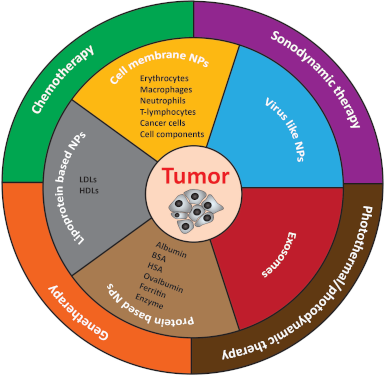
- , a ligand of transferrin receptor, and NGR peptide, a ligand of CD13 [127]. Dual modification with the peptides yielded the ability to overcome the BBB and target the glioma. In another study, RBC-covered graphene oxide quantum dots (GTDC@M) were investigated regarding the targeted therapy of