


Search results
Search for "graphene oxide (GO)" in Full Text gives 85 result(s) in Beilstein Journal of Nanotechnology.
Electrochemical determination of ciprofloxacin using a MIL-101/reduced graphene oxide-modified electrode
Beilstein J. Nanotechnol. 2026, 17, 541–554, doi:10.3762/bjnano.17.35
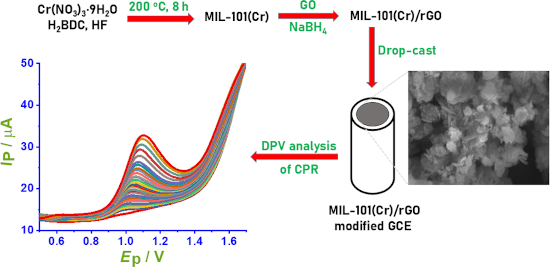
- levels were prepared using a mixture of acetic acid, phosphoric acid, and boric acid, with pH adjusted using 0.2 M NaOH solution. Synthesis of reduced graphene oxide (rGO), MIL-101, and MIL-101/rGO Graphene oxide (GO) was synthesized from natural graphite using a modified Hummers’ method, as described in
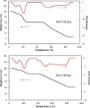
- reliable and efficient electrochemical sensing platform for CPR detection and shows potential for routine pharmaceutical analysis and related electrochemical sensing research. (a) X-ray diffraction (XRD) patterns of graphene oxide (GO), reduced graphene oxide (rGO), and MIL-101, (b) X-ray patterns of MIL


Upcycling agroindustrial waste into graphene oxide supports for gold nanoparticles: toward sustainable nanomaterials
Beilstein J. Nanotechnol. 2026, 17, 489–504, doi:10.3762/bjnano.17.32
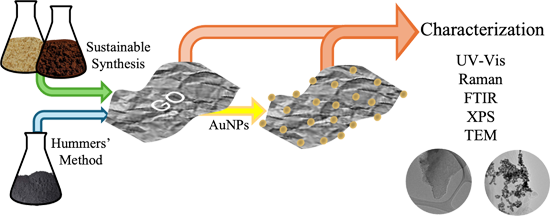
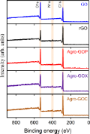
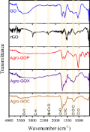
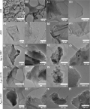
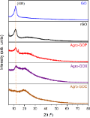
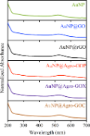
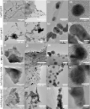
- develop a sustainable route for producing graphene oxide-based materials from agroindustrial waste and to evaluate their structural and chemical properties in comparison with conventional graphene oxide (GO) and reduced graphene oxide (rGO). Agroindustrial waste-derived graphene oxide (Agro-GO) was
- ; hybrid nanocomposites; plasmonic nanomaterials; surface functionalization; Introduction Graphene oxide (GO), due to its unique physicochemical properties, is widely explored regarding a range of applications, including sensors, water purification, and energy storage and conversion [1][2][3][4][5]. GO is
- uniform size distribution before pyrolysis. Synthesis of graphene oxide GO was synthesized using the Hummers' method as modified by Marcano and coworkers [9]. Briefly, 3 g of graphite were added to a flask containing a H2SO4/H3PO4 mixture, followed by the gradual addition of 18 g of KMnO4. The reaction



Nanoinformatics: spanning scales, systems and solutions
Beilstein J. Nanotechnol. 2026, 17, 423–427, doi:10.3762/bjnano.17.28

- to treat neurodegenerative disease [10]. Moving into the realm of mixture toxicity and environmental impacts of nanomaterials, Petry et al. investigated the interaction of graphene oxide (GO) with tannic acid (TA) and its consequences for GO toxicity to the earthworm Caenorhabditis elegans. Reactive

Advancing nanolithography: a comprehensive review of materials for local anodic oxidation with AFM
Beilstein J. Nanotechnol. 2026, 17, 275–291, doi:10.3762/bjnano.17.19
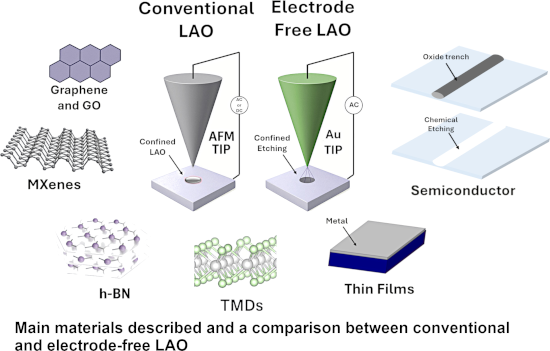
- -layer graphene flakes [22][98][99], epitaxial graphene [20][100], graphene grown by thermal decomposition of SiC [77], and graphite [101]. By applying local oxidation in a humid environment, the resulting reactive oxygen species, such as OH− and O2•−, oxidize the graphene surface, forming graphene oxide
- (GO) or trenches, depending on the applied voltage and process conditions. Key experimental findings highlight that the type and size of features depend on several factors, including the magnitude of the tip voltage, relative humidity, and writing speed [22]. For instance, voltages below a threshold


From shield to spear: Charge-reversible nanocarriers in overcoming cancer therapy barriers
Beilstein J. Nanotechnol. 2026, 17, 159–175, doi:10.3762/bjnano.17.10
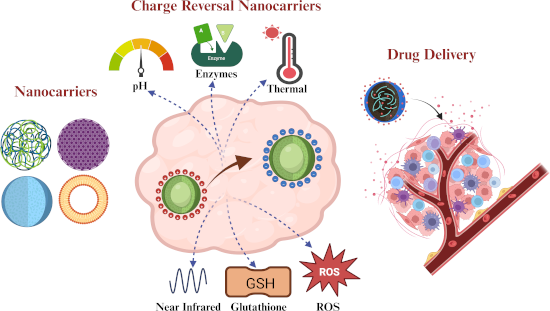
- exposure, azobenzene undergoes reversible trans–cis isomerisation, inducing structural changes that regulate cargo release [55]. Additionally, Choi et al. demonstrated that nanocarriers incorporating graphene oxide (GO) loaded with photosensitizers generate ROS upon NIR irradiation, enabling effective


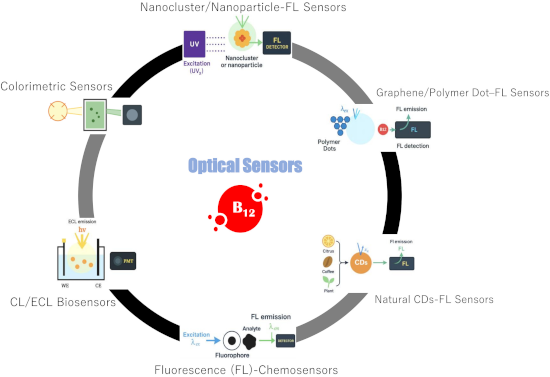
Optical bio/chemical sensors for vitamin B12 analysis in food and pharmaceuticals: state of the art, challenges, and future outlooks
Beilstein J. Nanotechnol. 2025, 16, 2207–2244, doi:10.3762/bjnano.16.153


Microplastic pollution in Himalayan lakes: assessment, risks, and sustainable remediation strategies
Beilstein J. Nanotechnol. 2025, 16, 2144–2167, doi:10.3762/bjnano.16.148
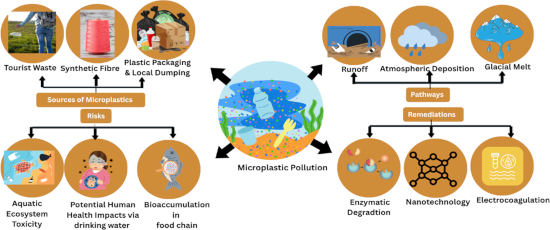
- , attack the polymer chains of MPs. They either break the chains into smaller pieces or mineralize them into CO2 and water. A lot of research is being done on the photocatalytic properties of nanomaterials like TiO2, graphene oxide (GO), and ZnO. An excellent material for breaking down MPs in water systems


Current status of using adsorbent nanomaterials for removing microplastics from water supply systems: a mini review
Beilstein J. Nanotechnol. 2025, 16, 1837–1850, doi:10.3762/bjnano.16.127
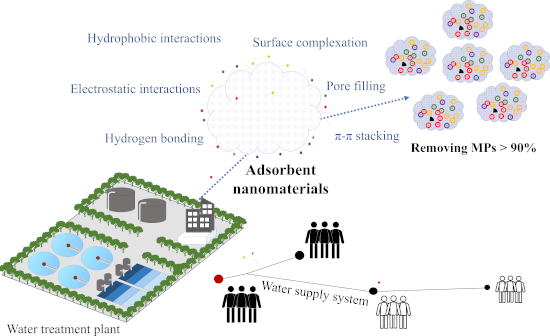
- reaction pathways of these materials. Classification and potential of adsorbent nanomaterials Carbon-based adsorbents. Carbon-based adsorbents, such as graphene oxide (GO), activated carbon, biochar, and carbon nanotubes (CNTs), have been extensively investigated regarding the treatment of pollutants in


Electrical, photocatalytic, and sensory properties of graphene oxide and polyimide implanted with low- and medium-energy silver ions
Beilstein J. Nanotechnol. 2025, 16, 1794–1811, doi:10.3762/bjnano.16.123
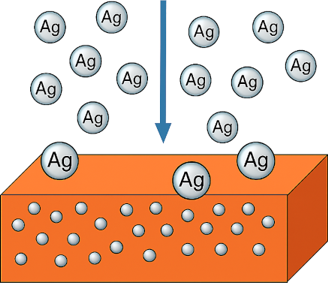
- , sensory, and photocatalytic properties of graphene oxide (GO) and polyimide (PI). Implantations were carried out with fluences ranging from 3.75 × 1012 cm−2 to 1 × 1016 cm−2. Silver ions offer excellent electrical, catalytic, and plasmonic characteristics, making them ideal for multifunctional enhancement
- controlled modification of the electrical properties of dielectric and semiconducting materials [7]. When Ag ions are implanted into polymer substrates, such as polyimide (PI) or graphene oxide (GO), fundamental changes occur at the molecular and electronic levels, leading to a significant decrease in the
- height (Ra) and mean roughness (RMS) are listed in Table 4 [25]. Figure 9 illustrates the alteration in the surface morphology of graphene oxide (GO) resulting from the implantation of 20 keV Ag ions (Figure 9) depending on the applied ion fluence. The minimal roughness was achieved when the GO sample


Laser processing in liquids: insights into nanocolloid generation and thin film integration for energy, photonic, and sensing applications
Beilstein J. Nanotechnol. 2025, 16, 1428–1498, doi:10.3762/bjnano.16.104
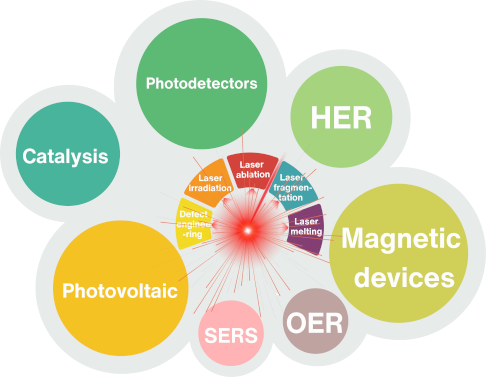
- . A modification in this work was made by incorporating graphene oxide (GO) and reduced graphene oxide (rGO) into SnS to form nanocomposites. The only difference was the laser ablation wavelength (1064 nm) [128]. The deposition of SnS:GO nanocomposite thin film was achieved by adding different






Synthesis and antibacterial properties of nanosilver-modified cellulose triacetate membranes for seawater desalination
Beilstein J. Nanotechnol. 2025, 16, 1380–1391, doi:10.3762/bjnano.16.100
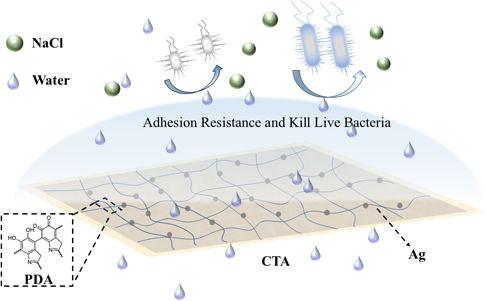
- , indicating the potential for repeated use and long-term application [21]. Zhao and Park’s group incorporated in situ synthesized silver-loaded graphene oxide (GO-Ag) nanoparticles into polyvinyl alcohol/chitosan (PVA/CS) electrospun nanofiber membranes to boost desalination performance. The PVA/CS/GO-Ag


Single-layer graphene oxide film grown on α-Al2O3(0001) for use as an adsorbent
Beilstein J. Nanotechnol. 2025, 16, 1082–1087, doi:10.3762/bjnano.16.79
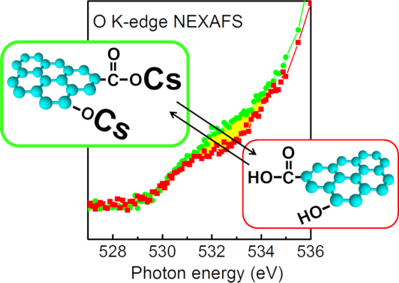
- , Ibaraki 319-1195, Japan College of Science and Engineering, Ritsumeikan University, Kusatsu, Shiga 525-8577, Japan School of Engineering, Tohoku University, Aoba-ku, Sendai 980-8579, Japan 10.3762/bjnano.16.79 Abstract Graphene oxide (GO) is expected to be one of the most promising adsorbents for metal
- deposition; electronic state analysis; graphene oxide; X-ray absorption fine structure; Introduction Graphene oxide (GO) is oxidized graphene and its surface and periphery are partially modified by epoxy, hydroxy, and carboxy functional groups [1][2]. GO can be thinned to a monolayer of one carbon atom and


Supramolecular hydration structure of graphene-based hydrogels: density functional theory, green chemistry and interface application
Beilstein J. Nanotechnol. 2025, 16, 806–822, doi:10.3762/bjnano.16.61
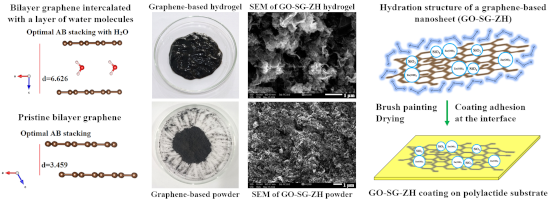
- bonding, two graphene sheets in face-to-face geometry have a large interaction surface area to multiply the van der Waals force per unit area, resulting in strong binding energy of total attraction forces. The restacking of graphene-based nanosheets, including pristine graphene, graphene oxide (GO), and


Colloidal few layered graphene–tannic acid preserves the biocompatibility of periodontal ligament cells
Beilstein J. Nanotechnol. 2025, 16, 664–677, doi:10.3762/bjnano.16.51
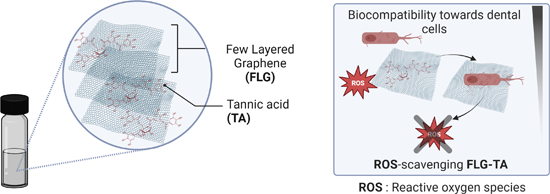
- microhardness without compromising biocompatibility [7]. In another work, the formulation of an injectable calcium phosphate cement–chitosan–graphene oxide (GO) composite was found to be effective. This composite fostered the proliferation of human dental pulp stem cells [8]. Despite these promising findings




Nanomaterials in targeting amyloid-β oligomers: current advances and future directions for Alzheimer's disease diagnosis and therapy
Beilstein J. Nanotechnol. 2025, 16, 561–580, doi:10.3762/bjnano.16.44
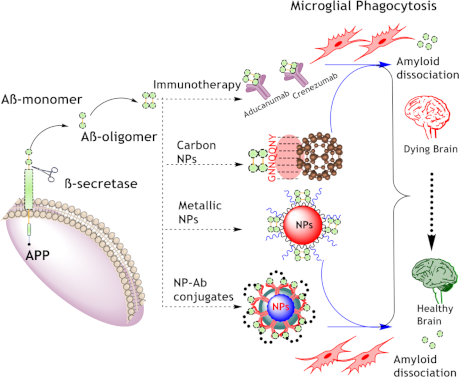
- from the brain is predominantly mediated by the paravascular glymphatic pathway, with studies suggesting that up to 80% of NPs are cleared through this route. Biodistribution and clearance of NPs have been shown to depend on their size and surface properties. Smaller graphene oxide (GO) sheets (20–70


Graphene oxide–chloroquine conjugate induces DNA damage in A549 lung cancer cells through autophagy modulation
Beilstein J. Nanotechnol. 2025, 16, 316–332, doi:10.3762/bjnano.16.24
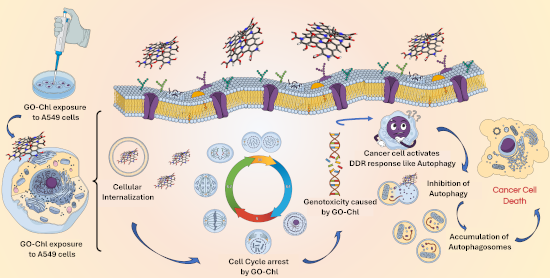
- oxidative stress and autophagy modulation [14]. Graphene oxide (GO) due to its unique physicochemical properties has attracted vast scientific attention as an efficient drug delivery carrier and modulator of biological activities, including autophagy, DDR, and intracellular transportation of therapeutics



Emerging strategies in the sustainable removal of antibiotics using semiconductor-based photocatalysts
Beilstein J. Nanotechnol. 2025, 16, 264–285, doi:10.3762/bjnano.16.21
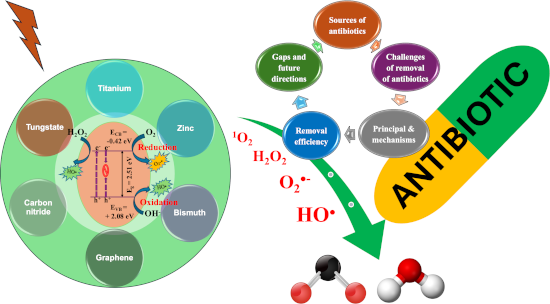
- antibiotic removal by semiconductor-based photocatalysts Photocatalysis is a highly effective, affordable, and environmentally friendly approach for removing antibiotics from wastewater. Various semiconductor photocatalysts, such as TiO2, ZnO, bismuth oxyhalide (BiOX), g-C3N4, graphene oxide (GO), WO3, and


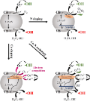

Radiosensitizing properties of dual-functionalized carbon nanostructures loaded with temozolomide
Beilstein J. Nanotechnol. 2025, 16, 229–251, doi:10.3762/bjnano.16.18
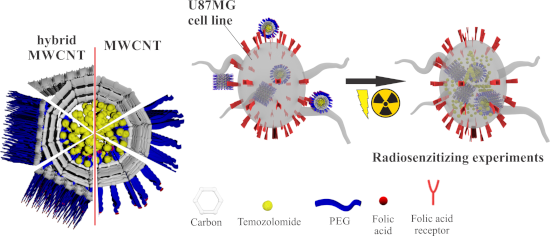
- controlled release of TMZ [41][42]. In another publication [25], the suitability of graphene oxide (GO) functionalized with folic acid (FA) for controlled release of TMZ and the inhibition of glioma growth was confirmed in vivo. To our knowledge (and stated also in the paper of Petrenko et al. [35]), our




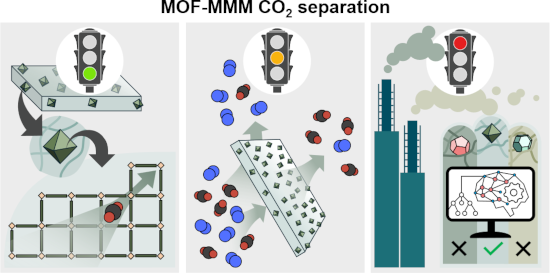
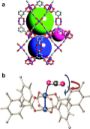
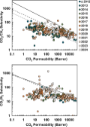
A review of metal-organic frameworks and polymers in mixed matrix membranes for CO2 capture
Beilstein J. Nanotechnol. 2025, 16, 155–186, doi:10.3762/bjnano.16.14




Interaction of graphene oxide with tannic acid: computational modeling and toxicity mitigation in C. elegans
Beilstein J. Nanotechnol. 2024, 15, 1297–1311, doi:10.3762/bjnano.15.105
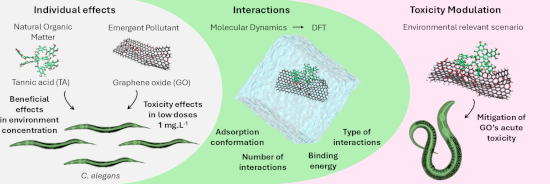
- Abstract Graphene oxide (GO) undergoes multiple transformations when introduced to biological and environmental media. GO surface favors the adsorption of biomolecules through different types of interaction mechanisms, modulating the biological effects of the material. In this study, we investigated the
- ; toxicity mitigation; Introduction Graphene oxide (GO) has many potential applications in electronics, advanced materials, bio-medicine, energy, agriculture, and environmental technology [1][2][3]. It consists of a graphene sheet with surface oxygen functional groups such as epoxide, ketone, hydroxy


Interface properties of nanostructured carbon-coated biological implants: an overview
Beilstein J. Nanotechnol. 2024, 15, 1041–1053, doi:10.3762/bjnano.15.85
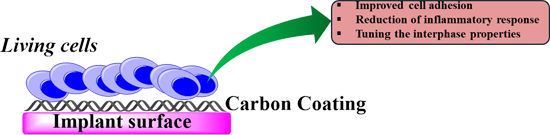
- applications [4] as active species or as drug delivery platforms using tailored carbon nanotubes (CNTs) [5][6], fullerenes [7][8], carbon dots (CDs) [9][10], and graphene-related materials (i.e., graphene oxide (GO) [11], reduced graphene oxide (rGO) [12], and nanographite (nG) [13]). Furthermore, the



Exploring surface charge dynamics: implications for AFM height measurements in 2D materials
Beilstein J. Nanotechnol. 2024, 15, 767–780, doi:10.3762/bjnano.15.64
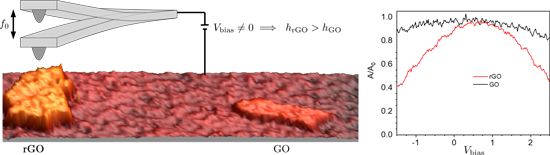
- explain the measurements, suggesting that there may be additional interactions directly related to the 2D nature of these materials affecting the height measurements. To explore this issue, in this work, we conducted a study on single-layer flakes of graphene oxide (GO) and reduced graphene oxide (rGO) co


Photocatalytic degradation of methylene blue under visible light by cobalt ferrite nanoparticles/graphene quantum dots
Beilstein J. Nanotechnol. 2024, 15, 475–489, doi:10.3762/bjnano.15.43
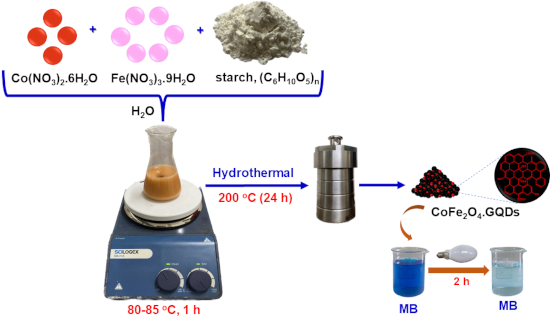
- vibrations at 1200–2000 cm−1 with two characteristic peaks of graphitic carbon (G band) and disordered carbon (D band), appearing at 1590 and 1298 cm−1, respectively. The ID/IG ratio is 1.03, which is higher than that of graphene oxide (GO), which is 0.93. The strong band in the Raman spectra at 690 cm−1 is




Modification of graphene oxide and its effect on properties of natural rubber/graphene oxide nanocomposites
Beilstein J. Nanotechnol. 2024, 15, 168–179, doi:10.3762/bjnano.15.16
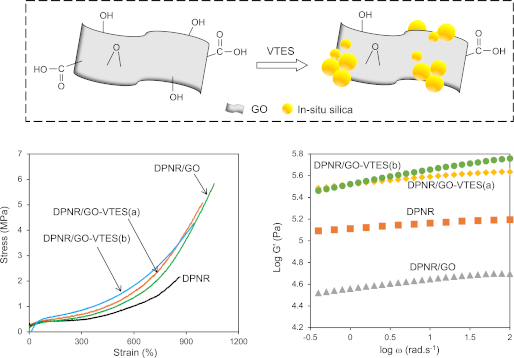
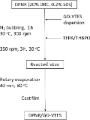
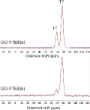
- , Niigata 940-2188, Japan 10.3762/bjnano.15.16 Abstract Modification of graphene oxide (GO) by vinyltriethoxysilane (VTES) was investigated to study the effect of silanized GO on radical graft copolymerization of GO onto deproteinized natural rubber (DPNR). The modified GO, GO-VTES (a and b), was
- NR grafted PS, gaining the best tensile strength at 19.23 MPa. This result highlights the advantage of a nanosilica nanomatrix on the improvement of mechanical properties of NR. On the other hand, graft copolymerization of nanocarbon materials, such as graphene and graphene oxide (GO) [19][20], has
- -glycidyloxypropyltrimethoxysilane used in epoxy nanocomposites [27] or reduced GO/vinyltrimethoxy silane used in low-density polyethylene nanocomposites [28]. Additionally, Charoenchai et al. [29] prepared a hybrid silica/graphene oxide, GO/VTES, catalyzed under basic conditions. The hybrid filler was introduced into the NR matrix






Nanoarchitectonics of photothermal materials to enhance the sensitivity of lateral flow assays
Beilstein J. Nanotechnol. 2023, 14, 988–1003, doi:10.3762/bjnano.14.82
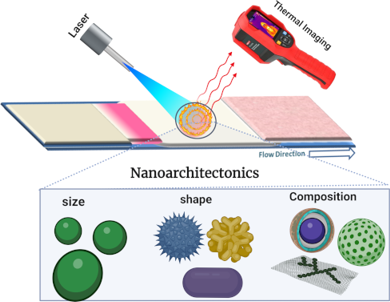
- a low-power laser source. In a multimodal system of gold, iron oxide, and graphene oxide (GO) nanoparticles, the photothermal properties of graphene, the magnetic properties of iron oxide, and the surface plasmon resonance of gold enable multiple functions in a single system. The presence of gold





