Search results
Search for "heavy metal" in Full Text gives 51 result(s) in Beilstein Journal of Nanotechnology.
Materials challenges in solid-state sensors for continuous monitoring of ions in water
Beilstein J. Nanotechnol. 2026, 17, 935–973, doi:10.3762/bjnano.17.66
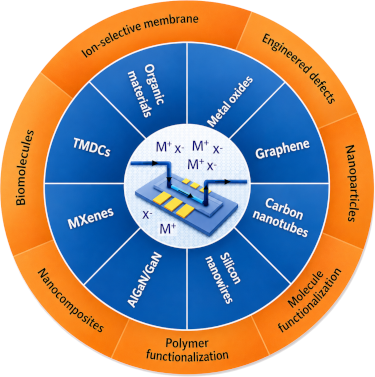
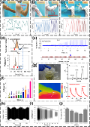
- highly toxic species (Cd2+, Hg2+, Pb2+, As3+/As5+) and 0.1–2 mg/L for Fe2+/Fe3+, Mn2/Mn4+, Ni2+, Cu2+, or Cr6+/Cr3+ ions, requiring sensors capable of tracking both trace concentrations and episodic spikes [68][69][70]. In industrial wastewater, continuous heavy-metal monitoring is particularly critical
- –50 µg/L for Cd2+, Hg2+, Pb2+, As3+/As5+, Cr6+/Cr3+ ions). Monitoring ranges must therefore span from sub-microgram per liter for high-toxicity metals to tens of milligrams per liter for Fe2+/Fe3+, Mn2/Mn4+, Ni2+, Cu2+ ions in industrial streams. Across all sectors, continuous heavy-metal monitoring
- increasing contact resistance, noise, and hysteresis. The FET device can be designed in a way that mitigates these issues, but at the cost of increased complexity. Nonetheless, detection of trace concentrations of heavy-metal ions in real water has already been practically demonstrated by metal-oxide-based



Nanocarrier strategies to overcome P-glycoprotein-mediated drug resistance in cancer therapy
Beilstein J. Nanotechnol. 2026, 17, 882–921, doi:10.3762/bjnano.17.64


Cross-scale design of chemosensor arrays: from molecular self-assembly in water to paper-based devices for metal ion detection
Beilstein J. Nanotechnol. 2026, 17, 828–838, doi:10.3762/bjnano.17.59

- ions in various water environments across microscopic and macroscopic scales. Keywords: chemosensor; metal ion; paper device; pattern recognition; self-assembly; Introduction Metal ions are essential species in biological systems; however, heavy metal ions act as pollutants and can damage organs and


Environmental applications of silver nanoparticles: state-of-the-art review and emerging trends
Beilstein J. Nanotechnol. 2026, 17, 697–736, doi:10.3762/bjnano.17.49
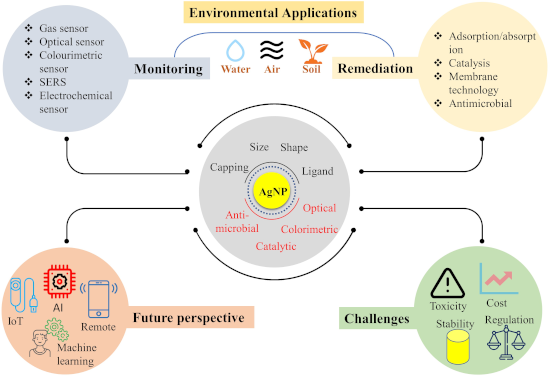
- applications for heavy metal immobilisation, organic pollutant degradation, plant disease management, and growth promotion are assessed alongside their ecotoxicological implications. Besides remediation, environmental monitoring capabilities of AgNP-based sensing platforms are systematically reviewed across
- nanoparticle characterisation and safety assessment, specific maximum contaminant levels or environmental quality standards for engineered AgNPs are largely absent. Several reviews have addressed individual aspects of the environmental use of AgNPs, including antimicrobial applications, heavy-metal sensing


Functional surface engineering for cultural heritage protection: the role of superhydrophobic and superoleophobic coatings – a comprehensive review
Beilstein J. Nanotechnol. 2026, 17, 63–96, doi:10.3762/bjnano.17.6

- environmental conditions. Human safety is generally respected, with one [65] study employing heavy-metal-free components and the other [64] not reporting major hazards, though without extensive toxicological testing. Sustainability is addressed in both cases, either through energy savings during use or through




Ultrathin water layers on mannosylated gold nanoparticles
Beilstein J. Nanotechnol. 2025, 16, 2183–2198, doi:10.3762/bjnano.16.151
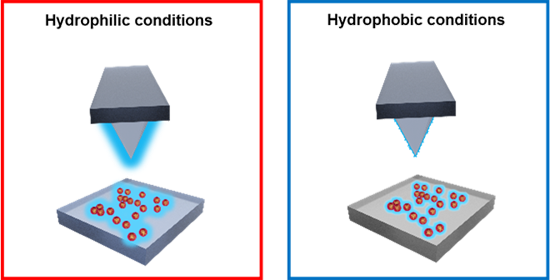
- , Section S1). We used heavy metal staining in STEM on the nanometer scale, to distinguish the organic ligand shell from the gold core. The main method, however, was “noncontact” (AC mode) AFM. Its advantage lies in obtaining a very detailed surface topography through height images. This also includes
- electrons in SEM (only the gold cores were observed as bright features). We recorded STEM images of dimanno-AuNPs deposited on a carbon-coated TEM grid to visualize the layer. We employed uranyl as a stain, a soluble heavy-metal cation that attaches to the hydrophilic parts of the organic coating, providing



Prospects of nanotechnology and natural products for cancer and immunotherapy
Beilstein J. Nanotechnol. 2025, 16, 1644–1667, doi:10.3762/bjnano.16.116

- nanoparticles are semiconductor structures smaller than typical nanoparticles, ranging from 2 to 10 nm in size. They are composed of heavy metal or inorganic material and exhibit fluorescent activity, making them commonly used for pharmaceutical applications [153][154]. The technology’s composition is


Dendrimer-modified carbon nanotubes for the removal and recovery of heavy metal ions from water
Beilstein J. Nanotechnol. 2025, 16, 1522–1532, doi:10.3762/bjnano.16.107

- Abstract Effective removal of trace heavy metal ions from aqueous bodies is a pressing problem and requires significant improvement in the area of absorbent material in terms of removal efficiency and sustainability. We propose an efficient strategy to enhance the adsorption efficiency of carbon nanotubes
- spectroscopy was specifically used to confirm the Diels–Alder reaction on the surface of CNTs, and other characterization techniques (SEM, EDX, XRD, TGA, and FTIR) were applied to confirm the successive growth of the dendrimers. Highly dendrimerized CNTs were found to be more effective in removing heavy metal
- involvement of harmful chemicals to pre-functionalize the CNTs with high loading but also provided an effective way to enhance the adsorption of heavy metal ions. Keywords: carbon nanotubes; deep eutectic solvent; dendrimers; Diels–Alder reaction; heavy metal ion adsorption; Introduction The contamination


Enhancing the therapeutical potential of metalloantibiotics using nano-based delivery systems
Beilstein J. Nanotechnol. 2025, 16, 1350–1366, doi:10.3762/bjnano.16.98
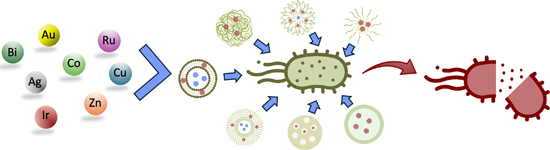
- , improve biofilm penetration, and increase antibacterial efficacy, offering a promising strategy against resistant bacterial strains [96]. Recent developments in the design of heavy metal-free QDs along with biocompatible surface coatings have also significantly reduced concerns regarding toxicity, thus


Quantification of lead through rod-shaped silver-doped zinc oxide nanoparticles using an electrochemical approach
Beilstein J. Nanotechnol. 2025, 16, 422–434, doi:10.3762/bjnano.16.33
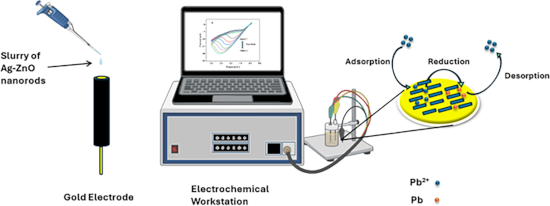
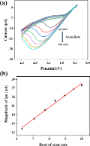
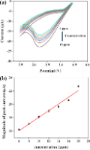
- heavy metal lead ions. The prepared lead sensor with ultrahigh sensitivity, based on silver-doped ZnO nanorods (Ag@ZnO NRs), was fabricated and characterized. The morphological, structural, compositional, and optical characteristics of the Ag@ZnO NRs were investigated using a variety of methods after
- . Electrochemical techniques comparatively offer quick, portable, sensitive, and inexpensive basic equipment for heavy metal detection. The interactions between Ag@ZnO NRs and lead were studied using electrochemical methods. The prepared lead sensor using Ag@ZnO NRs show a very low detection limit and a very high
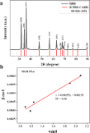
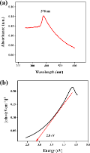
- synthesized nanorods possess a crystalline structure, specifically a wurtzite hexagonal phase structure (space group: 186: P63mc) and exhibit advantageous optical properties. The integration of Ag into ZnO nanostructures enhances their optical characteristics and improves their ability to detect heavy metal





Engineered PEG–PCL nanoparticles enable sensitive and selective detection of sodium dodecyl sulfate: a qualitative and quantitative analysis
Beilstein J. Nanotechnol. 2025, 16, 385–396, doi:10.3762/bjnano.16.29
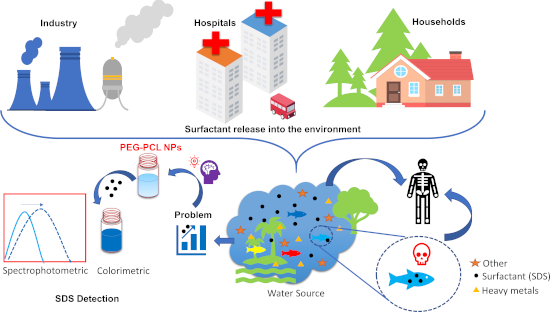
- that can be spectrophotometrically quantified. To assess the selectivity and specificity of the detection system towards SDS, a range of heavy metal ions (including Al3+, Cd2+, Zn2+, Hg2+, Ni2+, Cu2+, Cr3+, Pb2+, Fe3+, Co2+, and As3+) at a concentration of 1 ppm were introduced, along with various
- surfactants such as CTAB, SDS, Tween 20, and Triton X-100 at a concentration of 0.1%. These ions and surfactants were chosen due to their relevance in environmental samples, and are example of common pollutants. The study found that while these heavy metal ions and other surfactants were present, the PEG–PCL
- specificity of the PEG–PCL nanoparticle system towards SDS detection, further experiments were performed to observe color changes and the absorption spectra of NPs in the presence and absence of SDS and other metals and surfactants. This investigation is essential because heavy metal ions often coexist with


Synthesis and the impact of hydroxyapatite nanoparticles on the viability and activity of rhizobacteria
Beilstein J. Nanotechnol. 2025, 16, 216–228, doi:10.3762/bjnano.16.17
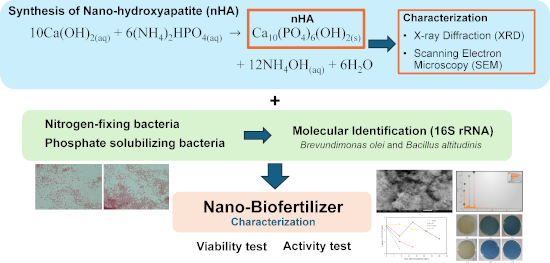
- ]. nHA serves as a versatile agent in drug delivery [17], acts as a carrier for genes and proteins [18], and aids in immobilizing rhizobacteria for effective heavy metal removal [19]. In addition to its carrier capabilities, nHA exhibits exceptional attributes such as high biodegradability


Theoretical study of the electronic and optical properties of a composite formed by the zeolite NaA and a magnetite cluster
Beilstein J. Nanotechnol. 2025, 16, 44–53, doi:10.3762/bjnano.16.5
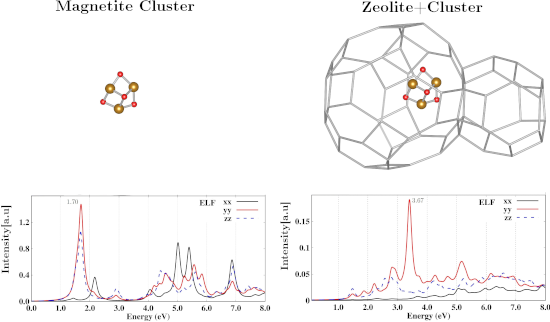
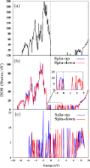
- ], heavy metal removal [11][12], sensor technologies [13][14][15][16], and biomedical applications [17]. Nanoscale materials represent a thriving field of research with a wide range of potential applications. Today, it is generally recognized that properties like hardness, reactivity, toxicity, and optical




Facile synthesis of size-tunable L-carnosine-capped silver nanoparticles and their role in metal ion sensing and catalytic degradation of p-nitrophenol
Beilstein J. Nanotechnol. 2024, 15, 1576–1592, doi:10.3762/bjnano.15.124
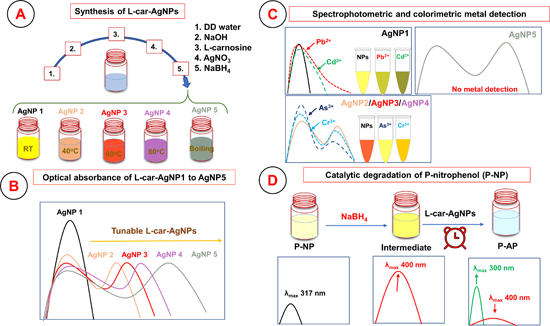
- -car-AgNPs for both heavy metal ion detection and catalytic degradation of P-NP, indicating their suitability for environmental monitoring and remediation applications. Further optimization and research are needed to expand their environmental applications and to understand their interaction mechanisms
- with various contaminants. Keywords: catalysis; heavy metals; ʟ-carnosine; p-nitrophenol; silver nanoparticles; Introduction The persistent rise in environmental pollution, notably from heavy metal ions and organic pollutants, has propelled the development of innovative and efficient environmental
- heavy metal ion monitoring in environmental samples involve complex analytical instrumental techniques such as atomic absorption spectroscopy, inductively coupled plasma mass spectrometry, and high-performance liquid chromatography [8][9]. Environmental remediation of P-NP requires processes such as




Nanoarchitectonics with cetrimonium bromide on metal nanoparticles for linker-free detection of toxic metal ions and catalytic degradation of 4-nitrophenol
Beilstein J. Nanotechnol. 2024, 15, 1312–1332, doi:10.3762/bjnano.15.106
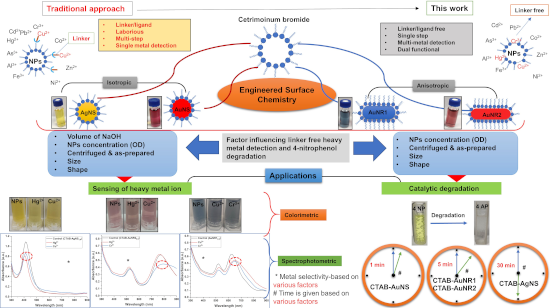
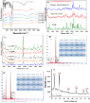
- , India Academy of Scientific and Innovative Research (AcSIR), Ghaziabad 201002, India 10.3762/bjnano.15.106 Abstract Heavy metal ions and organic pollutants, such as 4-nitrophenol (4-NP), pose significant environmental and human health threats. Addressing these challenges necessitates using advanced
- nanoparticle-based systems capable of efficient detection and degradation. However, conventional approaches utilizing strong capping agents like cetrimonium bromide (CTAB) on nanoparticles lead to limitations due to the rigid nature of CTAB. This restricts its utility in heavy metal detection and 4-NP
- metals and efficient degradation of 4-NP. For enabling linker-free/ligand-free detection of heavy metal ions and catalytic degradation of 4-NP, CTAB was engineered as a versatile capping agent on gold and silver nanoparticles. Various factors, including nanoparticle characteristics such as shape, size




Introducing third-generation periodic table descriptors for nano-qRASTR modeling of zebrafish toxicity of metal oxide nanoparticles
Beilstein J. Nanotechnol. 2024, 15, 1142–1152, doi:10.3762/bjnano.15.93
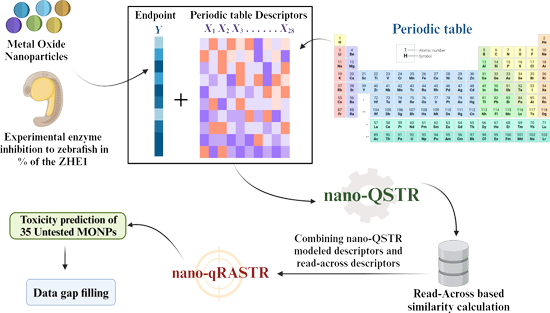
- from human studies, researchers have turned to zebrafish and their embryos for toxicological investigations. Zebrafish embryos are commonly used to identify environmental heavy metal pollution [13]. As a multicellular organism, zebrafish can offer more comprehensive insights into nanomaterials


Unveiling the potential of alginate-based nanomaterials in sensing technology and smart delivery applications
Beilstein J. Nanotechnol. 2024, 15, 1077–1104, doi:10.3762/bjnano.15.88
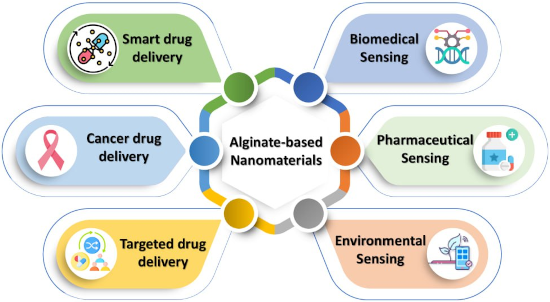
- alginate from marine sources adds to its appeal as a sustainable and renewable material for nanoparticle synthesis [103]. These nanoparticles have demonstrated potential in sensing applications, including temperature, humidity, water level, and various environmental pollutants. Heavy metal and volatile
- organic compounds sensing: Metal sensing has become a crucial area of research because of the detrimental effects of heavy metal ions on living organisms and ecosystems [104][105]. Metal ions, such as silver, are commonly found in water systems because of industrial activities. In recent years, the use of
- ]. This property allows the alginate-based nanoparticles to effectively bind and detect heavy metal ions present in water systems. The synthesis of alginate-based nanoparticles for metal sensing involves the incorporation of metallic nanoparticles, such as silver nanoparticles or zinc oxide nanoparticles


Multiscale modelling of biomolecular corona formation on metallic surfaces
Beilstein J. Nanotechnol. 2024, 15, 215–229, doi:10.3762/bjnano.15.21
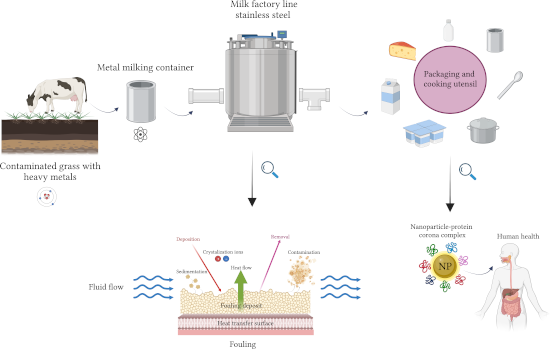
- containers, metal-based equipment, and kitchen utensils in maintaining product integrity. The figure further demonstrates the potential to introduce heavy metal contamination, including iron and aluminum, during processing and emphasizes the formation of a milk layer in form of a protein/lactose corona at





Metal-organic framework-based nanomaterials for CO2 storage: A review
Beilstein J. Nanotechnol. 2023, 14, 964–970, doi:10.3762/bjnano.14.79

- %) was achieved. Several explanations can be considered for this observation. First, the substitution of heavy metal ions (Zr4+) with lighter ones (Ti4+) could result in an increased specific surface area of UiO-66 (BET surface area: 1844 m2·g−1). Second, the shorter Ti–O bond lengths compared to Zr–O




Prediction of cytotoxicity of heavy metals adsorbed on nano-TiO2 with periodic table descriptors using machine learning approaches
Beilstein J. Nanotechnol. 2023, 14, 939–950, doi:10.3762/bjnano.14.77
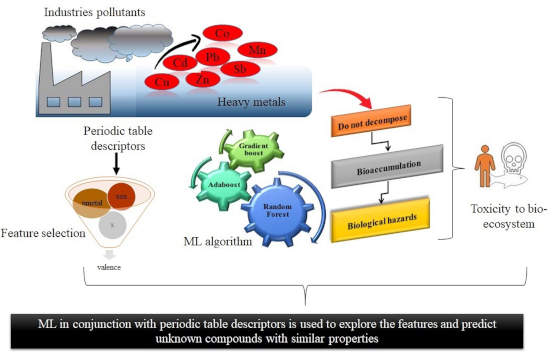
- considerably high exposure TiO2 NPs may enter the food chain. Because of current industrialization processes, organisms are also exposed to heavy metal pollutants [7]. Emitted NPs may interact with the pollutants, and this may subsequently lead to bioaccumulation. The contamination of water and soil with heavy
- increased the accumulation of Cd2+ in the ciliate Tetrahymen thermophila. Further, Tan et al. [12] showed increased uptake and retention of Cd2+ and Zn2+ adsorbed on TiO2 NPs in Daphnia magna. Heavy metal contamination affects plant growth and indirectly affects human health via the food chain. Heavy metals
- was added to HK-2 cells in Hyclone DMEM medium supplemented with 10% fetal bovine serum (FBS) and 100 mg penicillin/streptomycin and maintained at 37 °C in the presence of 5% carbon dioxide. Nine concentrations of heavy metal salts were added to a constant amount of nano-TiO2 (25 µmol/L). The details


Facile preparation of Au- and BODIPY-grafted lipid nanoparticles for synergized photothermal therapy
Beilstein J. Nanotechnol. 2022, 13, 1432–1444, doi:10.3762/bjnano.13.118
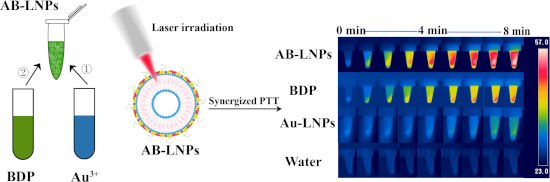
- including fabricating BODIPY with halogenated substitutions and modification of BODIPY with heavy metal atoms have been employed to decrease the radiative transitions and enhance the phototherapeutic effects. Halogenated BODIPY ensures efficient singlet-to-triplet intersystem crossing or non-radiative




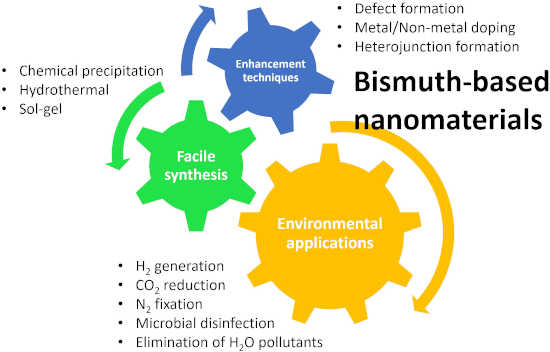
Recent trends in Bi-based nanomaterials: challenges, fabrication, enhancement techniques, and environmental applications
Beilstein J. Nanotechnol. 2022, 13, 1316–1336, doi:10.3762/bjnano.13.109




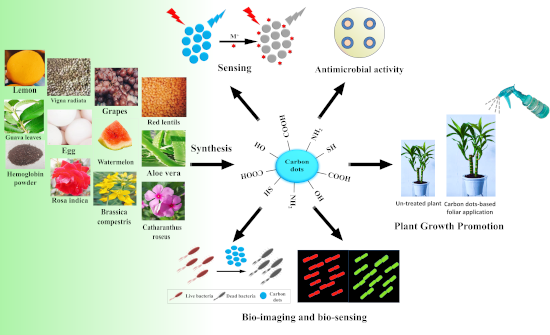
Recent advances in green carbon dots (2015–2022): synthesis, metal ion sensing, and biological applications
Beilstein J. Nanotechnol. 2022, 13, 1068–1107, doi:10.3762/bjnano.13.93




A comprehensive review on electrospun nanohybrid membranes for wastewater treatment
Beilstein J. Nanotechnol. 2022, 13, 137–159, doi:10.3762/bjnano.13.10
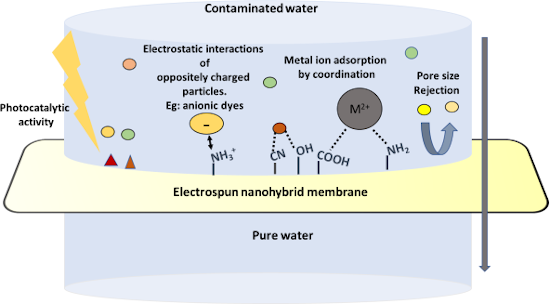
- surface. Hence, a high surface area and the ability to generate abundant functional group at the surface of the membrane makes electrospun membranes the perfect candidate for metal ion removal. CS is one of the most commonly used electrospun natural polymers in heavy metal ion removal. Amine functional
- been developed by Zeng et al. for the removal of organic dyes and heavy metal ions from water. The HNTs has been modified with 3-aminopropyltriethoxysilane (APTES) in order to overcome the aggregation of HNTs owing to their high length-to-diameter ratio, but it has also enhanced the separation ability





Nanogenerator-based self-powered sensors for data collection
Beilstein J. Nanotechnol. 2021, 12, 680–693, doi:10.3762/bjnano.12.54
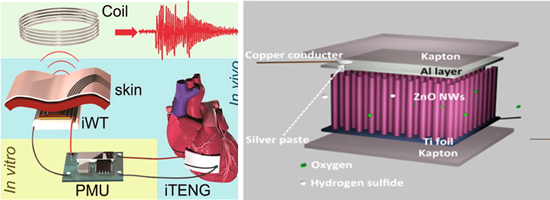
- . Lee et al. proposed a based Hg2+ ion sensor based on ZnO nanowires and carbon nanotubes for detecting toxic pollutants [17]. The ZnO nanowire (NW) array acted as power source. When Hg2+ ions were detected, the system powered a light-emitting diode (LED). Li et al. designed a self-powered heavy metal
- voltages according to the ion concentration, as shown in Figure 5d. The TENGs are a low-cost and environmentally friendly solution for detecting heavy metal ions. The kinetic energy generated by the flow of waste water is converted into electricity through a water-driven triboelectric nanogenerator (WD
- -TENG). Thus, heavy metal ions in waste water can be removed without external power consumption. The self-powered sensor collects water quality information such as ion concentration in the water as a data source for hydrological analysis. PENG/TENG-based pressure sensors can accurately sense pressure