


Search results
Search for "medical applications" in Full Text gives 91 result(s) in Beilstein Journal of Nanotechnology.
Cellulose as a photocatalyst support material: extraction, structural features, and environmental applications
Beilstein J. Nanotechnol. 2026, 17, 635–652, doi:10.3762/bjnano.17.44
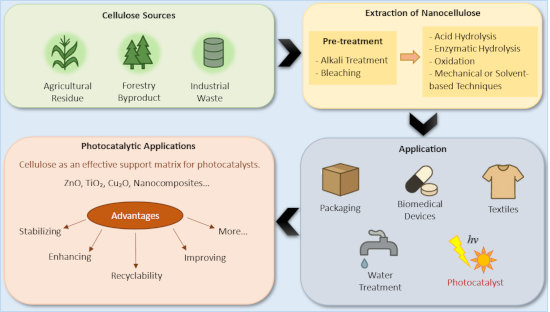
- method, the derived cellulose may exist in both amorphous and crystalline forms with various structural variations such as macrofibers, fibrils, pores, and both micro- and nanocrystals, each offering distinct advantages for medical applications. Within drug delivery research, nanoscale systems have


Advancing nanolithography: a comprehensive review of materials for local anodic oxidation with AFM
Beilstein J. Nanotechnol. 2026, 17, 275–291, doi:10.3762/bjnano.17.19
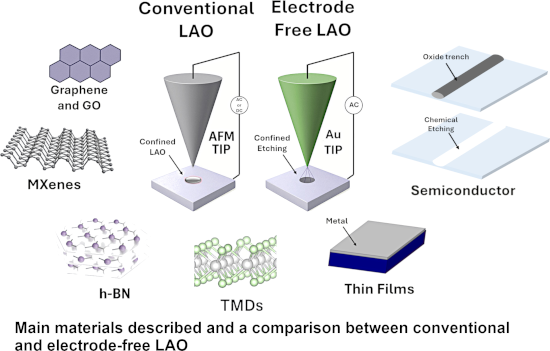
- functional surfaces tailored for medical applications [114]. By leveraging LAO’s precise patterning capabilities, researchers can develop surfaces with nanoscale features that promote specific interactions with biological systems. For instance, functionalized surfaces could enhance cell adhesion, guide


Multifunctional anionic nanoemulsion with linseed oil and lecithin: a preliminary approach for dry eye disease
Beilstein J. Nanotechnol. 2025, 16, 1711–1733, doi:10.3762/bjnano.16.120
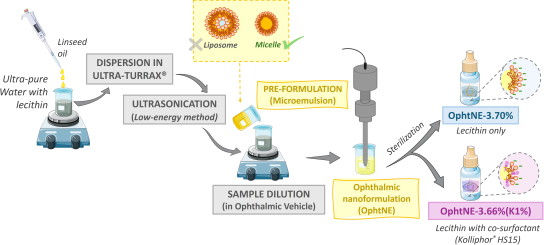
- within the emulsion [74]. An important quality parameter of LO is the free fatty acid (FFA) content, determined by the AV. A lower AV signifies a reduced FFA content, indicating higher oil quality and enhanced bioactive functionality, making it well-suited for medical applications. The AV measured for LO



Prospects of nanotechnology and natural products for cancer and immunotherapy
Beilstein J. Nanotechnol. 2025, 16, 1644–1667, doi:10.3762/bjnano.16.116
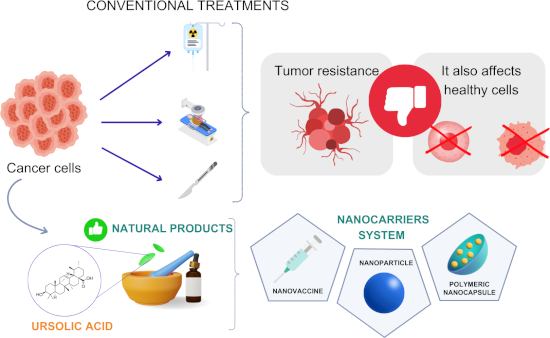
- dose of its active ingredients [96]. These characteristics have made nanoparticles widely used in medicines, medical applications, and the food industry, as they provide increased shelf life, improved drug delivery, and enhanced therapeutic efficacy [97]. Various methods, such as chemical reduction


Enhancing the therapeutical potential of metalloantibiotics using nano-based delivery systems
Beilstein J. Nanotechnol. 2025, 16, 1350–1366, doi:10.3762/bjnano.16.98
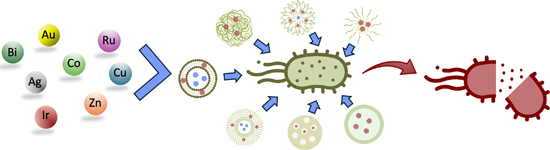
- during storage [83][84]. Their surfaces can be modified for targeted delivery, improving the bioavailability of therapeutic agents and allowing for their use in a variety of medical applications. Despite these advantages, challenges such as particle aggregation and potential toxicity continue to persist


Ferroptosis induction by engineered liposomes for enhanced tumor therapy
Beilstein J. Nanotechnol. 2025, 16, 1325–1349, doi:10.3762/bjnano.16.97
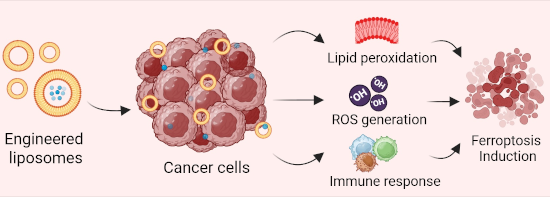
- the sensitivity of tumor cells to these treatments and improve the efficacy of these treatments [14][15][16]. New technologies, innovative methods, and interdisciplinary research will drive progress in ferroptosis research and its medical applications [13]. Recently, nanotechnology has expanded its


Acrocomia aculeata oil-loaded nanoemulsion: development, anti-inflammatory properties, and cytotoxicity evaluation
Beilstein J. Nanotechnol. 2025, 16, 1277–1288, doi:10.3762/bjnano.16.93
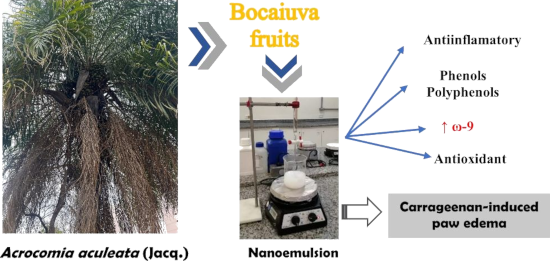
- have several medical applications. However, little is known about its pharmacological activity. Therefore, this study aimed to develop and evaluate the anti-inflammatory activity of a nanoemulsion loaded with the oil extracted from the pulp of the fruit of Acrocomia aculeata. Griffin’s method


Better together: biomimetic nanomedicines for high performance tumor therapy
Beilstein J. Nanotechnol. 2025, 16, 1246–1276, doi:10.3762/bjnano.16.92
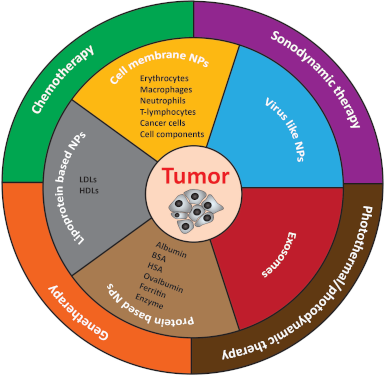
- vaccines and improving their immunogenicity [112]. The presence of viral nucleic acids has been a key concern in medical applications, which limits the use of viruses in living organisms. Virus-like particles are multimeric nanoparticles consisting of viral proteins but lack viral genetic material. Thus






Functional bio-packaging enhanced with nanocellulose from rice straw and cinnamon essential oil Pickering emulsion for fruit preservation
Beilstein J. Nanotechnol. 2025, 16, 1234–1245, doi:10.3762/bjnano.16.91
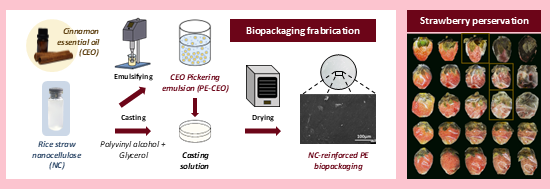
- microbial access [7]. PVA also exhibits superior biocompatibility as evidenced by its high safety threshold (LD50 of 15–20 g·kg−1), low systemic absorption, absence of mutagenic effects, and established medical applications, making it a reliable choice for biopackaging without concerns of harmful



Fabrication of metal complex phthalocyanine and porphyrin nanoparticle aqueous colloids by pulsed laser fragmentation in liquid and their potential application to a photosensitizer for photodynamic therapy
Beilstein J. Nanotechnol. 2025, 16, 1088–1096, doi:10.3762/bjnano.16.80
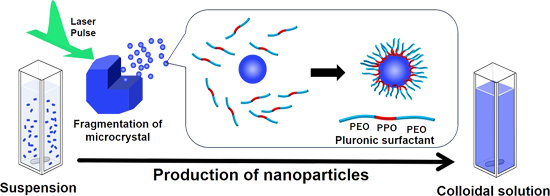
- against cancer cells was reported. However, conventional methods of producing nanoparticle colloids require organic solvents and excessive amounts of organic adjuvants, which may have other implications for research in pharmacological, photochemical, and medical applications, and also may interfere with


Soft materials nanoarchitectonics: liquid crystals, polymers, gels, biomaterials, and others
Beilstein J. Nanotechnol. 2025, 16, 1025–1067, doi:10.3762/bjnano.16.77
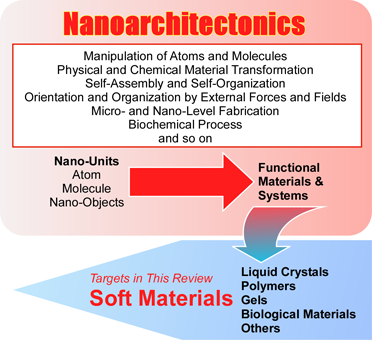
- ][212], tissue engineering [213][214][215][216][217], and medical applications [218][219][220][221][222]. It seems reasonable to posit that nanoarchitectonics will make a significant contribution to the field of soft materials science. This is due to the fact that the methods employed in
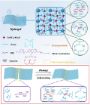
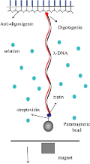
- . Consequently, rod-shaped gold nanoparticles have been the subject of considerable interest with regard to their potential use in optical antennas, sensitive biosensors, and medical applications. This is due to their strong plasmonic absorption in the visible–near infrared region, which is caused by electronic






Efficiency of single-pulse laser fragmentation of organic nutraceutical dispersions in a circular jet flow-through reactor
Beilstein J. Nanotechnol. 2025, 16, 711–727, doi:10.3762/bjnano.16.55
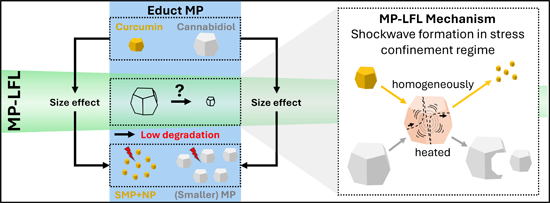
- required, especially when processing sensitive nutraceuticals intended for the use as food additives or medical applications. This is complemented by evaluations of the biocompatibility and antioxidant features (i.e., suppression of reactive oxygen species (ROS)) of laser-processed curcumin. Results and


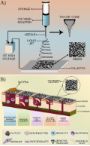
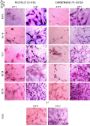
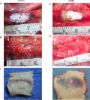
Polyurethane/silk fibroin-based electrospun membranes for wound healing and skin substitute applications
Beilstein J. Nanotechnol. 2025, 16, 591–612, doi:10.3762/bjnano.16.46
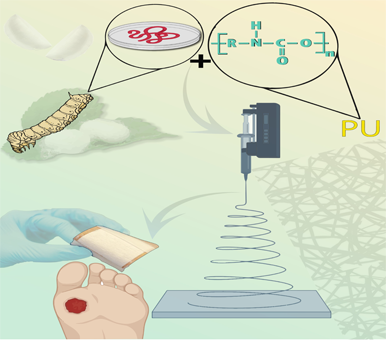
- , produced by silkworms, beetles, mites, and spiders [14]. Silk is an FDA-approved biomaterial for medical applications [15]. SF has distinctive physical, chemical, and mechanical properties [16]. Its characteristics, including biocompatibility, biodegradability, elasticity, solubility in water, and ease of
- hydrophilic properties making them suitable for medical applications. The films were then shaped into a scaffold for implants in nerve injury sites. The scaffold was implanted at the site of sciatic nerve injury more than 1 cm deep in the skin. The polydopamine present in the AuPBs reduced inflammation around



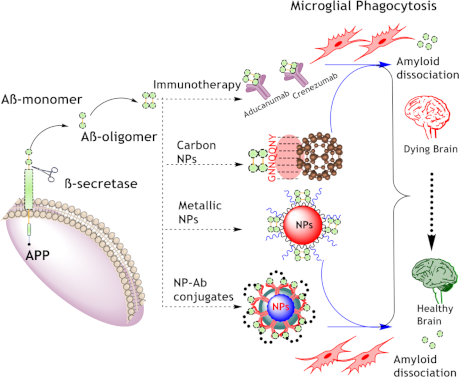
Nanomaterials in targeting amyloid-β oligomers: current advances and future directions for Alzheimer's disease diagnosis and therapy
Beilstein J. Nanotechnol. 2025, 16, 561–580, doi:10.3762/bjnano.16.44


Performance optimization of a microwave-coupled plasma-based ultralow-energy ECR ion source for silicon nanostructuring
Beilstein J. Nanotechnol. 2025, 16, 484–494, doi:10.3762/bjnano.16.37

- applications and play a crucial role in generating charged particles. Various systems harness energetic ions for diverse purposes, spanning material science, high-energy physics, medical applications, and agricultural science [1][2][3][4][5]. Presently, energetic ions find application in various surface


Synthetic-polymer-assisted antisense oligonucleotide delivery: targeted approaches for precision disease treatment
Beilstein J. Nanotechnol. 2025, 16, 435–463, doi:10.3762/bjnano.16.34


Enhancing mechanical properties of chitosan/PVA electrospun nanofibers: a comprehensive review
Beilstein J. Nanotechnol. 2025, 16, 286–307, doi:10.3762/bjnano.16.22


Characterization of ZnO nanoparticles synthesized using probiotic Lactiplantibacillus plantarum GP258
Beilstein J. Nanotechnol. 2025, 16, 78–89, doi:10.3762/bjnano.16.8
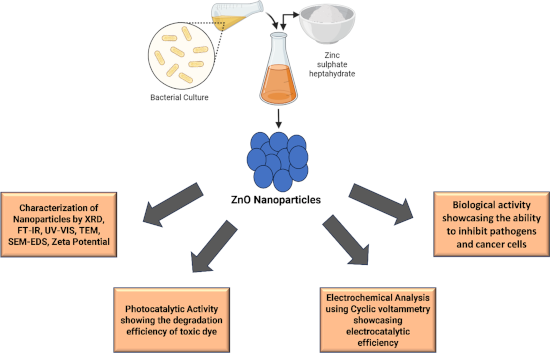
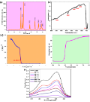
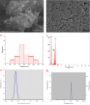
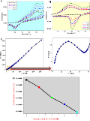
- with a size below 100 nm are generally considered NPs. There are several drawbacks to the chemical and physical production of NPs. Although chemically synthesized NPs are widely used in medical applications, some chemical synthesis methods involve toxic reagents and produce harmful byproducts, raising



Hymenoptera and biomimetic surfaces: insights and innovations
Beilstein J. Nanotechnol. 2024, 15, 1333–1352, doi:10.3762/bjnano.15.107
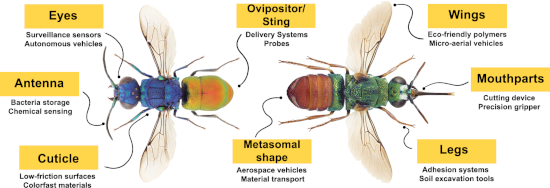
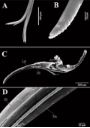
- ]. Hence, drawing inspiration from ovipositors, these innovations may enhance medical procedures by amplifying precision, minimizing recovery periods, and augmenting patient outcomes, particularly in scenarios where maneuverability and accuracy are paramount. In addition to medical applications, the




Dual-functionalized architecture enables stable and tumor cell-specific SiO2NPs in complex biological fluids
Beilstein J. Nanotechnol. 2024, 15, 1238–1252, doi:10.3762/bjnano.15.100
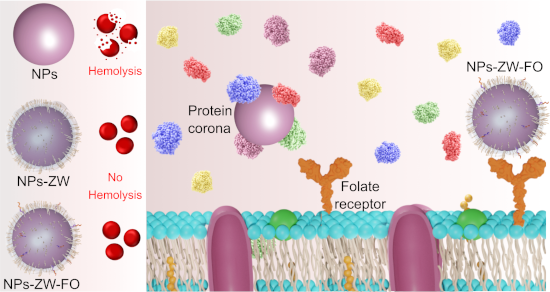
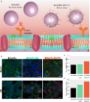
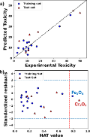
- of pivotal relevance for obtaining more reliable results and open possibilities for developing NPs that are increasingly efficient and suitable for medical applications. Ensuring that a platform efficiently functions for in vitro assays is a crucial step in predicting in vivo effects. Our system


Introducing third-generation periodic table descriptors for nano-qRASTR modeling of zebrafish toxicity of metal oxide nanoparticles
Beilstein J. Nanotechnol. 2024, 15, 1142–1152, doi:10.3762/bjnano.15.93
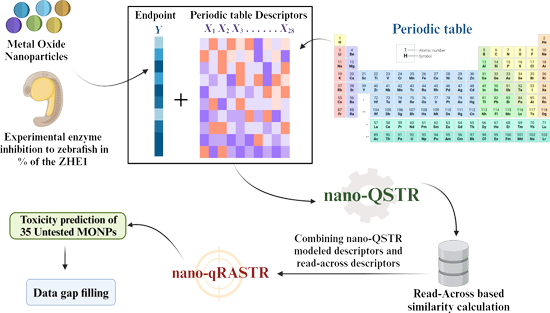
- findings of this study have significant implications for the use of MONPs in medical applications. Nanoparticles are increasingly explored regarding drug delivery, imaging, and therapeutic purposes. Understanding the toxicity mechanisms and predicting potential adverse effects of MONPs can guide the design


Interface properties of nanostructured carbon-coated biological implants: an overview
Beilstein J. Nanotechnol. 2024, 15, 1041–1053, doi:10.3762/bjnano.15.85
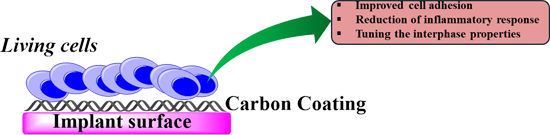
- to describe the study of materials at the nanoscale [2]. Afterwards, nanosized and nanostructured carbon species have attracted great interest thanks to their intrinsic properties and easy functionalization [3]. The utilization of nanocarbon species has been widely deployed in advanced medical
- applications [4] as active species or as drug delivery platforms using tailored carbon nanotubes (CNTs) [5][6], fullerenes [7][8], carbon dots (CDs) [9][10], and graphene-related materials (i.e., graphene oxide (GO) [11], reduced graphene oxide (rGO) [12], and nanographite (nG) [13]). Furthermore, the



Intermixing of MoS2 and WS2 photocatalysts toward methylene blue photodegradation
Beilstein J. Nanotechnol. 2024, 15, 817–829, doi:10.3762/bjnano.15.68
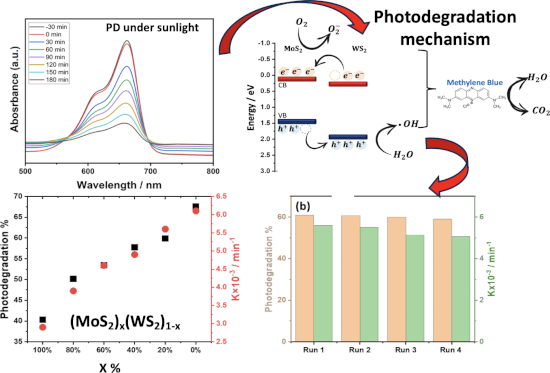
- removal, or synthetic dye degradation [4][5][6]. For instance, methylene blue (MB), which is considered one of the most used synthetic organic dyes in various industrial and medical applications, poses serious risks as a pollutant to water resources [7]. Indeed, MB is a potential carcinogen and mutagen


Curcumin-loaded albumin submicron particles with potential as a cancer therapy: an in vitro study
Beilstein J. Nanotechnol. 2023, 14, 1127–1140, doi:10.3762/bjnano.14.93
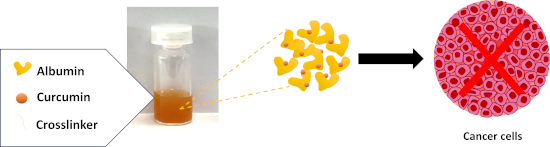
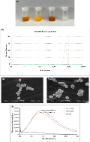
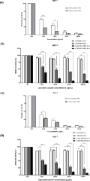
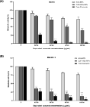
- promising biological properties, particularly antioxidant activity. However, its medical applications are limited due to its low water solubility, bioavailability, and pH-instability. CUR-loaded albumin microparticles (CUR-HSA-MPs) of submicron size in the range of 800 to 900 nm and a zeta potential of −15




Industrial perspectives for personalized microneedles
Beilstein J. Nanotechnol. 2023, 14, 857–864, doi:10.3762/bjnano.14.70
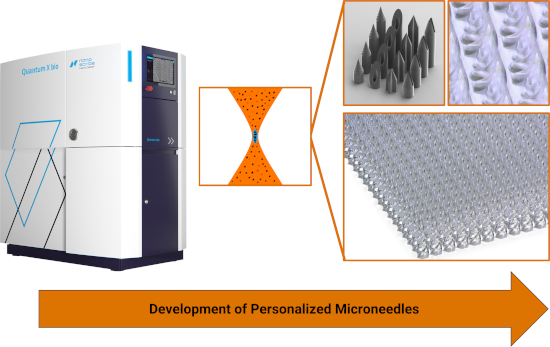
- [14][15]. A closer inspection of TDD microneedles for cosmetic and medical applications reveals a lack of diversity when assessing their effectiveness. Namely, studies consist of small populations with participants of similar sex, age, body mass index, and ethnic background. For TDD via microneedles





