Search results
Search for "multifunctional" in Full Text gives 169 result(s) in Beilstein Journal of Nanotechnology.
Breaking barriers: nanosystems to overcome solubility and permeability challenges of second-generation tyrosine kinase inhibitors
Beilstein J. Nanotechnol. 2026, 17, 1063–1086, doi:10.3762/bjnano.17.73
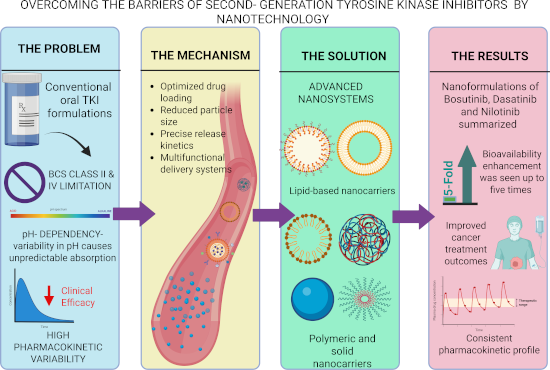
- be easily converted to a solid dosage form, which poses storage and stability issues [73]. Multifunctional and targeted nanosystems Multifunctional and targeted nanosystems incorporating second-generation TKIs have been extensively explored for the treatment of various cancers to enhance therapeutic
- , difficulty in scale-up, and a low drug-to-lipid ratio [78]. DTB-loaded multifunctional micellar nanoparticles prepared using polyethene glycol (5000 Da)–phosphoethanolamine and folic acid–polyethylene glycol (2000 Da)–phosphoethanolamine were designed to target matrix metalloproteinase-2 (MMP-2) and folate
- microenvironment promoted preferential release at the tumour site. Collectively, these features enhanced the cytotoxic activity of DTB against pancreatic cancer cells [80]. As a potential multifunctional delivery strategy, BTB-loaded high-density lipoprotein (HDL) nanoparticles were formulated using the film


Nanocarrier strategies to overcome P-glycoprotein-mediated drug resistance in cancer therapy
Beilstein J. Nanotechnol. 2026, 17, 882–921, doi:10.3762/bjnano.17.64
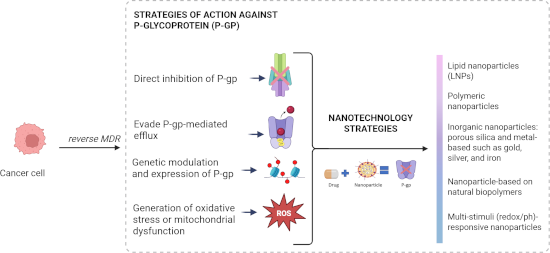
- multifunctional systems incorporating targeting ligands, stimuli-responsive release mechanisms, and co-delivery strategies such as siRNA or natural P-glycoprotein inhibitors. This approach enabled identification and comparative assessment of the most promising nanocarrier systems designed to overcome MDR. 2.6
- reduced off-target effects. Such multifunctional nanoplatforms represent the growing shift from single-mechanism to precision-targeted therapeutic systems within the field of P-gp modulation. 3.1.4 Generation of oxidative stress or mitochondrial dysfunction. Unlike direct inhibition of drug efflux pumps
- the overexpression of specific receptors on cancer cells, significantly enhancing therapeutic efficacy while minimizing side effects on healthy tissues [60]. There are various types of liposomes designed according to their therapeutic applications. Multifunctional liposomes, for instance, can combine


He+ FIBID-fabricated 3D AFM tip architectures: an exploratory study of hollow pillars, helices, and spirals
Beilstein J. Nanotechnol. 2026, 17, 863–871, doi:10.3762/bjnano.17.62
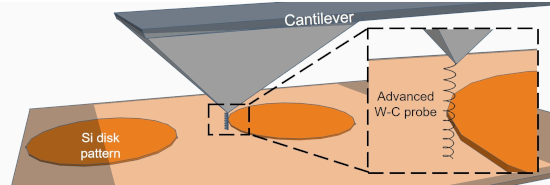
- nanopillars and nanohelices [35][36][37]. These structures are therefore interesting not only from a fabrication point of view, but also as candidate building blocks for future multifunctional scanning probes. The aim of the present work is to use He+ FIBID as a 3D nanoprinting route to fabricate several
- can be used as reliable AFM probes. Beyond topographic operation, the conductive character of W–C He+ FIBID deposits and the geometric flexibility of the deposition method may make such structures attractive for future multifunctional or application-specific probes. These possibilities remain


Nanoparticle delivery systems for HIV pre-exposure prophylaxis (PrEP): advances and challenges
Beilstein J. Nanotechnol. 2026, 17, 839–853, doi:10.3762/bjnano.17.60
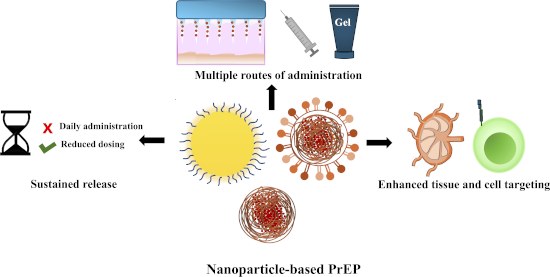
- biomolecules or cell receptors for optimized active targeting approaches [71]. Kulkarni and co-workers explored a multifunctional AuNP-based system [72]. They tethered the established ARV TFV onto AuNPs via covalent conjugation. The resulting AuNP-TFV conjugates exhibited significantly enhanced anti-HIV-1


Environmental applications of silver nanoparticles: state-of-the-art review and emerging trends
Beilstein J. Nanotechnol. 2026, 17, 697–736, doi:10.3762/bjnano.17.49
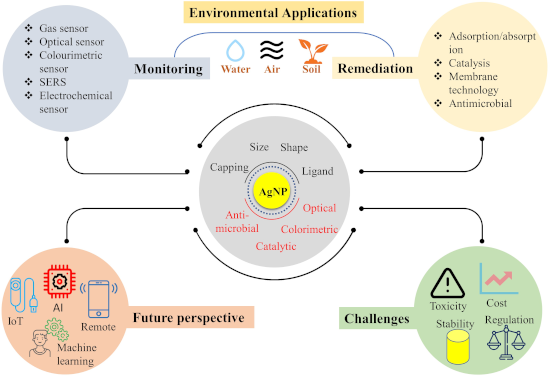
- water is due to AgNPs’ multifunctional properties and colloidal/gel stability. The water treatment approach has undergone a substantial revolution with the emergence of nanotechnology. Furthermore, the application of AgNPs in air and soil pollution must be addressed. 3.2 Air applications Air pollution


Cellulose as a photocatalyst support material: extraction, structural features, and environmental applications
Beilstein J. Nanotechnol. 2026, 17, 635–652, doi:10.3762/bjnano.17.44


Advances in nanotechnology applied to natural products
Beilstein J. Nanotechnol. 2026, 17, 555–558, doi:10.3762/bjnano.17.36

- therapeutic agents has enabled the development of multifunctional platforms, which can improve cellular uptake, enhance tumor penetration, reduce systemic side effects, and integrate therapeutic and diagnostic functions [19]. Beyond lipid-based systems, polymeric nanosystems have emerged as versatile
- nanofibers, have been proposed for the simultaneous transport of hydrophilic and lipophilic bioactives, leveraging compartmentalization to combine material advantages and enable multifunctional controlled-release strategies [25]. Beyond organic nanocarriers, research has increasingly extended to inorganic
Biomimetic nanoparticles in cancer photodynamic therapy: a review of targeted delivery systems and therapeutic outcomes
Beilstein J. Nanotechnol. 2026, 17, 396–422, doi:10.3762/bjnano.17.27
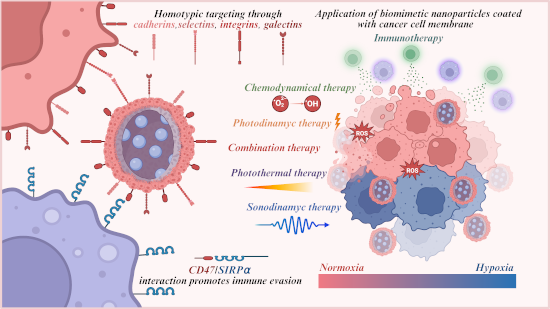
- . Additionally, it explores multifunctional and theranostic nanoplatforms, their applications in various cancers, and advances toward clinical use. By integrating targeted delivery, tumor microenvironment modulation, and immunotherapy, BNP-facilitated PDT holds great potential for advancing precise cancer
- examines recent progress in the development of BNPs for cancer photodynamic therapy, with particular attention to their ability to target tumors, counteract hypoxia, and stimulate the immune system. We also explore their use in treating different types of cancer, the emergence of multifunctional platforms
- and active targeting mechanisms, (iii) controlled and stimuli-responsive release profiles, (iv) overcoming of tumor hypoxia, (v) efficient light conversion, and (vi) the development of multifunctional platforms by combining PDT with other therapeutic modalities [38]. Additionally, nanoparticles enable


Advancing nanolithography: a comprehensive review of materials for local anodic oxidation with AFM
Beilstein J. Nanotechnol. 2026, 17, 275–291, doi:10.3762/bjnano.17.19
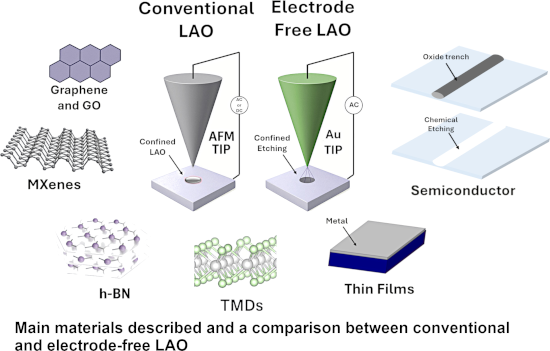
- materials that allow for tunable electronic or structural features. While silicon is ideal for standard electronic applications, its constraints highlight the need for alternative materials in more diverse or multifunctional nanoscale devices. LAO has likewise been demonstrated on III–V semiconductors, most


From shield to spear: Charge-reversible nanocarriers in overcoming cancer therapy barriers
Beilstein J. Nanotechnol. 2026, 17, 159–175, doi:10.3762/bjnano.17.10
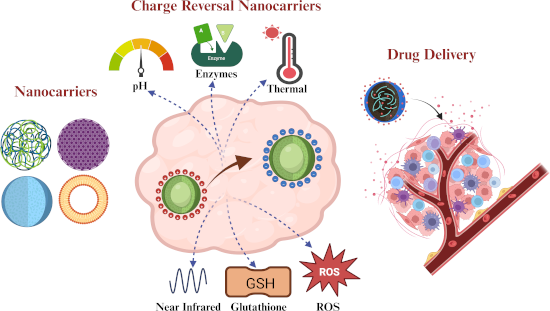
- -nitroimidazole and a PEG-modified lipid shell, enabling multifunctional X-ray-responsive therapy. Upon low-dose of X-ray irradiation, Hf4+ deposits radiation energy to induce DNA damage while 2-nitroimidazole releases NO to block DNA repair, relieve hypoxia, and produce reactive nitrogen species (RNS) that


Development and in vitro evaluation of liposomes and immunoliposomes containing 5-fluorouracil and R-phycoerythrin as a potential phototheranostic system for colorectal cancer
Beilstein J. Nanotechnol. 2026, 17, 97–121, doi:10.3762/bjnano.17.7



Functional surface engineering for cultural heritage protection: the role of superhydrophobic and superoleophobic coatings – a comprehensive review
Beilstein J. Nanotechnol. 2026, 17, 63–96, doi:10.3762/bjnano.17.6
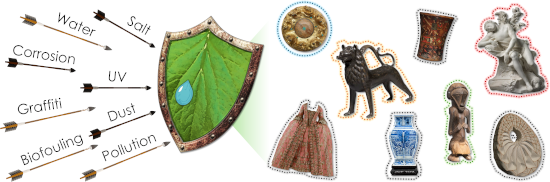
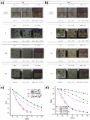
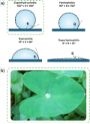
- , contamination, biofouling, and corrosion [43][44], by leveraging the multifunctional shielding capabilities provided by such advanced coatings. Several review papers provide summary of all these materials and techniques, focusing on applications including aerospace, medical, and automotive. Only in the last
- presented a multifunctional thermal insulation coating incorporating modified vacuum ceramic microbeads (VCMs) to enhance energy efficiency and protection of concrete structures. The VCMs were modified through the polymerization of catechol and hexamethylene diamine, forming a thin poly(catecholamine) (PCA




Microplastic pollution in Himalayan lakes: assessment, risks, and sustainable remediation strategies
Beilstein J. Nanotechnol. 2025, 16, 2144–2167, doi:10.3762/bjnano.16.148
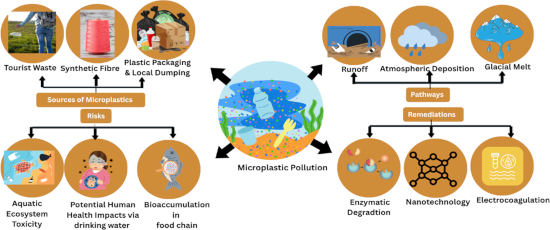
- support matrix for these composites, stabilizing the photocatalyst and enhancing its interaction with MPs [78]. Another novel strategy is the use of multifunctional nanomaterials, such as ZnO–CuO composites, which have both antibacterial and strong photocatalytic activity. These substances provide long


Beyond the shell: exploring polymer–lipid interfaces in core–shell nanofibers to carry hyaluronic acid and β-caryophyllene
Beilstein J. Nanotechnol. 2025, 16, 2015–2033, doi:10.3762/bjnano.16.139
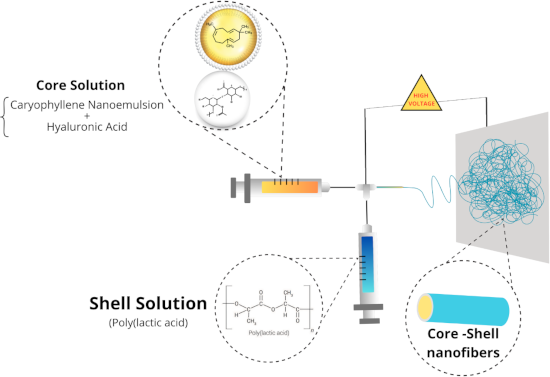
- membrane applications. Thermal and crystalline analyses demonstrated improved thermal stability upon NE-βCp incorporation. Collectively, these results provide robust evidence for the feasibility of producing multifunctional nanofiber membranes that successfully integrate a polymer–lipid hybrid core
- -adherent dressings. However, for applications where cell adhesion is desired, surface modifications may be necessary. Thus, the data presented here significantly contribute to the understanding of polymer–lipid interactions in coaxial systems and pave the way for the development of multifunctional


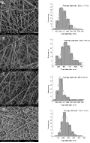


On the road to sustainability – application of metallic nanoparticles obtained by green synthesis in dentistry: a scoping review
Beilstein J. Nanotechnol. 2025, 16, 1851–1862, doi:10.3762/bjnano.16.128
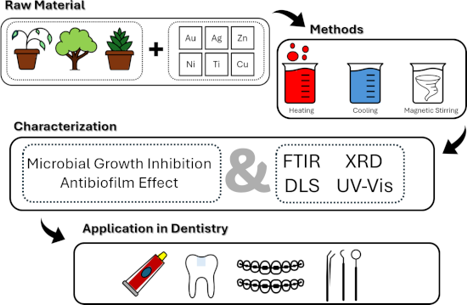
- also hold promise in regenerative dentistry. Incorporated into scaffolds, membranes, and hydrogels, they have demonstrated the ability to enhance osteogenesis and angiogenesis while simultaneously reducing microbial contamination [19]. These multifunctional biomaterials not only support bone and


Current status of using adsorbent nanomaterials for removing microplastics from water supply systems: a mini review
Beilstein J. Nanotechnol. 2025, 16, 1837–1850, doi:10.3762/bjnano.16.127
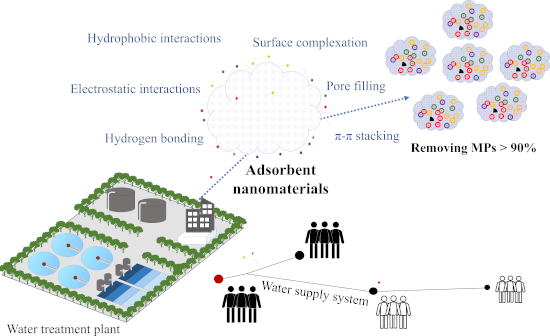
- depends on polymer type and particle size. In contrast, nanomaterials show higher and more significant removal efficiency, in some cases exceeding 99%. Particularly, multifunctional materials (e.g., Fe3O4@PDA-lipase nanoparticles or MOFs) combine adsorption, magnetic recovery, and even catalytic
- their ability to trap MPs through adsorption or magnetic separation, materials like carbon-based nanoparticles, magnetic particles, and MOFs have demonstrated removal efficiencies exceeding 90%. Their tunable properties, reusability, and potential for multifunctional performance position them as


Electrical, photocatalytic, and sensory properties of graphene oxide and polyimide implanted with low- and medium-energy silver ions
Beilstein J. Nanotechnol. 2025, 16, 1794–1811, doi:10.3762/bjnano.16.123
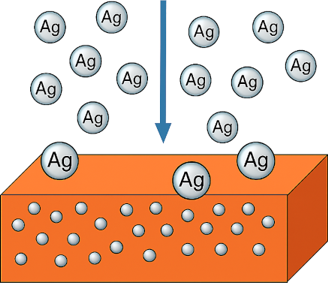
- , sensory, and photocatalytic properties of graphene oxide (GO) and polyimide (PI). Implantations were carried out with fluences ranging from 3.75 × 1012 cm−2 to 1 × 1016 cm−2. Silver ions offer excellent electrical, catalytic, and plasmonic characteristics, making them ideal for multifunctional enhancement
- multifunctional behavior of polymer systems. Keywords: ERDA; graphene oxide; ion implantation; photocatalysis; polyimide; RBS; Introduction Silver ion implantation is an effective strategy for controlling modification of the physicochemical properties of polymers and graphene-based materials. This method allows
- , and pronounced plasmonic effects in the visible spectrum [5]. These synergistic characteristics make Ag ions especially advantageous for multifunctional material modification [6]. Silver is one of the metals with the highest electrical conductivity, and its ion implantation is an effective method for


Advances of aptamers in esophageal cancer diagnosis, treatment and drug delivery
Beilstein J. Nanotechnol. 2025, 16, 1734–1750, doi:10.3762/bjnano.16.121
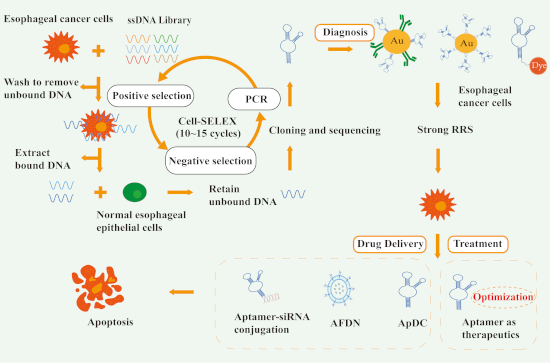
- serum samples. The capture probe is an EGFR aptamer with thiol modification, and the signal probe is an anti-EGFR antibody. This multifunctional cellular probe specifically recognizes and binds to EGFR on the cell surface, inducing the formation of probe aggregates that significantly enhance resonance
- strategy for esophageal cancer and demonstrates the potential application of aptamer technology in esophageal cancer treatment. 5.2 Aptamer-functionalized drug nanocarriers A multifunctional strategy based on aptamer nanoformulation of chemotherapeutic drugs and gene therapy could protect chemotherapeutic


Multifunctional anionic nanoemulsion with linseed oil and lecithin: a preliminary approach for dry eye disease
Beilstein J. Nanotechnol. 2025, 16, 1711–1733, doi:10.3762/bjnano.16.120
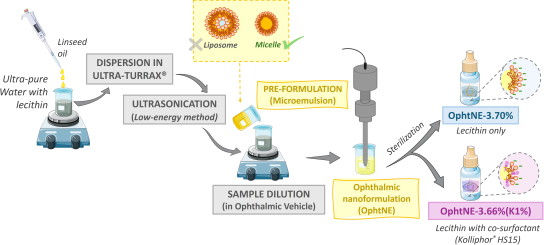
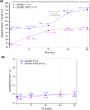
- >75% cell viability in L929 cells and ~10% 2,2-diphenyl-1-picrylhydrazyl (DPPH) antioxidant effect. These findings support the multifunctional potential (cytocompatibility and antioxidant) of sterile OphtNE-3.66%(K1%) for the treatment of DED, emphasizing the need for in vivo studies to ensure its
- therapeutic option for this ocular condition. Artificial tear products commonly used to alleviate symptoms of DED contain various ingredients that promote osmoprotective and antioxidant effects. In this context, this study proposes the development of an ophthalmic nanoemulsion with multifunctional action
- components of tear fluid [2][89]. Based on this, an anionic profile was selected in this study to optimize retention and interaction with the ocular environment, aiming to support tear film function and alleviate dry eye symptoms through the multifunctional properties of LO. Although the physicochemical



Prospects of nanotechnology and natural products for cancer and immunotherapy
Beilstein J. Nanotechnol. 2025, 16, 1644–1667, doi:10.3762/bjnano.16.116
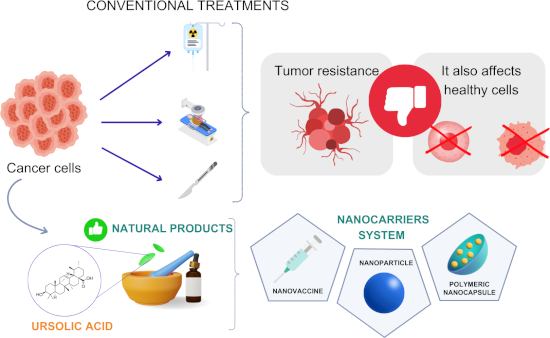
- , nanotechnology opens up unprecedented opportunities in cancer immunotherapy by facilitating the co-delivery of chemotherapeutic agents, immunomodulators, and gene editing tools [22]. These multifunctional platforms can modulate the tumor microenvironment, enhance antigen presentation, reverse local


Nanotechnology-based approaches for the removal of microplastics from wastewater: a comprehensive review
Beilstein J. Nanotechnol. 2025, 16, 1607–1632, doi:10.3762/bjnano.16.114
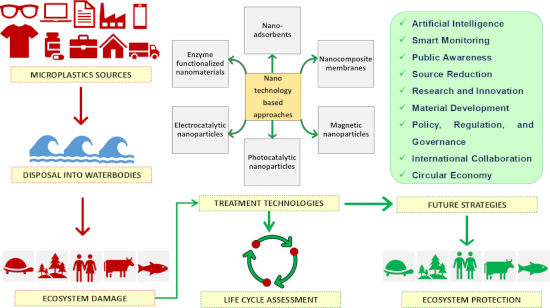
- membranes show strong promise for practical use in filtering MPs and other suspended particles from wastewater. Urso et al. [121] introduced a novel method for real-time capture and detection of NPs in a three-dimensional environment using multifunctional microrobots derived from MXene-based oxides. The


Transient electronics for sustainability: Emerging technologies and future directions
Beilstein J. Nanotechnol. 2025, 16, 1545–1556, doi:10.3762/bjnano.16.109
- identifies three central areas that warrant focused development. First, the expansion of the available materials palette is essential to support diverse electronic functionalities. Second, advancements in high-density integration techniques are required to realize sophisticated, multifunctional devices
- meeting the multifunctional demands of implantable bioelectronics, which require precise control over electrical stability, mechanical flexibility, and degradation timing. A versatile material portfolio enables customized device designs tailored to operation duration, implantation site, and mechanical
- layers are also increasingly expected to provide resistance against mechanical shocks, electromagnetic shielding, and thermal dissipation. The development of new material systems capable of fulfilling these multifunctional requirements is essential for expanding the practical utility of bioresorbable


Cross-reactivities in conjugation reactions involving iron oxide nanoparticles
Beilstein J. Nanotechnol. 2025, 16, 1504–1521, doi:10.3762/bjnano.16.106
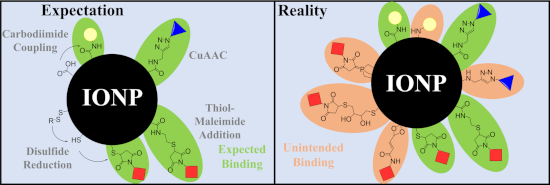
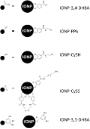
- is also assumed that the multifunctional ligands used for the stabilization of the IONPs themselves bind with a single binding mode, which may be an incorrect assumption that can impact downstream functionalization [42]. For the purposes of multifunctional IONPs, which can possess complex, modular







Laser processing in liquids: insights into nanocolloid generation and thin film integration for energy, photonic, and sensing applications
Beilstein J. Nanotechnol. 2025, 16, 1428–1498, doi:10.3762/bjnano.16.104






Better together: biomimetic nanomedicines for high performance tumor therapy
Beilstein J. Nanotechnol. 2025, 16, 1246–1276, doi:10.3762/bjnano.16.92
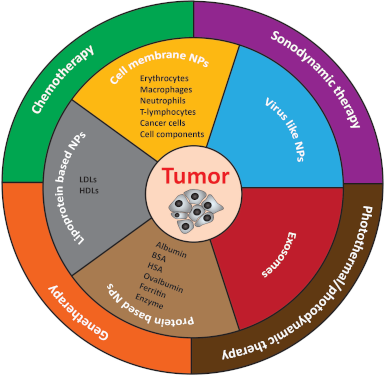
- integrating nature-inspired architectures, these smart, multifunctional biomimetic nanoparticles offer a promising path to overcome current therapeutic challenges and revolutionize precision oncology. Review 1 Types of biomimetic nanoparticles 1.1 Cell membrane-camouflaged nanoparticles Cell membranes have
- various NPs, mostly for diagnostic or multifunctional theranostic applications. 1.3.1 Albumin. Albumin is a major protein present in blood and widely studied for drug–protein interaction and nanoparticle corona formation studies. Due to its immunocompatibility, long half-life, and abundance of binding
- in which enzymes that perform sequential functions of a metabolic pathway are noncovalently associated with each other. The multifunctional enzyme complexes inspired researchers to design multienzyme complexes of their own choice. Initially, multiple enzymes were co-loaded in liposomes to perform