Search results
Search for "nanoparticle formation" in Full Text gives 60 result(s) in Beilstein Journal of Nanotechnology.
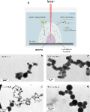
Restorative potential of laser-synthesized silver nanoparticles with Salvia officinalis for periodontal disease treatment: an in vitro study
Beilstein J. Nanotechnol. 2026, 17, 781–795, doi:10.3762/bjnano.17.55
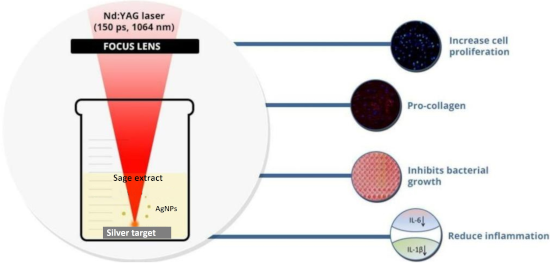
- important for AgNP synthesis and stabilization since it possesses potent reducing properties to convert Ag+ ions to AgNPs [25]. This reduction is enhanced by caffeic acid, which acts synergistically to facilitate nanoparticle formation and stabilization [31][32], suggesting that the sage extract obtained in
- knowledge, there are no studies that directly investigated the role of camphor in the synthesis of AgNPs. However, literature findings indicate that plant extracts rich in camphor may contribute to nanoparticle formation by acting as both reducing and stabilizing agent, suggesting its role in AgNP synthesis



Two-step laser synthesis of Ag@TiO2 nanomaterials for the photocatalytic degradation of rhodamine B
Beilstein J. Nanotechnol. 2026, 17, 622–634, doi:10.3762/bjnano.17.43
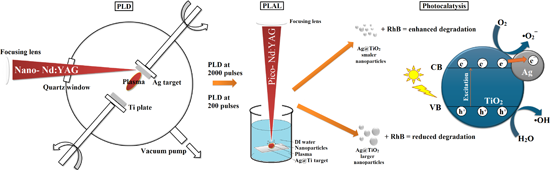
- different materials or did not include controlled metal deposition prior to nanoparticle formation, particularly when using picosecond laser ablation. In this work, we introduce a two-step strategy combining nanosecond PLD and picosecond PLAL. This approach enables controlled silver loading prior to
- nanoparticle formation, leading to improved control over nanoparticle structure and photocatalytic performance. Results and Discussion SEM analysis The surface morphology of PLD-prepared samples was analyzed using SEM-EDS (Figure 2 and Figure 3). SEM images of the sample surface after deposition of silver on


Laser–material interactions in liquids for the synthesis of nanomaterials: current status and perspectives
Beilstein J. Nanotechnol. 2026, 17, 571–575, doi:10.3762/bjnano.17.38

- synthesis productivity [21]. This complexity has driven major efforts within the LSPC community toward elucidating the roles of the solvent environment [6][22], target geometry [23], and irradiation conditions [24] in nanoparticle formation. Advancing these efforts requires a fundamental understanding of
- the underlying processes, motivating computational and experimental studies focused on the mechanisms governing nanoparticle synthesis. Theoretical and computational studies of LSPC have provided important insights into the emergence of cavitation bubble and nanoparticle formation mechanisms in LAL
Gold nanoparticle-decorated reduced graphene oxide as a highly effective catalyst for the selective α,β-dehydrogenation of N-alkyl-4-piperidones
Beilstein J. Nanotechnol. 2026, 17, 218–238, doi:10.3762/bjnano.17.15
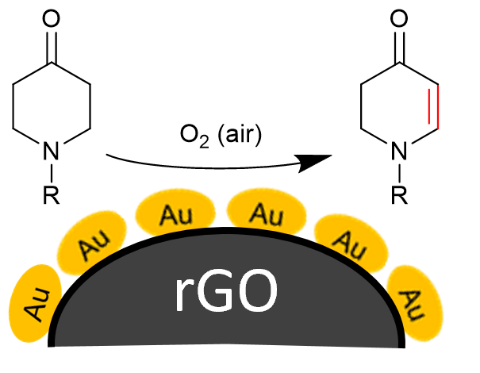
- density due to its high porosity than the other carbon materials AC and CB, as illustrated in Supporting Information File 1, Figure S4. When comparing the two reduction methods, hot reduction with NaCit and cold reduction with POM (SiW9), important differences arise in nanoparticle formation. NaCit is a


Laser ablation in liquids for shape-tailored synthesis of nanomaterials: status and challenges
Beilstein J. Nanotechnol. 2025, 16, 1963–1997, doi:10.3762/bjnano.16.137
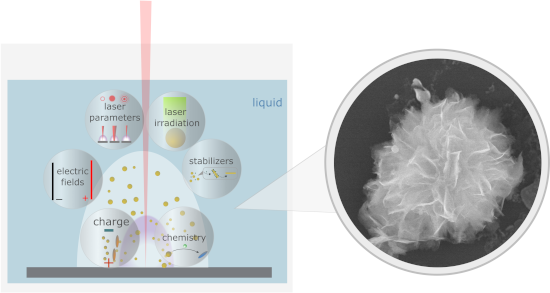
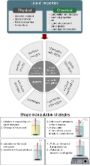
- composition offers a simple and convenient way to manipulate nanoparticles during and after synthesis. This variation can alter the mechanisms governing not only nanoparticle formation but also their growth and assembly, leading to novel architectures and hierarchical structures. The influence of the liquid




On the road to sustainability – application of metallic nanoparticles obtained by green synthesis in dentistry: a scoping review
Beilstein J. Nanotechnol. 2025, 16, 1851–1862, doi:10.3762/bjnano.16.128
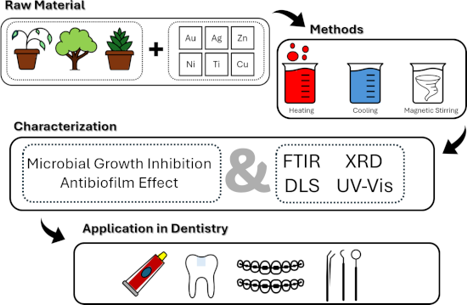
- bacteria, offers a sustainable alternative by leveraging natural reducing agents like polyphenols and flavonoids. These bioactive compounds not only facilitate nanoparticle formation but also improve stability and biological efficacy, making them ideal for dental applications such as caries prevention
- nanoparticle formation in real time by detecting surface plasmon resonance bands, which provide insight into particle size and distribution [57]. XRD offers detailed information on the crystalline structure and phase composition of the nanoparticles, confirming successful synthesis and purity [53]. Together


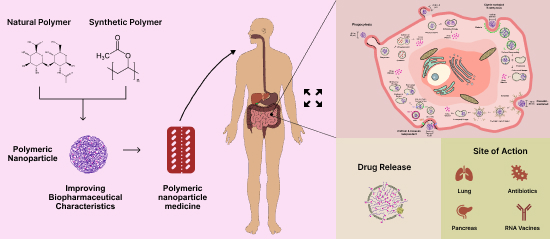
Exploring the potential of polymers: advancements in oral nanocarrier technology
Beilstein J. Nanotechnol. 2025, 16, 1751–1793, doi:10.3762/bjnano.16.122


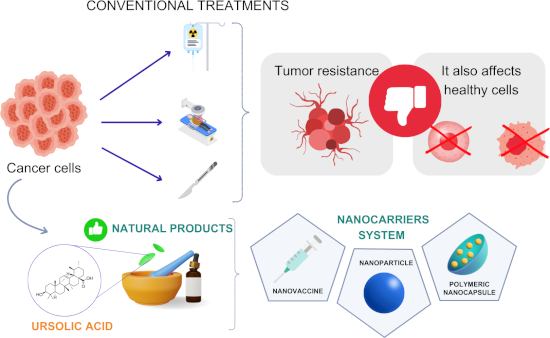
Prospects of nanotechnology and natural products for cancer and immunotherapy
Beilstein J. Nanotechnol. 2025, 16, 1644–1667, doi:10.3762/bjnano.16.116


Laser processing in liquids: insights into nanocolloid generation and thin film integration for energy, photonic, and sensing applications
Beilstein J. Nanotechnol. 2025, 16, 1428–1498, doi:10.3762/bjnano.16.104
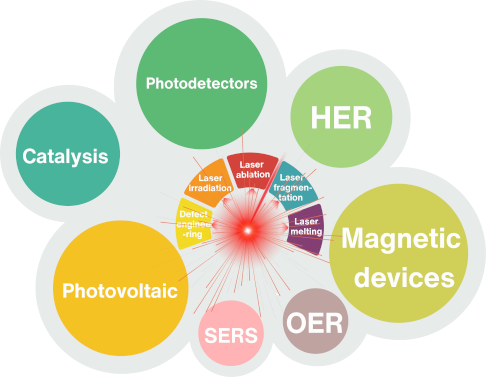
- exploration of the nanoparticle formation mechanism. These advanced analytical methods offer higher temporal and spatial resolutions compared to conventional techniques [22][23][24][25]. A recent review by Byram et al. [11] highlights the significant advancements made in PLAL over the past decade using laser
- after LFL treatment. By adjusting processing parameters such as solvent choice, the defect emission, including green defect emissions, can be controlled, providing further opportunities for tailoring the optical properties of NPs for various applications. The mechanisms behind nanoparticle formation
- the particle size, inhomogeneous heating occurs, leading to nanoparticle formation as a byproduct [55][56]. Therefore, a method called burst mode has been explained to control particle heating and suppress byproduct formation through partial evaporation as shown in Figure 6 [54][57][58][59][60]. The






Photochemical synthesis of silver nanoprisms via green LED irradiation and evaluation of SERS activity
Beilstein J. Nanotechnol. 2025, 16, 1417–1427, doi:10.3762/bjnano.16.103
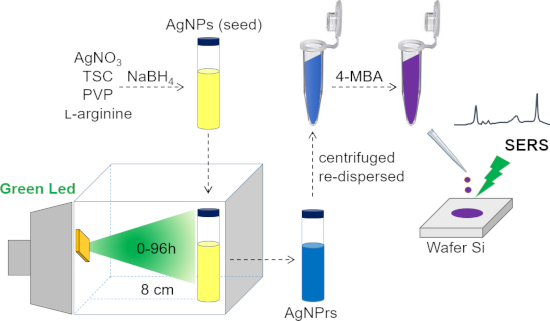
- began to emerge at approximately 650 nm. This shoulder became more prominent after 24 h, shifting slightly to 662 nm. The appearance of this absorption feature indicated the onset of anisotropic nanoparticle formation, such as silver nanoprisms [4][5][6][7]. After 48 h of LED irradiation, the IPD peak


Enhancing the therapeutical potential of metalloantibiotics using nano-based delivery systems
Beilstein J. Nanotechnol. 2025, 16, 1350–1366, doi:10.3762/bjnano.16.98
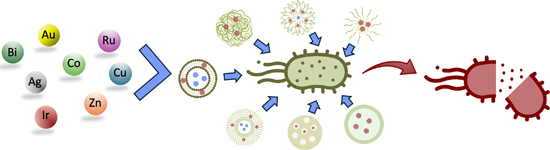
- encapsulation in SLNs include high-pressure homogenization and microemulsion techniques. In these processes, drugs are incorporated in the melted lipid before nanoparticle formation, leading to high entrapment efficiency within the solidified lipid matrix, whereas hydrophilic drugs may be partitioned at the


Fabrication of metal complex phthalocyanine and porphyrin nanoparticle aqueous colloids by pulsed laser fragmentation in liquid and their potential application to a photosensitizer for photodynamic therapy
Beilstein J. Nanotechnol. 2025, 16, 1088–1096, doi:10.3762/bjnano.16.80
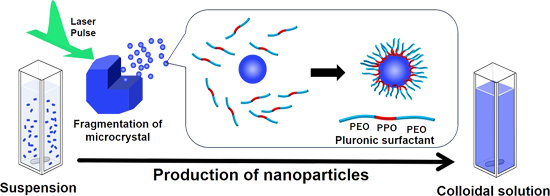
- wt %) with a nanosecond pulsed laser at 140 mJ·cm−2. (b) Absorption spectra of the pure CoPc colloid without F-127 while standing over the period of one week after preparation. Schematic illustration of dispersible nanoparticle formation by PLAL of microcrystalline powders in F-127 solution. The


Time-resolved probing of laser-induced nanostructuring processes in liquids
Beilstein J. Nanotechnol. 2025, 16, 968–1002, doi:10.3762/bjnano.16.74


Morphology and properties of pyrite nanoparticles obtained by pulsed laser ablation in liquid and thin films for photodetection
Beilstein J. Nanotechnol. 2025, 16, 785–805, doi:10.3762/bjnano.16.60
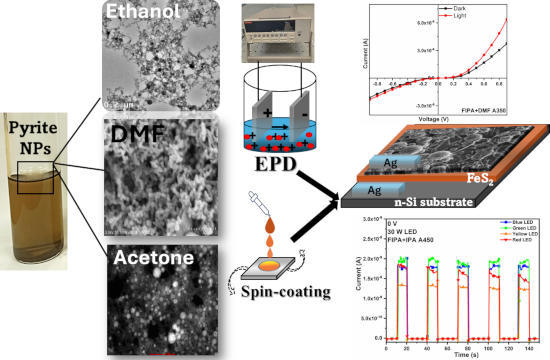
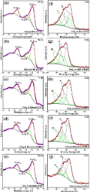
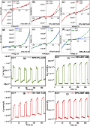
- standard deviation values in each case are given in the respective figures (Figures 4–6d). From the above analysis, it is evident that different morphologies of FeS2 nanoparticles are generated by PLAL as the liquid medium changes. The ablation and nanoparticle formation mechanism begins with the FeS2
- factors that influence the mechanism of nanoparticle formation. The physical properties of all solvents are tabulated in Supporting Information File 1 (Table S1). Modifying the liquid medium is one of the most effective and adaptable techniques to control particle size distribution and morphology during






Retrieval of B1 phase from high-pressure B2 phase for CdO nanoparticles by electronic excitations in CdxZn1−xO composite thin films
Beilstein J. Nanotechnol. 2025, 16, 551–560, doi:10.3762/bjnano.16.43

- . Kandasami and C. Bittencourt, "Stabilization of the high-pressure phase of CdO by nanoparticle formation in CdxZn1−xO thin films", article no. 119744, Copyright (2024), with permission from Elsevier. This content is not subject to CC BY 4.0 (b) XRD pattern for CZ900_Pris, CZ900_113O, CZ900_313O, CZ900_113Ag


Size control of nanoparticles synthesized by pulsed laser ablation in liquids using donut-shaped beams
Beilstein J. Nanotechnol. 2025, 16, 407–417, doi:10.3762/bjnano.16.31
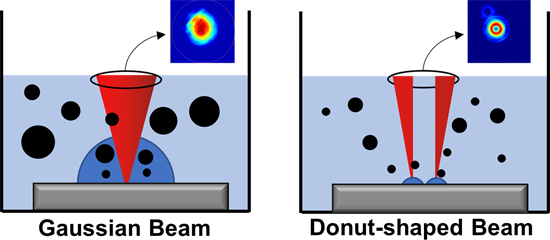
- the spatial distribution of the laser intensity and, thus, the radiation absorption by the target, influencing plasma plume and cavitation bubble formation, evolution, cooling, and the temperature and pressure conditions that determine nanoparticle formation. In the case of a donut-shaped beam, the


Engineered PEG–PCL nanoparticles enable sensitive and selective detection of sodium dodecyl sulfate: a qualitative and quantitative analysis
Beilstein J. Nanotechnol. 2025, 16, 385–396, doi:10.3762/bjnano.16.29
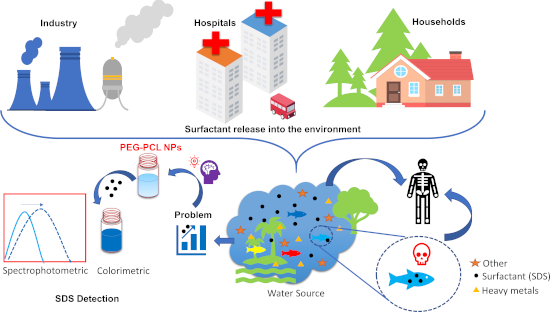
- surveillance and assessment. Schematic representation of PEG–PCL nanoparticle synthesis via ring-opening copolymerization (ROC). The diagram illustrates the stepwise chemical process of nanoparticle formation, highlighting key molecular transformations and reaction conditions involved in the polymerization


Pulsed laser in liquid grafting of gold nanoparticle–carbon support composites
Beilstein J. Nanotechnol. 2025, 16, 349–361, doi:10.3762/bjnano.16.26
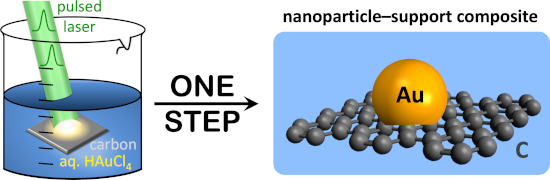
- that our laser fluence did not enable carbon sublimation. Stable gold colloids have been produced by reactive nanosecond laser irradiation of aqueous [AuCl4]– solutions [29][30]. Colloidal gold nanoparticle formation occurred by nucleation of reduced (metallic) gold atoms [25][31][32]. As in pulsed


Preferential enrichment and extraction of laser-synthesized nanoparticles in organic phases
Beilstein J. Nanotechnol. 2025, 16, 254–263, doi:10.3762/bjnano.16.20
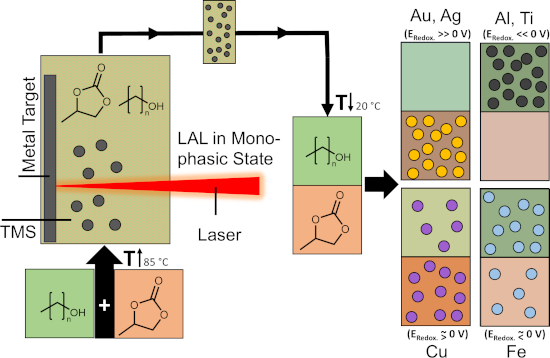
- to the two simultaneously occurring and commonly accepted nanoparticle formation mechanisms happening during the plume phase of LAL (picosecond to longer nanosecond time scale) [57][58]. Recent spatiotemporal, large-scale molecular dynamic simulations show that the thermal history of nanoparticles
- carbonate and alcohol might influence the occurring interactions and reactions between the solvent and the Cu and Fe particles the most during nanoparticle formation, which then leads to a difference in phase preference of the formed nanoparticle fractions. Yet, this remains highly speculative and neglects




Unveiling the potential of alginate-based nanomaterials in sensing technology and smart delivery applications
Beilstein J. Nanotechnol. 2024, 15, 1077–1104, doi:10.3762/bjnano.15.88
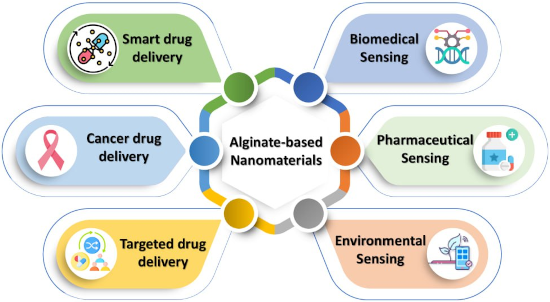
- alginate solution, and the nanoparticle formation reaction is initiated by adjusting the pH. During the reaction, sodium alginate acts as a reducing agent, as it contains carboxylic groups that can interact with the divalent cations and reduce them to form nanoparticles. After the formation of metal nuclei


Laser synthesis of nanoparticles in organic solvents – products, reactions, and perspectives
Beilstein J. Nanotechnol. 2024, 15, 638–663, doi:10.3762/bjnano.15.54
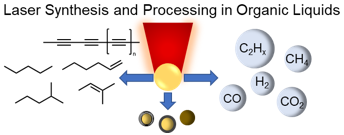
- [36]. Depending on the process, gas formation can be attributed to different redox reactions that contribute to nanoparticle formation. For the laser ablation, fragmentation, and melting processes, the nanoparticles are found to be at least partially oxidized, ranging from a surface oxidation of 5–10
- the formation of reducing agents for metal nanoparticle formation during irradiation of metal salt solutions with ultrashort pulses. Several LRL syntheses of nanoparticles, which provide either noble metals, base metals, or oxides, are available and, given the recent review of Frias Batista et al
- . Interestingly, solvent decomposition could be connected to the chemical behavior of the solvent during pyrolysis, although laser ablation is not a thermodynamically driven process [107]. However, hydrogen is not the only gas observed during nanoparticle formation processes. Kalus et al. reported the formation





Biocatalytic synthesis and ordered self-assembly of silica nanoparticles via a silica-binding peptide
Beilstein J. Nanotechnol. 2023, 14, 280–290, doi:10.3762/bjnano.14.25
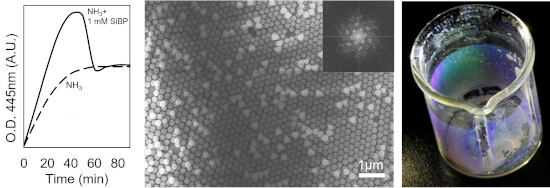
- coalescence and Ostwald ripening of the particles. Growth by coalescence and Ostwald ripening is a fundamental process that plays a dominant role in nanoparticle formation. In coalescence, two or more particles combine to form a larger particle, whereas in Ostwald ripening, small particles dissolve in a
- reactions are demonstrated in Figure 6b. Conclusion We investigated the utility of a silica-binding peptide (SiBP) on SiO2 nanoparticle formation and self-assembly. We demonstrated that the SiBP can function in multiple ways in the synthesis and assembly processes (see Supporting Information File 1, Figure




Antimicrobial and mechanical properties of functionalized textile by nanoarchitectured photoinduced Ag@polymer coating
Beilstein J. Nanotechnol. 2023, 14, 95–109, doi:10.3762/bjnano.14.11
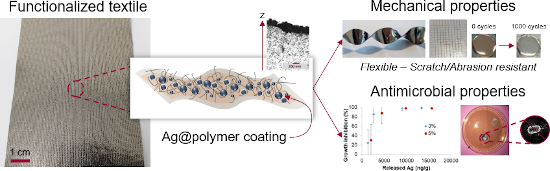
- seconds of exposure in the case of the Ag@PEG600DA coating (Figure 2a). As can be seen in Figure 2, AgNP synthesis is much faster in Ag@PEG600DA coatings than in the case of the PEG600DA/PETIA matrix. Indeed, as a diacrylate, PEG600DA offers less cross-linking sites than PETIA, which promotes nanoparticle
- formation and coalescence during UV exposure. When comparing the absorbance spectra for both coatings after 15 s irradiation, the full-widths at half maximum (FMWH) are calculated to be 134 and 131 nm, for Ag@PEG600DA and Ag@PEG600DA/PETIA, respectively (Figure 2c). Consequently, the nanoparticle size



In search of cytotoxic selectivity on cancer cells with biogenically synthesized Ag/AgCl nanoparticles
Beilstein J. Nanotechnol. 2022, 13, 1505–1519, doi:10.3762/bjnano.13.124
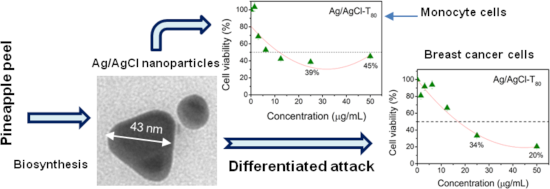
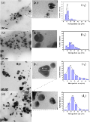
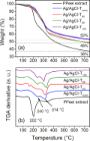
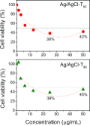
- for Ag nanoparticle formation using extracts from Cucurbita maxima, Moringa oleifera, and Acorus calamus. The FTIR results are shown in Figure 5. The spectra of the precursor salt and pineapple peel extract are shown for signal comparison. In the spectrum of the AgNO3 salt, some signals were observed





Sputtering onto liquids: a critical review
Beilstein J. Nanotechnol. 2022, 13, 10–53, doi:10.3762/bjnano.13.2
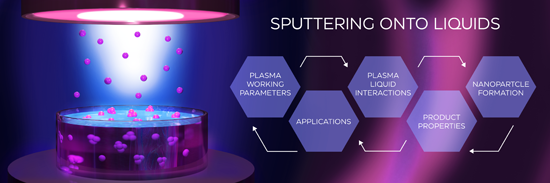
- overview of the properties and applications of the produced NPs. Keywords: low-pressure plasmas; magnetron; nanoparticles; nanoparticle formation; sputtering; sputtering onto liquids; Introduction According to the general terminology, nanoparticles (NPs) are objects that have a size of less than 100 nm