Search results
Search for "oxidative stress" in Full Text gives 107 result(s) in Beilstein Journal of Nanotechnology.
Development of Protium heptaphyllum essential oil-loaded nanocapsules: experimental design and biological activity
Beilstein J. Nanotechnol. 2026, 17, 974–990, doi:10.3762/bjnano.17.67
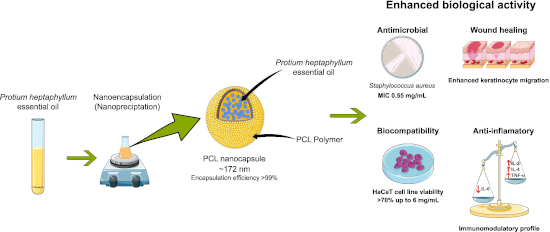
- organization and permeability [46][47]. Future studies must clarify the underlying mechanisms by using specific assays to evaluate membrane integrity, assess oxidative stress, or determine apoptosis. According to ISO 10993-5 guidelines, a viability reduction greater than 30% compared to controls indicates


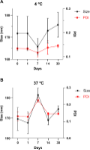


Nanocarrier strategies to overcome P-glycoprotein-mediated drug resistance in cancer therapy
Beilstein J. Nanotechnol. 2026, 17, 882–921, doi:10.3762/bjnano.17.64
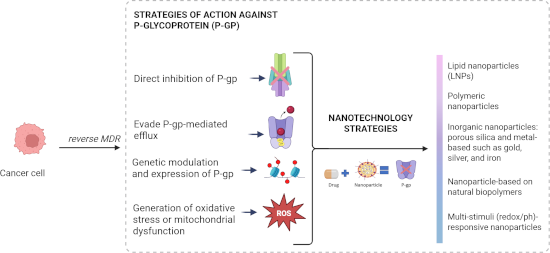
- reduced off-target effects. Such multifunctional nanoplatforms represent the growing shift from single-mechanism to precision-targeted therapeutic systems within the field of P-gp modulation. 3.1.4 Generation of oxidative stress or mitochondrial dysfunction. Unlike direct inhibition of drug efflux pumps
- high stable P-gp expression (e.g., leukemias and drug-refractory breast cancers), but clinical translation is hampered by nucleic acid instability and delivery barriers [34][39]. Finally, oxidative stress-based strategies are broadly effective as ROS overproduction can suppress P-gp and induce


Nanoparticle delivery systems for HIV pre-exposure prophylaxis (PrEP): advances and challenges
Beilstein J. Nanotechnol. 2026, 17, 839–853, doi:10.3762/bjnano.17.60
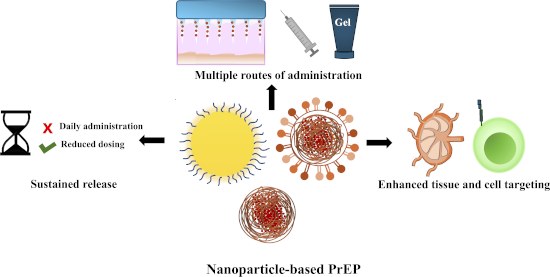
- ’ intrinsic antiviral actions such as protease inhibition [72][73][74]. Some studies of the toxicity of MNPs have provided indications of mitochondrial dysfunction, increased membrane permeability, cellular damage, and oxidative stress in host cells in response to MNP exposure [75][76]. Silicon-based systems


Restorative potential of laser-synthesized silver nanoparticles with Salvia officinalis for periodontal disease treatment: an in vitro study
Beilstein J. Nanotechnol. 2026, 17, 781–795, doi:10.3762/bjnano.17.55
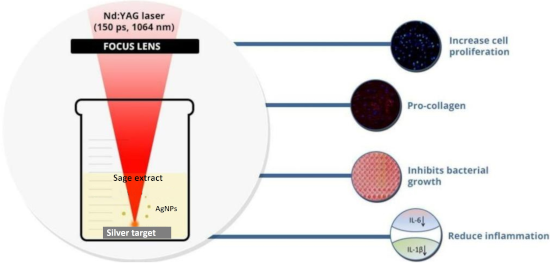
- activity and can modulate cell viability and oxidative stress in a size- and concentration-dependent manner [14]. Based on these findings, we hypothesize that AgNPs produced by PLAL in an aqueous sage extract environment could maintain the bioactive properties of both AgNPs and sage extract, leading to


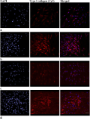

Environmental applications of silver nanoparticles: state-of-the-art review and emerging trends
Beilstein J. Nanotechnol. 2026, 17, 697–736, doi:10.3762/bjnano.17.49
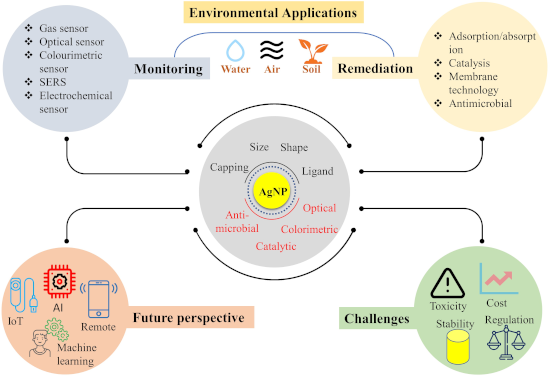


Advances in nanotechnology applied to natural products
Beilstein J. Nanotechnol. 2026, 17, 555–558, doi:10.3762/bjnano.17.36

- physicochemical stability, increase apparent bioavailability, and modulate biological responses. In systemic delivery, microemulsions have been reported to enhance the absorption and therapeutic performance of natural compounds, with associated reductions in metabolic alterations and oxidative stress in
Nanocarrier-integrated multilayer films produced by 3D printing for improved skin adhesion and curcumin photostability
Beilstein J. Nanotechnol. 2026, 17, 440–453, doi:10.3762/bjnano.17.30
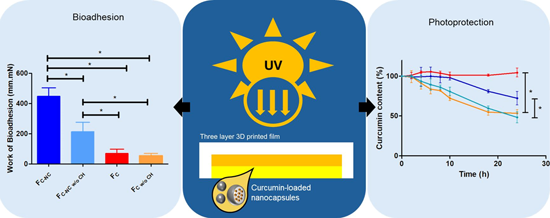
- as antioxidant activity through reactions with free radicals or reactive oxygen species (ROS) and inhibition of lipid peroxidation and DNA damage. These mechanisms contribute to reduced oxidative stress and enhanced wound-healing processes [17]. Consequently, curcumin is currently under investigation


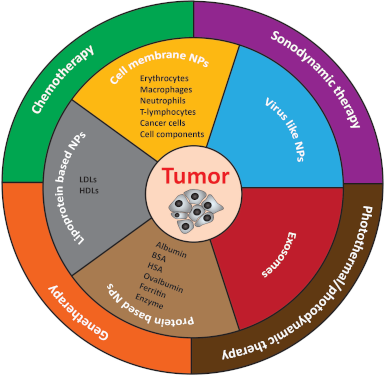
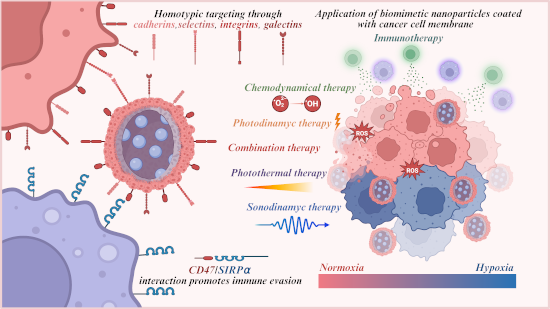
Biomimetic nanoparticles in cancer photodynamic therapy: a review of targeted delivery systems and therapeutic outcomes
Beilstein J. Nanotechnol. 2026, 17, 396–422, doi:10.3762/bjnano.17.27


Durable antimicrobial activity of fabrics functionalized with zeolite ion-exchanged nanomaterials against Staphylococcus aureus and Escherichia coli
Beilstein J. Nanotechnol. 2026, 17, 262–274, doi:10.3762/bjnano.17.18
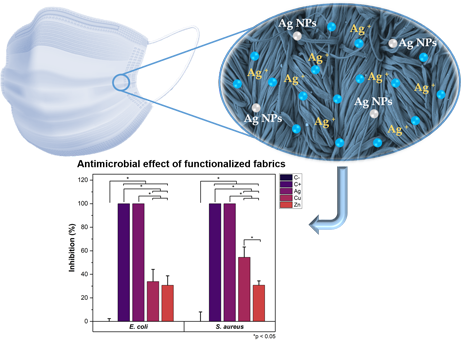
- nanoparticles act against viruses involves the interaction with the surface of the NPs, leading to adhesion and inactivation, thereby preventing the virion from entering the host cell. NPs release ions or transfer them to microorganisms, inducing oxidative stress. Given these possible mechanisms, viral




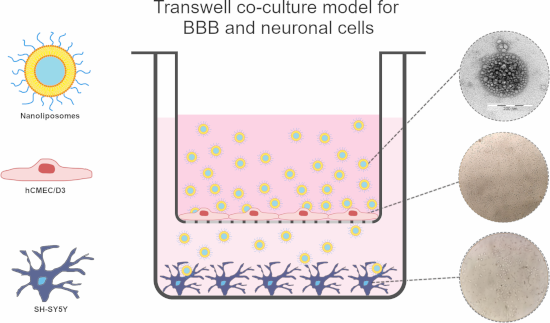
Influence of surface characteristics on the in vitro stability and cell uptake of nanoliposomes for brain delivery
Beilstein J. Nanotechnol. 2026, 17, 139–158, doi:10.3762/bjnano.17.9




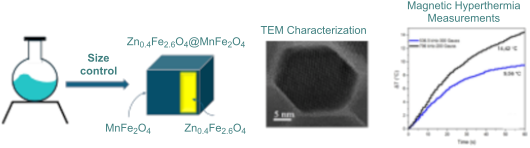
Improving magnetic properties of Mn- and Zn-doped core–shell iron oxide nanoparticles by tuning their size
Beilstein J. Nanotechnol. 2025, 16, 2285–2295, doi:10.3762/bjnano.16.157
- they induce oxidative stress, genotoxic effects, and inflammation [8][9]. This has raised concerns regarding their use in clinical applications, leading researchers to develop alternative, non-toxic substitutes for Co-based nanoparticles. In this context, manganese ferrite (MnFe2O4) has been identified
- high SAR values, cobalt-containing nanoparticles are not suitable for biomedical applications due to the well-known cytotoxicity of cobalt ions. Studies have shown that cobalt ions released from nanoparticles can induce oxidative stress, inflammation, and cellular damage, which limits their use in



Microplastic pollution in Himalayan lakes: assessment, risks, and sustainable remediation strategies
Beilstein J. Nanotechnol. 2025, 16, 2144–2167, doi:10.3762/bjnano.16.148
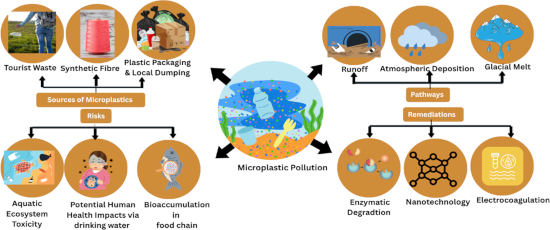
- -altitude lakes, where particles accumulate in the gut and gill tissues and interfere with normal physiological functions [113]. The low molecular weight of MPs, and particularly nanoparticles (NPs), allows them to easily translocate into organs and tissues resulting in inflammation, oxidative stress, and


Rapid synthesis of highly monodisperse AgSbS2 nanocrystals: unveiling multifaceted activities in cancer therapy, antibacterial strategies, and antioxidant defense
Beilstein J. Nanotechnol. 2025, 16, 2105–2115, doi:10.3762/bjnano.16.145
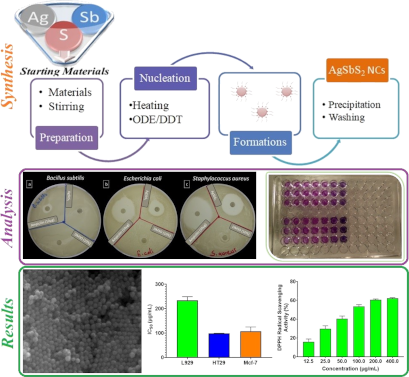
- novel antimicrobial agents. Nanoparticle therapy is emerging as a prominent avenue toward that end [8]. Free radicals represent an important focus in pharmacological research. The severity of oxidative stress, defined as the imbalance between the formation of reactive oxygen/nitrogen species (ROS/RNS
- ) and the activity of the organism’s antioxidative defense systems, is associated with various pathologies such as cancer, aging, and cardiovascular diseases [9]. Some anti-pathological responses of nanoparticles are mediated through increased production of ROS and induction of oxidative stress. This
- nanoparticles [44][45]. Cell inhibition in cell lines can be attributed to intracellular accumulation of nanoparticles leading to oxidative stress-induced apoptosis and necrosis [46]. The findings of this investigation demonstrate that NCs exhibit a substantially lower inhibitory effect on healthy cell lines


Toward clinical translation of carbon nanomaterials in anticancer drug delivery: the need for standardisation
Beilstein J. Nanotechnol. 2025, 16, 2092–2104, doi:10.3762/bjnano.16.144
- the purity of the NMs and remove any impurities before their use, such as CCFs [43]. Studies have shown that CCFs can induce oxidative stress and inflammation in cells, potentially leading to cellular damage and toxicity [44]. The potential toxicity of CCFs is a concern in the field of CNM research



Current status of using adsorbent nanomaterials for removing microplastics from water supply systems: a mini review
Beilstein J. Nanotechnol. 2025, 16, 1837–1850, doi:10.3762/bjnano.16.127
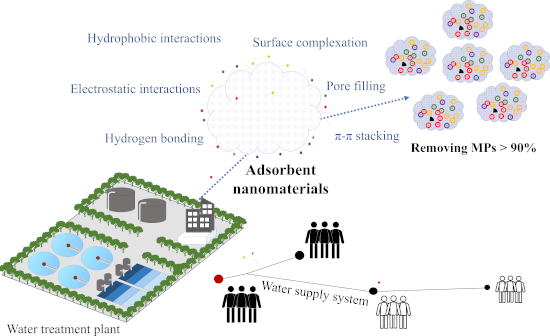
- water, affecting microbial communities and bioaccumulating in food chains, as shown in the study by Yang and colleagues [110]. Carbon-based nanomaterials, like GO, have the potential to react with biological systems, causing oxidative stress in aquatic organisms by generating reactive oxygen species


Phytol-loaded soybean oil nanoemulsion as a promising alternative against Leishmania amazonensis
Beilstein J. Nanotechnol. 2025, 16, 1826–1836, doi:10.3762/bjnano.16.126

- depolarization, consequently leading to the generation of reactive oxygen species (ROS) and oxidative stress in promastigotes. It is noteworthy that Leishmania, like other trypanosomatids, possesses a single mitochondrion, which is responsible for multiple essential metabolic processes and is crucial for


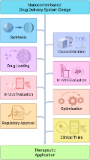
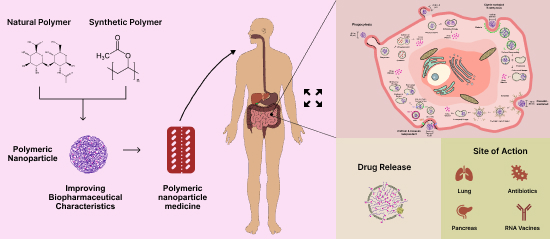
Exploring the potential of polymers: advancements in oral nanocarrier technology
Beilstein J. Nanotechnol. 2025, 16, 1751–1793, doi:10.3762/bjnano.16.122


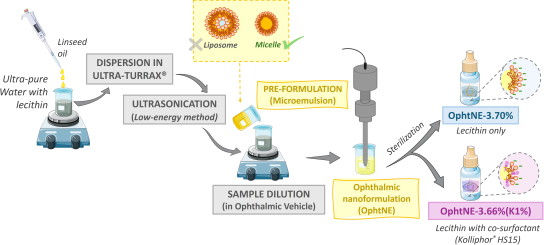
Multifunctional anionic nanoemulsion with linseed oil and lecithin: a preliminary approach for dry eye disease
Beilstein J. Nanotechnol. 2025, 16, 1711–1733, doi:10.3762/bjnano.16.120



Prospects of nanotechnology and natural products for cancer and immunotherapy
Beilstein J. Nanotechnol. 2025, 16, 1644–1667, doi:10.3762/bjnano.16.116
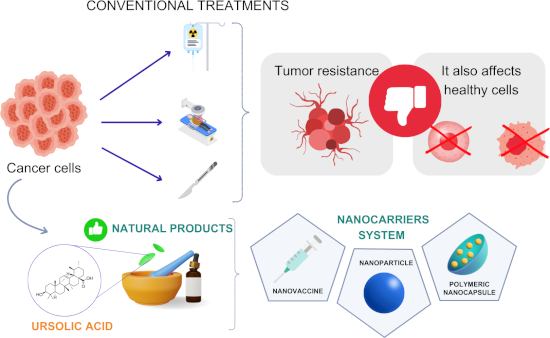
- cell cycle arrest, regulate oxidative stress, enhance metabolic reprogramming, inhibit invasion and metastasis, and modulate immunity and inflammation [129]. The developed nanoparticles underwent physicochemical characterization by SEM, UV–vis spectroscopy, and encapsulation testing, in which the
- effects, which could contribute to cancer prevention and treatment [135]. In cancer therapy, PCs show potential for inhibiting cancer cell proliferation, inducing apoptosis, modulating oxidative stress, suppressing angiogenesis, and interfering with signaling pathways involved in tumor progression [136


Nanotechnology-based approaches for the removal of microplastics from wastewater: a comprehensive review
Beilstein J. Nanotechnol. 2025, 16, 1607–1632, doi:10.3762/bjnano.16.114
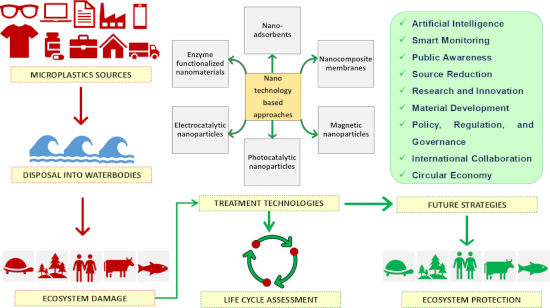
- oxidative stress, histological damage in vital organs, and overall impaired fish health, highlighting their toxic impact on aquatic ecosystems. NPs and MPs negatively impact marine organisms, but their toxicity toward marine bacteria remain less understood. In a study performed by Sun et al. [49], it was
- found that polystyrene NPs, more than MPs, inhibited the growth of Halomonas alkaliphila, disrupted ammonia conversion, and induced oxidative stress. These findings highlight the effect of plastic debris on marine microbial functions, potentially disrupting nitrogen cycles and ecological balance. When
- barrier, while MPs of 20 μm can reach internal organs. Exposure occurs through inhalation, posing risks to adults, while children face dangers from MPs in contaminated drinking water. Once inside the body, MPs can trigger neurotoxicity, cytotoxicity, oxidative stress, immune response, metabolic disruption
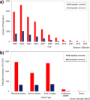


The role of biochar in combating microplastic pollution: a bibliometric analysis in environmental contexts
Beilstein J. Nanotechnol. 2025, 16, 1401–1416, doi:10.3762/bjnano.16.102
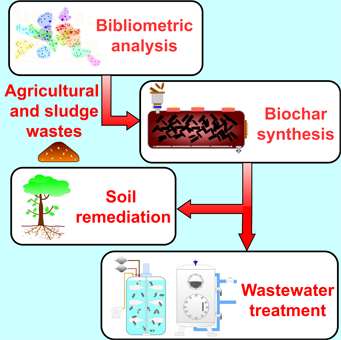
- consequently affecting fruit and seed formation [51]. This effect is primarily due to oxidative stress and cellular damage in plant roots, which diminishes water and nutrient absorption [52]. MPs disrupt root–soil hydrocarbon exchange pathways and hinder photosynthesis. Furthermore, they impair metabolic
- interacting with plants, activating genes associated with oxidative stress resistance, enhancing soil properties and promoting the growth of beneficial microorganisms, enzyme activity, and ARGs. Through these mechanisms, BC contributes to restoring microbial equilibrium, regulating enzymatic functions and



Parylene-coated platinum nanowire electrodes for biomolecular sensing applications
Beilstein J. Nanotechnol. 2025, 16, 1392–1400, doi:10.3762/bjnano.16.101
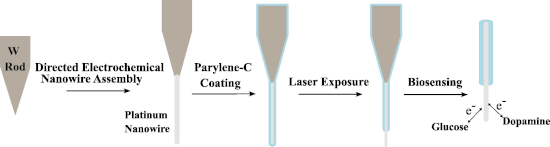
- , and cell oxidative stress [10]. Another important class of biosensors relies on metal nanoparticles, as metals have long served as some of the earliest and most widely utilized materials in biosensor development. Like CNTs, nanoscale metal particles benefit from their small size and high surface-to


Enhancing the therapeutical potential of metalloantibiotics using nano-based delivery systems
Beilstein J. Nanotechnol. 2025, 16, 1350–1366, doi:10.3762/bjnano.16.98
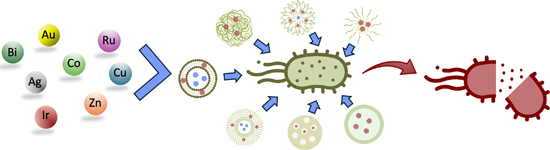
- cell membranes. Following membrane degradation, copper-released ions penetrate into the bacterial cell causing oxidative stress by production of ROS and subsequent degradation of the DNA [114][115]. Recent research has focused on the antibacterial properties of copper complexes derived from quinolones


Ferroptosis induction by engineered liposomes for enhanced tumor therapy
Beilstein J. Nanotechnol. 2025, 16, 1325–1349, doi:10.3762/bjnano.16.97
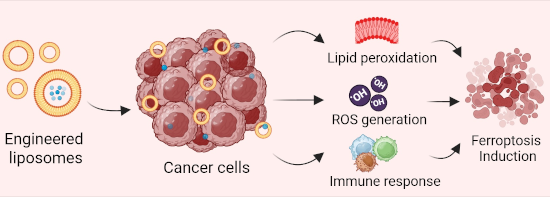
- lysosome failure, Golgi stress-associated lipid peroxidation, and oxidative stress associated with the endoplasmic reticulum [23]. Ferroptosis immediately alters the phenotype and function of immune cells [26]. The intricate relationship between lipid metabolism, cysteine, and iron has been recognized as a
- of ferroptosis. The role of iron metabolism is characterized by the generation of ROS and oxidative stress conditions, while the peroxidation of lipids under these oxidative conditions causes intracellular damage that leads the cell into programmed death by ferroptosis [31][32]. Despite the
- of ferroptosis by dissipating cysteine [36][60][79]. Considering the role of the transcription factor Nuclear Factor Erythroid 2-related Factor 2 (NRF2) in the transcription of genes involved in redox reactions and managing oxidative stress, this factor can be considered an attenuator of ferroptosis


Better together: biomimetic nanomedicines for high performance tumor therapy
Beilstein J. Nanotechnol. 2025, 16, 1246–1276, doi:10.3762/bjnano.16.92