


Search results
Search for "phase" in Full Text gives 1624 result(s) in Beilstein Journal of Nanotechnology. Showing first 200.
Nanoglasses: a trail towards uncharted regions of vitreous materials and their properties?
Beilstein J. Nanotechnol. 2026, 17, 1047–1062, doi:10.3762/bjnano.17.72

- ), the potential structures can vary much more significantly than in any crystalline state. In fact, it is only through the consideration of processing routes beyond the conventional liquid quenching and subsequent relaxation methods, such as gas-phase condensation, sputtering, or electrochemical
- quantity that is determined by the interatomic interactions that also define the crystalline ground state. Nevertheless, the glass–glass interfaces might have a (significantly) decreased free enthalpy as compared to the glass grains. Their spatial extent justifies describing them as a distinct phase, in
- enthalpy of a (uniform) single phase (where the GGI phase, as a “conditional” phase, cannot form without the glass grains). At this point, it should be clarified that the GGIs are treated in this work as independent but “conditional” phase, always implying that this conditional phase can only exist as long


Synthesis and characterization of RF-sputtered ZnTe/Cu2−xTe thin films for solar cell applications
Beilstein J. Nanotechnol. 2026, 17, 1016–1027, doi:10.3762/bjnano.17.69
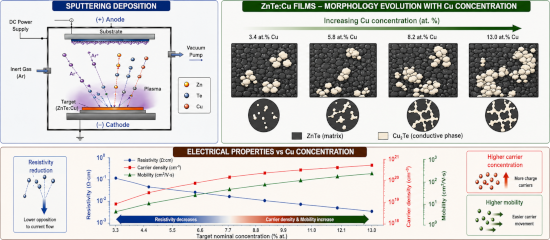
- : back contact materials; Cu2−xTe phases; phase segregation; RF magnetron sputtering; ZnTe thin films; Introduction CdTe solar cells remain one of the leading thin-film photovoltaic technologies due to the near-optimal direct bandgap of CdTe (≈1.45 eV) and its high absorption coefficient (>104 cm−1
- still promote Cu diffusion into the CdTe absorber. Furthermore, the complex polymorphic nature of the CuxTe system and the difficulty in phase control may result in inconsistent electrical behavior and reduced reproducibility. Similarly, ZnTe:Cu thin films deposited by RF sputtering have been
- target, including the combined effects of composition and substrate temperature on phase evolution, microstructure, and functional properties, remains limited. In particular, the relationship between Cu-induced phase segregation, structural evolution, and the resulting electrical transition has not been



Ultrasonic irradiation in the synthesis of nanohydroxyapatite: a chemically friendly technique for improving hemocompatibility and antibiofilm applications
Beilstein J. Nanotechnol. 2026, 17, 991–1015, doi:10.3762/bjnano.17.68
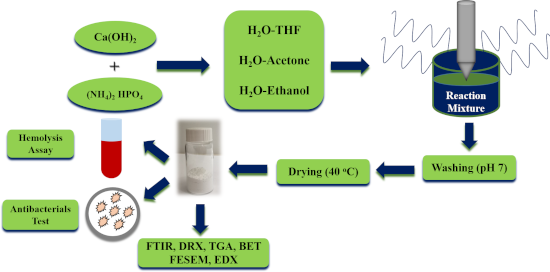
- of ultrasonic waves promotes in the reaction medium the formation and coexistence of another distinct mineral phase with carbonate groups in its composition. Table 2 shows the carbonate content of the nHA samples, which was calculated by integrating the absorption bands in the ν3 region of the CO32
- those obtained via infrared spectroscopy, as shown in Figure 3C. The phenomenon of ultrasonic cavitation, within a polar medium such as a W/ETOH mixture, facilitates the formation of ionic species that are susceptible to rapid recombination processes, giving rise to a more stable crystalline phase
- dynamics of both phases. The formation of hydroxyapatite and calcite is thermodynamically favored, as indicated by their negative standard Gibbs free energy values (ΔG°f). The predominance of the hydroxyapatite phase is consistent with its higher thermodynamic stability within calcium phosphate systems




Development of Protium heptaphyllum essential oil-loaded nanocapsules: experimental design and biological activity
Beilstein J. Nanotechnol. 2026, 17, 974–990, doi:10.3762/bjnano.17.67
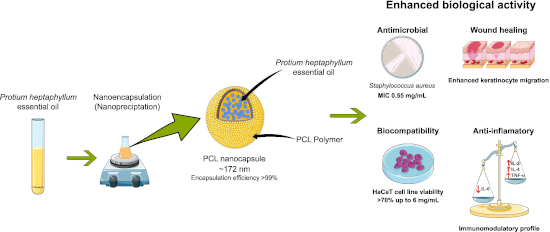
- polymer concentration may have elevated the viscosity of the organic phase, potentially reducing solvent diffusion during nanoprecipitation and delaying nucleation processes. Such diffusion-limited conditions are commonly associated with enhanced droplet coalescence prior to stabilization, which can
- solubilization in the organic phase during nanoprecipitation, resulting in near-complete incorporation. Efficiencies exceeding 95% have been reported in polymeric systems containing lipophilic essential oils [39][40], reinforcing the stability and reproducibility of the process. However, the ultrafiltration
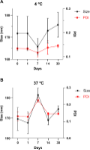
- the nanocapsules, including their colloidal organization and the properties of the polymeric shell. Additionally, the unchanged particle size over time, even under thermal stress, indicate that no phase separation, leakage of the encapsulated compound, or interfacial degradation occurred during




Materials challenges in solid-state sensors for continuous monitoring of ions in water
Beilstein J. Nanotechnol. 2026, 17, 935–973, doi:10.3762/bjnano.17.66
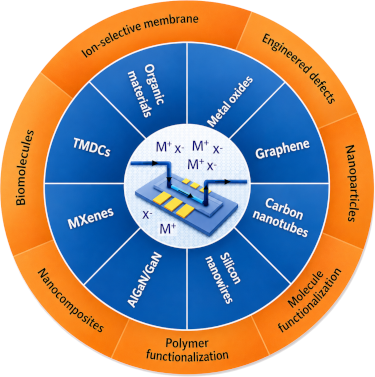
- located further from the channel; this is the core challenge for liquid-phase FET sensing. Practical routes include lowering ionic strength (when acceptable), using small receptors (aptamers) and porous/charge-excluding coatings (like ChemFETs), nano-confinement, or device formats such as the extended
- active edge sites, and susceptibility to chemical and mechanical degradation often lead to signal instability in liquid-phase sensing. In contrast, FLG, typically comprising two to five stacked graphene layers, provides improved structural robustness and reduced noise while retaining high electrical



Enhanced erosion resistance and radiation stability of WC–WO3 nanocomposite films under 100 keV Kr+ ion irradiation
Beilstein J. Nanotechnol. 2026, 17, 922–934, doi:10.3762/bjnano.17.65
- , Netherlands) in the 2θ range from 20° to 80°. Scanning electron microscopy measurements of pristine and irradiated S1 films were performed using a MIRA Tescan II SEM at a high voltage of 25 kV using detector working in secondary-emission mode. Results and Discussion Phase and compositional studies of the
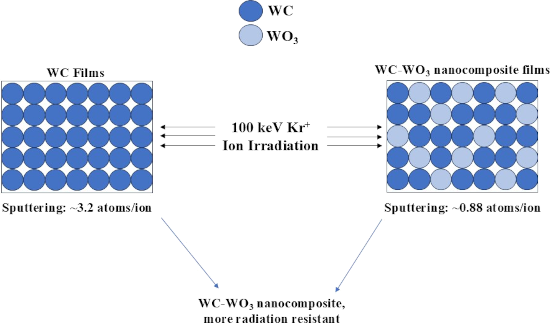
- resistance of the WC–WO3 system to ion-induced erosion. GIXRD results confirm that both WC and WO3 phases of the nanocomposite film retain their crystalline structure even at higher ion fluences, with no observable amorphization or phase decomposition. Additionally, a moderate increase in crystallite size is
- localized defect migration and structural rearrangement while preserving overall phase stability. Overall, the combined findings confirm that WC–WO3 nanocomposite films exhibit superior erosion resistance and maintain structural integrity under energetic ion irradiation conditions. As compared to previous



Supramolecular one-dimensional conducting nanofibers from a C3-symmetric tetrathiafulvalene derivative
Beilstein J. Nanotechnol. 2026, 17, 872–881, doi:10.3762/bjnano.17.63
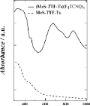
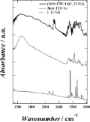
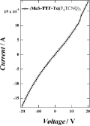
- . Additional 5 M HCl was added until the pH reached 1–2. The layers were separated, and the aqueous phase was extracted with diethyl ether. The combined organic layers were dried over MgSO4, filtered, and concentrated under reduced pressure to afford compound 6 as a red solid. Yield 115.7 mg (92.1%) [44][45


Nanoparticle delivery systems for HIV pre-exposure prophylaxis (PrEP): advances and challenges
Beilstein J. Nanotechnol. 2026, 17, 839–853, doi:10.3762/bjnano.17.60
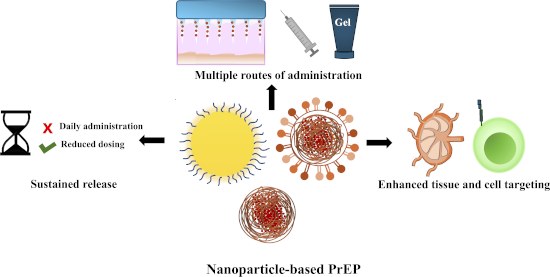
- at least 35 kg [13][14][15]. HPTN 083 and 084 are phase-3 trial studies for injectable CAB as a LA-PrEP compared to daily oral TDF/FTC for HIV prevention [14][16][17][18]. These trials were structured into three phases, an initial “oral-tablet lead-in phase”, followed by an “injection phase”, and
- finally a “tail phase”. In the first lead-in phase, the participants were given oral tablets for five weeks daily. In the injection phase, participants of the CAB received an initial single 3 mL intramuscular (IM) injection of CAB nanosuspension at week 5 of the lead-in phase, a second injection at week 9


Sustainable fabrication of 2D-based devices through reuse of substrates with microfabricated electrodes
Beilstein J. Nanotechnol. 2026, 17, 818–827, doi:10.3762/bjnano.17.58
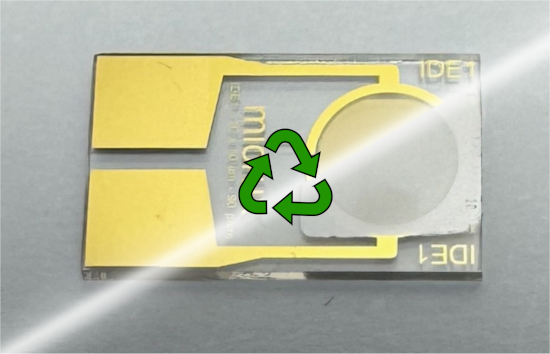
- /substrate interface. In liquid-phase exfoliation (LPE) [25][26], polar aprotic solvents such as NMP and dimethylformamide (DMF) [27] have long been recognized as effective solvents for layered materials [28][29]. In this work, both NMP and DMF deliver strong cleaning performance under our post-transfer


Glycerol photoelectrochemical oxidation reaction at carbon nitrides/BiVO4 materials
Beilstein J. Nanotechnol. 2026, 17, 806–817, doi:10.3762/bjnano.17.57
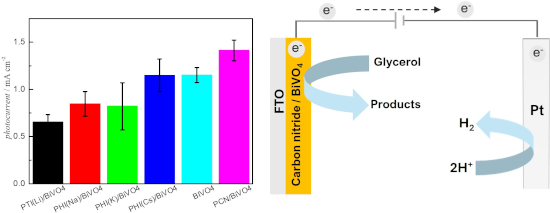
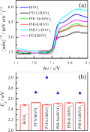
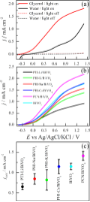
- acetylacetonate at 500 °C for 2 h. The CN/BiVO4 heterojunctions presented bandgap energy values, Eg, similar to pure BiVO4. X-ray diffraction analysis also revealed that the BiVO4 phase was not altered by the presence of the CN. However, scanning electron microscopy analysis coupled to energy-dispersive X-ray
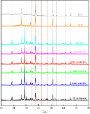
- lines. Furthermore, in films containing C3N4, it is not possible to observe its crystalline phase, likely due to the thin layer of this material on FTO. Supporting Information File 1, Figure S2 brings the CNs XRD for pristine powder forms in which the most intense peaks occur in the range from 26.8 to
- electrolysis (i.e., it has not leached during electrolysis). Therefore, one can conclude the PCN/BiVO4 is an active and stable material for glycerol photoelectrochemical oxidation. During the BiVO4 synthesis, an annealing step at 500 °C is necessary to obtain the monoclinic phase. Given the CNs thermal




Restorative potential of laser-synthesized silver nanoparticles with Salvia officinalis for periodontal disease treatment: an in vitro study
Beilstein J. Nanotechnol. 2026, 17, 781–795, doi:10.3762/bjnano.17.55
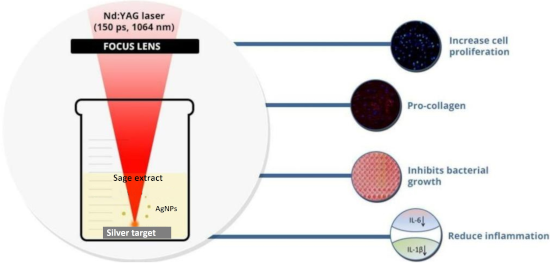
- ) in water in the concentration range of 5–500 μg·mL−1 was prepared. 5 μL of sample was injected and separation was performed on a Zorbax Eclipse XDB-C18 column (150 mm × 4.6 mm, 5 μm) at 35 °C. The components were eluted with a mobile phase based on a 0.1% aqueous solution of formic acid (A) and



Substrate-dependent pore formation in molybdenum disulfide monolayers under ion irradiation
Beilstein J. Nanotechnol. 2026, 17, 769–780, doi:10.3762/bjnano.17.54
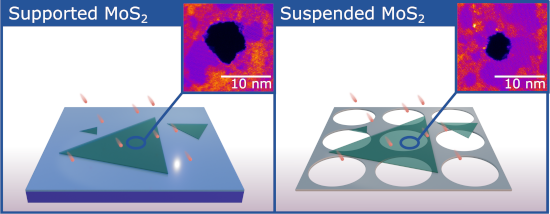
- on experiments performed at the beam line M3 at the GSI Helmholtzzentrum für Schwerionenforschung, Darmstadt (Germany) in the context of FAIR Phase-0. Part of the experiments was done at IRRSUD beamline of GANIL facility. The authors would like to thank the committees of EMIR&A network and IPAC-GANIL


Tailoring Ag–Pt nanoalloys through solid-state dewetting: structural and optical insights
Beilstein J. Nanotechnol. 2026, 17, 748–759, doi:10.3762/bjnano.17.52

- metallic layers is their thickness: the thinner the layer, the lower the temperature at which it transforms into isolated islands. It can be stated that the significant influence of surface energy in thin-film structures, phase separation boundaries (layer–substrate, layer–liquid phase), grain boundaries
- in polycrystalline structures, various defects, mainly linear and plane (e.g., twinning), or finally local inhomogeneities of the thickness of thin films, strongly modify the phase equilibrium system. This, in turn, affects critical properties, including the melting temperature of metallic structures
- to its high gas-absorption capacity, making it highly relevant for catalytic applications. According to phase diagrams, bulk Ag–Pt bimetallic systems exhibit a large miscibility gap at temperatures below approximately 1190 °C, allowing alloy formation only at very high atomic concentrations of either




Superconducting artificial neural networks and quantum circuits
Beilstein J. Nanotechnol. 2026, 17, 744–747, doi:10.3762/bjnano.17.51
- [20]. A theoretical study of the energy spectrum of a coupled single spin interacting with an infinitely coordinated Ising chain reveals a first-order phase transition between two stable phase-symmetric states, resulting in a splitting of the energy minima of the Ising chain. This phenomenon may be
Oxidative atmosphere-driven formation of single-phase spinel CuRh2O4 nanofibers for alkaline water oxidation
Beilstein J. Nanotechnol. 2026, 17, 737–743, doi:10.3762/bjnano.17.50
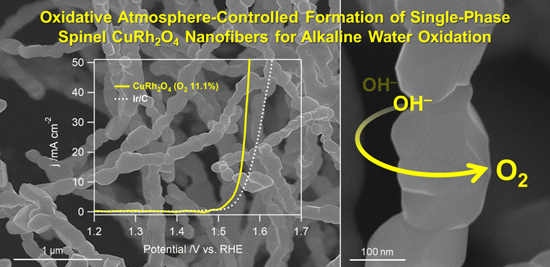
- (IMMS), Ewha Womans University, Seoul 03760, Republic of Korea 10.3762/bjnano.17.50 Abstract Cu–Rh bimetallic single-phase spinel oxide nanofibers were synthesized via electrospinning followed by post-annealing in precisely controlled oxidative environments. By systematically tuning the O2
- concentration in the He carrier gas flow during the annealing process, the optimal atmosphere was identified to produce phase-pure CuRh2O4. The as-prepared CuRh2O4 nanofibers exhibited excellent electrocatalytic performance toward the oxygen evolution reaction in 1.0 M NaOH (aq), highlighting the importance of
- , enhances metal–oxygen (M–O) covalency and optimizes the adsorption energies of key intermediates (*OH, *O, and *OOH), leading to improved reaction energetics [6][7][8]. Despite these advantages, synthesizing phase-pure spinel oxides remains challenging when Cu is incorporated. Cu-based catalysts are




Environmental applications of silver nanoparticles: state-of-the-art review and emerging trends
Beilstein J. Nanotechnol. 2026, 17, 697–736, doi:10.3762/bjnano.17.49
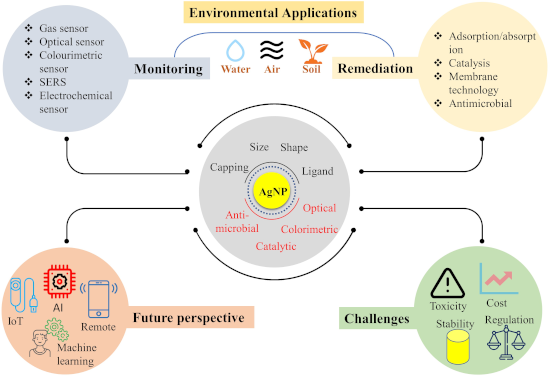
- three metals (Zn2+, Pb2+, and Fe3+) from the aqueous phase using AgNPs immobilised on banana leaf powder [96]. The study reported that pH-dependent metal adsorption capacities (190, 244, and 288 mg/g) and removal efficiencies (79, 88, and 91%) were achieved for Zn2+, Pb2+, and Fe3+ within 40 min of
- using an Ag-modified (CeO2–Al2O3) nanocomposite, achieving oxidation rates of 96% and 98%, respectively. Additionally, the reaction selectivity exceeded 97%. The relative humidity enhanced gas-phase photolysis in the presence of UV [168]. Bifunctional zeolite-Ag catalysts (ZSM-5||Ag/γ-Al2O3) showed 100


Decontamination from water pollutants and pathogens by electrospun nanofibers doped with heavy-atom-free borafluorene-BODIPY photosensitizers
Beilstein J. Nanotechnol. 2026, 17, 668–682, doi:10.3762/bjnano.17.46
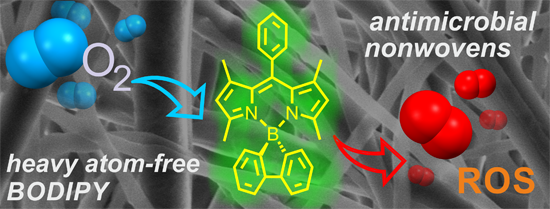
- work of photocatalyst. After irradiation, the liquid phase was removed from the vial, the material was washed with distilled water, dried under reduced pressure (1 mbar, 25 °C, 1 h), and used in the next run without any additional treatment. Figure 11 shows some oscillations in the decomposition rates
- , and the combined water phase was extracted with CHCl3 followed by UV–vis spectroscopy measurements. Each experiment was repeated four times. Our results show that the average daily BODIPY leaching is below 0.1%, confirming the good compatibility of 1 and PCL. Photoinactivation of microbes Finally, we



Two-step laser synthesis of Ag@TiO2 nanomaterials for the photocatalytic degradation of rhodamine B
Beilstein J. Nanotechnol. 2026, 17, 622–634, doi:10.3762/bjnano.17.43
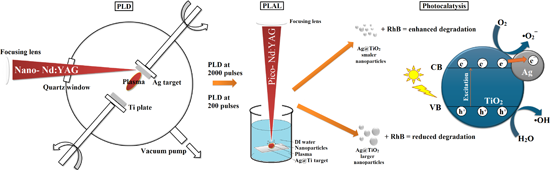
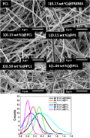
- UV–vis spectroscopy confirmed the formation of nanoparticles with a predominantly anatase TiO2 phase. The synthesized particles exhibited spherical morphology, with average diameters ranging from 97–331 nm for the 200p sample and 86–144 nm for the 2000p sample. The photocatalytic efficiency was
- the samples is mainly governed by the TiO2 phase. In addition, mapping pictures of Ti, O, and Ag were collected, as well as STEM/HAADF micrographs of the Ag@TiO2 NPs samples that had been manufactured (Figure 5). A regular distribution of titanium (yellow) and oxygen (red) elements can be seen within
- and activity of Ag@TiO2 composites, which is in agreement with previous reports on laser-synthesized Ag-TiO2 systems [16]. Conclusion This study confirms that dual-laser synthesis (PLD combined with PLAL) effectively produces high-purity Ag@TiO2 nanoparticles with a crystalline anatase phase and


Recent progress in enhancing built-in electric fields of perovskite solar cells via junction engineering
Beilstein J. Nanotechnol. 2026, 17, 602–621, doi:10.3762/bjnano.17.42
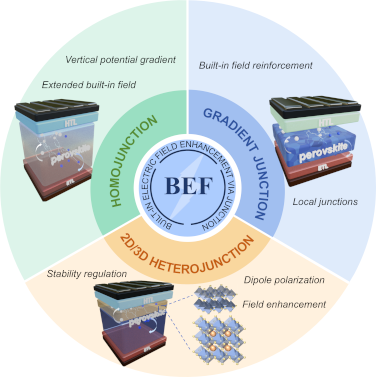
- transport. By contrast, 2D/3D heterojunctions exploit interfacial dipole formation, intrinsic polarization, and phase-penetration effects to amplify and homogenize the BEF, while simultaneously improving energy-level alignment and defect passivation. We systematically compare these strategies within a
- aligning energy levels [16]. These advantages have established heterojunctions as a major research hotspot, with current efforts shifting from simple passivation to deliberate interfacial potential design [17]. Nevertheless, the impact of phase penetration depth, residual strain, and bulk inhomogeneity on
- and surface modification, they enhance the BEF, reduce interfacial defects, and prevent degradation. For example, Ag-doped NiOx/NiOx p/p+ homojunctions have been shown to reduce defect clusters and prevent halide ion migration, improving stability. However, challenges like phase separation and ion




Probing tribological evolution in atomically thin MoS2 at different scales
Beilstein J. Nanotechnol. 2026, 17, 586–597, doi:10.3762/bjnano.17.40
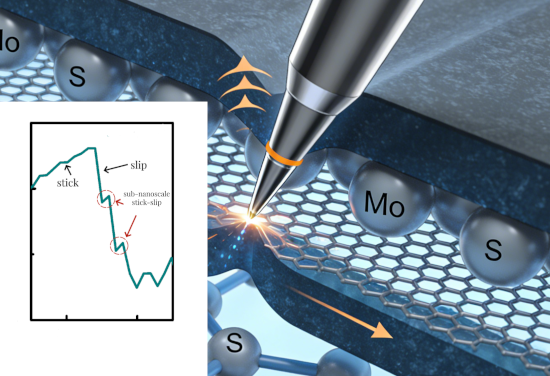
- layers increases, attributed to the reduced out-of-plane flexibility in thicker films. Critically, we identify the slip distance during the slip phase as a reliable metric for sub-nanoscale stick–slip motion. The slip distance increases with the frequency of sub-nanoscale stick–slip events and exhibits a
- were performed on relatively flat regions of the MoS2 films, and the AFM tip was calibrated to ensure a constant tip radius during all measurements. To quantify the sub-scale slip distance, the slip phase of nanoscale stick–slip motion was first extracted. Then a linear baseline was fitted for the
- scanning distance axis of the slip phase to eliminate the slight drift of the AFM scanning system. The slip distance was defined as the projected length of the slip phase segment on the calibrated scanning distance axis (from the start point to the end point of the slip phase). This spatial displacement


Impacts of annealing on structural and photophysical properties of zinc phthalocyanine adsorbed on graphene
Beilstein J. Nanotechnol. 2026, 17, 576–585, doi:10.3762/bjnano.17.39
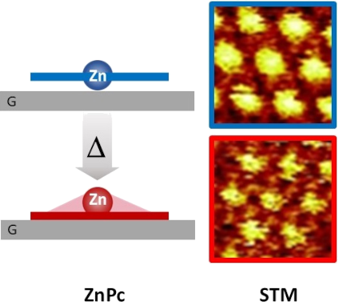
- -tunneling-microscopy and optical microspectroscopy of a 2D phase change experienced by a self-assembled zinc phthalocyanine (ZnPc) monolayer adsorbed on graphene. To probe the intrinsic properties of individual ZnPc molecules, they are spatially confined within the pores of a self-assembled 2D matrix. This
- confinement allows us to track a phase change induced by annealing, which we discuss in terms of a planar-square to shuttlecock molecular transition. We show that after annealing of the adsorbed ZnPc, the exposition of Zn atoms to reactants in a supernatant solution is improved, for example, for metal-ligand
- treatments, as often shown for example with α and β phases of zinc phthalocyanines (ZnPc), with consequences on molecule orientations relative to the substrate and absorbance efficiency [21] or dynamics of charge migration and charge transfer to substrate [22]. Even inside a given phase, minute structural


Laser–material interactions in liquids for the synthesis of nanomaterials: current status and perspectives
Beilstein J. Nanotechnol. 2026, 17, 571–575, doi:10.3762/bjnano.17.38
- [33]. Representative examples of this approach include the combination of pump–probe measurements with atomistic simulations to reveal spallation and phase explosion regimes during pulsed laser ablation of Fe–Ni alloys [39], the identification and experimental confirmation of two mechanisms of
- melting to explosive fragmentation of Au nanoparticles under picosecond laser irradiation in water [42]. Further advances in LSPC can be facilitated by data-driven machine learning approaches, which provide new pathways for optimizing synthesis parameters toward targeted size, composition, phase, and
- , productivity, and the degree of control over nanoparticle size, shape, and phase will ultimately determine the most effective strategies. Looking forward, LSPC holds strong promise as a sustainable and environmentally friendly approach for nanomaterial production, eliminating the need for hazardous precursors
Synthesis of Cu–Mo/TiO2 and Co–Mo/TiO2 photocatalysts for the efficient degradation of organic pollutants in water
Beilstein J. Nanotechnol. 2026, 17, 559–570, doi:10.3762/bjnano.17.37
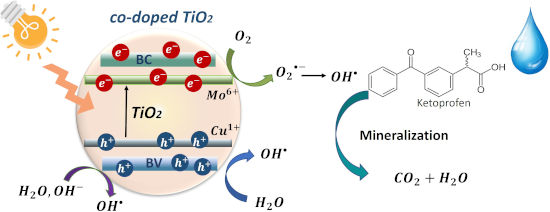
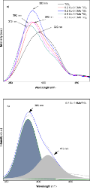
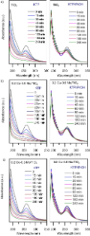
- , copper and cobalt, were added at 0.2–0.5 wt %. The co-doped TiO2 photocatalysts were characterized by XRD, SEM, N2 physisorption, UV–vis diffuse reflectance spectroscopy, and photoluminescence spectroscopy. The structural characterization showed stabilization of the anatase phase, and lattice distortion
- patterns of TiO2 and the co-doped TiO2 materials prepared by the sol–gel method. The sample TiO2 shows the crystalline structures anatase and rutile according to the crystallographic cards CPDS 121 and 4031 [25][26], respectively. The composition of each phase was determined using the MAUD software
- , resulting in 53% and 47% for the anatase and rutile phases, respectively. Figure 1a also shows the diffraction pattern of the 0.5 Mo/TiO2 material, which revealed that the Mo in-situ incorporation into the TiO2 stabilizes the anatase phase. All co-doped TiO2 materials exhibit diffraction peaks corresponding



Electrochemical determination of ciprofloxacin using a MIL-101/reduced graphene oxide-modified electrode
Beilstein J. Nanotechnol. 2026, 17, 541–554, doi:10.3762/bjnano.17.35
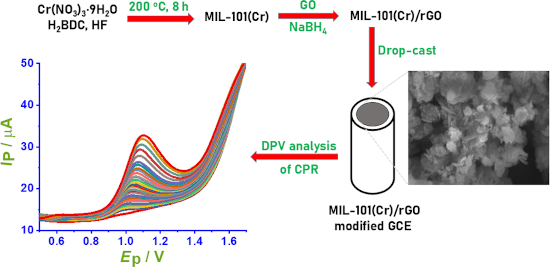
- affordable analytical methods for detecting ciprofloxacin is very important. Conventional analytical techniques for CPR determination, including a fluorescence sensor based on CsPbBr3 quantum dots embedded in a molecularly imprinted polymer [5], and ultrasound-assisted magnetic dispersive micro-solid phase
- that the crystalline framework of MIL-101 remains intact after mixing with rGO, regardless of the mass ratio. Meanwhile, the broad diffraction feature associated with rGO becomes more prominent with increasing rGO content, reflecting the growing contribution of the disordered graphitic phase. The XRD
- Raman response of the carbon phase. The ID/IG ratios of the composites range from 0.89 to 0.94, depending on the rGO content. Notably, these values are slightly lower than that of pure rGO, suggesting that the incorporation of MIL-101 can partially promote better ordering of sp2 domains through


Fractional shot noise of an SU(N) Kondo system
Beilstein J. Nanotechnol. 2026, 17, 515–540, doi:10.3762/bjnano.17.34
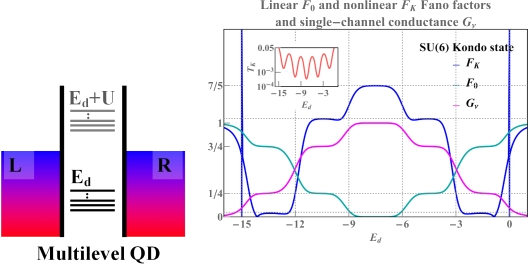
- elastically on the Kondo resonance. SBMFA correctly describes spin or pseudospin fluctuations in the unitary regime. In the large, infinite-N limit, this description of the SU(N) Kondo effect is exact. For finite N, however, apart from elastic scattering of quasiparticles described by energy-dependent phase
- (1 − ) describe reduction of noise with respect to Poisson noise. The transmission is determined by the phase shift consequently, the linear conductance and linear noise ratio are given by: The linear zero-temperature Fano factor F0 reads: for the fully degenerate case, where all single-channel
- Figure 6 below, we present (TK + T)χN. In the low-temperature limit, T → 0, it reaches the characteristic value: TKχN depends on the degree of degeneration N and the charge (via the phase shift of δν), where (TK + T)χN = . This measurable quantity provides information about the residual interaction of


![[Graphic 127]](/bjnano/content/inline/2190-4286-17-34-i187.svg?max-width=637&scale=1.18182)




