Search results
Search for "response" in Full Text gives 1021 result(s) in Beilstein Journal of Nanotechnology. Showing first 200.
Nanoglasses: a trail towards uncharted regions of vitreous materials and their properties?
Beilstein J. Nanotechnol. 2026, 17, 1047–1062, doi:10.3762/bjnano.17.72

- constituents. Historically, the “structural flexibility” of glasses has primarily been harnessed in response to thermal treatments. These modifications are often described in a mean-field approach, attributing the changes in properties to variations in the average excess volume that is often termed “free


Vibration-induced dynamic structural superlubricity on MoS2/Au(111) under ultrahigh vacuum
Beilstein J. Nanotechnol. 2026, 17, 1039–1046, doi:10.3762/bjnano.17.71

- electrostatic interactions at the interface, offering high flexibility and fast response times. Despite these promising results, electrically driven friction control presents several inherent limitations. It is highly dependent on the interfacial electronic properties [8]. Furthermore, the degree of friction


Influence of an external electric field on the catalytic CO oxidation of nanoscaled CeO2 and its La3+ and Gd3+ congeners
Beilstein J. Nanotechnol. 2026, 17, 1028–1038, doi:10.3762/bjnano.17.70
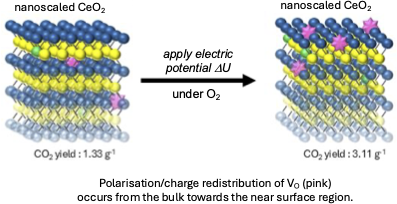
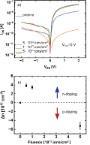
- are used as a phenomenological framework to interpret the observed bias-dependent CO oxidation response (Figure 4, right panel). A pronounced synergistic enhancement was also observed for 5%Gd3+–nCeO2, whereas the La3+-doped nCeO2 sample showed no measurable bias-induced improvement in catalytic
- activity. This dopant-dependent response can be rationalized in terms of the different lattice strain and defect interactions introduced by Gd3+ and La3+. Regarding Ce4+ (0.97 Å), Gd3+ (1.053 Å) is closer in ionic radius than La3+ (1.16 Å); it is therefore expected to perturb the fluorite lattice less
- behaviour with and without electrical bias suggests that local changes in oxygen-vacancy distribution and associated Ce3+/Ce4+ redox states may modify the near-surface ionic and electronic environment. The pronounced response of nCeO2 and 5%Gd3+–nCeO2 to the applied potential is consistent with possible


Synthesis and characterization of RF-sputtered ZnTe/Cu2−xTe thin films for solar cell applications
Beilstein J. Nanotechnol. 2026, 17, 1016–1027, doi:10.3762/bjnano.17.69
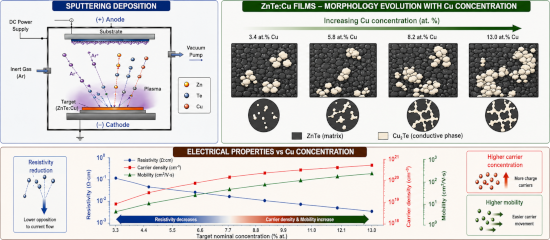
- properties [23][24][25]. Similarly, investigations on Cu-rich telluride systems have demonstrated the strong impact of secondary conductive phases on the electrical response of chalcogenide materials [26][27][28]. However, a systematic study of ZnTe-based films deposited from a single ZnTe–CuO composite
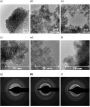
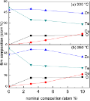
- phases within the film. The correlation between morphological irregularities, compositional inhomogeneity, and vibrational response indicates that even at relatively low Cu concentrations (3 atom %), local phase segregation occurs, leading to heterogeneous structural regions across the film surface
- , which reduces specular reflectance and alters the overall optical response of the films [9]. Overall, the optical response reflects a transition from semiconducting ZnTe-dominated behavior at low Cu concentration to increased absorption and reduced transparency associated with Cu2−xTe phase formation at



Ultrasonic irradiation in the synthesis of nanohydroxyapatite: a chemically friendly technique for improving hemocompatibility and antibiofilm applications
Beilstein J. Nanotechnol. 2026, 17, 991–1015, doi:10.3762/bjnano.17.68
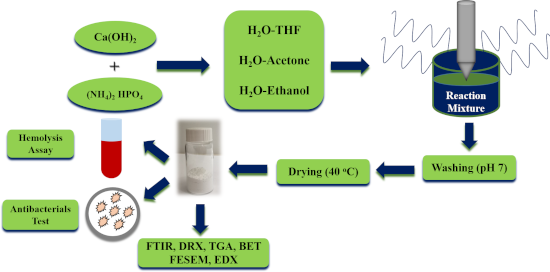
- against toxic compounds, adverse environmental conditions, antimicrobials, and the immune response of the host [32]. Biofilms are critical virulence factors for many bacterial pathogens that can cause chronic infections, accounting for more than 80% of human microbial infections. P. aeruginosa has been
- enhanced. Ultimately, this nanometric architecture, by effectively mimicking the dimensions of natural hydroxyapatite, is fundamental for optimizing cellular response and promoting tissue integration [83]. Hemolytic effect of the nHA samples Figure 9 shows the extent of the hemolytic effects of nHA samples
- was to establish a clear baseline for the biological response of sonochemically synthesized hydroxyapatite, thereby avoiding confounding effects that secondary phases might exert on the hemolytic response. Furthermore, among the solvent systems that produced pure nHA, the W/THF samples were




Development of Protium heptaphyllum essential oil-loaded nanocapsules: experimental design and biological activity
Beilstein J. Nanotechnol. 2026, 17, 974–990, doi:10.3762/bjnano.17.67
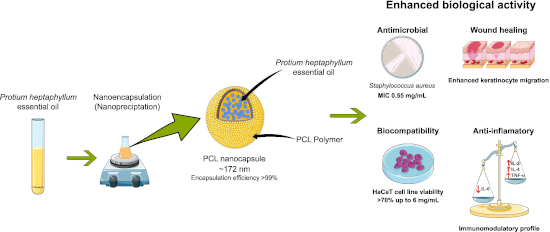
- , potentially favoring droplet growth and particle enlargement. Analysis of the response surface plots (Figure 1) further suggests that the combined increase in PCL and EO may reduce the efficiency of mass transport during nanoprecipitation, consistent with diffusion-controlled mechanisms described by the
- exhibited limited predictive capability (R2 = 47.91%, adjusted R2 = 30.54%, predicted R2 = 1.18%) (Supporting Information File 1, Table S1), suggesting that this response was not strongly influenced by the formulation variables within the studied range. This behavior is consistent with the nature of PDI
- processing and optimization of experimental conditions were carried out by constructing three-dimensional response surface plots and contour plots using Minitab® 21.4 statistical software (State College, USA). The adequacy and predictive performance of the Box–Behnken models were assessed using determination




Materials challenges in solid-state sensors for continuous monitoring of ions in water
Beilstein J. Nanotechnol. 2026, 17, 935–973, doi:10.3762/bjnano.17.66
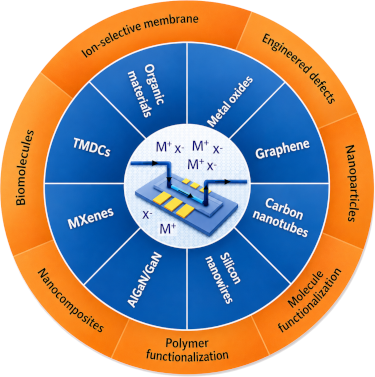
- must maintain their performance over extended periods (weeks to months or even years) with minimal drift, or include self-calibration or diagnosis capability [7][13][14][15]. (iv) Response times should be fast to capture transients without excessive averaging. (v) Accuracy in a variable sensing matrix
- since these factors influence ion activity, binding equilibria, charge screening, and the electrical response of the transducer. (vi) Fouling resilience and mechanical stability are also important parameters. In real water systems, sensors are exposed to biofilm growth, particulate loading, scaling, and
- especially ISEs, FETs, and chemiresistive devices, are central to next-generation online water quality monitoring. They offer sensitivity and selectivity aligned with regulatory thresholds, fast response to capture transient events, and the potential for dense spatial networks. Given these advantages, there



Enhanced erosion resistance and radiation stability of WC–WO3 nanocomposite films under 100 keV Kr+ ion irradiation
Beilstein J. Nanotechnol. 2026, 17, 922–934, doi:10.3762/bjnano.17.65
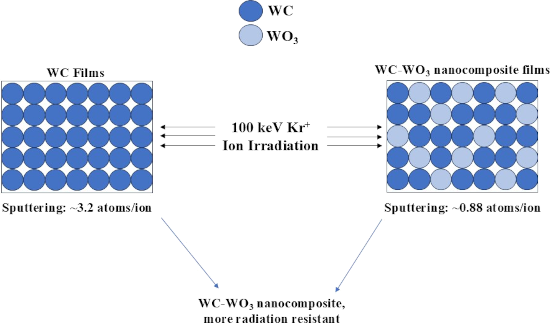
- crystalline nature of the nanocomposite remains intact, suggesting its suitability for plasma-facing applications where both surface stability and structural robustness are important. Conclusion The present study comprehensively examined the response of nanocrystalline WC and WC–WO3 nanocomposite thin films



Nanocarrier strategies to overcome P-glycoprotein-mediated drug resistance in cancer therapy
Beilstein J. Nanotechnol. 2026, 17, 882–921, doi:10.3762/bjnano.17.64
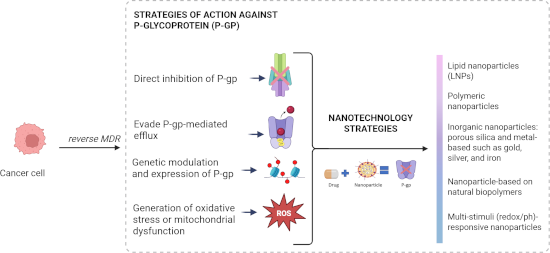
- (scavenger receptor, class B type 1)-mediated endocytosis as a form of cellular internalization [32]. (ii) To achieve a release in response to the tumor microenvironment, nanoparticles are designed to be sensitive to tumor-specific stimuli, such as acidic pH or ROS so that the nanoparticles remain stable in
- Eligard® (a PLGA-based in situ forming implant), and Genexol-PM® (a PEG–PLA polymeric micelle for cancer treatment) are already available, many current designs still face challenges, especially in understanding biological barriers, patient response variability, and the translation of preclinical findings


Supramolecular one-dimensional conducting nanofibers from a C3-symmetric tetrathiafulvalene derivative
Beilstein J. Nanotechnol. 2026, 17, 872–881, doi:10.3762/bjnano.17.63
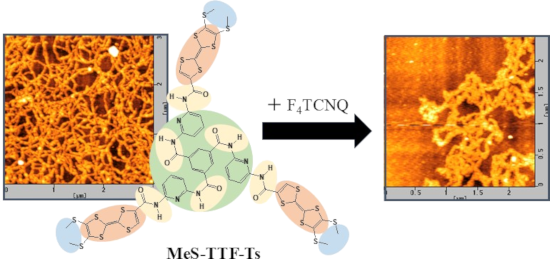
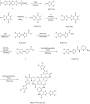
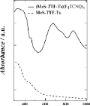
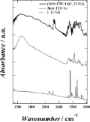
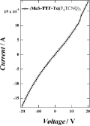
- clear current response, indicating good electrical conduction behavior. The electrical conductivity (σ) of the nanofibers composed of the (MeS-TTF-Ts)(F4TCNQ)3 complex was determined to be 1.24 × 10⁻² S·cm−1. This result suggests that the one-dimensional stacked structure formed through donor–acceptor


He+ FIBID-fabricated 3D AFM tip architectures: an exploratory study of hollow pillars, helices, and spirals
Beilstein J. Nanotechnol. 2026, 17, 863–871, doi:10.3762/bjnano.17.62
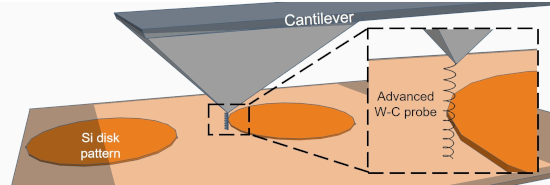
- mixed behaviour, with some structures remaining usable while others were damaged early in the measurement campaign. These differences indicate that nanoarchitecture influences the mechanical response of the probes during AFM operation [38]. In most cases, failure occurred at or near the tip–cantilever


Nanoparticle delivery systems for HIV pre-exposure prophylaxis (PrEP): advances and challenges
Beilstein J. Nanotechnol. 2026, 17, 839–853, doi:10.3762/bjnano.17.60
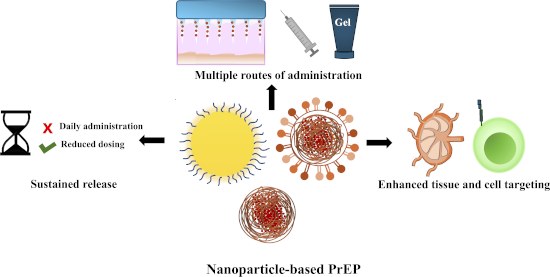
- -1 Env trimers on host cell surfaces so that the immune system could recognize the protein in its native-like form and generate neutralizing antibodies. In rabbits, this approach generated an autologous tier-2 neutralizing antibody response at levels comparable to those achieved using adjuvanted
- ’ intrinsic antiviral actions such as protease inhibition [72][73][74]. Some studies of the toxicity of MNPs have provided indications of mitochondrial dysfunction, increased membrane permeability, cellular damage, and oxidative stress in host cells in response to MNP exposure [75][76]. Silicon-based systems


Cross-scale design of chemosensor arrays: from molecular self-assembly in water to paper-based devices for metal ion detection
Beilstein J. Nanotechnol. 2026, 17, 828–838, doi:10.3762/bjnano.17.59
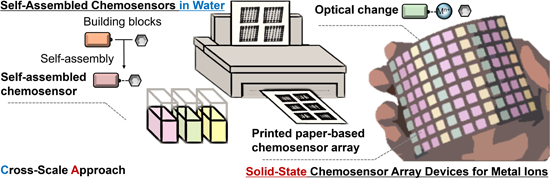
- based on pattern recognition. In pattern recognition-driven chemical sensors, various response patterns including absorbance, fluorescence intensities, and wavelength changes are used as input data for pattern recognition [36]. To perform accurate analysis, appropriate designs of chemosensors are
- requirements: They must exhibit different optical properties depending on the types of metal ions and their concentrations to obtain fingerprint-like response patterns, and they must be highly soluble [17]. Typical chemosensor molecules are covalently linked among the binding sites for analytes, optical units
- in response to the metal ions was significant in the presence of 5, unlike without the color manipulator (i.e., stand-alone dye array). Indeed, the qualitative detection with 100% correct classification was achieved for eleven types of metal ions, even with excess amounts of sodium chloride (NaCl


Tailoring Ag–Pt nanoalloys through solid-state dewetting: structural and optical insights
Beilstein J. Nanotechnol. 2026, 17, 748–759, doi:10.3762/bjnano.17.52

- nanostructures formed by the disintegration of a 7.9 nm Ag/0.1 nm Pt multilayer. The blue shift is expected upon alloying silver with platinum, since the plasmon resonance for Pt occurs in the near-UV region [62][63][64][65]. The rapid suppression of the plasmonic response with increasing Pt concentration arises
- pure silver structures and the significantly stronger extinction cross section (which can be considered a measure of the resonance response strength to excitation by an external electromagnetic field), observed for Ag compared to Pt, the number of samples was increased in the range of very low platinum




Environmental applications of silver nanoparticles: state-of-the-art review and emerging trends
Beilstein J. Nanotechnol. 2026, 17, 697–736, doi:10.3762/bjnano.17.49
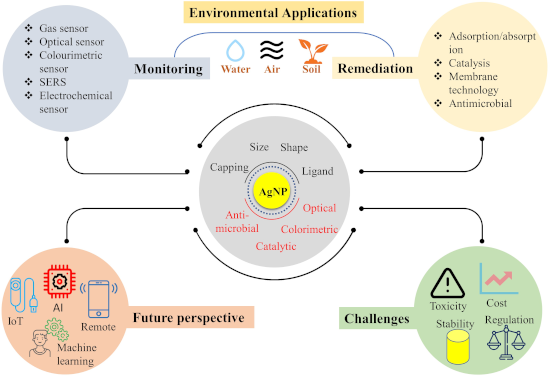
- nanoparticles, including surface coatings or functional groups, can alter their reactivity, stability, and interactions with pollutants and microorganisms [68]. Environmental standardization and stabilization of AgNPs surface charge are essential in biological systems for studying interactions [69]. Response


Protein-based custom-designed molecular nanotraps for biomedical applications
Beilstein J. Nanotechnol. 2026, 17, 683–687, doi:10.3762/bjnano.17.47
- ). The whole process occurred in an aqueous environment, providing sustainable conditions. The surface response method [20][21] enabled the modeling of the optimal conditions for the synthesis of uniform bioMIPs, yielding nanoparticulates with a low polydispersity (PDI < 0.3). Investigations to elucidate

Cellulose as a photocatalyst support material: extraction, structural features, and environmental applications
Beilstein J. Nanotechnol. 2026, 17, 635–652, doi:10.3762/bjnano.17.44
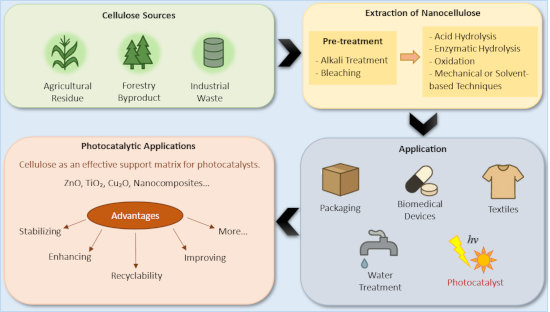
- photocatalyst on a larger support, which makes it easier to separate and reuse the material after the treatment process [100]. In response to these limitations, researchers have increasingly turned their attention to carbon/TiO2 composites, as they not only reduce the recombination of photogenerated electrons


Two-step laser synthesis of Ag@TiO2 nanomaterials for the photocatalytic degradation of rhodamine B
Beilstein J. Nanotechnol. 2026, 17, 622–634, doi:10.3762/bjnano.17.43
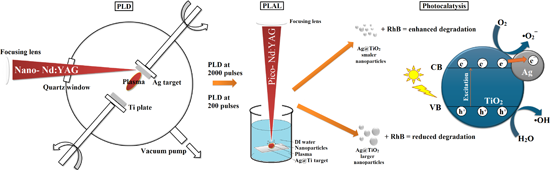
- TiO2 suffers from intrinsic drawbacks. Its bandgap is large (≈3.2 eV [9]); hence, it absorbs only UV light (a small fraction of sunlight, only 3–4%) and shows very limited visible-light response. Also, photogenerated electrons and holes recombine rapidly [7]. To address this, researchers have developed
- the morphology, composition, and crystallinity of the resulting nanostructures with high precision. The absence of organic contaminants or residual reagents maximizes the catalytic surface area, while the presence of silver can influence the optical response of TiO2 through plasmon-related effects


Recent progress in enhancing built-in electric fields of perovskite solar cells via junction engineering
Beilstein J. Nanotechnol. 2026, 17, 602–621, doi:10.3762/bjnano.17.42
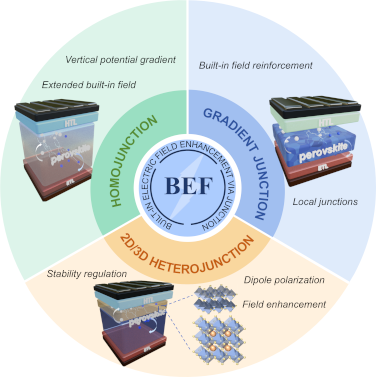




Probing tribological evolution in atomically thin MoS2 at different scales
Beilstein J. Nanotechnol. 2026, 17, 586–597, doi:10.3762/bjnano.17.40
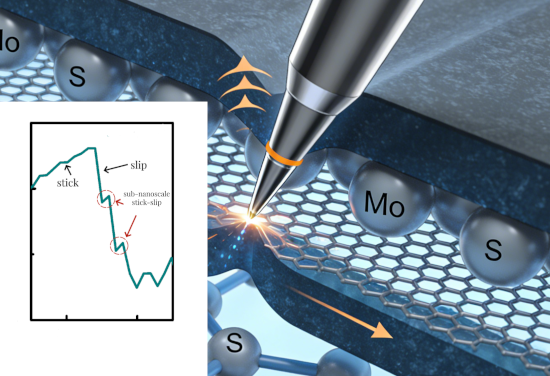
- –slip motion predicted by MD simulations [11][12]. This temporal resolution limitation means that our experiment cannot capture the transient dynamic process of individual sub-nanoscale stick–slip events, but only the cumulative spatial and force response of these events during the slip phase of


Impacts of annealing on structural and photophysical properties of zinc phthalocyanine adsorbed on graphene
Beilstein J. Nanotechnol. 2026, 17, 576–585, doi:10.3762/bjnano.17.39
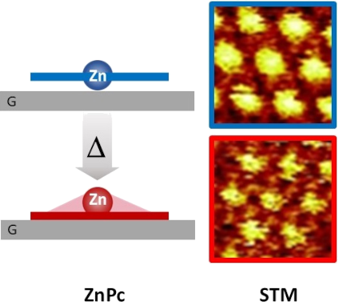
- characteristic of a ZnPc response [43]. However, the highest energy peak is strongly shifted from its value of 1506 cm−1 in the bulk to 1543 cm−1 in this assembly. The same shift has been reported for the ZnPc embedded inside carbon nanotubes or adsorbed on their surface [44]. This is considered as a signature
- response before ZnPc and TSB35-C12 deposition (grey), for reference. The standard D, 2D, and G peaks are labelled. The insert illustrates the proposed planar-square to shuttlecock transition (G: graphene substrate). Scanning tunneling microscopy (STM) images showing the molecular network of a self


Laser–material interactions in liquids for the synthesis of nanomaterials: current status and perspectives
Beilstein J. Nanotechnol. 2026, 17, 571–575, doi:10.3762/bjnano.17.38
- longer-term cavitation bubble dynamics, remains challenging even for shadowgraphy employing ultrafast cameras [34]. Pump–probe reflectometry provides the required picosecond and even femtosecond resolution [35]. However, interpretation of the multi-stage reflectivity response is nontrivial and often
Electrochemical determination of ciprofloxacin using a MIL-101/reduced graphene oxide-modified electrode
Beilstein J. Nanotechnol. 2026, 17, 541–554, doi:10.3762/bjnano.17.35
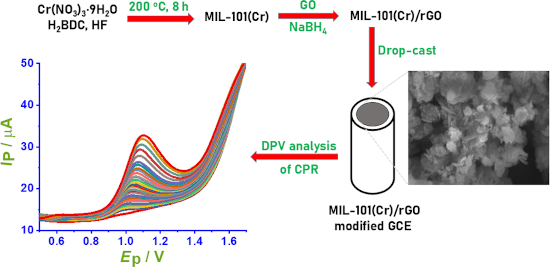
- response over 0.25–9.41 µM and a detection limit of 0.11 µM for CPR determination. The sensor also demonstrated good selectivity, satisfactory repeatability, and long-term stability. Furthermore, the method’s practical applicability was validated by the determination of CPR in pharmaceutical samples
- , complex sample preparation, skilled operators, and lengthy analysis times, which restrict their use for quick or in situ testing. In contrast, electrochemical sensors have become appealing alternatives because of their inherent benefits such as simplicity, low cost, rapid response, high sensitivity, and
- Raman response of the carbon phase. The ID/IG ratios of the composites range from 0.89 to 0.94, depending on the rGO content. Notably, these values are slightly lower than that of pure rGO, suggesting that the incorporation of MIL-101 can partially promote better ordering of sp2 domains through


Probing internal continua and atomic ultrafast charge transfer within size-controlled nanoparticles by post-collision interaction in core-hole clock spectroscopy
Beilstein J. Nanotechnol. 2026, 17, 505–514, doi:10.3762/bjnano.17.33
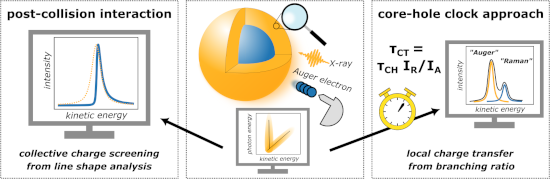
- charge transfer and collective dielectric response. The PCI core-hole clock analysis is, thus, a synchrotron approach of general relevance to the characterization of materials involving bound-state continua. S KL2,3L2,3 resonant Auger measurements of core–shell nanoparticles (core: 3.5 nm CdSe, shell: 7



Defects and defect-mediated engineering of two-dimensional materials: challenges and open questions
Beilstein J. Nanotechnol. 2026, 17, 454–488, doi:10.3762/bjnano.17.31
- ), mostly for pristine materials, but in a few cases also with defects [94][115]. In order to model Raman scattering, a model for the response of the material to incoming light is required. In the non-resonant case, Raman scattering is allowed when the atomic displacement of a vibrational mode leads to a