


Search results
Search for "silver nanoparticles" in Full Text gives 152 result(s) in Beilstein Journal of Nanotechnology.
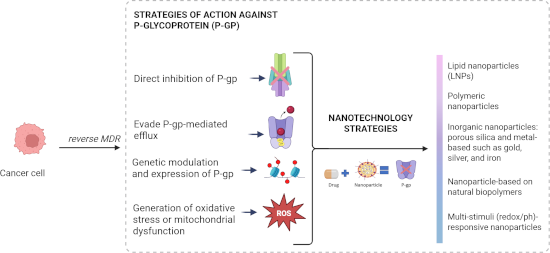
Nanocarrier strategies to overcome P-glycoprotein-mediated drug resistance in cancer therapy
Beilstein J. Nanotechnol. 2026, 17, 882–921, doi:10.3762/bjnano.17.64


Nanoparticle delivery systems for HIV pre-exposure prophylaxis (PrEP): advances and challenges
Beilstein J. Nanotechnol. 2026, 17, 839–853, doi:10.3762/bjnano.17.60
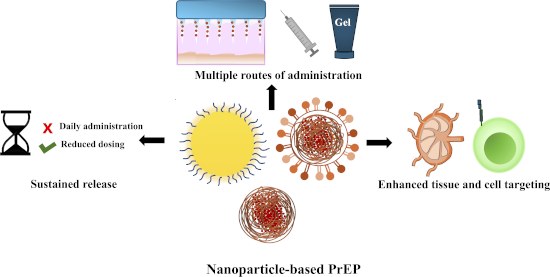
- systems. Some metallic nanoparticles (MNPs), such as gold nanoparticles (AuNPs), exhibit long-term stability, chemically modifiable surfaces, and potential for intrinsic antiviral activity [68][69]. AuNPs can, for instance, interfere with and block HIV gp120-CD4 interactions. Other MNPs, like silver
- nanoparticles (AgNPs) may also show antiviral effects such as inhibiting viral entry and replication [68][70]. The intrinsically high surface-to-volume ratios of these nanoparticles and the capacity for surface functionalization provide the prerequisites for engineering multivalent interactions with targeted


Restorative potential of laser-synthesized silver nanoparticles with Salvia officinalis for periodontal disease treatment: an in vitro study
Beilstein J. Nanotechnol. 2026, 17, 781–795, doi:10.3762/bjnano.17.55
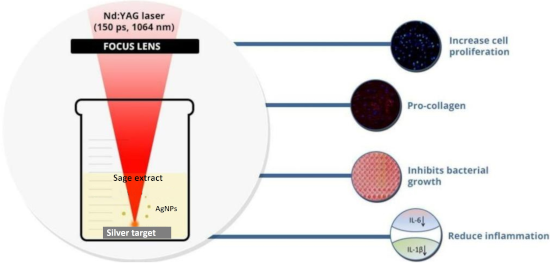
- local damage, systemic associations highlight the urgent need for innovative therapies. Herein, we present an eco-friendly synthesis of silver nanoparticles (AgNPs) by picosecond pulsed laser ablation in liquid (PLAL), using Salvia officinalis aqueous extract (sage extract) as both medium and stabilizer
- ; silver nanoparticles (AgNPs); Introduction Synthesis of silver nanoparticles (AgNPs) is a promising nanotechnology with numerous biomedical applications, especially in the field of tissue restoration and regeneration [1]. The most commonly used methods in AgNP synthesis are (i) chemical methods, which
- our study could increase stability and bioactivity of silver nanoparticles. Additionally, our previous study revealed a relatively high content of camphor (approximately 15%), suggesting that, besides phenolics, terpenoids may also contribute to nanoparticle synthesis [13]. To the best of our



Environmental applications of silver nanoparticles: state-of-the-art review and emerging trends
Beilstein J. Nanotechnol. 2026, 17, 697–736, doi:10.3762/bjnano.17.49
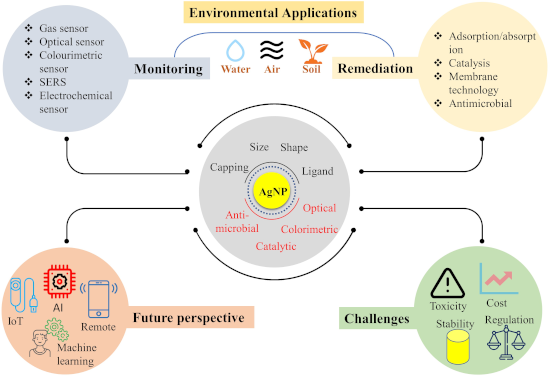
- Soni Prajapati Akash Kumar Ranjana Singh Department of Biochemistry, King George’s Medical University, Lucknow, India Academy of Scientific and Innovative Research, Ghaziabad, India 10.3762/bjnano.17.49 Abstract Silver nanoparticles (AgNPs) possess inherent catalytic, antimicrobial, and optical
- of the environment (i.e., water, air, and soil). Among the broad family of engineered nanomaterials evaluated for environmental applications, silver nanoparticles (AgNPs) have attracted exceptional attention owing to their unique combination of properties that directly address the requirements of
- through their interactions with the surrounding medium. Zeta potential measurements are used to assess the surface charge and stability of silver nanoparticles; higher absolute values (>±30 mV) indicate better colloidal stability and resistance to aggregation [52]. This surface charge also validated the


Biomimetic nanoparticles in cancer photodynamic therapy: a review of targeted delivery systems and therapeutic outcomes
Beilstein J. Nanotechnol. 2026, 17, 396–422, doi:10.3762/bjnano.17.27


Optical bio/chemical sensors for vitamin B12 analysis in food and pharmaceuticals: state of the art, challenges, and future outlooks
Beilstein J. Nanotechnol. 2025, 16, 2207–2244, doi:10.3762/bjnano.16.153


Rapid synthesis of highly monodisperse AgSbS2 nanocrystals: unveiling multifaceted activities in cancer therapy, antibacterial strategies, and antioxidant defense
Beilstein J. Nanotechnol. 2025, 16, 2105–2115, doi:10.3762/bjnano.16.145
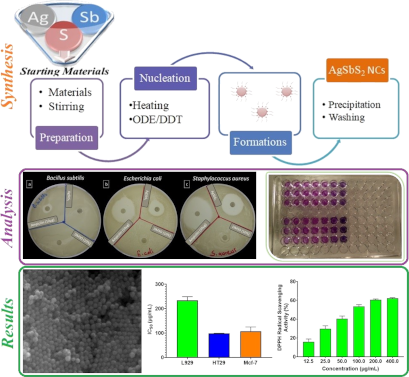
- , cardiovascular diseases, and diabetes [11][12]. Historically known especially for its antimicrobial properties, silver has been used since ancient times. Silver nanoparticles (AgNPs) are synthesized by different synthesis mechanisms; they are non-toxic to eukaryotic cells, including human cells, but highly toxic
- signaling pathways. For example, green-synthesized silver nanoparticles were shown to induce ROS production and caspase-3/9 activation, leading to apoptosis in MCF-7 breast cancer cells [47]. Similarly, ROS-mediated cytotoxicity and apoptosis have been demonstrated in HepG2 liver carcinoma cells treated


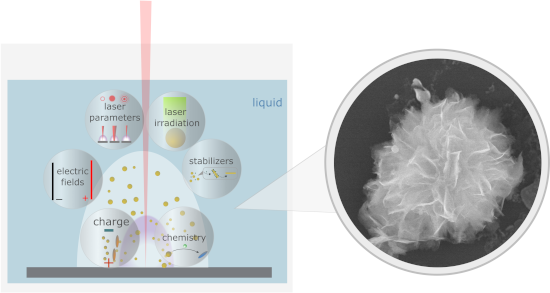
Laser ablation in liquids for shape-tailored synthesis of nanomaterials: status and challenges
Beilstein J. Nanotechnol. 2025, 16, 1963–1997, doi:10.3762/bjnano.16.137




On the road to sustainability – application of metallic nanoparticles obtained by green synthesis in dentistry: a scoping review
Beilstein J. Nanotechnol. 2025, 16, 1851–1862, doi:10.3762/bjnano.16.128
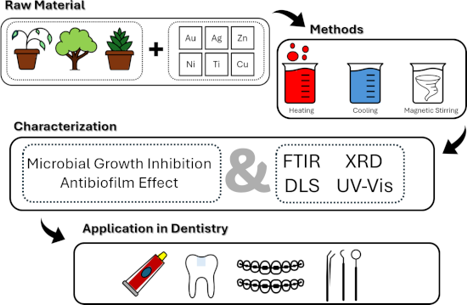
- in health-related nanotechnology [8][10]. It is considered a promising approach that integrates technological innovation, biological safety, and environmental responsibility [8][10][16]. An interesting example are silver nanoparticles, particularly those synthesized via green methods, which have
- recently become the focus of significant attention [18][19]. The eco-friendly applications of AgNPs in the biomedical, pharmaceutical, cosmetic, sanitation, and electronic sectors have driven extensive research into their biosynthesis [20][21][22]. Silver nanoparticles exhibit unique physical and chemical


Nanomaterials for biomedical applications
Beilstein J. Nanotechnol. 2025, 16, 1499–1503, doi:10.3762/bjnano.16.105

- well-suited for orthopedic implants. Likewise, the addition of silver nanoparticles provides antibacterial properties for the material. This action is helping to prevent infection during the recovery time [28][29]. One of the major advantages of using nanomaterials in tissue engineering is that they
- silver nanoparticles in joint replacements or dental implants can decrease the chances of infections and support healing [37]. On implants, nanoscale coatings are also being used to mimic natural tissues more closely and to avoid immune rejection from the body. It is possible to make materials that
Laser processing in liquids: insights into nanocolloid generation and thin film integration for energy, photonic, and sensing applications
Beilstein J. Nanotechnol. 2025, 16, 1428–1498, doi:10.3762/bjnano.16.104






Photochemical synthesis of silver nanoprisms via green LED irradiation and evaluation of SERS activity
Beilstein J. Nanotechnol. 2025, 16, 1417–1427, doi:10.3762/bjnano.16.103
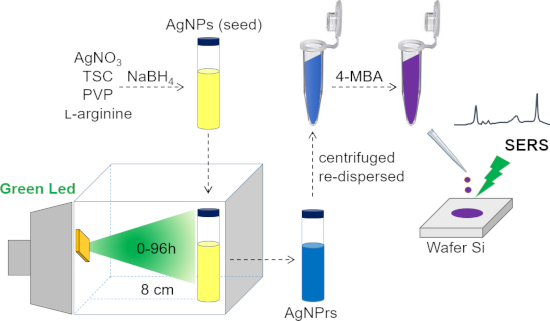
- applications. Keywords: light-emitting diodes (LEDs); photochemical synthesis; silver nanoprisms; surface-enhanced Raman scattering (SERS); trisodium citrate; Introduction Anisotropic silver nanoparticles (ASNPs) have attracted increasing attention from research groups worldwide due to their potential
- step of the entire process [3]. During this stage, small silver nanoparticles (seeds) can combine and evolve into anisotropic nanostructures through a chemical process in the presence of hydrogen peroxide (H2O2) and sodium borohydride, commonly referred to as the Mirkin method [4]. Recently
- spectra of the AgNPs seed shown in the Figure 1a displayed a single peak at 400 nm, indicating the presence of spherical silver nanoparticles with small sizes, consistent with studies in the literature [4][6][7]. The sample exhibited the characteristic yellow color of AgNPs. The TEM image and size


Synthesis and antibacterial properties of nanosilver-modified cellulose triacetate membranes for seawater desalination
Beilstein J. Nanotechnol. 2025, 16, 1380–1391, doi:10.3762/bjnano.16.100
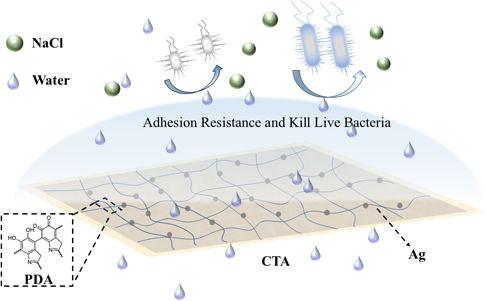
- silver nanoparticles. Conclusion To address the issue of microbial contamination in desalination membranes, we have developed an antibacterial Ag@PCTA membrane. Utilizing the catechol and nitrogen-containing groups in PDA as both crosslinking and reducing agents, we successfully introduced antimicrobial


Chitosan nanocomposite containing rotenoids: an alternative bioinsecticidal approach for the management of Aedes aegypti
Beilstein J. Nanotechnol. 2025, 16, 1197–1208, doi:10.3762/bjnano.16.88
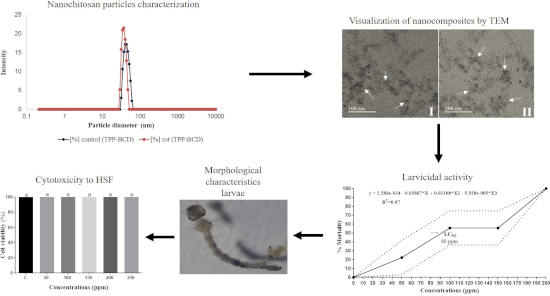
- studies have reported similar improvements in larvicidal activity through nanocarrier systems based on botanical insecticides. For instance, silver nanoparticles (AgNPs) synthesized using aqueous leaf extract of Ambrasia arborescens demonstrated markedly higher toxicity against Aedes aegypti larvae (LC50
- = 0.28 ppm) compared to the crude aqueous extract (LC50 = 1844.61 ppm) [27]. Similarly, silver nanoparticles synthesized with aqueous extracts of Solanum mammosum (SmAgNPs) exhibited significantly greater toxicity (LC50 = 0.06 ppm) than the crude aqueous extract (LC50 = 1631.27 ppm) [28]. According to an



Synthesis of biowaste-derived carbon-dot-mediated silver nanoparticles and the evaluation of electrochemical properties for supercapacitor electrodes
Beilstein J. Nanotechnol. 2025, 16, 933–943, doi:10.3762/bjnano.16.71
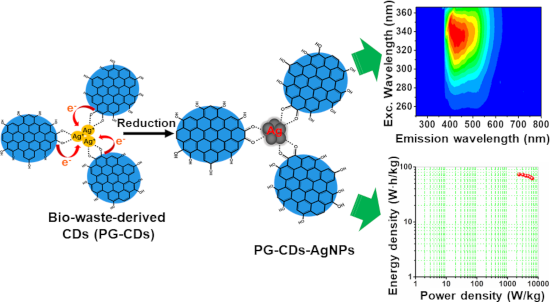
- of Korea 10.3762/bjnano.16.71 Abstract Herein, biowaste- (from Pongammia pinnata leaves) derived carbon dots (CDs) have been utilized as a mediator for the production of silver nanoparticles (PG-CDs-AgNPs) as a superior supercapacitor electrode. The methodology presented here is inexpensive and
- electrodes for energy storing. Keywords: asymmetric supercapacitor; carbon dots; fluorescence emission; green approach; silver nanoparticles; Introduction The extensive usage of fossil fuels is a result from the rising demand for energy. However, the use of fossil fuels is not sufficient to attend the
- synthesized cost-effective carbon-dot- (CD) mediated silver nanoparticles (AgNPs) for supercapacitor electrodes. AgNPs have garnered substantial interest due to their capacity to effectively facilitate biological, optical, chemical, electrical, and industrial applications [13][14]. AgNPs are widely utilized


Polyurethane/silk fibroin-based electrospun membranes for wound healing and skin substitute applications
Beilstein J. Nanotechnol. 2025, 16, 591–612, doi:10.3762/bjnano.16.46
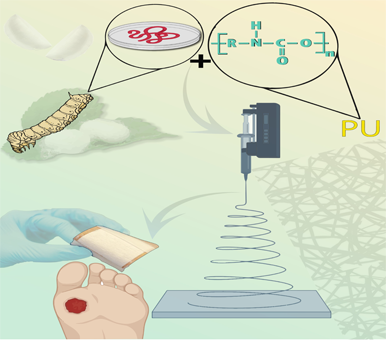
- neuronal development and embryonic stem cell culturing [161]. For biological applications, electrospun PU nanofibers including antibacterial substances such as silver nanoparticles, 4-vinylpyridine, or streptomycin sulfate were also created. These researches combined the use of wound dressings with the



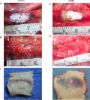
Graphene oxide–chloroquine conjugate induces DNA damage in A549 lung cancer cells through autophagy modulation
Beilstein J. Nanotechnol. 2025, 16, 316–332, doi:10.3762/bjnano.16.24
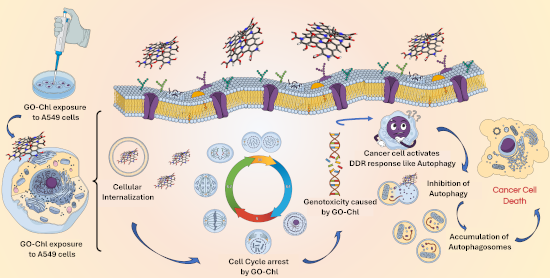
- exposure to starch-capped silver nanoparticles (AgNPs) [11]. Gemcitabine-encapsulated poly(lactic-co-glycolic acid) (PLGA) nanoparticles have been shown to enhance cell death in chemoresistant PANC1 cells, human pancreatic epithelial carcinoma cells [12]. Also, TiO2 nanoparticles can sensitize A549 cells



Nanocarriers and macrophage interaction: from a potential hurdle to an alternative therapeutic strategy
Beilstein J. Nanotechnol. 2025, 16, 97–118, doi:10.3762/bjnano.16.10
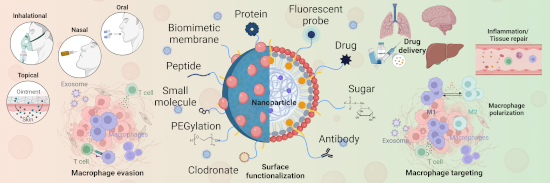
- ]. In RA, the predominance of M1 macrophages in inflamed joints drives synovitis and cartilage destruction. Yang and colleagues developed folic acid-modified silver nanoparticles (FA-AgNPs) to target M1 macrophages via folate receptor-mediated endocytosis. Once internalized, these NPs scavenged ROS


Instance maps as an organising concept for complex experimental workflows as demonstrated for (nano)material safety research
Beilstein J. Nanotechnol. 2025, 16, 57–77, doi:10.3762/bjnano.16.7

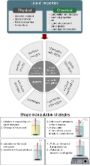
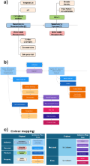
- based on differences in the particles’ sulfidation levels [35]. We note that the same reasons underpinned its selection for the discussion of instance maps in [28]. The instance map in Figure 3 delineates all steps of the synthesis of sulfidised silver nanoparticles (AgNPs). AgNPs are synthesised with a


Facile synthesis of size-tunable L-carnosine-capped silver nanoparticles and their role in metal ion sensing and catalytic degradation of p-nitrophenol
Beilstein J. Nanotechnol. 2024, 15, 1576–1592, doi:10.3762/bjnano.15.124
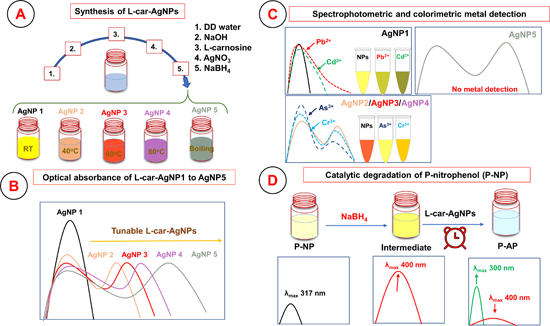
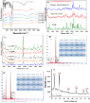
- ʟ-carnosine in synthesizing tunable plasmonic silver nanoparticles (ʟ-car-AgNPs). The formation of ʟ-car-AgNPs was confirmed via UV–vis optical absorption spectroscopy, showing single and double plasmonic peaks, depending on the synthesis conditions. Physicochemical characterization using TEM, FTIR
- with various contaminants. Keywords: catalysis; heavy metals; ʟ-carnosine; p-nitrophenol; silver nanoparticles; Introduction The persistent rise in environmental pollution, notably from heavy metal ions and organic pollutants, has propelled the development of innovative and efficient environmental
- sustainability and public health. Silver nanoparticles (AgNPs) have attracted the interest of researchers worldwide in recent years because of their promising use in environmental chemistry. The unique optochemical properties of AgNPs, including high surface area to volume ratio, optical absorbance, excellent




Green synthesis of silver nanoparticles derived from algae and their larvicidal properties to control Aedes aegypti
Beilstein J. Nanotechnol. 2024, 15, 1566–1575, doi:10.3762/bjnano.15.123
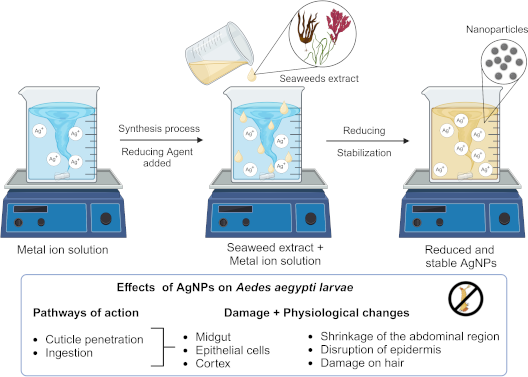
- for ways to control these insects, avoiding the use of conventional chemical insecticides that are proven to be toxic to nature. In the last years, there has been growing evidence for the potential of silver nanoparticles (AgNPs) to be ecologically benign alternatives to the commercially available
- chemical reduction of metal ions through biological compounds can be used to synthesize non-toxic and environmentally safe “green” insecticide alternatives in the form of metal-based nanoparticles [15]. A promising option are silver nanoparticles (AgNPs) obtained through synthesis from natural extracts
- containing secondary metabolites that act as reducing and stabilizing agents. Among these metabolites, alkanes, aromatics, phenols, ethers, amines, and amides stand out for their role in the reduction, stabilization, and capping of silver nanoparticles [11][16][17][18][19]. Compounds of natural origin are


Nanoarchitectonics with cetrimonium bromide on metal nanoparticles for linker-free detection of toxic metal ions and catalytic degradation of 4-nitrophenol
Beilstein J. Nanotechnol. 2024, 15, 1312–1332, doi:10.3762/bjnano.15.106
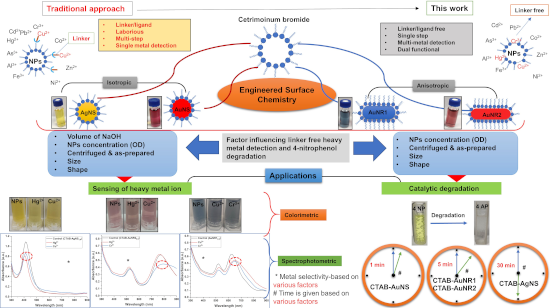
- metals and efficient degradation of 4-NP. For enabling linker-free/ligand-free detection of heavy metal ions and catalytic degradation of 4-NP, CTAB was engineered as a versatile capping agent on gold and silver nanoparticles. Various factors, including nanoparticle characteristics such as shape, size
- does not allow for interactions with ligands via ion–ion interactions. Therefore, multiple surface modifications or linkers must be used for selective interaction between ligand and CTAB-capped gold and silver nanoparticles [7][9]. Contaminants in form of heavy metals and pollutant such as 4
- and complex operational procedures [21]. Colorimetric detection of heavy metals and catalytic conversion of 4-nitrophenol can be achieved using CTAB-capped gold or silver nanoparticles because of their unique surface plasmon resonance (SPR) properties, allowing for a colorimetric analysis through a




Direct electron beam writing of silver using a β-diketonate precursor: first insights
Beilstein J. Nanotechnol. 2024, 15, 1117–1124, doi:10.3762/bjnano.15.90

- . “Experimental” section) for focused electron beam-induced deposition (FEBID). (hfac)AgPMe3 is a white to light yellow solid, which was used before for chemical vapor deposition [32] and for growing silver nanoparticles by atomic layer deposition [33]. Like for other silver precursors, a pronounced halo and a
- . Compared to the typically obtained granular structure of metallic nanoparticles in a carbonaceous matrix, the deposit composition and chemistry evolution are unexpected. The resulting deposit exhibits a carbon-rich body with a surface decorated with silver nanoparticles and an interfacial layer of


Unveiling the potential of alginate-based nanomaterials in sensing technology and smart delivery applications
Beilstein J. Nanotechnol. 2024, 15, 1077–1104, doi:10.3762/bjnano.15.88
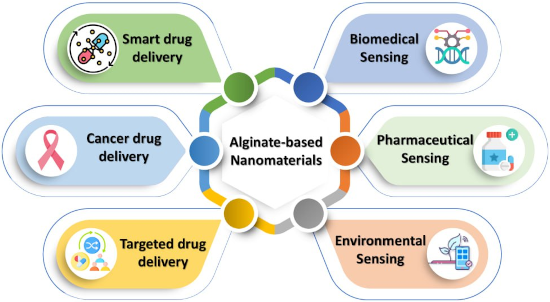
- ]. This property allows the alginate-based nanoparticles to effectively bind and detect heavy metal ions present in water systems. The synthesis of alginate-based nanoparticles for metal sensing involves the incorporation of metallic nanoparticles, such as silver nanoparticles or zinc oxide nanoparticles


A review on the structural characterization of nanomaterials for nano-QSAR models
Beilstein J. Nanotechnol. 2024, 15, 854–866, doi:10.3762/bjnano.15.71
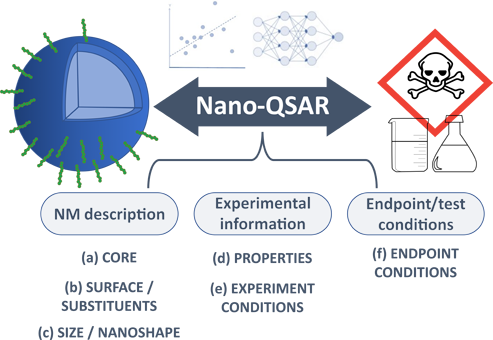
- descriptor of the category “a” or “b” in our classification). Kudrinskiy et al. also modelled silver nanoparticles with different coatings without introducing directly the capping agent in the model, but only by observing the differences in size, reactivity, and electric behavior of the nanoforms with





