


Search results
Search for "stress" in Full Text gives 575 result(s) in Beilstein Journal of Nanotechnology. Showing first 200.
Development of Protium heptaphyllum essential oil-loaded nanocapsules: experimental design and biological activity
Beilstein J. Nanotechnol. 2026, 17, 974–990, doi:10.3762/bjnano.17.67
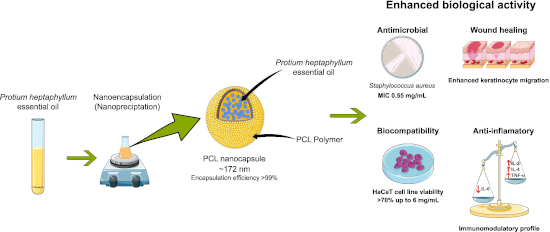
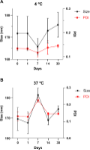
- the nanocapsules, including their colloidal organization and the properties of the polymeric shell. Additionally, the unchanged particle size over time, even under thermal stress, indicate that no phase separation, leakage of the encapsulated compound, or interfacial degradation occurred during
- organization and permeability [46][47]. Future studies must clarify the underlying mechanisms by using specific assays to evaluate membrane integrity, assess oxidative stress, or determine apoptosis. According to ISO 10993-5 guidelines, a viability reduction greater than 30% compared to controls indicates
- proliferation and extracellular matrix remodeling, whereas excessive or sustained production leads to chronic inflammation, cytotoxicity, and impaired wound healing [53][54]. The observed TNF-α increase may indicate either early reparative activation or dose-dependent cellular stress from increased bioactive




Materials challenges in solid-state sensors for continuous monitoring of ions in water
Beilstein J. Nanotechnol. 2026, 17, 935–973, doi:10.3762/bjnano.17.66
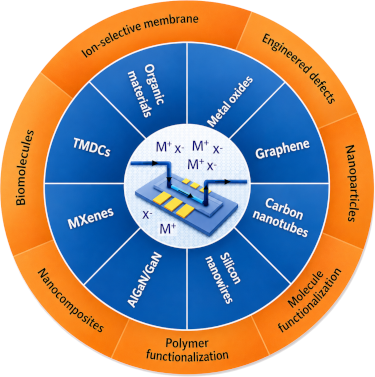
- mechanical stress. Designs must mitigate fouling and maintain performance in spite of these conditions [16]. Finally, (vii) the sensor should be suitable for in situ (on-site) measurements and operate with low power requirements to support long-term use. It should also allow for automatic data recording and


Nanocarrier strategies to overcome P-glycoprotein-mediated drug resistance in cancer therapy
Beilstein J. Nanotechnol. 2026, 17, 882–921, doi:10.3762/bjnano.17.64
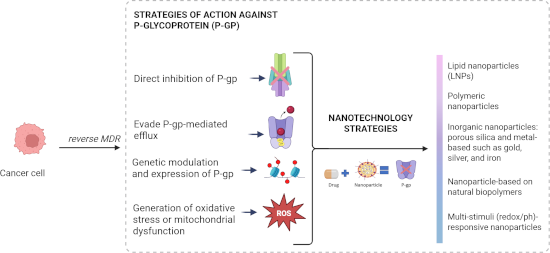
- reduced off-target effects. Such multifunctional nanoplatforms represent the growing shift from single-mechanism to precision-targeted therapeutic systems within the field of P-gp modulation. 3.1.4 Generation of oxidative stress or mitochondrial dysfunction. Unlike direct inhibition of drug efflux pumps
- high stable P-gp expression (e.g., leukemias and drug-refractory breast cancers), but clinical translation is hampered by nucleic acid instability and delivery barriers [34][39]. Finally, oxidative stress-based strategies are broadly effective as ROS overproduction can suppress P-gp and induce
- carriers (NLCs), which incorporate liquid lipids into a solid lipid matrix. This design prevents excessive crystallization, enhances stress resistance, and allows for more efficient and controlled release of active compounds. NLCs are typically categorized into amorphous, imperfect, and multitype


He+ FIBID-fabricated 3D AFM tip architectures: an exploratory study of hollow pillars, helices, and spirals
Beilstein J. Nanotechnol. 2026, 17, 863–871, doi:10.3762/bjnano.17.62
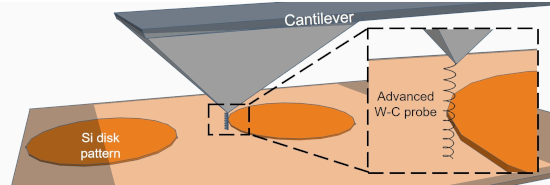
- the two commercial reference tips, allowing the morphological evolution of the structures under repeated operational stress to be monitored. SEM images acquired before and after AFM measurements for all investigated tips are provided in Supporting Information File 1. The different nanoarchitectures
- the mechanical design of the tip–cantilever interface. This limitation is consistent with behaviour reported for other high-aspect-ratio probes. Several design modifications can be considered to reduce stress concentration at the anchoring region. Decreasing the effective tip length would reduce the
- buttresses, could promote a more homogeneous stress distribution and enhance structural stiffness. Smoothing the geometric transition between the tip and the cantilever, for example, by avoiding abrupt variations in cross section, may further reduce stress concentrators. More generally, architecture-specific


Nanoparticle delivery systems for HIV pre-exposure prophylaxis (PrEP): advances and challenges
Beilstein J. Nanotechnol. 2026, 17, 839–853, doi:10.3762/bjnano.17.60
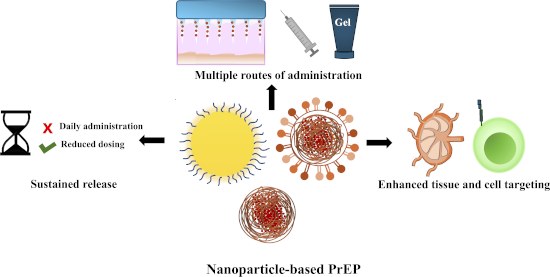
- ’ intrinsic antiviral actions such as protease inhibition [72][73][74]. Some studies of the toxicity of MNPs have provided indications of mitochondrial dysfunction, increased membrane permeability, cellular damage, and oxidative stress in host cells in response to MNP exposure [75][76]. Silicon-based systems


Restorative potential of laser-synthesized silver nanoparticles with Salvia officinalis for periodontal disease treatment: an in vitro study
Beilstein J. Nanotechnol. 2026, 17, 781–795, doi:10.3762/bjnano.17.55
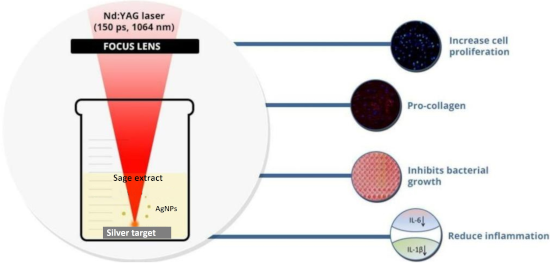
- activity and can modulate cell viability and oxidative stress in a size- and concentration-dependent manner [14]. Based on these findings, we hypothesize that AgNPs produced by PLAL in an aqueous sage extract environment could maintain the bioactive properties of both AgNPs and sage extract, leading to



Environmental applications of silver nanoparticles: state-of-the-art review and emerging trends
Beilstein J. Nanotechnol. 2026, 17, 697–736, doi:10.3762/bjnano.17.49


Recent progress in enhancing built-in electric fields of perovskite solar cells via junction engineering
Beilstein J. Nanotechnol. 2026, 17, 602–621, doi:10.3762/bjnano.17.42
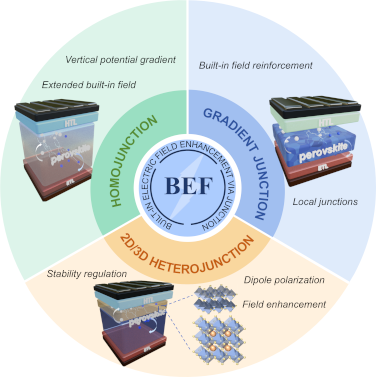
- continuous barrier-reducing channel across the film [15], a strategy that emphasizes longitudinal potential continuity and a “capacitive accumulation” effect, which maintains an effective driving force over a larger thickness and is often accompanied by improved crystallinity and stress release
- while optimizing carrier separation, transport, and collection [39]. These processes are often accompanied by synergistic benefits, including improved crystallinity, suppression of defect states, and stress relaxation, which in turn yield concurrent gains in PCE and operational stability. Early efforts
- mechanical stress. This limitation is particularly pronounced in certain mixed-halide, wide-bandgap systems, where rapid top-down crystallization leads to accumulation and tensile stress at the film bottom, creating a gradient opposite to the BEF, which weakens the electric field and accelerates



Advances in nanotechnology applied to natural products
Beilstein J. Nanotechnol. 2026, 17, 555–558, doi:10.3762/bjnano.17.36

- physicochemical stability, increase apparent bioavailability, and modulate biological responses. In systemic delivery, microemulsions have been reported to enhance the absorption and therapeutic performance of natural compounds, with associated reductions in metabolic alterations and oxidative stress in
Nanocarrier-integrated multilayer films produced by 3D printing for improved skin adhesion and curcumin photostability
Beilstein J. Nanotechnol. 2026, 17, 440–453, doi:10.3762/bjnano.17.30
- as antioxidant activity through reactions with free radicals or reactive oxygen species (ROS) and inhibition of lipid peroxidation and DNA damage. These mechanisms contribute to reduced oxidative stress and enhanced wound-healing processes [17]. Consequently, curcumin is currently under investigation
- the hydrogels. An oscillatory amplitude sweep was performed over a strain range of 0.1–500% at a constant frequency of 1 Hz to determine the linear viscoelastic region and to estimate the yield stress. Thixotropic behaviour was evaluated using a three-interval thixotropy test (3ITT), conducted as
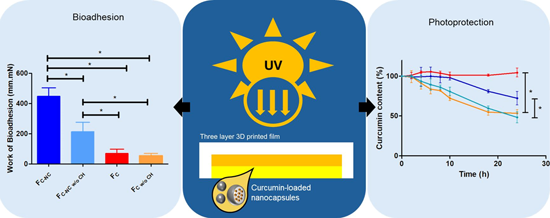
- using software (Exponent, Stable Micro Systems, Godalming, Waverley, UK) [28]. Photodegradation behaviour Photodegradation analyses were conducted in a mirrored chamber under an UVC lamp for 24 h, and all analyses were done in triplicate. UVC irradiation was selected as a stress condition to perform a


First-principles study on elastic properties of Cu, (Cu1−x,Nix)3Sn and interfacial mechanical properties of (Cu1−x,Nix)3Sn/Cu in the lead-free solder joint
Beilstein J. Nanotechnol. 2026, 17, 428–439, doi:10.3762/bjnano.17.29
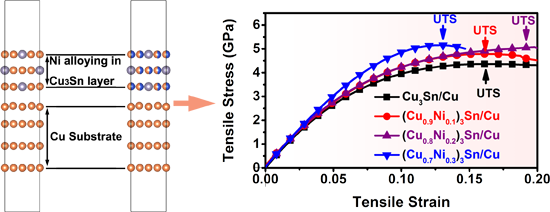
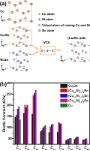
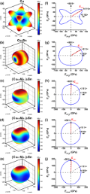
- ductility in terms of elastic moduli. Subsequently, the orientation-dependent Young’s moduli of Cu and (Cu1−xNix)3Sn were calculated. Finally, tensile modulus, ultimate tensile stress, work of adhesion, and interfacial toughness of (Cu1−xNix)3Sn/Cu were calculated based the interface model with the
- thickness of the vacuum layer was 1 nm. Interfacial modulus, ultimate tensile stress, work of adhesion, and the interfacial toughness of (CuxNi1−x)3Sn /Cu interfaces were determined by a tensile test along the direction normal to the interface plane, that is, along the z-axis. During the tensile deformation
- atomic layers, a. Tensile stress was applied along the direction normal to the interface plane, and the relationship between tensile stress and tensile strain of (CuxNi1−x)3Sn/Cu interfaces were calculated (Figure 4b). The tensile modulus, Etensile, was determined as the ratio of the tensile stress to


Biomimetic nanoparticles in cancer photodynamic therapy: a review of targeted delivery systems and therapeutic outcomes
Beilstein J. Nanotechnol. 2026, 17, 396–422, doi:10.3762/bjnano.17.27


Interconnection morphology effects on the radio frequency response of carbon nanotube sponges
Beilstein J. Nanotechnol. 2026, 17, 343–351, doi:10.3762/bjnano.17.23
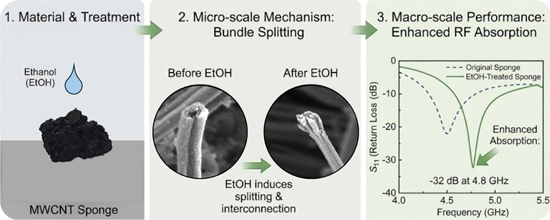
- cellular networks (4G/5G) for mobile and satellite communication. This vast number of applications often requires that the active materials possess additional properties beyond good electrical conductivity, such as flexibility, lightness, and resistance to thermal and mechanical stress or chemically harsh
- demanding non-standard shapes that also need to resist thermal and mechanical stress or chemically harsh conditions. Experimental The CNTs were synthesised using a chemical vapour deposition process [26][27][28] with a floating catalyst injection in a quartz tube (60 cm length and 45 mm external diameter



Advancing nanolithography: a comprehensive review of materials for local anodic oxidation with AFM
Beilstein J. Nanotechnol. 2026, 17, 275–291, doi:10.3762/bjnano.17.19
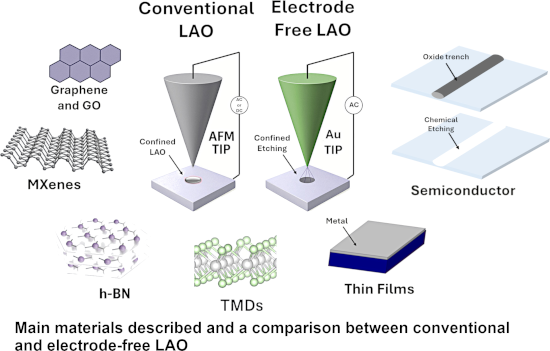
- stress and trapped charges hinder further ion transport. Together, these effects progressively slow oxidation and ultimately halt growth [48]. This explains why local oxidation experiments on Si report maximum features below 10 nm, while oxide features grown on SiC (with different stoichiometry and
- surfaces), and environmental factors, such as humidity, which can impact reproducibility. LAO-grown oxide is less dense than thermally grown oxide, and mechanical stress between the substrate and oxide layer may lead to defects. In addition, the insulating nature of SiO2 limits its versatility compared to


Durable antimicrobial activity of fabrics functionalized with zeolite ion-exchanged nanomaterials against Staphylococcus aureus and Escherichia coli
Beilstein J. Nanotechnol. 2026, 17, 262–274, doi:10.3762/bjnano.17.18
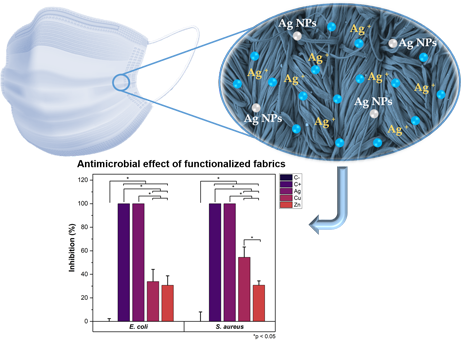
- nanoparticles act against viruses involves the interaction with the surface of the NPs, leading to adhesion and inactivation, thereby preventing the virion from entering the host cell. NPs release ions or transfer them to microorganisms, inducing oxidative stress. Given these possible mechanisms, viral




Comparative study on 3D morphologies of delignified, single tracheids and fibers of five wood species
Beilstein J. Nanotechnol. 2026, 17, 239–250, doi:10.3762/bjnano.17.16
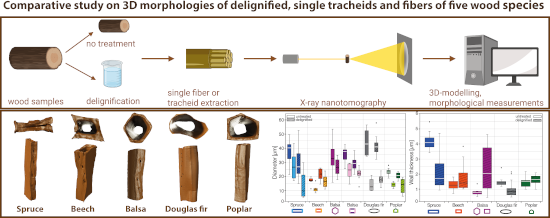
- wood to withstand high stress. This structural resilience makes wood a versatile material for applications ranging from construction to advanced composites. However, a detailed understanding of how delignification affects softwood tracheid and hardwood fiber morphology is crucial for predicting
- a key role in preventing cell collapse under high tensile stress or/and inner pressure exerted by the water column during transpiration [8]. Wood delignification is a crucial process in various industries, particularly pulp and paper production, biofuel generation, and the development of advanced
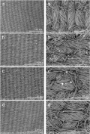
- appeared frayed (Figure 1D,E). The tracheid showed a rectangular shape with round lumen in the untreated spruce (Figure 1B), while deformed to rhombus in the delignified spruce. Such deformation was very likely due to the mechanical stress applied on the sample during experimental preparation (Figure 1H


Safe and sustainable by design with ML/AI: A transformative approach to advancing nanotechnology
Beilstein J. Nanotechnol. 2026, 17, 176–185, doi:10.3762/bjnano.17.11
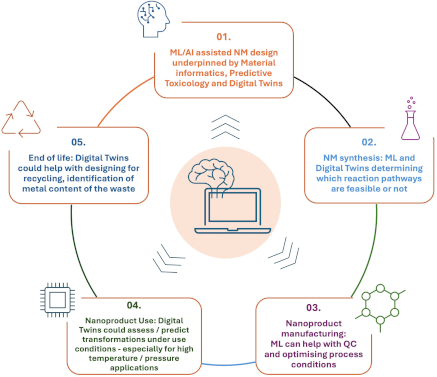
- for rapid adjustments to nanomaterial formulations or processing parameters in response to emerging safety or efficacy concerns. By simulating how nanomaterials behave across varying operational scenarios – incorporating factors like temperature, pH, or mechanical stress – digital twins will


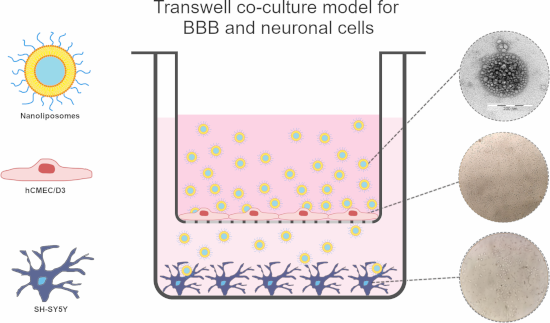
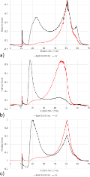
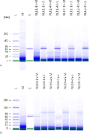
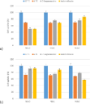
Influence of surface characteristics on the in vitro stability and cell uptake of nanoliposomes for brain delivery
Beilstein J. Nanotechnol. 2026, 17, 139–158, doi:10.3762/bjnano.17.9




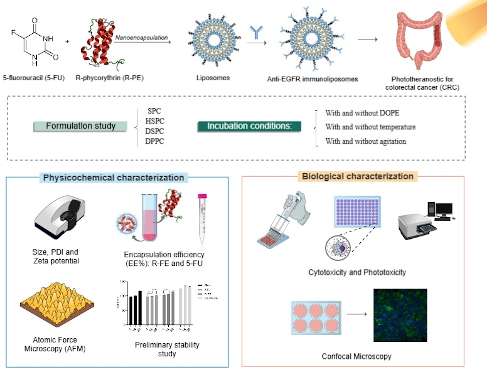
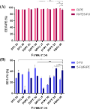
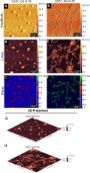
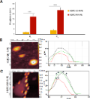
Development and in vitro evaluation of liposomes and immunoliposomes containing 5-fluorouracil and R-phycoerythrin as a potential phototheranostic system for colorectal cancer
Beilstein J. Nanotechnol. 2026, 17, 97–121, doi:10.3762/bjnano.17.7



Functional surface engineering for cultural heritage protection: the role of superhydrophobic and superoleophobic coatings – a comprehensive review
Beilstein J. Nanotechnol. 2026, 17, 63–96, doi:10.3762/bjnano.17.6
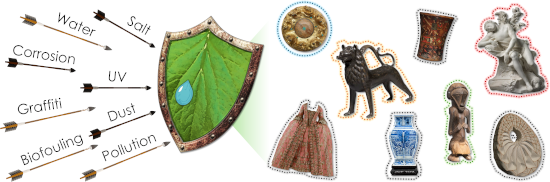
- the analysis of the statue of Darius from Susa, in modern Iran [13]. The statue was found in Egypt in 1972, and was then transferred to Teheran, Iran. The paper by Shahrokh reveals how a combination of natural wear, such as erosion and structural stress, and anthropogenic damage, including the loss of
- transparency; however, several limitations can be highlighted. The resins are not always compatible with metal patina [49] and are also easily prone to yellowing due to ageing from ultraviolet (UV) radiation or thermal stress [50], while the waxes guarantee a protection from corrosion, but only in the early
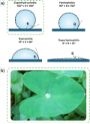
- ICOM preventive conservation criteria. Substrate characteristics determine not only how the coating adheres, but also how easily it can be removed, how stable it remains under environmental stress, and whether it alters the optical appearance of the surface. These considerations are particularly




Quantitative estimation of nanoparticle/substrate adhesion by atomic force microscopy
Beilstein J. Nanotechnol. 2026, 17, 1–14, doi:10.3762/bjnano.17.1

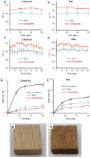
- strength provides a practical framework for characterizing NP/substrate interactions. Such understanding is essential for developing reliable NP coatings, where adhesion directly influences coating stability, uniformity, and functional performance under varying environmental and mechanical stress



Internal 3D temperature mapping in biological systems using ratiometric light-sheet imaging and lipid-coated upconversion nanothermometers
Beilstein J. Nanotechnol. 2025, 16, 2306–2316, doi:10.3762/bjnano.16.159
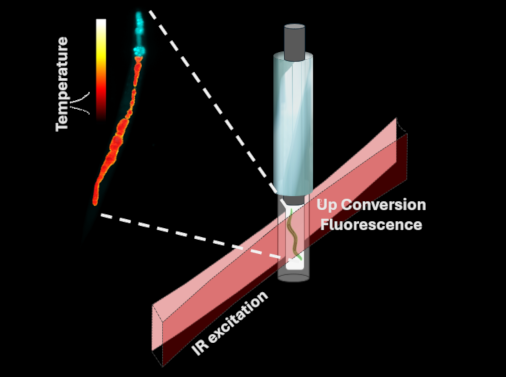
- range was chosen because (i) it remains below the high-stress temperature threshold of C. elegans (>35 °C) [53] and (ii) it falls within the linear, high-sensitivity region of the NaYF4:Yb/Er nanoparticle thermometric response (20–100 °C) [44]. The black diamonds denote the combined mean values of both
- millisecond-scale slice acquisition inherent to LSFM make real-time thermometry in living organisms entirely feasible. This capability would enable monitoring metabolic or stress-induced temperature fluctuations at the single-organ level and evaluating thermal side effects of optogenetic, photothermal, or
- metabolism to organ-specific stress responses. Characteristic UC fluorescent emission spectra of NaYF4:Er3+/Yb3+ in the green region when irradiated with 980 nm laser light. Insets: UC process scheme (right). Schematic representation of the energy transfer between Yb3+ and Er3+ ions and the UC emission in an


Improving magnetic properties of Mn- and Zn-doped core–shell iron oxide nanoparticles by tuning their size
Beilstein J. Nanotechnol. 2025, 16, 2285–2295, doi:10.3762/bjnano.16.157
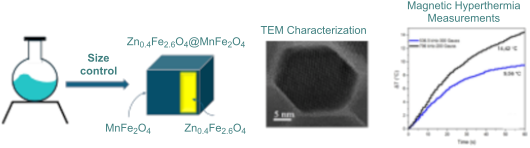
- they induce oxidative stress, genotoxic effects, and inflammation [8][9]. This has raised concerns regarding their use in clinical applications, leading researchers to develop alternative, non-toxic substitutes for Co-based nanoparticles. In this context, manganese ferrite (MnFe2O4) has been identified
- high SAR values, cobalt-containing nanoparticles are not suitable for biomedical applications due to the well-known cytotoxicity of cobalt ions. Studies have shown that cobalt ions released from nanoparticles can induce oxidative stress, inflammation, and cellular damage, which limits their use in



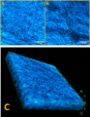
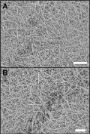
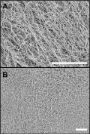
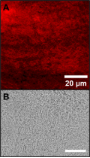
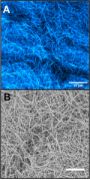
Visualizing nanostructures in supramolecular hydrogels: a correlative study using confocal and cryogenic scanning electron microscopy
Beilstein J. Nanotechnol. 2025, 16, 2274–2284, doi:10.3762/bjnano.16.156
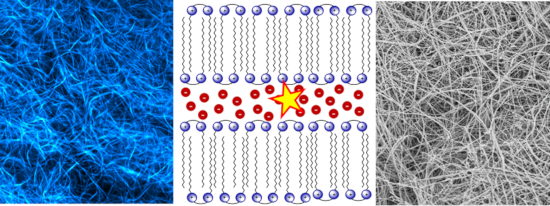
- insights into gel behaviour under mechanical stress, did not reliably capture the morphology of the hydrated gel in its native state. These results show the limitations of using low quantum yield fluorophores like ZnPc for CLSM analysis of supramolecular hydrogels. DPP-BC@Gel In general, DPP dyes are
- exist [37][38]) for the morphological analysis of soft materials, particularly where fluorophore properties or sample preparation requirements might obscure key features in a single modality. Moreover, the results stress the importance of fluorophore selection in CLSM studies of supramolecular systems



Optical bio/chemical sensors for vitamin B12 analysis in food and pharmaceuticals: state of the art, challenges, and future outlooks
Beilstein J. Nanotechnol. 2025, 16, 2207–2244, doi:10.3762/bjnano.16.153
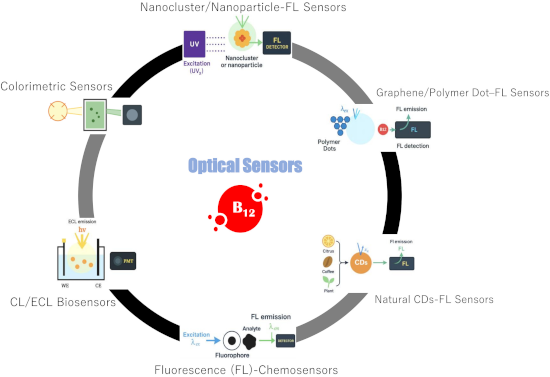
- ]. This water-soluble micronutrient is essential for improving brain and nervous system functions, blood cell development, bone health improvement, energy and DNA production, fertility and embryo development, control of neurological symptoms (e.g., stress, depression, dementia, and visual disturbances





