


Search results
Search for "targeted drug delivery" in Full Text gives 72 result(s) in Beilstein Journal of Nanotechnology.
Nanocarrier strategies to overcome P-glycoprotein-mediated drug resistance in cancer therapy
Beilstein J. Nanotechnol. 2026, 17, 882–921, doi:10.3762/bjnano.17.64
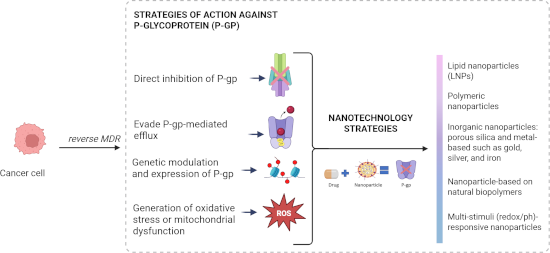
- polymeric nanoparticles. Structurally, polymeric nanoparticles can be classified into nanospheres and nanocapsules, each presenting distinctive architectures and drug-release behaviors suitable for prolonged, sustained, or targeted drug delivery [99]. Nanocapsules are vesicular devices that encapsulate an


Biomimetic nanoparticles in cancer photodynamic therapy: a review of targeted delivery systems and therapeutic outcomes
Beilstein J. Nanotechnol. 2026, 17, 396–422, doi:10.3762/bjnano.17.27
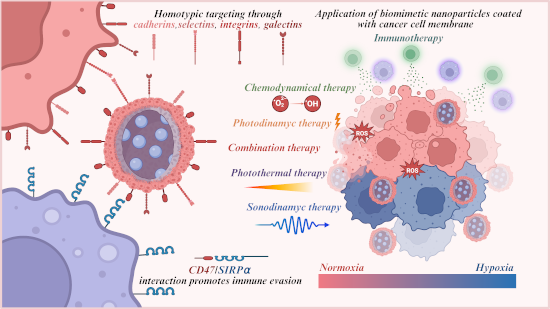
- treatments. Keywords: biomimetic nanoparticles; immunogenic cell death; nanocarriers; photodynamic therapy; targeted drug delivery; tumor hypoxia modulation; Review Introduction Cancer remains a formidable global health challenge, demanding innovative therapeutic strategies that balance efficacy with


Safe and sustainable by design with ML/AI: A transformative approach to advancing nanotechnology
Beilstein J. Nanotechnol. 2026, 17, 176–185, doi:10.3762/bjnano.17.11
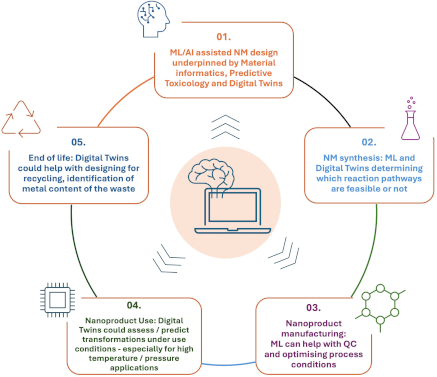
- formulations that offer both optimal performance and a reduced risk profile [47][48]. By combining high-throughput computational screening with experimental data, this approach enables rapid candidate selection for diverse applications, from catalysis to targeted drug delivery [49][50]. One of the most


From shield to spear: Charge-reversible nanocarriers in overcoming cancer therapy barriers
Beilstein J. Nanotechnol. 2026, 17, 159–175, doi:10.3762/bjnano.17.10
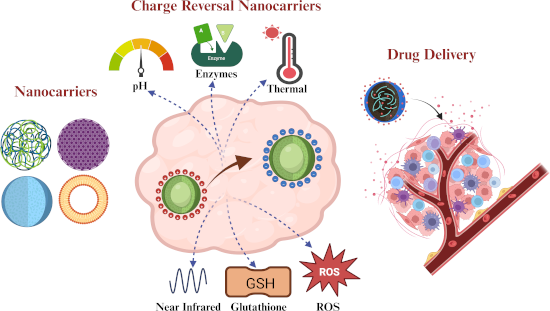
- targeted drug delivery with improved intracellular release and reduced systemic toxicity, highlighting the therapeutic advantage of pH-sensitive hydrazone bonds in nanocarrier design [46]. Another work involved polymers modified with weak acidic groups (e.g., carboxylic acids or phosphates). Under neutral
- cancer therapy and other clinical applications. 2.6 X-ray-responsive nanocarriers These systems offer innovative mechanisms for targeted drug delivery systems and enhanced therapeutic efficiency. These nanoparticles are designed to release therapeutic agents upon exposure to X-rays, which can generate
- , and ensuring efficient drug delivery in breast cancer therapy [74]. Yu et al. develop NTZ-DCMMs, charge-reversible nanocarriers with enhanced EGFR-targeted drug delivery, ensuring tumour-specific, redox-triggered DOX release, minimising off-target toxicity, cardiotoxicity, and enabling synergistic


Improving magnetic properties of Mn- and Zn-doped core–shell iron oxide nanoparticles by tuning their size
Beilstein J. Nanotechnol. 2025, 16, 2285–2295, doi:10.3762/bjnano.16.157
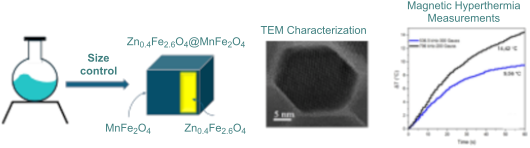
- unique magnetic properties, small size, and biocompatibility, which enable them to be used in a wide range of biomedical applications. These applications include magnetic resonance imaging, magnetic separation, targeted drug delivery, and hyperthermia [1][2]. Magnetic hyperthermia has been extensively



Toward clinical translation of carbon nanomaterials in anticancer drug delivery: the need for standardisation
Beilstein J. Nanotechnol. 2025, 16, 2092–2104, doi:10.3762/bjnano.16.144

- updated every decade [23][24]. The hallmarks framework has enabled researchers to develop more nuanced, spatially informed approaches to cancer therapy, reinforcing its role in driving multidisciplinary strategies for predicting treatment response [25]. Targeted drug delivery is an emerging
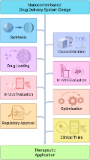
- . Moreover, these nanocarriers can bypass cancer cell resistance mechanisms, thereby enhancing overall drug efficacy. Targeted drug delivery aims at overcoming the side effects and limitations of traditional cancer treatment, like surgery, radiotherapy, and chemotherapy. Surgery, though effective in some



Advances of aptamers in esophageal cancer diagnosis, treatment and drug delivery
Beilstein J. Nanotechnol. 2025, 16, 1734–1750, doi:10.3762/bjnano.16.121
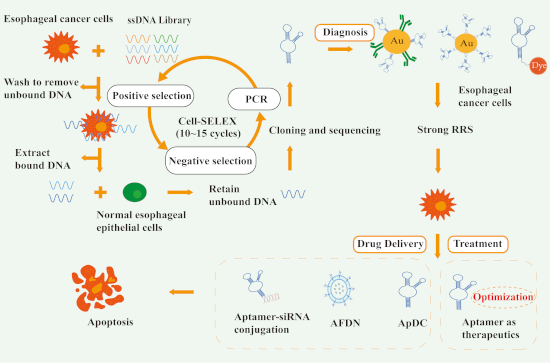
- lifestyle-related risk factors. However, the discovery of aptamers and the development of nanocarriers bring great benefits to the diagnosis, treatment, and targeted drug delivery of EC. Aptamers or peptide aptamers as biosensors or therapeutic agents for the diagnosis or treatment of EC, aptamer–drug
- conjugates and aptamer-functionalized drug nanocarriers for targeted drug delivery in esophageal cancer are reviewed in this paper. In addition, we expect investigators to pay special attention to improving aptamer permeability and stability to accelerate aptamer clinical transformation. In conclusion
- , shRNA [101], and depletion and reprogramming drugs for M2-like macrophages [102][103]. 5 Aptamers in targeted drug delivery against esophageal cancer Aptamer–drug conjugates (ApDCs) are capable of precisely delivering drugs to target cells or tissues using aptamers as “missiles” [104]. The high


Nanomaterials for biomedical applications
Beilstein J. Nanotechnol. 2025, 16, 1499–1503, doi:10.3762/bjnano.16.105
- adverse effects and increasing the success rate of the delivery. Since nanomaterials can be tunable, the vast majority of health sectors are investigating their potential in a wide range of applications, such as targeted drug delivery, gene therapy, tissue regeneration, imaging, and diagnostic tools [2
- that nanomaterials have many uses in medicine, from targeted drug delivery to improved imaging, promoting tissue regeneration, and enhancing the functions of implants and prosthetic devices. Their adaptability makes them so powerful as scientists can change the structure, chemistry, or properties of a
Enhancing the therapeutical potential of metalloantibiotics using nano-based delivery systems
Beilstein J. Nanotechnol. 2025, 16, 1350–1366, doi:10.3762/bjnano.16.98
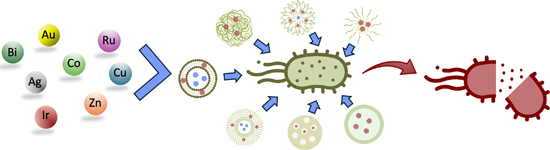
- during synthesis, making them adaptable for different drug delivery needs [59][60][61]. Surface modifications, such as the incorporation of polyethylene glycol (PEG) or specific targeting ligands, are commonly used to enhance liposome circulation time and promote targeted drug delivery. These
- , making them ideal for targeted drug delivery applications [87]. Mesoporous silica nanoparticles (MSiNPs) are a subclass of SiNPs known for their ordered pore structure, which allows for the encapsulation of large molecules and proteins. Due to their high surface area for drug loading and also to the fact


Ferroptosis induction by engineered liposomes for enhanced tumor therapy
Beilstein J. Nanotechnol. 2025, 16, 1325–1349, doi:10.3762/bjnano.16.97
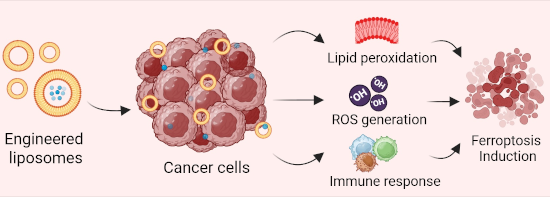
- therapeutic efficacy [118][128]. Additionally, liposomes can be surface-modified with various ligands such as antibodies, peptides, carbohydrates, and aptamers to achieve targeted drug delivery to specific cells or tissues [118][129]. These ligand-targeted liposomes can bind to receptors on target cells and


Better together: biomimetic nanomedicines for high performance tumor therapy
Beilstein J. Nanotechnol. 2025, 16, 1246–1276, doi:10.3762/bjnano.16.92
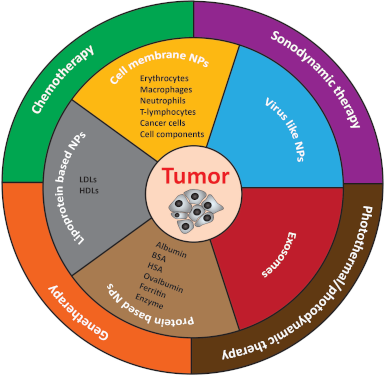
- utility, biomimetic nanoparticles hold great promise for advancing the field of cancer treatment. Keywords: biomimetic nanoparticles; homotypic binding; nanomaterials; targeted drug delivery; tumor therapy; Introduction Cancer is a complex disease, which involves numerous cells and their crosstalk with
- successfully eradicate tumors [8]. To overcome these discrepancies, an efficient, biocompatible, nontoxic, non-immunogenic and precisely targeted drug delivery system is desirable [9]. Conventional non-targeted delivery systems result in off-targeting as they also affect healthy cells and organs. Therefore
- phage for targeted drug delivery. In a recent study, the DNA of the M13 phage was modified to encode for SPARC binding peptide and cathepsin B cleavage peptide. Then, superparamagnetic iron oxide nanoparticles were covalently bonded to cathepsin B expressed on M13 phages to track their intracellular






Hydrogels and nanogels: effectiveness in dermal applications
Beilstein J. Nanotechnol. 2025, 16, 1216–1233, doi:10.3762/bjnano.16.90
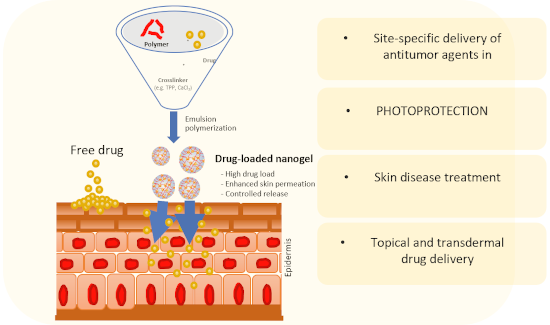
- the drug due to its higher availability at the site of action [37][215]. The pH difference observed in the intracellular environment (pH ≈ 4.8) when compared with the epidermal extracellular matrix (pH ≈ 5.5) is another characteristic evaluated to increase the efficiency of tumor-targeted drug
- delivery [157][212][213]. Recent advances have shown the development of polymeric nanogels for targeted delivery of antimetabolite agents in the treatment of skin cancer [168]. Antimetabolite agents are antineoplastic drugs that act by inhibiting cell division by blocking DNA and, to a lesser extent, RNA


A calix[4]arene-based supramolecular nanoassembly targeting cancer cells and triggering the release of nitric oxide with green light
Beilstein J. Nanotechnol. 2025, 16, 1003–1013, doi:10.3762/bjnano.16.75
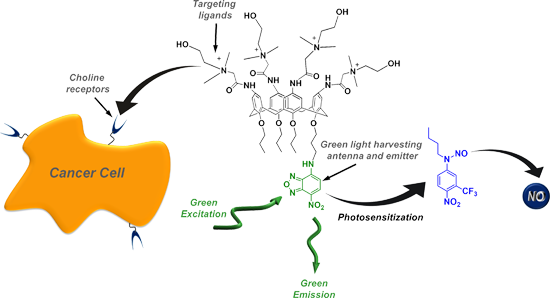
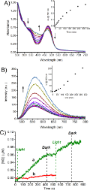
- for tumor cell-targeted drug delivery while sparing normal cells, an essential requirement for a more effective, safe, and precise medicine. Host–guest supramolecular complex and NO photorelease The NOPD 2 is totally insoluble in water. For sake of clarity, Figure 3A shows its absorption spectrum in


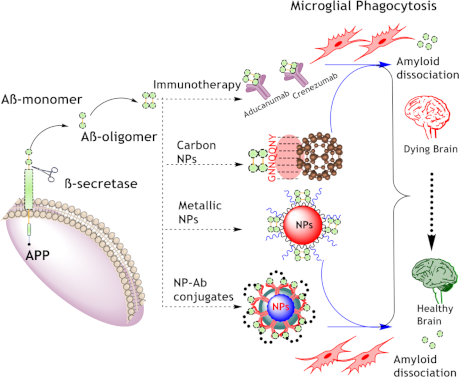
Nanomaterials in targeting amyloid-β oligomers: current advances and future directions for Alzheimer's disease diagnosis and therapy
Beilstein J. Nanotechnol. 2025, 16, 561–580, doi:10.3762/bjnano.16.44


Nanocarriers and macrophage interaction: from a potential hurdle to an alternative therapeutic strategy
Beilstein J. Nanotechnol. 2025, 16, 97–118, doi:10.3762/bjnano.16.10
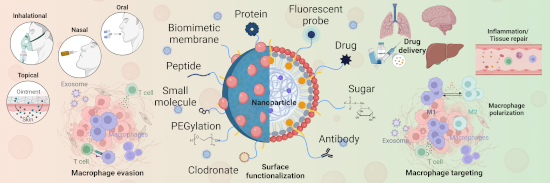
- .16.10 Abstract In the coming decades, the development of nanocarriers (NCs) for targeted drug delivery will mark a significant advance in the field of pharmacology. NCs can improve drug solubility, ensure precise distribution, and enable passage across biological barriers. Despite these potential
- ability to recognize and engulf NCs can impede the delivery of therapeutic agents to target tissues, it also opens avenues for novel strategies that exploit macrophage behavior for benefits, like targeted drug delivery and immunomodulation [2][7][8]. This review will explore the physiological functions of
- potential of NCs by reducing macrophage uptake and extending circulation time. These strategies pave the way for more effective and targeted drug delivery systems. 5 Innovative therapeutic strategies using NCs Recent advancements in NC technologies have highlighted their remarkable potential in targeting


Characterization of ZnO nanoparticles synthesized using probiotic Lactiplantibacillus plantarum GP258
Beilstein J. Nanotechnol. 2025, 16, 78–89, doi:10.3762/bjnano.16.8
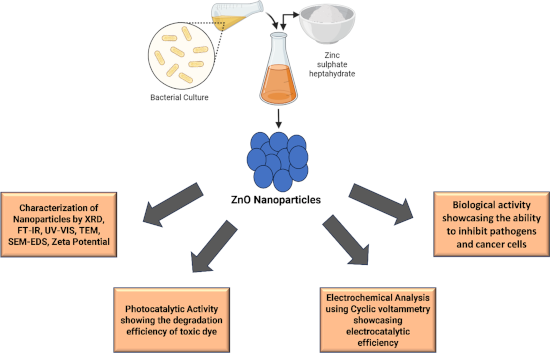
- semiconductors. Also, ZnO NPs exhibit antimicrobial activity, targeted drug delivery, catalytic activity, and antidiabetic, larvicidal, acaricidal and anticancer activity in addition to their usage in different medical devices and pharmaceuticals [11][12][13]. We report the ecologically safe production of ZnO



Theoretical study of the electronic and optical properties of a composite formed by the zeolite NaA and a magnetite cluster
Beilstein J. Nanotechnol. 2025, 16, 44–53, doi:10.3762/bjnano.16.5
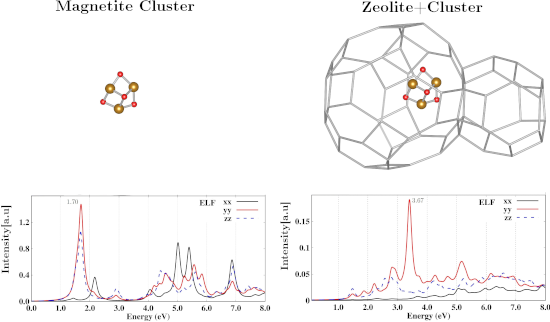
- development of nanotechnology and the emergence of composite zeolite materials have opened up unprecedented opportunities for their application in nanomedicine [47]. The unique properties of magnetic nanoparticles allow them to be used for targeted drug delivery and visualization of internal organs [48




Mechanistic insights into endosomal escape by sodium oleate-modified liposomes
Beilstein J. Nanotechnol. 2024, 15, 1667–1685, doi:10.3762/bjnano.15.131
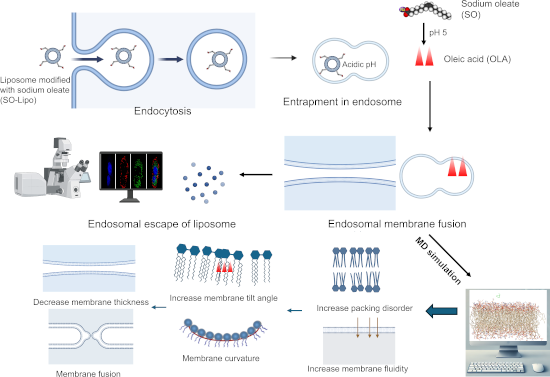
- mechanism, facilitating cytosolic delivery with reduced cytotoxicity. This approach offers a safer and more effective option for targeted drug delivery applications. Keywords: Aurein 1.2; endosomal escape; fusogenic effect; molecular dynamics simulation; sodium oleate; Introduction The quest for efficient
- systems. By presenting SO as a promising alternative endosomal escape agent, we aim to contribute to the advancement of targeted drug delivery strategies with improved therapeutic outcomes. Results and Discussion Characterization of liposomal formulations In our study, we meticulously formulated three
- new strategies in targeted drug delivery. Proposed mechanism of sodium oleate-enhanced endosomal escape in drug delivery In this study, we developed an innovative strategy to modify liposomes with SO to enhance their endosomal escape capabilities. By combining in vitro experiments with in silico MD




The round-robin approach applied to nanoinformatics: consensus prediction of nanomaterials zeta potential
Beilstein J. Nanotechnol. 2024, 15, 1536–1553, doi:10.3762/bjnano.15.121
- ; read-across; QSPR; round-robin test; zeta potential; Introduction Nanotechnology, defined as the ability to manipulate matter at the nanoscale, has opened an array of possibilities for multiple applications that take advantage of the unique properties of nanomaterials (NMs). From targeted drug
- delivery to environmental sensing, the versatility of NMs makes them ideal candidates for a broad range of innovative applications [1]. However, the complexity and unique properties of these materials also present significant challenges, especially when it comes to the assessment of their potential adverse


Hymenoptera and biomimetic surfaces: insights and innovations
Beilstein J. Nanotechnol. 2024, 15, 1333–1352, doi:10.3762/bjnano.15.107
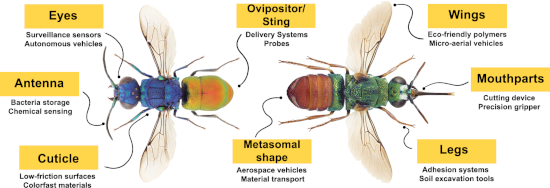
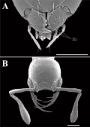
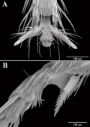
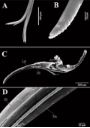
- delivery system (Figure 7C,D). The venom delivery systems of Hymenoptera are precise and efficient, inspiring the design of microinjection systems and targeted drug delivery methods that minimize collateral damage to surrounding tissues [170]. Drawing inspiration from the precision and efficiency of





Unveiling the potential of alginate-based nanomaterials in sensing technology and smart delivery applications
Beilstein J. Nanotechnol. 2024, 15, 1077–1104, doi:10.3762/bjnano.15.88
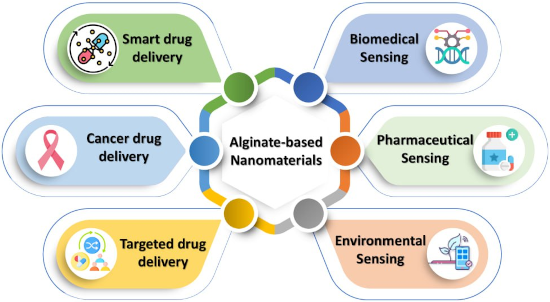
- and pharmacy are looking for such materials for DDSs because targeted drug delivery is becoming a vital way of carrying drugs. Traditional drug delivery methods including tablets, capsules, syrups, and ointments, have significant disadvantages such as low bioavailability and variability of drug levels
- sustain the medicine or gene effect in targeted tissues. This sustained release of medication extends the duration of the effect of the drug, ensuring optimal treatment efficacy. Additionally, biopolymeric nanoparticles can carry various functional groups on their surface enabling targeted drug delivery


When nanomedicines meet tropical diseases
Beilstein J. Nanotechnol. 2024, 15, 830–832, doi:10.3762/bjnano.15.69
- ]. Potentially beneficial properties of nanomedicines include enhanced drug solubility, improved bioavailability, targeted drug delivery, longer half-life, and reduced toxicity. This thematic issue covers pre-clinical research employing chemotherapeutic or prophylactic nanomedicines against NTDs in a concise
Classification and application of metal-based nanoantioxidants in medicine and healthcare
Beilstein J. Nanotechnol. 2024, 15, 396–415, doi:10.3762/bjnano.15.36
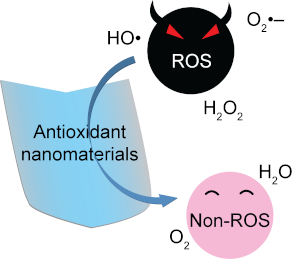
- atherosclerotic plaques [171]. One promising avenue involves the development of metal-based NPs for targeted drug delivery to atherosclerotic lesions. These NPs, often composed of biocompatible metals such as gold, silver, or iron, offer unique properties that enable precise drug delivery to affected areas while
- et al. demonstrated that biodegradable Mg scaffolds have shown promise in promoting vascular regeneration [188]. In brief, the use of metal-based nanomaterials in CVD treatment encompasses a range of innovative approaches from targeted drug delivery using NPs to the development of advanced metallic


Vinorelbine-loaded multifunctional magnetic nanoparticles as anticancer drug delivery systems: synthesis, characterization, and in vitro release study
Beilstein J. Nanotechnol. 2024, 15, 256–269, doi:10.3762/bjnano.15.24
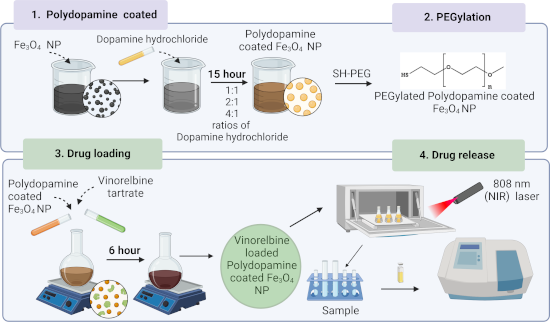
- anticancer drugs while mitigating the adverse effects of large dosage administration [6][7]. Additionally, it offers several advantages, such as controlled release, targeted drug delivery, and improved stability [8]. Moreover, nanoscale drug delivery systems hold great promise for specific cancer treatments
- ., cancer, diabetes, and atherosclerosis), magnetic resonance imaging (MRI), targeted drug delivery, photothermal therapy, gene therapy, and molecular and cellular monitoring [15][16]. Photothermal therapy (PTT), a treatment in which nanostructures are used, induces drug release or damages tumor cells with
- photothermal therapy capabilities, the PDA shell mitigates nanomaterial toxicity while increasing biocompatibility. The strategic integration of PEGylation into tumor-targeted drug delivery systems significantly amplifies passive tumor targeting and retention through the enhanced permeability and retention


Nanocarrier systems loaded with IR780, iron oxide nanoparticles and chlorambucil for cancer theragnostics
Beilstein J. Nanotechnol. 2024, 15, 180–189, doi:10.3762/bjnano.15.17
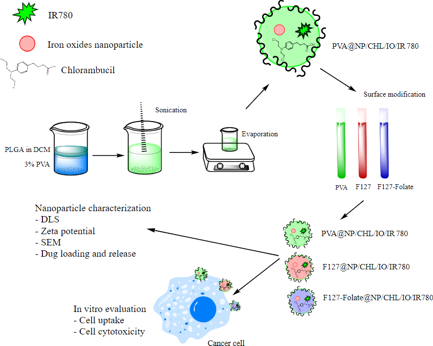
- diagnoses, including tumor-targeted drug delivery, hyperthermia, photodynamic therapy, and imaging. Nanomedicines can be made from a variety of inert, biodegradable, and in vivo biocompatible materials. Poly(lactic-co-glycolic acid) is one of the most biodegradable and biocompatible copolymers owing to its





