


Search results
Search for "trisodium citrate" in Full Text gives 30 result(s) in Beilstein Journal of Nanotechnology.
Environmental applications of silver nanoparticles: state-of-the-art review and emerging trends
Beilstein J. Nanotechnol. 2026, 17, 697–736, doi:10.3762/bjnano.17.49
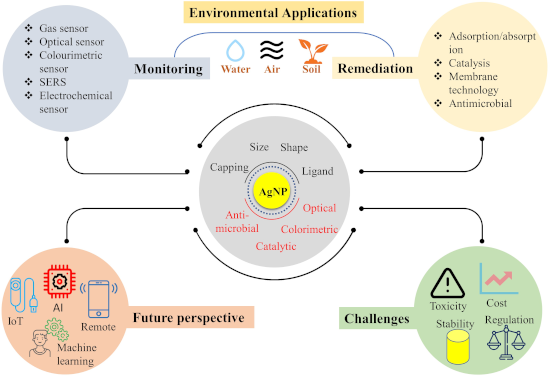
- filtration systems [59]. Another study highlighted the role of AgNP size and shape in catalytic MB removal [60]. AgNPs with controlled size of 10 nm and nanocapsular shape showed selective detection of Cu2+ ions with LOD of 2.6 × 10⁻⁹ mol/L [61]. Size-tuned AgNPs (1–100 nm) were synthesised using trisodium
- citrate as a capping agent to assess the impact of nanoparticle size on bacterial strain [62]. The study found that 5 nm AgNPs have a greater effect on killing bacterial strains compared to other sizes [62]. Collectively, these studies indicate that morphology and size significantly influence AgNP


Photochemical synthesis of silver nanoprisms via green LED irradiation and evaluation of SERS activity
Beilstein J. Nanotechnol. 2025, 16, 1417–1427, doi:10.3762/bjnano.16.103
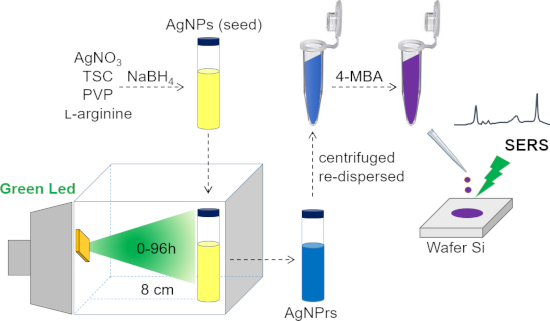
- applications. Keywords: light-emitting diodes (LEDs); photochemical synthesis; silver nanoprisms; surface-enhanced Raman scattering (SERS); trisodium citrate; Introduction Anisotropic silver nanoparticles (ASNPs) have attracted increasing attention from research groups worldwide due to their potential
- -MBA) as a probe molecule. In this study, AgNPrs were synthesized photochemically using green LED 10 W irradiation. Seeds were prepared using 1 mM AgNO3 and stabilized with a trisodium citrate (TSC)/AgNO3 molar ratio of 5. Physicochemical analyses confirmed the successful formation of AgNPrs with high
- . Experimental Chemical Silver nitrate (AgNO3, >99%), trisodium citrate tribasic dihydrate (TSC, >99%), 4-mercapto benzoic acid (4-MBA, 99%) were obtained from Sigma-Aldrich, Darmstadt, Germany. ʟ-arginine (L-A, 99%), sodium borohydride (NaBH4, 98%) were obtained from Merck, Darmstadt, Germany


Radiofrequency enhances drug release from responsive nanoflowers for hepatocellular carcinoma therapy
Beilstein J. Nanotechnol. 2024, 15, 569–579, doi:10.3762/bjnano.15.49
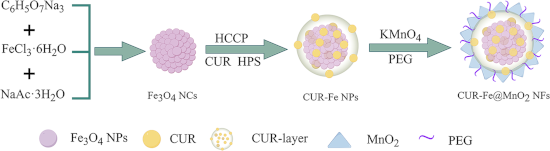
- and dual-modal contrast agents for MRI (T1 and T2) may establish the foundation for HCC treatment. Experimental Materials All chemical reagents were of analytical grade. Ferric chloride hexahydrate (FeCl3·6H2O), trisodium citrate (C6H9Na3O9), sodium acetate trihydrate (NaOAc·3H2O), potassium
- , China) [32][33]. First, trisodium citrate (0.40 g) was dissolved in pure EG (40 mL) and sonicated at room temperature until complete dissolution was achieved. Then, FeCl3·6H2O (1.35 g) was added with stirring. Next, NaOAc·3H2O (2.0 g) was added at room temperature with stirring for 30 min. The mixed


Silver-based SERS substrates fabricated using a 3D printed microfluidic device
Beilstein J. Nanotechnol. 2023, 14, 793–803, doi:10.3762/bjnano.14.65
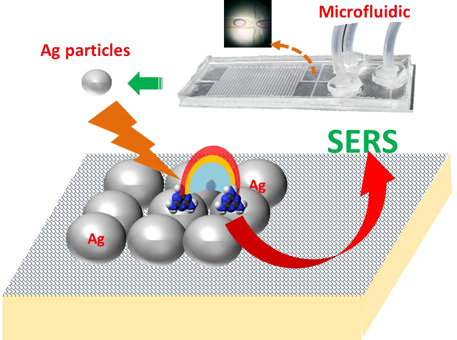
- ), mineral oil (light molecular biology grade), sorbitan monooleate (SPAN 80), and trisodium citrate dehydrate (TCD) (99%) were purchased from Alfa Aesar (Republic of Korea). Sylgard 184 A&B was obtained from Sewang Hitech (Republic of Korea), and the XL-1500 UV cross-linker used for UV curing was purchased
- , the formation of silver nanoparticles occurs more rapidly [52]. When the concentrations of silver nitrate and trisodium citrate were kept constant and the concentration of sodium borohydride was varied from 5–20 mM, the relative amount of capping agent decreased, resulting in a color change of the



Studies of probe tip materials by atomic force microscopy: a review
Beilstein J. Nanotechnol. 2022, 13, 1256–1267, doi:10.3762/bjnano.13.104
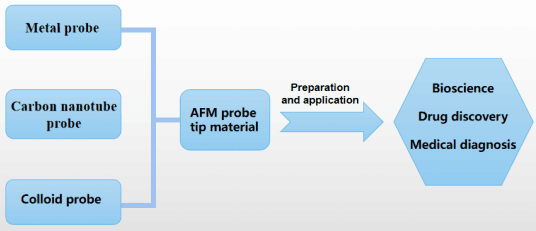
- likely be critical in bioelectronic applications or battery research. Zhang et al. [51] developed qualified colloidal gold probes labeled with monoclonal antibodies to hepatitis B surface antigen (HBsAg Mab), and l5 nm colloidal gold was prepared by using the trisodium citrate reduction method; the
- qualified by spot immunosorbent assay. The probes were qualified by speckle immunosorbent assay and could be stored for three months. The quality of the prepared HBsAg Mab colloidal gold probes was satisfactory and provided a means for further studies. Based on the above trisodium citrate reduction method
- , Liu et al. [52] prepared single-chain antibodies against Listeria monocytogenes (Lm) with an E. coli expression system, prepared colloidal gold by the trisodium citrate method, used colloidal gold as a tracer, optimized the preparation of colloidal gold probes, combined with purified scFv to prepare
Detection and imaging of Hg(II) in vivo using glutathione-functionalized gold nanoparticles
Beilstein J. Nanotechnol. 2022, 13, 549–559, doi:10.3762/bjnano.13.46
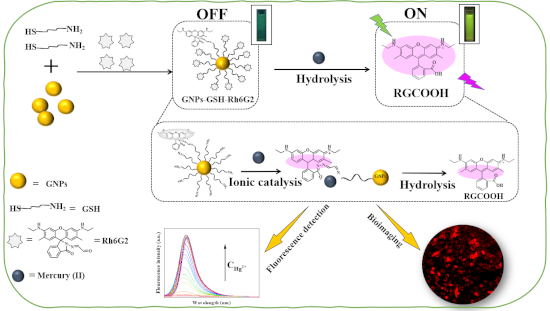
- then releases RGCOOH. Notably, our strategy was able to significantly reduce cytotoxicity. Experimental Materials and instruments Gold chloride hydrate (HAuCl4·4H2O) and rhodamine 6G (C18H31N2O3Cl) were provided from Sinopharm Chemical Reagent Co., Ltd. Trisodium citrate dihydrate and ʟ-glutathione in


A review on nanostructured silver as a basic ingredient in medicine: physicochemical parameters and characterization
Beilstein J. Nanotechnol. 2021, 12, 440–461, doi:10.3762/bjnano.12.36
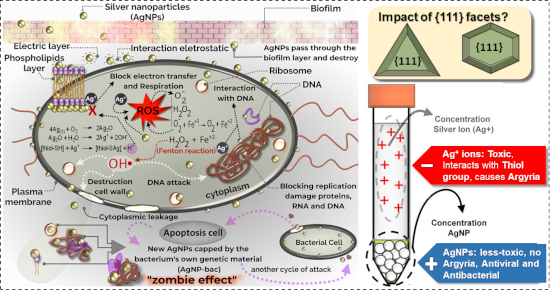
- the synthesis of gold nanoparticles in solution using trisodium citrate to reduce AuCl4−. Since then, this methodology is popularly known as the Turkevich method and it has been extended to other metals such as silver [137][138]. Following the same principle, this method is used to reduce Ag+. The


Characterization, bio-uptake and toxicity of polymer-coated silver nanoparticles and their interaction with human peripheral blood mononuclear cells
Beilstein J. Nanotechnol. 2021, 12, 282–294, doi:10.3762/bjnano.12.23
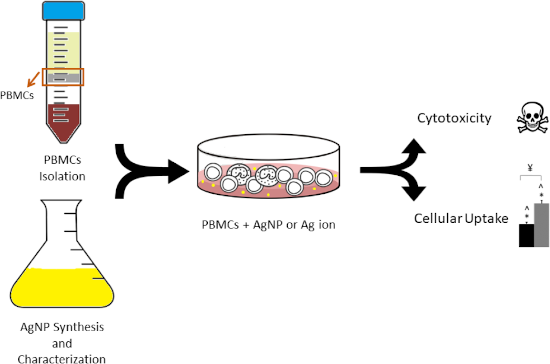
- comprehensive test. Experimental Synthesis and characterization of PVP-AgNPs Citrate-capped AgNPs (cit-AgNPs) were synthesized by the standard reduction of silver nitrate (AgNO3) in trisodium citrate as described in previous publications [56][57][58]. Briefly, separate solutions of AgNO3, trisodium citrate, and
- the reducing agent sodium borohydride (NaBH4) were prepared. AgNO3 and trisodium citrate were mixed together while stirring vigorously and NaBH4 was added in a dropwise fashion. The solution was heated slowly to boiling, boiled for a further 90 min, and then left overnight to cool in the dark. After
- synthesis, the NPs were washed by ultrafiltration (3 kDa cellulose membrane EMD Millipore) using a diafiltration technique to avoid drying and NP aggregation as well as to remove any residual reactants. The washing process was repeated at least three times and after each wash the trisodium citrate solution



Identification of physicochemical properties that modulate nanoparticle aggregation in blood
Beilstein J. Nanotechnol. 2020, 11, 550–567, doi:10.3762/bjnano.11.44
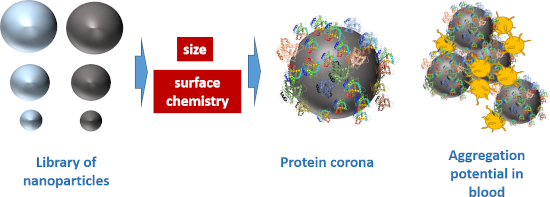
- antecubital vein using a 19-gauge butterfly needle connected to a sterile polypropylene syringe. Blood was drawn into 3.2% (w/v) trisodium citrate anticoagulant (1:9 volume of citrate to blood, final citrate concentration of 0.32%). Blood samples were kept at room temperature with gentle rocking and used




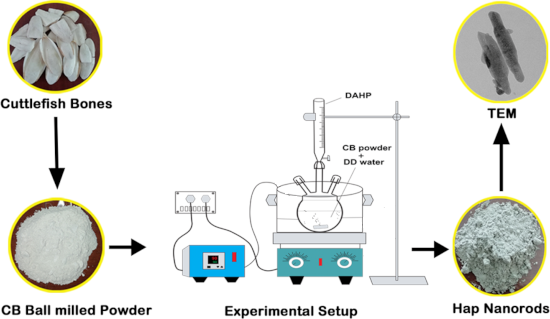
Facile biogenic fabrication of hydroxyapatite nanorods using cuttlefish bone and their bactericidal and biocompatibility study
Beilstein J. Nanotechnol. 2020, 11, 285–295, doi:10.3762/bjnano.11.21
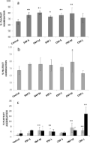
- prevented from coagulation by mixing it with 3.2% of trisodium citrate (MW – 258.07 g/mol, purity – 99%) in the ratio 1:10. Various concentrations (200, 100, 75, 50, 25 and 10 µg/mL) of CB-Hap NRs were prepared with phosphate buffer saline (PBS) (purity – 99%, pH 7.4) and anticoagulated blood was used as a


Gold and silver dichroic nanocomposite in the quest for 3D printing the Lycurgus cup
Beilstein J. Nanotechnol. 2020, 11, 16–23, doi:10.3762/bjnano.11.2
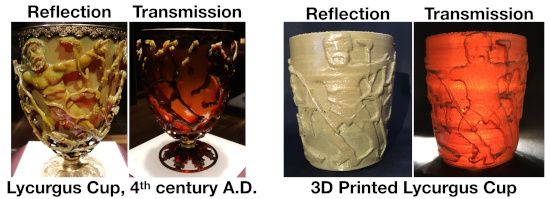
- differently to different angles of illumination. Experimental General Silver nitrate (Sigma-Aldrich), sodium borohydride (Sigma-Aldrich), polyvinylpyrrolidone K30 (MW 40 KDa, Alfa Aesar), chloroauric acid trihydrate (Alfa Aesar), trisodium citrate dihydrate (Sigma-Aldrich) were purchased and used without


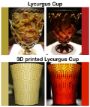
Gold nanoparticles embedded in a polymer as a 3D-printable dichroic nanocomposite material
Beilstein J. Nanotechnol. 2019, 10, 442–447, doi:10.3762/bjnano.10.43
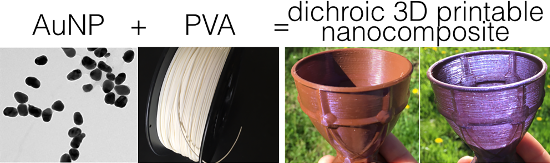
- Chloroauric acid trihydrate and trisodium citrate dihydrate were obtained from Alfa Aesar and used without further purification. The PVA 3 mm filament (Ultimaker) was obtained from Makerpoint. A Shimadzu UV1601 UV–vis spectrometer was used for the UV–vis study. The samples were imaged in a JEOL 1400Plus TEM



Site-specific growth of oriented ZnO nanocrystal arrays
Beilstein J. Nanotechnol. 2019, 10, 274–280, doi:10.3762/bjnano.10.26
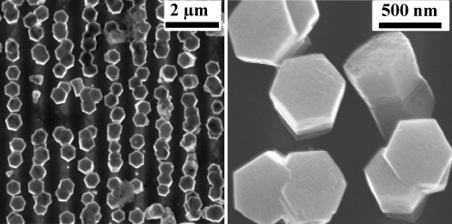
- and trisodium citrate as additional reagents to grow the twinned ZnO NCs. The growth method they adopted involves multiple steps and is quite time consuming as zinc acetate dihydrate and ammonia solution containing citrates is initially kept at 90 °C for one hour in a Teflon-lined autoclave and


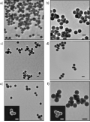
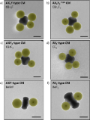
Colloidal chemistry with patchy silica nanoparticles
Beilstein J. Nanotechnol. 2018, 9, 2989–2998, doi:10.3762/bjnano.9.278
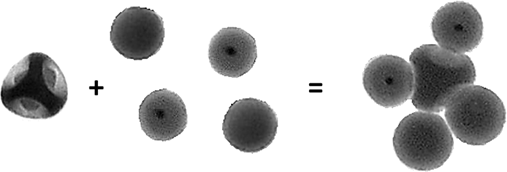
- water, SDS), tin tetrachloride (SnCl4, Sigma-Aldrich, >99%), hydrochloric acid (37%, Sigma-Aldrich), ethylenediamine (Fluka, 99.5%), gold(III) chloride trihydrate (HAuCl4·3H2O, Sigma-Aldrich), trisodium citrate dihydrate (NaCit) (Na3C6H5O7·2H2O, Sigma-Aldrich, 99%), O-[2-(3-mercaptopropionylamino)ethyl


Comparative biological effects of spherical noble metal nanoparticles (Rh, Pd, Ag, Pt, Au) with 4–8 nm diameter
Beilstein J. Nanotechnol. 2018, 9, 2763–2774, doi:10.3762/bjnano.9.258
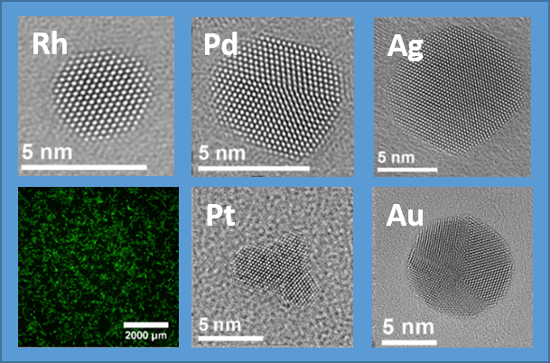
- = 40,000 g mol−1), sodium borohydride (Sigma-Aldrich, ≥96%, p.a.) trisodium citrate (Acros, anhydrous 98%), tannic acid (Fluka, p.a.), and D-glucose (Baker, p.a.) were all used as obtained. Aqueous solutions of H2PtCl6 or HAuCl4 (prepared by dissolution of platinum or gold in aqua regia), RhCl3, NaPdCl4
- as determined by atomic absorption spectroscopy (AAS). PVP-stabilized Ag nanoparticles: In a 50 mL two-neck round-bottom flask, 1.80 mg AgNO3 and 1.80 mg trisodium citrate were dissolved in 35 mL water. The mixture was rapidly cooled in an ice bath with stirring (700 rpm). Then 1 mL of a 10 mM NaBH4
- dispersion was stored under argon at 4 °C to avoid oxidation. The yield was about 25% with respect to silver as determined by AAS. PVP-stabilized Au nanoparticles: In a 250 mL two-neck round-bottom flask, 600 mg trisodium citrate and 50 mg tannic acid were dissolved in 150 mL water under stirring and heated


α-((4-Cyanobenzoyl)oxy)-ω-methyl poly(ethylene glycol): a new stabilizer for silver nanoparticles
Beilstein J. Nanotechnol. 2017, 8, 627–635, doi:10.3762/bjnano.8.67
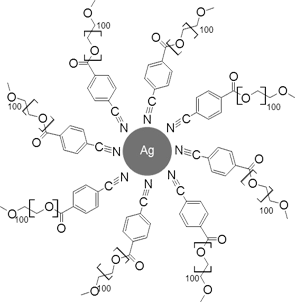
- -ascorbic acid (≥99%, Roth), N,N’-dicyclohexylcarbodiimide (99%, Aldrich), poly(ethylene glycol) methyl ether (Mn = 4830 g·mol−1, Aldrich), silver nitrate (≥99%, Sigma-Aldrich), sodium hydroxide (>99%, Roth), and trisodium citrate dihydrate (99.7%, Merck) were used as received. Water with a resistivity of
- . Silver nanoparticle synthesis Citrate-coated SNPs were synthesized according to a procedure of Qin et al. [46] 4 mL of a 1.2·10−3 M aqueous ascorbic acid solution (4.8 µmol) and 4 mL of a 6·10−3 M aqueous trisodium citrate dihydrate solution (24 µmol) were combined and the pH was adjusted to 10.5 with a


Streptavidin-coated gold nanoparticles: critical role of oligonucleotides on stability and fractal aggregation
Beilstein J. Nanotechnol. 2017, 8, 1–11, doi:10.3762/bjnano.8.1
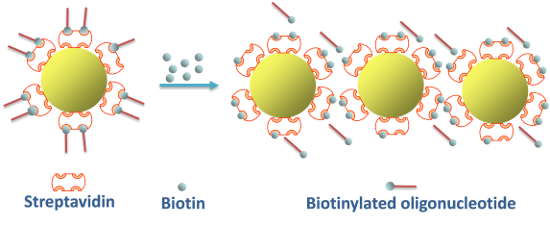
- , the formation of large aligned one-dimensional aggregates triggered by the displacement of oligonucleotides from functionalized AuNPs has been reported for the first time. Experimental Materials and reagents Trisodium citrate dihydrate, tetrachloroauric(III) acid, sodium hydroxide solutions (10 M in
- hydrogen peroxide (30%) and concentrated sulfuric acid (98%). Caution: piranha solution reacts violently with most organic materials and should be handled with extreme care. AuNPs were synthesized by citrate reduction of HAuCl4·3H2O [65]. The trisodium citrate concentration has been shown to be crucial for
- the preparation and the control of the size of AuNPs [66][67]. Briefly, 20 mL of trisodium citrate (38.8 mM) were quickly added with vigorous stirring to 200 mL of a boiling aqueous solution of HAuCl4·3H2O (1 mM). The colour of the solution changed from pale yellow to deep red, and a complete




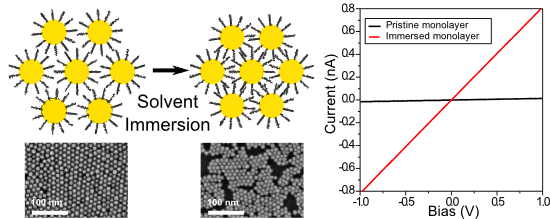
Solvent-mediated conductance increase of dodecanethiol-stabilized gold nanoparticle monolayers
Beilstein J. Nanotechnol. 2016, 7, 2057–2064, doi:10.3762/bjnano.7.196
- nanoparticles were synthesized in deionized water by reducing tetrachloroauric acid with trisodium citrate and tannic acid [14]. The synthesis resulted in a nanoparticle concentration of 1013 NP/mL. The nanoparticle hydrodynamic size and polydispersity was measured by dynamic light scattering with a Malvern



Effect of Anderson localization on light emission from gold nanoparticle aggregates
Beilstein J. Nanotechnol. 2016, 7, 2013–2022, doi:10.3762/bjnano.7.192
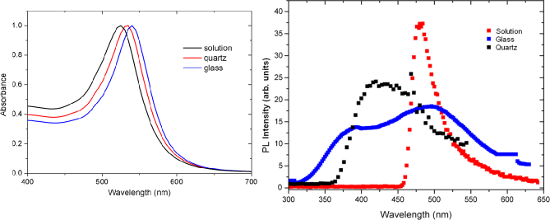
- of the aggregation pattern of self-assembled nanoparticles can be an inexpensive way to engineer the PL emission for consumer optoelectronic devices. Experimental Materials Hydrogen tetrachloroaurate trihydrate (HAuCl4·3H2O) of 99.99% purity (Alfa Aesar, Karlsruhe, Germany) and trisodium citrate (TSC


Surface coating affects behavior of metallic nanoparticles in a biological environment
Beilstein J. Nanotechnol. 2016, 7, 246–262, doi:10.3762/bjnano.7.23
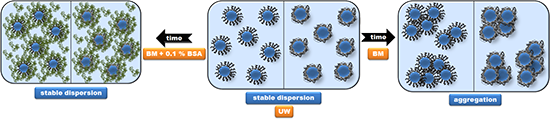
- steric effects on the stabilization of NPs. Thus, AgNPs were produced with the following coatings (Figure 1): trisodium citrate (CITAgNP), sodium bis(2-ethylhexyl) sulfosuccinate (AOTAgNP), cetyltrimethylammonium bromide (CTAAgNP), poly(vinylpyrrolidone) (PVPAgNP), poly(L-lysine) (PLLAgNP), bovine serum
- , Niederelbert, Germany). Synthesis of metallic nanoparticles The syntheses of AgNPs and SPIONs with different surface coatings were conducted as previously described [49] using structurally diverse surface coatings: trisodium citrate (CIT), sodium bis(2-ethylhexyl) sulfosuccinate (AOT), cetyltrimethylammonium
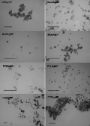
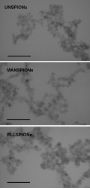
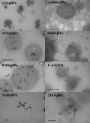
- supplemented with common serum protein). Transmission electron micrographs (TEM) of different silver nanoparticles coated with trisodium citrate (CITAgNP), sodium bis(2-ethylhexyl) sulfosuccinate (AOTAgNP), poly(vinylpyrrolidone) (PVPAgNP), Brij 35 (BrijAgNP), Tween 20 (TweenAgNP), bovine serum albumin




Chemiresistive/SERS dual sensor based on densely packed gold nanoparticles
Beilstein J. Nanotechnol. 2015, 6, 2498–2503, doi:10.3762/bjnano.6.259
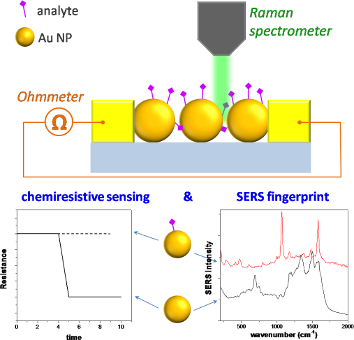
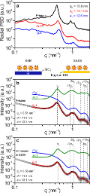
- benefits offered by its two facets, electric and optic, which were previously only separately exploited for (bio)sensing. Experimental Materials and reagents: Hydrogen tetrachloroaurate(III) trihydrate (HAuCl4·3H2O), trisodium citrate (C6H5Na3O7), 4-mercaptophenylboronic acid 90% (HSC6H4B(OH)2), folic acid
- (C19H19N7O6) were purchased from Sigma-Aldrich. Gold interdigitated electrodes (IDE) were purchased from Dropsens. Gold nanoparticle synthesis and stabilization: Colloidal gold nanoparticles (AuNPs) were synthesized by the aqueous reduction of HAuCl4 with trisodium citrate. An amount of 100 mL of 10−3 M


Self-organization of gold nanoparticles on silanated surfaces
Beilstein J. Nanotechnol. 2015, 6, 2345–2353, doi:10.3762/bjnano.6.242
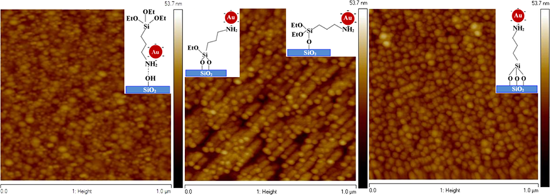
- . Experimental Chemicals. Hydrogen tetrachloroaurate (HAuCl4·3H2O) and trisodium citrate dihydrate (Na3C6H5O7·2H2O), 3-aminopropyltriethoxysilane were purchased from Sigma-Aldrich, USA. Acetone, absolute ethanol, sulfuric acid (H2SO4, 64%) and hyrogen peroxide (H2O2) were purchased from Merck, Germany. Deionized


Synthesis, characterization and in vitro effects of 7 nm alloyed silver–gold nanoparticles
Beilstein J. Nanotechnol. 2015, 6, 1212–1220, doi:10.3762/bjnano.6.124
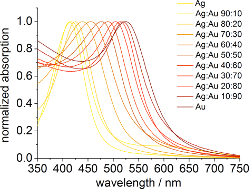
- .), trisodium citrate dihydrate (AppliChem, p.a.), tannic acid/tannin (Acros, 95%, Mw = 1,701.23 g mol−1, C76H52O46), poly(vinylpyrrolidone) (PVP K 30, Povidone 30; Fluka, Mw = 40,000 g mol−1), and tris(3-sulfonatophenyl)phosphine hydrate, sodium salt (10–15% oxide) (Strem Chemicals). HAuCl4 was prepared by
- 100 °C. A cumulative volume of 500 µL of 10 mM solutions of HAuCl4 and AgNO3 (total metal content of 5 µmol), depending on the intended composition of the nanoparticles, was added. A mixture of 0.75 mL of 2 wt % trisodium citrate and 1.5 mL of a 2.8 mg mL−1 tannic acid solution was quickly added with


Effect of silver nanoparticles on human mesenchymal stem cell differentiation
Beilstein J. Nanotechnol. 2014, 5, 2058–2069, doi:10.3762/bjnano.5.214
- . Note that the hydrodynamic diameter includes the polymer layer and the hydration shell and is therefore always larger than the pure metal diameter of the silver core as determined by electron microscopy under high vacuum. PVP (K30, Povidon 30; Fluka, molecular weight 40,000 g·mol−1), trisodium citrate


Enhanced photocatalytic activity of Ag–ZnO hybrid plasmonic nanostructures prepared by a facile wet chemical method
Beilstein J. Nanotechnol. 2014, 5, 639–650, doi:10.3762/bjnano.5.75
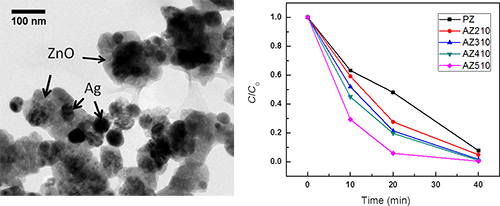
- method involving the trisodium citrate assisted photoreduction of Ag ions onto the surface of ZnO nanostructures, prepared by a facile wet chemical method. The effects of citrate concentration and Ag nanoparticle loading on the photocatalytic activity of Ag–ZnO hybrid plasmonic nanostructures towards sun
- concentration is increased to 20 mM, nanodisk-like structures formed due to oriented attachment of aggregating nanoparticles. It is evident from the FESEM images that above a threshold concentration trisodium citrate assists in the oriented attachment of ZnO nanoparticles and leads to the formation of nanodisk
- the FESEM results (Figure 1), the amount of trisodium citrate has a significant effect on the morphology of the Ag–ZnO nanostructures. When the concentration of citrate is 1 mM, there is almost no change in the morphology of the sample as compared to that of pristine ZnO. However, when the citrate





