


Search results
Search for "washing" in Full Text gives 274 result(s) in Beilstein Journal of Nanotechnology. Showing first 200.
Ultrasonic irradiation in the synthesis of nanohydroxyapatite: a chemically friendly technique for improving hemocompatibility and antibiofilm applications
Beilstein J. Nanotechnol. 2026, 17, 991–1015, doi:10.3762/bjnano.17.68
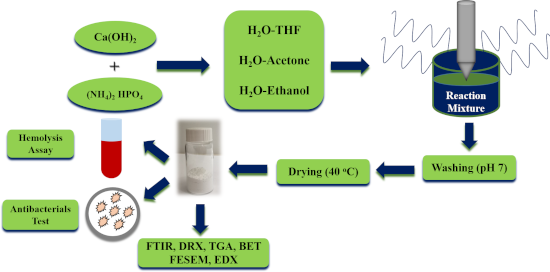
- cm−1. Furthermore, no bands corresponding to organic solvent residues (such as ethanol, acetone, or THF) were detected, confirming the efficacy of the exhaustive washing process. However, it is important to note that while FTIR confirms the absence of major organic impurities, the inherent




Development of Protium heptaphyllum essential oil-loaded nanocapsules: experimental design and biological activity
Beilstein J. Nanotechnol. 2026, 17, 974–990, doi:10.3762/bjnano.17.67
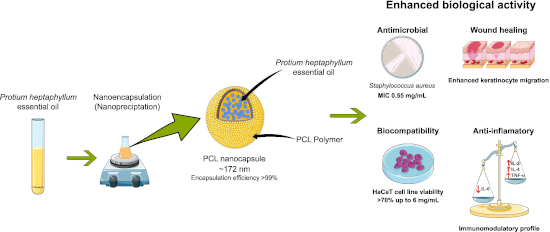
- % confluence. Prior to treatment, cells were maintained in serum-free medium for 12 h to induce nutrient deprivation. For the cell migration assay, an artificial gap (scratch) was created in the cell monolayer using a sterile 10 μL pipette tip. Cellular debris was removed by washing twice with PBS, and the
- were stained with the fluorescent dye PKH26 (16 μM) and incubated for 45 min. Excess dye was removed by washing with PBS, and adherent cells were retained for analysis. Cell migration was assessed by fluorescent imaging at 0 h and 12 h using an EVOS FL Auto Imaging System (Thermo Fisher Scientific




Light-driven ammonia electrooxidation via carbon nitride–ruthenium molecular interfaces
Beilstein J. Nanotechnol. 2026, 17, 854–862, doi:10.3762/bjnano.17.61
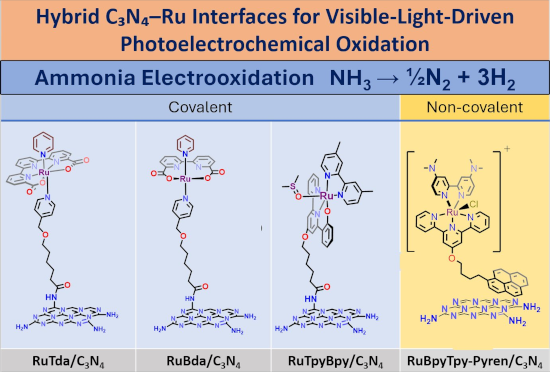
- pyrene-functionalized Ru complex in a suitable solvent, adding the C3N4 support, allowing adsorption to reach equilibrium, and washing away excess complex, requires no reactive chemistry and no elevated temperatures, making it synthetically accessible even for complex, sensitive catalyst molecules. The


Protein-based custom-designed molecular nanotraps for biomedical applications
Beilstein J. Nanotechnol. 2026, 17, 683–687, doi:10.3762/bjnano.17.47

- , such as GelMA and SilMA. Next these modified proteins are placed under conditions that trigger their nanoaggregation around the target molecule (i.e., peptide epitope in red). The so-formed nanoaggregate is stabilized by cross-linking, the template is removed by washing, and the bioMIP is ready to

Decontamination from water pollutants and pathogens by electrospun nanofibers doped with heavy-atom-free borafluorene-BODIPY photosensitizers
Beilstein J. Nanotechnol. 2026, 17, 668–682, doi:10.3762/bjnano.17.46
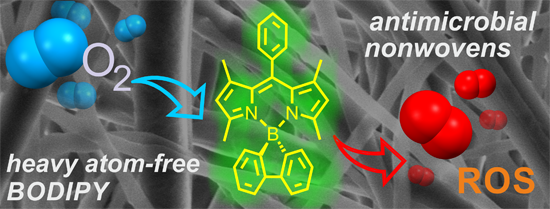
- studies were performed using two sterile, flat-bottom 24-well plates; one was illuminated and the second was used as the dark control. Materials were disinfected from wild bacteria and fungi by washing with 70% EtOH solution, followed by a twofold rinse with saline solution (0.9% NaCl). Three samples of



Cellulose as a photocatalyst support material: extraction, structural features, and environmental applications
Beilstein J. Nanotechnol. 2026, 17, 635–652, doi:10.3762/bjnano.17.44
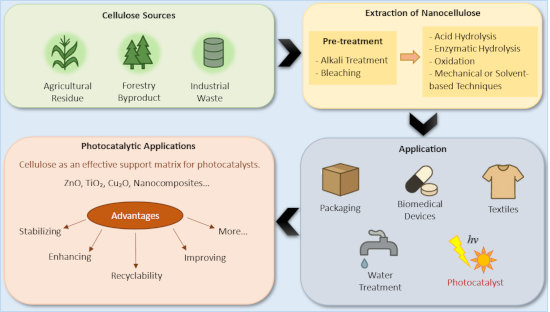
- ]. Before hydrolysis, the raw materials usually undergo several pre-treatment steps, including washing, drying, dewaxing, alkali treatment, and bleaching, to remove impurities and enhance accessibility. During hydrolysis, the acid selectively breaks down the amorphous regions of cellulose while preserving


Polycatecholamine nanocoatings on stainless steel: the effect on attachment of human fibroblasts and platelets
Beilstein J. Nanotechnol. 2026, 17, 365–380, doi:10.3762/bjnano.17.25
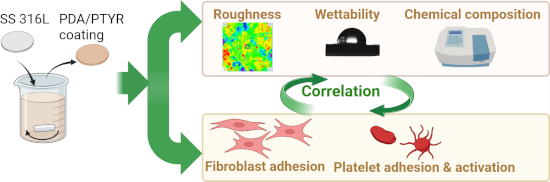
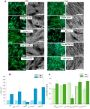
- more detailed results are provided in Supporting Information File 1. Coating resistance under physiological conditions While all coatings variants underwent the washing resistance test, only images of selected ones are presented in Figure 5, namely, the PDA and PTYR coatings with the shortest and
- longest time of coating. Images taken directly after coating (Figure 5a,b,e,f) show the initial coating morphology. The surface of SS-PDA 10 min could not be clearly distinguished with SEM; however, the surface of SS-PDA 4 h presented a full coverage with a polymer film. After 28 d of constant washing
- with PBS, the coating is still present on the SS-PDA 4 h variant, although it seems to be cracked. The coating presence on the SS-PDA 10 min variant could not be confirmed with SEM after 28 d of washing. The morphology of PTYR nanocoatings was significantly different. In Figure 5e,f, bright micro




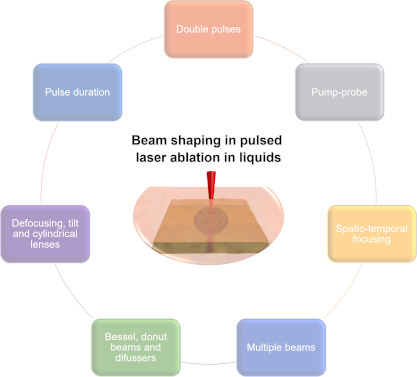
Beam shaping techniques for pulsed laser ablation in liquids: Unlocking tunable control of nanoparticle synthesis in liquids
Beilstein J. Nanotechnol. 2026, 17, 309–342, doi:10.3762/bjnano.17.22
- mass in suspension. Incomplete solvent evaporation or residual organics can bias gravimetric results, making vacuum drying preferable. NP adhesion to container walls requires vessel washing, and aggregation during or after ablation may need sonication or size-separation steps. Overall, gravimetry







Durable antimicrobial activity of fabrics functionalized with zeolite ion-exchanged nanomaterials against Staphylococcus aureus and Escherichia coli
Beilstein J. Nanotechnol. 2026, 17, 262–274, doi:10.3762/bjnano.17.18
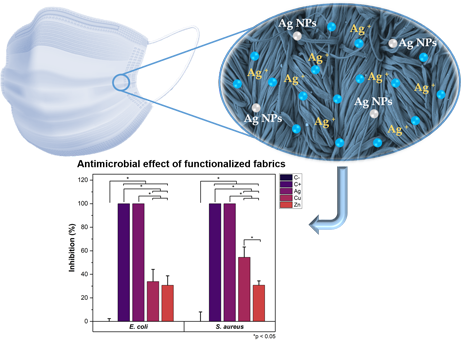
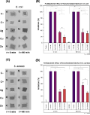
- incorporation of nanomaterials onto the fabric surfaces. Antimicrobial tests reveal significant inhibition of bacterial growth, with silver-based materials demonstrating superior efficacy. Importantly, the antimicrobial effect persists after five washing cycles, demonstrating the durability of the
- bacteria. Unlike our previous work, which focused on the antimicrobial performance of Ag- and Zn-loaded Y zeolite, the present study applies those nanomaterials, including Cu, to cotton fabrics via the pad–dry–cure method and evaluates the durability of their antimicrobial activity after fife washing
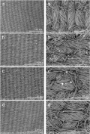
- degradation after washing prior to its functionalization. However, some foreign particles were observed, which may be attributed to contamination during handling (Figure 2a, right panel). These types of impurities are commonly present in fabrics, even after sterilization [28]. Once 0.5 g of nanomaterials (Ag




Gold nanoparticle-decorated reduced graphene oxide as a highly effective catalyst for the selective α,β-dehydrogenation of N-alkyl-4-piperidones
Beilstein J. Nanotechnol. 2026, 17, 218–238, doi:10.3762/bjnano.17.15
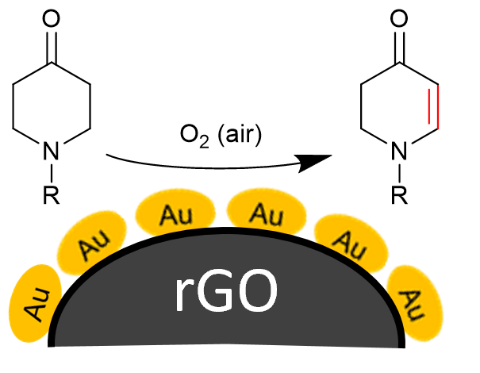
- high yield of 98%. This enhanced performance can be attributed to the structural characteristics of rGO, which facilitate more efficient mass transfer and enable complete release of the product after the reaction and subsequent washing steps. Compared to AC and CB, the thin, wrinkled, and sheet-like


Influence of surface characteristics on the in vitro stability and cell uptake of nanoliposomes for brain delivery
Beilstein J. Nanotechnol. 2026, 17, 139–158, doi:10.3762/bjnano.17.9
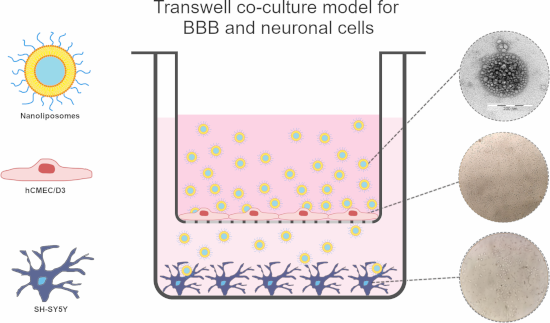
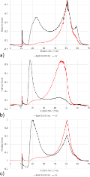
- qualitatively confirmed by spectrophotometry (e.g., by the absence of fluorescence in the supernatant obtained in the last washing cycle), ensuring that the fluorescence signal in subsequent experiments originates exclusively from liposome-associated dye. Particle size, particle size distribution and z
- concentrations of 5, 10 or 100 μg/mL). Incubation was performed for 1, 2, and 4 h (37 °C, 5% CO2), followed by a washing step with PBS and lysis with 2% Triton X-100 (2 h, 37 °C, 5% CO2). The resulting fluorescence was measured on a plate reader at an excitation wavelength of 535 nm and an emission wavelength of
- % CO2). After incubation (4 h, 37 °C and 5% CO2) with the previously labeled NLs with the Dil fluorescent dye, the cells were washed twice with PBS and fixed with 3.7% paraformaldehyde for 20 min at room temperature. After washing the cells with PBS, the cytoskeleton was stained with Alexa FluorTM




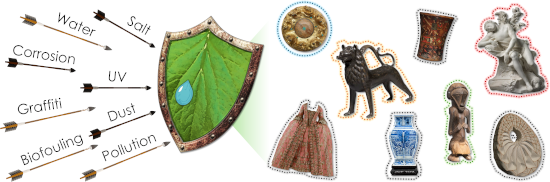
Functional surface engineering for cultural heritage protection: the role of superhydrophobic and superoleophobic coatings – a comprehensive review
Beilstein J. Nanotechnol. 2026, 17, 63–96, doi:10.3762/bjnano.17.6


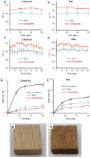
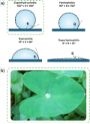


Optical bio/chemical sensors for vitamin B12 analysis in food and pharmaceuticals: state of the art, challenges, and future outlooks
Beilstein J. Nanotechnol. 2025, 16, 2207–2244, doi:10.3762/bjnano.16.153
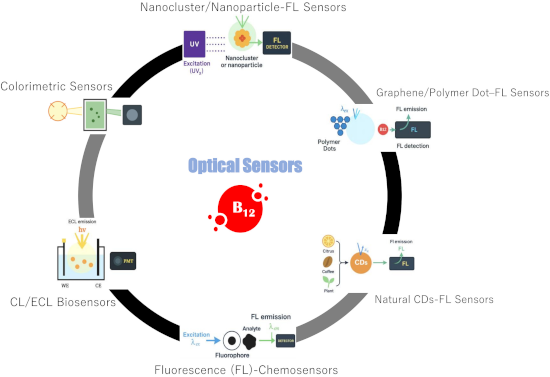
- mercaptan. To eliminate any unattached allyl mercaptan, the chip underwent washing with distilled water and ethanol, followed by drying under vacuum at 200 mmHg and 25 °C. The determined LOD for vitamins B2, B9, and B12 were 1.6 × 10⁻⁴, 13.5 × 10⁻⁴, and 2.5 × 10⁻⁴ ng/mL, respectively. Not only was a


Microplastic pollution in Himalayan lakes: assessment, risks, and sustainable remediation strategies
Beilstein J. Nanotechnol. 2025, 16, 2144–2167, doi:10.3762/bjnano.16.148
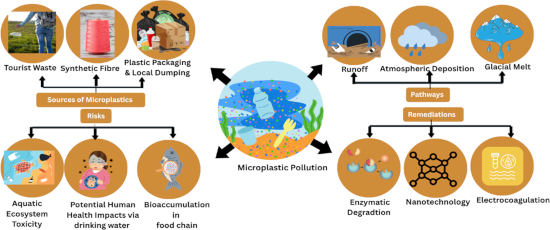
- microbeads added intentionally have been put into practice by some countries, such as Canada and the UK, where microbeads are banned in cosmetics [133]. The EU has placed restrictions under REACH regulation to restrict commercial use of MPs [134]. France has taken further steps by mandating that new washing


Beyond the shell: exploring polymer–lipid interfaces in core–shell nanofibers to carry hyaluronic acid and β-caryophyllene
Beilstein J. Nanotechnol. 2025, 16, 2015–2033, doi:10.3762/bjnano.16.139
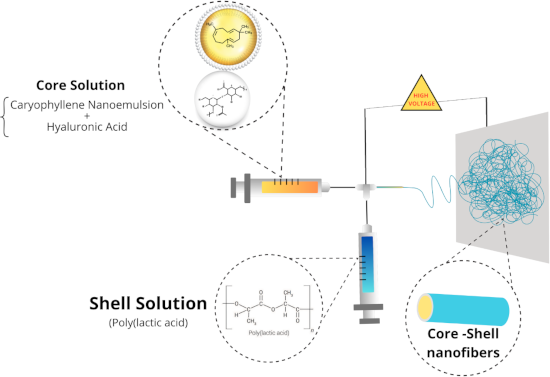
- core removal, the fibers exhibited a filled core structure, as depicted in Figure 6A. Sequential washing with water and ethanol, followed by drying and cryofracture, effectively solubilized and removed the core material, yielding hollow fiber structures (Figure 6B). These observations confirmed the
- successful formation of a core–shell structure via coaxial electrospinning, using the optimized parameters from the morphology study. Additionally, Figure 6B highlights the presence of pores on the PLA shell surface after washing, suggesting that core removal occurred through diffusion facilitated by these
- before and after washing, were immersed in liquid nitrogen and fractured using tweezers. The fractured samples were mounted on 45 degree stubs to capture cross-sectional images without requiring the sample holder to be moved. Confocal microscopy Confocal microscopy was conducted to observe the




Laser ablation in liquids for shape-tailored synthesis of nanomaterials: status and challenges
Beilstein J. Nanotechnol. 2025, 16, 1963–1997, doi:10.3762/bjnano.16.137
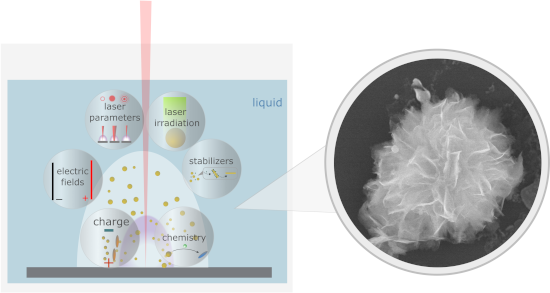
- ], where high ligand density led to truncated octahedral PbSe nanostructures, while reduced surface ligand concentration (achieved by washing) resulted in cubic structures. This result shows that addition or removal of surface ligands may result in nanocrystals of different shapes. The length of organic




Dendrimer-modified carbon nanotubes for the removal and recovery of heavy metal ions from water
Beilstein J. Nanotechnol. 2025, 16, 1522–1532, doi:10.3762/bjnano.16.107

- functionalization process did not alter the intrinsic structure of the materials as the peak profile of all the samples is similar to that of bare CNTs. Moreover, the absence of any extra peaks further confirms that the washing process has effectively removed the residual substrates and DES. FTIR spectroscopy has


Cross-reactivities in conjugation reactions involving iron oxide nanoparticles
Beilstein J. Nanotechnol. 2025, 16, 1504–1521, doi:10.3762/bjnano.16.106
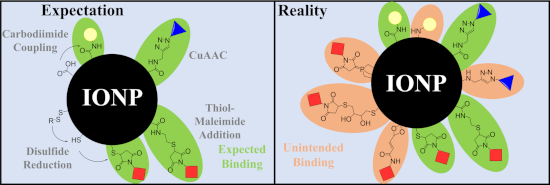
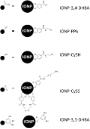
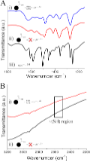
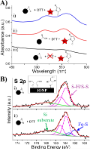
- Cy3-maleimide. Furthermore, we note that these washing experiments were performed approximately two years after all other Cy3 experiments reported herein, using the same Cy3-maleimide stock solutions, which have likely hydrolyzed somewhat over this time interval. We observe that the loading of Cy3







Hydrogels and nanogels: effectiveness in dermal applications
Beilstein J. Nanotechnol. 2025, 16, 1216–1233, doi:10.3762/bjnano.16.90
- human pulmonary fibroblast derivative, the cells were cultured for seven days in a modified Eagle’s medium and then decellularized by washing several times with PBS. Then a 7% aqueous PVA solution was added to the pulmonary fibroblast derivative. For the cross-linking of the solution, the freeze/thaw
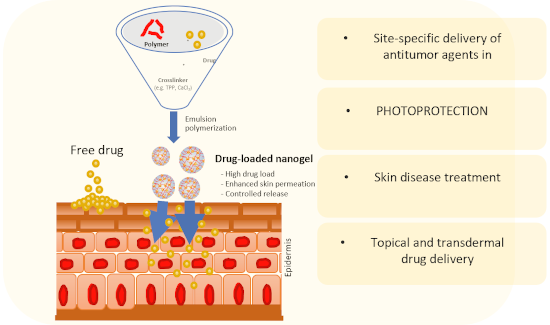
- of Ca(OH)2 (pH 10.2), CaCl2 (pH 7.2), or CaCO3 (pH 8.1) for three days at room temperature, followed by washing with water and drying at 60 °C [140]. In recent years, ultrasmall nanogels have emerged as an innovative drug delivery system, mainly due to their ability to deeply penetrate biological


Piezoelectricity of hexagonal boron nitrides improves bone tissue generation as tested on osteoblasts
Beilstein J. Nanotechnol. 2025, 16, 1068–1081, doi:10.3762/bjnano.16.78
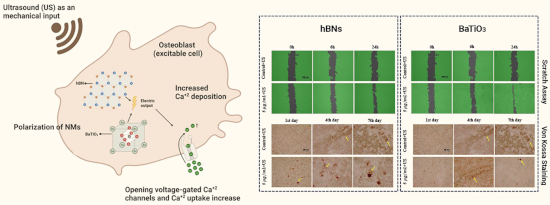
- in diH2O for 2 min. Then, the cells were incubated with the Nuclear Fast Red Solution for 5 min and rinsed with running tap water and diH2O two times. After washing, the wells were rapidly dehydrated with absolute ethanol (Sigma-Aldrich, Germany) by changing them three times. The images of each well
- [57]. Moreover, sonoporation, a mechanical effect of US, may lead to a temporarily perturbation of cell membrane homeostasis and disruption of the cell membrane [58]. Additionally, US exposure could cause cells to detach from the surface, potentially leading to their removal during the washing process


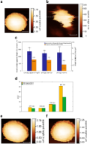
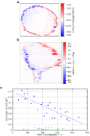
Shape, membrane morphology, and morphodynamic response of metabolically active human mitochondria revealed by scanning ion conductance microscopy
Beilstein J. Nanotechnol. 2025, 16, 951–967, doi:10.3762/bjnano.16.73
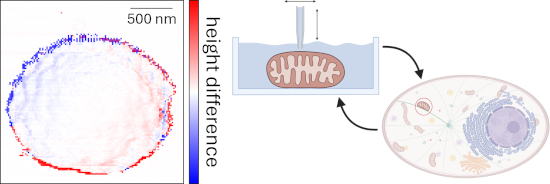
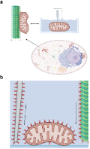
- gently rinsed with approx. 1 mL Krebs–Ringer medium and carefully refilled with 3 mL of fresh medium. It is important to add the medium gently, as the immobilisation of the mitochondria is very weak compared to cell adhesion. Excessively rapid addition of the medium risks washing the mitochondria away



Supramolecular hydration structure of graphene-based hydrogels: density functional theory, green chemistry and interface application
Beilstein J. Nanotechnol. 2025, 16, 806–822, doi:10.3762/bjnano.16.61
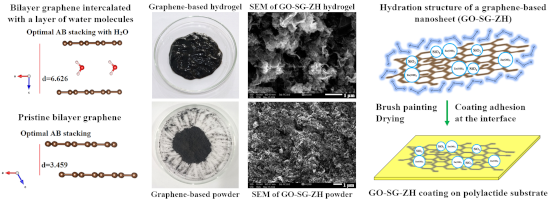
- exothermic heat increased the reactor temperature to above 90 °C). After 2 h of agitation, the reaction was mixed with 150 mL of a 5% H2O2 solution and kept stirring for one day. After washing to neutral pH, the material was dried and ground to produce a GrO powder (moisture ≈20%). Next, the GrO powder was


A formulation containing Cymbopogon flexuosus essential oil: improvement of biochemical parameters and oxidative stress in diabetic rats
Beilstein J. Nanotechnol. 2025, 16, 617–636, doi:10.3762/bjnano.16.48




Zeolite materials with Ni and Co: synthesis and catalytic potential in the selective hydrogenation of citral
Beilstein J. Nanotechnol. 2025, 16, 520–529, doi:10.3762/bjnano.16.40
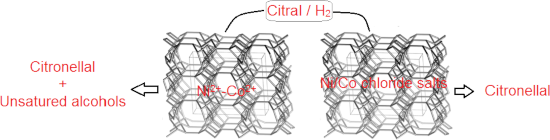
- SEM image (Figure 2). To remove excess solution, water washes are typically applied. The materials obtained via IE underwent extensive washing with distilled water, while those obtained via Imp were only lightly washed, leading to the observed differences in chloride content. According to this, there
- for materials obtained by IE are higher than those of ZSA. This increase is consistent with expectations [17][18], as the ion exchange and water washing treatments effectively clean the materials’ surface, thereby enhancing the available surface area and porosity (microporosity) for adsorption. The


N2+-implantation-induced tailoring of structural, morphological, optical, and electrical characteristics of sputtered molybdenum thin films
Beilstein J. Nanotechnol. 2025, 16, 495–509, doi:10.3762/bjnano.16.38
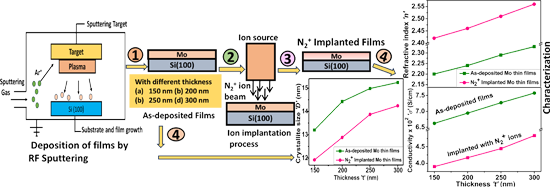
- minimizing the reflected power. Before deposition, the target surface was pre-sputtered for 15 min to remove any surface contamination. The silicon substrates were meticulously cleaned by washing them with distilled water and isopropyl alcohol and rinsing them with acetone. The vacuum chamber was evacuated





