Search results
Search for passenger subjective letter native Bering Strait Alaska 20th century in Full Text gives 398 result(s) in Beilstein Journal of Nanotechnology. Showing first 200.
Advancing nanolithography: a comprehensive review of materials for local anodic oxidation with AFM
Beilstein J. Nanotechnol. 2026, 17, 275–291, doi:10.3762/bjnano.17.19
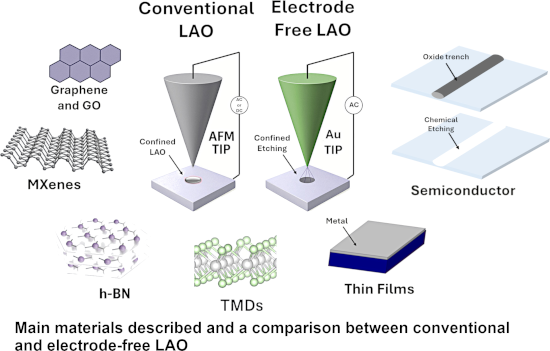
- layer of a few nanometers of insulating material (e.g., native oxide, fabricated oxide, or silicon nitride masks [41]) does not represent an obstacle to the LAO process, while bulk insulating materials still represent a major challenge. Figure 1a summarizes the content of this review, showing the


Influence of surface characteristics on the in vitro stability and cell uptake of nanoliposomes for brain delivery
Beilstein J. Nanotechnol. 2026, 17, 139–158, doi:10.3762/bjnano.17.9
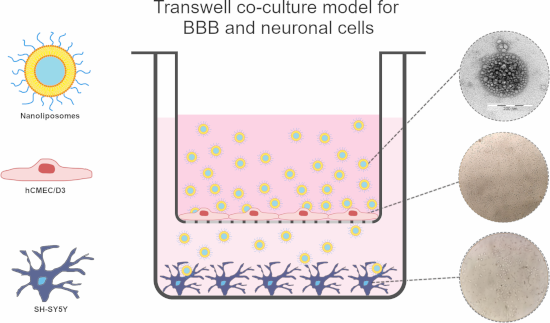
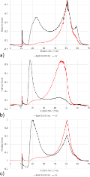
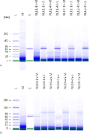
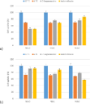
- nanoliposomes in cell culture medium In order to provide a more detailed examination of the influence of serum components present in the cell culture medium on the average NLs size, AF4–MALS/DLS analysis was performed. For this purpose, the particle size of the native formulations (NLb0, NLb1, and NLb2) was
- ]. Figure 1 represents the fractograms obtained from the AF4 analysis of the native formulations. The black line originates from the UV signal (230 nm) and the red line from the light scattering signal at 90°. Both signals were normalized to the highest signal. The UV-absorbance peaks (black signal
- several occasions, the presence of PEG on the surface of NLs can improve the physical stability of the liposomal dispersions through steric repulsion [24]. Therefore, formulations with a low amount of PEG or no PEG tend to agglomerate or lose their native structure, thus leading to fragmentation. Hence




Capabilities of the 3D-MLSI software tool in superconducting neuron design
Beilstein J. Nanotechnol. 2026, 17, 122–138, doi:10.3762/bjnano.17.8

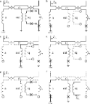
- -MLSI format using, for example, the KLayout editor [51]. The input file should also specify current paths through terminals to enable calculation of the partial inductances. The supercurrent can be transmitted between layers using internal current sources as described in [49]. 3D-MLSI contains native



Functional surface engineering for cultural heritage protection: the role of superhydrophobic and superoleophobic coatings – a comprehensive review
Beilstein J. Nanotechnol. 2026, 17, 63–96, doi:10.3762/bjnano.17.6
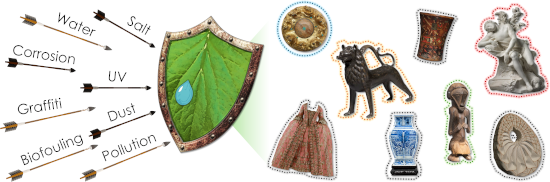
- protect the surface [20]. In the contemporary era, starting in the second half of the 20th century, the concern about safety of the cultural heritage has become increasingly prominent. An example of modern protective coating is represented by shellac, the only resin derived from animals, more precisely




Quantitative estimation of nanoparticle/substrate adhesion by atomic force microscopy
Beilstein J. Nanotechnol. 2026, 17, 1–14, doi:10.3762/bjnano.17.1

- adhesion forces. Experimental Synthesis of Cu nanoparticles Before deposition, single-crystalline Si(100) wafer substrates, with a thickness of around 500 µm and covered by a native oxide, were cleaned in an ultrasonic bath for 10 min with ethanol, followed by rinsing with isopropanol. Then, the substrates
- /substrate interface [43] might be possible reasons. In addition, since Si(100) substrates are naturally covered by a thin native SiO2 layer under ambient conditions and may form a mixed SiOxNy surface after N2 plasma cleaning, local modification of this oxide or oxynitride layer by NP impact, such as



Visualizing nanostructures in supramolecular hydrogels: a correlative study using confocal and cryogenic scanning electron microscopy
Beilstein J. Nanotechnol. 2025, 16, 2274–2284, doi:10.3762/bjnano.16.156
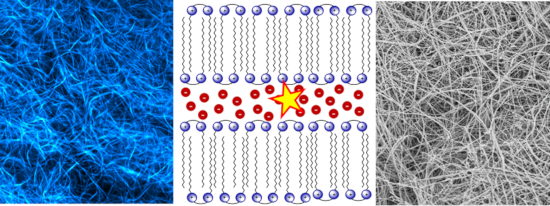
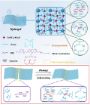
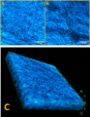
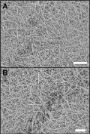
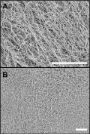
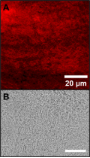
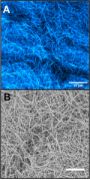
- visualization of the native fibrous network. These results demonstrate the complementary nature of CLSM and cryo-SEM and highlight the value of cryo-SEM as a very useful tool for imaging soft nanomaterials with low fluorescence or limited optical contrast. Keywords: anion binding; colloid; fluorophore
- [11]. Cryogenic scanning electron microscopy (cryo-SEM) bypasses many of these resolution limits by preserving the hydrogel through rapid freezing and subsequent fracture, thereby maintaining native-like morphology in the microscope in the form of a xerogel (no solvent) nature [12][13][14]. High
- , sublimation, and sputter coating) can introduce artefacts if not carefully optimized [15]. Refining cryo-SEM protocols to mitigate freezing artefacts and capture near-native hydrogel features has been carried out to counter these potential anomalies [16]. Complementary studies of soft materials using various



Ultrathin water layers on mannosylated gold nanoparticles
Beilstein J. Nanotechnol. 2025, 16, 2183–2198, doi:10.3762/bjnano.16.151
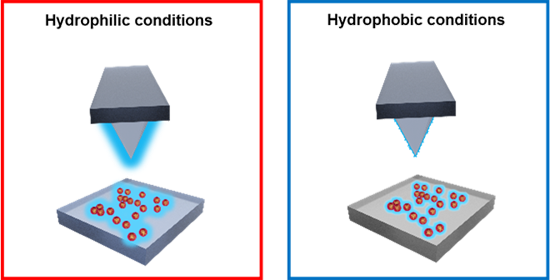
- century [3]. They are investigated, for example, regarding drug delivery [4], but they are also parts of actual products, for example, of sensors [5]. All this is based on the ease of synthesis, chemical stability, size tuneability, and unique optical properties [6]. The extreme dependence of the



Missing links in nanomaterials research impacting productivity and perceptions
Beilstein J. Nanotechnol. 2025, 16, 2168–2176, doi:10.3762/bjnano.16.149
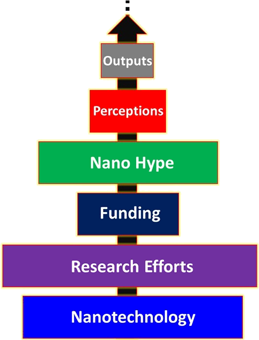
- utilized only within the last century. In fact, several remarkable works and historical examples are well documented and discussed in the literature [1][2][3]. But the true turning point for nanoscience came in 1959, when physicist Richard Feynman delivered his seminal lecture, “There’s Plenty of Room at
- are now accessible for real-world technological applications. In addition, nanoscience has initiated several new areas in fundamental physics and molecular dynamics, representing a profound scientific achievement of the 21st century [12]. It is noteworthy that these developments have strongly
Microplastic pollution in Himalayan lakes: assessment, risks, and sustainable remediation strategies
Beilstein J. Nanotechnol. 2025, 16, 2144–2167, doi:10.3762/bjnano.16.148
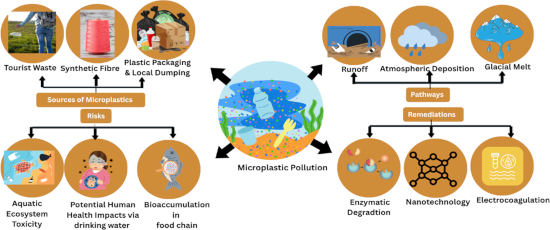
- mammals being exposed to tainted prey, which might have implications at the ecosystem level. The occurrence of MPs in freshwater fauna of the Himalayas also implies that native human populations dependent upon fish as food could be endangered by MP ingestion. 7.2 Toxicity from plastic additives and


The cement of the tube-dwelling polychaete Sabellaria alveolata: a complex composite adhesive material
Beilstein J. Nanotechnol. 2025, 16, 1998–2014, doi:10.3762/bjnano.16.138
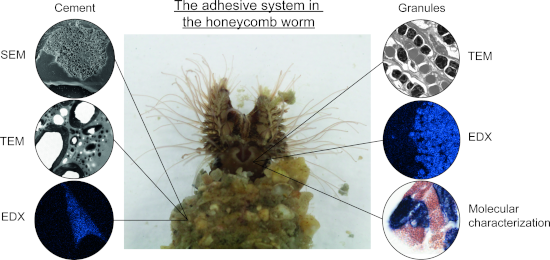
- underwater adhesive materials for various applications, particularly in the industrial and biomedical fields [3][4]. Polychaetes of the family Sabellariidae are one of the model organisms that have been studied extensively for their adhesion and have fascinated researchers since the 18th century [5]. Two



Targeting the vector of arboviruses Aedes aegypti with nanoemulsions based on essential oils: a review with focus on larvicidal and repellent properties
Beilstein J. Nanotechnol. 2025, 16, 1894–1913, doi:10.3762/bjnano.16.132
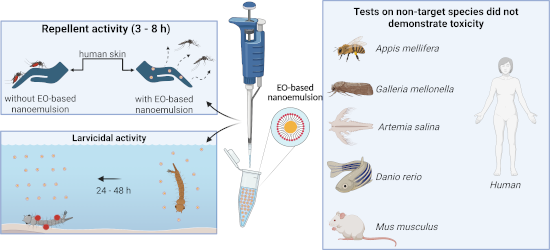
- ][41][42]. Aedes aegypti is a species of mosquito of the Culicidae family, order Diptera, native to Africa and distributed throughout various regions of the world. This extensive distribution occurs due to the sum of several factors, such as dispersion favored by high temperatures and high humidity
- decrease in cellular proliferation was evidenced. De Sousa dos Santos et al. (2024) investigated the larvicidal effects of a nanoemulsion containing essential oil from Ocimum basilicum [76]. This species is known as basil or alfavaca and it is native to tropical regions of Africa and Asia [110]. It
- oil of Ocotea indecora leaves and evaluated the larvicidal activity against Ae. Aegypti [113]. This species is an endemic plant native to Brazil found in the remaining Atlantic Forest in the southern and southeastern regions of Brazil [113][114]. Among these metabolites, there are reports of


Self-assembly and adhesive properties of Pollicipes pollicipes barnacle cement protein cp19k: influence of pH and ionic strength
Beilstein J. Nanotechnol. 2025, 16, 1863–1872, doi:10.3762/bjnano.16.129
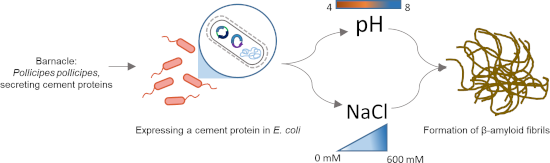
- cp19k lost adhesion at high pH/high salt concentration [29]. The same authors reported that pre-assembled aggregates of cp19k were more stable and exhibited enhanced adhesion at high pH [29], while in our work, samples that were incubated for 21 days under native gland-like conditions forming thin
- even no granular staining. We hypothesise that these curled fibres formed under non-native like conditions hold no adhesion value. In order to mimic the natural process by which cp19k protein is synthesised and possibly forms fibrils in a low pH/high salt concentration gland environment, before
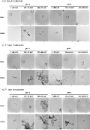


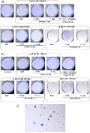
On the road to sustainability – application of metallic nanoparticles obtained by green synthesis in dentistry: a scoping review
Beilstein J. Nanotechnol. 2025, 16, 1851–1862, doi:10.3762/bjnano.16.128
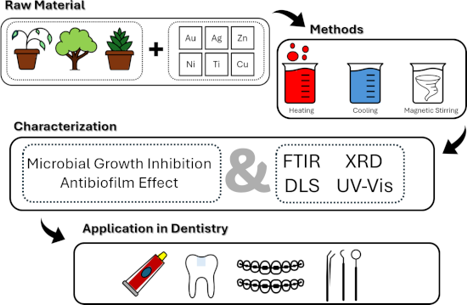
- scoping review. Acknowledgements To improve the clarity and fluency of the English writing, we used the assistance of ChatGPT-4.1, a large language model developed by OpenAI. As non-native English speakers, this tool supported us in refining the textual coherence of the manuscript. Nonetheless, all


Exploring the potential of polymers: advancements in oral nanocarrier technology
Beilstein J. Nanotechnol. 2025, 16, 1751–1793, doi:10.3762/bjnano.16.122


Advances of aptamers in esophageal cancer diagnosis, treatment and drug delivery
Beilstein J. Nanotechnol. 2025, 16, 1734–1750, doi:10.3762/bjnano.16.121
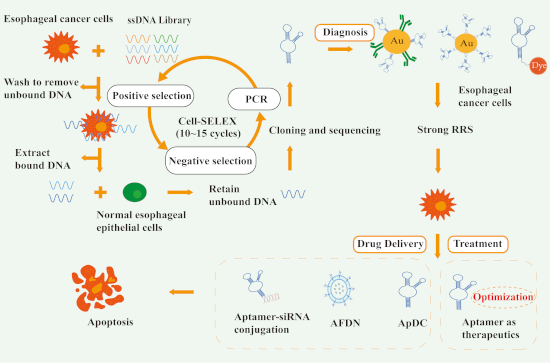
- ) selection, synthesis, and technical details of aptamers and their applications are described in detail in the article. The exclusion criteria are: (1) review, letter, news; (2) comment of a conference or seminar; (3) case report; or (4) irrelevant research topic of the article. Eventually, 17 original


Multifunctional anionic nanoemulsion with linseed oil and lecithin: a preliminary approach for dry eye disease
Beilstein J. Nanotechnol. 2025, 16, 1711–1733, doi:10.3762/bjnano.16.120



Ambient pressure XPS at MAX IV
Beilstein J. Nanotechnol. 2025, 16, 1677–1694, doi:10.3762/bjnano.16.118
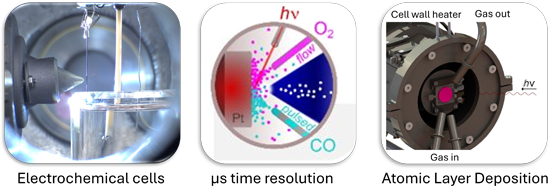
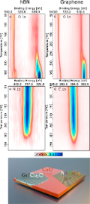
- only at the turn of the century that APXPS instruments were developed, thanks to the high flux of the third and then, particularly, fourth generation of synchrotron radiation light sources. At the same time, the development of differentially pumped electron energy analyzers (EEA) with higher
- ]. Four InAs samples with varying native (samples A, B, and C) or thermal oxide (sample G) layers were exposed to TDMAHf at ~200 °C under ~10−3 mbar pressure. Results showed that TDMAHf interacts with the surface oxide to produce HfO2 already in the first half-cycle, a “self-cleaning” effect that removes
- native oxides from InAs and transfers oxygen to Hf. The resulting interface contained an In–O–Hf layer limited to approximately one monolayer. The second half-cycle is often done using water as the co-reactant and is the principal source of oxygen for the creation of HfO2 in the later ALD cycles. Figure





Nanotechnology-based approaches for the removal of microplastics from wastewater: a comprehensive review
Beilstein J. Nanotechnol. 2025, 16, 1607–1632, doi:10.3762/bjnano.16.114
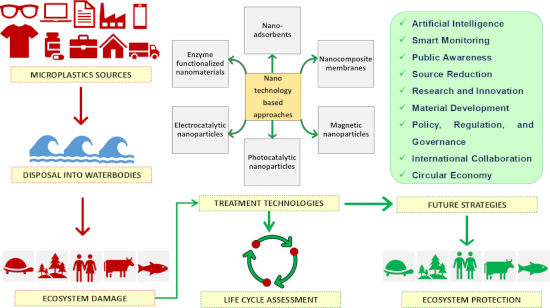
- biotechnology have further enabled the development of genetically modified organisms to enhance MP degradation. However, a significant concern with microbial biodegradation is the potential ecological impact of introducing these organisms into non-native environments, which may lead to unforeseen consequences


The role of biochar in combating microplastic pollution: a bibliometric analysis in environmental contexts
Beilstein J. Nanotechnol. 2025, 16, 1401–1416, doi:10.3762/bjnano.16.102
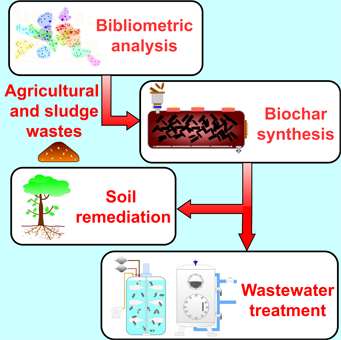
- “Social Sciences Citation Index” (SSCI), “Social Science Information” (SCI), and “Arts and Humanities Citation Index” (AHCI) ensures objectivity and scientific rigor, minimizing subjective biases and providing a broad perspective on research directions. Thus, this study aims to (i) identify key research
- frequently referenced topics, providing macroscopic visualization rather than in-depth insights into specific research domains. Additionally, despite the support of specialized bibliometric software, the potential for subjective biases remains a concern, necessitating a critical and contextualized



Enhancing the therapeutical potential of metalloantibiotics using nano-based delivery systems
Beilstein J. Nanotechnol. 2025, 16, 1350–1366, doi:10.3762/bjnano.16.98
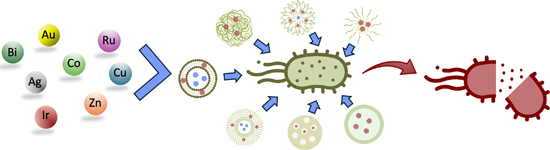
- : antimicrobial resistance; biocompatibility; metalloantibiotics; nanocarriers; targeted delivery; Introduction Antimicrobial resistance (AMR), the condition that bacteria no longer respond to drugs used to treat infections, has become one of the biggest public health challenges of the 21st century. According to


Acrocomia aculeata oil-loaded nanoemulsion: development, anti-inflammatory properties, and cytotoxicity evaluation
Beilstein J. Nanotechnol. 2025, 16, 1277–1288, doi:10.3762/bjnano.16.93
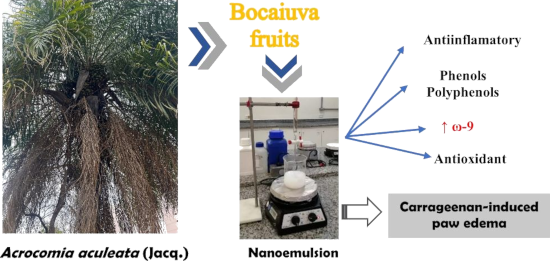
- Brazil. A. aculeata stands out for its wide geographic distribution, being native to tropical forests [1][2]. Its rounded fruits present sensory attractions, such as color, distinctive and intense flavor, and aroma. They are traditionally consumed by the native population, occupying an important place in


Better together: biomimetic nanomedicines for high performance tumor therapy
Beilstein J. Nanotechnol. 2025, 16, 1246–1276, doi:10.3762/bjnano.16.92






Hydrogels and nanogels: effectiveness in dermal applications
Beilstein J. Nanotechnol. 2025, 16, 1216–1233, doi:10.3762/bjnano.16.90
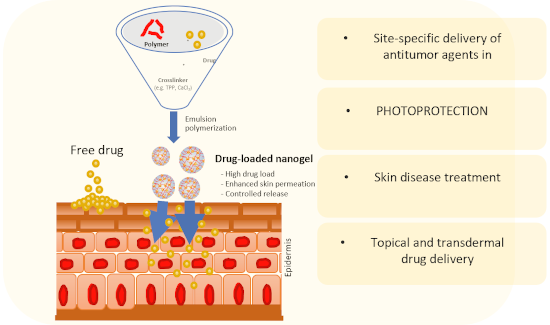
- -1950s and 1960s [1][2][3][4]. From the beginning, hydrogels composed of cross-linked acrylic acid were designed to release drugs into the body [5]. 2-Hydroxyethyl methacrylate was one of the first compounds used to build hydrogels as drug delivery systems (DDSs) [6]. Over the past century, hydrogels


Deep learning for enhancement of low-resolution and noisy scanning probe microscopy images
Beilstein J. Nanotechnol. 2025, 16, 1129–1140, doi:10.3762/bjnano.16.83
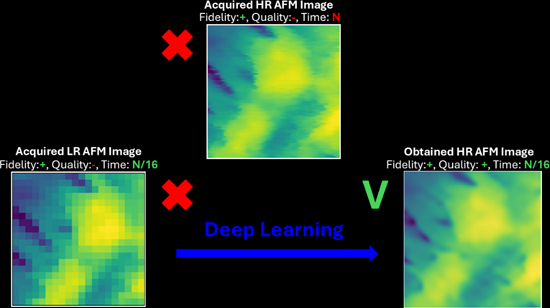
- in their reference images. Specifically, we calculated here the perceptual index (PI) [20], which combines no-reference image quality measures of Ma et al. [21], which relate to human subjective scoring of super-resolution (SR) images, and the Natural Image Quality Evaluator (NIQE) [22], a blind no
- assessments, a blind and subjective evaluation was conducted, polling AFM experts for their opinions on both image fidelity and image quality. Reference metrics The first comparison of the SR images to the GT references was to take the peak-signal-to-noise ratio (PSNR). This is done by taking the logarithm of


Soft materials nanoarchitectonics: liquid crystals, polymers, gels, biomaterials, and others
Beilstein J. Nanotechnol. 2025, 16, 1025–1067, doi:10.3762/bjnano.16.77
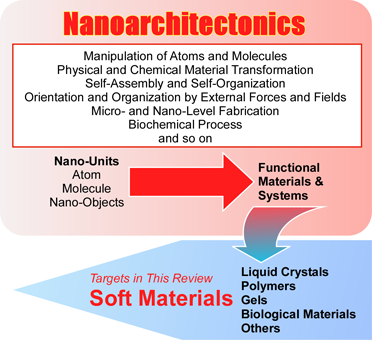
- [120], fulfils this role. Similarly as Richard Feynman established the foundations of nanotechnology in the mid-20th century [121][122], Masakazu Aono proposed the concept of nanoarchitectonics [123][124] at the threshold between the 20th and 21st centuries. Nanoarchitectonics can be defined as the