


Search results
Search for 抖音 AI文案帮写 功能入口 2026年1月 最新位置 in Full Text gives 2681 result(s) in Beilstein Journal of Nanotechnology. Showing first 200.
Calibration of piezo actuators and systems by dynamic interferometry
Beilstein J. Nanotechnol. 2025, 16, 2086–2091, doi:10.3762/bjnano.16.143
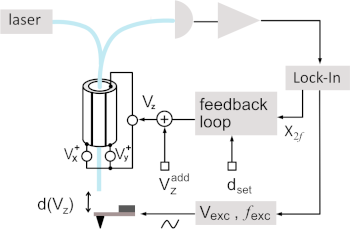
- ; Introduction Interferometric displacement detection stands as a cornerstone in high-precision techniques employed in cantilever-based atomic force microscopy (AFM), since its early days [1][2][3][4][5][6]. This method of cantilever displacement detection is specifically well suited for non-contact atomic force
- -step fit method based on Equation 1 as detailed in [13]. Here, VDC represents the DC part of the interferometer signal voltage, V0 is the voltage amplitude of the modulated signal, and φ is the phase shift introduced by the electronics in the signal path, which may be determined from the fit
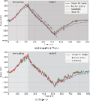
- Discussion Results are compiled in the four frames of Figure 1, including linear functions that fit the measurement points. Measurements have been performed in the sequence of contraction ( = 0 … 120 V, Figure 1b) and then extension ( = 0 … −120 V, Figure 1a). Note that the contraction measurement yields a


Multifrequency AFM integrating PeakForce tapping and higher eigenmodes for heterogeneous surface characterization
Beilstein J. Nanotechnol. 2025, 16, 2077–2085, doi:10.3762/bjnano.16.142
- nanoscale [1][2][3][4][5]. Among its various operating modes, tapping mode AFM is particularly prevalent due to lateral force minimization and its ability to give phase-contrast images of heterogeneous surfaces [6]. This mode involves oscillating the cantilever near its resonance frequency with the tip
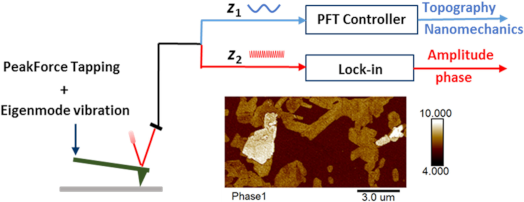
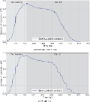
- Figure 1, the probe is exposed to two excitation mechanisms: (i) The piezoelectric driver PD-I induces sinusoidal vibrations at a frequency significantly below the cantilever’s first eigenmode frequency, typically in the range of 0.5–2 kHz on our instrument. This action propels the probe to engage and
- the measurement points can be calculated using the contact mechanics models [18][22]. (ii) Concurrently, the piezoelectric actuator PD-II excites the probe at its higher eigenmode, inducing a minor vibration with an amplitude generally beneath 1 nm. This high-eigenmode oscillation amplitude remains


Molecular and mechanical insights into gecko seta adhesion: multiscale simulations combining molecular dynamics and the finite element method
Beilstein J. Nanotechnol. 2025, 16, 2055–2076, doi:10.3762/bjnano.16.141
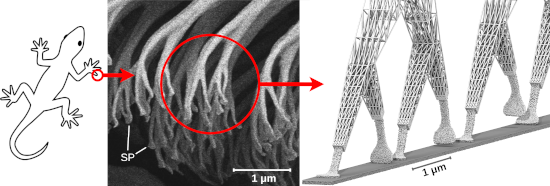
- University, Am Botanischen Garten 1–9, D-24118 Kiel, Germany 10.3762/bjnano.16.141 Abstract Gecko adhesion, enabled by micro- and nanoscale structures known as setae and spatulae, has prompted extensive research. We present a concurrent multiscale computational model of a seta that integrates molecular
- structures on their feet [1][2]. This bioadhesion mechanism has been studied extensively, especially for biomimetic adhesive applications [3][4][5][6][7][8][9]. Understanding these interactions presents a formidable challenge in biophysics and materials science due to the extremely small length and time
- around 1014 atoms for a single gecko seta. Coarse-graining [14][15] can improve the situation, but not by more than 1–2 orders of magnitude. Consequently, multiscale approaches combining continuum methods like the finite element method (FEM) [16][17][18] with particle-based molecular dynamics (MD) [19






Stereodiscrimination of guests in chiral organosilica aerogels studied by ESR spectroscopy
Beilstein J. Nanotechnol. 2025, 16, 2034–2054, doi:10.3762/bjnano.16.140
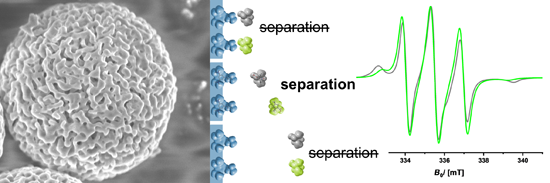
- of a surface influences the stereoselectivity of the enantiomers at the surface. Despite the difference in the interaction enthalpies being only in the 1–2 kJ·mol−1 range, an ideal surface would exclusively interact with one enantiomer. However, the question of which selectivity is sufficient or
- chemistry; ESR spectroscopy; organic inorganic hybrids; porous materials; Introduction Chiral materials represent an evolving research field that focuses on materials whose structures lack mirror symmetry [1][2][3]. The materials exhibit chirality, and a good overview of important developments was given by
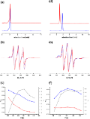
- , one is able to gather information about transport processes happening at 1–3 nm. If one selects an appropriate spin probe, the ESR spectra contain much valuable information. Line shape analysis and spin relaxation times can provide information on the motion and reactivity of trapped radicals. This can




Beyond the shell: exploring polymer–lipid interfaces in core–shell nanofibers to carry hyaluronic acid and β-caryophyllene
Beilstein J. Nanotechnol. 2025, 16, 2015–2033, doi:10.3762/bjnano.16.139
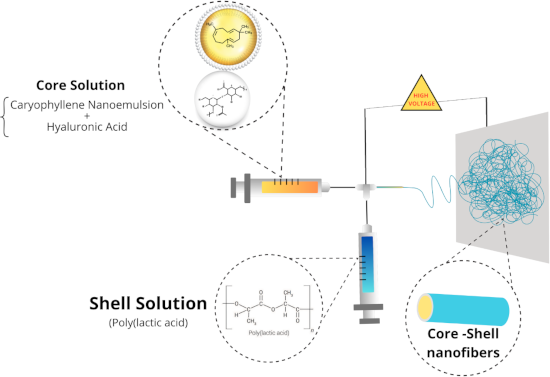
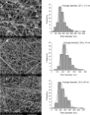
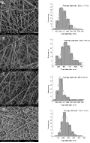
- optimal core formulation (1% w/w HA, 2% w/w NE) and process parameters (17 kV applied voltage, 6.25 flow rate ratio (0.04 mL/h inner; 0.25 mL/h outer), 12 cm needle-to-collector distance). These conditions provided highly uniform fibers with an average diameter of 439 ± 100 nm, notably 37% larger than
- biomaterials, recent decades have seen intensive research into novel therapeutic strategies for regenerative medicine [1][2][3][4]. Within this scenario, a pivotal current strategy in formulation development focuses on integrating nanocarriers with nanoscale three-dimensional biomaterials, enabling major
- unimodal distribution with a polydispersity index (PDI) range of 0.218. Most of the formed nanoemulsions are small in size and well distributed (Figure 1). The most favorable processing conditions for obtaining uniform fibers – free of surface roughness and with fewer beads – were determined based on




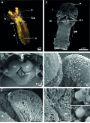
The cement of the tube-dwelling polychaete Sabellaria alveolata: a complex composite adhesive material
Beilstein J. Nanotechnol. 2025, 16, 1998–2014, doi:10.3762/bjnano.16.138
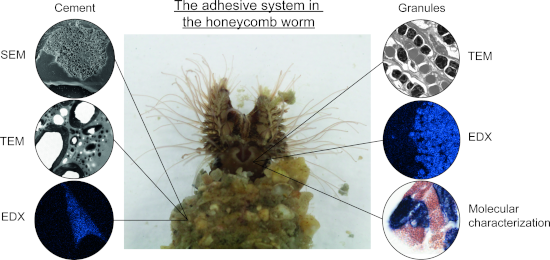
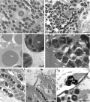
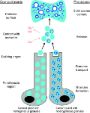
- material; Polychaeta; protein phosphorylation; Introduction Many invertebrate marine organisms have adhesive mechanisms that allow them to firmly attach to various substrates in a wet and salty environment [1][2]. This remarkable ability has raised the interest of scientists in developing bio-inspired
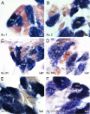
- only five, referred to as Pc-1 to -5, have been partially characterized [8][12][14][15][16]. Pc-1 and Pc-2 are basic proteins that contain glycine-rich peptide repeats [14][15]. A fraction of their tyrosine residues are post-translationally hydroxylated to form 3,4-dihydroxyphenylalanine (DOPA
- existence of many others [18]. The proteins Sa-1, Sa-2, Sa-3A, and Sa-3B share the same physico-chemical characteristics as their homologues in P. californica [17]. In both species, the polyphosphorylated proteins appear to be segregated exclusively in the inclusions within the heterogeneous granules [9][17



Laser ablation in liquids for shape-tailored synthesis of nanomaterials: status and challenges
Beilstein J. Nanotechnol. 2025, 16, 1963–1997, doi:10.3762/bjnano.16.137
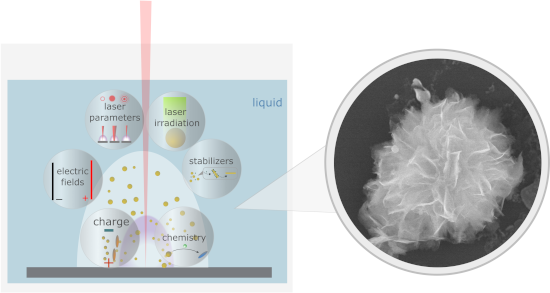
- liquids; laser irradiation; nanofabrication; nanoparticles; shape control; Perspective 1 Introduction: Mechanisms and key parameters influencing the morphology of laser-produced NPs The precise control and tailoring of NP parameters has long been an aim of the laser ablation synthesis in liquids
- . Combining both top-down and bottom-up strategies, laser-assisted methods are demonstrating the prospects to become a versatile nanoscale manufacturing strategy based on clean, sustainable, and large-scale approach applicable to a broad range of nanomaterials [1][2][3][4][5][6][7][8][9][10][11]. The current
- progress in the pulsed laser ablation in liquid (PLAL) field has been achieved by getting new insights into the process of laser ablation, its stages, and mechanisms allowing to significantly boost the productivity and reach gram-scale NP production [1][4]. Another direction of the research is the control




Mechanical property measurements enabled by short-term Fourier-transform of atomic force microscopy thermal deflection analysis
Beilstein J. Nanotechnol. 2025, 16, 1952–1962, doi:10.3762/bjnano.16.136
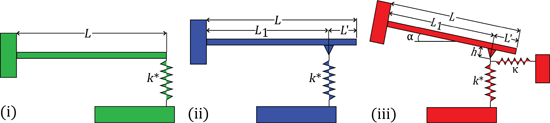
- ); mechanical property measurements; surface science; Introduction Atomic force microscopy (AFM) has become an indispensable tool for imaging the surface topography on a variety of surfaces [1]. Since the invention of the AFM [2], several other modes of AFM have been developed, including friction force
- deflection signal is acquired at rates several times greater than the first normal resonant frequency (typically greater than 1 MHz) for several seconds, as the cantilever is approached, and the tip is pressed against, and finally removed from, a surface. In a significant number of studies, a Fourier
- mechanical properties of these samples are provided in Table 1. Silicon wafers were ultrasonicated in acetone and ethanol for 10 min each. HOPG samples were cleaved using the Scotch tape method within 30 min of beginning an experiment. Finally, the PEO and PDMS samples were not surface-treated following




Evaluating metal-organic precursors for focused ion beam-induced deposition through solid-layer decomposition analysis
Beilstein J. Nanotechnol. 2025, 16, 1942–1951, doi:10.3762/bjnano.16.135
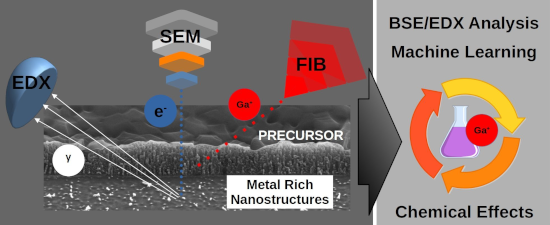
- deposition, chemical mechanical polishing, and laser nanopatterning, enable the creation of nanostructures and nanoscale devices. However, a major limitation of these methods is their inability to effectively produce high-resolution three-dimensional nanostructures [1][2][3][4]. In contrast, focused electron
- or ion beam-induced deposition (FEBID/FIBID) allows for the precise fabrication of two- and three-dimensional nanostructures with well-defined shapes and dimensions ranging from 5 to 10 nm [1][5][6][7][8][9][10]. This high spatial resolution is achieved by precisely controlling the position and
- -organic precursors involves a series of steps that are crucial to ensure accurate and comprehensive results. These stages include: (1) Deposition of the precursor onto a Si(111) substrate through sublimation using previously established parameters [22][29][32][34]. This step allows for precise control of


Quantum circuits with SINIS structures
Beilstein J. Nanotechnol. 2025, 16, 1931–1941, doi:10.3762/bjnano.16.134
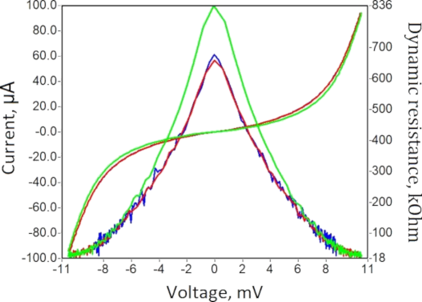
- W·Hz−1/2. The receiver in a 3He cryostat with an optical window was mounted at the Nasmyth focus of the BTA and tested at a temperature of 260 mK with a IMPATT diode radiation source. Keywords: Big Telescope Alt-azimuthal; electron coolers; microwave detectors; micro- and nanotechnology; NIS tunnel
- devices are manufactured on their basis [1][2][3]. These extend from cryogenic thermometers [4][5][6] and electron coolers [7][8][9][10] to various detectors such as Andreev bolometers [11][12][13], cold electron bolometers [14][15], superconductor–insulator–normal metal–insulator–superconductor (SINIS
- quasiparticles out of the normal electrode, which leads to electron cooling, as in a Peltier element. In a single SINIS structure, it is possible to reduce the electron temperature from 260 to 90 mK [31]. Cascaded NIS coolers can be efficient refrigerators for cooling from 1 K to below 100 mK [32]. One of the


PEGylated lipids in lipid nanoparticle delivery dynamics and therapeutic innovation
Beilstein J. Nanotechnol. 2025, 16, 1914–1930, doi:10.3762/bjnano.16.133
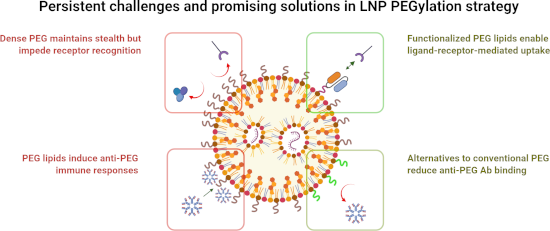
- encapsulate and protect a variety of drug substances, thereby enhancing their stability and therapeutic efficacy within biological systems [1]. LNPs are currently composed of ionizable lipids, helper lipids, sterols, and polyethylene glycol-modified (i.e., PEGylated) lipids (PEG lipids); each of these
- LNPs remain limited, substantial insights can be drawn from studies on liposomes and polymeric nanoparticles. As shown in Figure 1, the PEG chain conformation is found to be fundamentally determined by the PEG grafting density on the nanoparticle surface, which can be quantitatively estimated by the
- -based LNPs formulated with varying DMPE-PEG2k content from 1 to 5 mol %, changes were observed in nanoparticle diameter, polydispersity index (PDI), surface charge, and payload encapsulation efficiency (EE%). Increasing the PEG lipid content led to a reduction in the hydrodynamic diameter of LNPs, with


Targeting the vector of arboviruses Aedes aegypti with nanoemulsions based on essential oils: a review with focus on larvicidal and repellent properties
Beilstein J. Nanotechnol. 2025, 16, 1894–1913, doi:10.3762/bjnano.16.132
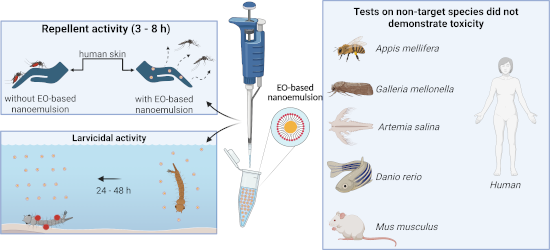
- as a mosquito, feeds on the blood of an infected host [1]. Thus, the virus undergoes a replication process in the midgut of the mosquito, being disseminated to different organs, mainly the salivary glands. Upon contact with a new host, the virus is inoculated through the bite of the vector
- ]. Regarding their life cycle, they present complete metamorphosis, including the egg, larva, pupa, and adult stages (Figure 1) [45]. The complete cycle, which takes approximately seven to 14 days, encompasses the transition from an Ae. aegypti mosquito egg to an adult mosquito, and it is influenced by
- environmental factors such as temperature, nutrient availability, water quality, and ecological interactions. Higher temperatures accelerate growth, while food scarcity and competition can prolong this phase [46][47][48]. The life cycle of Ae. aegypti (Figure 1) begins with the deposition of eggs by adult


Programmable soliton dynamics in all-Josephson-junction logic cells and networks
Beilstein J. Nanotechnol. 2025, 16, 1883–1893, doi:10.3762/bjnano.16.131

- ; superconducting neural networks; Introduction The rapid advancement of Josephson junction (JJ) logic circuits [1][2][3][4][5] and neuromorphic networks [6][7][8][9] holds transformative potential for ultra-low-power computing. However, achieving scalable integration remains a critical bottleneck, as conventional
- for the flexible configuration of advanced logic and neuromorphic circuits. Results Model description To model the dynamics of kinetic solitons [43], we employ the resistively and capacitively shunted junction (RCSJ) model [1], where the total current I across a Josephson junction is the sum of the
- is determined by the interplay between the damping α and the normalized kinetic inductance L/LJ. Figure 1c summarizes the behavior of the device in a parameter map, which reveals four distinct operational regimes: (1) Open mode: The KICK is effectively transparent, allowing an incident kinetic


Low-temperature AFM with a microwave cavity optomechanical transducer
Beilstein J. Nanotechnol. 2025, 16, 1873–1882, doi:10.3762/bjnano.16.130
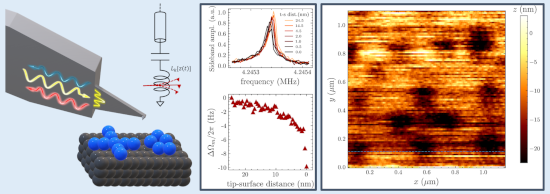
- , new record values of fundamental figures of merit have been reported at a surprisingly rapid rate. The field is now mature for the next challenge, that is, application-ready devices. Optomechanical interaction has been proposed to enable or improve many applications [1], including accelerometers [2
- features in a 1 µm scan field, but has not been tested to atomic resolution. Results and Discussion Force sensitivity and imaging The microcantilever in dynamic AFM operates as a resonant force transducer. Each individual eigenmode is described by a mechanical susceptibility χ, expressing cantilever
- the AFM’s suspension system is roughly 1 Hz, with a quality factor of roughly 2. Mechanical oscillation of the tip causes phase modulation of the reflected microwave pump, detected as motional sidebands in the signal spectrum. Measuring the microwave response at a sideband, the detection responsivity


Self-assembly and adhesive properties of Pollicipes pollicipes barnacle cement protein cp19k: influence of pH and ionic strength
Beilstein J. Nanotechnol. 2025, 16, 1863–1872, doi:10.3762/bjnano.16.129
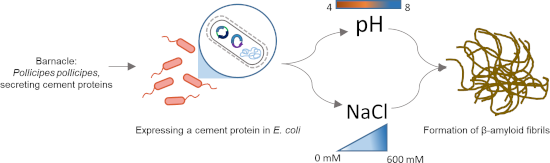
- , ship hulls, and even other organisms [1]. These bioadhesives function under challenging aquatic conditions, including high and fluctuating salinity, and constant turbulence. Unlocking the molecular mechanisms behind their ability to achieve robust, long-term adhesion under wet and dynamic conditions
- modifications in recombinant protein expression systems [9]. Cell-Tak™ is a commercial mixture of mussel foot proteins Mfp-1 and Mfp-2 from Mytilus edulis [10] but purification of Mfp-based adhesives necessitates harvesting and chemical processing of large quantities of mussels, raising ecological and
- , permanent attachment to a wide range of natural and synthetic surfaces [1][14][15]. Notably, the absence of DOPA means that several barnacle cement proteins have been produced in E. coli, providing an advantage over mussel adhesive proteins in terms of reproducibility and scalability [16][17][18][19][20][21


On the road to sustainability – application of metallic nanoparticles obtained by green synthesis in dentistry: a scoping review
Beilstein J. Nanotechnol. 2025, 16, 1851–1862, doi:10.3762/bjnano.16.128
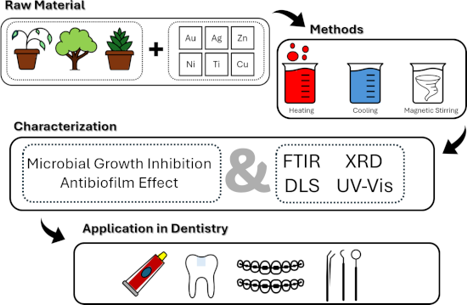
- ; sustainable development; Introduction Nanotechnology is an interdisciplinary field of science that involves the manipulation of materials at the nanoscale, typically ranging from 1 to 100 nm in inorganic nanomaterials, to generate structures with unique physicochemical properties [1][2][3]. Among the most
- texts of 100 articles were assessed, with two further exclusions due to insufficient methodological data. The final sample consisted of 98 articles included for qualitative synthesis (Figure 1). Where and when are articles from? Of the 98 articles selected for this review, 77 (78.6%) originated from
- of plant sources, extraction methods, synthesis parameters, and nanoparticle characterization techniques. Applications in the dental science field Preventive and restorative dentistry represents the field that most extensively utilizes green synthesis of nanoparticles (Table 1), particularly in the


Current status of using adsorbent nanomaterials for removing microplastics from water supply systems: a mini review
Beilstein J. Nanotechnol. 2025, 16, 1837–1850, doi:10.3762/bjnano.16.127
- projected to rise to 33,000 million tonnes by 2050 [1]. However, despite this significant increase in production, the global recycling rate remaines low at approximately 9% since 1950, resulting in the accumulation of plastic waste in ecological and environmental systems [2][3]. The issues of microplastics
- (MPs) related to public health and environmental risks have gained significant attention [1]. Because of their small size, high surface area, and hydrophobic properties, MPs can act as vectors for toxic chemicals, including heavy metals (lead, cadmium, or mercury) and persistent organic pollutants like
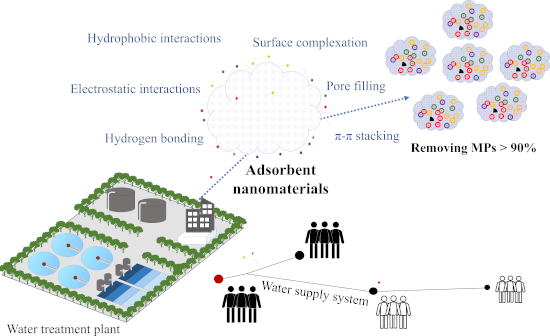
- breakdown of plastic waste by physical, chemical, or biological factors [27]. Figure 1 illustrates the sources and distribution of MPs from the natural environment to water supply systems. According to the study of Osman et al., land-based sources originating from plastic bags, bottles, personal care


Phytol-loaded soybean oil nanoemulsion as a promising alternative against Leishmania amazonensis
Beilstein J. Nanotechnol. 2025, 16, 1826–1836, doi:10.3762/bjnano.16.126

- , with an alarming 700,000 to 1 million new cases reported annually [1][2][3]. It is caused by protozoan parasites of the genus Leishmania spp., and transmitted through the bite of infected female phlebotomine sandflies. During its life cycle, the parasite exhibits two main morphological forms: the
- presented in Table 1. 3T3 fibroblast-like cell viability Cell viability in mammalian cells was assessed using 3T3 fibroblast-like cells at 24 and 48 hours (Figure 3). Our results showed that none of the treatments induced significant cytotoxicity in this cell type at 24 hours. However, at 48 hours
- concentration of the drug, thereby enhancing its leishmanicidal efficacy [1][52]. For instance, Mousavi and collaborators (2022) [53] reported that a nanoemulsion loaded with resveratrol effectively inhibited both promastigote and amastigote forms of Leishmania major, with an IC50 value 2.32-fold lower than


Further insights into the thermodynamics of linear carbon chains for temperatures ranging from 13 to 300 K
Beilstein J. Nanotechnol. 2025, 16, 1818–1825, doi:10.3762/bjnano.16.125
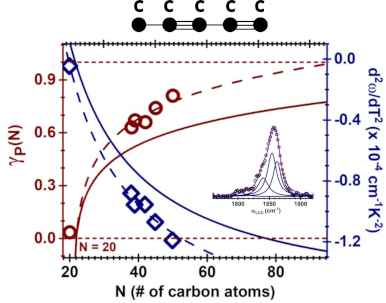
- University, 77 Yongbong-ro, Buk-gu, Gwangju 61186, Republic of Korea Faculty of Engineering, Shinshu University, 4-17-1 Wakasato, Nagano-shi 380-8553, Japan 10.3762/bjnano.16.125 Abstract It was recently shown that small bundles of linear carbon chains (LCC) encapsulated by double- and multi-wall carbon
- gradients), and mechanical (e.g., pressure variations) stimuli [1][2][3][4][5][6][7][8][9][10][11][12][13][14][15][16][17][18][19][20][21][22][23]. These responses are directly connected with electronic and transport properties, which in turn depend on the equilibrium between emission and absorption of
- phonons, and gain and loss of energy of carriers [1][2][10][17][24][25][26][27][28]. The phonon lifetime as well as the selection rules behind ph–ph and e–ph interactions determine the efficiency of such phonon emission and absorption [1][2][10][17][24][25][26][27][28]. Phonons need to be in an excited


![[Graphic 23]](/bjnano/content/inline/2190-4286-16-125-i25.svg?max-width=637&scale=1.18182)
Piezoelectricity of layered double hydroxides: perspectives regarding piezocatalysis and nanogenerators
Beilstein J. Nanotechnol. 2025, 16, 1812–1817, doi:10.3762/bjnano.16.124

- environmental sources is a priority. Piezoelectric materials have the ability to convert mechanical energy into electrical energy due to the arrangement of dipoles in their structure, thus providing sustainable electrical energy for low-power-consuming and self-powered devices [1]. The most common piezoelectric
- findings and interpretations Piezoelectric nanogenerators A general idea of the piezoelectric properties of LDHs in the described studies is given in Table 1. A visual summary of the described works is presented in Figure 1. Works where we assume the absence of a crystalline structure of LDHs despite the
- nanostructure itself demonstrated a piezoelectric charge coefficient of 274 pm·V−1. This work opens the door to future applications of LDHs in smart wearable electronic devices as both power generators and supercapacitors. In addition to the intrinsic piezoelectric properties of LDHs, it has been demonstrated

Electrical, photocatalytic, and sensory properties of graphene oxide and polyimide implanted with low- and medium-energy silver ions
Beilstein J. Nanotechnol. 2025, 16, 1794–1811, doi:10.3762/bjnano.16.123
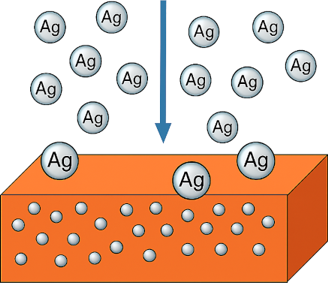
- , sensory, and photocatalytic properties of graphene oxide (GO) and polyimide (PI). Implantations were carried out with fluences ranging from 3.75 × 1012 cm−2 to 1 × 1016 cm−2. Silver ions offer excellent electrical, catalytic, and plasmonic characteristics, making them ideal for multifunctional enhancement
- properties of the modified materials. In our previous studies, light ions such as Cu [1][2] and C [3] were implanted into GO, PI, and other polymers. In contrast, the implantation of heavier ions like Ag interacts with the target material through different mechanisms. Owing to its higher mass, Ag has a
- Table 1 and Figure 1. Table 1 presents the mean projected range Rp and straggling of projected range of the Ag ions in GO and PI, together with the nuclear and electron stopping powers and their ratio at the sample surface. It is evident from Table 1 that, for low-energy implantation, the projected


Exploring the potential of polymers: advancements in oral nanocarrier technology
Beilstein J. Nanotechnol. 2025, 16, 1751–1793, doi:10.3762/bjnano.16.122
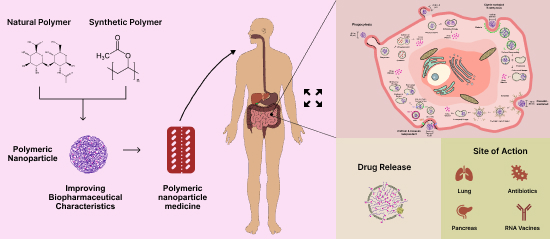
- developing diverse nanocarriers for oral applications, and this review provides a valuable theoretical foundation for understanding the strategies currently employed in this field. Keywords: drug delivery; nanoparticle; oral administration; polymer; polymeric nanoparticle; Review 1 Introduction The oral
- products intended for human use [1]. Despite their advantages, drug candidates for oral administration face several limitations, as shown in Figure 1, including chemical instability caused by the gastric environment, low bioavailability, and poor permeability across barriers in the gastrointestinal tract
- (GIT), such as mucus and the intestinal epithelium [2][3]. The complex biochemical environment includes pH variations (ranging from 1 to 2.5 in the stomach to 7 to 8 in the colon), metabolizing enzymes (such as pepsin, lipase, peptidase, and amylases), and surfactants like bile salts and those produced


Advances of aptamers in esophageal cancer diagnosis, treatment and drug delivery
Beilstein J. Nanotechnol. 2025, 16, 1734–1750, doi:10.3762/bjnano.16.121
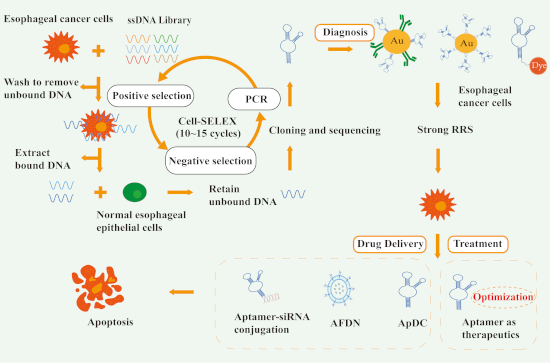
- , leveraging the high target specificity of well-selected aptamers may bring new breakthroughs in the diagnosis, treatment and drug delivery of EC. Keywords: aptamers; detection; drug delivery; esophageal cancer; esophageal squamous cell carcinoma; therapy; Review 1 Introduction Esophageal cancer (EC) is
- habits, while obesity and long-term gastroesophageal reflux disease (GERD) [1] are key factors leading to the occurrence of the latter. In EC, the activation or regulation of pathways such as integrin β1/MAPK/ERK/AP-1 pathway [2], SPP1/FAK/Erk pathway [3], EGFR/PI3K/AKT/mTOR/S6 pathway [4], HER2/PI3K/AKT
- /mTOR/S6 pathway [5], and SOX2/miR-30e/USP4/SMAD4/CK2 pathway [6] are important mechanisms promoting the malignant phenotype of cancer cells. Some of the pathogenesis and risk factors of ESCC and EAC are shown in Figure 1. The initial clinical manifestations of both conditions are often nonspecific and


Multifunctional anionic nanoemulsion with linseed oil and lecithin: a preliminary approach for dry eye disease
Beilstein J. Nanotechnol. 2025, 16, 1711–1733, doi:10.3762/bjnano.16.120
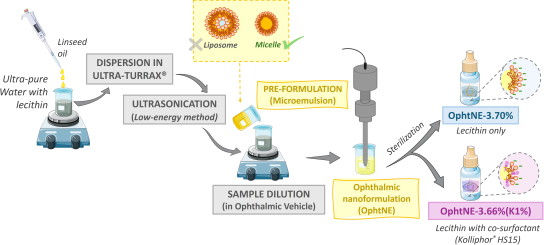
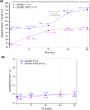
- 60 days, the formulation remained physically quite stable without phase separation. Both nanoformulations contained 2.6% (w/v) linseed oil, providing a bioactive concentration compatible with ocular administration volumes (~50 µL). At a final concentration of 1.30 mg·mL−1, OphtNE-3.66%(K1%) showed
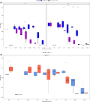
- >75% cell viability in L929 cells and ~10% 2,2-diphenyl-1-picrylhydrazyl (DPPH) antioxidant effect. These findings support the multifunctional potential (cytocompatibility and antioxidant) of sterile OphtNE-3.66%(K1%) for the treatment of DED, emphasizing the need for in vivo studies to ensure its
- insufficient tear production [1]. This condition can cause ocular discomfort, impair visual function, and promote inflammatory processes on the ocular surface, which could result in chronic complications and vision loss [2][3]. DED affects approximately 11.6% of the global population [4], with this prevalence



Beyond the bilayer: multilayered hygroscopic actuation in pine cone scales
Beilstein J. Nanotechnol. 2025, 16, 1695–1710, doi:10.3762/bjnano.16.119
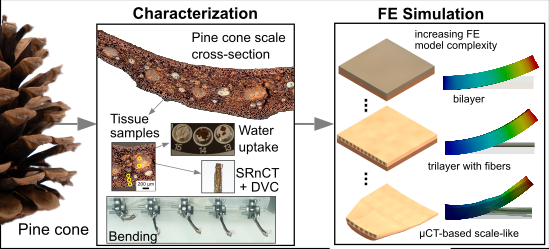
- technical applications [1][2][3][4]. Of particular interest are, for example, Banksia seed pods [5][6], Hakea fruits [7][8], and scales of pine cones [9][10][11][12], which passively respond to changes in ambient relative humidity by shape morphing to facilitate seed dispersal. In the case of pine cones
- abstraction levels of a pine cone scale cross-sectional geometry incorporating the DVC-estimated hygroscopic expansion coefficients. This will answer the questions of (1) whether an intra-tissue gradient of the hygroscopic strain can be observed, (2) whether this measured hygroscopic strain can be used in a
- . If individual cone scales were required for experiments, a pine cone was submerged in water overnight and then the scales were removed from the central axis by hand. Gravimetric water uptake The following three tissues were isolated from ten scales of the first cone: (1) the sclereid cell layer with





