


Search results
Search for 外科护理学第7版电子版 in Full Text gives 2650 result(s) in Beilstein Journal of Nanotechnology. Showing first 200.
Morphology and properties of pyrite nanoparticles obtained by pulsed laser ablation in liquid and thin films for photodetection
Beilstein J. Nanotechnol. 2025, 16, 785–805, doi:10.3762/bjnano.16.60
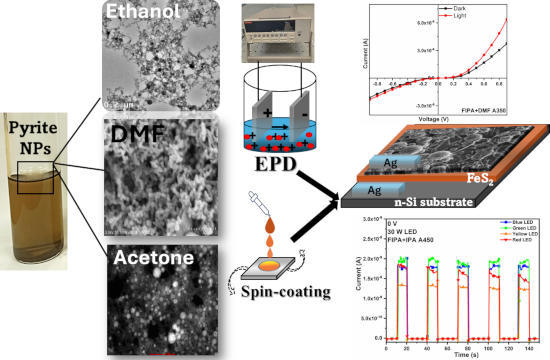
- films. The conventional methods reported for the synthesis of pyrite NPs include chemical methods using stabilizing agents [4], high-energy mechanical ball milling [6][7], colloidal pyrite by wet solution/phased chemical approaches [8][9], and hot injection [10][11]. In this study, PLAL was employed to
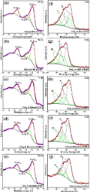
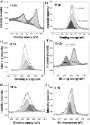
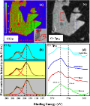
- argon ions is provided in Figure 7. The Fe 2p spectra of pyrite NPs in all solvents (Figure 7a–e) show two major peaks of Fe 2p3/2 and Fe 2p1/2 at 709 and 722 eV, respectively, which denotes the Fe2+ chemical state [44] with a separation ΔE of 13.1 eV. The peak fitting of the Fe 2p3/2 peak reveals a






Changes of structural, magnetic and spectroscopic properties of microencapsulated iron sucrose nanoparticles in saline
Beilstein J. Nanotechnol. 2025, 16, 762–784, doi:10.3762/bjnano.16.59
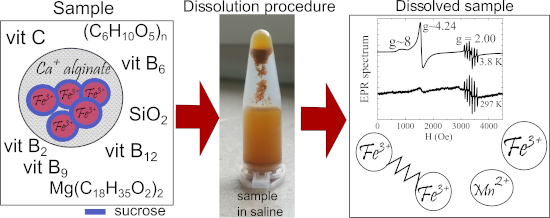
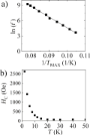
- drugs with different iron agents, such as ferumoxytol [5], iron isomaltoside [5], and iron sucrose [6][7][8]. Such behavior is expected, and not surprising, as in most cases iron agents are systems of noninteracting magnetic nanoparticles. However, more complex process such as two superimposed
- separated from each other and not magnetically interacting. There are many others literature examples of studies of chemical and physical properties on iron deficiency drugs and their usage in agents [2][7][8][11][12][13][14][15]. However, in this work the whole attention is focused on the iron deficiency
- agent called iron sucrose. The original iron sucrose available on the market is the intravenous Venofer® (Vifor, Switzerland), whose physical and chemical properties are thoroughly tested and described in the literature [5][6][7][8][9][13][14]. Generally, iron sucrose originating from Venofer® has a





Thickness dependent oxidation in CrCl3: a scanning X-ray photoemission and Kelvin probe microscopies study
Beilstein J. Nanotechnol. 2025, 16, 749–761, doi:10.3762/bjnano.16.58
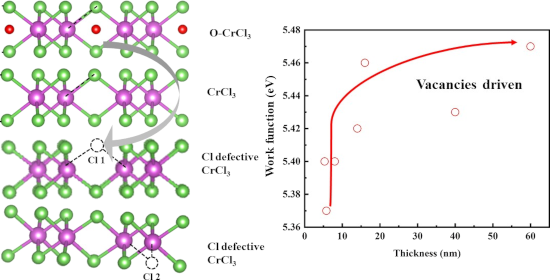
- the halides. This has been supported by self-consistent band structure calculations by Antoci and Mihich [7], which introduced spin degeneracy, demonstrating that CrCl3 and CrBr3 behave as metallic system because of the prominent role of the 3d states near Fermi level. In our previous publications [8
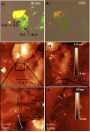
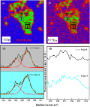
- emerges after the formation of the O–CrCl3 phase [8]. To confirm our analysis, we have continued the investigation of the Cr 2p3/2 and O 1s core level spectra in Figure 7 at different thicknesses on the ITO substrate as reported in Figure 2 with defocused beam and observed the appearance of the peak at
- that the formation of the Cr–O–Cl phase requires a sufficient volume of material, that is, that oxygen-driven phase formation is hindered if there are no specific diffusion processes in the sample. All three SPEM figures (Figure 5, Figure 6, and Figure 7) confirm that the lower-binding-energy component





Serum heat inactivation diminishes ApoE-mediated uptake of D-Lin-MC3-DMA lipid nanoparticles
Beilstein J. Nanotechnol. 2025, 16, 740–748, doi:10.3762/bjnano.16.57
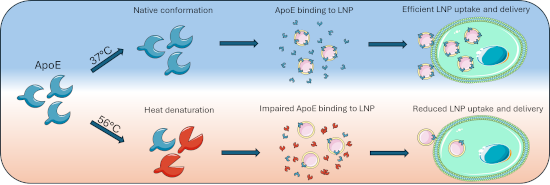
- nanoparticle, reviewed by [6][7][8], as well as the protein source of the corona [9][10][11]. Ultimately, the protein corona can change the uptake [12][13][14], biodistribution [15][16][17][18], immunological responses [19][20] and toxicity [6][21][22] of nanoparticles and its characterization should thus play


Synthesis of a multicomponent cellulose-based adsorbent for tetracycline removal from aquaculture water
Beilstein J. Nanotechnol. 2025, 16, 728–739, doi:10.3762/bjnano.16.56
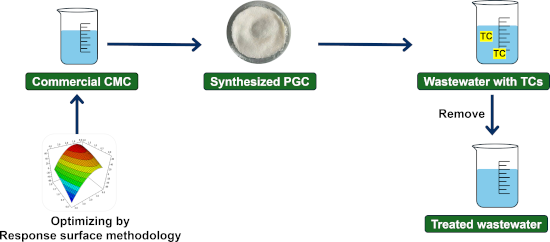
- concentration of 60 mg·L–1 at pH 6–7, reaching equilibrium after 12 h. The surface characteristics and structural properties of PGC were determined using various material characterization techniques, including FTIR, SEM, EDX, and BET. Verification experiments under optimal conditions confirmed that the
- , low adsorption efficiency, water matrices, and secondary pollutant formation, limiting their overall efficiency. A promising method for tackling tetracycline antibiotics involves membrane technologies such as osmosis membrane technology [6][7]. However, this approach presents significant upfront
- influencing the maximum TC adsorption capacity of the synthetic material Effect of initial pH The effect of pH on the TC adsorption capacity of PGC is illustrated in Figure 4c. Specifically, the adsorption capacity increases significantly between pH 3 and 7, peaking at pH 7. Beyond this point, it decreases


Efficiency of single-pulse laser fragmentation of organic nutraceutical dispersions in a circular jet flow-through reactor
Beilstein J. Nanotechnol. 2025, 16, 711–727, doi:10.3762/bjnano.16.55
- Tina Friedenauer Maximilian Spellauge Alexander Sommereyns Verena Labenski Tuba Esatbeyoglu Christoph Rehbock Heinz P. Huber Stephan Barcikowski Technical Chemistry I and Center for Nanointegration Duisburg-Essen (CENIDE), University of Duisburg-Essen, Universitaetsstrasse 7, Essen 45141, Germany
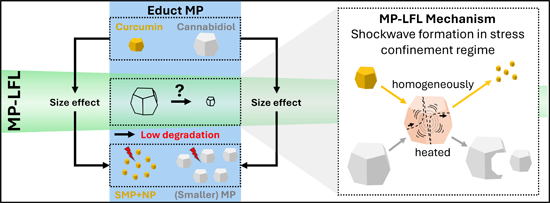
- colloids, for example, to increase their defect density in favor of electrocatalytic or optical properties without changing their size [6][7][8]. In addition, the acronym PUDEL has recently been used for pulsed laser diffusion enhancement in liquids, which refers to an increase in diffusion without
- , Supporting Information File 1. For curcumin, the influence of particle size on extinction, absorption, and scattering was calculated based on the Mie theory (using the program MiePlot [72]) for spherical particles in a range of 0.1 to 1000 µm at wavelengths of 532 and 1064 nm (Figure 7). For monodisperse


Nanostructured materials characterized by scanning photoelectron spectromicroscopy
Beilstein J. Nanotechnol. 2025, 16, 700–710, doi:10.3762/bjnano.16.54
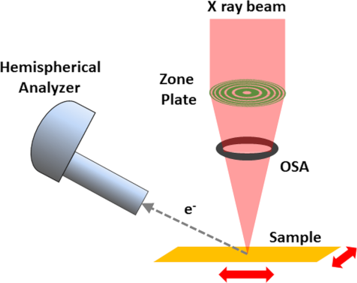
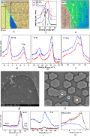
- technologies associated with electronics, energy conversion and storage, and many other fields due to their unique physical properties which may open unforeseen doors for technical and performance advances [5][6][7][8]. The full chain of steps necessary for the implementation of nanostructured materials in


High-temperature epitaxial growth of tantalum nitride thin films on MgO: structural evolution and potential for SQUID applications
Beilstein J. Nanotechnol. 2025, 16, 690–699, doi:10.3762/bjnano.16.53
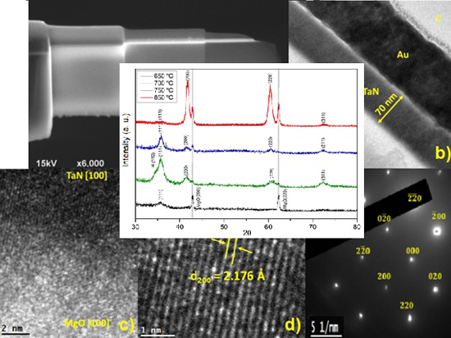
- and chemical properties, including ultrahardness (comparable to that of diamond) and high melting points around 3000 °C. These properties can be qualitatively understood by observing that the Fermi energy falls within a pronounced minimum of the density of states [7]. Some reports have shown that TaN
- has a superconductive energy gap lower than that of NbN [7], the most commonly used material for single-photon detectors in the gigahertz range; hence, this material can be a better candidate for superconductive electronic devices. Depending on the amount of incorporated nitrogen, x, the tantalum
- makes this film an excellent candidate for superconducting applications, particularly in devices such as superconducting quantum interference devices (SQUIDs). Figure 7 presents an AFM image revealing the low surface roughness (2.2 nm) of even the film deposited at an elevated growth temperature of 850


The impact of tris(pentafluorophenyl)borane hole transport layer doping on interfacial charge extraction and recombination
Beilstein J. Nanotechnol. 2025, 16, 678–689, doi:10.3762/bjnano.16.52
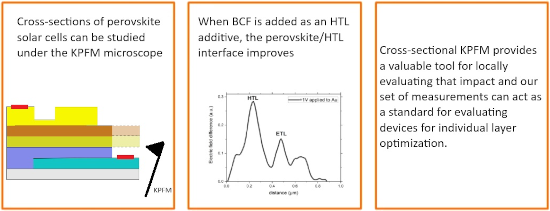
- the core of their success lies the perovskite absorber material, which exhibits impressive bulk properties, such as long carrier lifetimes and low recombination rates [5][6][7][8]. However, the granular nature of perovskites and the layered structure of their solar cells, introduce complications such
- a complete understanding of the electric field difference plots (Figure 3), an analysis of their integrals which take into account both the peak heights and widths is required (see Supporting Information File 1, Section 7). Results show that the areas under the electric field peaks of the HTL side


Colloidal few layered graphene–tannic acid preserves the biocompatibility of periodontal ligament cells
Beilstein J. Nanotechnol. 2025, 16, 664–677, doi:10.3762/bjnano.16.51
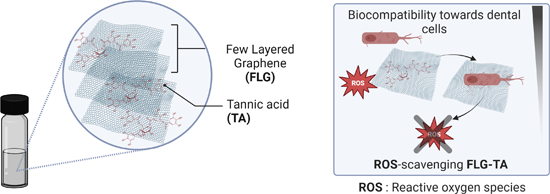
- microhardness without compromising biocompatibility [7]. In another work, the formulation of an injectable calcium phosphate cement–chitosan–graphene oxide (GO) composite was found to be effective. This composite fostered the proliferation of human dental pulp stem cells [8]. Despite these promising findings
- -DR, CD105, and CD11b [45]. The cells were cultured in a specialized medium (Gibco™ α-MEM, Thermo Fisher Scientific, Waltham, MA, USA) supplemented with 10% FBS and 1% penicillin–streptomycin (Dominique Dutscher, Bernolsheim, France). Cells from passages 3 to 7 were used for experiments. Metabolic
- test compounds [46]. Briefly, cells were seeded at a density of 1 × 10⁵ cells/well (passages 3 to 7) in a 96-well plate with α-MEM essential medium supplemented with 10% FBS, 100 µg·mL−1 penicillin, and 100 µg·mL−1 streptomycin (Dutscher). The cells were treated with FLG and TA in fresh medium at




Aprepitant-loaded solid lipid nanoparticles: a novel approach to enhance oral bioavailability
Beilstein J. Nanotechnol. 2025, 16, 652–663, doi:10.3762/bjnano.16.50
- plasma (Cmax) is reached after approx. 4 h, and the half-life is 9–13 h. An oral dose of 125 mg APT one hour before chemotherapy treatment (day 1), and 80 mg daily in the morning on days 2 and 3 are recommended [7]. APT is strongly bound to plasma protein (95%); it is absorbed slowly and crosses the
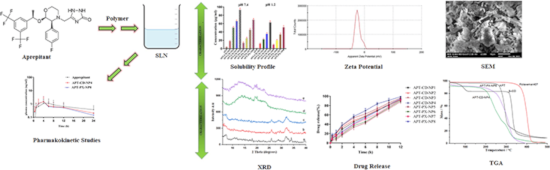
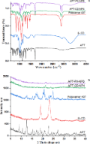
- . Stability studies For stability studies, the optimal sample APT-CD-NP4 was used. The samples were exposed to 40 °C/75% RH for 0, 1, 2, 3, and 6 months. Figure 7 shows the XRD patterns of the corresponding samples. Freshly prepared APT-CD-NP4 showed peaks at 2θ values of 6.95° (270), 7.4° (290), and 32.1
- ° (244) (Figure 7a). After one and two months, peaks at 2θ values of 26.0° (227), 32.0° (257), and 31.8° (256) were measured (Figure 7b,c). After three and six months, peaks at 2θ values of 13.75° (446) and 13.0° (488) are seen (Figure 7d,e). Figure 7 shows that the peak intensity of APT in APT-CD-NP4 is



Nanoscale capacitance spectroscopy based on multifrequency electrostatic force microscopy
Beilstein J. Nanotechnol. 2025, 16, 637–651, doi:10.3762/bjnano.16.49

- of Mainz, Staudingerweg 7, 55128 Mainz, Germany Institute for Photovoltaics, University of Stuttgart, Pfaffenwaldring 47, 70569 Stuttgart, Germany 10.3762/bjnano.16.49 Abstract We present multifrequency heterodyne electrostatic force microscopy (MFH-EFM) as a novel electrostatic force microscopy
- , in microelectronic devices, high-κ dielectric materials such as HfO2 and ZrO2 are critical for minimizing leakage currents and enhancing gate capacitance in transistors [7][8][9]. In energy storage systems, the dielectric constants of polymer–ceramic composites determine the efficiency and
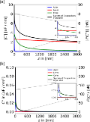
- = VAC,2 = , Equation 7 can be rearranged as Thus, the waveform can be viewed as a high-frequency oscillation at (ωe,1 + ωe,2)/2 = ωmod/2 with a low-frequency amplitude modulation at frequency (ωe,1 − ωe,2)/2 = Δωe/2. This effect is also known as “beating” and is utilized in the AFM context for example




A formulation containing Cymbopogon flexuosus essential oil: improvement of biochemical parameters and oxidative stress in diabetic rats
Beilstein J. Nanotechnol. 2025, 16, 617–636, doi:10.3762/bjnano.16.48
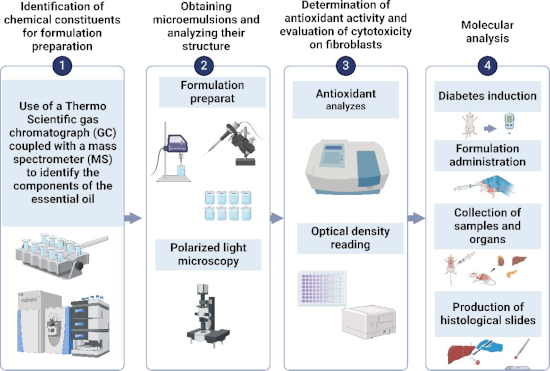
- antidyslipidemic properties in vivo [4][5][6]. EOs are volatile components that are sensitive to temperature, light, oxygen, and humidity [7]. Therefore, it is recommended to use them in drug delivery systems, such as nanostructured systems, which are able to guarantee stability and a better therapeutic effect
- and one NTS were also obtained. Among the TLS, point 7 (M7-EOCF) was selected for subsequent tests, as it had the lowest amount of surfactants and the highest proportion of water in its composition. Physicochemical characterization of the selected system Some parameters are fundamental for
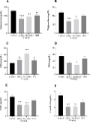
- Figure 7 shows that exposure of rats to STZ induced significant metabolic lipid disturbances. In the control group of diabetic rats, there was a considerable increase in plasma concentrations of total cholesterol (TC = 128.33 mg/dL), triglycerides (TG = 119.22 mg/dL), and low-density lipoprotein (LDL




Focused ion and electron beams for synthesis and characterization of nanomaterials
Beilstein J. Nanotechnol. 2025, 16, 613–616, doi:10.3762/bjnano.16.47

- tetracarbonyl methyl acrylate (Fe(CO)4MA)) is studied in the gas phase using mass spectrometry and during electron-induced processes [7][8]. This issue also presents insights from initial studies using the novel (hfac)AgPMe3 precursor [9], which notably demonstrates a high level of purity at the interface with

Polyurethane/silk fibroin-based electrospun membranes for wound healing and skin substitute applications
Beilstein J. Nanotechnol. 2025, 16, 591–612, doi:10.3762/bjnano.16.46
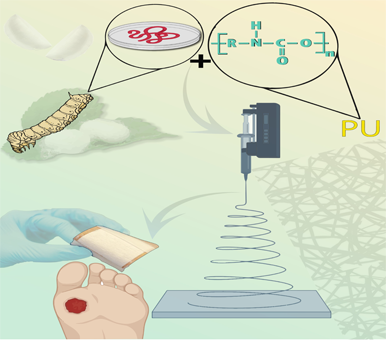
- of clarity never before possible [6][7]. In nanotechnology, different nanofiber production techniques are used such as template synthesis, electrospinning, solution blowing, drawing, thermally induced phase segregation, and self-assembly [8][9]. Among these techniques, electrospinning is the most



Feasibility analysis of carbon nanofiber synthesis and morphology control using a LPG premixed flame
Beilstein J. Nanotechnol. 2025, 16, 581–590, doi:10.3762/bjnano.16.45
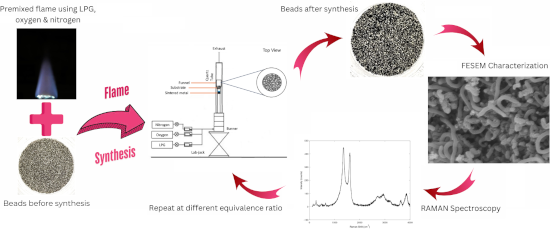
- delivery, tissue engineering, and implants [7]. Methods of CNT/CNF synthesis include (a) chemical vapor deposition, (b) arc discharge, (c) flame synthesis, and (d) laser ablation [1]. Flame-assisted synthesis is a promising method for efficient and continuous one-step production. Various flame
- the beads. As the equivalence ratio increased, a visible black layer formed on the beads, as shown in Figure 6b. The deposited CNFs were extracted from the beads using ex situ collection with a fluidized bed, and the black CNF powder was used for further characterization. The FESEM images in Figure 7
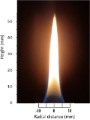
- equivalence ratio of 1.80. As expected, there is large number of CNFs present in the sample, as shown in Figure 8. The fraction of amorphous carbon in this sample is much smaller than that in Figure 7. The flame at 1.80 equivalence ratio ensures a suitable environment for carbon deposition. At higher fuel



Nanomaterials in targeting amyloid-β oligomers: current advances and future directions for Alzheimer's disease diagnosis and therapy
Beilstein J. Nanotechnol. 2025, 16, 561–580, doi:10.3762/bjnano.16.44
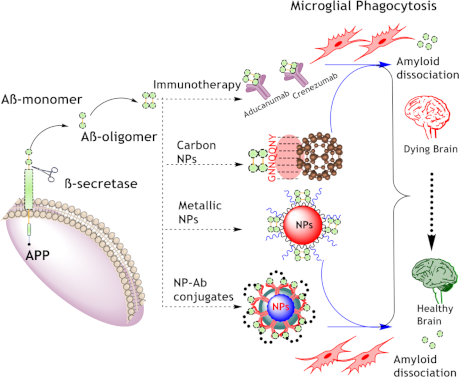
- aggregation linked to AD [6]. Additionally, the presence of the APOE4 genotype is notable, as it is found in approximately 65% of AD patients [5]. This genotype is associated with an increased tendency for amyloid monomers to aggregate into AβOs, potentially contributing to the pathology of the disease [7


Retrieval of B1 phase from high-pressure B2 phase for CdO nanoparticles by electronic excitations in CdxZn1−xO composite thin films
Beilstein J. Nanotechnol. 2025, 16, 551–560, doi:10.3762/bjnano.16.43

- and gamma radiation can induce lattice defects and lower the device efficiency [7]. Swift heavy ion (SHI) irradiation experiments provide valuable insights into the radiation stability of the transformed B2 phase, which is essential for the future utilization of these composite materials in space
- -based optoelectronic applications [7]. High-energy ion irradiation can lead to latent track formation or phase transitions, either from crystalline to crystalline or crystalline to amorphous, depending on the threshold electronic energy loss (Seth) [8][9]. The formation of latent tracks has been
- investigation, we primarily focus on Se, given the high energy of the irradiation ions (several MeV), while Sn becomes more significant in the keV range [7]. Here, we report on the radiation stability of the transformed B2 phase under 120 MeV Ag and 80 MeV O ion irradiation. Notably, such an investigation has


Functionalized gold nanoflowers on carbon screen-printed electrodes: an electrochemical platform for biosensing hemagglutinin protein of influenza A H1N1 virus
Beilstein J. Nanotechnol. 2025, 16, 540–550, doi:10.3762/bjnano.16.42
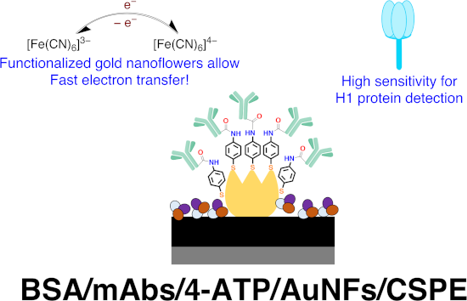
- generate measurable signals that reflect the concentration of the analyte [7]. Among different types of biosensors, electrochemical biosensors are particularly advantageous, since they can be built from low-cost components, designed to be compact and portable, while preserving high resolution, accuracy


Electron beam-based direct writing of nanostructures using a palladium β-ketoesterate complex
Beilstein J. Nanotechnol. 2025, 16, 530–539, doi:10.3762/bjnano.16.41
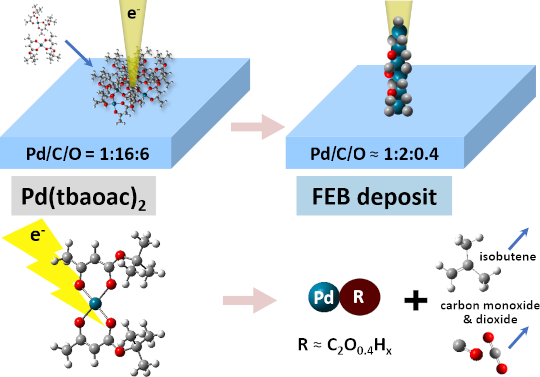
- use of masks, achieving scales down to a few nanometers with various patterns and shapes, offers significant advantages for a wide range of technological applications. These include areas that require plasmonic [1][2][3], phononic [3][4], magnetic [5][6], optoelectronic [7][8][9], and mechanical [10


Zeolite materials with Ni and Co: synthesis and catalytic potential in the selective hydrogenation of citral
Beilstein J. Nanotechnol. 2025, 16, 520–529, doi:10.3762/bjnano.16.40
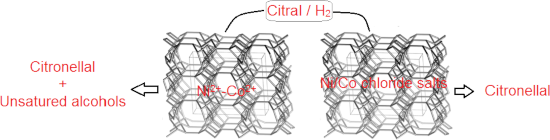
- systems enables the creation of materials with enhanced properties compared to monocationic zeolites, which is crucial for the development of advanced catalysts and other materials [7][8][9][10]. Natural zeolites attract significant attention because of their abundance, low cost, non-toxic nature, and


Water in nanoporous hexagonal boron nitride nanosheets: a first-principles study
Beilstein J. Nanotechnol. 2025, 16, 510–519, doi:10.3762/bjnano.16.39
- improve the desalination process. In pursuit of greater efficiency in the desalination process, the scientific community has proposed membranes composed of various materials, including graphene [7][8][9][10], carbon nanotubes [11][12][13][14], molybdenum disulfide (MoS2) [15][16][17][18], and hexagonal
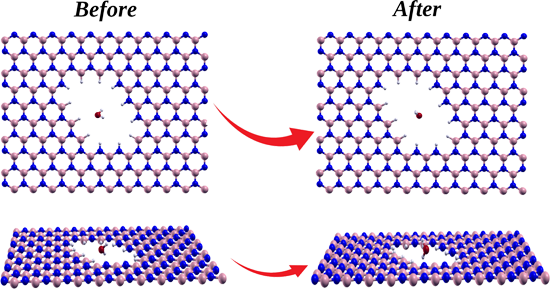
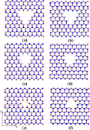
- interaction between water and pores is the ability of a single water molecule to induce wrinkles in h-BN nanosheets with triangular pores, even when the pore is stabilized with B–H pairs at its vertices (see Figure 7). This deformation disappears upon removal of the water molecule. The observed deformation




N2+-implantation-induced tailoring of structural, morphological, optical, and electrical characteristics of sputtered molybdenum thin films
Beilstein J. Nanotechnol. 2025, 16, 495–509, doi:10.3762/bjnano.16.38
- substrates under suitable conditions lead to improvements in functionality and address the needs of various cutting-edge industries [6][7]. For the deposition of Mo thin films, various techniques such as chemical vapor deposition, physical vapor deposition (RF sputtering and DC sputtering) [1][8][9], and
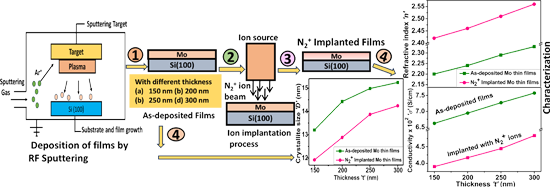
- to a base pressure of 2.0 × 10⁻³ mbar, with a working pressure during deposition of approximately 1.2 × 10⁻² mbar; deposition times varied from 7 to 12 min, resulting in films with thicknesses from 150 to 300 nm, as measured by spectroscopic ellipsometry. After deposition, some films with different
- curves derived from the fit process validate the results and offer a theoretical framework for understanding the optical properties of molybdenum thin films. Absorbance spectra The absorption spectra of Mo thin films in Figure 7 show the effects of nitrogen ion implantation and film thickness on the


Performance optimization of a microwave-coupled plasma-based ultralow-energy ECR ion source for silicon nanostructuring
Beilstein J. Nanotechnol. 2025, 16, 484–494, doi:10.3762/bjnano.16.37

- treatments such as nanopatterning, sputter etching, and controlled defect formation [6][7]. Particularly, ultralow-energy ion beams are exceptionally valuable for the precise modification of 2D layers [8] and ion-induced nanopatterning of semiconductor surfaces [9]. Over the past few decades, ion-induced
- formation of well-defined parallel ripples at off-normal incidence. Figure 7 illustrates the surface topography after 450 eV Ar-ion bombardment of the silicon surface at an angle of 72.5° as function of the bombardment time. 3D AFM images are presented along with 2D surface topography images. Generally, the


Impact of adsorbate–substrate interaction on nanostructured thin films growth during low-pressure condensation
Beilstein J. Nanotechnol. 2025, 16, 473–483, doi:10.3762/bjnano.16.36

- ], sensors [5], and catalysts [6][7][8]. Nanostructured thin films grown via low-pressure deposition methods have garnered significant attention because of their diverse applications in electronics, optics, catalysis, and sensors [9]. The ability to precisely control properties such as morphology
- significantly within the interaction radius, we can exploit a self-consistent approximation used in different areas of numerical modeling [33][34][36][37][38][39]: Substituting Equation 7 into Equation 8 and assuming at m ≥ 2, the interaction potential of the adsorbate Uads(r) obtains the following form: Uads
- in elastic interaction strength δ. In Figure 7, we show snapshots of the typical surface morphology realized during deposition at different δ for different values of the adsorption rate α. It is seen that in the case of α = 0.04 (see Figure 7a), without elastic interactions between adsorbate and





