


Search results
Search for 奥斯卡6项提名电影片尾旁白剧透 in Full Text gives 2649 result(s) in Beilstein Journal of Nanotechnology. Showing first 200.
High-temperature epitaxial growth of tantalum nitride thin films on MgO: structural evolution and potential for SQUID applications
Beilstein J. Nanotechnol. 2025, 16, 690–699, doi:10.3762/bjnano.16.53
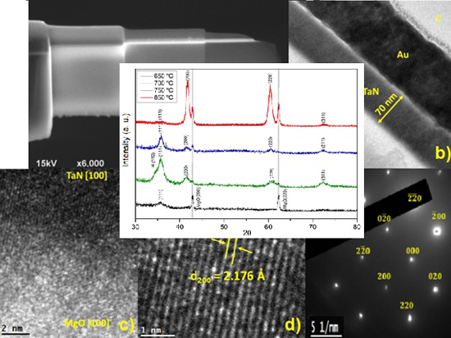
- electronic devices operating in the gigahertz range. Transition-metal compounds, such as nitrides and carbides (e.g., NbN, TiN, TiC, and TaN), have demonstrated Tc values ranging from 2 to 10.4 K [3][4][5][6]. These compounds constitute a significant class of materials because of their exceptional physical


The impact of tris(pentafluorophenyl)borane hole transport layer doping on interfacial charge extraction and recombination
Beilstein J. Nanotechnol. 2025, 16, 678–689, doi:10.3762/bjnano.16.52
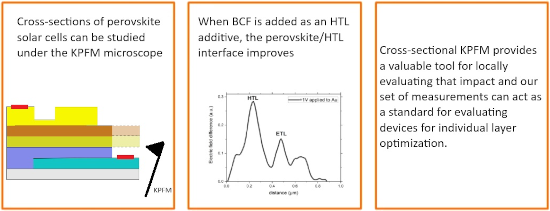
- the core of their success lies the perovskite absorber material, which exhibits impressive bulk properties, such as long carrier lifetimes and low recombination rates [5][6][7][8]. However, the granular nature of perovskites and the layered structure of their solar cells, introduce complications such
- total voltage drop across the interfaces of the perovskite layer. Specifically, the peak widths depend on the span of the voltage drop, which depends on the thickness of the transport layers, which is variable along the cell, (as can be seen in Figure S4 and Supporting Information File 1, Section 6


Colloidal few layered graphene–tannic acid preserves the biocompatibility of periodontal ligament cells
Beilstein J. Nanotechnol. 2025, 16, 664–677, doi:10.3762/bjnano.16.51
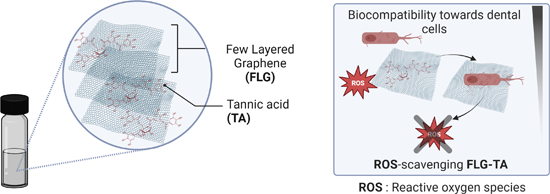
- significantly enhanced the flexural strength of the material, thereby improving its overall mechanical properties [6]. Additionally, another study investigated the effects of adding graphene oxide nanoplatelets (GONPs) to Portland cement. It was shown that the addition of 1 wt % GONPs improved surface
- measured (Figure 6). The obtained micrographs (Figure 5), revealed a complex 3D microenvironment that developed over 48 h, characterized by FLG–TA agglomerates and intricate cellular structures. The OI increased regularly and significantly with rising FLG–TA concentration, reaching a maximum of 43.7% at




Aprepitant-loaded solid lipid nanoparticles: a novel approach to enhance oral bioavailability
Beilstein J. Nanotechnol. 2025, 16, 652–663, doi:10.3762/bjnano.16.50
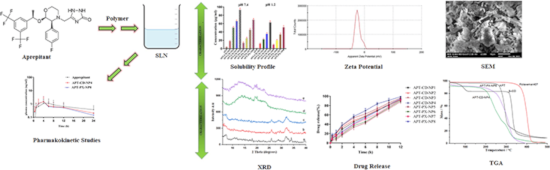
- solitary tract in the brain. APT is equally effective in the prevention of pre/postoperative nausea and as rescue antiemetic, offering better control of vomiting after 24 and 48 h compared with conventional therapies [6]. APT has an oral bioavailability of 60–65%. The maximum concentration of drug in
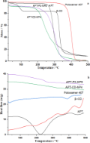
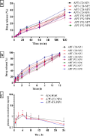
- TGA results, which show that APT in the APT-loaded SLNs is amorphous. In vitro drug release studies In vitro drug release studies (Figure 6) were carried out to study the effect of β-CD and poloxamer 407 on APT release. Results showed 40.65% ± 2.15% release of APT from APT-CD-NP4; APT-PX-NP8 released
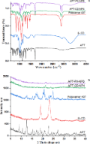
- . Stability studies For stability studies, the optimal sample APT-CD-NP4 was used. The samples were exposed to 40 °C/75% RH for 0, 1, 2, 3, and 6 months. Figure 7 shows the XRD patterns of the corresponding samples. Freshly prepared APT-CD-NP4 showed peaks at 2θ values of 6.95° (270), 7.4° (290), and 32.1



Nanoscale capacitance spectroscopy based on multifrequency electrostatic force microscopy
Beilstein J. Nanotechnol. 2025, 16, 637–651, doi:10.3762/bjnano.16.49

- way for the design of materials with tailored functionalities [1][2][3][4][5][6]. Dielectric properties are fundamental for understanding the behavior and performance of various material systems, as they directly influence charge storage, polarization, and energy dissipation mechanisms. For instance
- gradients are changing periodically. This periodic fluctuation of the capacitance gradient adds an additional dynamic component to Equations Equation 3–Equation 5. Using a Fourier expansion for the capacitance gradient yields [18]: By inserting Equation 6 into Equations Equation 3–Equation 5, we find that
- in intermodulation AFM [80][81][82][83]. By inserting Equation 6 and Equation 8 in Equations Equation 3–Equation 5, we obtain the full expression for the electrostatic force. Here, we will focus on the DC force component in Equation 3 and set VDC − VCPD = Δ: In addition to a static force term




A formulation containing Cymbopogon flexuosus essential oil: improvement of biochemical parameters and oxidative stress in diabetic rats
Beilstein J. Nanotechnol. 2025, 16, 617–636, doi:10.3762/bjnano.16.48
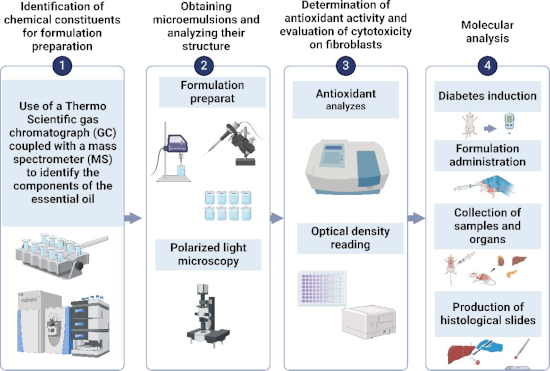
- antidyslipidemic properties in vivo [4][5][6]. EOs are volatile components that are sensitive to temperature, light, oxygen, and humidity [7]. Therefore, it is recommended to use them in drug delivery systems, such as nanostructured systems, which are able to guarantee stability and a better therapeutic effect
- [14]. Another important parameter is the hydrophilic–lipophilic balance (HLB). Surfactants with low HLB values between 3 and 6 generally promote the formation of water/oil (W/O) emulsions, while high HLB values between 8 and 18 predominantly result in O/W emulsions [14]. The HLB values of Eumulgin® CO
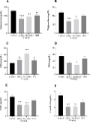
- liver function Exposure of rats to STZ resulted in liver dysfunction, as indicated by alanine aminotransferase (ALT) and aspartate aminotransferase (AST) activities (Figure 6). Treatments with EOCF (32 mg/kg, gavage) and M7-EOCF (32 mg/kg, gavage) significantly reduced liver dysfunction in ALT (EOCF




Focused ion and electron beams for synthesis and characterization of nanomaterials
Beilstein J. Nanotechnol. 2025, 16, 613–616, doi:10.3762/bjnano.16.47

- by Oddur Ingólfsson’s group [6], supported by quantum chemical calculations, revealed that chlorine removal during focused electron beam induced deposition (FEBID) was nearly complete, in contrast to the limited chlorine loss observed in gas-phase experiments. Previous studies have shown that gas

Polyurethane/silk fibroin-based electrospun membranes for wound healing and skin substitute applications
Beilstein J. Nanotechnol. 2025, 16, 591–612, doi:10.3762/bjnano.16.46
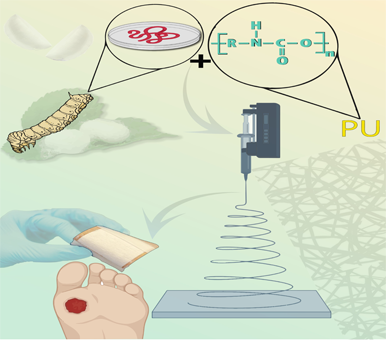
- of clarity never before possible [6][7]. In nanotechnology, different nanofiber production techniques are used such as template synthesis, electrospinning, solution blowing, drawing, thermally induced phase segregation, and self-assembly [8][9]. Among these techniques, electrospinning is the most
- -covalently connected to the HL complex, and it provides integrity to the fibroin structure. The ratio of H fibroin, L fibroin, and p25 in mulberry silk is 6:6:1 [84]. In vivo studies showed that SF scaffolds promote better wound healing and skin regeneration than porcine dermis, hydrocolloid dressings, or
- applications without affecting the structure or bioactivity. The effective encapsulation of STZ was confirmed by FTIR, and the nanofibers showed high cytocompatibility in cell viability tests. STZ was released from nanofibers over 6 h, and its antibacterial activity was demonstrated through the formation of a



Feasibility analysis of carbon nanofiber synthesis and morphology control using a LPG premixed flame
Beilstein J. Nanotechnol. 2025, 16, 581–590, doi:10.3762/bjnano.16.45
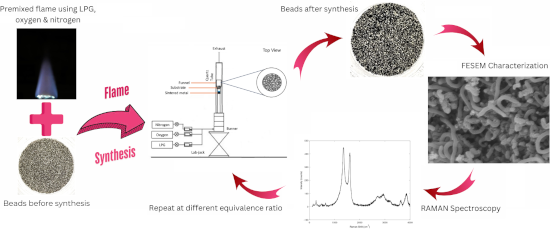
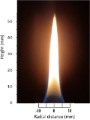
- combustion mode where the fuel and oxidizer are thoroughly mixed before ignition. LPG is a cheap industrial material used as a carbon source to produce carbon nanomaterials [6]. The application of CNFs includes, but is not limited to, energy storage in batteries and supercapacitors, electronics, drug
- CNF, and growth is seen on the beads. The growth rate is higher at Φ = 1.8 than at Φ =1.60. Figure 6 shows zirconia beads before and after synthesis. Before synthesis, the impregnated zirconia beads were gray. They turned black after the synthesis because of a layer of CNF deposited on the surface of



Nanomaterials in targeting amyloid-β oligomers: current advances and future directions for Alzheimer's disease diagnosis and therapy
Beilstein J. Nanotechnol. 2025, 16, 561–580, doi:10.3762/bjnano.16.44
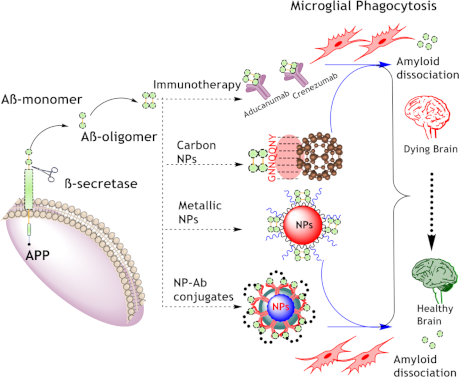
- aggregation linked to AD [6]. Additionally, the presence of the APOE4 genotype is notable, as it is found in approximately 65% of AD patients [5]. This genotype is associated with an increased tendency for amyloid monomers to aggregate into AβOs, potentially contributing to the pathology of the disease [7


Retrieval of B1 phase from high-pressure B2 phase for CdO nanoparticles by electronic excitations in CdxZn1−xO composite thin films
Beilstein J. Nanotechnol. 2025, 16, 551–560, doi:10.3762/bjnano.16.43

- electromagnetic spectrum [5]. Composite semiconducting thin films have garnered significant attention as their bandgap can be lowered without compromising mobility and conductivity. Beyond optoelectronic applications, CdO–ZnO-based alloys are also employed in gas-sensing technologies [6]. In prior investigations
- as a function of time relative to the difference from the ion core, as shown in Figure 6. This analysis focuses on the calculated track diameter for cadmium oxide (CdO) subjected to 120 MeV silver ion irradiation. Figure 6 clearly indicates that the measured track diameter is 8 nm, corresponding to


Functionalized gold nanoflowers on carbon screen-printed electrodes: an electrochemical platform for biosensing hemagglutinin protein of influenza A H1N1 virus
Beilstein J. Nanotechnol. 2025, 16, 540–550, doi:10.3762/bjnano.16.42
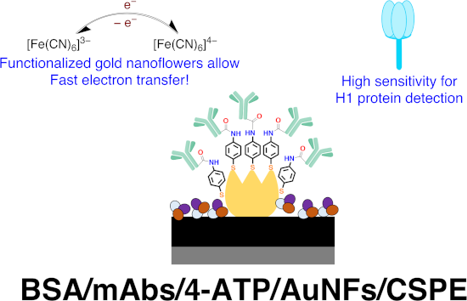
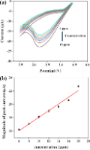
- , followed by blocking with bovine serum albumin to minimize nonspecific hydrophobic binding. The electrodes were characterized by cyclic voltammetry and electrochemical impedance spectroscopy experiments in the presence of [Fe(CN)6]3−/4−. Differential pulse voltammetry was used to measure the change in
- require highly specialized infrastructure built in place as well as trained professionals, making detection methods based on nucleic acid detection and amplification less accessible [6]. Rapid, sensitive, reliable, and easily available diagnostic methods for influenza A H1N1 virus are needed to detect
- could be seen experimentally (black curve of Figure 3), where the cyclic voltammetry (CV) analysis shows a large peak-to-peak separation of 0.72 V for the [Fe(CN)6]3−/4− redox pair. This differs significantly from the theoretical 0.057 V peak-to-peak separation in reversible redox processes that involve


Electron beam-based direct writing of nanostructures using a palladium β-ketoesterate complex
Beilstein J. Nanotechnol. 2025, 16, 530–539, doi:10.3762/bjnano.16.41
- use of masks, achieving scales down to a few nanometers with various patterns and shapes, offers significant advantages for a wide range of technological applications. These include areas that require plasmonic [1][2][3], phononic [3][4], magnetic [5][6], optoelectronic [7][8][9], and mechanical [10
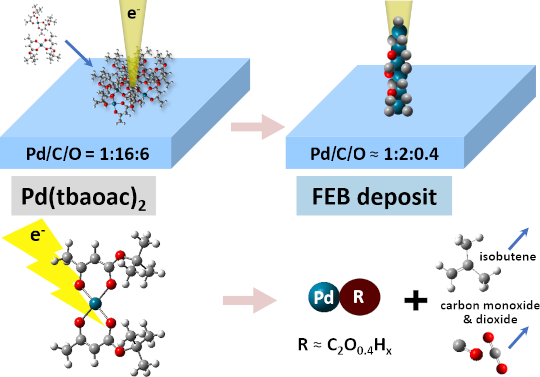
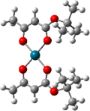
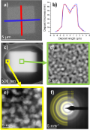
- introduced into the GIS under ambient conditions as it was tested stable. The GIS nozzle was placed 200 µm above the substrate at an angle of 30° to the substrate plane. Both GIS and substrate were heated using resistive heating wires. FEBID was carried out at an operating pressure of 2.0 × 10⁻⁶ mbar. For
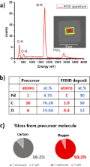
- Oxford Instruments. EDX was performed with 6 keV electron beam at 500 pA, and the signals were collected for 60 s. Atomic force microscopy (AFM) measurements were conducted on an NT-MDT NTEGRA Spectra system, and data was analyzed using Gwyddion and Origin software. To accurately obtain the composition


Zeolite materials with Ni and Co: synthesis and catalytic potential in the selective hydrogenation of citral
Beilstein J. Nanotechnol. 2025, 16, 520–529, doi:10.3762/bjnano.16.40
- exchange in conventional solutions, in the solid phase with molten salts, and with gaseous phases. Depending on the chosen modification method, particularities regarding the elemental composition and application of the resulting materials occur [4][5][6]. Cu–Y zeolites were obtained by contacting Na–Y
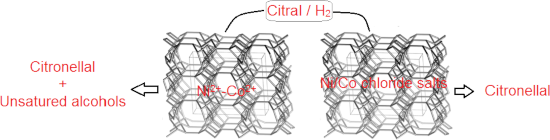
- corresponding results are presented in Figure 6. Catalysts were tested as obtained, that is, without prior thermal activation. Although the conversion of citral after 3 h of reaction is relatively low for all catalysts, it indicates that the active sites are accessible to citral molecules. Overall, citral
- hydrogenation and the formation of citronellal are higher for catalysts containing nickel compared to those containing cobalt (Figure 6). This suggests that the most active catalytic sites for the conversion of citral to citronellal are associated with nickel species. Notably, the bimetallic CoNiZIE catalyst is


Water in nanoporous hexagonal boron nitride nanosheets: a first-principles study
Beilstein J. Nanotechnol. 2025, 16, 510–519, doi:10.3762/bjnano.16.39
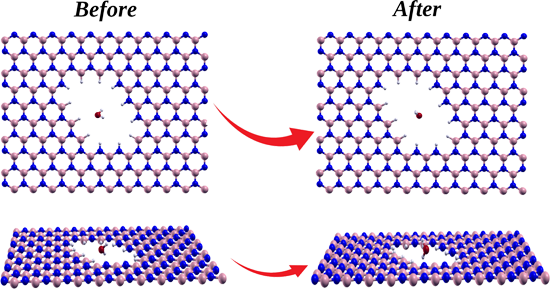
- desalination technology [4][5][6]. Computational methods have been employed to enhance the understanding of nanoscale desalination processes. In this context, the use of molecular dynamics and ab initio calculations allows for the study of the physics involved in nanostructured membrane materials designed to
- der Waals forces also play a substantial role in the interaction. Figure 6 illustrates the minimum distances between water atoms and pore edges as a function of adsorption energy, as also detailed in Table 2. For orientations 1–3, the sum of the O–H (oxygen of the water molecule and hydrogen of the N




N2+-implantation-induced tailoring of structural, morphological, optical, and electrical characteristics of sputtered molybdenum thin films
Beilstein J. Nanotechnol. 2025, 16, 495–509, doi:10.3762/bjnano.16.38
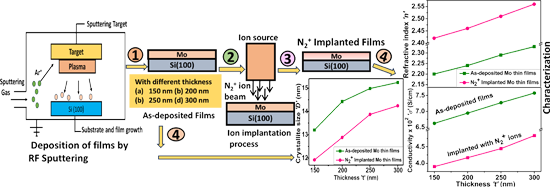
- substrates under suitable conditions lead to improvements in functionality and address the needs of various cutting-edge industries [6][7]. For the deposition of Mo thin films, various techniques such as chemical vapor deposition, physical vapor deposition (RF sputtering and DC sputtering) [1][8][9], and
- + implantation and thickness of films significantly influence the surface morphology of Mo thin films. Optical properties Spectroscopic ellipsometry Figure 6 depicts the fit of the spectroscopic ellipsometry data in which the parameters of the Drude–Lorentz oscillator model were adjusted. In ellipsometry, the


Performance optimization of a microwave-coupled plasma-based ultralow-energy ECR ion source for silicon nanostructuring
Beilstein J. Nanotechnol. 2025, 16, 484–494, doi:10.3762/bjnano.16.37

- treatments such as nanopatterning, sputter etching, and controlled defect formation [6][7]. Particularly, ultralow-energy ion beams are exceptionally valuable for the precise modification of 2D layers [8] and ion-induced nanopatterning of semiconductor surfaces [9]. Over the past few decades, ion-induced
- increases with bombardment time. Fast Fourier transform (FFT) images of the nanopatterned surface are inset in the lower right corner of each image. In the present case, the fluence is represented by irradiation time. The quality and the growth of the nanostructures are quantitatively discussed in Figure 6
- -surface atoms. Later, Carter and Vishnyakov introduced the concept of redistribution of surface atoms [42]. Several experiments have been carried out to understand other factors that contribute to nanopattern formation, such as preferential and differential sputtering [6][43], the role of surface and beam


Impact of adsorbate–substrate interaction on nanostructured thin films growth during low-pressure condensation
Beilstein J. Nanotechnol. 2025, 16, 473–483, doi:10.3762/bjnano.16.36

- ], sensors [5], and catalysts [6][7][8]. Nanostructured thin films grown via low-pressure deposition methods have garnered significant attention because of their diverse applications in electronics, optics, catalysis, and sensors [9]. The ability to precisely control properties such as morphology
- (see circles in Figure 6). Moreover, the deposition on the OCS leads to an increased concentration of the adsorbate on the substrate that is less ordered compared to the case of MCS (see filled and empty circles in Figure 6a,b). At small α, in the case of weak interactions between adsorbate and
- radius of spherical adsorbate islands increases for both types of substrate in power-law form ⟨R⟩st(δ) ∝ δg. The power-law exponent g for the deposition on MCS is g = 1/6, that for the deposition on OSC is g = 1/4. Here, adsorbate islands are characterized by a larger mean size compared to the case of


Effect of additives on the synthesis efficiency of nanoparticles by laser-induced reduction
Beilstein J. Nanotechnol. 2025, 16, 464–472, doi:10.3762/bjnano.16.35
- including electrode materials [1], conductive pastes [2][3], catalysts [4][5], sensors [6][7][8], and drug delivery systems [9]. The chemical reduction [10] and the solvothermal methods [11][12] are well known for synthesizing nanoparticles in large quantities at low cost, but these methods require the use
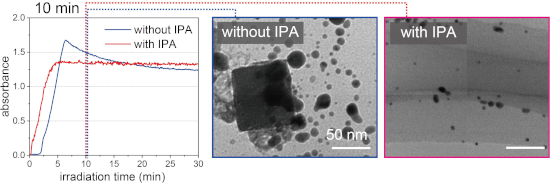
- 2 min after laser irradiation, reaches a maximum after 6 min, and then decreases to a constant value at 26 min. This is assumed to be based on the following mechanism. 1) From the start of laser irradiation to 2 min: equilibrium between nucleation due to ion reduction and atom re-dissolution due to
- oxidation; 2) 2–6 min of laser irradiation: particle formation and crystal growth reaction; 3) 6–26 min of laser irradiation: continuous reduction and particle size reduction by laser fragmentation in liquid. Therefore, this means that all reactions are complete after 26 min of laser irradiation in the


Synthetic-polymer-assisted antisense oligonucleotide delivery: targeted approaches for precision disease treatment
Beilstein J. Nanotechnol. 2025, 16, 435–463, doi:10.3762/bjnano.16.34

- oncological, autoimmune, and infectious conditions, where genetic expression plays a crucial role on the disease pathogenesis and prognosis [1][2][3][4]. In the past decades, several approaches including cell-based therapies [5][6][7], gene therapies [8][9], and RNA therapies [10][11] have been studied to
- levels. In addition to chemical functionality, studies have demonstrated the importance of the architectural structure of the PLL employed [73][74]. In a study on the delivery of the ASO 5′-TGGCGTCTTCCATTT-3′ (PS-ODN) to two cell lines, D407 (clone 6-2) and CV-1 (clone CV-11), both expressing luciferase
- (e.g., generations 5 and 6) significantly improved the delivery efficiency of ASOs into HeLa cells, as evidenced by increased luciferase activity in a splicing correction assay. This was attributed to the higher charge density and molecular size of the higher-generation DPLs, which facilitated more


Quantification of lead through rod-shaped silver-doped zinc oxide nanoparticles using an electrochemical approach
Beilstein J. Nanotechnol. 2025, 16, 422–434, doi:10.3762/bjnano.16.33
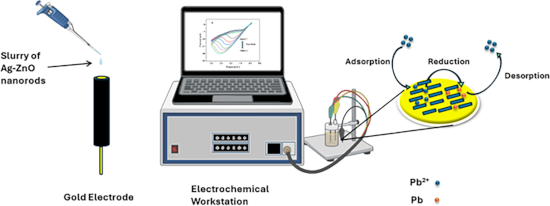
- sources of lead exposure [4]. Through contaminated food or drink or through mouth-to-mouth contact, lead can enter the body. Standard techniques for determining lead content involve the use of atomic absorption spectroscopy (AAS) [5] and inductively coupled plasma–mass spectrometry (ICP–MS) [6]. Although
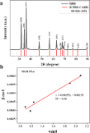
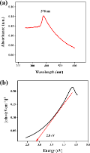
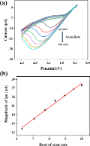
- results in 12 degrees of freedom (three acoustic phonon modes and nine optical phonon modes). Figure 6 demonstrates the Raman spectra of Ag@ZnO NRs; when doping is done in ZnO, there is a significant change in the optical and non-optical modes of ZnO. The collapse of the translational crystal symmetry is





Biomimetics and bioinspired surfaces: from nature to theory and applications
Beilstein J. Nanotechnol. 2025, 16, 418–421, doi:10.3762/bjnano.16.32
- the structure–function relationships of these surfaces useful for translational approaches. Further general insights into biological principles and their subsequent transfer into biomimetic engineering are provided in a multiscale biological analysis by Amador et al. [6], ranging from viruses to

Size control of nanoparticles synthesized by pulsed laser ablation in liquids using donut-shaped beams
Beilstein J. Nanotechnol. 2025, 16, 407–417, doi:10.3762/bjnano.16.31
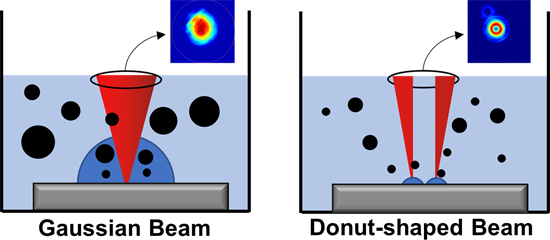
- nanoparticles (NPs) with defined particle sizes and narrow size distribution width is driven by the growing integration of nanomaterials into various industrial applications, such as medicine [1][2][3], catalysis [4][5], sensors [6][7], and additive manufacturing [8]. The performance of NPs typically depends on
- synthesized using a middle-class 6 ps, 1030 nm Yb:KGW laser PHAROS (Light Conversion, Vilnius, Lithuania) and a ScanCube IV galvanometric scanner (Scanlab, Pichheim, Germany) equipped with a 163 mm focal length lens. The irradiation conditions were 50–250 µJ pulse energy range, 10 kHz pulse repetition rate
- distribution of HEA NPs obtained with donut-shaped beams (100 µJ pulse energy, 2 J·cm−2 fluence) in comparison with two PLAL regimes of the Gaussian laser beams, namely, at the same pulse energy and focusing conditions (i.e., at a fluence of 6 J·cm−2 (Figure 4a)) and at the same laser fluence of 2 J·cm−2


ReactorAFM/STM – dynamic reactions on surfaces at elevated temperature and atmospheric pressure
Beilstein J. Nanotechnol. 2025, 16, 397–406, doi:10.3762/bjnano.16.30
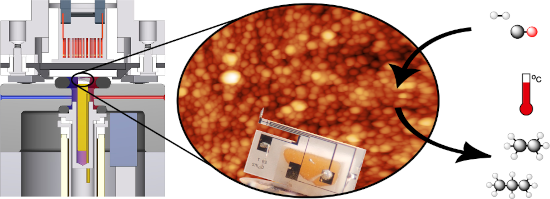
- these techniques are photon-based [4][5][6][7][8][9]. Even though they provide valuable insights, the development of surface-sensitive techniques that can image the catalyst at the atomic scale under high-pressure and high-temperature conditions remains crucial. In attempting to close the pressure gap
- the main setup, the sample is annealed at 800 K in 10−6 mbar of O2 to remove carbon impurities and replenish the oxygen in the oxide layer. The composition of the surface was verified by AES (not shown here). The cobalt nanoparticles were deposited by e-beam evaporation with a Co rod, an emission
- current of 6 mA, and beam energy of 2 kV for 7 min. Figure 6a shows an AFM image at room temperature and high vacuum (≈10−7 mbar) of the prepared surface in the closed reactor. The Co nanoparticles appear as bright dots on the surface with an average diameter of ≈20 nm. Figure 6b shows the surface at 430


Engineered PEG–PCL nanoparticles enable sensitive and selective detection of sodium dodecyl sulfate: a qualitative and quantitative analysis
Beilstein J. Nanotechnol. 2025, 16, 385–396, doi:10.3762/bjnano.16.29
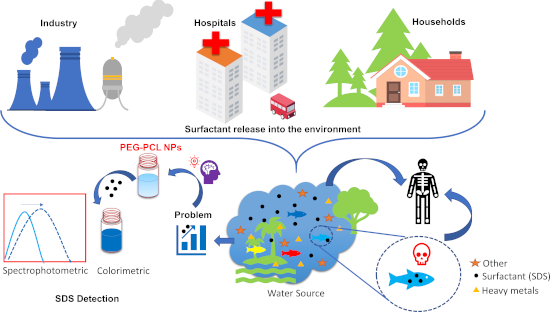
- , 190, 12, and 4 h of exposure, respectively [6]. The sub-lethal chronic effects of SDS were observed on the survival, metabolic processes, and development of juvenile Centropomus parallelus specimens exposed to the compound at three distinct salinity levels [7]. In vitro studies on bovine lenses at an





