


Search results
Search for "phosphate" in Full Text gives 473 result(s) in Beilstein Journal of Organic Chemistry. Showing first 200.
The role of spacer length and flexibility in peptide self-assembly
Beilstein J. Org. Chem. 2026, 22, 986–996, doi:10.3762/bjoc.22.77
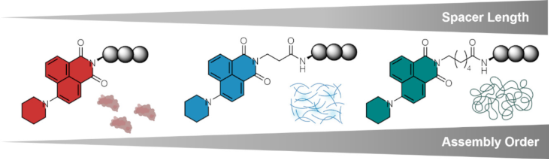
- self-assembly Next, we analyzed the naphthalene-containing peptides 6, 7, and 8 regarding their self-assembling properties. Initially, the peptides were dissolved in 2,2,2-trifluoroethanol (TFE) to form a stock solution (10 mM) and added to phosphate-buffered saline (PBS, 50 mM, pH 7.4) to obtain 100


Site-specific labelling of native peptides and proteins: chemical and enzymatic strategies
Beilstein J. Org. Chem. 2026, 22, 857–881, doi:10.3762/bjoc.22.67
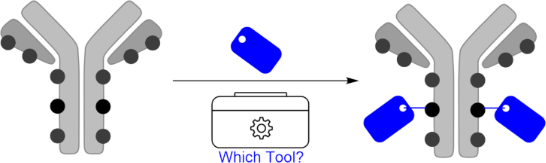
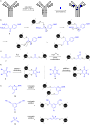
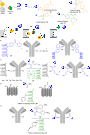
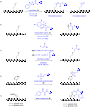
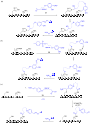
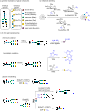
- sodium periodate (Scheme 2a) [13], selective modification of glutamate using Rapoport’s salt (4) which has generated modified trastuzumab in moderate yield (67%; Scheme 2b) [14], or pyridoxal phosphate (PLP, 5)-mediated carbonyl formation at residues such as serine, threonine, glycine, alanine, or
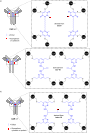
- ) Rapoport’s salt (4) or pyridoxal phosphate (PLP, 5), c) payload attached via Pictet–Spengler or Horner–Wadsworth–Emmons (HWE) reaction, and d) C-terminal modification through photoredox catalysis. a) Concept of disulfide rebridging. Reagents include b) sulfones 6, c) dihaloacetones 7, d) dibromomaleimides 8








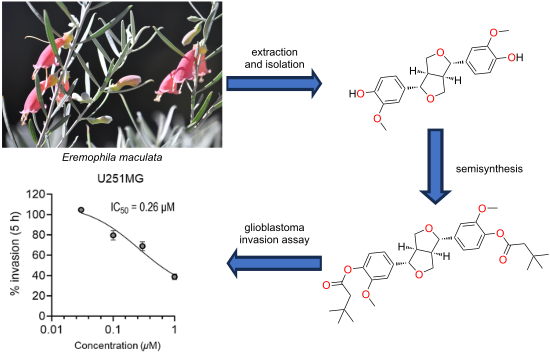
Anti-invasive and cytotoxic evaluation of a (+)-pinoresinol-based semisynthetic library against glioblastoma
Beilstein J. Org. Chem. 2026, 22, 691–704, doi:10.3762/bjoc.22.54
- polycarbonate inserts (24) containing 8.0 µm pores (Sigma-Aldrich, #CLS3422) were used in this study. Cell starvation U251MG and KNS42 cells were grown in DMEM complete medium in a T75 flask to 50–60% confluency. Cells were washed once with 1× phosphate-buffered saline (PBS), and PBS was replaced with 15 mL of



Synthesis of depressin, cryptomeridiol and 4-epi-cryptomeridiol enabled by a terpenoid chiral pool-producing platform
Beilstein J. Org. Chem. 2026, 22, 683–690, doi:10.3762/bjoc.22.53
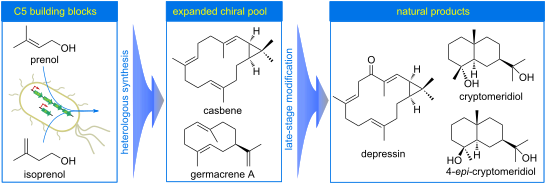
- condensation of dimethylallyl pyrophosphate (DMAPP) with different numbers of isopentenyl pyrophosphate (IPP) [6]. Two naturally existing pathways, i.e., the methylerythritol phosphate (MEP) pathway and mevalonic acid (MVA) pathway, as well as artificially designed pathways, such as the isopentenol utilization
- Information File 1) [49]. Thus, four genes including EcthiM (coding for hydroxyethylthiazole kinase from Escherichia coli), Mjipk (coding for isopentenyl phosphate kinase from Mathanocaldococcus jannaschii), idi (coding for isopentenyl diphosphate isomerase from E. coli), and ispA (coding for farnesyl


Molecular tweezer–peptide conjugates disrupt the protein–protein interaction between survivin and histone H3 essential in mitosis
Beilstein J. Org. Chem. 2026, 22, 557–567, doi:10.3762/bjoc.22.41
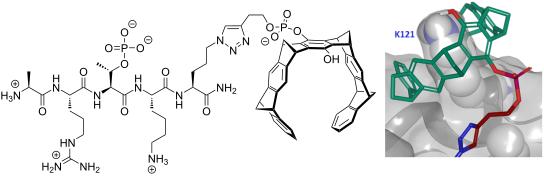
- turned to peptide tweezers with longer linkers to address lysines which are buried neither in the crystals nor in the CPC complex. In a second approach, one of the tweezer phosphate groups was truncated to minimize steric hindrance during the tweezer approach towards survivin’s α-helix within the CPC
- conjugates for well-accessible lysines in the CPC. For efficient docking of a tweezer molecule onto a lysine residue on the protein surface, only one phosphate moiety is sufficient, which locks the included lysine cation into an ion pair [20]. In MD simulations between survivin and the truncated version of
- the tweezers conjugate 2b (simply lacking the second phosphate) stable structures were produced which demonstrate the minimal steric demand of the remaining hydroquinone OH group, leaving much more room for tight contacts with the protein surface. In principle, a click reaction between the known




Synthesis and uranyl(VI) extraction performance of a calix[4]pyrrole–tetrahydroxamic acid receptor
Beilstein J. Org. Chem. 2026, 22, 486–494, doi:10.3762/bjoc.22.36
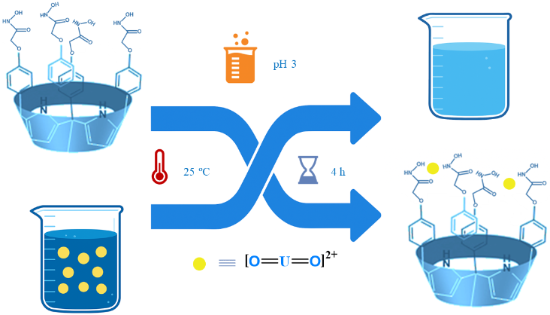
- naturally occurring radionuclide and is thus an integral constituent of the environment [28]. However, beyond its extensive use as fuel for nuclear power generation, uranium is released into the environment through various industrial processes, such as phosphate fertilizer production and metal refining


Structural reassignment of compound 968, an allosteric glutaminase inhibitor
Beilstein J. Org. Chem. 2026, 22, 455–460, doi:10.3762/bjoc.22.33
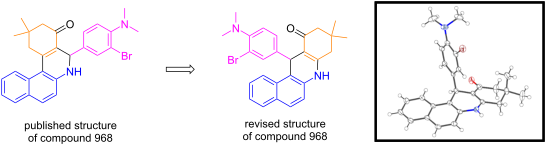
- the liver. GAC is a highly active splice variant of KGA often expressed in cancer cells [3]. GLS1 and GLS2 enzymes share similar sequences, tetrameric structures, and enzymatic stimulation by phosphate [4][5][6]. The reliance of cancer cells on glutamine to meet the energetic, biosynthetic, and redox


Synthesis of diaryl phosphates using phytic acid as a phosphorus source
Beilstein J. Org. Chem. 2026, 22, 213–223, doi:10.3762/bjoc.22.15
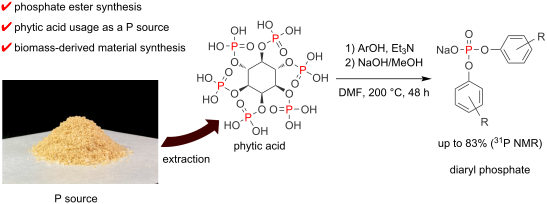
- soil. It can potentially serve as a phosphorus source in the syntheses of organic phosphates; however, this approach has not been utilized for the preparation of phosphate esters. In this study, we report the first successful synthesis of phosphate esters using phytic acid as a phosphorus source. Crude
- products of phosphate diesters were obtained through the reactions of commercially available phytic acid and aromatic alcohols with 31P nuclear magnetic resonance yields up to 83%. We also isolated a portion of the reaction substrates with yields up to 60%. Next, we extracted phytic acid from rice bran
- with a recovery of 4.2% and then conducted an esterification reaction using the extracted phytic acid and phenol. As a result, diphenyl phosphate with a yield of 44% was obtained. This work can facilitate the development of an environmentally friendly method for producing phosphate esters that does not




Improved synthesis and physicochemical characterization of the selective serotonin 2A receptor agonist 25CN-NBOH
Beilstein J. Org. Chem. 2026, 22, 175–184, doi:10.3762/bjoc.22.11
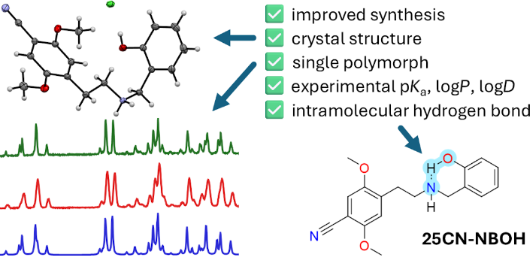
- sufficient for most biological applications given the high potency of the compound both in vitro and in vivo [6]. Here, we show that if solutions with a higher concentration are needed, pure water could be considered. According to HPLC analysis, 1·HCl was found to be stable in solution in phosphate buffer at
- scenarios. Experimental Reagents and solvents were used as received from commercial vendors, unless otherwise specified. ortho-Phosphoric acid (85%, Ph. Eur.), potassium chloride, sodium carbonate (>99.9%), and sodium dihydrogen phosphate monohydrate (Ph. Eur.) were purchased from Merck (Darmstadt, Germany
- (Agilent Technologies). Cary WinUV Simple Reads Application (Version 5.0.0, Agilent Technologies) was used for instrument control and data collection. The experiment was performed in triplicate. Stability in solution The stability of 1 was determined in 67 mM sodium phosphate buffer (pH 7.40, I = 0.18 M


Synthesis and applications of alkenyl chlorides (vinyl chlorides): a review
Beilstein J. Org. Chem. 2026, 22, 1–63, doi:10.3762/bjoc.22.1
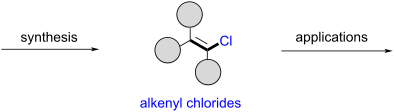
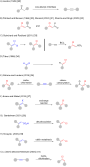
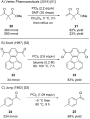
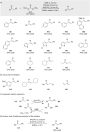
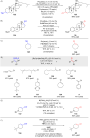
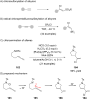
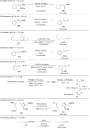
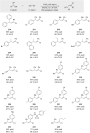
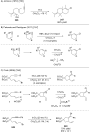
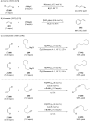
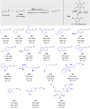
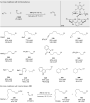
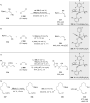
- also worth noting that as early as 1959, Horner reported the synthesis of 1-chlorocyclohexene in 45% yield from cyclohexanone using PPh3.Cl2 complex (not shown) [65]. In 2005, Kamei reported that alkenyl chlorides could be efficiently prepared from the corresponding alkenyl phosphate intermediates via























Thiazolidinones: novel insights from microwave synthesis, computational studies, and potentially bioactive hybrids
Beilstein J. Org. Chem. 2025, 21, 2618–2636, doi:10.3762/bjoc.21.203
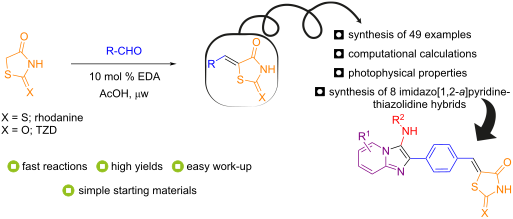
- ], diammonium phosphate (DAP) [43], and tetrabutylammonium bromide (TBAB) [44]. Organic bases like morpholine [45], triethylamine [46], ethanolamine, and piperidine [47] and heterogeneous catalysts from Cu [48], Ti [49], and Zn [50] metal compounds have also been used. Common solvents are ethanol [51], toluene






Silica gel with covalently attached bambusuril macrocycle for dicyanoaurate sorption from water
Beilstein J. Org. Chem. 2025, 21, 2604–2611, doi:10.3762/bjoc.21.201
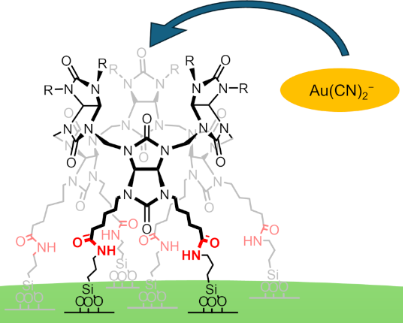
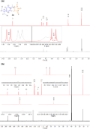
- phosphate buffer (pH 7.1) was chosen to test the materials’ stability in an aqueous environment. 1H NMR measurements showed that neither material released BU into organic solvents in the absence of anions. This was unexpected for SG-BnBU, since BnBU is readily soluble in chloroform and dichloromethane and
- presence of salt showing it is suitable for applications in an aqueous environment. SG-BU1 proved to be stable in chloroform, dichloromethane, and methanol even after addition of TBACl or NaCl, respectively. We did not detect any release of BU1 from SG-BU1 in aqueous phosphate buffer by NMR, but we


Isoorotamide-based peptide nucleic acid nucleobases with extended linkers aimed at distal base recognition of adenosine in double helical RNA
Beilstein J. Org. Chem. 2025, 21, 2513–2523, doi:10.3762/bjoc.21.193
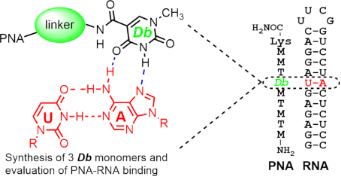
- recognition of DNA via triplex formation [17][18]. In this approach, PNA has several advantages compared to other TFOs. PNA was originally designed to be a charge neutral oligonucleotide that reduces electrostatic repulsions with the anionic phosphate backbone of DNA. Additionally, PNA is stable to nucleases
- stabilizing H-bond but rather formed a hydrogen bond with the U in the U–A base pair (ca. 2.2 Å, Figure 7B). This interaction resulted in pushing the entire residue towards the RNA backbone where the Io base could further bind to a phosphate which likely explains why Db2 shows the lowest triplex stability of


Pathway economy in cyclization of 1,n-enynes
Beilstein J. Org. Chem. 2025, 21, 2260–2282, doi:10.3762/bjoc.21.173
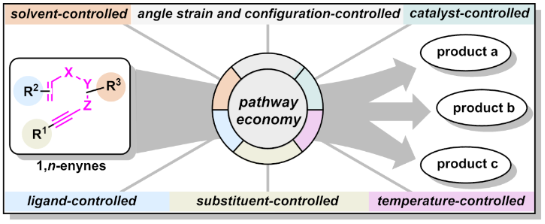
- achieved ortho- and para-selective cyclization of methoxyamide-functionalized alkynes via ligand-controlled steric and electronic modifications (Scheme 17) [25]. When a flexible electron-deficient phosphate ligand L1 was utilized, the Au(I)-catalyzed cyclization of substrates 78 resulted in the formation


Thiadiazino-indole, thiadiazino-carbazole and benzothiadiazino-carbazole dioxides: synthesis, physicochemical and early ADME characterization of representatives of new tri-, tetra- and pentacyclic ring systems and their intermediates
Beilstein J. Org. Chem. 2025, 21, 2220–2233, doi:10.3762/bjoc.21.169
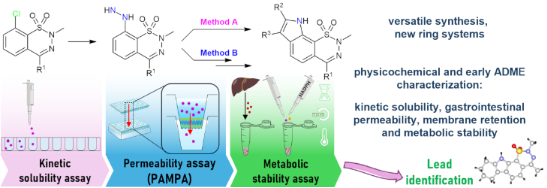
- KGaA (Darmstadt, Germany). For gastrointestinal permeability studies, ʟ-α-phosphatidylcholine and cholesterol were purchased from Sigma-Aldrich (Merck KGaA, Darmstadt, Germany). Phosphate buffered saline (0.01 M, pH 6.5 and 7.4) was prepared from pre-mixed PBS powder also sold by Sigma-Aldrich (Merck
- microsome (HLM) fractions were thawed on ice and diluted in 0.05 M potassium phosphate buffer (pH 7.4) to a final protein concentration of 1.25 mg/mL. Test compounds were dissolved in DMSO to create stock solutions of 5 mM. The drug concentration in the final assays was 10 μM. The assay was performed in
- phosphate buffer for the “without cofactors” control. Aliquots (100 µL) were taken at zero time and at pre-defined time points of 30 and 60 minutes and quenched with an equal volume of cold acetonitrile. The samples were centrifuged at 2600 RCF for 10 minutes to pellet proteins. Supernatants were


C2 to C6 biobased carbonyl platforms for fine chemistry
Beilstein J. Org. Chem. 2025, 21, 2103–2172, doi:10.3762/bjoc.21.165
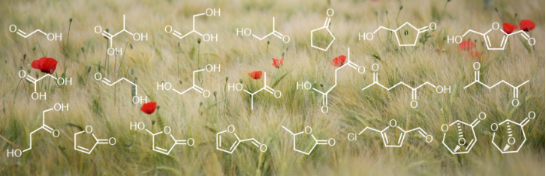
- ][80][81]. Keto acetals have been observed as by-products, such as in the work reported by Gupta investigating the acid-catalyzed reactions of DHA with various alcohols (Scheme 17) [82]. Colbran and colleagues reported the conversion of DHA to dihydroxyacetone phosphate in four steps in 27% overall
- yield [83]. In their synthesis the cyclic acetal (2,5-diethoxy-1,4-dioxane-2,5-diyl)dimethanol or its dimethoxy analog was esterified with diphenyl phosphorochloridate in pyridine to give (2,5-diethoxy-1,4-dioxane-2,5-diyl)bis(methylene) tetraphenyl bis(phosphate). Subsequent removal of the phenyl
- groups through hydrogenolysis, neutralization with cyclohexylamine and treatment with ion-exchange resin led to dihydroxyacetone phosphate. This 4-step method was more efficient than the previously reported dismutation of fructose-1,6-diphosphate [84] and 3-chloro-1,3-propanediol [85] which required more


Synthesis, biological and electrochemical evaluation of glycidyl esters of phosphorus acids as potential anticancer drugs
Beilstein J. Org. Chem. 2025, 21, 1909–1916, doi:10.3762/bjoc.21.148
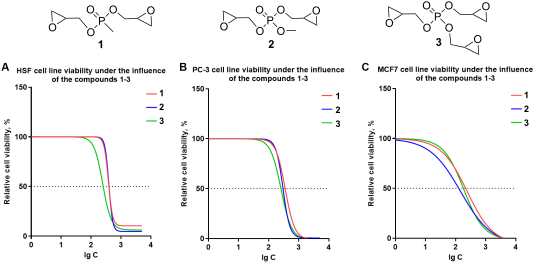
- ) shows a singlet at +32 ppm; for diglycidyl methylphosphate (2) and triglycidyl phosphate (3) also a singlet in the region 0–1 ppm is observed, despite the presence of a chiral carbon atom in the oxirane fragment. In the 1H NMR spectra of esters 1–3 the characteristic signals of the oxirane fragment at
- , PC-3, and MCF7 cell lines, respectively. Similarly, diglycidyl methylphosphate (2) achieved 50% inhibition at concentrations of 398 ± 33 μM, 300 ± 21 μM, and 128 ± 10 μM. Triglycidyl phosphate (3) exhibited IC50 values of 254 ± 19 μM for HSF, 257 ± 20 μM for PC-3, and 182 ± 14 μM for MCF7 cells
- . Among the tested compounds, triglycidyl phosphate (3) demonstrated the highest overall cytotoxicity against HSF and PC-3 cell lines, while diglycidyl methylphosphate (2) showed the greatest potency toward MCF7 breast cancer cells. Although the IC50 values for compounds 1 and 2 were somewhat higher in


Photoswitches beyond azobenzene: a beginner’s guide
Beilstein J. Org. Chem. 2025, 21, 1808–1853, doi:10.3762/bjoc.21.143




Research progress on calixarene/pillararene-based controlled drug release systems
Beilstein J. Org. Chem. 2025, 21, 1757–1785, doi:10.3762/bjoc.21.139
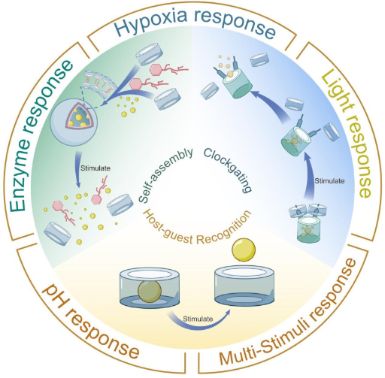
- ease of modification [42]. Among these, CAs and PAs are representative aromatic macrocycles. They can be made water-soluble and exhibit good biocompatibility through carboxyl or phosphate group modification, showing great potential in biomedical carrier applications. Compared with other artificial
- molecules and high-selectivity binding in drug-controlled release. Many calix/pillar[n]arene hosts are soluble in water, particularly macrocycles that are modified with carboxyl and phosphate groups. Moreover, their amphiphilic modification ability allows easy self-assembly into functional materials like
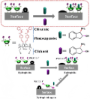
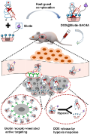
- supramolecular complexes, based on their amphiphilic nature, have the ability to form higher-order aggregates in weakly alkaline phosphate-buffered saline (PBS). The resulting supramolecular nanoparticles exhibited stability under physiological conditions. The cumulative release of DOX reached nearly 100% within






Approaches to stereoselective 1,1'-glycosylation
Beilstein J. Org. Chem. 2025, 21, 1700–1718, doi:10.3762/bjoc.21.133
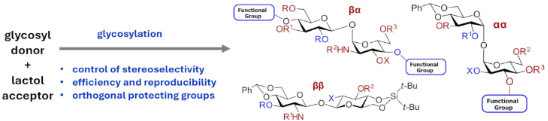
- -withdrawing substituents leads to improved yields and stereoselectivities. Accordingly, the combination of GlcN-derived lactol 80 and the 2N-Troc-protected GlcN imidate donor 79, both bearing multiple bulky substituents such as dibenzyl phosphate, TBDMS, and Troc protecting groups, resulted in a complex
- (Scheme 8). Enhancing the acceptor reactivity by introducing a benzyl group at the C4–OH and relocating the phosphate group from position 4 to 6, as in GlcN-lactol 88, resulted in a decreased yield of the β,α-1,1'-linked product 89. Despite the high prevalence of the α-anomer in the acceptors 86 and 88 (α
- an electron-withdrawing ‘disarming’ substituent, as exemplified by the 3-O-Alloc-protected lactol acceptor 119 [95]. The disarming effect of the 4-O-phosphate group in the PTFA donor 79 had to be counterbalanced by the electron-donating 3-O-TBDMS group, since alternative glycosyl donors bearing


Chemical synthesis of glycan motifs from the antitumor agent PI-88 through an orthogonal one-pot glycosylation strategy
Beilstein J. Org. Chem. 2025, 21, 1587–1594, doi:10.3762/bjoc.21.122

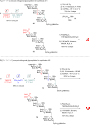
- trials for post-resection hepatocellular carcinoma [26]. Interestingly, Ferro and co-workers revised the structure of PI-88 to I and II in 2017 via successful separation of oligosaccharide phosphate fractions by preparative ion-exchange chromatography (Scheme 1A) [27]. Besides the major components α(1→3
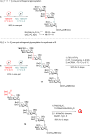
- )-branching. The C6–OH group in 5 was protected as TBDPS group, which could be selectively replaced by the destined phosphate residue. One-pot synthesis of glycans 1 and 2 We commenced with the synthesis of monophosphorylated trisaccharide 1 (Scheme 2A). Glycosylation of mannosyl PTFAI 5 (1.2 equiv) with 3-OH
- yield via the switch of the TBDPS group with the phosphate group. First global deprotection of Bn and Cbz groups in 18 with Pd(OH)2/C, followed by saponifications of all Bz groups with 1 M NaOH provided the desired monophosphorylated pentasaccharide 3 in 56% overall yield, which is the major glycan



Facile synthesis of hydantoin/1,2,4-oxadiazoline spiro-compounds via 1,3-dipolar cycloaddition of nitrile oxides to 5-iminohydantoins
Beilstein J. Org. Chem. 2025, 21, 1552–1560, doi:10.3762/bjoc.21.118

- compounds in two-fold serial (50–100 μM) dilutions. Only DMSO + PBS (phosphate-buffered saline) was used as a control, since the studied compounds were soluble only in DMSO. Cell viability was measured using the standard MTT test [42]. Absorbance was measured at 540 nm using a Multiskan™ FC microplate



Unraveling cooperative interactions between complexed ions in dual-host strategy for cesium salt separation
Beilstein J. Org. Chem. 2025, 21, 845–853, doi:10.3762/bjoc.21.68

- L as an anion receptor to extract cesium salts (chloride, nitrate, carbonate, sulfate, and phosphate) from the solid phase into chloroform. Remarkably, Cs3PO4 exhibits the highest extraction efficiency, driven by strong cooperative interactions involving ion-dipole coordination between Cs+ and
- that a tripodal hexaurea receptor L (Figure 1b) could selectively and reversibly extract sulfate and phosphate anions from water into organic phase (under pH control) [30][31][32][33]. Single crystal structures of the receptor–K2SO4 complex in the presence of 18-crown-6 clearly displayed ion-dipole
- hexaurea receptor, 18-crown-6 and Cs+ as cation were selected as model system, with the counter anion being varied from chloride, nitrate, carbonate, sulfate to phosphate. Solid–liquid extraction experiments and single-crystal structures demonstrated that the cooperative interactions (ion-dipole and ion


New advances in asymmetric organocatalysis II
Beilstein J. Org. Chem. 2025, 21, 766–769, doi:10.3762/bjoc.21.60
- transformation was catalyzed by a calcium complex of BINOL phosphate [29]. As can be seen from the summary above, the articles in this thematic issue cover a diverse array of topics in contemporary asymmetric organocatalysis. Moreover, they also reflect the diversity of our scientific community, as researchers

Development and mechanistic studies of calcium–BINOL phosphate-catalyzed hydrocyanation of hydrazones
Beilstein J. Org. Chem. 2025, 21, 755–765, doi:10.3762/bjoc.21.59
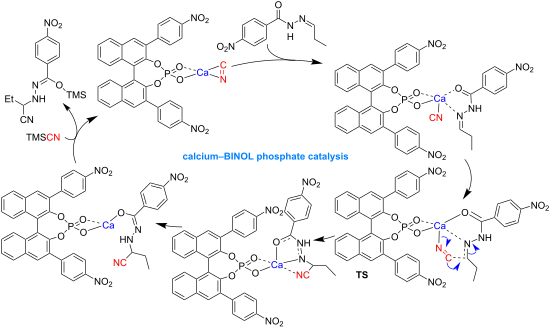
- hydrocyanation of hydrazones, catalyzed by a calcium–BINOL phosphate complex, has been studied for the first time both experimentally and computationally with DFT methods. A full catalytic cycle for the enantioselective synthesis of α-hydrazinonitriles is proposed based on insights gained from DFT calculations
- enantioselectivity achieved with the calcium catalyst remains modest, mainly due to competing pathways for the Z- and E-hydrazone isomers leading to opposite enantiomers. The experimental results confirm these computational proposals. Keywords: asymmetric synthesis; calcium–BINOL phosphate catalysis; hydrocyanation
- in elucidating the mechanism by which these bifunctional compounds act as powerful catalysts [21][22][23][24][25][26][27][28][29]. Since Ishihara disclosed the crucial role of calcium in many purportedly purely organocatalytic BINOL phosphate-catalyzed reactions [30][31], several asymmetric synthesis





