


Search results
Search for "fluorescent" in Full Text gives 435 result(s) in Beilstein Journal of Organic Chemistry. Showing first 200.
Photochemically assisted synthesis of phenacenes fluorinated at the terminal benzene rings and their electronic spectra
Beilstein J. Org. Chem. 2025, 21, 670–679, doi:10.3762/bjoc.21.53

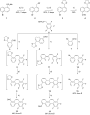
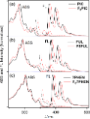
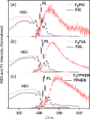
- 18-crown-6 produced fluorine-containing diarylethene 8 as a mixture of E- and Z-isomers. Subsequently, the E/Z mixture of 8 was subjected to the Mallory photoreaction without separation. Thus, compound 8 was irradiated with fluorescent black-light lamps (300 nm, 6 × 16 W) in the presence of a





Binding of tryptophan and tryptophan-containing peptides in water by a glucose naphtho crown ether
Beilstein J. Org. Chem. 2025, 21, 541–546, doi:10.3762/bjoc.21.42
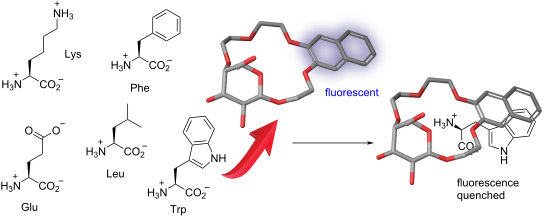
- report that receptor 1 can be used for the binding and fluorescent sensing of tryptophan as well as tryptophan residues in short peptides in water. Results and Discussion Having previously demonstrated that 1 binds tryptophan methyl ester in water [21] we wanted to investigate whether it is also suitable
- presence of the naphthyl moiety in the receptor the binding process can be monitored by fluorescence spectroscopy. These results pave the way for further investigations on the binding and fluorescent sensing of tryptophan within biologically relevant peptides by our glucose-based receptor. Furthermore


Deep-blue emitting 9,10-bis(perfluorobenzyl)anthracene
Beilstein J. Org. Chem. 2025, 21, 515–525, doi:10.3762/bjoc.21.39
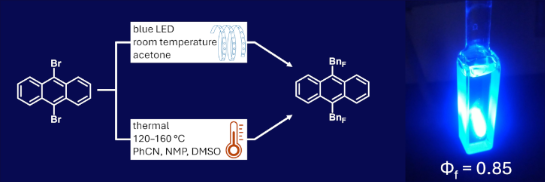
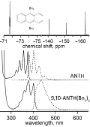
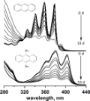
- Abstract A new deep-blue emitting and highly fluorescent anthracene (ANTH) derivative containing perfluorobenzyl (BnF) groups, 9,10-ANTH(BnF)2, was synthesized in a single step reaction of ANTH or ANTH(Br)2 with BnFI, using either a high-temperature Cu-/Na2S2O3-promoted reaction or via a room-temperature
- photostability compared to ANTH and 9,10-ANTH derivatives, and a simple synthetic access makes it an attractive material as a deep-blue OLED emitter and an efficient fluorescent probe. Keywords: anthracene; dibromoanthracene; electron poor polyaromatic systems; fluorescence; perfluoroalkylation
- have promising applications in optoelectronics. For example, investigation of the photophysical and electronic properties of ANTH began in the 1960s [1][2][3], and since then many new ANTH derivatives have been synthesized and explored for their use as fluorescent probes, organic semiconductors, and





Identification and removal of a cryptic impurity in pomalidomide-PEG based PROTAC
Beilstein J. Org. Chem. 2025, 21, 407–411, doi:10.3762/bjoc.21.28
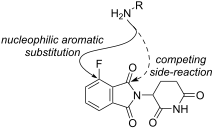
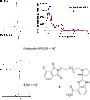
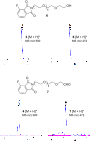
- shoulder peak (Figure 2, marked with asterisk). A close examination of the UV profile indicated the presence of an impurity. Its removal requires repetitive prep-HPLC purifications that are inefficient and time-consuming. The isolated impurity lacks the characteristic fluorescent yellow color of




Synthesis, structure, ionochromic and cytotoxic properties of new 2-(indolin-2-yl)-1,3-tropolones
Beilstein J. Org. Chem. 2025, 21, 358–368, doi:10.3762/bjoc.21.26
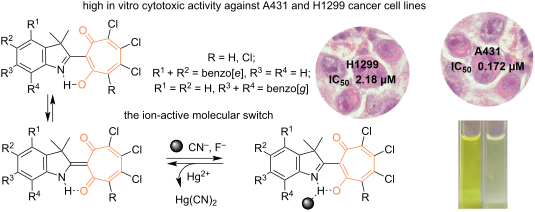
- represent molecular switches of optical and fluorescent properties under sequential addition of CN− and Hg2+ ions and the transformation cycle presented in Scheme 3 can be repeated at least 5–6 times. The resulting compounds 7b and 8a,b have extremely low water solubility, which makes it impossible to
- -ray diffraction analysis. Using two-dimensional correlation NMR spectroscopy methods, it was shown that the nature of the solvent significantly affects the equilibrium of the tautomeric forms of the 1,3-tropolones. The obtained compounds represent molecular switches of optical and fluorescent
- , CN) (Aldrich) were used to prepare the solutions. Spectral fluorescent experiments were performed using quartz cells (lcuvette 1.0 cm, volume V 2 mL). Stock solutions of compounds 7 or 8 (c 5.0 × 10⁻⁵ mol L−1) and tetrabutylammonium salts (c 1.0 × 10⁻⁴ mol L−1) in acetonitrile were used. The




Synthesis of new condensed naphthoquinone, pyran and pyrimidine furancarboxylates
Beilstein J. Org. Chem. 2025, 21, 340–347, doi:10.3762/bjoc.21.24
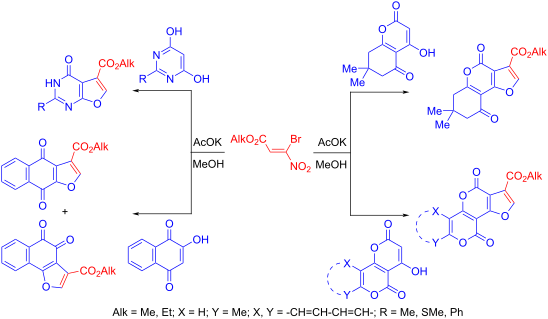
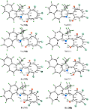
- ethyl esters 5b and 6b is −15.6(2) and −11.5(2)°, respectively, indicating that in the case of methyl esters, the alkoxycarbonyl fragment is less out of plane, causing a greater conjugation with the furan fragment. The possibility of exhibiting fluorescent properties was investigated for tetracyclic


Synthesis and characterizations of highly luminescent 5-isopropoxybenzo[rst]pentaphene
Beilstein J. Org. Chem. 2025, 21, 270–276, doi:10.3762/bjoc.21.19
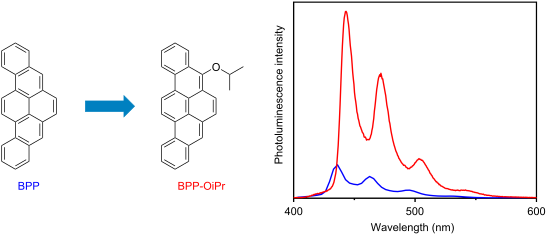
- micrometers, as demonstrated by SEM. These results provide not only an easy access to highly emissive BPP derivatives with potential as organic fluorescent materials, but also an insight to design derivatives of other PAHs with enhanced fluorescence and charge transfer character. Single crystal structure of




Three-component reactions of conjugated dienes, CH acids and formaldehyde under diffusion mixing conditions
Beilstein J. Org. Chem. 2025, 21, 262–269, doi:10.3762/bjoc.21.18
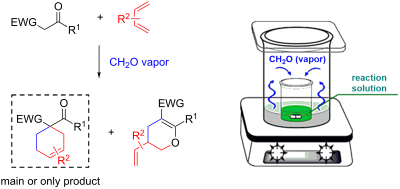
- solvents used were purified and dehydrated using the methods described in reference [28]. All starting reagents were purchased from commercial sources (e.g., Sigma-Aldrich, abcr, AKSci). Reactions were checked by TLC analysis using silica plates with a fluorescent indicator (254 nm) and visualized with a


Streamlined modular synthesis of saframycin substructure via copper-catalyzed three-component assembly and gold-promoted 6-endo cyclization
Beilstein J. Org. Chem. 2025, 21, 226–233, doi:10.3762/bjoc.21.14
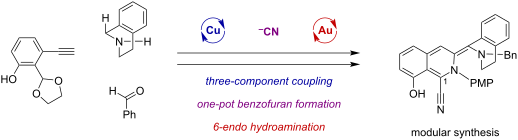
- involvement of a fluorescent intermediate in the cascade synthetic process. Keywords: cascade reactions; copper-catalyzed three-component coupling; gold-mediated 6-endo hydroamination; tandem cyclizations; tetrahydroisoquinoline alkaloids; Introduction The bis-tetrahydroisoquinoline (THIQ) alkaloid family
- . The resulting 6-endo cyclization product 12 could not be isolated under these conditions, and instead, the unexpected formation of fluorescent transient intermediate 18 was observed. Dehydrogenative oxidation of the 6-endo-cyclized product 12 with transpositions of the double bonds conjugated to the
- Information File 1, Figure S2 [57], and the benzylic position on the THIQ ring [58]. Indeed, termination of the reaction just after 90 minutes instead of 20 h resulted in the isolation of the fluorescent intermediate 18 in 55% yield (Scheme S1, Supporting Information File 1). Even with the use of both


Hot shape transformation: the role of PSar dehydration in stomatocyte morphogenesis
Beilstein J. Org. Chem. 2025, 21, 47–54, doi:10.3762/bjoc.21.5
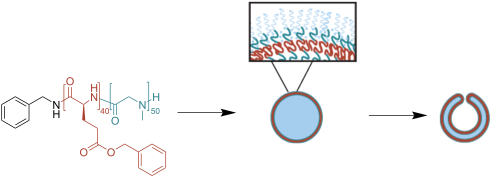
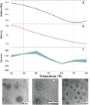
- : a) Thermograph of PBLG-PSar: Showing dehydration with a peak around 70 °C. b) The fluorescent intensity of pyrene measured at 376.6 nm divided by the intensity at 387.6 nm tracked over temperatures between 20 °C and 80 °C. c) DLS measurement: demonstrating a slight decrease in hydrodynamic radius of


Synthesis of acenaphthylene-fused heteroarenes and polyoxygenated benzo[j]fluoranthenes via a Pd-catalyzed Suzuki–Miyaura/C–H arylation cascade
Beilstein J. Org. Chem. 2024, 20, 3290–3298, doi:10.3762/bjoc.20.273
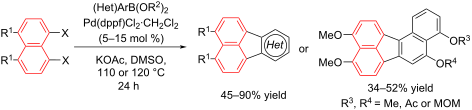
- fluorescent chemosensors and probes [4][5][6], as well as materials for applications in organic light-emitting diodes (OLEDs) [7][8][9], organic field-effect transistors (OFETs) [10], and perovskite solar cells [11]. In this respect, replacing either one or more of the carbons or rings of a fluoranthene with


Multicomponent reactions driving the discovery and optimization of agents targeting central nervous system pathologies
Beilstein J. Org. Chem. 2024, 20, 3151–3173, doi:10.3762/bjoc.20.261

- channel blockade was determined by the measure of Ca2+ influx induced by K+-depolarization in SH-SY5Y neuroblastoma cells, previously loaded with the fluorescent dye Fluo-4AM. On the other hand, the antioxidant activity of the DHPs was evaluated using the ORAC-FL method. The most potent compounds


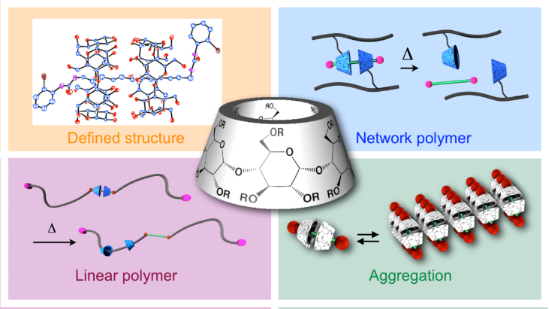
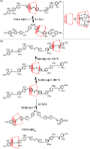
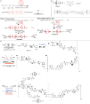
Cyclodextrin-based rotaxanes for polymer materials: challenge on simultaneous realization of inexpensive production and defined structures
Beilstein J. Org. Chem. 2024, 20, 3026–3049, doi:10.3762/bjoc.20.252






Tunable full-color dual-state (solution and solid) emission of push–pull molecules containing the 1-pyrindane moiety
Beilstein J. Org. Chem. 2024, 20, 3016–3025, doi:10.3762/bjoc.20.251

- unchanged. This represents a rare approach for the design of such fluorophores. Arylidene derivatives of pyrindane were found to be efficient fluorescent dyes showing a moderate to high emission quantum yield. The push–pull molecules were also characterized by a dual-state emission (in solution and in the
- ], positron emission tomography (PET) imaging [24], fluorescent probes and labels [25][26][27] detecting H2S in foodstuff, water, and living cells [28], Fe3+ ions [29], Hg2+ ions [30], and cyanide anions [31], for acid–base vapor sensing [32], and as candidate material for photonics devices, optical switches
- flexibility, high efficiency, and versatility, making them essential for modern high-tech applications. Despite the wide variety of known push–pull molecules, the number of fluorescent cores with synthetic potential for tuning the emission wavelength to achieve a full-emission spectrum is limited. Typically


Investigation of a bimetallic terbium(III)/copper(II) chemosensor for the detection of aqueous hydrogen sulfide
Beilstein J. Org. Chem. 2024, 20, 2818–2826, doi:10.3762/bjoc.20.237

- fluorescent-based sensors; notable features include large Stokes shifts, extended luminescent lifetimes, and precisely defined emission bands [15]. Typically lasting in the order of milliseconds, their extended luminescent lifetimes enable the implementation of time-gated detection methods, effectively


Photoluminescence color-tuning with polymer-dispersed fluorescent films containing two fluorinated diphenylacetylene-type fluorophores
Beilstein J. Org. Chem. 2024, 20, 2682–2690, doi:10.3762/bjoc.20.225
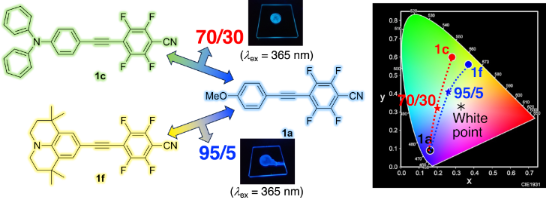
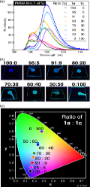
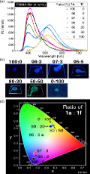
- and effective luminescence color-tuning method is proposed to investigate the photoluminescence behavior of two-component polymer dispersion films blended with two types of fluorinated diphenylacetylenes, namely blue- and yellow- or red-fluorescent fluorinated diphenylacetylenes. It is confirmed that
- fluorescence or phosphorescence from different luminescent centers in the polymer matrix should be combined, and the PL color can be precisely tuned by controlling the ratio of the PL luminescent materials [27][28][29]. In this study, we prepared polymer dispersion fluorescent films containing two compounds
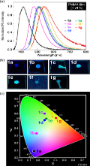
- ) films Initially, we tested the PL behavior of polymer dispersion films containing fluorinated diphenylacetylenes 1a–g as a single component, as shown in Figure 3, because the PL behavior of fluorescent molecules dispersed in a polymer matrix generally differs from that in a dilute solution or the


Applications of microscopy and small angle scattering techniques for the characterisation of supramolecular gels
Beilstein J. Org. Chem. 2024, 20, 2608–2634, doi:10.3762/bjoc.20.220

- , meaning no drying is required of the material, the material itself needs to be fluorescent (but not quenching upon assembly) or the addition of a dye is required. Such dyes need to be able to stick with the fibres, rather than sitting in the pores. Therefore, the fluorescent material is either chemically
- attached to the molecules themselves or is interacting with them. Introducing fluorescent dyes to self-assembling systems affects their chemical and mechanical stability as the hydrophobic features can destabilise the self-assembled network [18]. This reliance on fluorescence labels or dyes leading to a
- use of fluorescence probes should be used in tandem with CLSM. For example, Raeburn et al. showed that the addition of molecular rotors and fluorescent dyes affects the bulk network of self-assembled materials using rheology. The co-packing was observed to alter rheological properties of the materials


Anion-dependent ion-pairing assemblies of triazatriangulenium cation that interferes with stacking structures
Beilstein J. Org. Chem. 2024, 20, 2567–2576, doi:10.3762/bjoc.20.215
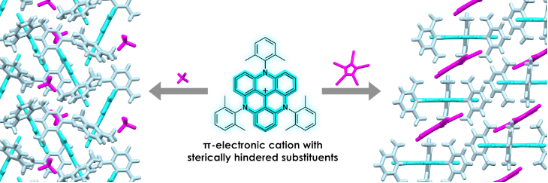
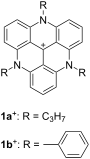
- been widely investigated in the past decades for application as fluorescent dyes [3][4][5], chirality inducers [6][7][8], acceptors for photoinduced electron transfer (PET) [9][10], and components of supramolecular assemblies [11][12][13][14]. Owing to the stable π-electronic systems showing unique
- +) cations, used as visible light fluorescent dyes, have been synthesized via a nucleophilic aromatic substitution (SNAr) reaction with primary alkylamines (e.g., 1a+; Figure 1) [15][16]. The highly planar geometry of the TATA+ core unit induces π–π stacking structures in single-crystal and film states, as



Improved deconvolution of natural products’ protein targets using diagnostic ions from chemical proteomics linkers
Beilstein J. Org. Chem. 2024, 20, 2323–2341, doi:10.3762/bjoc.20.199
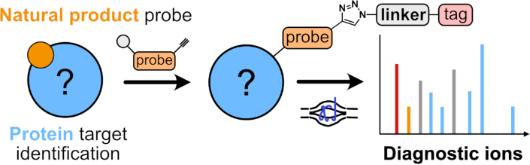
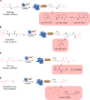
- -PAGE) and visualized by in-gel fluorescence scanning (Figure 6A). In this approach the tag is a suitable fluorophore. Previously, during an introduction period of a chemical proteomics workflow of activity-based protein profiling (ABPP), the resulting fluorescent bands might be simply cut out from the
- probe–protein interaction leading to disappearance of the fluorescent bands. A gel shift assay is a complementary strategy to validate the labeling of a specific protein (Figure 6B) [65][79]. The assay is based on an increased retardation of the probe-labeled protein on SDS-PAGE due to the addition of a





Electrochemical allylations in a deep eutectic solvent
Beilstein J. Org. Chem. 2024, 20, 2217–2224, doi:10.3762/bjoc.20.189
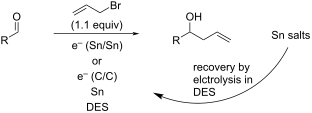
- end, the DES mixture from cycle 3 of Table 8 following product extraction was electrolyzed at 100 mA constant current using glassy carbon electrodes until 2 F/mol of current had passed. This deposited a metal clump on the electrode that was removed and then analyzed using X-ray fluorescent
- using a scoopula for further use and analysis using a Thermo Scientific Niton XL3t X-Ray Fluorescent Spectroscopy analyzer. Product characterization 1-(4-Methoxyphenyl)-3-buten-1-ol [39]: 1H NMR (300 MHz, CDCl3) 7.27 (d, J = 8.58, 2H), 6.86 (d, J = 5.82, 2H), 5.83–5.73 (m, 1H), 5.17–5.10 (m, 2H), 4.67

Novel truxene-based dipyrromethanes (DPMs): synthesis, spectroscopic characterization and photophysical properties
Beilstein J. Org. Chem. 2024, 20, 2163–2170, doi:10.3762/bjoc.20.186
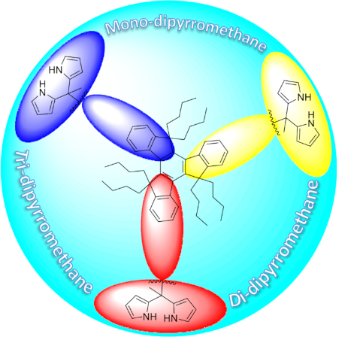
- ][12][13]. The most promising applications of truxene-based systems have been found in organic photovoltaics (OPVs), dye‐sensitized solar cells (DSSCs), fluorescent probes, organic thin‐film transistors (OTFTs), lasers, organic light emitting diodes (OLEDs), liquid crystals, non-linear optical (NLO


Cage-like microstructures via sequential Ugi reactions in aqueous emulsions
Beilstein J. Org. Chem. 2024, 20, 2078–2083, doi:10.3762/bjoc.20.179
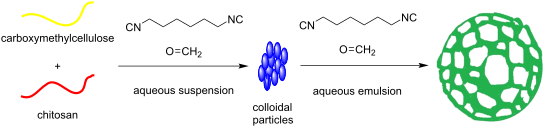
- in favor of the second mechanism. To identify the structure obtained on the surface of the droplets during the formation of the Pickering emulsion, we used fluorescent labels. Aminofluorescein was introduced into the CMC composition with a ratio of 3 mg per 1 g of cellulose using condensation in the


A new platform for the synthesis of diketopyrrolopyrrole derivatives via nucleophilic aromatic substitution reactions
Beilstein J. Org. Chem. 2024, 20, 1933–1939, doi:10.3762/bjoc.20.169
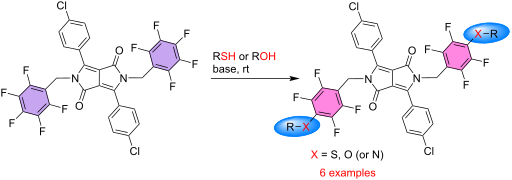
- synthesis of highly fluorescent DPP derivatives through straightforward nucleophilic aromatic substitution reactions with thiols and phenols. These nucleophilic substitutions occur at room temperature and manifest a remarkable selectivity for the 4-position of the pentafluorophenyl groups. Both symmetrical
- (disubstitution) and non-symmetrical (monosubstitution) DPP derivatives are formed in excellent overall yields. The optical properties of the newly synthesized compounds are also discussed. The new platform may be useful for bioorthogonal chemistry. Keywords: diketopyrrolopyrrole; fluorescent dye; nucleophilic
- used in a wide range of applications, namely as organic semiconductors [8], acceptors for organic solar cells [9][10], as fluorescent probes [11][12][13], or as photosensitizers for photodynamic therapy and antimicrobial photodynamic therapy [14][15][16][17]. DPP derivatives with improved performance


The Groebke–Blackburn–Bienaymé reaction in its maturity: innovation and improvements since its 21st birthday (2019–2023)
Beilstein J. Org. Chem. 2024, 20, 1839–1879, doi:10.3762/bjoc.20.162
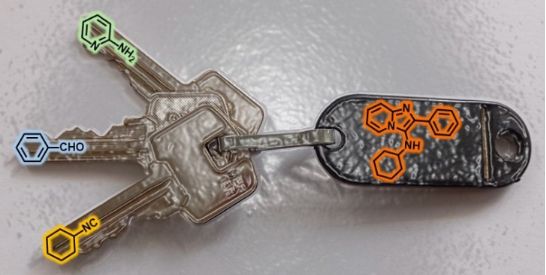
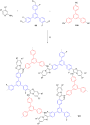
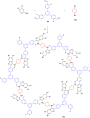
- obtain new fluorescent products [39]. Starting from perbenzylated β-C-glucopyranosyl aldehyde 26, 2-aminopyridine (1) and cyclohexyl isocyanide (11), they synthesized C-glucoside 28 (Scheme 11). β-C-Glucopyranosyl aldehyde 26 was obtained from ᴅ-glucose following a procedure already established [40
- nucleophilicity. In their second work about this topic, Prasad et al. synthesized 5-(3”-alkyl/arylamino-1”-azaindolizin-2”-yl)-2’-deoxyuridines 31 as new base-modified fluorescent nucleosides with high Stokes’ shift, potentially useful for investigating nucleic acid structure and functions. The authors






Syntheses and medicinal chemistry of spiro heterocyclic steroids
Beilstein J. Org. Chem. 2024, 20, 1713–1745, doi:10.3762/bjoc.20.152
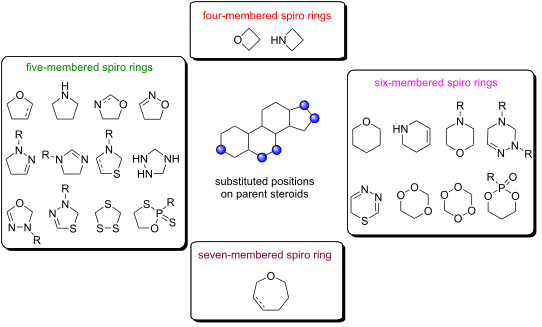
- the sole isomer. Spiropiperidine steroids Recently, Sviripa et al. synthesized novel spiro fused-coumarinpiperidines from 5α-androstan-3-one derivatives as part of their efforts to develop fluorescent inhibitors of 17-oxidoreductases for androgen metabolism in prostate cancer [60]. Starting from





