Search for "olefins" in Full Text gives 329 result(s) in Beilstein Journal of Organic Chemistry. Showing first 200.
Beilstein J. Org. Chem. 2024, 20, 2305–2312, doi:10.3762/bjoc.20.197
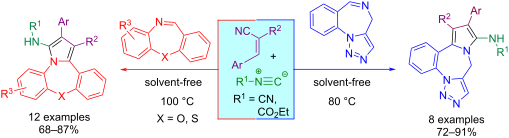
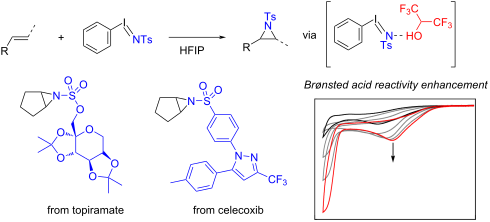
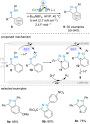
Graphical Abstract
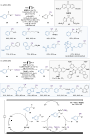
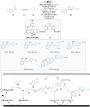
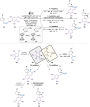
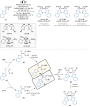
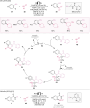
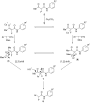
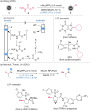
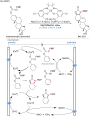
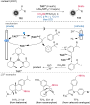
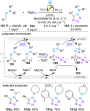
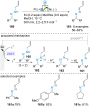
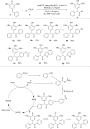
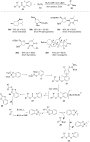
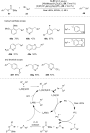
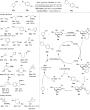
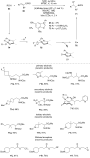
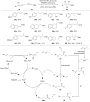
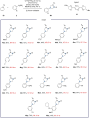
Scheme 1: a) Lewis acid activation of hypervalent iodine reagents can enhance the reactivity of these reagent...
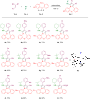
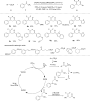
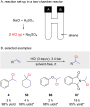
Scheme 2: Scope and limitations of HFIP-promoted direct aziridination with iminoiodinane reagents. Conditions...
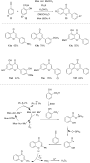
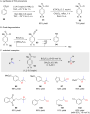
Scheme 3: Scope of nitrogen group transfer in the aziridination of aliphatic olefins. Conditions using synthe...
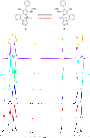
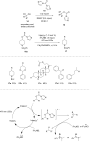
Scheme 4: a) The broadening of the hydroxide proton (denoted by asterisk *) of HFIP in the presence of iminoi...
Beilstein J. Org. Chem. 2024, 20, 2234–2241, doi:10.3762/bjoc.20.191
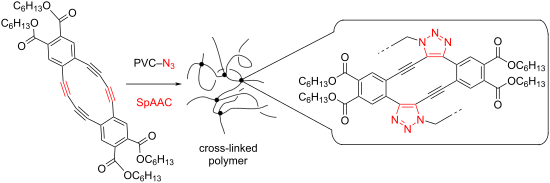
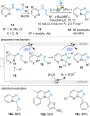
Graphical Abstract
Figure 1: Previously reported regioselective double azide addition to DBA with hexyloxy substituents and mole...
Scheme 1: Synthesis of DBA 5.
Figure 2: (a) Strain-promoted azide–alkyne cycloaddition between DBA 5 and benzyl azide and (b) 1H NMR spectr...
Figure 3: Arrhenius plots of the rate constants for the reaction between 5 and benzyl azide in CDCl3.
Figure 4: Proposed reaction mechanism for the formation of compound 6a. Free energy profiles (ΔG298 in kJ mol...
Figure 5: Absorption (blue) and fluorescence (red) spectra of 6a (2 × 10⁻⁵ M) in CH2Cl2.
Figure 6: (a) Crosslinking reaction of PVC-N3 (x = 0.11) with compound 5. (b,c) Strain-stress curves of PVC-N3...
Beilstein J. Org. Chem. 2024, 20, 1988–2004, doi:10.3762/bjoc.20.175
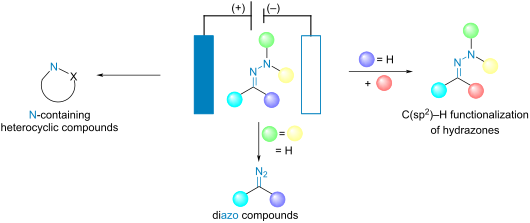
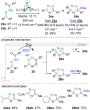
Graphical Abstract
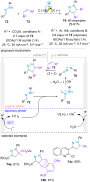
Scheme 1: Synthesis of triazolopyridinium salts [34-36].
Scheme 2: Synthesis of pyrazoles [37].
Scheme 3: Synthesis of indazoles from ketone-derived hydrazones [38].
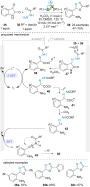
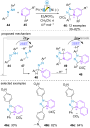
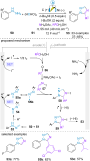
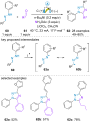
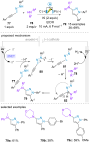
Scheme 4: Intramolecular C(sp2)–H functionalization of aldehyde-derived N-(2-pyridinyl)hydrazones for the syn...
Scheme 5: Synthesis of pyrazolo[4,3-c]quinoline derivatives [40].
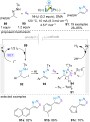
Scheme 6: Synthesis of 1,3,4-oxadiazoles and Δ3-1,3,4-oxadiazolines [41].
Scheme 7: Synthesis of 1,3,4-oxadiazoles [43].
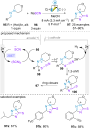
Scheme 8: Synthesis of 2-(1,3,4-oxadiazol-2-yl)anilines [44].
Scheme 9: Synthesis of fused s-triazolo perchlorates [45].
Scheme 10: Synthesis of 1-aryl and 1,5-disubstitued 1,2,4-triazoles [49].
Scheme 11: Synthesis of 1,3,5-trisubstituted 1,2,4-triazoles [50].
Scheme 12: Alternative synthesis of 1,3,5-trisubstituted 1,2,4-triazoles [51].
Scheme 13: Synthesis of 5-amino 1,2,4-triazoles [55].
Scheme 14: Synthesis of 1-arylpyrazolines [58].
Scheme 15: Synthesis of 3‑aminopyrazoles [60].
Scheme 16: Synthesis of [1,2,4]triazolo[4,3-a]quinolines [61].·
Scheme 17: Synthesis of 1,2,3-thiadiazoles [64].
Scheme 18: Synthesis of 5-thioxo-1,2,4-triazolium inner salts [65].
Scheme 19: Synthesis of 1-aminotetrazoles [66].
Scheme 20: C(sp2)–H functionalization of aldehyde-derived hydrazones: general mechanisms.
Scheme 21: C(sp2)–H functionalization of benzaldehyde diphenyl hydrazone [68,69].
Scheme 22: Phosphorylation of aldehyde-derived hydrazones [70].
Scheme 23: Azolation of aldehyde-derived hydrazones [72].
Scheme 24: Thiocyanation of benzaldehyde-derived hydrazone 122 [73].
Scheme 25: Sulfonylation of aromatic aldehyde-derived hydrazones [74].
Scheme 26: Trifluoromethylation of aromatic aldehyde-derived hydrazones [76].
Scheme 27: Electrooxidation of benzophenone hydrazones [77].
Scheme 28: Electrooxidative coupling of benzophenone hydrazones and alkenes [77].
Scheme 29: Electrosynthesis of α-diazoketones [78].
Scheme 30: Electrosynthesis of stable diazo compounds [80].
Scheme 31: Photoelectrochemical synthesis of alkenes through in situ generation of diazo compounds [81].
Scheme 32: Synthesis of nitriles [82].
Scheme 33: Electrochemical oxidation of ketone-derived NH-allylhydrazone [83].
Beilstein J. Org. Chem. 2024, 20, 1955–1966, doi:10.3762/bjoc.20.171
Graphical Abstract
Scheme 1: 1,2-Difluoroethylene synthesis from HFO-1123.
Scheme 2: 1,2-Difluoroethylene synthesis from CFC-112 and HCFC-132.
Scheme 3: 1,2-Difluoroethylene synthesis from HFC-143.
Scheme 4: 1,2-Difluoroethylene synthesis from HCFC-142 via HCFC-142a.
Scheme 5: 1,2-Difluoroethylene synthesis from CFO-1112.
Scheme 6: 1,2-Difluoroethylene synthesis from 1,2-dichloroethylene.
Scheme 7: 1,2-Difluoroethylene synthesis from perfluoropropyl vinyl ether.
Scheme 8: Deuteration reaction of 1,2-difluoroethylene.
Scheme 9: Halogen addition to 1,2-difluoroethylene.
Scheme 10: Hypohalite addition to 1,2-difluoroethylene.
Scheme 11: N-Bromobis(trifluoromethyl)amine addition to 1,2-difluoroethylene.
Scheme 12: N-Chloroimidobis(sulfonyl fluoride) addition to 1,2-difluoroethylene.
Scheme 13: Trichlorosilane addition to 1,2-difluoroethylene.
Scheme 14: SF5Br addition to 1,2-difluoroethylene.
Scheme 15: PCl3/O2 addition to 1,2-difluoroethylene.
Scheme 16: Reaction of tetramethyldiarsine with 1,2-difluoroethylene.
Scheme 17: Reaction of trichlorofluoromethane with 1,2-difluoroethylene.
Scheme 18: Addition of perfluoroalkyl iodides to 1,2-difluoroethylene.
Scheme 19: Cyclopropanation of 1,2-difluoroethylene.
Scheme 20: Diels–Alder reaction of 1,2-difluoroethylene and hexachlorocyclopentadiene.
Scheme 21: Cycloaddition reaction of 1,2-difluoroethylene and fluorinated ketones.
Scheme 22: Cycloaddition reaction of 1,2-difluoroethylene and perfluorinated aldehydes.
Scheme 23: Photochemical cycloaddition of 1,2-difluoroethylene and hexafluorodiacetyl.
Scheme 24: Reaction of 1,2-difluoroethylene with difluorosilylene.
Scheme 25: Reaction of 1,2-difluoroethylene with aryl iodides.
Beilstein J. Org. Chem. 2024, 20, 1462–1467, doi:10.3762/bjoc.20.129
Graphical Abstract
Figure 1: Organofluorine derived drugs.
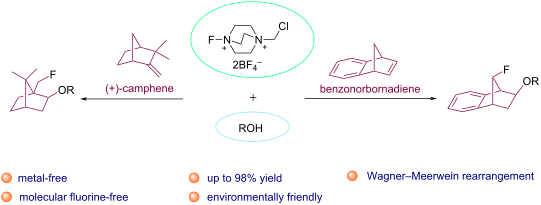
Scheme 1: Oxyfluorination of benzonorbornadien (1a) with Selectfluor and alcohols. All reactions were carried...
Scheme 2: Oxyfluorination of (+)-camphene (1b) with selectfluor and alcohols. All reactions were carried out ...
Scheme 3: Scale-up experiments. Reaction conditions: (+)-Camphene (1b) (1.0 g, 7.34 mmol), selectfluor (3.12 ...
Scheme 4: Proposed mechanism for fluoroalkoxylation of (+)-camphene by Wagner–Meerwein rearrangement.
Beilstein J. Org. Chem. 2024, 20, 1405–1411, doi:10.3762/bjoc.20.122

Graphical Abstract
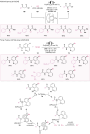
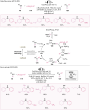
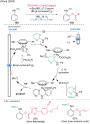
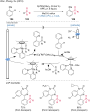
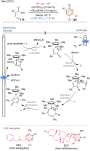
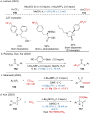
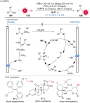
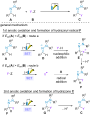
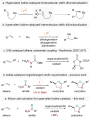
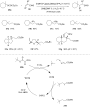
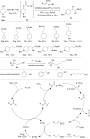
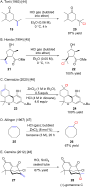
Scheme 1: Hypervalent iodine-catalyzed olefin difunctionalizations background.
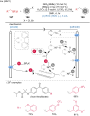
Figure 1: Time studies of the amide and alkene coupling. a) Iodoarene time studies: styrene (1), para-substit...
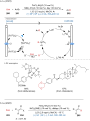
Figure 2: Amide substrate scope studies. a) Standard conditions: styrene (0.25 mmol), iodotoluene (20 mol %),...
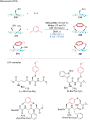
Figure 3: Alkene substrate scope studies. a) Standard conditions: alkene (0.25 mmol), iodotoluene (20 mol %),...
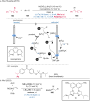
Figure 4: Proposed catalytic cycle for the hypervalent iodine-catalyzed amide and alkene coupling.
Beilstein J. Org. Chem. 2024, 20, 1348–1375, doi:10.3762/bjoc.20.119
Graphical Abstract
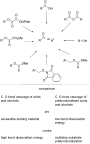
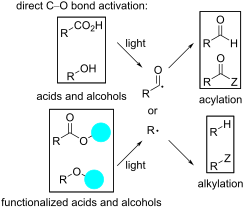
Figure 1: Generation of alkyl and acyl radicals via C–O bond breaking.
Figure 2: General photocatalytic mechanism.
Scheme 1: Photoredox-catalyzed hydroacylation of olefins with aliphatic carboxylic acids.
Scheme 2: Acylation–aromatization of p-quinone methides using carboxylic acids.
Scheme 3: Visible-light-induced deoxygenation–defluorination for the synthesis of γ,γ-difluoroallylic ketones....
Scheme 4: Photochemical hydroacylation of azobenzenes with carboxylic acids.
Scheme 5: Photoredox-catalyzed synthesis of flavonoids.
Scheme 6: Synthesis of O-thiocarbamates and photocatalytic reduction of O-thiocarbamates.
Scheme 7: Deoxygenative borylation of alcohols.
Scheme 8: Trifluoromethylation of O-alkyl thiocarbonyl substrates.
Scheme 9: Redox-neutral radical coupling reactions of alkyl oxalates and Michael acceptors.
Scheme 10: Visible-light-catalyzed and Ni-mediated syn-alkylarylation of alkynes.
Scheme 11: 1,2-Alkylarylation of alkenes with aryl halides and alkyl oxalates.
Scheme 12: Deoxygenative borylation of oxalates.
Scheme 13: Coupling of N-phthalimidoyl oxalates with various acceptors.
Scheme 14: Cross-coupling of O-alkyl xanthates with aryl halides via dual photoredox and nickel catalysis.
Scheme 15: Deoxygenative borylation of secondary alcohol.
Scheme 16: Deoxygenative alkyl radical generation from alcohols under visible-light photoredox conditions.
Scheme 17: Deoxygenative alkylation via alkoxy radicals against hydrogenation or β-fragmentation.
Scheme 18: Direct C–O bond activation of benzyl alcohols.
Scheme 19: Deoxygenative arylation of alcohols using NHC to activate alcohols.
Scheme 20: Deoxygenative conjugate addition of alcohol using NHC as alcohol activator.
Scheme 21: Synthesis of polysubstituted aldehydes.
Beilstein J. Org. Chem. 2024, 20, 1221–1235, doi:10.3762/bjoc.20.105
Graphical Abstract
Scheme 1: Reported synthetic methods for the selenation of aromatic compounds.
Scheme 2: Reaction of selenium dioxide with aniline.
Scheme 3: Reaction of selenium dioxide with o-anisidine.
Scheme 4: Reaction of methyl anthranilate with SeO2.
Scheme 5: Reaction mechanism for the formation of diaryl monoselenides.
Scheme 6: Reaction mechanism for the formation of oxamides.
Scheme 7: Reaction mechanism for the formation of quinone 10.
Figure 1: Molecular structure of 3. Thermal ellipsoids drawn at 50% probability. Selected bond lengths (Å): O...
Figure 2: Molecular structure of 9. Thermal ellipsoids drawn at 50% probability. Selected bond lengths (Å): O...
Figure 3: Molecular structure of 13. Thermal ellipsoids drawn at 50% probability. Selected bond lengths (Å): ...
Figure 4: Molecular structure of 10. Thermal ellipsoids drawn at 50% probability. Selected bond lengths (Å) a...
Figure 5: Molecular structure of 11. Thermal ellipsoids drawn at 50% probability. Selected bond angles (°): C...
Figure 6: Molecular structure of 12. Thermal ellipsoids drawn at 50% probability. Selected bond angles (°): C...
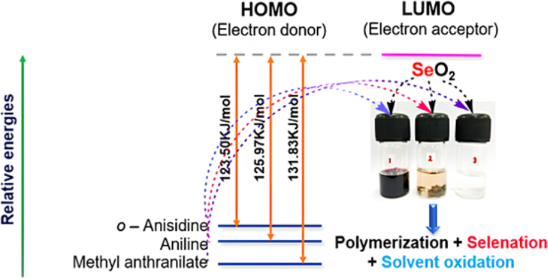
Figure 7: Relative energy levels of arylamines and SeO2.
Figure 8: Computationally optimized structure of aniline (a), o-anisidine (b), and methyl anthranilate (c), w...
Scheme 8: Resonance structures for the delocalization of the nitrogen lone pair into the π-system.
Beilstein J. Org. Chem. 2024, 20, 940–949, doi:10.3762/bjoc.20.84
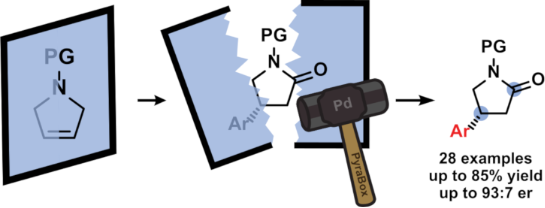
Graphical Abstract
Scheme 1: Examples of drugs containing a γ-lactam and derivative.
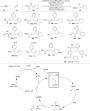
Scheme 2: Desymmetrization strategies employing Heck-Matsuda reactions.
Scheme 3: Heck–Matsuda reaction (1) and Jones oxidation (2) of the N-Boc-protected 2,5-dihydro-1H-pyrrole 1a....
Figure 1: N,N-Ligands evaluated in this work.
Scheme 4: Heck–Matsuda reaction of N-tosyl-2,5-dihydro-1H-pyrrole (1b). Reaction conditions: 1) pyrroline 1b ...
Scheme 5: Heck–Matsuda reaction of the protected 2,5-dihydro-1H-pyrrole with Ns and 2-Ns groups (pyrrolines 1c...
Scheme 6: Synthesis of (R)-baclofen hydrochloride (6) from 4dd and (R)-rolipram (5b) from 4de. Reaction condi...
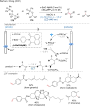
Scheme 7: A rationale for the catalytic cycle for the Heck–Matsuda reaction of the protected 2,5-dihydro-1H-p...
Figure 2: Rationalization of the enantioselectivity obtained in the Heck–Matsuda reaction of protected 2,5-di...
Beilstein J. Org. Chem. 2024, 20, 787–814, doi:10.3762/bjoc.20.72
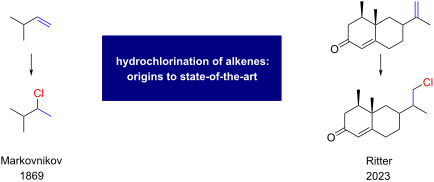
Graphical Abstract
Scheme 1: Classes of hydrochlorination reactions discussed in this review.
Figure 1: Mayr’s nucleophilicity parameters for several alkenes. References for each compound can be consulte...
Figure 2: Hydride affinities relating to the reactivity of the corresponding alkene towards hydrochlorination....
Scheme 2: Distinction of polar hydrochlorination reactions.
Scheme 3: Reactions of styrenes with HCl gas or HCl solutions.
Figure 3: Normal temperature dependence for the hydrochlorination of (Z)-but-2-ene.
Figure 4: Pentane slows down the hydrochlorination of 11.
Scheme 4: Recently reported hydrochlorinations of styrenes with HCl gas or HCl solutions.
Scheme 5: Hydrochlorination reactions with di- and trisubstituted alkenes.
Scheme 6: Hydrochlorination of fatty acids with liquified HCl.
Scheme 7: Hydrochlorination with HCl/DMPU solutions.
Scheme 8: Hydrochlorination with HCl generated from EtOH and AcCl.
Scheme 9: Hydrochlorination with HCl generated from H2O and TMSCl.
Scheme 10: Regioisomeric mixtures of chlorooctanes as a result of hydride shifts.
Scheme 11: Regioisomeric mixtures of products as a result of methyl shifts.
Scheme 12: Applications of the Kropp procedure on a preparative scale.
Scheme 13: Curious example of polar anti-Markovnikov hydrochlorination.
Scheme 14: Unexpected and expected hydrochlorinations with AlCl3.
Figure 5: Ex situ-generated HCl gas and in situ application for the hydrochlorination of activated alkenes (*...
Scheme 15: HCl generated by Grob fragmentation of 92.
Scheme 16: Formation of chlorophosphonium complex 104 and the reaction thereof with H2O.
Scheme 17: Snyder’s hydrochlorination with stoichiometric amounts of complex 104 or 108.
Scheme 18: In situ generation of HCl by mixing of MsOH with CaCl2.
Scheme 19: First hydrochlorination of alkenes using hydrochloric acid.
Scheme 20: Visible-light-promoted hydrochlorination.
Scheme 21: Silica gel-promoted hydrochlorination of alkenes with hydrochloric acid.
Scheme 22: Hydrochlorination with hydrochloric acid promoted by acetic acid or iron trichloride.
Figure 6: Metal hydride hydrogen atom transfer reactions vs cationic reactions; BDE (bond-dissociation energy...
Scheme 23: Carreira’s first report on radical hydrochlorinations of alkenes.
Figure 7: Mechanism for the cobalt hydride hydrogen atom transfer reaction reported by Carreira.
Scheme 24: Radical “hydrogenation” of alkenes; competing chlorination reactions.
Scheme 25: Bogers iron-catalyzed radical hydrochlorination.
Scheme 26: Hydrochlorination instead of hydrogenation product.
Scheme 27: Optimization of the Boger protocol by researchers from Merck [88,89].
Figure 8: Proposed mechanism for anti-Markovnikov hydrochlorination by Nicewicz.
Scheme 28: anti-Markovnikov hydrochlorinations as reported by Nicewicz.
Figure 9: Mechanism for anti-Markovnikov hydrochlorination according to Ritter.
Scheme 29: anti-Markovnikov hydrochlorinations as reported by Nicewicz; rr (regioisomeric ratio) corresponds t...
Scheme 30: anti-Markovnikov hydrochlorinations as reported by Liu.
Beilstein J. Org. Chem. 2024, 20, 692–700, doi:10.3762/bjoc.20.63
Graphical Abstract
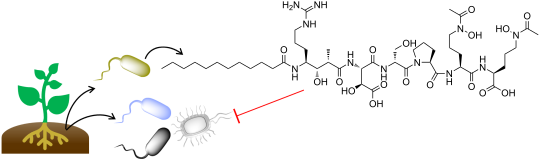
Figure 1: (a) Chemical structures and (b) ESIMS/MS of variochelins A–E (1–5) isolated from Variovorax sp. H00...
Figure 2: EIMS of DMOX derivatized free fatty acids derived from variochelins C–E (3–5). (a) 3, (b) 4, and (c...
Figure 3: (a) Plausible biosynthetic pathway of variochelin A–E (1–5). The circles represent domains: A: aden...
Beilstein J. Org. Chem. 2024, 20, 645–652, doi:10.3762/bjoc.20.57
Graphical Abstract
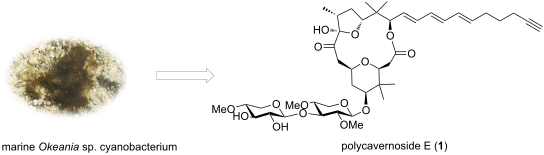
Figure 1: Structures of compounds 1, 2, and 5.
Figure 2: Planar structure of polycavernoside E (1) based on 2D NMR analysis.
Figure 3: Relative configuration of the THP ring and disaccharide moiety of 1.
Figure 4: ECD spectrum of 1 in MeOH.
Beilstein J. Org. Chem. 2024, 20, 452–459, doi:10.3762/bjoc.20.40
Graphical Abstract
Scheme 1: Synthesis of 2,3-dibromo-1,1,1,4,4,4-hexafluorobutane (2).
Scheme 2: Synthesis of (E)-butene 3a.
Scheme 3: Isomerization reaction of (E)-butene 3a to (Z)-butene 3b.
Scheme 4: Synthesis of 2-chloro-3-iodo-1,1,1,4,4,4-hexafluorobutane (5).
Scheme 5: Dehydrohalogenation reaction of 2-chloro-3-iodo-1,1,1,4,4,4-hexafluorobutane (5).
Scheme 6: The reaction of silane 8 with I2/KF.
Scheme 7: The reaction of 3a with iPrMgCl and 4-fluorobenzaldehyde (9).
Scheme 8: The reaction of olefin 3a with iPrMgCl.
Scheme 9: The reaction of (E)-butene 3a with BuLi.
Scheme 10: The reaction of allene 11 with bromine.
Scheme 11: The reaction of allene 11 with ICl.
Scheme 12: Synthesis of 2,3-dibromo-2-chloro-1,1,1,4,4,4-hexafluorobutane (16).
Scheme 13: Synthesis of (Z, E)-2-bromo-3-chloro-1,1,1,4,4,4-hexafluorobut-2-enes (17a,b).
Scheme 14: The reaction of olefins 17a,b with BuLi.
Beilstein J. Org. Chem. 2024, 20, 346–378, doi:10.3762/bjoc.20.35
Graphical Abstract
Scheme 1: Comparison between Barton and NHPI ester radical precursors.
Scheme 2: Overview of the mechanisms and activation modes involved in radical generation from RAEs.
Scheme 3: Common mechanisms in photocatalysis.
Scheme 4: A) Giese-type radical addition of NHPI esters mediated by a reductive quenching photocatalytic cycl...
Scheme 5: A) Minisci-type radical addition of NHPI esters. B) Reaction mechanism involving an “off-cycle” red...
Scheme 6: Activation of NHPI esters through hydrogen-bonding in an oxidative quenching photocatalytic cycle.
Scheme 7: SET activation of RAE facilitated by a Lewis acid catalyst.
Scheme 8: PCET activation of NHPI esters in the context of a radical-redox annulation.
Scheme 9: Activation enabled by a strong excited-state reductant catalyst and its application in the dearomat...
Scheme 10: Proposed formation of an intramolecular charge-transfer complex in the synthesis of (spiro)anellate...
Scheme 11: Formation of a charge-transfer complex between enamides and NHPI esters enabled by a chiral phospha...
Scheme 12: Activation of NHPI ester through the formation of photoactive EDA-complexes.
Scheme 13: A) EDA complex-mediated radical hydroalkylation reactions of NHPI esters. B) Proposed mechanism for...
Scheme 14: Proposed radical chain mechanism initiated by EDA-complex formation.
Scheme 15: A) Photoinduced decarboxylative borylation. B) Proposed radical chain mechanism.
Scheme 16: A) Activation of NHPI esters mediated by PPh3/NaI. B) Proposed catalytic cycle involving EDA-comple...
Scheme 17: A) Radical generation facilitated by EDA complex formation between PTH1 catalyst and NHPI esters. B...
Scheme 18: Proposed catalytic cycle for the difunctionalization of styrenes.
Scheme 19: Formation of a charge-transfer complex between NHPI esters and Cs2CO3 enables decarboxylative amina...
Scheme 20: 3-Acetoxyquinuclidine as catalytic donor in the activation of TCNHPI esters.
Scheme 21: A) Photoinduced Cu-catalyzed decarboxylative amination. B) Proposed catalytic cycle. C) Radical clo...
Scheme 22: A) Photoinduced Pd-catalyzed aminoalkylation of 1,4-dienes. B) Proposed catalytic cycle.
Scheme 23: A) TM-catalyzed decarboxylative coupling of NHPI esters and organometallic reagents. B) Representat...
Scheme 24: Synthetic applications of the TM-catalyzed decarboxylative coupling of NHPI esters and organometall...
Scheme 25: A) Ni-catalyzed cross-electrophile coupling of NHPI esters. B) Representative catalytic cycle.
Scheme 26: A) Synthetic applications of decarboxylative cross-electrophile couplings. B) Decarboxylative aryla...
Scheme 27: A) Activation of tetrachlorophthalimide redox-active esters enabled by a low-valency Bi complex. B)...
Scheme 28: Activation of NHPI esters mediated by Zn0 applied in a Z-selective alkenylation reaction.
Scheme 29: A) Activation of NHPI esters enabled by a pyridine-boryl radical species applied to the decarboxyla...
Scheme 30: A) Decarboxylative coupling of RAE and aldehydes enabled by NHC-catalyzed radical relay. B) Propose...
Scheme 31: A) Decarboxylative C(sp3)–heteroatom coupling reaction of NHPI esters under NHC catalysis B) The NH...
Scheme 32: A) Electrochemical Giese-type radical addition of NHPI esters. B) Reaction mechanism.
Scheme 33: Electrochemical Minisci-type radical addition of NHPI-esters.
Scheme 34: Ni-electrocatalytic cross-electrophile coupling of NHPI esters with aryl iodides.
Scheme 35: A) Decarboxylative arylation of NHPI esters under Ag-Ni electrocatalysis B) Formation of AgNP on th...
Scheme 36: Synthetic applications of decarboxylative couplings of NHPI esters under Ni-electrocatalysis.
Scheme 37: Examples of natural product syntheses in which RAEs were used in key C–C bond forming reactions.
Beilstein J. Org. Chem. 2024, 20, 125–154, doi:10.3762/bjoc.20.13
Graphical Abstract
Scheme 1: Pathway of the [2 + 2] CA–RE reaction of an electron-rich alkyne with TCNE or TCNQ. EDG = electron-...
Scheme 2: Reaction pathway for DMA-appended acetylene and TCNEO.
Scheme 3: Pathway of the [2 + 2] CA–RE reaction between 1 and DCFs.
Scheme 4: Sequential double [2 + 2] CA–RE reactions between 1 and TCNE.
Scheme 5: Divergent chemical transformation pathways of TCBD 6.
Scheme 6: Synthesis of 12.
Scheme 7: [2 + 2] CA–RE reaction of 1 with 14. TCE = 1,1,2,2-tetrachloroethane.
Scheme 8: Autocatalytic model proposed by Nielsen et al.
Scheme 9: Synthesis of anthracene-embedded TCBD compound 19.
Scheme 10: Sequence of the [2 + 2] CA–RE reaction between dibenzo-fused cyclooctyne or cyclooctadiyne and TCNE...
Scheme 11: [2 + 2] CA–RE reaction between the CPP derivatives and TCNE. THF = tetrahydrofuran.
Scheme 12: [2 + 2] CA–RE reaction between ethynylfullerenes 31 and TCNE and subsequent thermal rearrangement.
Scheme 13: Pathway of the [2 + 2] CA–RE reaction between TCNE and 34, followed by additional skeletal transfor...
Scheme 14: Synthesis scheme for heterocycle 38 from the reaction between TCNE and 1 in water and a surfactant.
Scheme 15: Synthesis scheme of the CDA product 41.
Scheme 16: Synthesis of rotaxanes 44 and 46 via the [2 + 2] CA–RE reaction.
Scheme 17: Synthesis of a CuI bisphenanthroline-based rotaxane 50.
Figure 1: Structures of the chiral push–pull chromophores 51–56.
Figure 2: Structures of the axially chiral TCBD 57 and DCNQ 58 bearing a C60 core.
Figure 3: Structures of the axially chiral SubPc–TCBD–aniline conjugates 59 and 60 and the subporphyrin–TCBD–...
Figure 4: Structures of 63 and the TCBD 64.
Figure 5: Structures of the fluorophore-containing TCBDs 65–67.
Figure 6: Structures of the fluorophore-containing TCBDs 68–72.
Figure 7: Structures of the urea-containing TCBDs 73–75.
Figure 8: Structures of the fullerene–TCBD and DCNQ conjugates 76–79 and their reference compounds 80–83.
Figure 9: Structures of the ZnPc–TCBD–aniline conjugates 84 and 85.
Figure 10: Structures of the ZnP–PCBD and TCBD conjugates 86–88.
Figure 11: Structures of the porphyrin-based donor–acceptor conjugates (89–104).
Figure 12: Structures of the porphyrin–PTZ or DMA conjugates 105–112.
Figure 13: Structures of the BODIPY–Acceptor–TPA or PTZ conjugates 113–116.
Figure 14: Structures of the corrole–TCBD conjugates 117 and 118.
Figure 15: Structure of the dendritic TCBD 119.
Figure 16: Structures of the TCBDs 120–126.
Figure 17: Structures of the precursor 127 and TCBDs 128–130.
Figure 18: Structures of 131–134 utilized for BHJ OSCs.
Beilstein J. Org. Chem. 2023, 19, 1785–1803, doi:10.3762/bjoc.19.131
Graphical Abstract
Scheme 1: Photocatalytic decarboxylative transformations mediated by the NaI/PPh3 catalyst system.
Scheme 2: Proposed catalytic cycle of NaI/PPh3 photoredox catalysis.
Scheme 3: Decarboxylative alkenylation of redox-active esters by NaI/PPh3 catalysis.
Scheme 4: Decarboxylative alkenylation mediated by NaI/PPh3 catalysis.
Scheme 5: NaI-mediated photoinduced α-alkenylation of Katritzky salts 7.
Scheme 6: n-Bu4NI-mediated photoinduced decarboxylative olefination.
Scheme 7: Proposed mechanism of the n-Bu4NI-mediated photoinduced decarboxylative olefination.
Scheme 8: Photodecarboxylative alkylation of redox-active esters with diazirines.
Scheme 9: Photoinduced iodine-anion-catalyzed decarboxylative/deaminative C–H alkylation of enamides.
Scheme 10: Photocatalytic C–H alkylation of coumarins mediated by NaI/PPh3 catalysis.
Scheme 11: Photoredox alkylation of aldimines by NaI/PPh3 catalysis.
Scheme 12: Photoredox C–H alkylation employing ammonium iodide.
Scheme 13: NaI/PPh3/CuBr cooperative catalysis for photocatalytic C(sp3)–O/N cross-coupling reactions.
Scheme 14: Proposed mechanism of NaI/PPh3/CuBr cooperative catalysis for photocatalytic C(sp3)–O/N cross-coupl...
Scheme 15: Photocatalytic decarboxylative [3 + 2]/[4 + 2] annulation between enynals and γ,σ-unsaturated N-(ac...
Scheme 16: Proposed mechanism for the decarboxylative [3 + 2]/[4 + 2] annulation.
Scheme 17: Decarboxylative cascade annulation of alkenes/1,6-enynes with N-hydroxyphthalimide esters.
Scheme 18: Decarboxylative radical cascade cyclization of N-arylacrylamides.
Scheme 19: NaI/PPh3-driven photocatalytic decarboxylative radical cascade alkylarylation.
Scheme 20: Proposed mechanism of the NaI/PPh3-driven photocatalytic decarboxylative radical cascade cyclizatio...
Scheme 21: Visible-light-promoted decarboxylative cyclization of vinylcycloalkanes.
Scheme 22: NaI/PPh3-mediated photochemical reduction and amination of nitroarenes.
Scheme 23: PPh3-catalyzed alkylative iododecarboxylation with LiI.
Scheme 24: Visible-light-triggered iodination facilitated by N-heterocyclic carbenes.
Scheme 25: Visible-light-induced photolysis of phosphonium iodide salts for monofluoromethylation.
Beilstein J. Org. Chem. 2023, 19, 1741–1754, doi:10.3762/bjoc.19.127
Graphical Abstract
Scheme 1: Synthesis of trifluoromethylpyrazoles from trifluoroacetaldehyde hydrazones.
Scheme 2: Synthesis of polysubstituted pyrazolidines and pyrazolines.
Scheme 3: Asymmetric synthesis of 3-trifluoromethyl-1,4-dihydropyridazines reported by Rueping et al. [39].
Scheme 4: Synthesis of 3-trifluoromethyl-1,4-dihydropyridazine with Brønsted acid-assisted Lewis base catalys...
Scheme 5: Synthesis of CF3-pyrazoles and CF3-1,6-dihydropyridazines.
Scheme 6: Asymmetric reactions of trifluoromethylimines with organometallic reagents.
Scheme 7: Mannich-type reaction of trifluoroacetaldehyde hydrazones.
Scheme 8: Synthesis of trifluoromethylated hydrazonoyl halides.
Scheme 9: Early work of trifluoromethylated hydrazonoyl halides.
Scheme 10: [3 + 2]/[3 + 3] Cycloadditions of trifluoromethylated hydrazonoyl halides.
Scheme 11: Substrate scope for [3 + 2] cycloadditions with trifluoroacetonitrile imines reported by Jasiński’s...
Scheme 12: Synthesis of trifluoromethylated 1,2,4-triazole and 1,2,4-triazine derivatives.
Scheme 13: [3 + 2] Cycloadditions of difluoromethylated hydrazonoyl halides.
Scheme 14: Preparation and early applications of trifluoromethylated acylhydrazones.
Scheme 15: 1,2-Nucleophilic addition reactions of trifluoromethylated acylhydrazones.
Scheme 16: Cascade oxidation/cyclization reactions of trifluoromethylated homoallylic acylhydrazines.
Scheme 17: Synthesis of trifluoromethylated cyanohydrazines and 3-trifluoromethyl-1,2,4-triazolines.
Scheme 18: N-Arylation and N-alkylation of trifluoromethyl acylhydrazones.
Scheme 19: [3 + 2]-Cycladditions of trifluoromethyl acylhydrazones.
Beilstein J. Org. Chem. 2023, 19, 1677–1693, doi:10.3762/bjoc.19.123
Graphical Abstract
Figure 1: Classification of AMYs.
Scheme 1: Aminoester- and amino acid-based AMYs for single and double [3+2] cycloadditions.
Scheme 2: Formation of semi-stabilized AMYs B1 from pyrrolidines.
Scheme 3: Cyclic amine-based AMYs A3 and B1 for [3 + 2] cycloadditions.
Scheme 4: Proposed double cycloaddition reactions involving semi-stabilized AMYs.
Scheme 5: [3 + 2] Cycloaddition for the synthesis of trifluoromethylated pyrrolidines 9.
Figure 2: Biologically interesting pyrrolizidines.
Scheme 6: Double cycloadditions with glycine for the synthesis of products 10 (dr > 9:1).
Scheme 7: Double cycloadditions with α-substituted amino acids leading to products 11 (≈8.5:1 dr).
Scheme 8: Stereochemistry for the formation of products 10 or 11.
Scheme 9: One-pot and stepwise double cycloadditions. Conditions: i) MeCN (0.02 M), 90 °C, 6 h; ii) then AcOH...
Figure 3: Biologically interesting spirooxindole-pyrrolizidines.
Scheme 10: Double cycloadditions for the synthesis of bis[spirooxindole-pyrrolizidine]s.
Scheme 11: Mechanism for the diastereoselective synthesis of bis[spirooxindole-pyrrolizidine]s.
Scheme 12: Stepwise synthesis of triazolobenzodiazepine 21a.
Scheme 13: One-pot synthesis of triazolobenzodiazepines.
Figure 4: Bioactive triazolobenzodiazepine derivatives.
Scheme 14: One-pot synthesis of tetrahydropyrroloquinazolines.
Scheme 15: One-pot synthesis of tetrahydropyrrolobenzodiazepines.
Figure 5: Bioactive pyrroloquinazolines and pyrrolobenzodiazepines.
Scheme 16: Stepwise synthesis of pyrrolo[2,1-a]isoquinolines.
Figure 6: Bioactive pyrrolo[2,1-a]isoquinolines and hexahydropyrrolo[2,1-a]isoquinolines.
Figure 7: Bioactive tetrahydropyrrolothiazoles.
Scheme 17: Pseudo-four-component reaction for the synthesis of tetrahydropyrrolothiazoles 29 and 30 (>4:1 dr).
Scheme 18: One-pot two-step synthesis of spirooxindole-pyrrolothiazoles 31 (>4:1 dr).
Beilstein J. Org. Chem. 2023, 19, 1580–1603, doi:10.3762/bjoc.19.116
Graphical Abstract
Scheme 1: Oxidation of catechol and subsequent cross-linking. Scheme 1 redrawn from [3].
Scheme 2: (A) Structure of typical urushiol in Chinese lacquer, and (B) schematic process of laccase-catalyze...
Scheme 3: A) Primary amino acid sequence of mfp-1, mfp-3, and mfp-5 (Y: DOPA, K: lysine). B) Scheme showing e...
Scheme 4: Activation–deactivation equilibrium in nitroxide-mediated polymerizations. Bicomponent initiating s...
Scheme 5: Mechanism of a transition metal complex-mediated ATRP. Scheme 5 redrawn from [14].
Scheme 6: Mechanism of RAFT polymerization. Scheme 6 redrawn from [68].
Scheme 7: Degenerative transfer (a) and reversible termination (b) mechanism of OMRP. Scheme 7 redrawn from [70].
Scheme 8: Simplified mechanism of a RITP. Scheme 8 redrawn from [21].
Scheme 9: (A) Structures of π-conjugated conductive polymers. (B) Examples of conductive polymer synthesis vi...
Scheme 10: Possible regiochemical couplings in PATs. Scheme 10 redrawn from [79].
Scheme 11: General thiol-ene photopolymerization process. Scheme 11 redrawn from [81].
Scheme 12: (a) Three generations of Grubbs catalysts. (b) Proposed mechanism for photo-ROMP via a reductive qu...
Scheme 13: Pyrylium and thiopyrylium salts studied by Boydston et al. Scheme 13 redrawn from [91].
Scheme 14: A general illustration of post-polymerization modification by thiol–ene chemistry.
Scheme 15: Introduction of functionalities by nitroxide radical coupling of HO-TEMPO derivatives.
Scheme 16: Chemical reaction process scheme of DCP-induced crosslinking of LDPE. Scheme 16 redrawn from [126].
Scheme 17: A probable mechanism of radical-induced hydrosilylation.
Scheme 18: Polymer surface modification by homolytic dediazonation of diazonium salts.
Scheme 19: Photoinduced polymer surface modification or surface grafting using benzophenone.
Scheme 20: Depolymerization mechanism of common photoresists. (a) A possible mechanism of radiation decomposit...
Scheme 21: Proposed mechanisms of photooxidative depolymerization of polystyrene. (a) Scheme 21a was reprinted with perm...
Beilstein J. Org. Chem. 2023, 19, 1471–1502, doi:10.3762/bjoc.19.106
Graphical Abstract
Scheme 1: Sulfur-containing bioactive molecules.
Scheme 2: Scandium-catalyzed synthesis of thiosulfonates.
Scheme 3: Palladium-catalyzed aryl(alkyl)thiolation of unactivated arenes.
Scheme 4: Catalytic cycle for Pd-catalyzed aryl(alkyl)thiolation of unactivated arenes.
Scheme 5: Iron- or boron-catalyzed C–H arylthiation of substituted phenols.
Scheme 6: Iron-catalyzed azidoalkylthiation of alkenes.
Scheme 7: Plausible mechanism for iron-catalyzed azidoalkylthiation of alkenes.
Scheme 8: BF3·Et2O‑mediated electrophilic cyclization of aryl alkynoates.
Scheme 9: Tentative mechanism for BF3·Et2O‑mediated electrophilic cyclization of aryl alkynoates.
Scheme 10: Construction of 6-substituted benzo[b]thiophenes.
Scheme 11: Plausible mechanism for construction of 6-substituted benzo[b]thiophenes.
Scheme 12: AlCl3‑catalyzed cyclization of N‑arylpropynamides with N‑sulfanylsuccinimides.
Scheme 13: Synthetic utility of AlCl3‑catalyzed cyclization of N‑arylpropynamides with N‑sulfanylsuccinimides.
Scheme 14: Sulfenoamination of alkenes with sulfonamides and N-sulfanylsuccinimides.
Scheme 15: Lewis acid/Brønsted acid controlled Pd-catalyzed functionalization of aryl C(sp2)–H bonds.
Scheme 16: Possible mechanism for Lewis acid/Brønsted acid controlled Pd-catalyzed functionalization of aryl C...
Scheme 17: FeCl3-catalyzed carbosulfenylation of unactivated alkenes.
Scheme 18: Copper-catalyzed electrophilic thiolation of organozinc halides.
Scheme 19: h-BN@Copper(II) nanomaterial catalyzed cross-coupling reaction of sulfoximines and N‑(arylthio)succ...
Scheme 20: AlCl3‑mediated cyclization and sulfenylation of 2‑alkyn-1-one O‑methyloximes.
Scheme 21: Lewis acid-promoted 2-substituted cyclopropane 1,1-dicarboxylates with sulfonamides and N-(arylthio...
Scheme 22: Lewis acid-mediated cyclization of β,γ-unsaturated oximes and hydrazones with N-(arylthio/seleno)su...
Scheme 23: Credible pathway for Lewis acid-mediated cyclization of β,γ-unsaturated oximes with N-(arylthio)suc...
Scheme 24: Synthesis of 4-chalcogenyl pyrazoles via chalcogenation/cyclization of α,β-alkynic hydrazones.
Scheme 25: Controllable synthesis of 3-thiolated pyrroles and pyrrolines.
Scheme 26: Possible mechanism for controllable synthesis of 3-thiolated pyrroles and pyrrolines.
Scheme 27: Co-catalyzed C2-sulfenylation and C2,C3-disulfenylation of indole derivatives.
Scheme 28: Plausible catalytic cycle for Co-catalyzed C2-sulfenylation and C2,C3-disulfenylation of indoles.
Scheme 29: C–H thioarylation of electron-rich arenes by iron(III) triflimide catalysis.
Scheme 30: Difunctionalization of alkynyl bromides with thiosulfonates and N-arylthio succinimides.·
Scheme 31: Suggested mechanism for difunctionalization of alkynyl bromides with thiosulfonates and N-arylthio ...
Scheme 32: Synthesis of thioesters, acyl disulfides, ketones, and amides by N-thiohydroxy succinimide esters.
Scheme 33: Proposed mechanism for metal-catalyzed selective acylation and acylthiolation.
Scheme 34: AlCl3-catalyzed synthesis of 3,4-bisthiolated pyrroles.
Scheme 35: α-Sulfenylation of aldehydes and ketones.
Scheme 36: Acid-catalyzed sulfetherification of unsaturated alcohols.
Scheme 37: Enantioselective sulfenylation of β-keto phosphonates.
Scheme 38: Organocatalyzed sulfenylation of 3‑substituted oxindoles.
Scheme 39: Sulfenylation and chlorination of β-ketoesters.
Scheme 40: Intramolecular sulfenoamination of olefins.
Scheme 41: Plausible mechanism for intramolecular sulfenoamination of olefins.
Scheme 42: α-Sulfenylation of 5H-oxazol-4-ones.
Scheme 43: Metal-free C–H sulfenylation of electron-rich arenes.
Scheme 44: TFA-promoted C–H sulfenylation indoles.
Scheme 45: Proposed mechanism for TFA-promoted C–H sulfenylation indoles.
Scheme 46: Organocatalyzed sulfenylation and selenenylation of 3-pyrrolyloxindoles.
Scheme 47: Organocatalyzed sulfenylation of S-based nucleophiles.
Scheme 48: Conjugate Lewis base Brønsted acid-catalyzed sulfenylation of N-heterocycles.
Scheme 49: Mechanism for activation of N-sulfanylsuccinimide by conjugate Lewis base Brønsted acid catalyst.
Scheme 50: Sulfenylation of deconjugated butyrolactams.
Scheme 51: Intramolecular sulfenofunctionalization of alkenes with phenols.
Scheme 52: Organocatalytic 1,3-difunctionalizations of Morita–Baylis–Hillman carbonates.
Scheme 53: Organocatalytic sulfenylation of β‑naphthols.
Scheme 54: Acid-promoted oxychalcogenation of o‑vinylanilides with N‑(arylthio/arylseleno)succinimides.
Scheme 55: Lewis base/Brønsted acid dual-catalytic C–H sulfenylation of aryls.
Scheme 56: Lewis base-catalyzed sulfenoamidation of alkenes.
Scheme 57: Cyclization of allylic amide using a Brønsted acid and tetrabutylammonium chloride.
Scheme 58: Catalytic electrophilic thiocarbocyclization of allenes with N-thiosuccinimides.
Scheme 59: Suggested mechanism for electrophilic thiocarbocyclization of allenes with N-thiosuccinimides.
Scheme 60: Chiral chalcogenide-catalyzed enantioselective hydrothiolation of alkenes.
Scheme 61: Proposed mechanism for chalcogenide-catalyzed enantioselective hydrothiolation of alkenes.
Scheme 62: Organocatalytic sulfenylation for synthesis a diheteroatom-bearing tetrasubstituted carbon centre.
Scheme 63: Thiolative cyclization of yne-ynamides.
Scheme 64: Synthesis of alkynyl and acyl disulfides from reaction of thiols with N-alkynylthio phthalimides.
Scheme 65: Oxysulfenylation of alkenes with 1-(arylthio)pyrrolidine-2,5-diones and alcohols.
Scheme 66: Arylthiolation of arylamines with (arylthio)-pyrrolidine-2,5-diones.
Scheme 67: Catalyst-free isothiocyanatoalkylthiation of styrenes.
Scheme 68: Sulfenylation of (E)-β-chlorovinyl ketones toward 3,4-dimercaptofurans.
Scheme 69: HCl-promoted intermolecular 1, 2-thiofunctionalization of aromatic alkenes.
Scheme 70: Possible mechanism for HCl-promoted 1,2-thiofunctionalization of aromatic alkenes.
Scheme 71: Coupling reaction of diazo compounds with N-sulfenylsuccinimides.
Scheme 72: Multicomponent reactions of disulfides with isocyanides and other nucleophiles.
Scheme 73: α-Sulfenylation and β-sulfenylation of α,β-unsaturated carbonyl compounds.
Beilstein J. Org. Chem. 2023, 19, 1408–1442, doi:10.3762/bjoc.19.102
Graphical Abstract
Scheme 1: In situ generation of imidazolylidene carbene.
Scheme 2: Hg(II) complex of NHC.
Scheme 3: Isolable and bottlable carbene reported by Arduengo [3].
Scheme 4: First air-stable carbene synthesized by Arduengo in 1992 [5].
Figure 1: General structure of an NHC.
Figure 2: Stabilization of an NHC by donation of the lone pair electrons into the vacant p-orbital (LUMO) at ...
Figure 3: Abnormal NHC reported by Bertrand [8,9].
Figure 4: Cu(d) orbital to σ*C-N(NHC) interactions in NHC–CuX complexes computed at the B3LYP/def2-SVP level ...
Figure 5: Molecular orbital contributions to the NHC–metal bond.
Scheme 5: Synthesis of NHC–Cu(I) complexes by deprotonation of NHC precursors with a base.
Scheme 6: Synthesis of [NHC–CuX] complexes.
Scheme 7: Synthesis of [(ICy)CuX] and [(It-Bu)CuX] complexes.
Scheme 8: Synthesis of iodido-bridged copper–NHC complexes by deprotonation of benzimidazolium salts reported...
Scheme 9: Synthesis of copper complexes by deprotonation of triazolium salts.
Scheme 10: Synthesis of thiazolylidene–Cu(I) complex by deprotonation with KOt-Bu.
Scheme 11: Preparation of NHC–Cu(I) complexes.
Scheme 12: Synthesis of methylmalonic acid-derived anionic [(26a,b)CuCl]Li(THF)2 and zwitterionic (28) heterol...
Scheme 13: Synthesis of diaminocarbene and diamidocarbene (DAC)–Cu(I) complexes.
Scheme 14: Synthesis of the cationic (NHC)2Cu(I) complex 39 from benzimidazolium salts 38 with tetrakis(aceton...
Scheme 15: Synthesis of NHC and ADC (acyclic diamino carbenes) Cu(I) hexamethyldisilazide complexes reported b...
Scheme 16: Synthesis of NHC–copper(I) complexes using an acetylacetonate-functionalized imidazolium zwitterion...
Scheme 17: Synthesis of NHC–Cu(I) complexes through deprotonation of azolium salts with Cu2O.
Scheme 18: Synthesis of NHC–CuBr complex through deprotonation with Cu2O reported by Kolychev [31].
Scheme 19: Synthesis of chiral NHC–CuBr complexes from phenoxyimine-imidazolium salts reported by Douthwaite a...
Scheme 20: Preparation of linear neutral NHC–CuCl complexes through the use of Cu2O. For abbreviations, please...
Scheme 21: Synthesis of abnormal-NHC–copper(I) complexes by Bertrand, Cazin and co-workers [35].
Scheme 22: Microwave-assisted synthesis of thiazolylidene/benzothiazolylidene–CuBr complexes by Bansal and co-...
Scheme 23: Synthesis of NHC–CuX complexes through transmetallation.
Scheme 24: Preparation of six- or seven-membered NHC–Cu(I) complexes through transmetalation from Ag(I) comple...
Scheme 25: Synthesis of 1,2,3-triazolylidene–CuCl complexes through transmetallation of Ag(I) complexes genera...
Scheme 26: Synthesis of NHC–copper complexes having both Cu(I) and Cu(II) units through transmetalation report...
Scheme 27: Synthesis of new [(IPr(CH2)3Si(OiPr)3)CuX] complexes and anchoring on MCM-41.
Scheme 28: Synthesis of bis(trimethylsilyl)phosphide–Cu(I)–NHC complexes through ligand displacement.
Scheme 29: Synthesis of silyl- and stannyl [(NHC)Cu−ER3] complexes.
Scheme 30: Synthesis of amido-, phenolato-, thiophenolato–Cu(NHC) complexes.
Scheme 31: Synthesis of first isolable NHC–Cu–difluoromethyl complexes reported by Sanford et al. [44].
Scheme 32: Synthesis of NHC–Cu(I)–bifluoride complexes reported by Riant, Leyssens and co-workers [45].
Scheme 33: Conjugate addition of Et2Zn to enones catalyzed by an NHC–Cu(I) complex reported by Woodward in 200...
Scheme 34: Hydrosilylation of a carbonyl group.
Scheme 35: NHC–Cu(I)-catalyzed hydrosilylation of ketones reported by Nolan et al. [48,49].
Scheme 36: Application of chiral NHC–CuCl complex 104 for the enantioselective hydrosilylation of ketones.
Scheme 37: Hydrosilylation reactions catalyzed by NHC–Cu(Ot-Bu) complexes.
Scheme 38: NHC–CuCl catalyzed carbonylative silylation of alkyl halides.
Scheme 39: Nucleophilic conjugate addition to an activated C=C bond.
Figure 6: Molecular electrostatic potential maps (MESP) of two NHC–CuX complexes computed at the B3LYP/def2-S...
Scheme 40: Conjugate addition of Grignard reagents to 3-alkyl-substituted cyclohexenones catalyzed by a chiral...
Scheme 41: NHC–copper complex-catalyzed conjugate addition of Grignard reagent to 3-substituted hexenone repor...
Scheme 42: Conjugate addition or organoaluminum reagents to β-substituted cyclic enones.
Scheme 43: Conjugate addition of boronates to acyclic α,β-unsaturated carboxylic esters, ketones, and thioeste...
Scheme 44: NHC–Cu(I)-catalyzed hydroboration of an allene reported by Hoveyda [63].
Scheme 45: Conjugate addition of Et2Zn to cyclohexenone catalyzed by NHC–Cu(I) complex derived from benzimidaz...
Scheme 46: Asymmetric conjugate addition of diethylzinc to 3-nonen-2-one catalyzed by NHC–Cu complexes derived...
Scheme 47: General scheme of a [3 + 2] cycloaddition reaction.
Scheme 48: [3 + 2] Cycloaddition of azides with alkynes catalyzed by NHC–Cu(I) complexes reported by Diez-Gonz...
Scheme 49: Application of NHC–CuCl/N-donor combination to catalyze the [3 + 2] cycloaddition of benzyl azide w...
Scheme 50: [3 + 2] Cycloaddition of azides with acetylenes catalyzed by bis(NHC)–Cu complex 131 and mixed NHC–...
Figure 7: NHC–CuCl complex 133 as catalyst for the [3 + 2] cycloaddition of alkynes with azides at room tempe...
Scheme 51: [3 + 2] Cycloaddition of a bulky azide with an alkynylpyridine using [(NHC)Cu(μ-I)2Cu(NHC)] copper ...
Scheme 52: [3 + 2] Cycloaddition of benzyl azide with phenylacetylene under homogeneous and heterogeneous cata...
Scheme 53: [3 + 2] Cycloaddition of benzyl azide with acetylenes catalyzed by bisthiazolylidene dicopper(I) co...
Figure 8: Copper (I)–NHC linear coordination polymer 137 and its conversion into tetranuclear (138) and dinuc...
Scheme 54: An A3 reaction.
Scheme 55: Synthesis of SiO2-immobilized NHC–Cu(I) catalyst 141 and its application in the A3-coupling reactio...
Scheme 56: Preparation of dual-purpose Ru@SiO2–[(NHC)CuCl] catalyst system 142 developed by Bordet, Leitner an...
Scheme 57: Application of the catalyst system Ru@SiO2–[Cu(NHC)] 142 to the one-pot tandem A3 reaction and hydr...
Scheme 58: A3 reaction of phenylacetylene with secondary amines and aldehydes catalyzed by benzothiazolylidene...
Figure 9: Kohn–Sham HOMOs of phenylacetylene and NHC–Cu(I)–phenylacetylene complex computed at the B3LYP/def2...
Figure 10: Energies of the FMOs of phenylacetylene, iminium ion, and NHC–Cu(I)–phenylacetylene complex compute...
Scheme 59: NHC–Cu(I) catalyzed diboration of ketones 147 by reacting with bis(pinacolato)diboron (148) reporte...
Scheme 60: Protoboration of terminal allenes catalyzed by NHC–Cu(I) complexes reported by Hoveyda and co-worke...
Scheme 61: NHC–CuCl-catalyzed borylation of α-alkoxyallenes to give 2-boryl-1,3-butadienes.
Scheme 62: Regioselective hydroborylation of propargylic alcohols and ethers catalyzed by NHC–CuCl complexes 1...
Scheme 63: NHC–CuOt-Bu-catalyzed semihydrogenation and hydroborylation of alkynes.
Scheme 64: Enantioselective NHC–Cu(I)-catalyzed hydroborations of 1,1-disubstituted aryl olefins reported by H...
Scheme 65: Enantioselective NHC–Cu(I)-catalyzed hydroboration of exocyclic 1,1-disubstituted alkenes reported ...
Scheme 66: Markovnikov-selective NHC–CuOH-catalyzed hydroboration of alkenes and alkynes reported by Jones et ...
Scheme 67: Dehydrogenative borylation and silylation of styrenes catalyzed by NHC–CuOt-Bu complexes developed ...
Scheme 68: N–H/C(sp2)–H carboxylation catalyzed by NHC–CuOH complexes.
Scheme 69: C–H Carboxylation of benzoxazole and benzothiazole derivatives with CO2 using a 1,2,3-triazol-5-yli...
Scheme 70: Use of Cu(I) complex derived from diethylene glycol-functionalized imidazo[1,5,a] pyridin-3-ylidene...
Scheme 71: Allylation and alkenylation of polyfluoroarenes and heteroarenes catalyzed by NHC–Cu(I) complexes r...
Scheme 72: Enantioselective C(sp2)–H allylation of (benz)oxazoles and benzothiazoles with γ,γ-disubstituted pr...
Scheme 73: C(sp2)–H arylation of arenes catalyzed by dual NHC–Cu/NHC–Pd catalytic system.
Scheme 74: C(sp2)–H Amidation of (hetero)arenes with N-chlorocarbamates/N-chloro-N-sodiocarbamates catalyzed b...
Scheme 75: NHC–CuI catalyzed thiolation of benzothiazoles and benzoxazoles.
Beilstein J. Org. Chem. 2023, 19, 1259–1288, doi:10.3762/bjoc.19.94
Graphical Abstract
Scheme 1: Research progress of coupling reactions and active compounds containing α-C(sp3)-functionalized eth...
Scheme 2: Transition-metal-catalyzed CDC pathways.
Scheme 3: CDC of active methylene compounds in the α-C(sp3) position of ethers.
Scheme 4: InCl3/Cu(OTf)2/NHPI co-catalyzed CDC reaction.
Scheme 5: CDC of cyclic benzyl ethers with aldehydes.
Scheme 6: Cu-catalyzed CDC of (a) unactivated C(sp3)–H ethers with simple ketones and (b) double C(sp3)−H fun...
Scheme 7: Cu-catalyzed CDC of C(sp3)–H/C(sp3)–H bonds.
Scheme 8: Cu-catalyzed synthesis of chiral 2-substituted tetrahydropyrans.
Scheme 9: CDC of thiazole with cyclic ethers.
Scheme 10: Cu(I)-catalyzed oxidative alkenylation of simple ethers.
Scheme 11: Cross-dehydrogenation coupling of isochroman C(sp3)–H bonds with anisole C(sp2)–H bonds.
Scheme 12: Pd(OAc)2/Cu(OTf)2-catalyzed arylation of α-C(sp3)–H bonds of ethers.
Scheme 13: Cu-catalyzed C(sp3)–H/C(sp2)–H activation strategies to construct C(sp3)–C(sp2) bonds.
Scheme 14: Cu(I)-catalyzed C(sp2)–H alkylation.
Scheme 15: Cu-catalyzed C(sp3)–H/C(sp)–H activation to construct C(sp3)–C(sp) bonds (H2BIP: 2,6-bis(benzimidaz...
Scheme 16: Fe-catalyzed CDC reaction pathways.
Scheme 17: Fe2(CO)9-catalyzed functionalization of C–H bonds.
Scheme 18: Ligand-promoted Fe-catalyzed CDC reaction of N-methylaniline with ethers.
Scheme 19: Fe-catalyzed CDC of C(sp3)–H/C(sp3)–H bonds.
Scheme 20: Fe-catalyzed hydroalkylation of α,β-unsaturated ketones with ethers.
Scheme 21: Solvent-free Fe(NO3)3-catalyzed CDC of C(sp3)–H/C(sp2)–H bonds.
Scheme 22: Alkylation of disulfide compounds to afford tetrasubstituted alkenes.
Scheme 23: Fe-catalyzed formation of 1,1-bis-indolylmethane derivatives.
Scheme 24: Alkylation of coumarins and flavonoids.
Scheme 25: Direct CDC α-arylation of azoles with ethers.
Scheme 26: CDC of terminal alkynes with C(sp3)–H bonds adjacent to oxygen, sulfur or nitrogen atoms.
Scheme 27: Alkylation of terminal alkynes.
Scheme 28: Co-catalyzed functionalization of glycine esters.
Scheme 29: Co-catalyzed construction of C(sp2)–C(sp3) bonds.
Scheme 30: Co-catalyzed CDC of imidazo[1,2-a]pyridines with isochroman.
Scheme 31: Co-catalyzed C–H alkylation of (benz)oxazoles with ethers.
Scheme 32: Cobalt-catalyzed CDC between unactivated C(sp2)–H and C(sp3)–H bonds.
Scheme 33: MnO2-catalyzed CDC of the inactive C(sp3)-H.
Scheme 34: Oxidative cross-coupling of ethers with enamides.
Scheme 35: Ni(II)-catalyzed CDC of indoles with 1,4-dioxane.
Scheme 36: Chemo- and regioselective ortho- or para-alkylation of pyridines.
Scheme 37: Asymmetric CDC of 3,6-dihydro-2H-pyrans with aldehydes.
Scheme 38: CDC of heterocyclic aromatics with ethers.
Scheme 39: Indium-catalyzed alkylation of DHPs with 1,3-dicarbonyl compounds.
Scheme 40: Rare earth-metal-catalyzed CDC reaction.
Scheme 41: Visible-light-driven CDC of cycloalkanes with benzazoles.
Scheme 42: Photoinduced alkylation of quinoline with cyclic ethers.
Scheme 43: Photocatalyzed CDC reactions between α-C(sp3)–H bonds of ethers and C(sp2)–H bonds of aromatics.
Beilstein J. Org. Chem. 2023, 19, 1171–1190, doi:10.3762/bjoc.19.86
Graphical Abstract
Figure 1: Generic representation of halogen bonding.
Figure 2: Quantitative evaluation of σ-holes in monovalent iodine-containing compounds; and, qualitative mole...
Figure 3: Quantitative evaluation of σ-holes in hypervalent iodine-containing molecules; and, qualitative MEP...
Figure 4: Quantitative evaluation of σ-holes in iodonium ylides; and, qualitative MEP map of I-12 from −0.083...
Scheme 1: Outline of possible reaction pathways between iodonium ylides and Lewis basic nucleophiles (top); a...
Scheme 2: Metal-free cyclopropanations of iodonium ylides, either as intermolecular (a) or intramolecular pro...
Figure 5: Zwitterionic mechanism for intramolecular cyclopropanation of iodonium ylides (left); and, stepwise...
Scheme 3: Metal-free intramolecular cyclopropanation of iodonium ylides.
Figure 6: Concerted cycloaddition pathway for the metal-free, intramolecular cyclopropanation of iodonium yli...
Scheme 4: Reaction of ylide 6 with diphenylketene to form lactone 24 and 25.
Figure 7: Nucleophilic (top) and electrophilic (bottom) addition pathways proposed by Koser and Hadjiarapoglo...
Scheme 5: Indoline synthesis from acyclic iodonium ylide 31 and tertiary amines.
Scheme 6: N-Heterocycle synthesis from acyclic iodonium ylide 31 and secondary amines.
Figure 8: Proposed mechanism for the formation of 33a from iodonium ylides and amines, involving an initial h...
Scheme 7: Indoline synthesis from acyclic iodonium ylides 39 and tertiary amines under blue light photocataly...
Scheme 8: Metal-free cycloproponation of iodonium ylides under blue LED irradiation. aUsing trans-β-methylsty...
Figure 9: Proposed mechanism of the cyclopropanation between iodonium ylides and alkenes under blue LED irrad...
Scheme 9: Formal C–H alkylation of iodonium ylides by nucleophilic heterocycles under blue LED irradiation.
Figure 10: Proposed mechanism of the formal C–H insertion of pyrrole under blue LED irradiation.
Scheme 10: X–H insertions between iodonium ylides and carboxylic acids, phenols and thiophenols.
Figure 11: Mechanistic proposal for the X–H insertion reactions of iodonium ylides.
Scheme 11: Radiofluorination of biphenyl using iodonium ylides 54a–e derived from various β-dicarbonyl auxilia...
Scheme 12: Radiofluorination of arenes using spirocycle-derived iodonium ylides 56.
Scheme 13: Radiofluorination of arenes using SPIAd-derived iodonium ylides 58.
Figure 12: Calculated reaction coordinate for the radiofluorination of iodonium ylide 60.
Scheme 14: Radiofluorination of iodonium ylides possessing various ortho- and para-substituents on the iodoare...
Figure 13: Difference in Gibbs activation energy for ortho- or para-anisyl derived iodonium ylides 63a and 63b....
Figure 14: Proposed equilibration of intermediates to transit between 64a (the initial adduct formed between 6...
Scheme 15: Comparison of 31 and ortho-methoxy iodonium ylide 39 in rhodium-catalyzed cyclopropanation and cycl...
Figure 15: X-ray crystal structure of dimeric 39 [6], (CCDC# 893474) [143,144].
Scheme 16: Enaminone synthesis using diazonium and iodonium ylides.
Figure 16: Transition state calculations for enaminone synthesis from iodonium ylides and thioamides.
Scheme 17: The reaction between ylides 73a–f and N-methylpyrrole under 365 nm UV irradiation.
Figure 17: Crystal structures of 76c (top) and 76e (bottom) [101], (CCDC# 2104180 & 2104181) [143,144].
Beilstein J. Org. Chem. 2023, 19, 1055–1145, doi:10.3762/bjoc.19.81
Graphical Abstract
Figure 1: Oxidative and reductive activations of organic compounds harvesting photoredox catalysis.
Figure 2: General catalytic cycles of radical ion conPET (left) and radical ion e-PRC (right).
Figure 3: “Beginner’s guide”: comparison between advantages, capacities, and prospectives of conPET and PEC.
Figure 4: A) conPET reductive dehalogenation of aryl halides with PDI. B) Reductive C–H arylation with pyrrol...
Figure 5: A) Chromoselective mono- and disubstitution or polybrominated pyrimidines with pyrroles. B) Sequent...
Figure 6: A) Synthesis of pyrrolo[1,2-a]quinolines. B) Synthesis of ullazines.
Figure 7: A) Reductive phosphorylation of aryl halides via conPET. B) Selected examples from the substrate sc...
Figure 8: A) Reductive dehalogenation of aryl halides via conPET and selected examples from the substrate sco...
Figure 9: A) Reductive C–H arylation of aryl halides via conPET (top) and selected examples from the substrat...
Figure 10: A) Reductive hydrodehalogenation of aryl halides with Mes-Acr-BF4. B) Selected examples from the su...
Figure 11: A) Reductive hydrodechlorination of aryl chlorides with 4-DPAIPN. B) Proposed formation of CO2•−. C...
Figure 12: A) Reductive conPET borylation with 3CzEPAIPN (top) and selected examples from the substrate scope ...
Figure 13: Scale-up of conPET phosphorylation with 3CzEPAIPN.
Figure 14: A) Borylation of 1d. B) Characteristics and structure of PC1 with green and red parts showing the l...
Figure 15: A) Reductive C–H arylation scope with polysulfide conPET (top) and selected examples from the subst...
Figure 16: Scale-up of A) C–H arylation and B) dehaloborylation with polysulfide photocatalysis in continuous-...
Figure 17: A) Formation of [Ir1]0 and [Ir2]0 upon PET between [Ir1]+ and Et3N. B) Mechanism of multi-photon ta...
Figure 18: A) Reductive hydrodehalogenation of aryl halides via multi-photon tandem photocatalysis. B) Selecte...
Figure 19: A) Carbonylative amidation of aryl halides in continuous flow. B) Selected examples from the substr...
Figure 20: A) General scheme for reductive (RQ) and oxidative quenching (OQ) protocols using [FeIII(btz)3](PF6)...
Figure 21: A) Carbonylative amidation of alkyl iodides with [IrIII(ppy)2(dtbbpy)]PF6. B) Selected examples fro...
Figure 22: A) Carboxylative C–N bond cleavage in cyclic amines. B) Selected examples from the substrate scope....
Figure 23: A) Formal reduction of alkenes to alkanes via transfer hydrogenation. B) Selected examples from the...
Figure 24: A) Birch-type reduction of benzenes with PMP-BPI. B) Selected examples from the substrate scope (sc...
Figure 25: Proposed mechanism of the OH− mediated conPET Birch-type reduction of benzene via generation of sol...
Figure 26: Reductive detosylation of N-tosylated amides with Mes-Acr-BF4. B) Selected examples from the substr...
Figure 27: A) Reductive detosylation of N-tosyl amides by dual PRC. B) Selected examples from the substrate sc...
Figure 28: A) Mechanism of the dual PRC based on PET between [Cu(dap)2]+ and DCA. B) Mechanism of the dual PRC...
Figure 29: A) N–O bond cleavage in Weinreb amides with anthracene. B) N–O bond cleavage in Weinreb amides rely...
Figure 30: A) Pentafluorosulfanylation and fluoride elimination. B) Mechanism of the pentafluorosulfanylation ...
Figure 31: A) α-Alkoxypentafluorosulfanylation (top) and selected examples from the substrate scope (bottom). ...
Figure 32: A) Oxidative amination of arenes with azoles catalyzed by N-Ph PTZ. B) Selected examples from the s...
Figure 33: A) C(sp3)–H bond activation by HAT via chloride oxidation by *N-Ph PTZ•+. B) Proposed mechanism for...
Figure 34: A) Recycling e-PRC C–H azolation of electron-rich arenes with pyrazoles using Mes-Acr+ as a photoca...
Figure 35: A) Radical ion e-PRC direct oxidation of unactivated arenes using TAC+ as an electro-activated phot...
Figure 36: A) Radical ion e-PRC direct oxidation of unactivated arenes using TPA as an electro-activated photo...
Figure 37: Proposed mechanism (top) and mode of preassembly (bottom).
Figure 38: A) Possible preassemblies of reactive (left) vs unreactive (right) arenes. B) Calculated spin densi...
Figure 39: A) Recycling e-PRC C(sp2 )–H acetoxylation of arenes using DDQ as a photocatalyst. B) Proposed cata...
Figure 40: Gram scale hydroxylation of benzene in a recirculated flow setup.
Figure 41: A) Radical ion e-PRC vicinal diamination of alkylarenes using TAC+ as an electro-activated photocat...
Figure 42: A) Sequential oxygenation of multiple adjacent C–H bonds under radical ion e-PRC using TAC+ as an e...
Figure 43: A) Enantioselective recycling e-PRC cyanation of benzylic C–H bonds using ADQS as photocatalyst. B)...
Figure 44: Proposed tandem mechanism by Xu and co-workers.
Figure 45: A) Enantioselective recycling e-PRC decarboxylative cyanation using Cu(acac)2, Ce(OTf)3 and a box l...
Figure 46: A) Enantioselective recycling e-PRC benzylic cyanation using Cu(MeCN)4BF4, box ligand and anthraqui...
Figure 47: A) Radical ion e-PRC acetoxyhydroxylation of aryl olefins using TAC+ as an electro-activated photoc...
Figure 48: Selected examples from the substrate scope.
Figure 49: Photoelectrochemical acetoxyhydroxylation in a recirculated flow setup.
Figure 50: A) Radical ion e-PRC aminooxygenation of aryl olefins using TAC+ as an electro-activated photocatal...
Figure 51: A) Recycling e-PRC C–H alkylation of heteroarenes with organic trifluoroborates using Mes-Acr+ as p...
Figure 52: A) Recycling e-PRC decarboxylative C–H alkylation of heteroarenes using CeCl3·7H2O as catalyst. B) ...
Figure 53: A) Recycling e-PRC decarboxylative C–H alkylation of heteroarenes using Fe(NH4)2(SO4)2·6H2O as cata...
Figure 54: A) Recycling e-PRC C–H alkylation of heteroarenes with alkyl oxalates and 4CzIPN as photocatalyst. ...
Figure 55: A) Recycling e-PRC decarboxylative C–H carbamoylation of heteroarenes using 4CzIPN as photocatalyst...
Figure 56: A) Photoelectrochemical HAT-mediated hydrocarbon activation via the chlorine radical. B) Proposed m...
Figure 57: A) Selected examples from the substrate scope. B) Gram and decagram scale semi-continuous flow PEC ...
Figure 58: A) Photoelectrochemical HAT-mediated dehydrogenative coupling of benzothiazoles with aliphatic C–H ...
Figure 59: A) Photoelectrochemical HAT activation of ethers using electro-activated TAC+ as photocatalyst. B) ...
Figure 60: Selected examples from the substrate scope.
Figure 61: A) Photoelectrochemical HAT-mediated synthesis of alkylated benzimidazo-fused isoquinolinones using...
Figure 62: A) Decoupled photoelectrochemical cerium-catalyzed oxydichlorination of alkynes using CeCl3 as cata...
Figure 63: Proposed decoupled photoelectrochemical mechanism.
Figure 64: A) Decoupled photoelectrochemical ring-opening bromination of tertiary cycloalkanols using MgBr2 as...
Figure 65: A) Recycling e-PRC ring-opening functionalization of cycloalkanols using CeCl3 as catalyst. B) Prop...
Figure 66: Selected examples from the substrate scope of the PEC ring-opening functionalization.
Figure 67: A) Radical ion e-PRC reduction of chloro- and bromoarenes using DCA as catalyst and various accepto...
Figure 68: A) Screening of different phthalimide derivatives as catalyst for the e-PRC reduction of aryl halid...
Figure 69: Screening of different organic catalysts for the e-PRC reduction of trialkylanilium salts.
Figure 70: A) e-PRC reduction of phosphonated phenols and anilinium salts. B) Selected examples from the subst...
Figure 71: A) ConPET and e-PRC reduction of 4-bromobenzonitrile using a naphthalene diimide (NDI) precatalyst ...
Figure 72: A) Radical ion e-PRC reduction of phosphinated aliphatic alcohols with n-BuO-NpMI as catalyst. B) C...
Figure 73: Selected examples from the substrate scope.
Figure 74: A) Recycling e-PRC reductive dimerization of benzylic chlorides using a [Cu2] catalyst. B) Proposed...
Figure 75: A) Decoupled photoelectrochemical C–H alkylation of heteroarenes through deamination of Katritzky s...
Figure 76: Proposed mechanism by Chen and co-workers.
Beilstein J. Org. Chem. 2023, 19, 901–908, doi:10.3762/bjoc.19.68
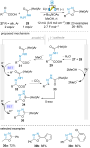
Graphical Abstract
Scheme 1: Representative nitrile-containing functional materials, drug carriers, and medicines.
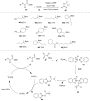
Scheme 2: Activating protocol of cyclobutanone oximes.
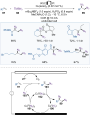
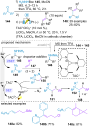
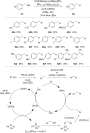
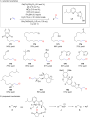
Scheme 3: Substrate scope of δ-olefin-containing aliphatic nitriles. Reaction conditions: A mixture of cyclob...
Scheme 4: Competition between two reactions caused by the reduction of base equivalent.
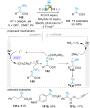
Scheme 5: Mechanistic investigations.
Scheme 6: A proposed plausible mechanism.