


Search results
Search for "coordination" in Full Text gives 643 result(s) in Beilstein Journal of Organic Chemistry. Showing first 200.
Beyond symmetric self-assembly and effective molarity: unlocking functional enzyme mimics with robust organic cages
- Keith G. Andrews
Beilstein J. Org. Chem. 2025, 21, 421–443, doi:10.3762/bjoc.21.30
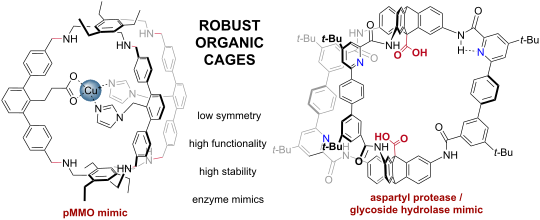
- proximal electrostatic potential, even when the charges are flexibly arranged, remote, and solvated in water. Metal-organic cages The exploration of metal-organic cages (MOCs), also known as supramolecular coordination cages (SCCs), as catalysts is thriving [22][36][138][139][140][141]. The reversible bond
- typically not possible for imine [314] or metal-coordination cages [156][202][365]. Further, the robust amide cages could withstand harsh conditions such as ester hydrolysis, allowing access to the key acid-functionalized cages [38] that mimic aspartyl proteases and glycoside hydrolases. Otte has employed
- between a simple, highly symmetrical, often hydrophobic pocket of a typical coordination cage host system and the complex, highly unsymmetrical and largely polar environment of an enzyme active site is a moot point… [since]… the mechanisms which an enzyme utilizes to accelerate chemical reactions are in

Graphical Abstract

Figure 1: Catalytic rate enhancements from a reduction in the Gibbs free energy transition barrier can be fra...

Figure 2: Typical catalysis modes using macrocycle cavities performing (non-specific) hydrophobic substrate b...
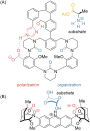
Figure 3: (A) Cram’s serine protease model system [87,88]. The macrocycle showed strong substrate binding (organizat...

Figure 4: (A) Self-assembling capsules can perform hydrophobic catalysis [116,117]. (B) Resorcin[4]arene building bloc...

Figure 5: (A) Metal-organic cages and key modes in catalysis. (B) Charged metals or ligands can result in +/−...

Figure 6: (A) Frameworks (MOFs, COFs) can be catalysts. (B) Example of a 2D-COF, assembled by dynamic covalen...

Figure 7: (A) Examples of dynamic covalent chemistry used to synthesize organic cages. (B) Organic cages are ...
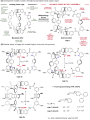
Figure 8: (A) Design and development of soluble, functionalized, robust organic cages. (B) Examples of modula...
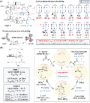
Figure 9: (A) There are 13 metastable conformers (symmetry-corrected) for cage 1 due to permutations of amide...
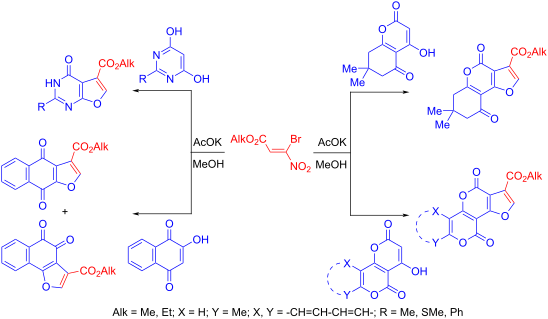
Synthesis of new condensed naphthoquinone, pyran and pyrimidine furancarboxylates
- Kirill A. Gomonov,
- Vasilii V. Pelipko,
- Igor A. Litvinov,
- Ilya A. Pilipenko,
- Anna M. Stepanova,
- Nikolai A. Lapatin,
- Ruslan I. Baichurin and
- Sergei V. Makarenko
Beilstein J. Org. Chem. 2025, 21, 340–347, doi:10.3762/bjoc.21.24
- compounds 5a, 5b, 6b, 6c, and 7a. Acknowledgements The physicochemical studies were performed on the equipment of Center for Collective Use ''Physical and chemical methods for the study of nitro compounds, coordination, biologically active substances and nanostructured materials'' at the Interdisciplinary

Graphical Abstract

Scheme 1: Approaches to the synthesis of naphtho[2,3-b]furan-4,9-diones.

Scheme 2: Approaches to the synthesis of furo[2,3-d]pyrimidin-4(3H)-ones.

Scheme 3: Approaches to the synthesis of furan-containing pyranopyrans and pyranochromenes.

Scheme 4: Reaction of alkyl 3-bromo-3-nitroacrylates 1a,b with 2-hydroxynaphthalene-1,4-dione (2a).

Scheme 5: Reaction of alkyl 3-bromo-3-nitroacrylates 1a,b with 4-hydroxy-7,7-dimethyl-7,8-dihydro-2H-1-benzop...

Scheme 6: Reaction of alkyl 3-bromo-3-nitroacrylates 1a,b with 4-hydroxy-7-methyl-2H,5H-pyrano[4,3-b]pyran-2,...

Scheme 7: Reaction of alkyl 3-bromo-3-nitroacrylates 1a,b with pyrimidine-4,6-diols 2e–g.
Red light excitation: illuminating photocatalysis in a new spectrum
- Lucas Fortier,
- Corentin Lefebvre and
- Norbert Hoffmann
Beilstein J. Org. Chem. 2025, 21, 296–326, doi:10.3762/bjoc.21.22

- %. Beyond their coordination with transition metals, phthalocyanin ligands also exhibit remarkable photoreactivity in supporting non-metallic central elements. Recent work by Amara et al. highlights the efficiency of silicon-based phthalocyanin complexes in red-light-driven photooxidation processes, marking

Graphical Abstract
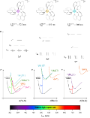
Figure 1: Influence of the metal center M (Fe, Ru, Os) on the position of the MLCT and MC (metal-centered) ab...

Scheme 1: Red-light-mediated ring-closing metathesis through activation of a ruthenium catalyst by an osmium ...

Scheme 2: Photocatalyzed polymerization of dicylopentadiene mediated with red or blue light.

Figure 2: Comparison between [Ru(bpy)3]2+ and [Os(tpy)2]2+ in a photocatalyzed trifluoromethylation reaction:...

Scheme 3: Red-light photocatalyzed C–N cross-coupling reaction by T. Rovis et al. (SET = single-electron tran...

Figure 3: Red-light-mediated aryl oxidative addition with a bismuthinidene complex.

Scheme 4: Red-light-mediated reduction of aryl derivatives by O. S. Wenger et al. (PC = photocatalyst, anh = ...
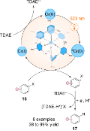
Scheme 5: Red-light-mediated aryl halides reduction with an isoelectronic chromium complex (TDAE = tetrakis(d...

Scheme 6: Red-light-photocatalyzed trifluoromethylation of styrene derivatives with Umemoto’s reagent and a p...
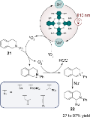
Scheme 7: Red-light-mediated energy transfer for the cross-dehydrogenative coupling of N-phenyltetrahydroisoq...
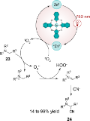
Scheme 8: Red-light-mediated oxidative cyanation of tertiary amines with a phthalocyanin zinc complex.

Scheme 9: Formation of dialins and tetralins via a red-light-photocatalyzed reductive decarboxylation mediate...
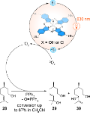
Scheme 10: Oxidation of β-citronellol (28) via energy transfer mediated by a red-light activable silicon phtha...

Scheme 11: Formation of alcohol derivatives 32 from boron compounds 31 using chlorophyll (chl) as a red-light-...

Scheme 12: Red-light-driven reductive dehalogenation of α-halo ketones mediated by a thiaporphyrin photocataly...

Figure 4: Photoinduced electron transfer-reversible addition-fragmentation chain transfer polymerization medi...
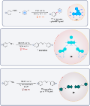
Figure 5: Recent examples of red-light-mediated photocatalytic reactions with traditional organic dyes.

Figure 6: Squaraine photocatalysts used by Goddard et al. and aza-Henry reaction with squaraine-based photoca...

Figure 7: Reactions described by Goddard et al. involving 40 as the photocatalyst.

Figure 8: Various structures of squaraine derivatives used to initiate photopolymerizations.
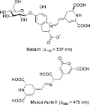
Figure 9: Naturally occurring cyanins.

Figure 10: Influence of the structure on the photophysical properties of a cyanin dye.

Figure 11: NIR-light-mediated aza-Henry reaction photocatalyzed by 46.

Scheme 13: Photocatalyzed arylboronic acids oxidation by 46.
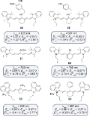
Figure 12: Cyanin structures synthetized and characterized by Goddard et al. (redox potentials given against s...
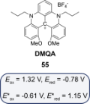
Figure 13: N,N′-Di-n-propyl-1,13-dimethoxyquinacridinium (55) with its redox potentials at its ground state an...
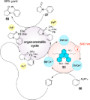
Scheme 14: Dual catalyzed C(sp2)–H arylation of 57 using DMQA 55 as the red-light-absorbing photocatalyst.

Scheme 15: Red-light-mediated aerobic oxidation of arylboronic acids 59 into phenols 60 via the use of DMQA as...

Figure 14: Red-light-photocatalyzed reactions proposed by Gianetti et al. using DMQA as the photocatalyst.

Scheme 16: Simultaneous release of NO and production of superoxide (O2•−) and their combination yielding the p...
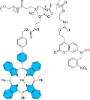
Figure 15: Palladium porphyrin complex as the photoredox catalyst and the NO releasing substrate are linked in...

Scheme 17: Uncaging of compound 69 which is a microtubule depolymerizing agent using near IR irradiation. The ...

Scheme 18: Photochemical uncaging of drugs protected with a phenylboronic acid derivative using near IR irradi...

Scheme 19: Photoredox catalytical generation of aminyl radicals with near IR irradiation for the transfer of b...

Scheme 20: Photoredox catalytical fluoroalkylation of tryptophan moieties.

Figure 16: Simultaneous absorption of two photons of infrared light of low energy enables electronic excitatio...

Scheme 21: Uncaging Ca2+ ions using two-photon excitation with near infrared light.
Dioxazolones as electrophilic amide sources in copper-catalyzed and -mediated transformations
- Seungmin Lee,
- Minsuk Kim,
- Hyewon Han and
- Jongwoo Son
Beilstein J. Org. Chem. 2025, 21, 200–216, doi:10.3762/bjoc.21.12
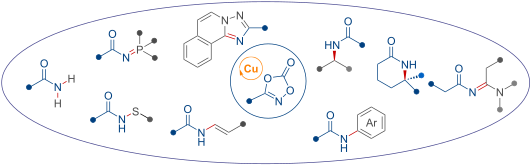
- depicted in Figure 2. The reaction is initiated by formation of the five-membered copper-containing intermediate INT-5 through coordination of Cu(OAc)2 with the N-iminoquinolinium ylide species 5. This process is followed by decarboxylative N–O bond insertion into 4, yielding the N-acyl copper(III
- slightly diminished reactivity (23c and 23d). In addition, poor reactivity was observed with dioxazolones bearing thiophene, implying that the undesired coordination of sulfur to copper reduces the reactivity (23e). Despite the reduced reactivity, excellent enantioselectivity was still maintained. Moreover

Graphical Abstract

Scheme 1: Formation of isocyanates and amidated arenes from dioxazolones.

Scheme 2: Copper-catalyzed synthesis of δ-lactams via open-shell copper nitrenoid transfer. aCuBr (10 mol %) ...

Figure 1: Proposed reaction pathway for the copper-catalyzed synthesis of δ-lactams from dioxazolones.

Scheme 3: Copper(II)-catalyzed synthesis of 1,2,4-triazole derivatives.

Figure 2: Proposed reaction mechanism for the copper-catalyzed synthesis of 1,2,4-triazole analogues from dio...

Scheme 4: Copper(I)-catalyzed synthesis of N-acyl amidines from dioxazolones, acetylenes, and amines. aPerfor...

Figure 3: Proposed reaction mechanism for the copper(I)-catalyzed synthesis of N-acyl amidines.

Scheme 5: Preparation of N-arylamides from dioxazolones and boronic acids using a copper salt.

Figure 4: Proposed reaction pathway for the copper-mediated synthesis of N-arylamides from dioxazolones.

Scheme 6: Copper-catalyzed preparation of N-acyl iminophosphoranes from dioxazolones.

Figure 5: Proposed reaction pathway for the copper-catalyzed synthesis of N-acyl iminophosphoranes from dioxa...

Scheme 7: Copper-catalyzed synthesis of N-acyl sulfenamides. a1.0 equiv of 18 and 2.0 equiv of 19 were used. b...

Figure 6: Proposed reaction mechanism for the copper-catalyzed S-amidation of thiols.

Scheme 8: Copper-catalyzed asymmetric hydroamidation of vinylarenes. a4 mol % + 2 mol % catalyst was used. b4...

Figure 7: Proposed reaction mechanism for the copper-catalyzed hydroamidation of vinylarenes.

Scheme 9: Copper-catalyzed anti-Markovnikov hydroamidation of alkynes.

Figure 8: Proposed reaction mechanism for the copper-catalyzed amidation of alkynes.

Scheme 10: Copper-catalyzed preparation of primary amides through N–O bond reduction using reducing agent.

Figure 9: Proposed catalytic cycle for the copper-catalyzed reduction of dioxazolones.
Hydrogen-bonded macrocycle-mediated dimerization for orthogonal supramolecular polymerization
- Wentao Yu,
- Zhiyao Yang,
- Chengkan Yu,
- Xiaowei Li and
- Lihua Yuan
Beilstein J. Org. Chem. 2025, 21, 179–188, doi:10.3762/bjoc.21.10
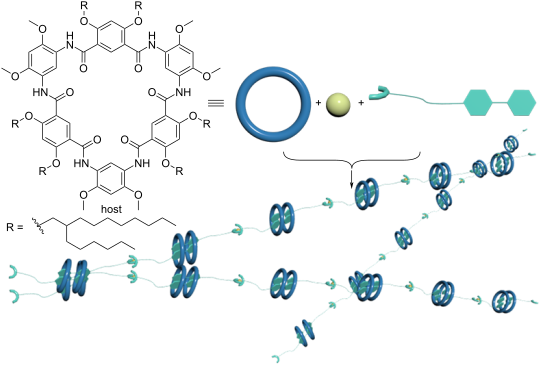
- cooperative intermolecular forces. Zinc ion-induced coordination with the macrocycle and a terpyridinium derivative enabled orthogonal polymerization, as revealed by 1H NMR, DLS, and TEM techniques. In addition, viscosity measurements showed a transition from oligomers to polymers at the critical
- ., metal coordination interactions and hydrogen bonding), providing access to various multiresponsive orthogonal self-assemblies or smart supramolecular polymers [24][25]. For example, the discovery of cucurbit[8]uril complexation in a 1:2 and 2:2 host–guest stoichiometry leads to a wide spectrum of
- coordinating metal ions. In such supramolecular polymers, orthogonal host–guest and coordination interactions are responsible for polymerization. Host–guest complexation and zinc coordination When forming supramolecular polymers, an AB-type monomer, i.e., the guest G2, is supposed to interact with the

Graphical Abstract
Scheme 1: a) Chemical structures of H-bonded macrocycles H1, H2, and guest G1, and schematic representation o...

Figure 1: ESIMS spectrum of an equimolar mixture of G1 and H1 in CHCl3/CH3CN (1:1, v/v), including calculated...

Figure 2: Stacked 1H NMR spectra (CDCl3/CD3CN 1:1, v/v, 400 MHz, 298 K) of G1 upon addition of different equi...

Figure 3: Single-crystal X-ray structure of the complex H2 ⊃ G1. a) Dimeric structure formed by cyclo[6]arami...

Figure 4: Stacked 1H NMR spectra (CDCl3/CD3CN 1:1, v/v, 400 MHz, 298 K) of G2 upon addition of different equi...

Figure 5: TEM images of a solution of H1, G2, and Zn(ClO4)2 at different concentrations (CHCl3/CH3CN 1:1, v/v...

Figure 6: Stacked 1H NMR spectra (CDCl3/CD3CN 1:1, v/v, 400 MHz, 298 K) of G2 and Zn2+ upon addition of diffe...

Figure 7: Specific viscosity of the linear supramolecular polymer in CHCl3/CH3CN (1:1, v/v, 298 K) at variabl...

Figure 8: Variable-concentration 1H NMR spectra of the supramolecular polymer: (a) 2.0 mM, (b) 4.0 mM, (c) 6....
Recent advances in electrochemical copper catalysis for modern organic synthesis
- Yemin Kim and
- Won Jun Jang
Beilstein J. Org. Chem. 2025, 21, 155–178, doi:10.3762/bjoc.21.9

- of analogous substrates demonstrates that a bidentate nitrogen structure and a free N–H group are essential for this transformation. The catalytic cycle begins with the coordination of 8-aminoquinoline 71 to Cu(II) catalyst 74, providing an arylcopper complex 76 (Figure 13). This is followed by a
- enantioselectivity is the introduction of serine-derived bisoxazoline ligands L8 (sBOX). Upon coordination with a copper catalyst, these ligands present second-sphere ester groups, which facilitate the additional stabilization of noncovalent interactions at the penta-coordinated Cu(III) intermediate 82 in the

Graphical Abstract

Figure 1: General mechanisms of traditional and radical-mediated cross-coupling reactions.

Figure 2: Types of electrocatalysis (using anodic oxidation).

Figure 3: Recent developments and features of electrochemical copper catalysis.

Figure 4: Scheme and proposed mechanism for Cu-catalyzed alkynylation and annulation of benzamide.
Figure 5: Scheme and proposed mechanism for Cu-catalyzed asymmetric C–H alkynylation.

Figure 6: Scheme for Cu/TEMPO-catalyzed C–H alkenylation of THIQs.
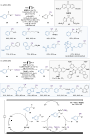
Figure 7: Scheme and proposed mechanism for Cu-catalyzed electrophotochemical enantioselective cyanation of b...
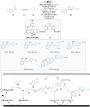
Figure 8: Scheme and proposed mechanism for Cu-catalyzed electrophotochemical asymmetric heteroarylcyanation ...
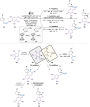
Figure 9: Scheme and proposed mechanism for Cu-catalyzed enantioselective regiodivergent cross-dehydrogenativ...
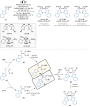
Figure 10: Scheme and proposed mechanism for Cu/Ni-catalyzed stereodivergent homocoupling of benzoxazolyl acet...
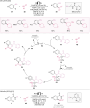
Figure 11: Scheme and proposed mechanism for Cu-catalyzed electrochemical amination.

Figure 12: Scheme and proposed mechanism for Cu-catalyzed electrochemical azidation of N-arylenamines and annu...
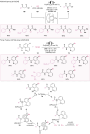
Figure 13: Scheme and proposed mechanism for Cu-catalyzed electrochemical halogenation.

Figure 14: Scheme and proposed mechanism for Cu-catalyzed asymmetric cyanophosphinoylation of vinylarenes.

Figure 15: Scheme and proposed mechanism for Cu/Co dual-catalyzed asymmetric hydrocyanation of alkenes.
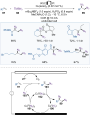
Figure 16: Scheme and proposed mechanism for Cu-catalyzed electrochemical diazidation of olefins.

Figure 17: Scheme and proposed mechanism for Cu-catalyzed electrochemical azidocyanation of alkenes.

Figure 18: Scheme and proposed mechanism for Cu-catalyzed electrophotochemical asymmetric decarboxylative cyan...
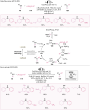
Figure 19: Scheme and proposed mechanism for electrocatalytic Chan–Lam coupling.
Cu(OTf)2-catalyzed multicomponent reactions
- Sara Colombo,
- Camilla Loro,
- Egle M. Beccalli,
- Gianluigi Broggini and
- Marta Papis
Beilstein J. Org. Chem. 2025, 21, 122–145, doi:10.3762/bjoc.21.7

- dual activity as a metal catalyst as well as a Lewis acid [8][9][10][11]. However, in many cases, the role of copper is not clear and both activities often work synergistically. In all other cases, copper’s activity is due to the coordination/complexation with unsaturated systems, but it is rarely
- begins with a nucleophilic attack of hydrazine on the aldehyde, activated by the copper salt, to give the corresponding hydrazone XXVIII. Subsequently, the formation of a Mannich-type intermediate XXIX was hypothesized by interaction between the hydrazone and the alkene mediated by Cu(OTf)2 coordination
- , which favors the approach of the reaction centers. It is again a metal coordination that activates the C–C double bond towards an intramolecular reaction to give the tetrahydropyrazole XXX via formation of a C–N bond. The final oxidation in air gives the 4,5-dihydropyrazole 31. Cu(OTf)2 is also capable

Graphical Abstract

Figure 1: Plausible general catalytic activation for ionic or radical mechanisms.

Scheme 1: Synthesis of α-aminonitriles 1.

Scheme 2: Synthesis of β-amino ketone or β-amino ester derivatives 3.

Scheme 3: Synthesis of 1-(α-aminoalkyl)-2-naphthol derivatives 4.

Scheme 4: Synthesis of thioaminals 5.

Scheme 5: Synthesis of aryl- or amine-containing alkanes 6 and 7.
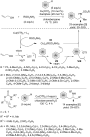
Scheme 6: Synthesis of 1-aryl-2-sulfonamidopropanes 8.

Scheme 7: Synthesis of α-substituted propargylamines 10.

Scheme 8: Synthesis of N-propargylcarbamates 11.

Scheme 9: Synthesis of (E)-vinyl sulfones 12.

Scheme 10: Synthesis of o-halo-substituted aryl chalcogenides 13.

Scheme 11: Synthesis of α-aminophosphonates 14.

Scheme 12: Synthesis of unsaturated furanones and pyranones 15–17.
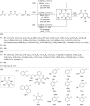
Scheme 13: Synthesis of substituted dihydropyrimidines 18.

Scheme 14: Regioselective synthesis of 1,4-dihydropyridines 20.

Scheme 15: Synthesis of tetrahydropyridines 21.

Scheme 16: Synthesis of furoquinoxalines 22.

Scheme 17: Synthesis of 2,4-substituted quinolines 23.

Scheme 18: Synthesis of cyclic ether-fused tetrahydroquinolines 24.

Scheme 19: Practical route for 1,2-dihydroisoquinolines 25.

Scheme 20: Synthesis of 2,3-dihydroquinazolin-4(1H)-one derivatives 26.

Scheme 21: Synthesis of polysubstituted pyrroles 27.

Scheme 22: Enantioselective synthesis of polysubstituted pyrrolidines 30 directed by the copper complex 29.

Scheme 23: Synthesis of 4,5-dihydropyrazoles 31.

Scheme 24: Synthesis of 2 arylisoindolinones 32.

Scheme 25: Synthesis of imidazo[1,2-a]pyridines 33.

Scheme 26: Synthesis of isoxazole-linked imidazo[1,2-a]azines 35.

Scheme 27: Synthesis of 2,3-dihydro-1,2,4-triazoles 36.

Scheme 28: Synthesis of naphthopyrans 37.

Scheme 29: Synthesis of benzo[g]chromene derivatives 38.

Scheme 30: Synthesis of naphthalene annulated 2-aminothiazoles 39, piperazinyl-thiazoloquinolines 40 and thiaz...

Scheme 31: Synthesis of furo[3,4-b]pyrazolo[4,3-f]quinolinones 42.

Scheme 32: Synthesis of spiroindoline-3,4’-pyrano[3,2-b]pyran-4-ones 43.

Scheme 33: Synthesis of N-(α-alkoxy)alkyl-1,2,3-triazoles 44.

Scheme 34: Synthesis of 4-(α-tetrasubstituted)alkyl-1,2,3-triazoles 45.
Synthesis of acenaphthylene-fused heteroarenes and polyoxygenated benzo[j]fluoranthenes via a Pd-catalyzed Suzuki–Miyaura/C–H arylation cascade
- Merve Yence,
- Dilgam Ahmadli,
- Damla Surmeli,
- Umut Mert Karacaoğlu,
- Sujit Pal and
- Yunus Emre Türkmen
Beilstein J. Org. Chem. 2024, 20, 3290–3298, doi:10.3762/bjoc.20.273
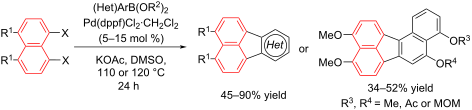
- from certain plant species (Figure 1) [12]. The acenaphthylene-fused thiophene-based heteroarene 3 is another heterocyclic fluoranthene analogue, which was used as an organic semiconductor in transistors [13]. The synthesis and coordination complexes of the acenaphthylene-fused N-heterocyclic (NHC

Graphical Abstract

Figure 1: Examples of important azafluoranthene and benzo[j]fluoranthene natural products, and acenaphthylene...

Scheme 1: Selected synthetic strategies towards heterocyclic fluoranthene analogues, and our approach.

Scheme 2: Synthesis of benzo[j]fluoranthene 18.

Scheme 3: Synthesis of benzo[j]fluoranthene 23.

Scheme 4: Synthesis of benzo[j]fluoranthene 28.
Hypervalent iodine-mediated intramolecular alkene halocyclisation
- Charu Bansal,
- Oliver Ruggles,
- Albert C. Rowett and
- Alastair J. J. Lennox
Beilstein J. Org. Chem. 2024, 20, 3113–3133, doi:10.3762/bjoc.20.258
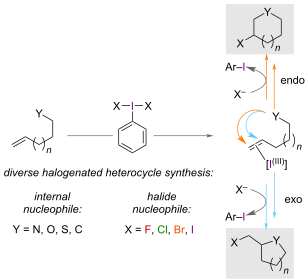
- firstly through the coordination of an alkene by the HVI reagent, which activates it toward intramolecular attack by an internal nucleophile. Following this, substitution of the iodane(III) can occur from the nucleophilic halide in solution to reveal the halo-cyclised product (Figure 2). In this review
- ) whereby AgBF4 first activates the fluoroiodane 12 for alkene coordination. Intramolecular nucleophilic attack of oxygen on the more substituted carbon forms the cyclised intermediate A and eliminates fluoride. Phenonium intermediate B is formed with elimination of the iodoarene and subsequent attack of
- activated after coordination to PhI(OAc)2, then intramolecular nucleophilic attack from oxygen and nucleophilic attack by bromide forms the final product. NMR studies of PIDA and the substrate indicated that there was no interaction between them, thereby discounting this second pathway and thereby providing

Graphical Abstract

Figure 1: Example bioactive compounds containing cyclic scaffolds potentially accessible by HVI chemistry.

Figure 2: A general mechanism for HVI-mediated endo- or exo-halocyclisation.

Scheme 1: Metal-free synthesis of β-fluorinated piperidines 6. Ts = tosyl.

Scheme 2: Intramolecular aminofluorination of unactivated alkenes with a palladium catalyst.

Scheme 3: Aminofluorination of alkenes in the synthesis of enantiomerically pure β-fluorinated piperidines. P...

Scheme 4: Synthesis of β-fluorinated piperidines.

Scheme 5: Intramolecular fluoroaminations of unsaturated amines published by Li.

Scheme 6: Intramolecular aminofluorination of unsaturated amines using 1-fluoro-3,3-dimethylbenziodoxole (12)...
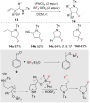
Scheme 7: 3-fluoropyrrolidine synthesis. aDiastereomeric ratio (cis/trans) determined by 19F NMR analysis.

Scheme 8: Kitamura’s synthesis of 3-fluoropyrrolidines. Values in parentheses represent the cis:trans ratio.
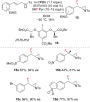
Scheme 9: Jacobsen’s enantio- and diastereoselective protocol for the synthesis of syn-β-fluoroaziridines 15.
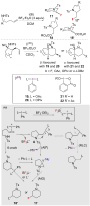
Scheme 10: Different HVI reagents lead to different diastereoselectivity in aminofluorination competing with c...
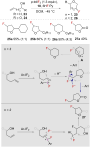
Scheme 11: Fluorocyclisation of unsaturated alcohols and carboxylic acids to make tetrahydrofurans, fluorometh...

Scheme 12: Oxyfluorination of unsaturated alcohols.
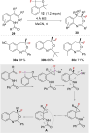
Scheme 13: Synthesis and mechanism of fluoro-benzoxazepines.
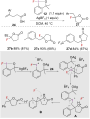
Scheme 14: Intramolecular fluorocyclisation of unsaturated carboxylic acids. Yield of isolated product within ...

Scheme 15: Synthesis of fluorinated tetrahydrofurans and butyrolactone.

Scheme 16: Synthesis of fluorinated oxazolines 32. aReaction time increased to 40 hours. Yields refer to isola...
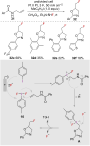
Scheme 17: Electrochemical synthesis of fluorinated oxazolines.

Scheme 18: Electrochemical synthesis of chromanes.

Scheme 19: Synthesis of fluorinated oxazepanes.
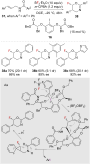
Scheme 20: Enantioselective oxy-fluorination with a chiral aryliodide catayst.
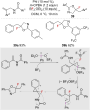
Scheme 21: Catalytic synthesis of 5‑fluoro-2-aryloxazolines using BF3·Et2O as a source of fluoride and an acti...

Scheme 22: Intramolecular carbofluorination of alkenes.

Scheme 23: Intramolecular chlorocyclisation of unsaturated amines.
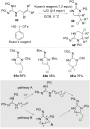
Scheme 24: Synthesis of chlorinated cyclic guanidines 44.
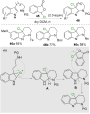
Scheme 25: Synthesis of chlorinated pyrido[2,3-b]indoles 46.

Scheme 26: Chlorolactonization and chloroetherification reactions.
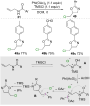
Scheme 27: Proposed mechanism for the synthesis of chloromethyl oxazolines 49.

Scheme 28: Oxychlorination to form oxazine and oxazoline heterocycles promoted by BCl3.

Scheme 29: Aminobromocyclisation of homoallylic sulfonamides 53. The cis:trans ratios based on the 1H NMR of t...
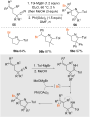
Scheme 30: Synthesis of cyclic imines 45.

Scheme 31: Synthesis of brominated pyrrolo[2,3-b]indoles 59.

Scheme 32: Bromoamidation of alkenes.

Scheme 33: Synthesis of brominated cyclic guanidines 61 and 61’.
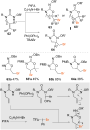
Scheme 34: Intramolecular bromocyclisation of N-oxyureas.
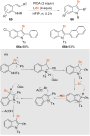
Scheme 35: The formation of 3-bromoindoles.

Scheme 36: Bromolactonisation of unsaturated acids 68.

Scheme 37: Synthesis of 5-bromomethyl-2-oxazolines.
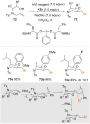
Scheme 38: Synthesis of brominated chiral morpholines.
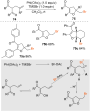
Scheme 39: Bromoenolcyclisation of unsaturated dicarbonyl groups.

Scheme 40: Brominated oxazines and oxazolines with BBr3.

Scheme 41: Synthesis of 5-bromomethtyl-2-phenylthiazoline.

Scheme 42: Intramolecular iodoamination of unsaturated amines.

Scheme 43: Formation of 3-iodoindoles.

Scheme 44: Iodoetherification of 2,2-diphenyl-4-penten-1-carboxylic acid (47’) and 2,2-diphenyl-4-penten-1-ol (...

Scheme 45: Synthesis of 5-iodomethyl-2-oxazolines.

Scheme 46: Synthesis of chiral iodinated morpholines. aFrom the ʟ-form of the amino acid starting material. Th...

Scheme 47: Iodoenolcyclisation of unsaturated dicarbonyl compounds 74.

Scheme 48: Synthesis of 5-iodomethtyl-2-phenylthiazoline (87).
Advances in the use of metal-free tetrapyrrolic macrocycles as catalysts
- Mandeep K. Chahal
Beilstein J. Org. Chem. 2024, 20, 3085–3112, doi:10.3762/bjoc.20.257
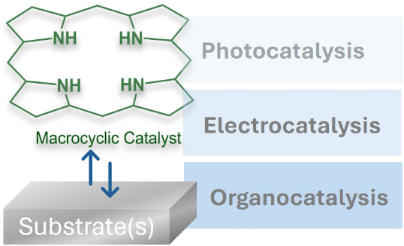
- batteries, due to the ease of their structural modification, rich redox chemistry, and robust coordination M–N4 environment [100][101][102][103][104][105]. The key processes employed in energy transfer and storage are the oxygen reduction reaction (ORR), hydrogen evolution reaction (HER), and oxygen

Graphical Abstract

Figure 1: Chemical structures of the main tetrapyrrolic macrocycles studied in this review for their role as ...

Figure 2: Calix[4]pyrroles 3 and 4 and an their acyclic analogue 5 used for the transformation of Danishefsky...

Figure 3: Calixpyrrole-based organocatalysts 11 and 12 for the diastereoselective addition reaction of TMSOF ...

Figure 4: (a) Chemical structures of macrocyclic organocatalysts used for the synthesis of cyclic carbonates ...

Figure 5: Cuprous chloride-catalyzed aziridination of styrene (22) by chloramine-T (23) providing 1-tosyl-2-p...

Figure 6: Chemical structures of the various porphyrin macrocycles (18, 25–41) screened as potential catalyst...

Figure 7: Organocatalytic activity of distorted porphyrins explored by Senge and co-workers. Planar macrocycl...

Figure 8: Chemical structures of H2EtxTPP (x = 0, 2, 4, 6, 8) compounds with incrementally increasing nonplan...

Figure 9: Chemical structures of OxP macrocycles tested as potential organocatalysts for the conjugate additi...

Figure 10: a) Fundamental structure of the J-aggregates of diprotonated TPPS3 53 and b) its use as a catalyst ...

Figure 11: Chemical structures of amphiphilic porphyrin macrocycles used as pH-switchable catalysts based on i...

Figure 12: a) Chemical structures of porphyrin macrocycles for the cycloaddition of CO2 to N-alkyl/arylaziridi...

Figure 13: Electron and energy-transfer processes typical for excited porphyrin molecules (Por = porphyrin mac...

Figure 14: Proposed mechanism for the light-induced α-alkylation of aldehydes with EDA in the presence of H2TP...

Figure 15: a) Chemical structures of porphyrins screened as photoredox catalysts, b) model reaction of furan (...

Figure 16: Porphyrin macrocycles H2TPP (18) and PPIX 78 as photoreductants for the red light-induced C–H aryla...

Figure 17: Porphyrin macrocycles H2TPP (18) and PPIX 78 as photoredox catalyst for (a) α-alkylation of an alde...

Figure 18: Corrole macrocycles 98–100 as photoredox catalysts for C–H arylation and borylation reactions. Adap...

Figure 19: Proposed catalytic cycle of electrocatalytic generation of H2 evolution using tetrapyrrolic macrocy...

Figure 20: a) Chemical structures of tetrapyrrolic macrocycles 109, 73, and 110 used for oxygen reductions in ...

Figure 21: a) Absorption spectra (left) of the air-saturated DCE solutions containing: 5 × 10⁻⁵ M H2TPP (black...

Figure 22: Chemical structures of N,N’-dimethylated saddle-distorted porphyrin isomers, syn-Me2P 111 and anti-...

Figure 23: Reaction mechanisms for the two-electron reduction of O2 by a) syn-Me2Iph 113 and b) anti-Me2Iph 114...

Figure 24: O2/H2O2 interconversion using methylated saddle-distorted porphyrin and isophlorin (reduced porphyr...

Figure 25: Chemical structures of distorted dodecaphenylporphyrin macrocycle 117 and its diprotonated form 118...
Cyclodextrin-based rotaxanes for polymer materials: challenge on simultaneous realization of inexpensive production and defined structures
- Yosuke Akae
Beilstein J. Org. Chem. 2024, 20, 3026–3049, doi:10.3762/bjoc.20.252
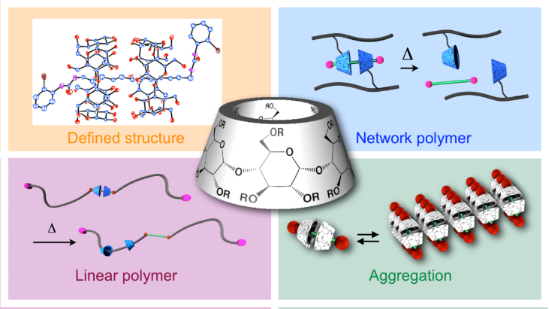
- such stimuli. When the rotaxane motif contains cyclophane or a crown ether, stimuli induced by a transition metal or an electrostatic interaction have been widely used. These interactions are easily controlled, and they induce relatively strong coordination interactions among the components, making

Graphical Abstract

Figure 1: Overview of the CD-based rotaxane as a polymer material covered in this review.

Figure 2: CD structure.

Figure 3: Typical pathway for synthesizing CD-based rotaxanes.

Scheme 1: (A) Synthesis of α-CD-based [2]rotaxane via a metal–ligand complex. (B) Chemical structures of meth...

Scheme 2: Synthesis of α-CD-based polyrotaxane.

Scheme 3: Facile [3]rotaxane synthesis by the urea end-capping method.

Figure 4: (A) Single-crystal structure of α-CD-based [3]rotaxane 3 and PMα-CD-based [3]rotaxane 4. (B) Schema...
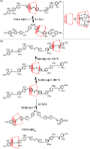
Figure 5: Structural control of CD-based [2]rotaxane via (A) light irradiation and (B) light irradiation and ...

Figure 6: Relationship among the plus–minus signs of ICD, the position of the guest molecule, and the axis of...

Figure 7: Structural control of CD-based rotaxane via (A) redox reaction and (B) in a solvent.
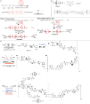
Scheme 4: (A) Synthesis of pseudopolyrotaxane bearing an ABA triblock copolymer as an axle. (B) Two synthetic...

Scheme 5: Slippage of size-complementary rotaxanes.

Figure 8: (A) Reversible formation of the CD-based [2]rotaxane. (B) Deslipping reaction of the CD-based size-...

Figure 9: (A) Chemical structures of [3]rotaxanes 2 and 3. (B) Schematic of the deslipping reaction of [3]rot...

Figure 10: (A) Modification of the axle ends of [3]rotaxane by (1) bromination and (2) the Suzuki coupling rea...

Figure 11: (A) ICD spectra of [3]rotaxanes bearing acylated (top) and conventional (bottom) CDs. (B) Schematic...

Figure 12: Synthesis of macromolecular[3]rotaxane via a size-complementary protocol.

Figure 13: Conjugated polymer insulated by (A) β-CD. (B) Triphenylamine-substituted β-CD.

Figure 14: Synthesis of the VSC and successive rotaxane-crosslinked polymer (RCP) preparation.

Figure 15: (A) Chemical structure of the [3]rotaxane crosslinker (RC). (B) Schematic of the synthesis and de-c...

Figure 16: (A) Random vinylation of the CD-based [3]rotaxane; (B) Schematic of the reaction between α-CD and m...

Figure 17: (A) Aggregation of CD-based [3]rotaxane. (B) Schematic of the plausible mechanism of the aggregatio...
Tailored charge-neutral self-assembled L2Zn2 container for taming oxalate
- David Ocklenburg and
- David Van Craen
Beilstein J. Org. Chem. 2024, 20, 3007–3015, doi:10.3762/bjoc.20.250
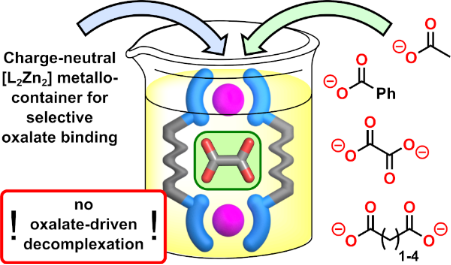
- positively charged or charge-neutral, is their metal-driven self-assembly. Unfortunately, this can also be their Achilles' heel, as the underlying coordination bonds are fragile compared to covalent bonds. For example, metallocages can easily break apart by the addition of competitive anions which are highly
- ligand resulted in no clean formation of a charge-neutral metallocontainer with zinc(II) acetate. We believe that the modification with benzoyl chloride does not only alter the solubility but also shields the secondary amine which might act as additional coordination site. Binding of monocarboxylate
- ] receptor because the modification seems to decrease the zinc–zinc distance and the cavity size substantially enough to prevent coordination of monocarboxylates to both zinc centers due to their sterical demand. Average binding constants of log K = 3.44 for acetate and log K = 3.33 for benzoate were

Graphical Abstract

Figure 1: a) Generally desired guest recognition by encapsulation of the analyte within self-assembled metal-...
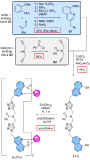
Scheme 1: Two-synthon approach for ligand preparation via CuAAC click reaction of an azide-functionalized, pr...

Figure 2: Recognition of mono- and dicarboxylates with [L2Zn2] which results in the formation of 1:1 host–gue...

Figure 3: a) Optimized structure (ωB97X‒D4 [83]/def2-SVP [84,85], implicit solvation with DMSO [86], ORCA 5.0.3 [81,82]) of [(C2)@L2...
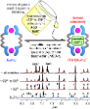
Figure 4: 1H NMR competition experiments (500 MHz, 500 µM, DMSO-d6, 25 °C) with mixtures of studied analytes ...
Recent advances in transition-metal-free arylation reactions involving hypervalent iodine salts
- Ritu Mamgain,
- Kokila Sakthivel and
- Fateh V. Singh
Beilstein J. Org. Chem. 2024, 20, 2891–2920, doi:10.3762/bjoc.20.243


Graphical Abstract

Figure 1: Various structures of iodonium salts.

Scheme 1: Αrylation of α-fluoroacetoacetamides 5 to α-aryl-α-fluoroacetoacetamides 7 and α-fluoroacetamides 8...
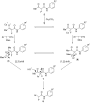
Scheme 2: Proposed mechanism for the arylation of α-fluoroacetoacetamides 5 to α-aryl-α-fluoroacetoacetamides ...

Scheme 3: α-Arylation of α-nitro- and α-cyano derivatives of α-fluoroacetamides 9 employing unsymmetrical DAI...

Scheme 4: Synthesis of α,α-difluoroketones 13 by reacting α,α-difluoro-β-keto acid esters 11 with aryl(TMP)io...

Scheme 5: Coupling reaction of arynes generated by iodonium salts 6 and arynophiles 14 for the synthesis of t...

Scheme 6: Metal-free arylation of quinoxalines 17 and quinoxalinones 19 with DAISs 16.

Scheme 7: Transition-metal-free, C–C cross-coupling of 2-naphthols 21 to 1-arylnapthalen-2-ols 22 employing d...

Scheme 8: Arylation of vinyl pinacol boronates 23 to trans-arylvinylboronates 24 in presence of hypervalent i...

Scheme 9: Light-induced selective arylation at C2 of quinoline N-oxides 25 and pyridine N-oxides 28 in the pr...

Scheme 10: Plaussible mechanism for the light-induced selective arylation of N-heterobiaryls.

Scheme 11: Photoinduced arylation of heterocycles 31 with the help of diaryliodonium salts 16 activated throug...

Scheme 12: Arylation of MBH acetates 33 with DIPEA and DAIRs 16.

Scheme 13: Aryl sulfonylation of MBH acetates 33 with DABSO and diphenyliodonium triflates 16.

Scheme 14: Synthesis of oxindoles 37 from N-arylacrylamides 36 and diaryliodonium salts 26.

Scheme 15: Mechanically induced N-arylation of amines 38 using diaryliodonium salts 16.

Scheme 16: o-Fluorinated diaryliodonium salts 40-mediated diarylation of amines 38.

Scheme 17: Proposed mechanism for the diarylation of amines 38 using o-fluorinated diaryliodonium salts 40.

Scheme 18: Ring-opening difunctionalization of aliphatic cyclic amines 41.

Scheme 19: N-Arylation of amino acid esters 44 using hypervalent iodonium salts 45.

Scheme 20: Regioselective N-arylation of triazole derivatives 47 by hypervalent iodonium salts 48.

Scheme 21: Regioselective N-arylation of tetrazole derivatives 50 by hypervalent iodonium salt 51.

Scheme 22: Selective arylation at nitrogen and oxygen of pyridin-2-ones 53 by iodonium salts 16 depending on t...

Scheme 23: N-Arylation using oxygen-bridged acyclic diaryliodonium salt 56.

Scheme 24: The successive C(sp2)–C(sp2)/O–C(sp2) bond formation of naphthols 58.

Scheme 25: Synthesis of diarylethers 62 via in situ generation of hypervalent iodine salts.

Scheme 26: O-Arylated galactosides 64 by reacting protected galactosides 63 with hypervalent iodine salts 16 i...

Scheme 27: Esterification of naproxen methyl ester 65 via formation and reaction of naproxen-containing diaryl...

Scheme 28: Etherification and esterification products 72 through gemfibrozil methyl ester-derived diaryliodoni...

Scheme 29: Synthesis of iodine containing meta-substituted biaryl ethers 74 by reacting phenols 61 and cyclic ...

Scheme 30: Plausible mechanism for the synthesis of meta-functionalized biaryl ethers 74.

Scheme 31: Intramolecular aryl migration of trifluoromethane sulfonate-substituted diaryliodonium salts 75.

Scheme 32: Synthesis of diaryl ethers 80 via site-selective aryl migration.

Scheme 33: Synthesis of O-arylated N-alkoxybenzamides 83 using aryl(trimethoxyphenyl)iodonium salts 82.

Scheme 34: Synthesis of aryl sulfides 85 from thiols 84 using diaryliodonium salts 16 in basic conditions.

Scheme 35: Base-promoted synthesis of diarylsulfoxides 87 via arylation of general sulfinates 86.

Scheme 36: Plausible mechanism for the arylation of sulfinates 86 via sulfenates A to give diaryl sulfoxides 87...

Scheme 37: S-Arylation reactions of aryl or heterocyclic thiols 88.

Scheme 38: Site-selective S-arylation reactions of cysteine thiol groups in 91 and 94 in the presence of diary...

Scheme 39: The selective S-arylation of sulfenamides 97 using diphenyliodonium salts 98.

Scheme 40: Plausible mechanism for the synthesis of sulfilimines 99.

Scheme 41: Synthesis of S-arylxanthates 102 by reacting DAIS 101 with potassium alkyl xanthates 100.

Figure 2: Structured of the 8-membered and 4-membered heterotetramer I and II.

Scheme 42: S-Arylation by diaryliodonium cations 103 using KSCN (104) as a sulfur source.

Scheme 43: S-Arylation of phosphorothioate diesters 107 through the utilization of diaryliodonium salts 108.

Scheme 44: Transfer of the aryl group from the hypervalent iodonium salt 108 to phosphorothioate diester 107.

Scheme 45: Synthesis of diarylselenides 118 via diarylation of selenocyanate 115.

Scheme 46: Light-promoted arylation of tertiary phosphines 119 to quaternary phosphonium salts 121 using diary...

Scheme 47: Arylation of aminophosphorus substrate 122 to synthesize phosphine oxides 123 using aryl(mesityl)io...

Scheme 48: Reaction of diphenyliodonium triflate (16) with DMSO (124) via thia-Sommelet–Hauser rearrangement.

Scheme 49: Synthesis of biaryl compounds 132 by reacting diaryliodonium salts 131 with arylhydroxylamines 130 ...

Scheme 50: Synthesis of substituted indazoles 134 and 135 from N-hydroxyindazoles 133.
Synthesis and antimycotic activity of new derivatives of imidazo[1,2-a]pyrimidines
- Dmitriy Yu. Vandyshev,
- Daria A. Mangusheva,
- Khidmet S. Shikhaliev,
- Kirill A. Scherbakov,
- Oleg N. Burov,
- Alexander D. Zagrebaev,
- Tatiana N. Khmelevskaya,
- Alexey S. Trenin and
- Fedor I. Zubkov
Beilstein J. Org. Chem. 2024, 20, 2806–2817, doi:10.3762/bjoc.20.236
- method of controlling fungal infections. The mechanism of inhibition of azoles and their derivatives is based on the formation of a coordination bond between their heterocyclic nitrogen atom, which carries an unshared electron pair, and the haem iron atom. The formation of this bond leads to inhibition
- compounds 4a–e and 5a–e to CYP51 and to evaluate which of these molecules could act as inhibitors of the enzyme. As mentioned above, CYP51 inhibitors contain a heterocyclic nitrogen atom that forms a coordination bond with haem iron. Therefore, only those compounds that could form such a bond according to
- fingerprints (IFP) between the docking ligands and the protein shows that, similar to the reference ligand voriconazole, the compounds interact with the protein through hydrophobic interactions with hydrophobic residues of the protein and the formation of coordination bonds with the haem iron (Table 3). At the

Graphical Abstract

Figure 1: Some biologically active compounds and organic fluorophores containing the imidazo[1,2-a]pyrimidine...

Figure 2: Existing approaches to imidazo[1,2-a]pyrimidines.

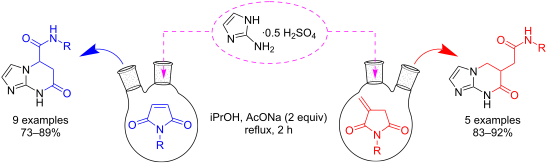
Scheme 1: Reaction of 2-aminoimidazole (1) with N-substituted maleimides (2) and N-arylitaconimides (3).

Scheme 2: Plausible synthetic routes for the interaction of N-substituted maleimides 2 with 2-aminoimidazole (...

Scheme 3: Plausible synthetic routes for the interaction of or N-arylitaconimides 3 with 2-aminoimidazole (1)....

Figure 3: Key correlations observed in the NOESY and HMBC spectra of the products 4d and 5d.

Scheme 4: Results of MEP calculations for the reaction of N-phenylmaleimide (2a) with 2-aminoimidazole (1).

Scheme 5: Results of MEP calculations for the reaction of N-phenylithaconimide (3a) with 2-aminoimidazole (1)....

Figure 4: Structures of imidazo[1,2-a]pyrimidines selected for docking and voriconazole selected for comparis...

Figure 5: (A) Position of the (S)-isomer of compound 4e in the active site of CYP51 after molecular dockinga....
C–C Coupling in sterically demanding porphyrin environments
- Liam Cribbin,
- Brendan Twamley,
- Nicolae Buga,
- John E. O’ Brien,
- Raphael Bühler,
- Roland A. Fischer and
- Mathias O. Senge
Beilstein J. Org. Chem. 2024, 20, 2784–2798, doi:10.3762/bjoc.20.234
- , even with Ni(II) metalation. There are many other methods available to achieve different desired atropisomeric ratios. These include thermal enrichment [67][68], photoracemization [69][70], axial-ligand coordination [71], precise separation techniques [50] or a combination of the procedures mentioned

Graphical Abstract

Figure 1: (A) Structures of tetrasubstituted 5,10,15,20-tetraphenylporphyrin (TPP, 1), dodecasubstituted 2,3,...

Scheme 1: Reaction scheme for the synthesis of OET-xBrPPs and subsequent Ni(II) metalation.

Figure 2: Substrates used for the investigations for the Suzuki–Miyaura coupling reactions.

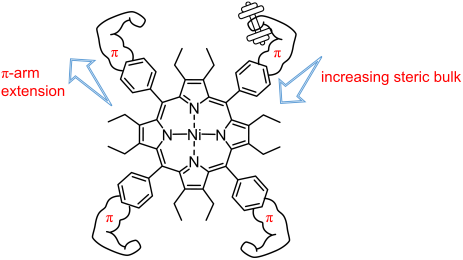
Scheme 2: Scope of arm-extended dodecasubstituted porphyrins synthesized via modification of the meso-para-ph...

Scheme 3: Scope of arm-extended dodecasubstituted porphyrins synthesized via reaction at the meso-meta-phenyl...

Scheme 4: Attempts of arm-extension of dodecasubstituted porphyrins at the meso-ortho-phenyl position.

Scheme 5: Borylation and subsequent Suzuki–Miyaura coupling of porphyrin 13.

Figure 3: View of the molecular structure of compounds 26 (top left) and 27 (top right) with atomic displacem...

Figure 4: Left: packing diagram of 27 viewed normal to the c-axis showing the channels in the lattice with th...

Figure 5: Left: view of part 0 2 in the molecular structure of the α2β2-atropisomer, 11 in the crystal, hydro...

Figure 6: Schematic representation of porphyrin 37 showing a doubly intercalated structure.
Deciphering the mechanism of γ-cyclodextrin’s hydrophobic cavity hydration: an integrated experimental and theoretical study
- Stiliyana Pereva,
- Stefan Dobrev,
- Tsveta Sarafska,
- Valya Nikolova,
- Silvia Angelova,
- Tony Spassov and
- Todor Dudev
Beilstein J. Org. Chem. 2024, 20, 2635–2643, doi:10.3762/bjoc.20.221

- -CD–nH2O (n = 2–7) constructs. Similar results had been obtained for the positioning of the first water molecule hosted by the smaller α- and β-CD counterparts [13][14]. The calculations indicate that water coordination to the narrow rim results in creating two new H-bonds between the CD host and the
- guest water molecule at the expense of destroying one hydrogen bond from the initial γ-CD structure. It should be noted that coordination of water to the wide rim (construct d) creates two new H-bonds between the CD host and the guest water molecule and one H-bond between secondary OH-groups of γ-CD
- sequential coordination of the water guests. The resulting supramolecular architecture, composed of CD and interconnected water molecules, is stabilized by hydrogen bonds between the water molecules and CDs. The pattern previously observed for α- and β-CD hydration is fully relevant for γ-CD: the hotspot of

Graphical Abstract

Figure 1: Chemical structure of γ-CD (A); M062X/6-31G(d,p) optimized conformers of nonhydrated γ-CD in two pr...

Figure 2: Schematic representation of γ-CD–nH2O complexes (where n = 1–7) with water molecules/clusters locat...

Figure 3: M062X/6-31G(d,p) optimized structures of the most stable (a/b structures from Figure 2) γ-CD–nH2O (n = 1–7)...

Figure 4: DSC curve (A) and TG analysis for γ-CD (B). Compared to our previous studies, the hydrated γ-cyclod...
Efficient modification of peroxydisulfate oxidation reactions of nitrogen-containing heterocycles 6-methyluracil and pyridine
- Alfiya R. Gimadieva,
- Yuliya Z. Khazimullina,
- Aigiza A. Gilimkhanova and
- Akhat G. Mustafin
Beilstein J. Org. Chem. 2024, 20, 2599–2607, doi:10.3762/bjoc.20.219
- ][19][20]. The catalytic activity of metallophthalocyanines originates from their planar, cyclic structure with a developed π-conjugation system. This makes the fifth and sixth coordination sites of the central metal ion available for coordination with the reactant molecules of the catalytic reaction

Graphical Abstract

Figure 1: Derivatives of 6-methyluracil and 2-hydroxypyridine demonstrating pharmacological activity: 5-hydro...

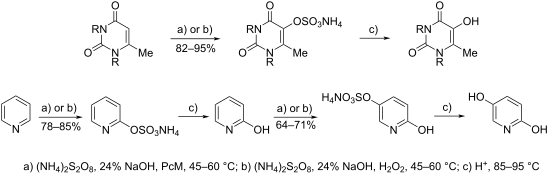
Scheme 1: Peroxydisulfate oxidation of 6-methyluracil and 1,3,6-trimethyluracil. Сonditions: a) (NH4)2S2O8, 2...

Scheme 2: Peroxydisulfate oxidation of pyridine and 2-hydroxypyridine. Сonditions: a) (NH4)2S2O8, 24% NaOH, 4...

Scheme 3: Potential mechanism of peroxydisulfate oxidation of 6-methyluracil and 1,3,6-trimethyluracil.
A review of recent advances in electrochemical and photoelectrochemical late-stage functionalization classified by anodic oxidation, cathodic reduction, and paired electrolysis
- Nian Li,
- Ruzal Sitdikov,
- Ajit Prabhakar Kale,
- Joost Steverlynck,
- Bo Li and
- Magnus Rueping
Beilstein J. Org. Chem. 2024, 20, 2500–2566, doi:10.3762/bjoc.20.214
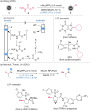
- derivative and an estrone derivative. Mechanistically, the process begins with the coordination of a chiral rhodium-based catalyst to the 2-acylimidazole substrate. Deprotonation by the base 2,6-lutidine activates the substrate for anodic oxidation by raising the level of the highest occupied molecular

Graphical Abstract

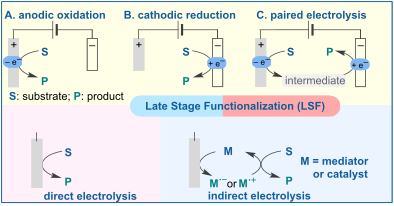
Figure 1: Classification of LSF reactions in this review.

Scheme 1: C(sp2)–H trifluoromethylation of heteroarenes.
Scheme 2: C(sp2)–H and C(sp3)–H alkylation of complex molecules.

Scheme 3: Electrochemical oxidation-induced intermolecular aromatic C–H sulfonamidation.

Scheme 4: Bioconjugation of tyrosine with (a) phenothiazine and (b) urazole derivatives.

Scheme 5: Electrochemical iodoamination of indoles using unactivated amines.

Scheme 6: Allylic C(sp3)–H aminations with sulfonamides.

Scheme 7: Electrochemical benzylic oxidation of C–H bonds.
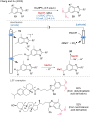
Scheme 8: Site-selective electrooxidation of methylarenes to aromatic acetals.

Scheme 9: Electrochemical activation of C–H by electron-deficient W2C nanocrystals.

Scheme 10: α-Acyloxy sulfide preparation via C–H/OH cross-dehydrogenative coupling.

Scheme 11: Aromatic C–H-bond thiolation.

Scheme 12: C(sp2)–H functionalization for the installation of sulfonamide groups.

Scheme 13: Preparation of (hetero)aryl chlorides and vinyl chloride with 1,2-dichloroethane. aCu(OAc)2 (0.05 e...

Scheme 14: Electrochemical dual-oxidation enables access to α-chlorosulfoxides.

Scheme 15: Regio- and chemoselective formyloxylation–bromination/chlorination/trifluoromethylation of alkenes.

Scheme 16: Aziridine formation by coupling amines and alkenes.

Scheme 17: Formation of iminosulfide ethers via difunctionalization of an isocyanide.

Scheme 18: Synthesis of 1,3-difunctionalized molecules via C–C-bond cleavage of arylcyclopropane.

Scheme 19: Electrooxidative amino- and oxyselenation of alkenes. VBImBr = 1-butyl-3-vinylimidazolium bromide.

Scheme 20: Electrooxidative dehydrogenative [4 + 2] annulation of indole derivatives.

Scheme 21: Electrochemical cyclization combined with alkoxylation of triticonazole.

Scheme 22: Electrochemically tuned oxidative [4 + 2] annulation of olefins with hydroxamic acids.

Scheme 23: Electrosynthesis of indole derivatives via cyclization of 2-ethynylanilines.

Scheme 24: Allylic C–H oxidation of mono-, di-, and sesquiterpenes.

Scheme 25: Oxidation of unactivated C–H bonds.

Scheme 26: Fluorination of C(sp3)–H bonds. rAP = rapid alternating polarity.

Scheme 27: C(sp3)–H α-cyanation of secondary piperidines.
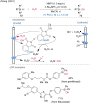
Scheme 28: Selective electrochemical hydrolysis of hydrosilanes to silanols.

Scheme 29: Organocatalytic electrochemical amination of benzylic C–H bonds.

Scheme 30: Iodide ion-initiated anodic oxidation reactions.

Scheme 31: Mn(III/IV) electro-catalyzed C(sp3)–H azidation.
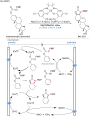
Scheme 32: Tailored cobalt–salen complexes enable electrocatalytic intramolecular allylic C–H functionalizatio...

Scheme 33: Cobalt–salen complexes-induced electrochemical (cyclo)additions.

Scheme 34: Electrochemical 1,2-diarylation of alkenes enabled by direct dual C–H functionalization of electron...

Scheme 35: Cobalt-electrocatalyzed atroposelective C–H annulation.

Scheme 36: Nickel-electrocatalyzed C(sp2)–H alkoxylation with secondary alcohols.

Scheme 37: Nickel-catalyzed electrochemical enantioselective amination.
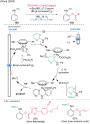
Scheme 38: Ruthenium-electrocatalyzed C(sp2)–H mono- and diacetoxylation.
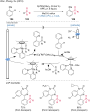
Scheme 39: Rhodium(III)-catalyzed aryl-C–H phosphorylation enabled by anodic oxidation-induced reductive elimi...

Scheme 40: Asymmetric Lewis-acid catalysis for the synthesis of non-racemic 1,4-dicarbonyl compounds.

Scheme 41: Electrochemical enantioselective C(sp3)–H alkenylation.

Scheme 42: Palladium-catalyzed electrochemical dehydrogenative cross-coupling.
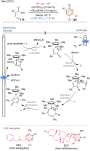
Scheme 43: Ir-electrocatalyzed vinylic C(sp2)–H activation for the annulation between acrylic acids and alkyne...

Scheme 44: Electrochemical gold-catalyzed C(sp3)–C(sp) coupling of alkynes and arylhydrazines.

Scheme 45: Photoelectrochemical alkylation of C–H heteroarenes using organotrifluoroborates.

Scheme 46: Mn-catalyzed photoelectro C(sp3)–H azidation.

Scheme 47: Photoelectrochemical undirected C–H trifluoromethylations of (Het)arenes.

Scheme 48: Photoelectrochemical dehydrogenative cross-coupling of heteroarenes with aliphatic C–H bonds.
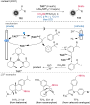
Scheme 49: C–H amination via photoelectrochemical Ritter-type reaction.

Scheme 50: Photoelectrochemical multiple oxygenation of C–H bonds.

Scheme 51: Accelerated C(sp3)–H heteroarylations by the f-EPC system.

Scheme 52: Photoelectrochemical cross-coupling of amines.

Scheme 53: Birch electroreduction of arenes. GSW = galvanized steel wire.

Scheme 54: Electroreductive deuterations.

Scheme 55: Chemoselective electrosynthesis using rapid alternating polarity.

Scheme 56: Electroreductive olefin–ketone coupling.

Scheme 57: Electroreductive approach to radical silylation.

Scheme 58: Electrochemical borylation of alkyl halides. CC = carbon close.

Scheme 59: Radical fluoroalkylation of alkenes.
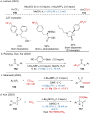
Scheme 60: Electrochemical defluorinative hydrogenation/carboxylation.

Scheme 61: Electrochemical decarboxylative olefination.

Scheme 62: Electrochemical decarboxylative Nozaki–Hiyama–Kishi coupling.
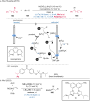
Scheme 63: Nickel-catalyzed electrochemical reductive relay cross-coupling.

Scheme 64: Electrochemical chemo- and regioselective difunctionalization of 1,3-enynes.

Scheme 65: Electrocatalytic doubly decarboxylative crosscoupling.

Scheme 66: Electrocatalytic decarboxylative crosscoupling with aryl halides.

Scheme 67: Nickel-catalyzed electrochemical reductive coupling of halides.

Scheme 68: Nickel-electrocatalyzed enantioselective carboxylation with CO2.

Scheme 69: Reductive electrophotocatalysis for borylation.
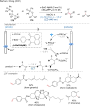
Scheme 70: Electromediated photoredox catalysis for selective C(sp3)–O cleavages of phosphinated alcohols to c...

Scheme 71: Stereoselective electro-2-deoxyglycosylation from glycals. MFE = methyl nonafluorobutyl ether.

Scheme 72: Electrochemical peptide modifications.

Scheme 73: Electrochemical α-deuteration of amides.

Scheme 74: Electrochemical synthesis of gem-diselenides.

Scheme 75: Site-selective electrochemical aromatic C–H amination.

Scheme 76: Electrochemical coupling of heteroarenes with heteroaryl phosphonium salts.
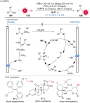
Scheme 77: Redox-neutral strategy for the dehydroxyarylation reaction.
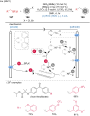
Scheme 78: Nickel-catalyzed electrochemical C(sp3)–C(sp2) cross-coupling of benzyl trifluoroborate and halides....
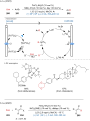
Scheme 79: Paired electrocatalysis for C(sp3)–C(sp2) coupling.

Scheme 80: Redox-neutral strategy for amination of aryl bromides.

Scheme 81: Redox-neutral cross-coupling of aryl halides with weak N-nucleophiles. aProtocol with (+) RVC | RVC...

Scheme 82: Nickel-catalyzed N-arylation of NH-sulfoximines with aryl halides.

Scheme 83: Esterification of carboxylic acids with aryl halides.

Scheme 84: Electrochemically promoted nickel-catalyzed carbon–sulfur-bond formation. GFE = graphite felt elect...

Scheme 85: Electrochemical deoxygenative thiolation by Ni-catalysis. GFE = graphite felt electrode; NFE = nick...
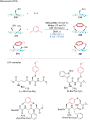
Scheme 86: Electrochemical coupling of peptides with aryl halides.

Scheme 87: Paired electrolysis for the phosphorylation of aryl halides. GFE = graphite felt electrode, FNE = f...

Scheme 88: Redox-neutral alkoxyhalogenation of alkenes.
Asymmetric organocatalytic synthesis of chiral homoallylic amines
- Nikolay S. Kondratyev and
- Andrei V. Malkov
Beilstein J. Org. Chem. 2024, 20, 2349–2377, doi:10.3762/bjoc.20.201
- reversible coordination of BINOLs 13 or 21 to the prenyl- or geranylboronic acids 14, favouring one of the four possible chair-like transition states. The reaction scope for indoles 15 was demonstrated on a limited set of 5-methoxyindole, 5-bromoindole, and 4-indolyl-pinacol boronates reacting with E- and Z
- between COBI 72 and coordinated COBI–imine complex 74 as 1 to 4.6. Despite the low accuracy of this estimate, it is clear that both species 72 and 74 are present, and that coordination is reversible under the reaction conditions. The formation of the COBI–imine complex was further evidenced by comparing
- by a nucleophile, is energetically favoured over pathway via 77, in which the imine is activated directly by coordination to the Lewis acidic boron atom of the free imine complex. This supports the mechanism proposed in the original study based on the NMR experiments. In 2021, Jacobsen and co-workers

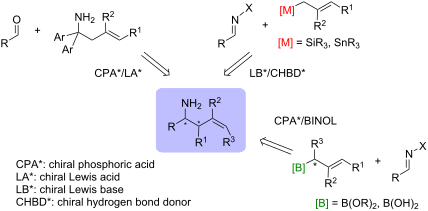
Graphical Abstract

Scheme 1: The position of homoallylic amines in the landscape of alkaloid and nitrogen compounds syntheses.
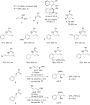
Scheme 2: 3,3’-Diaryl-BINOL-catalysed asymmetric organocatalytic allylation of acylimines [24].

Scheme 3: Aminophenol-catalysed reaction between N-phosphinoylimines and pinacol allylboronic ester. Imine sc...

Scheme 4: Asymmetric geranylation and prenylation of indoles catalysed by (R)- or (S)-3,3’-dibromo-BINOL [25]. aA...

Scheme 5: (R)-3,3’-Di(3,5-di(trifluoromethyl)phenyl-BINOL-catalysed asymmetric geranylation and prenylation o...

Scheme 6: Microwave-induced one-pot asymmetric allylation of in situ-formed arylimines, catalysed by (R)-3,3’...

Scheme 7: Microwave-induced one-pot asymmetric allylation of in situ-formed arylimines, catalysed by (R)-3,3’...
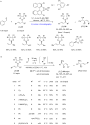
Scheme 8: Kinetic resolution of chiral secondary allylboronates [15,30].

Scheme 9: (E)-Stereospecific asymmetric α-trifluoromethylallylation of cyclic imines and hydrazones [31].

Scheme 10: Hosomi–Sakurai-type allylation of in situ-formed N-Fmoc aldimines [32].

Figure 1: Two different pathways for the Hosomi–Sakurai reaction of allyltrimethylsilane with N-Fmoc aldimine...

Scheme 11: Chiral squaramide-catalysed hydrogen bond-assisted chloride abstraction–allylation of N-carbamoyl α...

Figure 2: The pyrrolidine unit gem-methyl group conformational control in the squaramide-based catalyst [34].

Figure 3: The energetic difference between the transition states of the two proposed modes of the reaction (SN...

Scheme 12: One-pot preparation procedure for oxazaborolidinium ion (COBI) 63 [37].

Scheme 13: Chiral oxazaborolidinium ion (COBI)-catalysed allylation of N-(2-hydroxy)phenylimines with allyltri...

Scheme 14: The two-step N-(2-hydroxy)phenyl group deprotection procedure [37].

Scheme 15: Low-temperature (−40 °C) NMR experiments evidencing the reversible formation of the active COBI–imi...

Figure 4: Two computed reaction pathways for the COBI-catalysed Strecker reaction (TS1 identical to allylatio...

Scheme 16: Highly chemoselective and stereospecific synthesis of γ- and γ,δ-substituted homoallylic amines by ...

Scheme 17: Catalytic cycle for the three-component allylation with HBD/πAr–Ar catalyst [39].

Scheme 18: Reactivity of model electrophiles [39].

Scheme 19: HBD/πAr–Ar catalyst rational design and optimisation [39].

Scheme 20: Scope of the three-component HBD/πAr–Ar-catalysed reaction [39].

Scheme 21: Limitations of the HBD/πAr–Ar-catalysed reaction [39].

Scheme 22: Asymmetric chloride-directed dearomative allylation of in situ-generated N-acylquinolinium ions, ca...

Scheme 23: Chiral phosphoric acid-catalysed aza-Cope rearrangement of in situ-formed N-α,α’-diphenyl-(α’’-ally...

Scheme 24: Tandem (R)-VANOL-triborate-catalysed asymmetric aza-Cope rearrangement of in situ-formed aldimines ...

Scheme 25: (S)-TRIP-catalysed enantioconvergent aza-Cope rearrangement of β-formyl amides, substrate scope [43]. a...

Scheme 26: (S)-TRIP-catalysed enantioconvergent aza-Cope rearrangement of β-formyl amides 16–19, amide and all...

Scheme 27: Synthetic applications of homoallylic N-benzophenone imine products 131 [43].

Scheme 28: Chiral organocatalysed addition of 2,2,2-trifluoroethyl ketimines to isatin-derived Morita–Baylis–H...

Scheme 29: Chiral chinchona-derived amine-catalysed reaction between isatin-based Morita–Baylis–Hilman carbona...

Scheme 30: (R)-VAPOL-catalysed hydrogen atom transfer deracemisation [45].

Scheme 31: Chiral PA-catalysed [1,3]-rearrangement of ene-aldimines [46].
Hydrogen-bond activation enables aziridination of unactivated olefins with simple iminoiodinanes
- Phong Thai,
- Lauv Patel,
- Diyasha Manna and
- David C. Powers
Beilstein J. Org. Chem. 2024, 20, 2305–2312, doi:10.3762/bjoc.20.197
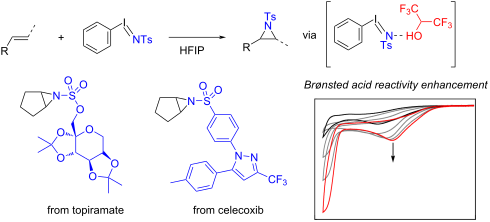
- catalysts or photochemical procedures have been developed to enable this transformation [7][8][9]. The reactivity of hypervalent iodine reagents can be enhanced via Lewis acid catalysis [10]. For example, PIDA becomes a stronger oxidant upon coordination of BF3·OEt2, enabling chemistry that was not

Graphical Abstract

Scheme 1: a) Lewis acid activation of hypervalent iodine reagents can enhance the reactivity of these reagent...

Scheme 2: Scope and limitations of HFIP-promoted direct aziridination with iminoiodinane reagents. Conditions...

Scheme 3: Scope of nitrogen group transfer in the aziridination of aliphatic olefins. Conditions using synthe...

Scheme 4: a) The broadening of the hydroxide proton (denoted by asterisk *) of HFIP in the presence of iminoi...
Catalysing (organo-)catalysis: Trends in the application of machine learning to enantioselective organocatalysis
- Stefan P. Schmid,
- Leon Schlosser,
- Frank Glorius and
- Kjell Jorner
Beilstein J. Org. Chem. 2024, 20, 2280–2304, doi:10.3762/bjoc.20.196
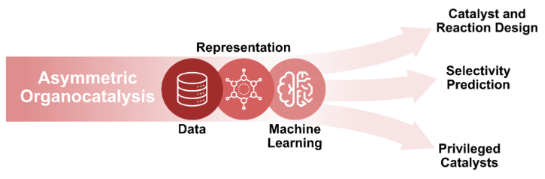
- when describing coordination compounds as commonly found in transition metal catalysis for example [57]. Another kind of representation that has found considerable application for ML in organocatalysis, is the use of descriptors. These are sets of numerical or categorical values to encode a molecule. A

Graphical Abstract

Figure 1: Schematic depiction of available data sources for predictive modelling, each with its advantages an...

Figure 2: Schematic depiction of different kinds of molecular representations for fluoronitroethane. Among th...

Figure 3: Depiction of the energy diagram of a generic enantioselective reaction. In the centre, catalyst and...

Figure 4: Hammett parameters are derived from the equilibrium constant of substituted benzoic acids (example ...

Figure 5: Selected examples of popular descriptors applied to model organocatalytic reactions. Descriptors en...

Figure 6: Example bromocyclization reaction from Toste and co-workers using a DABCOnium catalyst system and C...

Figure 7: Example from Neel et al. using a chiral ion pair catalyst for the selective fluorination of allylic...

Figure 8: Data set created by Denmark and co-workers for the CPA-catalysed thiol addition to N-acylimines [67]. T...

Figure 9: Selected examples of ML developments that used the dataset from Denmark and co-workers [67]. (A) Varnek...

Figure 10: Study from Reid and Sigman developing statistical models for CPA-catalysed nucleophilic addition re...

Figure 11: Selected examples of studies where mechanistic transferability was exploited to model multiple reac...

Figure 12: Generality approach by Denmark and co-workers [132] for the iodination of arylpyridines. From the releva...

Figure 13: Betinol et al. [133] clustered the relevant chemical space and then evaluated the average ee for every c...

Figure 14: Corminboeuf and co-workers [134] chose a representative subset of the reaction space (indicated by dark ...

Figure 15: Example for data-driven modelling to improve substrate and catalyst design. (A) C–N coupling cataly...

Figure 16: Example for utilising a genetic algorithm for catalyst design. (A) Morita–Baylis–Hillman reaction s...

Figure 17: Organocatalysed synthesis of spirooxindole analogues by Kondo et al. [171] (A) Reaction scheme of dienon...

Figure 18: Schematic depiction of required developments in order to overcome current limitations of ML for org...
Heterocycle-guided synthesis of m-hetarylanilines via three-component benzannulation
- Andrey R. Galeev,
- Maksim V. Dmitriev,
- Alexander S. Novikov and
- Andrey N. Maslivets
Beilstein J. Org. Chem. 2024, 20, 2208–2216, doi:10.3762/bjoc.20.188
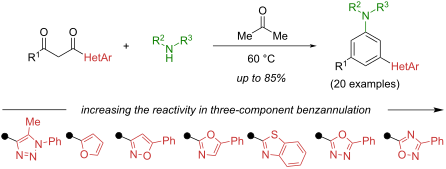
- (Figure 1). On the other hand, 3,5-diarylanilines can be regarded as meta-terphenyls which are of great interest for material and coordination chemistry [5][6][7][8][9][10][11][12][13][14][15][16]. Moreover, compounds with diverse bioactivities and natural products contain the meta-terphenyl moiety as a

Graphical Abstract

Figure 1: The meta-hetarylaniline motif in bioactive molecules.

Scheme 1: Strategies to access meta-substituted anilines.

Figure 2: The model series of synthesized 1,3-diketones and corresponding calculated Hammett constants of het...

Scheme 2: Synthesis of meta-substituted anilines from 1,2,4-oxadiazol-5-yl substituted 1,3-diketone 1a. Condi...

Scheme 3: Synthesis of meta-substituted anilines from 1,3,4-oxadiazol-substituted 1,3-diketone 1b. Conditions...

Scheme 4: Synthesis of meta-substituted anilines from benzothiazol-2-yl and oxazol-2-yl-substituted 1,3-diket...

Scheme 5: Synthesis of meta-substituted aniline from isoxazol-3-yl-substituted 1,3-diketone 1e. Conditions B: ...

Figure 3: Scope of functionalized amines in three-component condensation. Conditions A: 1a,b,h,i (0.2–0.5 mmo...

Scheme 6: Proposed mechanism for the formation of meta-substituted anilines 3 via three-component benzannulat...
Multicomponent syntheses of pyrazoles via (3 + 2)-cyclocondensation and (3 + 2)-cycloaddition key steps
- Ignaz Betcke,
- Alissa C. Götzinger,
- Maryna M. Kornet and
- Thomas J. J. Müller
Beilstein J. Org. Chem. 2024, 20, 2024–2077, doi:10.3762/bjoc.20.178

- coordination of the magnesium ions and subsequent hydrazine inactivation. The diversity-oriented nature of this consecutive four-component synthesis was used to synthesize 17 different donor/acceptor-substituted pyrazoles 108 in moderate to good yields (Scheme 39) [136]. The synthesis of bispyrazoles was also

Graphical Abstract

Scheme 1: Consecutive three-component synthesis of pyrazoles 1 via in situ-formed 1,3-diketones 2 [44].

Scheme 2: Consecutive three-component synthesis of 4-ethoxycarbonylpyrazoles 5 via SmCl3-catalyzed acylation ...

Scheme 3: Consecutive four-component synthesis of 1-(thiazol-2-yl)pyrazole-3-carboxylates 8 [51].

Scheme 4: Three-component synthesis of thiazolylpyrazoles 17 via in situ formation of acetoacetylcoumarins 18 ...

Scheme 5: Consecutive pseudo-four-component and four-component synthesis of pyrazoles 21 from sodium acetylac...

Scheme 6: Consecutive three-component synthesis of 1-substituted pyrazoles 24 from boronic acids, di(Boc)diim...

Scheme 7: Consecutive three-component synthesis of N-arylpyrazoles 25 via in situ formation of aryl-di(Boc)hy...

Scheme 8: Consecutive three-component synthesis of 1,3,4-substituted pyrazoles 27 and 28 from methylhydrazine...

Scheme 9: Consecutive three-component synthesis of 4-allylpyrazoles 32 via oxidative allylation of 1,3-dicarb...

Scheme 10: Pseudo-five-component synthesis of tris(pyrazolyl)methanes 35 [61].

Scheme 11: Pseudo-three-component synthesis of 5-(indol-3-yl)pyrazoles 39 from 1,3,5-triketones 38 [64].

Scheme 12: Three-component synthesis of thiazolylpyrazoles 43 [65].

Scheme 13: Three-component synthesis of triazolo[3,4-b]-1,3,4-thiadiazin-3-yl substituted 5-aminopyrazoles 47 [67]....

Scheme 14: Consecutive three-component synthesis of 5-aminopyrazoles 49 via formation of β-oxothioamides 50 [68].
Scheme 15: Synthesis of 3,4-biarylpyrazoles 52 from aryl halides, α-bromocinnamaldehyde, and tosylhydrazine vi...

Scheme 16: Consecutive three-component synthesis of 3,4-substituted pyrazoles 57 from iodochromones 55 by Suzu...

Scheme 17: Pseudo-four-component synthesis of pyrazolyl-2-pyrazolines 59 by ring opening/ring closing cyclocon...

Scheme 18: Consecutive three-component synthesis of pyrazoles 61 [77].

Scheme 19: Three-component synthesis of pyrazoles 62 from malononitrile, aldehydes, and hydrazines [78-90].

Scheme 20: Four-component synthesis of pyrano[2,3-c]pyrazoles 63 [91].

Scheme 21: Three-component synthesis of persubstituted pyrazoles 65 from aldehydes, β-ketoesters, and hydrazin...

Scheme 22: Three-component synthesis of pyrazol-4-carbodithioates 67 [100].

Scheme 23: Regioselective three-component synthesis of persubstituted pyrazoles 68 catalyzed by ionic liquid [...

Scheme 24: Consecutive three-component synthesis of 4-halopyrazoles 69 and anellated pyrazoles 70 [102].

Scheme 25: Three-component synthesis of 2,2,2-trifluoroethyl pyrazole-5-carboxylates 72 [103].

Scheme 26: Synthesis of pyrazoles 75 in a one-pot process via carbonylative Heck coupling and subsequent cycli...

Scheme 27: Copper-catalyzed three-component synthesis of 1,3-substituted pyrazoles 76 [105].

Scheme 28: Pseudo-three-component synthesis of bis(pyrazolyl)methanes 78 by ring opening-ring closing cyclocon...

Scheme 29: Three-component synthesis of 1,4,5-substituted pyrazoles 80 [107].

Scheme 30: Consecutive three-component synthesis of 3,5-bis(fluoroalkyl)pyrazoles 83 [111].

Scheme 31: Consecutive three-component synthesis of difluoromethanesulfonyl-functionalized pyrazole 88 [114].

Scheme 32: Consecutive three-component synthesis of perfluoroalkyl-substituted fluoropyrazoles 91 [115].

Scheme 33: Regioselective consecutive three-component synthesis of 1,3,5-substituted pyrazoles 93 [116].

Scheme 34: Three-component synthesis of pyrazoles 96 mediated by trimethyl phosphite [117].

Scheme 35: One-pot synthesis of pyrazoles 99 via Liebeskind–Srogl cross-coupling/cyclocondensation [118].

Scheme 36: Synthesis of 1,3,5-substituted pyrazoles 101 via domino condensation/Suzuki–Miyaura cross-coupling ...

Scheme 37: Consecutive three-component synthesis of 1,3,5-trisubstituted pyrazoles 102 and 103 by Sonogashira ...

Scheme 38: Polymer analogous consecutive three-component synthesis of pyrazole-based polymers 107 [132].

Scheme 39: Synthesis of 1,3,5-substituted pyrazoles 108 by sequentially Pd-catalyzed Kumada–Sonogashira cycloc...

Scheme 40: Consecutive four-step one-pot synthesis of 1,3,4,5-substituted pyrazoles 110 [137].

Scheme 41: Four-component synthesis of pyrazoles 113, 115, and 117 via Sonogashira coupling and subsequent Suz...

Scheme 42: Consecutive four- or five-component synthesis for the preparation of 4-pyrazoly-1,2,3-triazoles 119...

Scheme 43: Four-component synthesis of pyrazoles 121 via alkynone formation by carbonylative Pd-catalyzed coup...

Scheme 44: Preparation of 3-azulenyl pyrazoles 124 by glyoxylation, decarbonylative Sonogashira coupling, and ...

Scheme 45: Four-component synthesis of a 3-indoloylpyrazole 128 [147].

Scheme 46: Two-step synthesis of 5-acylpyrazoles 132 via glyoxylation-Stephen–Castro sequence and subsequent c...

Scheme 47: Copper on iron mediated consecutive three-component synthesis of 3,5-substituted pyrazoles 136 [150].

Scheme 48: Consecutive three-component synthesis of 3-substituted pyrazoles 141 by Sonogashira coupling and su...

Scheme 49: Consecutive three-component synthesis of pyrazoles 143 initiated by Cu(I)-catalyzed carboxylation o...

Scheme 50: Consecutive three-component synthesis of benzamide-substituted pyrazoles 146 starting from N-phthal...

Scheme 51: Consecutive three-component synthesis of 1,3,5-substituted pyrazoles 148 [156].

Scheme 52: Three-component synthesis of 4-ninhydrin-substituted pyrazoles 151 [158].

Scheme 53: Consecutive four-component synthesis of 4-(oxoindol)-1-phenylpyrazole-3-carboxylates 155 [159].

Scheme 54: Three-component synthesis of pyrazoles 160 [160].

Scheme 55: Consecutive three-component synthesis of pyrazoles 165 [162].

Scheme 56: Consecutive three-component synthesis of 3,5-disubstituted and 3-substituted pyrazoles 168 and 169 ...

Scheme 57: Three-component synthesis of 3,4,5-substituted pyrazoles 171 via 1,3-dipolar cycloaddition of vinyl...

Scheme 58: Three-component synthesis of pyrazoles 173 and 174 from aldehydes, tosylhydrazine, and vinylidene c...

Scheme 59: Three-component synthesis of pyrazoles 175 from glyoxyl hydrates, tosylhydrazine, and electron-defi...

Scheme 60: Pseudo-four-component synthesis of pyrazoles 177 from glyoxyl hydrates, tosylhydrazine, and aldehyd...

Scheme 61: Consecutive three-component synthesis of pyrazoles 179 via Knoevenagel-cycloaddition sequence [179].

Scheme 62: Three-component synthesis of 5-dimethylphosphonate substituted pyrazoles 182 from aldehydes, the Be...

Scheme 63: Consecutive three-component synthesis of 5-(dimethyl phosphonate)-substituted pyrazoles 185 from al...

Scheme 64: Three-component synthesis of 5-(dimethyl phosphonate)-substituted pyrazoles 187 from aldehydes, the...

Scheme 65: Three-component synthesis of 5-diethylphosphonate/5-phenylsulfonyl substituted pyrazoles 189 from a...

Scheme 66: Pseudo-three-component synthesis of 3-(dimethyl phosphonate)-substituted pyrazoles 190 [185].

Scheme 67: Three-component synthesis of 3-trifluoromethylpyrazoles 193 [186].

Scheme 68: Consecutive three-component synthesis of 5-stannyl-substituted 4-fluoropyrazole 197 [191,192].

Scheme 69: Pseudo-three-component synthesis of 3,5-diacyl-4-arylpyrazoles 199 [195].

Scheme 70: Three-component synthesis of pyrazoles 204 via nitrilimines [196].

Scheme 71: Three-component synthesis of 1,3,5-substituted pyrazoles 206 via formation of nitrilimines and sali...

Scheme 72: Pseudo four-component synthesis of pyrazoles 209 from acetylene dicarboxylates 147, hydrazonyl chlo...

Scheme 73: Consecutive three-component synthesis of pyrazoles 213 via syndnones 214 [200].

Scheme 74: Consecutive three-component synthesis of pyrazoles 216 via in situ-formed diazomethinimines 217 [201].

Scheme 75: Consecutive three-component synthesis of 3-methylthiopyrazoles 219 from aldehydes, hydrazine, and 1...

Scheme 76: Three-component synthesis of 1,3,5-substituted pyrazoles 220 from aldehydes, hydrazines, and termin...

Scheme 77: Three-component synthesis of 1,3,4,5-substituted pyrazoles 222 from aldehydes, hydrazines, and DMAD ...

Scheme 78: Pseudo three-component synthesis of pyrazoles 224 from sulfonyl hydrazone and benzyl acrylate under...

Scheme 79: Titanium-catalyzed consecutive four-component synthesis of pyrazoles 225 via enamino imines 226 [211]. a...

Scheme 80: Titanium-catalyzed three-component synthesis of pyrazoles 227 via enhydrazino imine complex interme...

Scheme 81: Pseudo-three-component synthesis of pyrazoles 229 via Glaser coupling of terminal alkynes and photo...

Scheme 82: Copper(II)acetate-mediated three-component synthesis of pyrazoles 232 [216].

Scheme 83: Copper-catalyzed three-component synthesis of 1,3,4-substituted pyrazole 234 from oxime acetates, a...

Scheme 84: Three-component synthesis of 3-trifluoroethylpyrazoles 239 [218].

Scheme 85: Pseudo-three-component synthesis of 1,4-bisulfonyl-substituted pyrazoles 242 [219].

Scheme 86: Three-component synthesis of 4-hydroxypyrazole 246 [221].
Regioselective alkylation of a versatile indazole: Electrophile scope and mechanistic insights from density functional theory calculations
- Pengcheng Lu,
- Luis Juarez,
- Paul A. Wiget,
- Weihe Zhang,
- Krishnan Raman and
- Pravin L. Kotian
Beilstein J. Org. Chem. 2024, 20, 1940–1954, doi:10.3762/bjoc.20.170
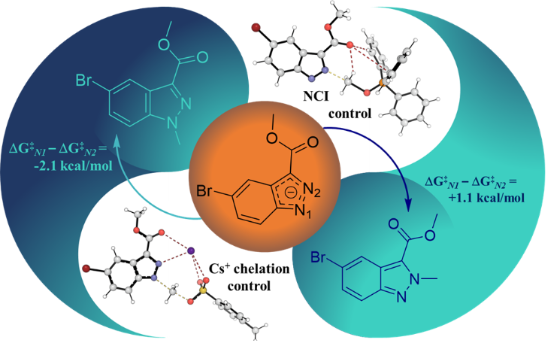
- similar to 6. They observed high N1-selectivity using NaH in THF with pentyl bromide and electron-deficient indazoles, postulating a coordination of the indazole N2-atom and an electron-rich oxygen atom in a C-3 substituent with the Na+ cation from NaH. Under anhydrous conditions the yields ranged from 44
- system (Figure 10). Under conditions A, deprotonation and cesium coordination were heavily favored by 11.1 kcal/mol (18(N-H)). Transition states 18-N2-Cs and 18-N1-Cs were found leading to N1- and N2-products, respectively. NCIs between the cesium cation with the ester and sulfonate oxygens, and
- support the claim made by Alam and Keeting that a tight ion pair drives N1-selectivity when electron-withdrawing groups that can coordinate the cation are present at the 3-position. When 3-cyanoindazole is employed and no bidentate coordination is possible with N2, the nucleophilicity of N1 drives the

Graphical Abstract

Figure 1: Indazole-containing bioactive molecules.

Figure 2: Tautomerism of indazole.

Scheme 1: NMR, NOE, and yield data of compounds 8 and 9.

Scheme 2: Synthesis of compounds P1 and P2.

Figure 3: DFT-calculated deprotonation of 6 with Cs2CO3 in implicit THF with the temperature of the calculati...

Figure 4: DFT-calculated Cs+-coordinated complexes with different enolate forms of 6(N-H) calculated as isola...

Figure 5: DFT-calculated reaction coordinate diagram for the reaction of 6 under conditions A. Concerning con...

Figure 6: DFT-calculated energy for the deprotonation of 6 by the DMAD anion.

Figure 7: DFT-calculations concerning a coordinated Mitsunobu reaction pathway.

Figure 8: Reaction coordinate diagram of 6(N-H) reacting under conditions B. All calculated energies in kcal/...

Figure 9: Reaction of 18 under conditions A and B (top), and proposed chelation/coordination pathways to acco...

Figure 10: DFT-calculated reaction coordinate diagram for the reaction of 18 under conditions A.

Figure 11: DFT-calculated reaction coordinate diagram for the reaction of 18 under conditions B. Ball-and-stic...

Scheme 3: Reaction of 21 under conditions A and B; amultiple purifications; bdetermined by LC–MS.

Figure 12: DFT-calculated transition-state structures and energies of 21 under conditions A (top) and conditio...
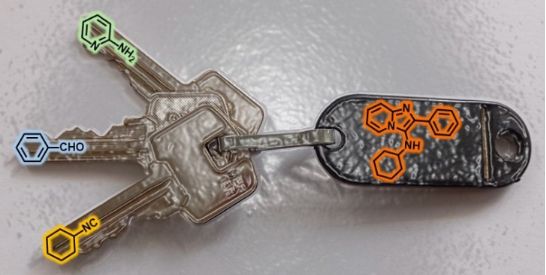
The Groebke–Blackburn–Bienaymé reaction in its maturity: innovation and improvements since its 21st birthday (2019–2023)
- Cristina Martini,
- Muhammad Idham Darussalam Mardjan and
- Andrea Basso
Beilstein J. Org. Chem. 2024, 20, 1839–1879, doi:10.3762/bjoc.20.162
- inert atmosphere and oxidizing 64 in the presence of CoBr2 (Scheme 24, conditions c and d; one-pot: 10–43%, two steps: 11–37% yields). Interestingly, polycycles 69 were formed when I2 was employed as the oxidant (Scheme 24, conditions e), which was presumably due to the coordination between the oxidant

Graphical Abstract

Scheme 1: Mechanism of the GBB reaction.

Scheme 2: Comparison of the performance of Sc(OTf)3 with some RE(OTf)3 in a model GBB reaction. Conditions: a...

Scheme 3: Comparison of the performance of various Brønsted acid catalysts in the synthesis of GBB adduct 6. ...

Scheme 4: Synthesis of Brønsted acidic ionic liquid catalyst 7. Conditions: a) neat, 60 °C, 24 h; b) TfOH, DC...

Scheme 5: Aryliodonium derivatives as organic catalysts in the GBB reaction. In the box the proposed binding ...

Scheme 6: DNA-encoded GBB reaction in micelles made of amphiphilic polymer 13. Conditions: a) 13 (50 equiv), ...

Scheme 7: GBB reaction catalyzed by cyclodextrin derivative 14. Conditions: a) 14 (1 mol %), water, 100 °C, 4...

Scheme 8: Proposed mode of activation of CALB. a) activation of the substrates; b) activation of the imine; c...

Scheme 9: One-pot GBB reaction–Suzuki coupling with a bifunctional hybrid biocatalyst. Conditions: a) Pd(0)-C...

Scheme 10: GBB reaction employing 5-HMF (23) as carbonyl component. Conditions: a) TFA (20 mol %), EtOH, 60 °C...

Scheme 11: GBB reaction with β-C-glucopyranosyl aldehyde 26. Conditions: a) InCl3 (20 mol %), MeOH, 70 °C, 2–3...

Scheme 12: GBB reaction with diacetylated 5-formyldeoxyuridine 29, followed by deacetylation of GBB adduct 30....

Scheme 13: GBB reaction with glycal aldehydes 32. Conditions: a) HFIP, 25 °C, 2–4 h.

Scheme 14: Vilsmeier–Haack formylation of 6-β-acetoxyvouacapane (34) and subsequent GBB reaction. Conditions: ...

Scheme 15: GBB reaction of 4-formlyl-PCP 37. Conditions: a) HOAc or HClO4, MeOH/DCM (2:3), rt, 3 d.

Scheme 16: GBB reaction with HexT-aldehyde 39. Conditions: a) 39 (20 nmol) and amidine (20 μmol), MeOH, rt, 6 ...

Scheme 17: GBB reaction of 2,4-diaminopirimidine 41. Conditions: a) Sc(OTf)3 (20 mol %), MeCN, 120 °C (MW), 1 ...

Scheme 18: Synthesis of N-edited guanine derivatives from 3,6-diamine-1,2,4-triazin-5-one 44. Conditions: a) S...

Scheme 19: Synthesis of 2-aminoimidazoles 49 by a Mannich-3CR followed by a one-pot intramolecular oxidative a...

Scheme 20: On DNA Suzuki–Miyaura reaction followed by GBB reaction. Conditions: a) CsOH, sSPhos-Pd-G2; b) AcOH...

Scheme 21: One-pot cascade synthesis of 5-iminoimidazoles. Conditions: a) Na2SO4, DMF, 220 °C (MW).

Scheme 22: GBB reaction of 5-amino-1H-imidazole-4-carbonile 57. Conditions: a) HClO4 (5 mol %), MeOH, rt, 24 h....

Scheme 23: One-pot cascade synthesis of indole-imidazo[1,2,a]pyridine hybrids. In blue the structural motif in...

Scheme 24: One-pot cascade synthesis of fused polycyclic indoles 67 or 69 from indole-3-carbaldehyde. Conditio...

Scheme 25: One-pot cascade synthesis of linked- and bridged polycyclic indoles from indole-2-carbaldehyde (70)...

Scheme 26: One-pot cascade synthesis of pentacyclic dihydroisoquinolines (X = N or CH). In blue the structural...

Scheme 27: One-pot stepwise synthesis of imidazopyridine-fused benzodiazepines 85. Conditions: a) p-TsOH (20 m...

Scheme 28: One-pot stepwise synthesis of benzoxazepinium-fused imidazothiazoles 89. Conditions: a) Yb(OTf)3 (2...

Scheme 29: One-pot stepwise synthesis of fused imidazo[4,5,b]pyridines 95. Conditions: a) HClO4, MeOH, rt, ove...

Scheme 30: Synthesis of heterocyclic polymers via the GBB reaction. Conditions: a) p-TsOH, EtOH, 70 °C, 24 h.
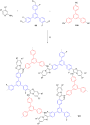
Scheme 31: One-pot multicomponent reaction towards the synthesis of covalent organic frameworks via the GBB re...
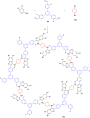
Scheme 32: One-pot multicomponent reaction towards the synthesis of covalent organic frameworks via the GBB re...

Scheme 33: GBB-like multicomponent reaction towards the synthesis of benzothiazolpyrroles (X = S) and benzoxaz...

Scheme 34: GBB-like multicomponent reaction towards the formation of imidazo[1,2,a]pyridines. Conditions: a) I2...

Scheme 35: Post-functionalization of GBB products via Ugi reaction. Conditions a) HClO4, DMF, rt, 24 h; b) MeO...

Scheme 36: Post-functionalization of GBB products via Click reaction. Conditions: a) solvent-free, 150 °C, 24 ...

Scheme 37: Post-functionalization of GBB products via cascade alkyne–allene isomerization–intramolecular nucle...

Scheme 38: Post-functionalization of GBB products via metal-catalyzed intramolecular N-arylation. In red and b...

Scheme 39: Post-functionalization of GBB products via isocyanide insertion (X = N or CH). Conditions: a) HClO4...

Scheme 40: Post-functionalization of GBB products via intramolecular nucleophilic addition to nitriles. Condit...

Scheme 41: Post-functionalization of GBB products via Pictet–Spengler cyclization. Conditions: a) 4 N HCl/diox...

Scheme 42: Post-functionalization of GBB products via O-alkylation. Conditions: a) TFA (20 mol %), EtOH, 120 °...

Scheme 43: Post-functionalization of GBB products via macrocyclization (X = -CH2CH2O-, -CH2-, -(CH2)4-). Condi...
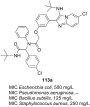
Figure 1: Antibacterial activity of GBB-Ugi adducts 113 on both Gram-negative and Gram-positive strains.

Scheme 44: GBB multicomponent reaction using trimethoprim as the precursor. Conditions: a) Yb(OTf)3 or Y(OTf)3...

Figure 2: Antibacterial activity of GBB adducts 152 against MRSA and VRE; NA = not available.

Figure 3: Antibacterial activity of GBB adduct 153 against Leishmania amazonensis promastigotes and amastigot...

Figure 4: Antiviral and anticancer evaluation of the GBB adducts 154a and 154b. In vitro antiproliferative ac...

Figure 5: Anticancer activity of the GBB-furoxan hybrids 145b, 145c and 145d determined through antiprolifera...

Scheme 45: Synthesis and anticancer activity of the GBB-gossypol conjugates. Conditions: a) Sc(OTf)3 (10 mol %...

Figure 6: Anticancer activity of polyheterocycles 133a and 136a against human neuroblastoma. Clonogenic assay...

Figure 7: Development of GBB-adducts 158a and 158b as PD-L1 antagonists. HTRF assays were carried out against...

Figure 8: Development of imidazo[1,2-a]pyridines and imidazo[1,2-a]pyrazines as TDP1 inhibitors. The SMM meth...

Figure 9: GBB adducts 164a–c as anticancer through in vitro HDACs inhibition assays. Additional cytotoxic ass...

Figure 10: GBB adducts 165, 166a and 166b as anti-inflammatory agents through HDAC6 inhibition; NA = not avail...

Scheme 46: GBB reaction of triphenylamine 167. Conditions: a) NH4Cl (10 mol %), MeOH, 80 °C (MW), 1 h.

Scheme 47: 1) Modified GBB-3CR. Conditions: a) TMSCN (1.0 equiv), Sc(OTf)3 (0.2 equiv), MeOH, 140 °C (MW), 20 ...

Scheme 48: GBB reaction to assemble imidazo-fused heterocycle dimers 172. Conditions: a) Sc(OTf)3 (20 mol %), ...

Figure 11: Model compounds 173 and 174, used to study the acid/base-triggered reversible fluorescence response...



