Search results
Search for "amines" in Full Text gives 924 result(s) in Beilstein Journal of Organic Chemistry. Showing first 200.
Electrochemical synthesis of cyclic biaryl λ3-bromanes from 2,2’-dibromobiphenyls
Beilstein J. Org. Chem. 2025, 21, 451–457, doi:10.3762/bjoc.21.32
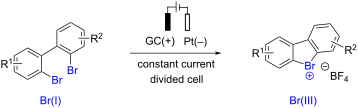
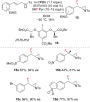
- -[1,1'-biphenyl]-2-amines 3 with sodium nitrite and an acid under aqueous conditions. Recently, Wencel-Delord and co-workers disclosed an improved protocol toward diazonium intermediates 2 under non-aqueous conditions (t-BuONO and MsOH in acetonitrile) [4]. Nevertheless, the improved method still


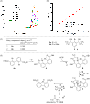
New tandem Ugi/intramolecular Diels–Alder reaction based on vinylfuran and 1,3-butadienylfuran derivatives
Beilstein J. Org. Chem. 2025, 21, 444–450, doi:10.3762/bjoc.21.31
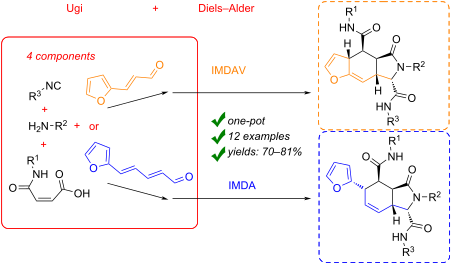
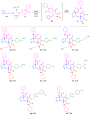
- the Ugi reaction with a maleic acid to form adducts containing both, diene and dienophilic fragments. It was found that aldehyde 1a reacted with amines 2, isonitriles 3, and maleic acid monoanilide (4a) to form an adduct that spontaneously underwent a [4 + 2] cycloaddition giving furoisoindoles 5a–h




Beyond symmetric self-assembly and effective molarity: unlocking functional enzyme mimics with robust organic cages
Beilstein J. Org. Chem. 2025, 21, 421–443, doi:10.3762/bjoc.21.30
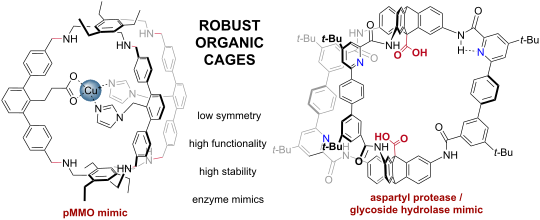
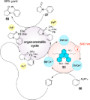
- -based porous organic cages have been a popular choice for study [377][379][406][407][408], as have MOCs [208][376][386]. Much focus remains on the prediction (and automation) [409] of the formation of cavities by probing combinations of, e.g., amines/aldehydes or metals/ligands to identify structures




Identification and removal of a cryptic impurity in pomalidomide-PEG based PROTAC
Beilstein J. Org. Chem. 2025, 21, 407–411, doi:10.3762/bjoc.21.28
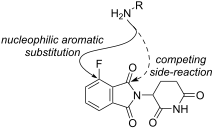
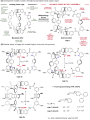
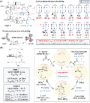
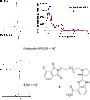
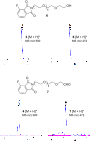
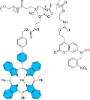
- by which glutarimide displacement affects quality control analysis, we tested a series of amines and compared the retention times of 8 and 9 (Table 1). Rather surprisingly, the length of amino-PEG-OH had no effect on the relative retention time of 8 and 9. The byproduct co-eluted with the desired
- to generate an inseparable byproduct. By contrast, the byproduct derived from Boc-protected amines has a significantly different retention time on HPLC and could be removed by regular silica gel chromatography. Because the formation of 5‒7 posts a significant purification challenge, we sought to
- develop a method to facilitate the elimination of this impurity. We first attempted scavenging 6 by solid-phase supported amines. Incubating a mixture of 3 and 6 with TentaGel S-NH2 in DMF led to a gradual decrease of 6 over four days. Whereas this method is applicable to removing 9 of different PEG-OH




Red light excitation: illuminating photocatalysis in a new spectrum
Beilstein J. Org. Chem. 2025, 21, 296–326, doi:10.3762/bjoc.21.22

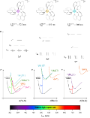
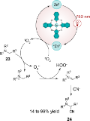
- to give 22. In a same manner, Opatz et al. have shown that zinc phthalocyanins can catalyze oxidative cyanation reactions of tertiary amines 23, yielding α-aminonitriles 24 under continuous-flow conditions [36]. This reaction proceeds through the excitation of zinc phthalocyanin by near-infrared
- form the desired α-aminonitrile (Scheme 8). Notably, the authors have optimized the reaction conditions to achieve high yields across a wide substrate scope with more than 15 examples, including the cyanation of aliphatic amines such as tributylamine and sterically hindered substrates, which















Molecular diversity of the reactions of MBH carbonates of isatins and various nucleophiles
Beilstein J. Org. Chem. 2025, 21, 286–295, doi:10.3762/bjoc.21.21
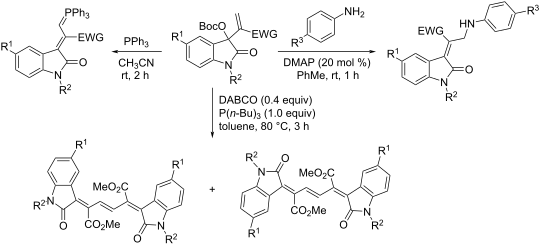
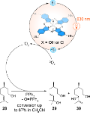
- conditions in hands, the scope of the reaction was investigated by using various MBH nitriles of isatins and aromatic amines in the reaction. The results are summarized in Scheme 1. All reactions proceeded smoothly to give the expected allylic SN2-substituted products 3a–i in satisfactory yields. Aromatic
- amines with various substituents could be employed in the reaction to give the expected products. N-Methylaniline and n-butylamine were also successfully converted to the desired products 3h and 3i in 72% and 63% yields, respectively. The structures of compounds 3a–i were fully characterized by various
- spectroscopy techniques. In order to show the universality of the substitution reaction, MBH maleimides of isatins 4 were also employed in the reaction. In the absence of any base as promoter, the reaction of MBH maleimides of isatins with various aromatic amines in toluene at 65 °C gave the expected




Heteroannulations of cyanoacetamide-based MCR scaffolds utilizing formamide
Beilstein J. Org. Chem. 2025, 21, 217–225, doi:10.3762/bjoc.21.13
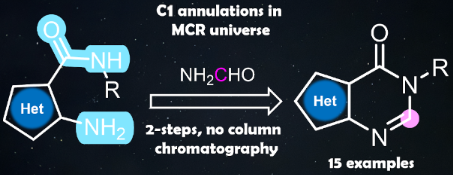
- of primary amines was reacted with methyl cyanoacetate [46], giving rise to the corresponding cyanoacetamides 1 (Scheme 2). Subsequently, they were reacted accordingly to yield a variety of the targeted precursors, 2-aminothiophenes 2 [42], 2-aminoquinolines 3 [45] and 2-aminoindoles 4 [44], via
- (hetero)aromatic, bulky and linear amines with different substitution patterns. The compounds 2–4 were purified by recrystallization and employed as such (Scheme 2). To our great delight, the heterocycles 2–4 could successfully be subjected to refluxing formamide under neat conditions, instantly yielding




Dioxazolones as electrophilic amide sources in copper-catalyzed and -mediated transformations
Beilstein J. Org. Chem. 2025, 21, 200–216, doi:10.3762/bjoc.21.12
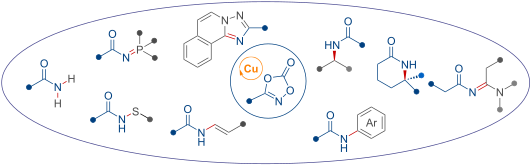
- secondary amines via an N-acyl nitrene intermediate [77]. Amidines, found in biologically active compounds, have been widely investigated in medicinal chemistry due to their potent antiviral, antibacterial, anticancer, and other therapeutic properties [78][79][80][81]. As shown in Scheme 4, dioxazolones
- 20 is afforded through protonolysis, regenerating the active copper species to complete the catalytic cycle. 2 Amidation via oxidative insertion to N–O bonds and reductive elimination 2.1 Hydroamidation of vinylarenes Amines bearing stereogenic centers have been widely investigated in the research
- area of medicinal chemistry [93][94][95][96][97]. In 2018, Buchwald and co-workers unveiled the enantioselective synthesis of benzylic amines through the asymmetric Markovnikov hydroamidation of alkenes utilizing diphenylsilane in copper catalysis under mild reaction conditions [98]. Dioxazolones, as


Recent advances in electrochemical copper catalysis for modern organic synthesis
Beilstein J. Org. Chem. 2025, 21, 155–178, doi:10.3762/bjoc.21.9

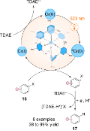
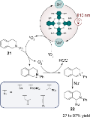
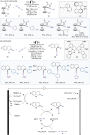
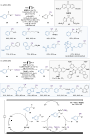
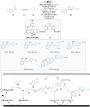
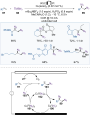
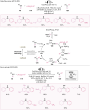
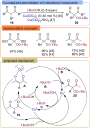
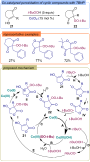
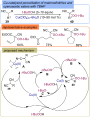
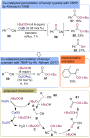
- asymmetric C(sp3)–H alkynylation of tertiary cyclic amines by merging Cu(II)/TEMPO catalysis with electrochemistry to yield chiral C1-alkynylated tetrahydroisoquinolines (THIQs) (Figure 5) [50]. As a co-catalytic redox mediator, TEMPO plays an essential role in the formation of iminium intermediate 15 and in
- the product are accessible by adjusting the two distinct chiral catalysts. C–N Bond formation In 2018, Mei et al. developed the electrochemical C–H amination of arenes with amine electrophiles using copper catalysis, which provided a step-economical approach for the synthesis of aromatic amines by








Cu(OTf)2-catalyzed multicomponent reactions
Beilstein J. Org. Chem. 2025, 21, 122–145, doi:10.3762/bjoc.21.7

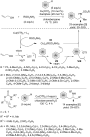
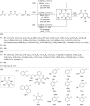
- reactions conducted step by step. Providing acyclic compounds A three-component Strecker-type condensation of aromatic aldehydes, amines, and cyanides under mild reaction conditions furnishes α-aminonitriles 1 in good to high yields (Scheme 1) [15]. The reaction failed only in the case of acetophenone
- . The Mannich reaction with aromatic aldehydes and cyclic amines was performed efficiently on 2-naphthol, by using SiO2-supported copper triflate under solvent-free conditions, without an additional co-catalyst or additive (Scheme 3) [17]. The treatment of stoichiometric amounts of arylaldehydes
- , secondary aliphatic or aromatic amines and thiols in the presence of catalytic Cu(OTf)2 (1 mol %) in aqueous media was proven to be a sustainable procedure to access thioaminals 5, avoiding high temperatures and/or hazardous reagents required by classical conditions (Scheme 4) [18]. The 1,2






Recent advances in organocatalytic atroposelective reactions
Beilstein J. Org. Chem. 2025, 21, 55–121, doi:10.3762/bjoc.21.6
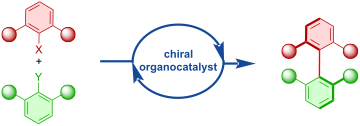
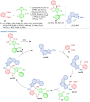
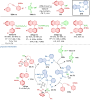
- prochiral 2-aryloxyisophthalaldehydes 57a,b with a range of aliphatic and aromatic alcohols 58a–g, as well as heteroaromatic amines 60 (Scheme 19). Chiral diaryl ethers of this type received increased attention lately. Biju, Gao, Zhang, and Zeng groups all reported high degrees of yields and
- amines 76 in the C–H amination reaction with CPA C25, the authors were able to prepare axially chiral para-amination products 78 (Scheme 25) [49]. Such amination products 78 were prepared with high levels of yields and showed remarkable enantiomeric purities. Interestingly, when a phenyl substituent was






Facile one-pot reduction of β-nitrostyrenes to phenethylamines using sodium borohydride and copper(II) chloride
Beilstein J. Org. Chem. 2025, 21, 39–46, doi:10.3762/bjoc.21.4
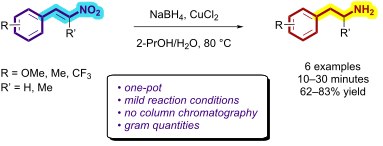
- is simplified thanks to the ability of 2-propanol to partition from the sodium hydroxide aqueous solution, which allows prompt extraction of the products. Once 2-propanol is evaporated, the products can also be isolated as free amines by dissolving the residue in diethyl ether, decanting it into


Reactivity of hypervalent iodine(III) reagents bearing a benzylamine with sulfenate salts
Beilstein J. Org. Chem. 2024, 20, 3281–3289, doi:10.3762/bjoc.20.272
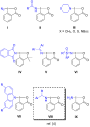
- have been reported [12]. These reagents have proven effective in delivering azides (I) [13], amides (II) [14], aliphatic cyclic amines (III) [15], phthalimidates (IV) [16], imines (V) [17], sulfoximides (VI) [18], carbazoles (VII) [19], secondary (VIII) [4] and primary (IX) [20] amines (Figure 1). The
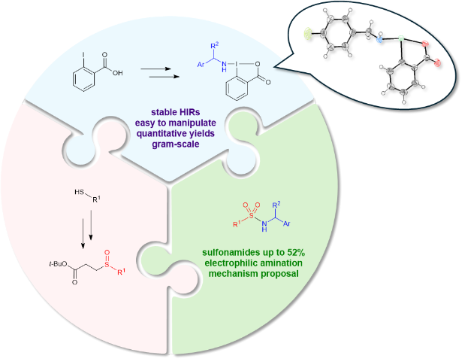
- benziodoxolone was generated in situ, via a reaction of chlorobenziodoxolone with sulfinate salts, followed by the addition of amines or hydrazines, respectively. On the follow-up on our research, we envisaged to extend the diversity of BBX reagents as electrophilic amine reagents and investigated their
- formed by carboxylic acids, enhancing its versatility and effectiveness in drug design [27]. Traditional sulfonamide preparation involves combining sulfonyl chlorides and amines [25][28][29]. Despite the efficiency of traditional methods, challenges still remain, e.g., use of harsh conditions, like



Non-covalent organocatalyzed enantioselective cyclization reactions of α,β-unsaturated imines
Beilstein J. Org. Chem. 2024, 20, 3221–3255, doi:10.3762/bjoc.20.268
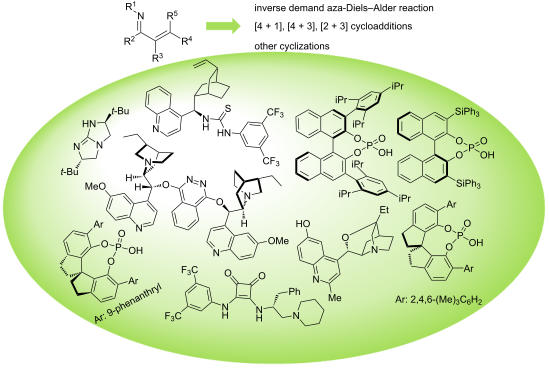
- , they can be attacked by a nucleophile and undergo a 1,2-addition or conjugate addition leading to the production of allylic amines or aliphatic imines, respectively. They can also behave as C4 synthons in cycloaddition reactions such as the aza-Diels–Alder reaction, giving access to nitrogen-containing
- covered in this review are hydrogen-bond donors such as thioureas and squaramides, Brønsted bases such as tertiary amines, and Brønsted acids such as chiral phosphoric acids. As depicted in Figure 4, a bifunctional squaramide is able to activate both an α,β-unsaturated imine through hydrogen bonding with





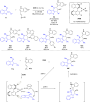


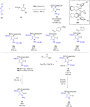


Discovery of ianthelliformisamines D–G from the sponge Suberea ianthelliformis and the total synthesis of ianthelliformisamine D
Beilstein J. Org. Chem. 2024, 20, 3205–3214, doi:10.3762/bjoc.20.266
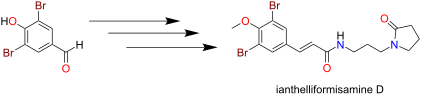
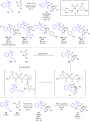
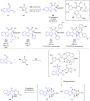
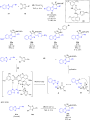
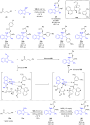
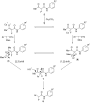
- –activity relationship data, leading to speculation over the moieties responsible for their antibiotic effects. A reduction in the number of amines in the polymeric chain and the absence of a primary amine was noted to decrease bioactivity by Xu et al. [7]. Research reported by Khan et al. in 2014 [9] also


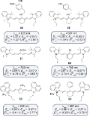
![[Graphic 1]](/bjoc/content/inline/1860-5397-20-266-i2.svg?max-width=637&scale=1.18182)
![[Graphic 2]](/bjoc/content/inline/1860-5397-20-266-i3.svg?max-width=637&scale=1.18182)
![[Graphic 3]](/bjoc/content/inline/1860-5397-20-266-i4.svg?max-width=637&scale=1.18182)

![[Graphic 4]](/bjoc/content/inline/1860-5397-20-266-i5.svg?max-width=637&scale=1.18182)
![[Graphic 5]](/bjoc/content/inline/1860-5397-20-266-i6.svg?max-width=637&scale=1.18182)

Synthesis of 2H-azirine-2,2-dicarboxylic acids and their derivatives
Beilstein J. Org. Chem. 2024, 20, 3191–3197, doi:10.3762/bjoc.20.264
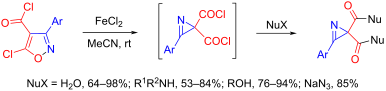
- from isoxazole 1a and primary and secondary amines according to the conditions described in entries 9 and 10 in Table 2, with yields of up to 78% (Scheme 4). An experiment with benzylamine and isoxazole 1a on a 1.5 mmol scale gave diamide 10a in 84% yield. The structure of compound 10h was confirmed by
- -2,2-dicarboxamides were prepared using primary and secondary amines in 53–84% yield, and the reaction is scalable. Methyl and ethyl esters of 3-phenyl-2H-azirine-2,2-dicarboxylic acid were prepared in 76–99% yield from 3-phenyl-2H-azirine-2,2-dicarbonyl dichloride and methanol or ethanol, but the




Multicomponent reactions driving the discovery and optimization of agents targeting central nervous system pathologies
Beilstein J. Org. Chem. 2024, 20, 3151–3173, doi:10.3762/bjoc.20.261
- obtain α-acylaminoamides. Innovation in recent years with alternative reagents, like N-hydroxyimides or nitric acid in place of an acid, N-alkylated hydrazines, or nitrobenzene derivatives (reduced in situ to anilines) instead of amines, and in situ-prepared isocyanides, makes it a versatile method for
- heterocyclic scaffold is subsequently formed [58]. In 2015, Xu et al. [59] reported the synthesis of 1,5-benzodiazepines using the UDC approach. The process begins with Ugi-4CRs, incorporating amines, glyoxaldehydes, 2-(N-Boc-amino)phenylisocyanide, and carboxylic acids. Following this, the Boc group is
- substituted 1,4-benzodiazepin-3-ones using the UDC method. This process involves N-Fmoc-amino acids, isocyanides, amines, and derivatives of 2-fluorobenzaldehyde (Scheme 15). Ugi-4CR/reduction/cyclization (URC) strategy: The URC pathway enables the synthesis of benzodiazepines by using amine surrogates, such


Hypervalent iodine-mediated intramolecular alkene halocyclisation
Beilstein J. Org. Chem. 2024, 20, 3113–3133, doi:10.3762/bjoc.20.258
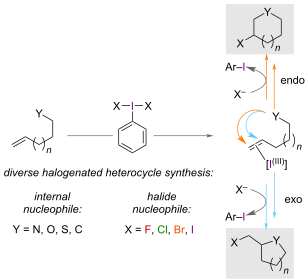
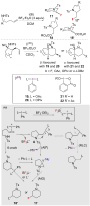
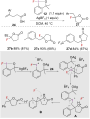
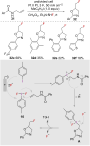
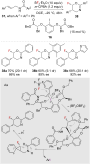
- fluoride and BF3·OEt2 as activator. A range of unsaturated amines 5 were cyclised to racemic β-fluorinated piperidines 6. Good yields were reported for all compounds except those with substituents present on the alkene. Homologation of the carbon chain from 5 to 6 carbons gave both 6- and 7-membered rings
- , intramolecular aminofluorination of a range of unsaturated amines formed β-fluorinated piperidines 6 and 3-fluoroazepanes 7 in good yields. Again, yields only significantly fell with substrates containing substituents on the alkene. Depending on the length of the alkyl chain, both 6- and 7-membered rings were
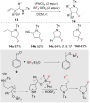
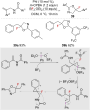
- the product. Li reported a haloamination of unsaturated amines in 2014 (Scheme 5) [30], to form fluorinated piperidines 6 using PhI(OAc)2 as an oxidant and BF3·OEt2 as the source of fluoride. Fluorocyclisations gave lower yields compared to other halocyclisations reported by the authors



















Advances in the use of metal-free tetrapyrrolic macrocycles as catalysts
Beilstein J. Org. Chem. 2024, 20, 3085–3112, doi:10.3762/bjoc.20.257
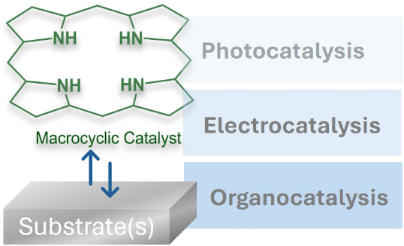
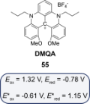
- various amines tested, only the secondary amines (morpholine) led to product formation, confirming the formation of enamine in the catalytic cycle. The proposed mechanism suggested that the amine, photocatalyst, and light each played crucial roles (Figure 14). The porphyrin acted as both a photoredox unit


Advances in radical peroxidation with hydroperoxides
Beilstein J. Org. Chem. 2024, 20, 2959–3006, doi:10.3762/bjoc.20.249
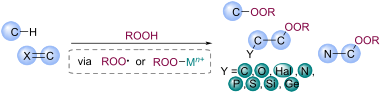
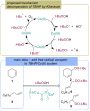
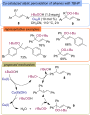
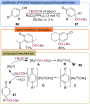
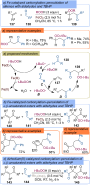
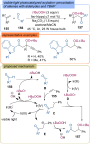
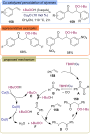
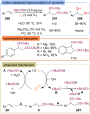
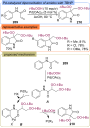
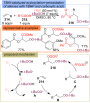
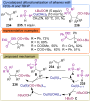
- with radical B to form product 73. The mechanism of the transition metal-catalyzed oxidation of amines with TBHP was studied in detail in the work of Doyle and Ratnikov [71]. The scope of the amines 74 that can be functionalized by the tert-butylperoxy fragment was significantly broadened by using a


























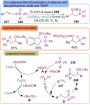
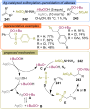


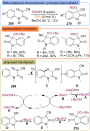


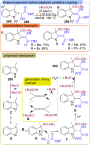

Recent advances in transition-metal-free arylation reactions involving hypervalent iodine salts
Beilstein J. Org. Chem. 2024, 20, 2891–2920, doi:10.3762/bjoc.20.243

- this Li and Jiang, created an effective ball-milling process for the N-arylation of amines 38 with the assistance of diaryliodonium salts 16 (Scheme 15) [67]. The arylation of an amino group or nitrogen heterocycle occurred effectively when the reaction is performed under solvent-free conditions or
- additives. An efficient conversion was detected when the substrate contains electron-rich functionalities. In contrast, the yield dropped notably when the amines were substituted with electron-deficient functionalities. In addition, asymmetric diaryliodonium salts were examined, and the transfer of the aryl
- group with a less hindered portion is observed. The mechanism revealed the reaction undergoes the homolytic cleavage of the diaryliodonium salt to produce an iodoaryl radical cation, which further reacts with the amine to acquire the corresponding diaryl amines. Moreover, a similar reaction tried with a




Multicomponent synthesis of α-branched amines using organozinc reagents generated from alkyl bromides
Beilstein J. Org. Chem. 2024, 20, 2834–2839, doi:10.3762/bjoc.20.239
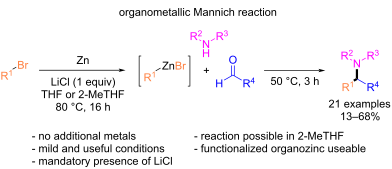
- stoichiometric amount of LiCl was essential for the efficiency of the subsequent three-component coupling with aldehydes and amines. A variety of primary, secondary, and tertiary organozinc reagents as well as secondary amines and aromatic aldehydes could be used for the straightforward preparation of α-branched
- amines. Interestingly, whereas previously reported work describing the preparation and reaction of organozinc iodides in acetonitrile showed higher reactivity of secondary organozinc reagents over primary ones, reactions in THF in the presence of LiCl led to opposite results, with higher reactivity of
- primary organozinc reagents. Keywords: alkyl bromides; branched amines; Mannich reaction; multicomponent reaction; zinc; Introduction The multicomponent Mannich reaction is one of the most powerful tools available in organic synthesis for the straightforward generation of α-branched amines [1][2][3


Access to optically active tetrafluoroethylenated amines based on [1,3]-proton shift reaction
Beilstein J. Org. Chem. 2024, 20, 2776–2783, doi:10.3762/bjoc.20.233
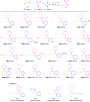
- diastereomers 12 and 13 are often easily separable, and each diastereomer of optically active alcohols or amines can be obtained with an excellent optical purity (reactions 3 and 4 in Scheme 1). To the best of our knowledge, these are the only four works for the preparation of optically active substances having
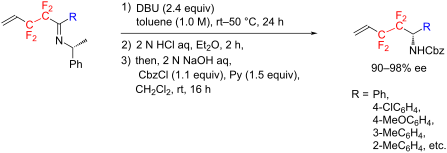
- fluoroalkylated amines 15 with high optical purity could be easily prepared through [1,3]-proton shift reactions of optically active imines 14 which in turn were readily synthesized by condensation of various perfluoroalkyl ketones with optically active (R)-1-phenylethylamine (Scheme 2a) [25][26][27][28][29][30
- ][31][32]. Therefore, we envisioned that optically active tetrafluoroethylenated amines 17 could be synthesized by applying the [1,3]-proton shift to optically active imines 16 derived from readily prepared tetrafluoroethylenated ketones (Scheme 2b). In this paper, we describe the details of the [1,3



Copper-catalyzed yne-allylic substitutions: concept and recent developments
Beilstein J. Org. Chem. 2024, 20, 2739–2775, doi:10.3762/bjoc.20.232
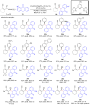
- :1 (Scheme 3, 3e). Carbonates with aryl or styryl residue can undergo the reaction smoothly (Scheme 3, 3f–k), but alkyl-substituted substrates showed low yields (Scheme 3, 3l and 3m). Moreover, secondary amines with various substituents, acyclic amines, primary amines, or even the amine moieties in
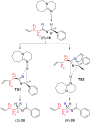
- et al. [63][64] reported the first amine-mediated highly enantioselective copper-catalyzed asymmetric yne-allylic substitution, affording 1,4-enynes with up to 98% ee and >20:1 rr. A series of secondary amines can react smoothly and achieve good enantioselectivities and regioselectivities (Scheme 7
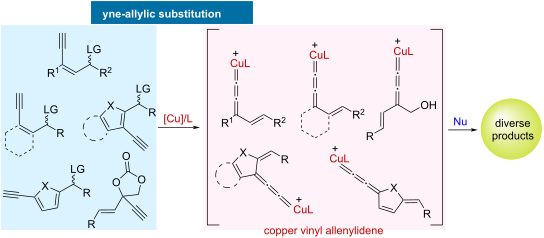
- and yne-allylic substitution. Challenges in achieving highly selective yne-allylic substitution. Yne-allylic substitutions using indoles and pyroles. Yne-allylic substitutions using amines. Yne-allylic substitution using 1,3-dicarbonyls. Postulated mechanism via copper acetylide-bonded allylic cation








Synthesis of spiroindolenines through a one-pot multistep process mediated by visible light
Beilstein J. Org. Chem. 2024, 20, 2722–2731, doi:10.3762/bjoc.20.230
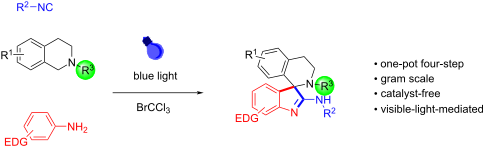
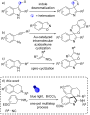
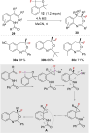
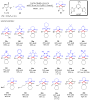
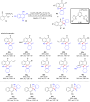
- indole alkaloids. Here, we develop a novel approach for the one-pot multistep synthesis of different spiro[indole-isoquinolines]. The protocol proposed involves the visible light mediated oxidation of N-aryl tertiary amines using bromochloroform with the generation of a reactive iminium species, which
- efficient methods for the synthesis of heterocycles by multicomponent processes and domino reactions [16][17][18][19][20], here we disclosed the oxidative one-pot four-step synthesis of 2-amino-3,3’-spiroindolenines using readily available tertiary amines, electron-rich anilines and isocyanides as starting